
Washington State Parks are home to a diverse array of wildlife species, each with unique habitats and ecosystems. From the famous volcano of Mount Rainier to the largest green space in Seattle, Discovery Park, visitors can experience the awe and wonder of wildlife in Washington State up close. With conservation efforts in place, these parks provide a safe haven for wildlife to thrive while offering recreational activities for visitors to enjoy.
Washington State Parks offer a variety of habitats and ecosystems, including forests, wetlands, and coastal areas, making them ideal places for a wide range of wildlife species to call home. Visitors can spot elk, coyotes, bobcats, beavers, foxes, marmots, pikas, mountain goats, rodents, falcons, eagles, owls, finches, and others. Conservation efforts are in place to protect these species and their habitats, allowing them to live and thrive in their natural environment.
Whether you’re an avid nature enthusiast or just looking for a peaceful getaway, Washington State Parks offers something for everyone. Visitors can enjoy recreational activities such as hiking, fishing, camping, and wildlife watching. With regional highlights to explore and visitor information readily available, you can plan your perfect trip to experience the beauty and wonder of Washington’s wildlife.
Key Takeaways
- Washington State Parks offer diverse habitats and ecosystems for a wide range of wildlife species.
- Conservation efforts protect these species and their habitats, allowing them to thrive in their natural environment.
- Visitors can enjoy recreational activities and plan their perfect trip to experience Washington’s wildlife.
Table of Contents
Exploring Washington State Parks
Washington State Parks offers a diverse range of wildlife, landscapes, and recreational activities. There are over 140 parks throughout the state, including 19 marine parks and 11 historical parks.
Geographical Diversity
Washington State is located in the Pacific Northwest region of the United States and is known for its diverse geography. The state boasts a wide range of ecosystems, including forests, mountains, deserts, and coastlines.
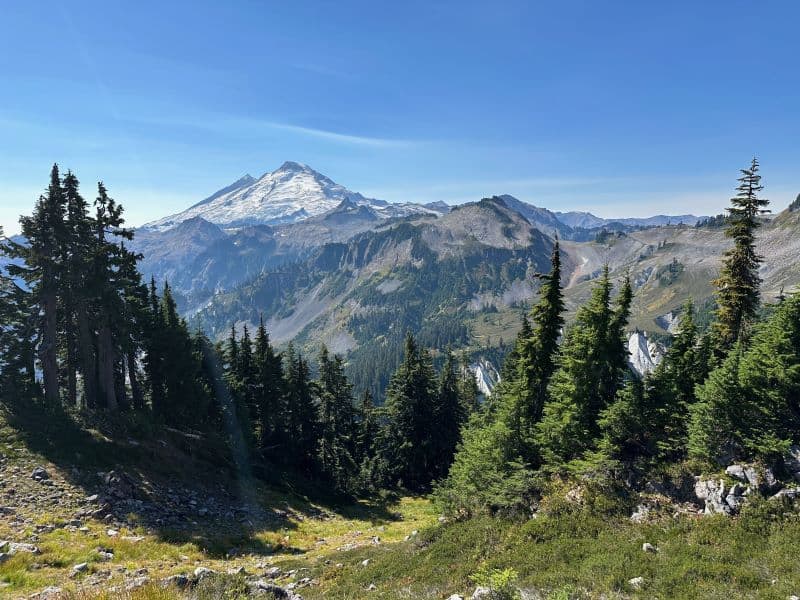
Washington State Parks are spread across the state and offer visitors access to a variety of landscapes. From the rugged coastline of Cape Disappointment State Park to the alpine meadows of Mount Spokane State Park, there is something for everyone to enjoy.
State Parks System
Washington State Parks are managed by the Washington State Parks and Recreation Commission. The parks are primarily funded by the fees collected from visitors. You can also support the parks by making a donation or shopping with them.
The state parks system offers a range of recreational activities, including camping, hiking, fishing, boating, and wildlife watching. The parks also provide public access to federal lands, such as national forests and wilderness areas.
Maps of Washington Parks are available online and at park entrances. These maps provide detailed information about park amenities, trails, and wildlife viewing areas.
Habitats Support Wildlife in Washington State
Washington is home to a variety of habitats and ecosystems. These diverse environments support a wide range of wildlife, from the towering forests of the Cascade Mountains to the sandy beaches of the coast. Here are some of the key ecosystems you can explore in Washington state parks:
Forests and Mountains
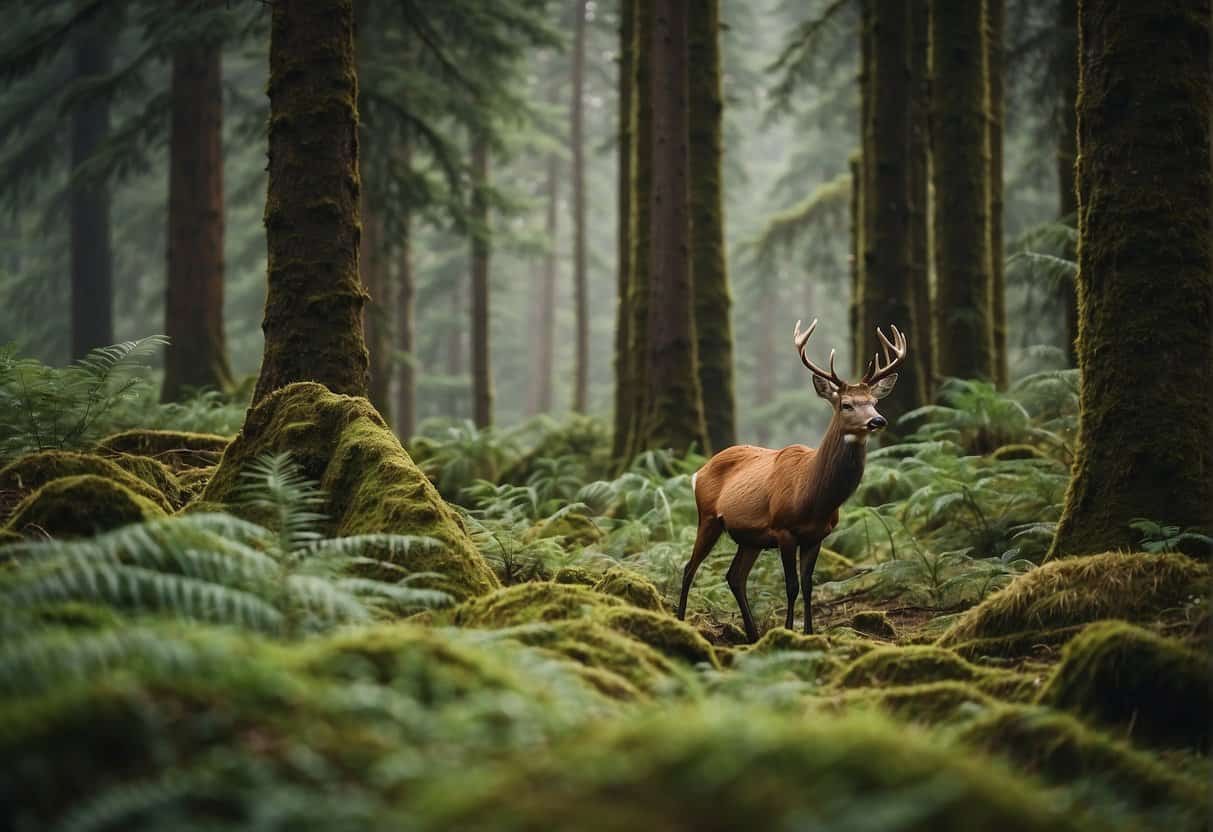
Washington’s forests and mountains provide habitat for a variety of wildlife, including black bears, deer, and mountain goats. The Cascade Mountains are home to temperate rainforests, which receive up to 200 inches of rain each year. These forests are characterized by towering Douglas fir trees, western red cedars, and western hemlocks. The forests in the eastern part of the state are dominated by ponderosa pines and Douglas firs.
Wetlands and Waterways
Washington’s wetlands and waterways are home to a variety of birds, fish, and other aquatic animals. Wetlands are particularly important for waterfowl, such as ducks and geese, which use them as breeding and nesting grounds. Puget Sound, which is home to orcas, seals, and sea lions, is one of the most biologically diverse estuaries in the world. The state’s rivers and streams are also important for salmon, which migrate from the ocean to spawn in freshwater.
Coastal Regions
Washington’s coastal regions are home to a variety of wildlife, including sea otters, harbor seals, and bald eagles. The state’s beaches are important nesting grounds for a variety of seabirds, including puffins and cormorants. The Olympic Peninsula, which is home to the Olympic National Park, is one of the most biologically diverse regions in the state. The peninsula is home to temperate rainforests, alpine meadows, and rugged coastline. This region is home to some of the best opportunities to view wildlife in Washington State.
Wildlife You Can Find in Washington State
Washington’s state parks are home to a diverse range of wildlife species, including mammals, birds, and aquatic life. Here are some of the most notable ones:
Mammals
Washington state parks are home to a variety of mammals, including elk, beavers, migratory mule deer, mountain goats, and bighorn sheep. Elk are commonly found in Olympic National Park, while mountain goats are often seen in the Cascade Range. Beavers are known for their dam-building abilities and can be observed in wetland areas. Migratory mule deer are often seen during the fall, while bighorn sheep can be spotted in the Oak Creek Wildlife Area.
Birds
Washington state parks are also home to a wide variety of bird species, including bald eagles. These majestic birds of prey can be seen soaring overhead in many of the state’s national parks. Other notable bird species include thrushes, owls, and numerous other kinds of wildlife.
Aquatic Life
Washington state parks are also home to a variety of aquatic life, including salmon. These fish are an important part of the state’s ecosystem and can be observed in many of the state’s rivers and streams. In addition to salmon, visitors can also see a variety of other fish species, as well as dolphins, seals, and whales in the state’s coastal areas.
In conclusion, Washington state parks offer visitors the opportunity to observe a diverse range of wildlife species, including mammals, birds, and aquatic life. Whether you’re interested in observing elk in Olympic National Park or watching bald eagles soar overhead, there’s something for everyone to enjoy.
Protecting Wildlife in Washington
Washington State Parks are home to a diverse range of wildlife species. To preserve these natural resources, the Department of Fish and Wildlife, along with volunteers, has implemented various conservation efforts.
Habitat Preservation
Preservation of natural habitats is essential to maintain the biodiversity of Washington’s state parks. The Washington Wildlife and Recreation Program provides funding for land conservation efforts, protecting the most pristine and unique collections of plants in the state, including some of the last remaining plant species in the world.
Wildlife Management
The Department of Fish and Wildlife manages wildlife populations in state parks to ensure their long-term sustainability. The Comprehensive Wildlife Conservation Strategy is a federal requirement fulfilled by Washington and other states. It is a far-reaching national conservation effort that identifies priority areas to focus on wildlife-recreation coexistence efforts.
Volunteer Programs
Volunteers play a vital role in conservation efforts. The State Wildlife Action Plan requires plans to be updated every ten years to remain eligible for State Wildlife Grants funding. Volunteers can participate in various programs, such as habitat restoration and monitoring, to support these efforts.
Fun Activities in Washington State Parks

Washington State Parks offer a variety of recreational activities for visitors to enjoy. From hiking and camping to fishing and boating, there is something for everyone. Here are some of the most popular recreational activities in Washington State Parks.
Hiking and Camping
Washington offers a wide range of hiking trails, from easy walks to challenging hikes. The trails are well-maintained and offer stunning views of the state’s natural beauty. Camping is also a popular activity in Washington parks. There are many campsites available, ranging from primitive sites to sites with full amenities.
Fishing and Boating
Washington State Parks offer some of the best fishing and boating opportunities in the country. Visitors can fish for a variety of species, including trout, salmon, and steelhead. Boating is also popular, with many parks offering boat launches and rentals.
Wildlife Viewing
Washington State Parks are home to a wide range of wildlife, including elk, deer, bears, and mountain lions. Visitors can enjoy watching these animals in their natural habitat. Birdwatching is also popular, with many parks offering excellent opportunities to see a variety of bird species.
Essential Info for Park Visitor
Access and Permits
To access Washington state parks, you must purchase a Discover Pass, which can be acquired online, at the park, or from a licensed vendor. The pass is required for parking at state parks, but free entry is available through the Check Out Washington program or on the 12 free days each year. Maps are available at the park and online to help navigate the park’s trails and attractions.
Safety and Regulations
Washington state parks have specific regulations to ensure visitor safety and preserve the natural environment. Be aware of wildlife and follow the “Leave No Trace” principle. Observe the rules about camping, fires, and trash disposal. Respect the park’s boundaries and avoid disturbing the wildlife. Public recreation areas have rangers on site to help visitors and enforce park regulations.
Educational Programs
Washington Parks offer educational programs to enhance visitors’ experience and knowledge of the park’s flora and fauna. The programs are designed for all ages and range from guided hikes to ranger-led talks. Check the park’s calendar of events for upcoming programs.
Must-See Regions in Washington Parks
Eastern Washington
Eastern Washington is home to a diverse range of wildlife, including mule deer, elk, and bighorn sheep. The Methow Valley Wildlife Area is one of the best spots for wildlife viewing in the region. In the winter, you can catch a glimpse of bald eagles and trumpeter swans near the Skagit River.
Central Washington
Central Washington offers a unique landscape with plenty of opportunities to view wildlife. Lake Chelan is a great place to spot bald eagles, while the Wenatchee Confluence State Park is home to over 200 species of birds. Leavenworth is also a great place to visit for wildlife enthusiasts, with elk and deer frequently spotted in the area.
Western Washington
Western Washington is known for its lush rainforests and diverse wildlife. The Skagit River is a popular spot for birdwatching, with great blue herons and bald eagles frequently spotted in the area. Whidbey Island is another great place to visit, with plenty of opportunities to see gray whales, sea otters, and harbor seals. The Hood Canal is also a great spot for wildlife viewing, with salmon and steelhead frequently spotted in the area.
In Chehalis, the Scatter Creek Wildlife Area is a great place to see elk and black bears. Issaquah is also a popular spot for wildlife viewing, with plenty of opportunities to see great blue herons and bald eagles. The Palouse is another great place to visit, with plenty of opportunities to spot elk, deer, and coyotes.
Ready to Discover the Wildlife in Washington State? 🌲🦌
Dive into the stunning beauty of Washington’s natural landscapes and get up close with its diverse wildlife. From observing majestic elk to spotting soaring eagles, every encounter is a story waiting to be told. Don’t just experience it – share it!
Leave a comment below with your own wildlife stories in Washington State and join our community of nature enthusiasts!
Common Questions About Washington Parks
What species of wildlife can be observed in Washington State Parks?
Washington state parks offer a diverse range of wildlife species, including elk, deer, black bears, coyotes, and bald eagles. Additionally, there are many smaller animals, such as rabbits, squirrels, and chipmunks, that can be seen throughout the parks.
Are there specific hunting regulations within Washington state wildlife areas?
Yes, there are specific hunting regulations within Washington state wildlife areas. These regulations vary depending on the species being hunted and the area in which the hunting is taking place. It is important to check with the Washington Department of Fish and Wildlife for specific hunting regulations before hunting in any state wildlife area.
What job opportunities are available with the Washington Department of Fish and Wildlife?
The Washington Department of Fish and Wildlife offers a variety of job opportunities, including wildlife biologists, fish and wildlife enforcement officers, and habitat biologists. For more information on job opportunities, please visit the Washington Department of Fish and Wildlife website.
How can I contact the Washington Department of Fish and Wildlife for information?
You can contact the Washington Department of Fish and Wildlife for information by visiting their website, emailing them at info@dfw.wa.gov, or calling their main office at (360) 902-2200.
What are the fishing regulations in Washington state parks?
Fishing regulations in Washington state parks vary depending on the park and the species being fished. It is important to check with the Washington Department of Fish and Wildlife for specific fishing regulations before fishing in any state park.
Which wildlife areas in Washington are open to hunting?
Many wildlife areas in Washington are open to hunting. It is important to check with the Washington Department of Fish and Wildlife for specific hunting regulations before hunting in any state wildlife area.
Growing up in the Pacific Northwest, we’ve always felt at home in the outdoors. We created Evergreen Adventures PNW to share our love of hiking, camping, and exploring, and to help others discover the best adventures this region has to offer. Along with trip guides and tips, we also enjoy diving into the science behind the landscapes—thanks to a background in Environmental Science—because understanding nature makes every adventure even more meaningful.