
If you’re an avid birdwatcher, you’ll want to add Skagit Valley to your winter birding bucket list! Located in northwest Washington State, Skagit Valley is an excellent destination for bird lovers. With a variety of habitats, including farmlands, wetlands, estuaries, prairies, and forests, this valley is home to many different bird species.
During the winter months, Skagit Valley becomes a hot spot for migratory birds, including tens of thousands of snow geese, trumpeter swans, and tundra swans. Hundreds of bald eagles can be seen soaring through the skies. From seasoned birdwatchers to first-timers, Skagit Valley offers a unique and memorable birding experience.
Key Takeaways
- Skagit Valley is a top destination for winter birding.
- The valley is home to a diverse array of bird species.
- Winter months bring migratory birds such as snow geese, swans, and bald eagles.
Table of Contents
Winter Birding Overview
If you’re looking for an unparalleled birding experience, head to the Skagit Valley and Whatcom County this winter. The region’s extraordinary species diversity and sheer numbers make it a must-see destination for both budding and seasoned bird watchers.
Importance of Skagit Valley for Birding
The area and neighboring Whatcom County encompass some of the most dramatic landscapes on the West Coast. Located in Northwest Washington, the region is an important part of the Pacific Flyway, offering extensive preserves catering to birds of all feathers. The glacially-fed Skagit River nourishes the valley, making it a perfect jump-off point for the Cascade Loop of the Great Washington State Birding Trail.
Key Bird Species to Observe
The Skagit Valley’s winter birding season begins around November or December with the return of migratory waterfowl and higher concentrations of raptors. The season’s showstoppers — tens of thousands of snow geese alongside thousands of trumpeter swans and tundra swans — typically stay through March. Several hundred bald eagles are commonly seen on the upper Skagit River around December with the winter salmon runs.
While any time of day can lead to a unique experience, bird numbers, and activity tend to spike in the early morning and late evenings. Some of the key bird species to observe in the Skagit Valley include:
- Snow Geese
- Trumpeter Swans
- Tundra Swans
- Bald Eagles
- Northern Harriers
- Short-eared Owls
- Red-tailed Hawks
- Rough-legged Hawks
- American Kestrels
- Peregrine Falcons
Many of the reserves in the Skagit Valley are ADA-accessible, making birding effortless for all. Some of the must-visit reserves include the Skagit Wildlife Area – Fir Island Farm Reserve, Skagit Wildlife Area Headquarters Unit – Wiley Slough, Samish Flats, and Butler Flats.
Don’t forget to stop at the Skagit River Bald Eagle Interpretive Center, Marblemount Boat Launch and Fish Hatchery, and Raser State Park for prime eagle viewing opportunities.
Bird Watching Hotspots
If you’re a bird lover, Skagit Valley is the place to be in winter. The region boasts some of the highest concentrations of wintering bald eagles and migratory waterfowl in the United States. Here are some of the top bird-watching hotspots to explore.
Skagit Wildlife Area
Fir Island Farm Reserve is a must-visit reserve for bird enthusiasts. The reserve is home to tens of thousands of snow geese, tundra and trumpeter swans, northern harriers, and bald eagles. You can take a stroll on the paved and gravel trails while enjoying the breathtaking views of the birds.
Wiley Slough is another site within the Skagit Wildlife Area that is worth exploring. The site is home to over 180 species of birds, including shorebirds, raptors, swans, and ducks. A 1.3-mile trail ensures ample opportunities for nature immersion.
Samish Flats
Samish Flats is a superb raptor viewing area. Keep your binoculars close as you search for red-tailed hawks, rough-legged haws, American kestrels, northern harriers, and peregrine falcons. Acrobatic short-eared owls hunt in the late afternoons, offering a rare opportunity to see owls in the daylight.
Fir Island
Butler Flats is a hidden gem where agriculture and wildlife coexist and thrive. Scores of formerly endangered trumpeter swans and closely related tundra swans flock among the farmlands carefully managed for their benefit.
Skagit and Samish River Basins
The Upper Skagit River is a prime viewing spot for wintering bald eagles. Between the tiny towns of Marblemount, Rockport, and Concrete, you’ll discover one of the highest concentrations of wintering bald eagles in the United States. They gather to feed on the annual salmon spawns along the Upper Skagit River and number in the hundreds between December and January.
Raser State Park offers a more secluded winter birdwatching experience. Migrating bald eagles, along with goldeneyes, resident-belted kingfishers, and downy, hairy, and pileated woodpeckers, are often spotted. This park has an ADA-accessible trail leading right to the riverbed.
Skagit Bay
For a tailored bird-watching experience, take advantage of the annual Wings Over Water Northwest Birding Festival in March. The event’s cruises of Boundary Bay and Semiahmoo Bay offer a chance to see offshore species and take the guesswork out of bird watching.
With these bird-watching hotspots, you can be sure to catch a glimpse of some of the most extraordinary bird species in the Pacific Flyway.
Bird Species and Habitats
The region is home to a diverse range of bird species, including raptors, waterfowl, and passerines. The habitats in the Skagit Valley, such as wetlands, farmlands, and forests, provide an ideal environment for birdwatching.
Raptors and Their Territories
The area is home to several species of raptors, including bald eagles, northern harriers, and peregrine falcons. The Upper Skagit River is a prime location to spot bald eagles during the winter salmon runs. The North Cascades Highway offers numerous viewing opportunities for eagles, with Marblemount Boat Launch and Fish Hatchery being a must-visit location. Samish Flats is an excellent spot for viewing red-tailed hawks, rough-legged hawks, and American kestrels.
Waterfowl and Wetlands
Skagit is also a significant wintering ground for waterfowl, with tens of thousands of snow geese, trumpeter swans, and tundra swans flocking to the region every year. The Skagit Wildlife Area – Fir Island Farm Reserve is a must-visit location for birdwatchers, with its high species count and diverse environment. The paved and gravel trails make birding effortless. Skagit Wildlife Area Headquarters Unit – Wiley Slough is another location where you can spot swans, bald eagles, and northern harriers.
Passerines and Farmlands
Passerines, or perching birds, are abundant in the Skagit Valley’s farmlands. The Skagit River Bald Eagle Interpretive Center is a great location to spot passerines such as black and Vaux’s swifts, spotted sandpipers, and American dippers. The North Cascades Highway is home to Butler Flats, where you can spot trumpeter swans and tundra swans among the farmlands.
Seasonal Highlights
Winter birding in the this area is a must-see experience for any bird watcher. The region’s diverse landscape and extensive preserves provide a habitat for hundreds of bird species. Here are some of the seasonal highlights you can expect during your visit.
What to See in December
December marks the beginning of the winter birding season. Migratory waterfowl and higher concentrations of raptors return to the area. Several hundred bald eagles are commonly seen on the upper Skagit River around December with the winter salmon runs. The Skagit Wildlife Area – Fir Island Farm Reserve is a must-see reserve with tens of thousands of snow geese, tundra and trumpeter swans, bald eagles, and northern harriers.
January’s Peak of Migration
January is the peak of migration season in the Skagit Valley. Bird numbers and activity spike in the early morning and late evenings. The Skagit Wildlife Area Headquarters Unit – Wiley Slough is a site that can’t be missed on a Skagit Valley trip. Over 180 species such as shorebirds, raptors, swans, and ducks depend on this site. Samish Flats is a superb raptor viewing area where you can search for red-tailed hawks, rough-legged haws, American kestrels, northern harriers, and peregrine falcons.
March’s Departing Birds
March is typically the end of the winter birding season in the area. The season’s showstoppers, tens of thousands of snow geese alongside thousands of trumpeter swans and tundra swans, typically stay through March. Butler Flats, located north of Burlington and near the Samish River, is a great place to see scores of formerly endangered trumpeter swans and closely related tundra swans flock among the farmlands carefully managed for their benefit.
Birding Events and Education
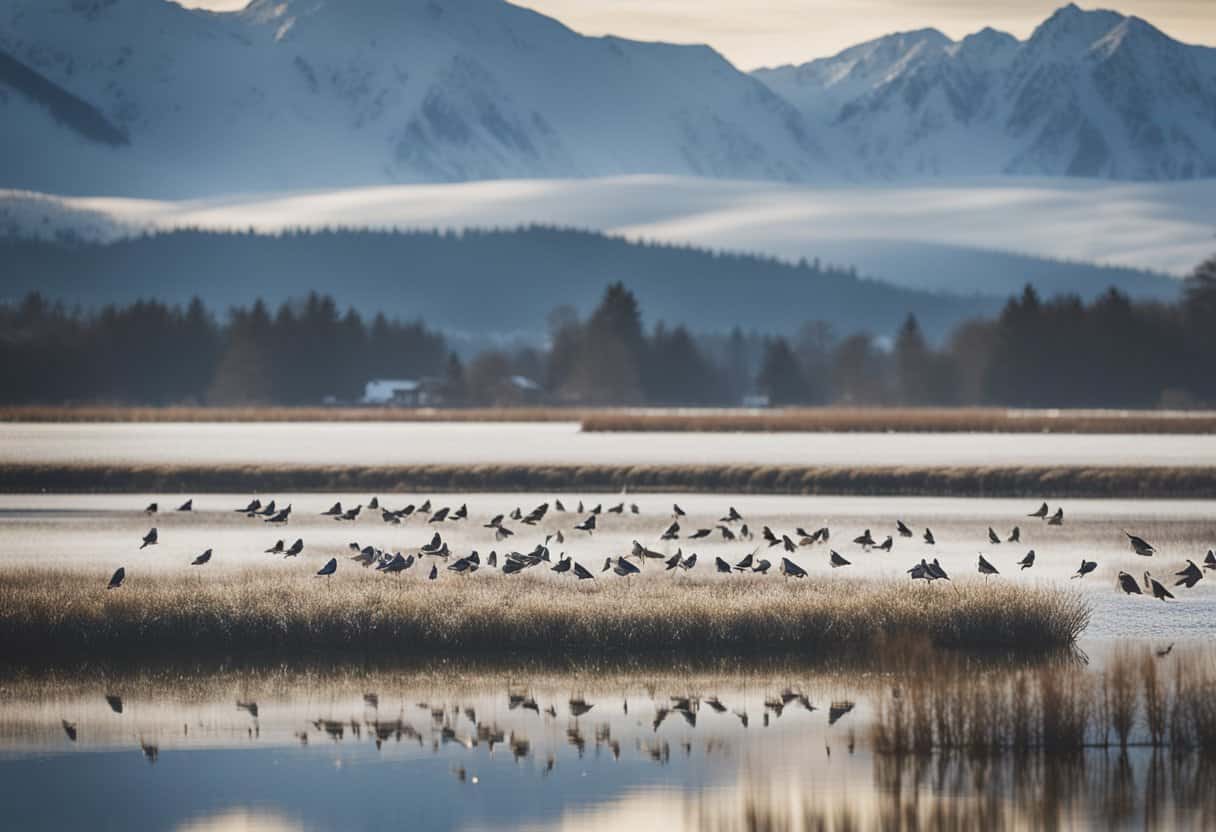
If you’re looking for opportunities to learn more about the birds of Skagit Valley, you’re in luck. Skagit Valley is home to several birding events and educational programs that offer a chance to explore the region’s avian life.
Skagit Eagle Festival
The Skagit Eagle Festival is an annual event that takes place in January and February, coinciding with the arrival of bald eagles in the area. The festival offers a variety of activities, including guided tours, art exhibits, and educational programs.
Birds of Winter Experience
The Birds of Winter Experience is another event that celebrates the avian life of Skagit Valley. The event takes place from November to February and offers a chance to explore the variety of habitats and view the diversity of birdlife in the region.
Educational Programs by Skagit Audubon Society
The Skagit Audubon Society offers a range of educational programs for birders of all levels. From birding basics to advanced identification techniques, the society’s programs cover a wide range of topics. The society also organizes field trips and birding events throughout the year, providing opportunities to explore the area’s avian life.
Planning Your Visit
Best Times for Bird Watching
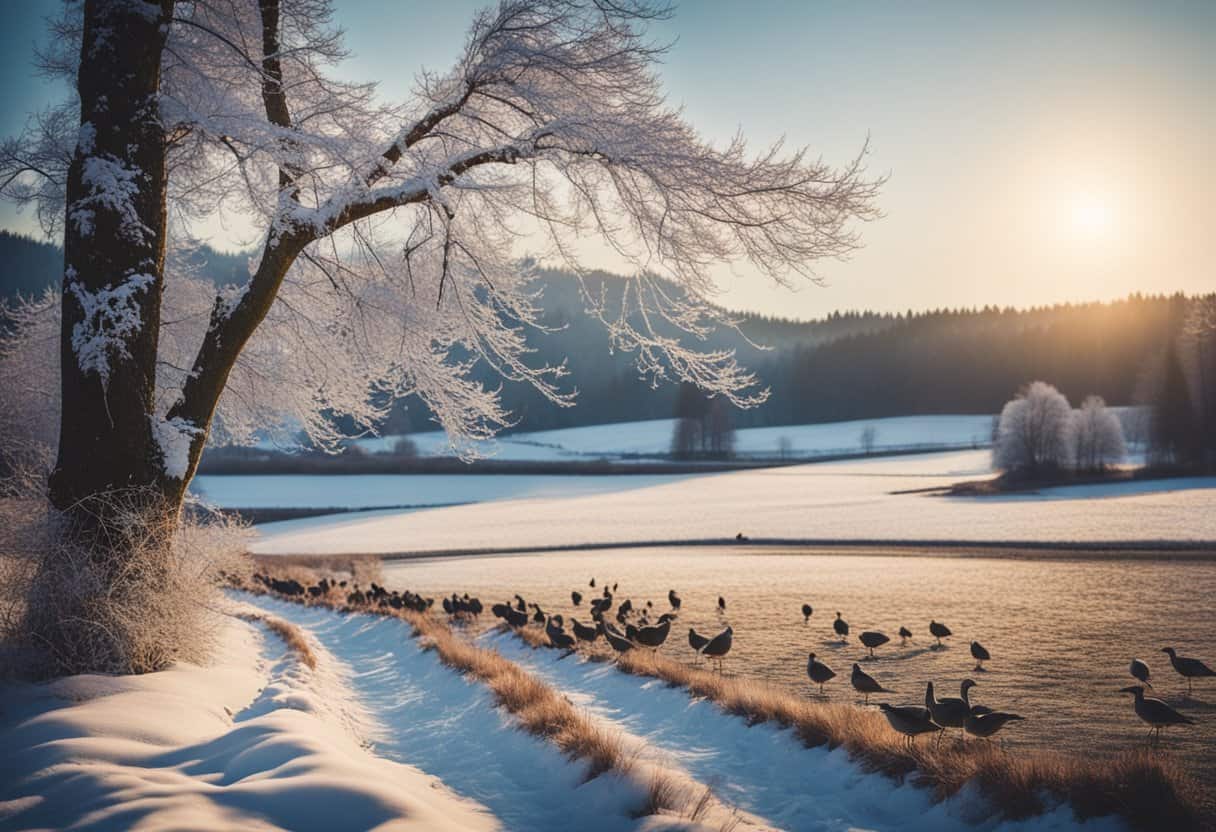
Winter is the best time to visit Skagit Valley for bird watching. The winter birding season starts around November or December and lasts through March. During this time, you can witness tens of thousands of snow geese, thousands of trumpeter swans, and several hundred bald eagles. The Skagit River Bald Eagle Area is a great spot to see bald eagles feeding on spawned-out salmon.
Essential Gear and Tips
Binoculars are a must-have for bird watching. Dress warmly and wear comfortable shoes for walking. Bring a camera to capture the beautiful birds and landscapes. When observing wildlife, keep a respectful distance to avoid disturbing them. Don’t forget to bring water and snacks.
Guidelines for Respectful Wildlife Observation
When observing birds, it’s important to respect their natural habitat. Stay on designated trails and avoid disturbing nesting areas. Keep a respectful distance and use binoculars to get a closer look. Don’t feed the birds or leave any trash behind. Follow all posted signs and regulations.
Skagit County is home to several wildlife areas, including the Skagit Wildlife Area and the Padilla Bay National Estuarine Research Reserve. These areas offer a variety of habitats for bird watching. The Skagit Bird Festival is also a great way to experience the variety and abundance of bird life in the valley.
In summary, plan your visit to Skagit Valley during the winter months for optimal bird watching. Bring binoculars, dress warmly, and follow guidelines for respectful wildlife observation. Enjoy the beautiful birds and landscapes in Skagit County’s wildlife areas.
Conservation and Community
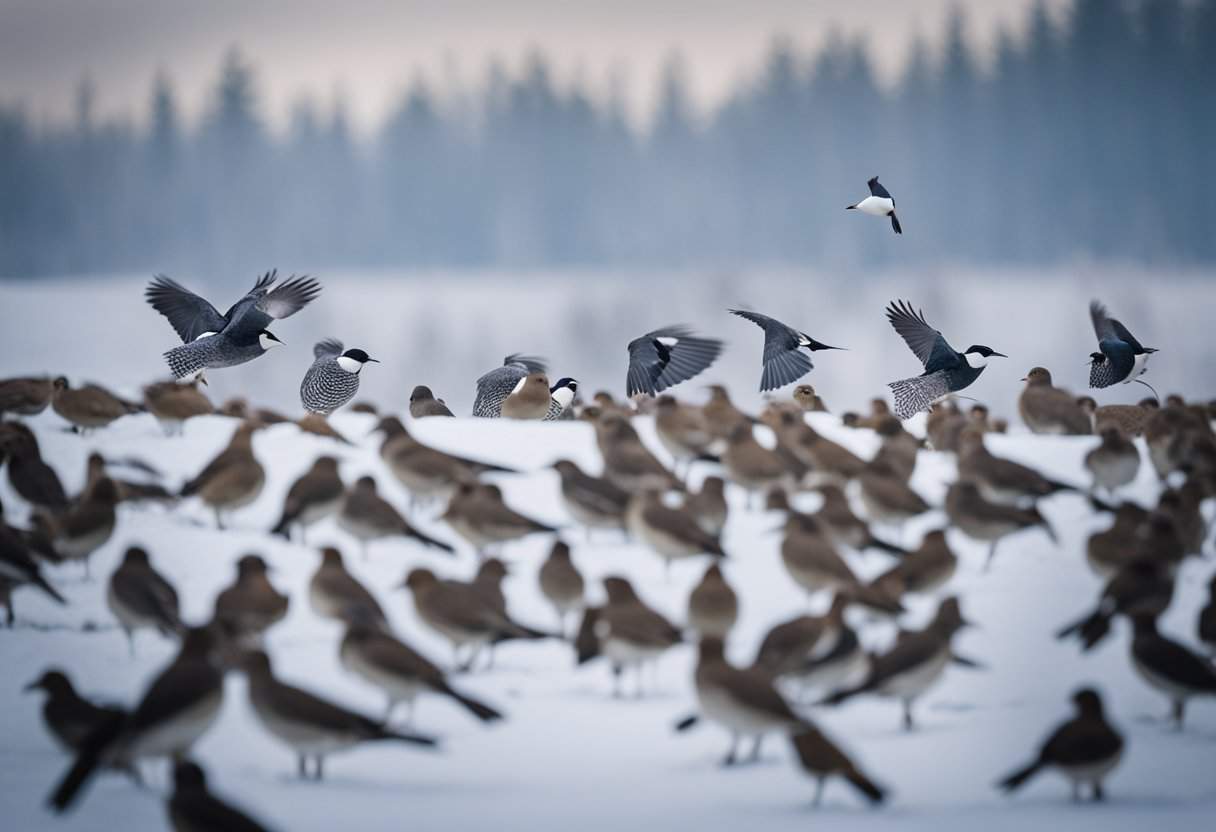
Winter birding is not only a great way to enjoy nature but also a chance to contribute to conservation efforts and connect with the local birding community.
Habitat Preservation Efforts
The Skagit Audubon Society and other local organizations work tirelessly to preserve and restore habitats for birds in the area. By supporting these efforts, you can help ensure that birds have the necessary resources to thrive in the region.
Volunteer Opportunities
There are many opportunities to get involved in conservation efforts through volunteering. You can participate in habitat restoration projects, bird surveys, and educational programs. Volunteering is a great way to make a positive impact on the environment while meeting like-minded individuals in the community.
Local Birding Community
The Skagit Valley has a vibrant birding community that welcomes birders of all levels. Joining a local birding group or attending birding events can be a great way to learn about the local bird species and connect with other birders.
In addition to supporting conservation efforts and connecting with the birding community, practicing responsible birding habits, such as staying on designated trails and keeping a safe distance from birds, can help protect habitats and ensure that future generations can enjoy the beauty of winter birding in Skagit Valley.
Frequently Asked Questions
What are the best spots for bird watching in Skagit Valley during winter?
The Skagit River Bald Eagle Area and Padilla Bay National Estuarine Research Reserve are great locations for winter birding.
When is the Skagit Eagle Festival, and what can visitors expect?
The Skagit Eagle Festival takes place in January and February. Visitors can expect to see eagles, attend educational programs, and participate in guided tours.
What types of migrating birds can be seen in Skagit Valley?
The area is home to a variety of migrating birds, including snow geese, trumpeter swans, and tundra swans.
How can one locate birds during the colder winter months?
Look for birds in areas with open water or near fields where they feed. Listen for their calls and use binoculars or a spotting scope to locate them.
Where can one typically find snow geese in the Skagit Valley area?
Snow geese can be found in large numbers at the Fir Island Farm Snow Goose Reserve and other nearby fields.
What’s the ideal time of day for winter birding in Skagit Valley?
Early morning and late afternoon are the best times to observe birds during the winter months.
Growing up in the Pacific Northwest, we’ve always felt at home in the outdoors. We created Evergreen Adventures PNW to share our love of hiking, camping, and exploring, and to help others discover the best adventures this region has to offer. Along with trip guides and tips, we also enjoy diving into the science behind the landscapes—thanks to a background in Environmental Science—because understanding nature makes every adventure even more meaningful.