
Summer is the easiest time to find a campground open in Washington. Outside summer, check the exact campground and loop. Lower-elevation parks can have open sites while mountain campgrounds are still under snow.
If you’re booking a Washington state park, start with the State Parks reservation guide. For an off-season trip, check the winter schedule for open loops, water and restrooms.
Table of Contents
So…When IS Camping Season in Washington State?
Decide which part of the state you’re heading to before picking dates. A coastal trip and a high-elevation trip don’t follow the same calendar.
For a summer weekend, book early or choose a backup campground in the same area.
Spring and fall can be quieter. Before picking a date, check which facilities are open and whether the approach road is still passable.
Winter Season
Snow and freezing temperatures during the winter season can lead to the closure of many campgrounds in Washington State. However, some campgrounds remain open year-round, especially those at lower elevations. If you plan to camp during the winter season, be sure to check the park’s website for more information on camping availability and winter camping tips.
Bring a rain layer and something dry to change into when you get back to camp.
Popular Times to Camp
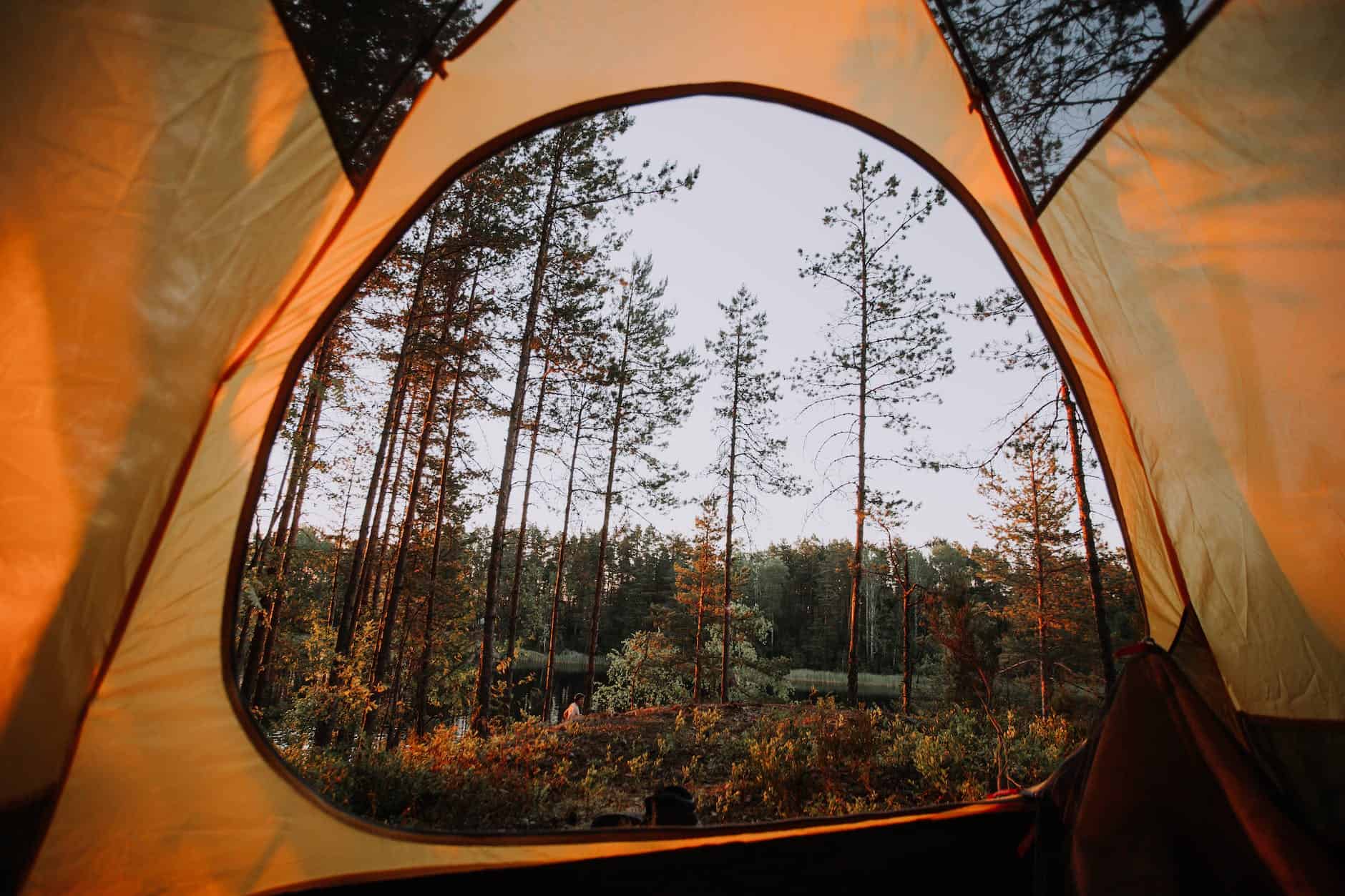
The busiest months are usually late spring through early fall. Holiday weekends can fill faster than a weekday in July.
Washington State Parks takes many reservations up to nine months ahead. Use its booking rules for your site type.
First-come sites can’t be set aside in advance. Pick a backup before you drive out, especially for a summer weekend.
If you’re looking for a quieter camping experience, consider camping during the shoulder season, which is the period between peak season and off-season. During this time, campgrounds are less crowded, and the weather is still pleasant. However, it’s advisable to check in advance, as some facilities might be closed or have reduced hours during the shoulder season.
An open campground may still have no water or limited restrooms. Check the winter schedule before you pack.
State Parks and Campgrounds
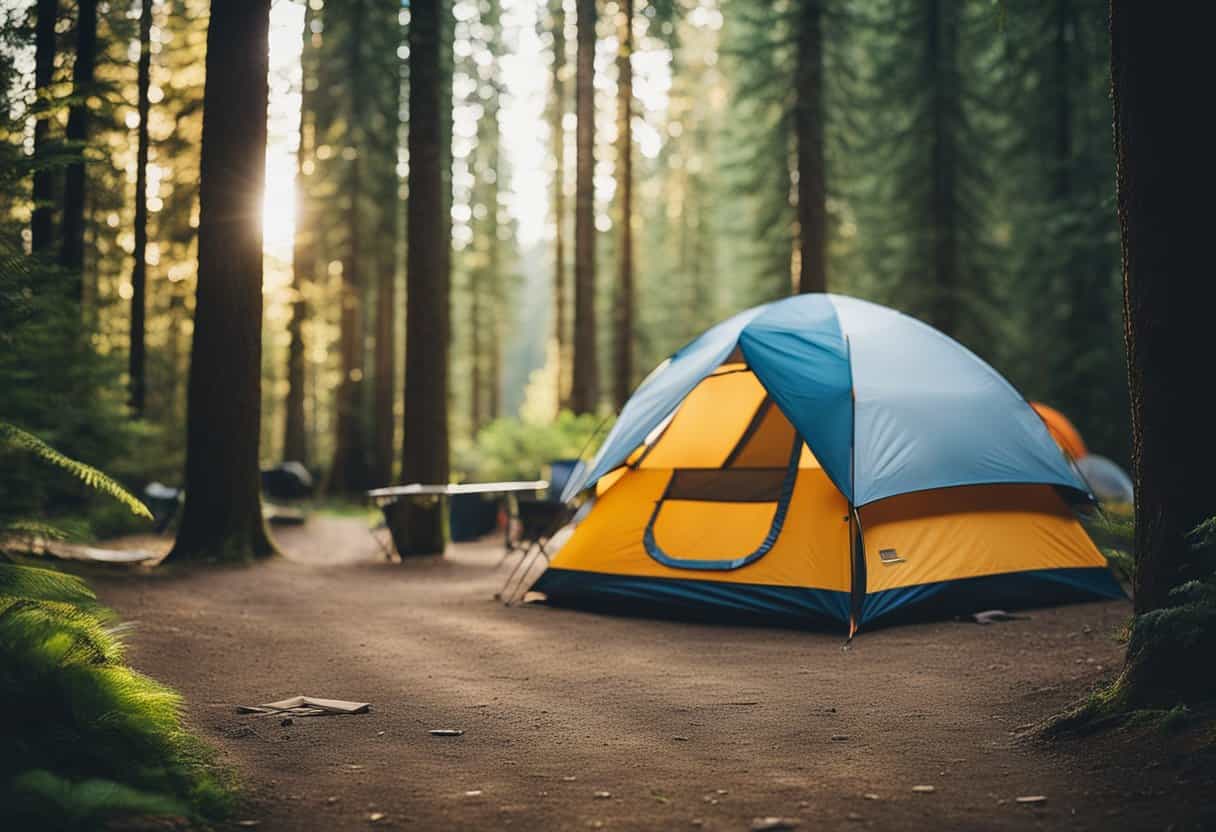
Use our Washington state park booking guide to plan a tent, RV, cabin or yurt stay.
Most Washington campgrounds are busiest in summer, but the season depends on the exact park and loop. At Deception Pass, Quarry Pond takes reservations year-round. Bowman Bay camping closes October 1 through March 31. Check the state winter schedule for current details.
To secure your spot at a Washington State Park campground, we recommend making a reservation in advance. You can make reservations online through the Washington State Parks website or by calling (888) CAMPOUT or (888) 226-7688.
In addition to individual campsites, Washington State Parks also offer group campsites for larger gatherings. You must reserve these sites in advance, and they can accommodate up to 50 people.
Campsite Types and Lodgings
Washington State Parks offers a variety of campsites and lodging to meet your needs. Here are some of the most common types:
Standard Campsites
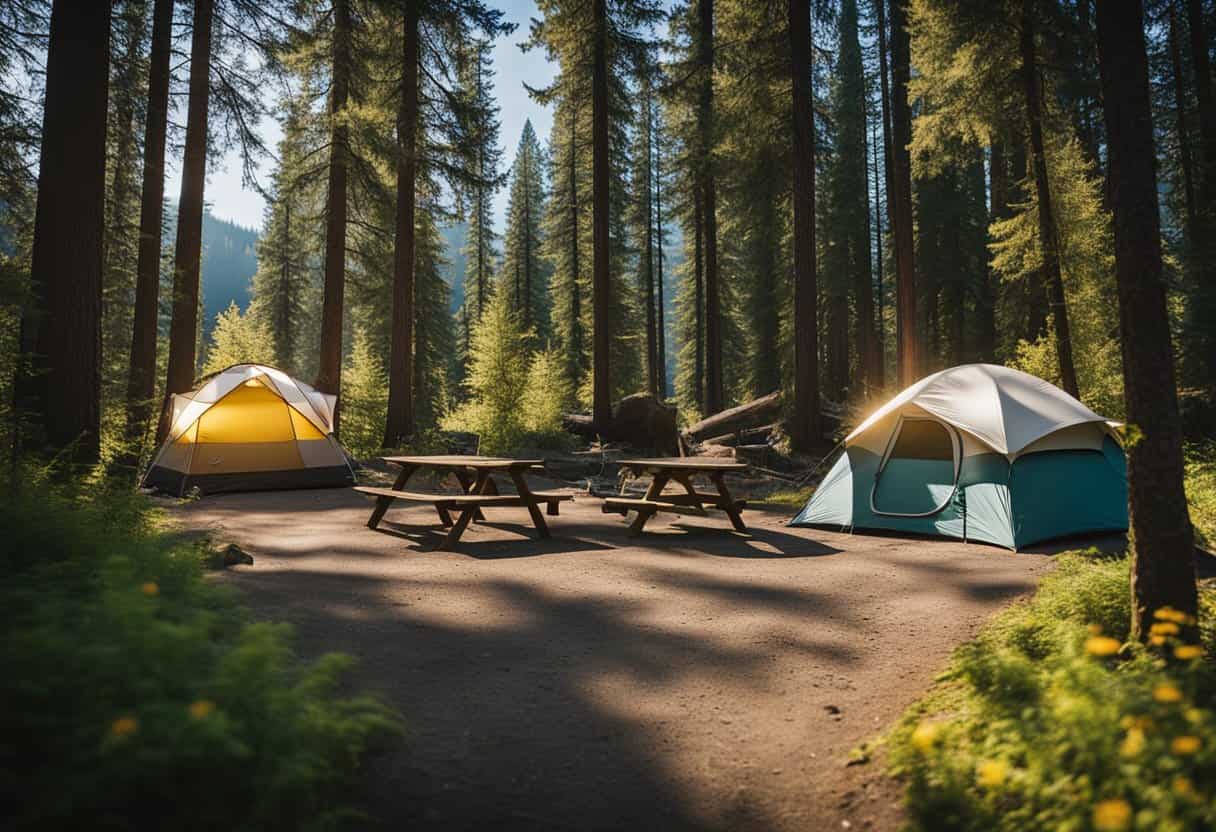
Standard campsites are the most common type of campsite offered at Washington State Parks. They typically include a fire pit, picnic table, and access to nearby restrooms and showers. These campsites are great for tent camping and can accommodate RVs and trailers up to a certain size.
Hiker/Biker Campsites
Hiker/biker campsites are open to campers who arrive at the park on foot or bicycles. These campsites are perfect for those who want to explore the park on foot or bike. Restrooms may not be close by, so be sure to plan accordingly.
Primitive Campsites
Primitive campsites are for those who want a more rugged camping experience. These campsites do not include a nearby flush comfort station, so campers must bring their own portable toilets. These sites are typically situated in the park’s more remote areas, providing a more secluded camping experience.
Roofed Options for Camping
Roofed options for camping include cabins, yurts, platform tents, and vacation houses. They provide a more comfortable camping experience, with amenities like electricity, heating, and furniture. Cabins and yurts require a minimum of two consecutive nights from May 15 to September 15, and weekends from September 16 – May 14. ADA reservations are available.
Group Camps
Group camps are specifically designed for larger groups of campers. They typically include multiple campsites, a fire pit, and access to nearby restrooms and showers. Group camps are perfect for family reunions, scout troops, and other large groups.

Reservation System and Discover Pass
Check the State Parks booking site for the exact campground and dates. The open loops and reservation season vary by park.
A Discover Pass generally covers day-use vehicle access to participating state recreation lands. It does not reserve a campsite.
Check the official pass page for current one-day and annual prices.
A Discover Pass is for vehicle access at participating state recreation lands. Check the official Discover Pass page for current fees and exceptions.
Washington State Parks says registered campers don’t need a Discover Pass for the state park where they’re staying. Check the park rules before stopping at another state park for day use.
Additional Facilities and Services
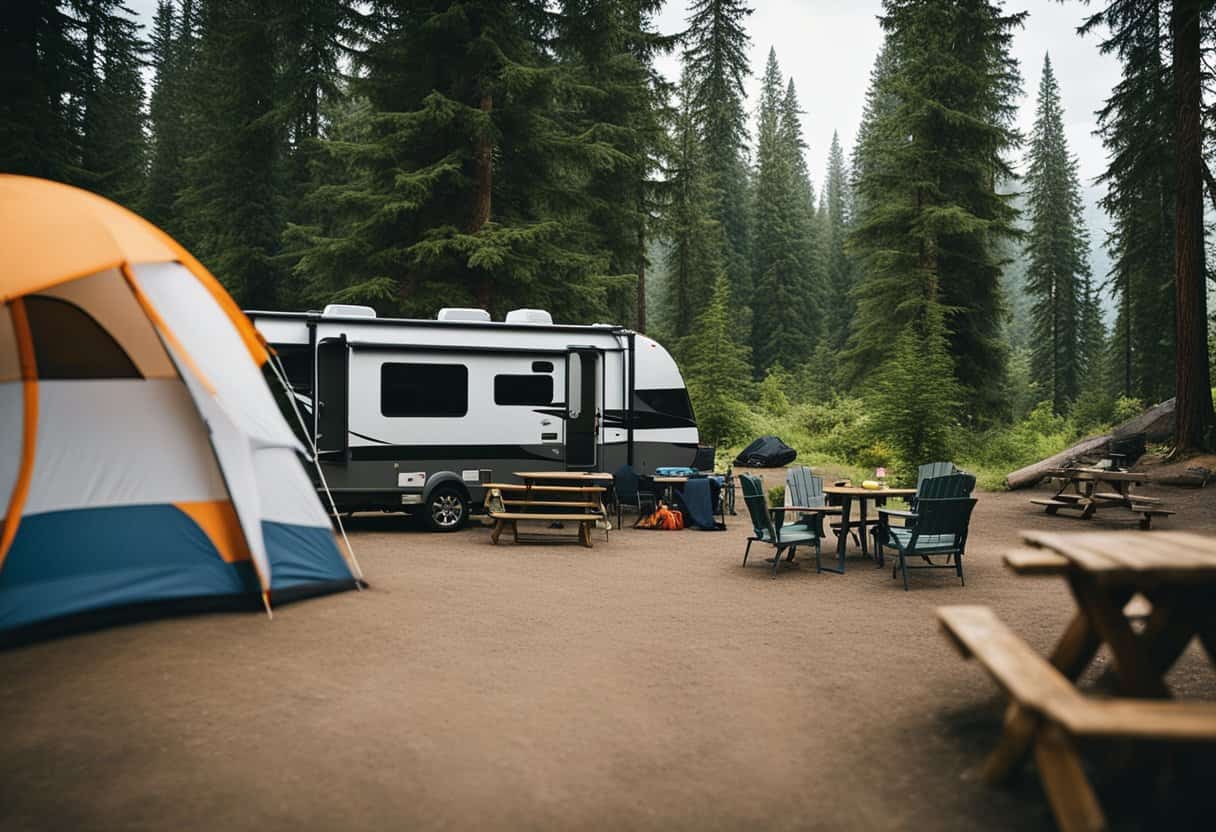
Washington State Parks offers a variety of facilities and services to enhance your camping experience. Here are some additional facilities and services that you might find useful:
Group Facilities
If you are planning on camping with a large group, Washington State Parks offers group facilities that can accommodate up to 200 people. These facilities include picnic shelters, group camps, and lodges. You can reserve these facilities online or by calling the park directly.
Conference Center
If you need a space for a conference or meeting, some Washington State Parks offer conference centers that can accommodate up to 200 people. These centers are equipped with audio-visual equipment and Wi-Fi. You can reserve these centers online or by calling the park directly.
Retreat Center
If you are looking for a place to hold a retreat, some Washington State Parks offer retreat centers that can accommodate up to 100 people. These centers are equipped with meeting rooms, kitchens, and overnight lodging. You can reserve these centers online or by calling the park directly.
Gear Rental
If you need to rent camping gear, some Washington State Parks offer gear rental services. These services include tents, sleeping bags, and cooking equipment. You can reserve these items online or by calling the park directly.
Washington State Parks also offers other services, such as firewood sales, boat rentals, and interpretive programs. Be sure to check with the park you plan to visit to see what services are available.
Camping Etiquette and Regulations
When camping in Washington State, it is important to follow certain rules and regulations to ensure a safe and enjoyable experience for everyone. Here are some key points to keep in mind:
Campfires
Check the campground’s posted fire rules and active restrictions before bringing firewood. Washington State Parks directs campers to use designated fire rings where fires are allowed.
Land managers can restrict fires even if a campsite has a ring. Check the specific campground before lighting one.
When building a campfire, make sure to use only small sticks and twigs that can be broken by hand. Do not use large logs or branches, as they can create a dangerous situation. Also, keep a bucket of water and a shovel nearby in case the fire gets out of control. Finally, always make sure to completely extinguish the fire before leaving the area.
Leave No Trace
When camping in Washington State, it is important to practice “Leave No Trace” principles. This means that you should leave the campsite in the same condition as you found it, or better. Here are some tips for practicing Leave No Trace:
- Pack out all trash and litter, including food scraps and cigarette butts.
- Do not damage trees or other vegetation, and do not dig trenches or other holes.
- Use designated campsites and trails, and do not create new ones.
- Respect wildlife and their habitats by observing them from a distance and not feeding them.
By following these simple rules and regulations, you can help ensure a safe and enjoyable camping experience for everyone. Remember always to be respectful of the environment and other campers, and to leave the campsite in better condition than you found it.
Camping in the Off-Season
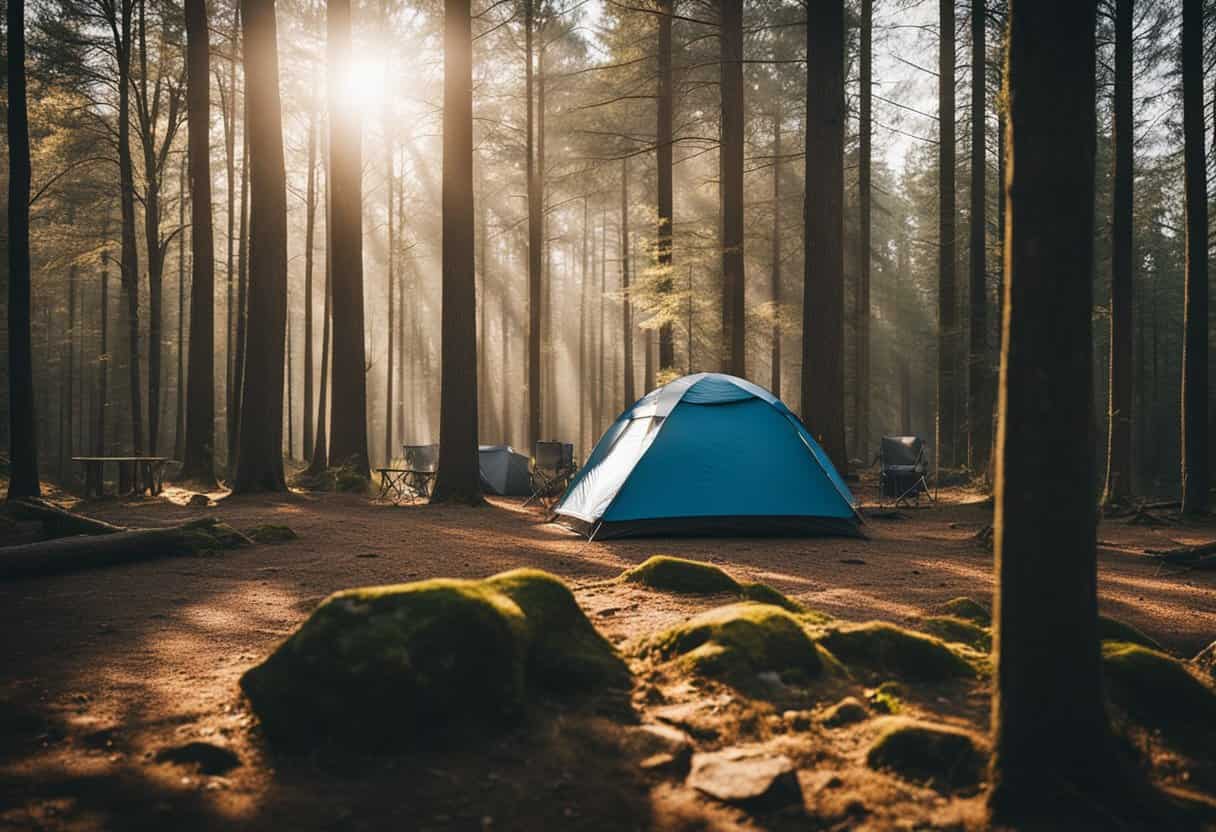
For a fall or winter trip, check the actual loop and facilities instead of relying on a statewide off-season date.
One thing to keep in mind is that some parks have limited availability during the off-season. For example, many parks only allow camping in designated campsites, and some parks may close certain areas or facilities during the off-season. It’s a good idea to check the park’s website or call ahead to make sure you know what to expect.
Another thing to consider is the weather. During the off-season, Washington State can experience rain and snow, so it’s crucial to be prepared for varying weather conditions. Make sure you bring warm clothing, waterproof gear, and plenty of layers. Additionally, it’s a good idea to check the weather forecast before you go and to be prepared for any changing conditions.
If you’re looking for a more comfortable camping experience during the off-season, you may want to consider renting a vacation house. Many parks offer vacation houses that are available year-round and provide more amenities than traditional campsites. These houses often have heating, electricity, and other comforts that can make your stay more enjoyable.
If the campground has no water in the off-season, bring what you need and choose a backup with services.
Growing up in the Pacific Northwest, we’ve always felt at home in the outdoors. We created Evergreen Adventures PNW to share our love of hiking, camping, and exploring, and to help others discover the best adventures this region has to offer. Along with trip guides and tips, we also enjoy diving into the science behind the landscapes—thanks to a background in Environmental Science—because understanding nature makes every adventure even more meaningful.