
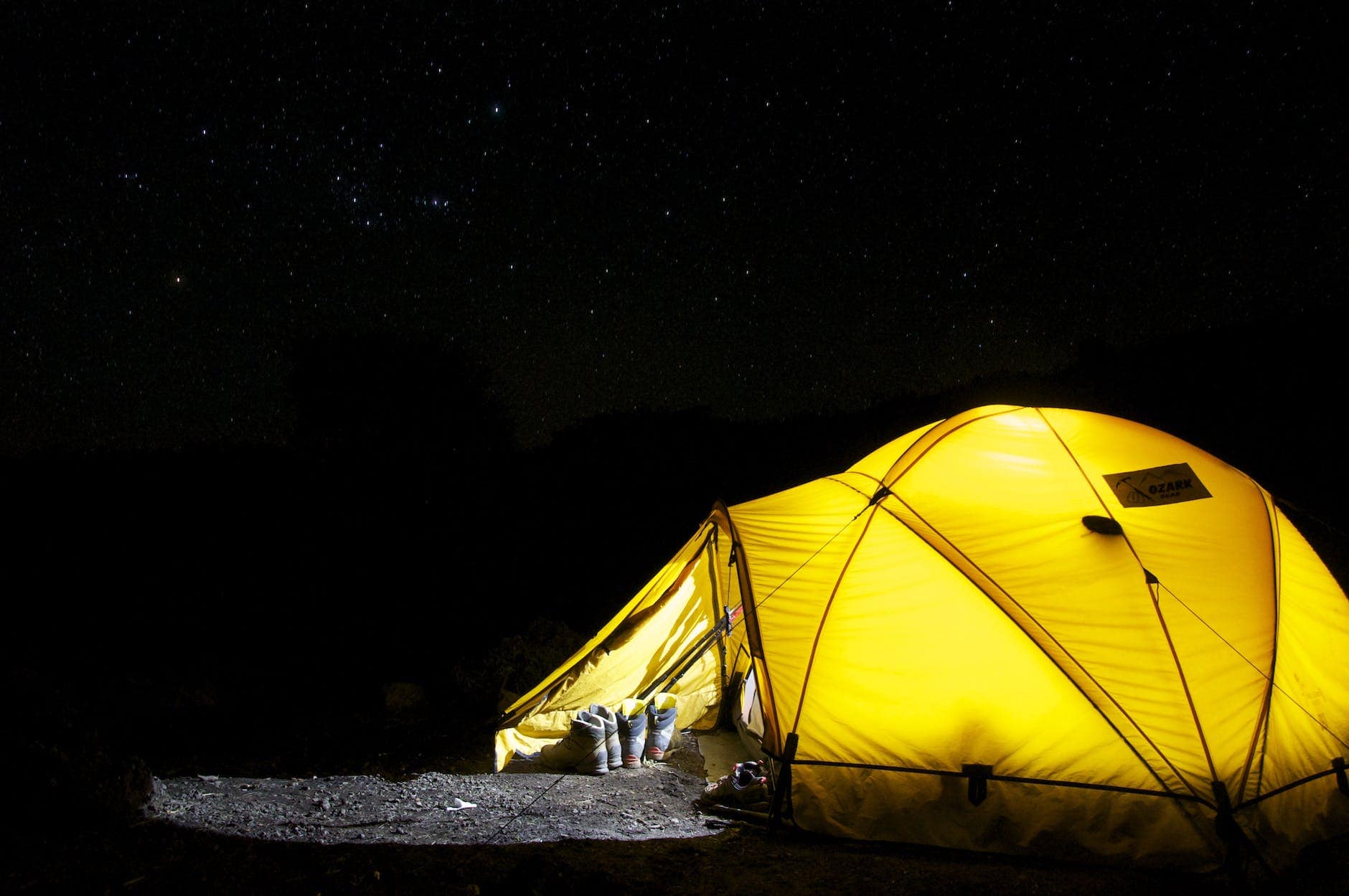
Introduction
Camping is a fun activity loved by people of all ages. It lets us take a break from busy daily life and enjoy nature. National Parks offer a beautiful setting for camping with their green forests, lovely beaches, and tall mountains. It’s great for setting up a tent near a quiet lake, sitting around a fire pit under the stars, or hiking through trails to see amazing views. But one important question comes up: “How much does camping cost?”
Cost can be a big deal, especially for families watching their budget. The good news is, that camping can be a cheaper way to have a vacation compared to staying in hotels. However, the costs can add up based on where you camp, the time of year, the gear you need, and the activities you want to do.
It’s important to understand the costs to make sure you have a fun camping trip. This post will talk about all the different costs of camping, from buying the gear you need to the fees for the campsite, and the daily expenses. We will focus on family camping trips in National Parks, a place known for its beautiful outdoors and many camping spots.
To learn more about camping in National Parks, you can check out the National Park Service. It has helpful information about camping in national parks, the fees, and what facilities are available.
Table of Contents
The Pre-Camping Investment
Research and Planning
The first step in planning your camping adventure is to identify the perfect camping spot. National Parks offer a range of picturesque campgrounds that immerse you in nature. Besides National Parks, there are also private campgrounds that offer different amenities and scenic spots for camping. The total cost of your camping trip can vary significantly based on several factors, including the time of year you choose to go camping. Peak seasons, usually during the summer months and certain holidays, may fetch higher costs due to increased demand. By researching and choosing your camping location wisely, you can manage your budget and ensure a great camping experience.
Essential Camping Gear
Investing in essential camping gear is crucial for a comfortable and safe camping expedition, especially in the diverse terrains found in National Parks. Here’s a breakdown of some fundamental items, along with a few extras that could enhance your camping experience:
- Tent:
- A good quality tent is your first line of defense against the elements.
- For a family, a four-person tent might offer ample space, although a basic tent can also suffice for smaller groups or individuals.
- When choosing a tent, consider the seasonality, the ease of setup, and the level of protection against weather conditions.
- Sleeping Bag:
- A comfortable sleeping bag is necessary for a good night’s sleep.
- There are sleeping bags designed for different temperature ranges, so choose one that suits the climate of your camping location.
- Air Mattress:
- An air mattress or sleeping pad can add a layer of comfort and insulation between you and the ground.
- There are various options, including self-inflating mattresses, manual inflating mattresses, and foam pads.
- Camp Stove:
- A camp stove is crucial for cooking meals.
- Look for portable and easy-to-use stoves with enough cooking power for your needs.
- First Aid Kit:
- A well-stocked first aid kit is a must-have for dealing with minor injuries or emergencies.
- Ensure it includes basic supplies like band-aids, antiseptic wipes, tweezers, and essential medication.
- Camp Chair and Picnic Table:
- Comfortable seating, like a camp chair and a sturdy picnic table, can make meal times and relaxation much more enjoyable.
- Portable and foldable options are available, which are easy to transport and set up.
- Cooler:
- A cooler to keep your perishables fresh and drinks cold is essential, especially in warm weather.
- Cooking Utensils and Dishes:
- Don’t forget cooking utensils like pots, pans, spatulas, and also dishes, cups, and eating utensils.
- Lighting:
- Adequate lighting, like lanterns, headlamps, or flashlights, is crucial for safety and convenience during the night.
- Additional Gear:
- Depending on your preferences, additional gear, such as a hammock, a camp rug, or even a portable shower, can further enhance your camping experience.
This initial investment in essential gear may seem substantial, but quality gear can last for many camping trips to come. Moreover, some gear like a tent, sleeping bag, and camp stove are one-time investments that will serve you for numerous outdoor adventures. It’s advisable to create a checklist to ensure you have all you need for your camping trip. Tailoring your gear to your personal needs and the specific requirements of the National Park you are visiting can also help in managing costs while ensuring a memorable camping experience.
Investing in essential gear is pivotal for a comfortable camping expedition. The basic tent, sleeping bag, air mattress, camp stove for cooking, and a first aid kit are among the most expensive items in your initial investment. While a four-person tent provides much room, a basic tent might be a low-cost way for small groups. Gear like a camp chair or a picnic table can enhance your outdoor adventure but come at an additional cost.
Setting Up Camp
Getting your camp set up properly is not only essential for comfort but also for safety. Here’s what to consider:
Campsite Costs:
- The costs for campsites within National Parks, private campgrounds, or RV resorts vary widely based on location, amenities, and time of year.
- Campsite fees often cover a basic set of amenities such as a fire pit, picnic table, and access to restrooms and showers.
- Additional charges may apply for facilities like electric hook-ups, RV dump stations, or premium sites with better views or more privacy.
- Some campgrounds offer discounted rates during off-peak seasons or for longer stays.
Permits and Reservations:
- Many popular campgrounds, especially within National Parks, require reservations well in advance, and these come with a reservation fee.
- Entrance fees are common at many National Parks and some private campgrounds.
- An annual pass could be a money-saving tip, offering unlimited access to various camping spots across National Parks for a one-time fee.
- It’s a good idea to check on any required permits or additional fees related to camping or vehicle entry and secure your reservations as early as possible to avoid higher costs and ensure availability.
Selecting and Preparing Your Campsite:
- Once at the campground, choosing a level site with good drainage is essential to avoid problems in case of rain.
- Position your tent with the door away from prevailing winds, and at a safe distance from the fire pit.
- Check for any signs of wildlife or insect activity near your chosen site, and consider hanging food and other scented items in a bear bag or using a bear locker if in bear country.
- Set up your sleeping, cooking, and eating areas with a clear separation to maintain safety and organization.
Campsite Etiquette:
- Adhering to a “leave no trace” principle is important. Ensure you clean up your campsite before leaving and dispose of trash properly.
- Respect quiet hours and other campground rules to maintain a peaceful environment for all campers.
- Be mindful of wildlife and maintain a safe distance to ensure the safety of both the animals and your group.
Setting up your camp properly will ensure a comfortable and enjoyable camping experience, and following campground rules and etiquette will contribute to a pleasant environment for all campers during your outdoor adventure in National Parks.
Daily Expenses
While camping is often a more budget-friendly vacation option, daily expenses can accumulate. It’s essential to budget for these costs to ensure a smooth camping experience. Here’s what to consider:
Food and Meals:
- Planning and preparing your meals is a significant part of the camping experience.
- Consider packing non-perishable food items and buying perishables locally to save on food costs.
- A camp stove or a portable grill can be used for cooking. Don’t forget to budget for fuel costs.
- Eating out at nearby restaurants or buying ready-made meals can increase your food costs significantly, so it’s often more cost-effective to prepare your own meals at the campsite.
Transportation:
- The cost of getting to and from your chosen campground can be a significant part of your camping budget.
- Consider fuel costs, tolls, and any other transportation fees.
- If you’re flying to a distant camping destination, remember to factor in flight costs, car rental, and other local transportation expenses.
Activities:
- Many outdoor activities associated with camping are free or low-cost, like hiking, swimming, or wildlife viewing.
- However, some National Parks or nearby attractions may charge admission fees, or you may decide to rent equipment for activities like boating or fishing.
- Guided tours, workshops, or special events offered in the area could also be part of your activity budget.
Firewood and Ice:
- Budget for firewood if you plan on having fires and ice to keep your perishables cold.
- It’s usually best to buy firewood locally to prevent the spread of invasive insects and diseases.
Miscellaneous Supplies:
- Things like batteries, propane, charcoal, or additional camping supplies that you might need or have forgotten to pack can add to your daily expenses.
- It’s a good idea to have a small contingency fund for unexpected purchases.
Park Fees:
- Some National Parks have daily entrance fees in addition to the campsite costs.
- If you’re planning on visiting multiple parks, an annual pass could provide savings.
By planning and budgeting for your daily expenses, you can manage your funds better and avoid unexpected costs. Creating a daily budget, listing all potential expenses, and finding ways to save, like cooking your own meals or choosing free activities, can help keep your camping trip affordable and enjoyable.
Saving Money While Camping
Camping can be an economical way to enjoy a vacation, especially with a little pre-planning to minimize costs. Here are some practical tips to save money while still making the most out of your camping adventure:
- Choose Cost-Effective Campgrounds:
- Opt for campgrounds with basic amenities if you don’t require additional facilities like electric hook-ups or RV dump stations.
- National Park campgrounds, BLM land, or less popular destinations often have lower campsite fees compared to private RV resorts or popular tourist spots.
- Look for campgrounds that offer free or low-cost recreational activities on-site or nearby to save on entertainment costs.
- Off-Peak Camping:
- Camping during the off-peak season or weekdays can save you money on campsite fees, and you’ll also enjoy fewer crowds.
- Some campgrounds offer discounted rates for stays during the middle of the week or during the shoulder seasons (spring and fall).
- Invest in Quality Gear:
- Investing in durable, long-lasting camping gear can save money in the long run as you won’t need to replace items frequently.
- Look for sales, discounts, or consider buying quality used gear from reputable sources to save on the initial investment.
- DIY Meals:
- Cooking your own meals is a cost-effective alternative to eating out.
- Plan your meals, bring along a cooler with ice to keep perishables fresh, and consider simple recipes that require fewer ingredients.
- Buy food items in bulk and divide them into meal-sized portions to save on costs.
- Carry Essential Supplies:
- Stock up on essential supplies like batteries, charcoal, or propane from stores where prices are lower, rather than purchasing them at nearby camp stores where prices may be higher.
- Consider packing a small kit with common items like duct tape, zip ties, and basic tools to handle minor repairs yourself instead of buying new replacements.
- Utilize Free Activities:
- Take advantage of the great outdoors by engaging in free or low-cost activities such as hiking, swimming, bird watching, or wildlife viewing.
- Check the National Park’s event schedule for free ranger-led programs or nature walks.
- Annual Passes and Memberships:
- If you camp frequently, consider purchasing an annual pass for National Parks, which can offer savings on entrance and campsite fees.
- Look into memberships or discount cards that offer camping-related savings, such as those provided by camping clubs or outdoor organizations.
- Travel Light:
- Traveling light not only saves on fuel but also makes setting up camp easier.
- Evaluate what gear and supplies are truly necessary for your trip and avoid over-packing. Lighter loads can also lead to better fuel efficiency if you’re driving to the campsite.
- Share Costs:
- If possible, share the camping trip costs by going with friends or extended family. This can significantly reduce the per-person cost of campsite fees, food, and fuel.
- Coordinate shared meals and split the cost of communal supplies like firewood, ice, and campsite fees.
- Look for Discounts:
- Look out for discounts available for those older than 62 (National Parks Lifetime Pass), military personnel, or members of certain organizations.
- Some campgrounds also offer “pay for 6 nights, get the 7th free” deals or similar offers. Check the campground’s website or contact them directly for any ongoing promotions or discounts.
- Reserve in Advance:
- Reserving your campsite in advance can sometimes save money, especially if you can lock in a lower rate before prices go up closer to peak season.
- Early reservations also allow you to choose the more cost-effective campsites before they are booked out.
By incorporating these money-saving tips into your camping adventure, you can enjoy the beauty and serenity of nature without breaking the bank. Smart planning, budgeting, and a little creativity can go a long way in making camping an affordable outdoor adventure.
By incorporating these money-saving tips into your camping adventure, you can enjoy the beauty and serenity of nature without breaking the bank. Smart planning, budgeting, and a little creativity can go a long way in making camping an affordable outdoor adventure.
Conclusion
The cost of campgrounds, the initial cost of essential gear, and the number of people in your party are factors that will dictate the average cost of camping. Regardless, camping remains a cherished, low-cost way to spend a weekend getaway or an extended family camping trip, exploring the great outdoors.
Frequently Asked Questions (FAQs)
1. What is the average cost of camping?
- The average cost of camping can vary widely depending on several factors, such as the location (National Park, private campground, etc.), the season, the type of camping (tent, RV, etc.), and the duration of the trip. It can range from very affordable when staying in a basic tent site with minimal amenities to more expensive when opting for RV resorts with full hook-ups.
2. Is camping a cheap vacation option?
- Camping is generally considered a cost-effective vacation option compared to staying in hotels or resorts. However, the costs can add up with the purchase of gear, campground fees, and daily expenses. With careful planning and budgeting, camping can be a very affordable way to enjoy the great outdoors.
3. How can I save money while camping?
- There are several ways to save money while camping, including choosing cost-effective campgrounds, camping during the off-peak season, investing in quality gear, cooking your own meals, carrying essential supplies from home, and sharing costs with friends or family.
4. What are the essential camping gear I should have?
- Essential camping gear includes a tent, sleeping bag, air mattress or sleeping pad, camp stove for cooking, first aid kit, camp chair, picnic table, cooler, cooking utensils, dishes, lighting, and basic supplies like batteries and propane.
5. Where can I find affordable campgrounds?
- National Parks, Bureau of Land Management (BLM) lands, and less popular or remote destinations often have lower campsite fees. You can also look for discounts available for those older than 62 (National Parks Lifetime Pass), military personnel, or members of certain organizations. Websites like Recreation.gov can provide listings and costs of campgrounds in National Parks.
6. What is the cost of campsite reservations?
- The cost of campsite reservations can vary based on the campground, location, and time of year. Some campgrounds may have a reservation fee in addition to the daily campsite fee. It’s advisable to check the reservation costs on the official website of the campground or on platforms like Recreation.gov for National Parks.
7. Is it cheaper to buy or rent camping gear?
- If you camp frequently, investing in your own gear could be cheaper in the long run. However, if you’re new to camping or only plan to camp occasionally, renting gear may be a more cost-effective option initially.
8. Are there additional costs for activities while camping?
- While many outdoor activities associated with camping are free or low-cost, some activities like guided tours, workshops, boat rentals, or entrance fees to certain attractions may incur additional costs. It’s a good idea to budget for these activities if they are part of your camping plan.
Growing up in the Pacific Northwest, we’ve always felt at home in the outdoors. We created Evergreen Adventures PNW to share our love of hiking, camping, and exploring, and to help others discover the best adventures this region has to offer. Along with trip guides and tips, we also enjoy diving into the science behind the landscapes—thanks to a background in Environmental Science—because understanding nature makes every adventure even more meaningful.