
Off-season camping in the Pacific Northwest starts with three checks: Is your loop open? Is the water on? Can you get there after a storm? An open park doesn’t mean every campsite or service is available.
At Mora in June 2024, rain pooled on our tent pad, but the pop-up over the picnic table made meals easier. Our toddler still rode the campground loops in the rain. If you’re tent camping, look at the shape of the pad before you set up.
Keep dry layers and a headlamp where you can reach them without unloading the car. Set a cutoff for arrival so you have time to pick a site and set up before dark.
Key Takeaways
- Off-season camping in the PNW can be a great way to avoid the crowds and enjoy the natural beauty of the region.
- You’ll have more flexibility in choosing your camping dates and destinations during the off-season.
- Camping in non-Summer months needs more prep, so research and plan ahead!
Table of Contents
Benefits of Off-Season Camping
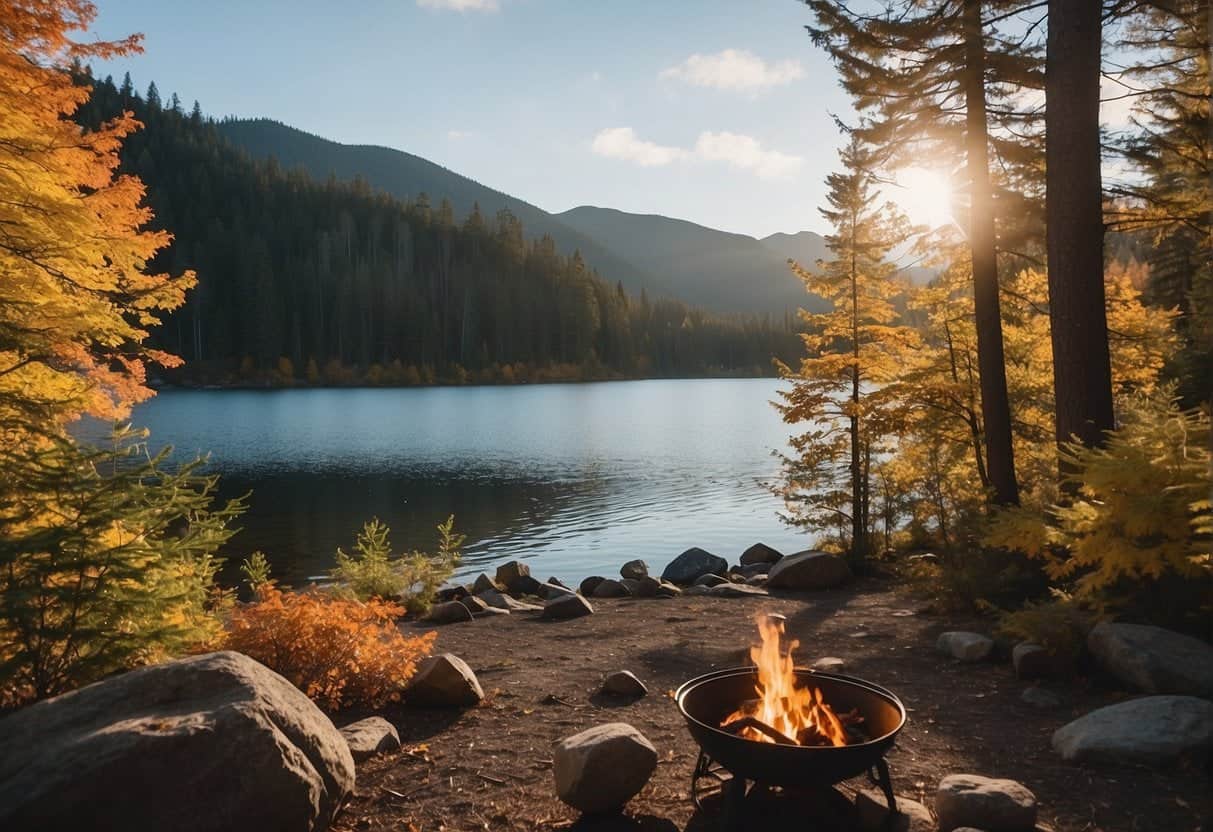
Quieter campgrounds are the upside. Fewer open loops and services are the trade-off.
Less Crowded Campsites
If you don’t mind a wet weekend, choose a lower-elevation campground and check whether it takes reservations on your dates.
Unique Seasonal Beauty
In fall, check what changes after the last reservation weekend. That may include fewer loops, shorter office hours and less water service.
In spring, check access for lingering snow at higher sites and flooding at river or coastal campgrounds.
Wildlife Encounters
Finally, off-season camping can offer the opportunity for unique wildlife encounters. With fewer people around, animals may be more likely to venture into campsites or along hiking trails.
You may be able to witness animals in their natural habitat, such as elk, deer, or even bears. Of course, it’s important to take precautions when camping in areas with wildlife. Store your food properly and keep a safe distance from animals whenever possible.
Choosing Your Off-Season
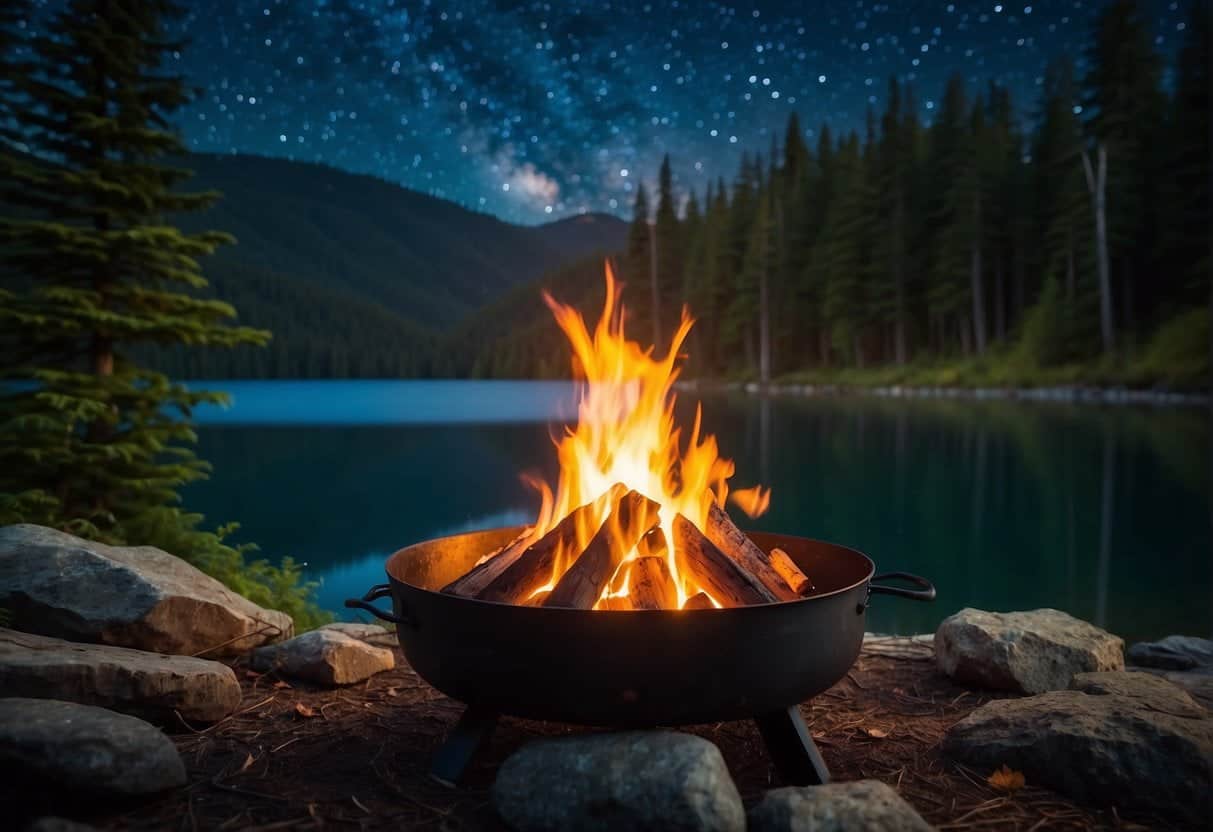
Fall Camping
For fall trips, pack a dry change of clothes where you can get to it without digging through wet gear.
Winter Camping Tips
For winter, start with the Washington State Parks winter schedule. Choose a site you can reach without depending on a mountain route that closes in storms.
Make sure to bring warm clothing, blankets, and a good-quality sleeping bag. Check the weather forecast before heading out and have a backup plan in case conditions become too extreme.
Spring Adventures
In spring, check for mud, road damage and closed loops even if a campground usually opens early.
Top PNW Camping Destinations
Olympic National Park
For a trip to Olympic National Park, check park alerts for roads, campground access and trails. Those can change independently after rain or snow.
North Cascades National Park
On the North Cascades Highway, check road status first. Our North Cascades guide explains which campgrounds have basic off-season sites. Those sites may have no water or trash service.
Mount Rainier National Park
Mount Rainier does not allow winter vehicle camping. NPS treats snow camping separately: it requires sufficient snowpack, an open area and a wilderness permit.
Whether you’re looking for a rugged camping experience in the Columbia River Gorge, a peaceful retreat on the Olympic Peninsula, or taking in all that the beautiful parks on Whidbey Island have to offer, the Pacific Northwest has something for everyone!
Where to stay
Campsite and RV Parks
Sequim Bay, Washington: State Parks’ winter schedule lists sites 5–25 as reservable year-round, 27–63 as first come September 16–May 15, and 65–86 closed during that period. Water is scheduled off November 15–April 1, with a winter supply at site 3. The park also lists the Lower Loop restroom closed for construction. Oregon coast: The Cape Lookout campground and hiker/biker camp are closed for construction expected through spring 2027. Nehalem Bay is a year-round alternative with water-and-electric sites and yurts.
Cabins and Yurts
If you’re looking for a little more comfort and shelter from the elements, renting a cabin or yurt might be the way to go. Many state parks and private campgrounds offer cabins and yurts for rent, which often come equipped with heaters or wood stoves to keep you warm. Some popular options include the Cape Disappointment State Park in Washington, right near the Pacific Ocean, and Silver Falls State Park in Oregon.
Backcountry Boondocking
Don’t assume a roadside pullout is open to camping. Check the land manager’s rules, the vehicle rules and any seasonal access or fire restrictions. Washington DNR lists where dispersed camping may be allowed.
No matter which option you choose, be sure to check the weather forecast and prepare accordingly. Bring plenty of warm clothing, blankets, and a good sleeping bag to ensure a comfortable and enjoyable off-season camping trip in the Pacific Northwest.
What to Pack
Essential Gear
Before you head out on your trip, make sure you have the necessary gear to keep you safe and prepared. This includes a flashlight, matches, blankets, and a first aid kit. Always bring extra food and high-calorie snacks in case of emergencies.
Clothing for All Weather
Pacific Northwest weather can be unpredictable, so pack clothing for all types of conditions. Layers are key, as they allow you to easily adjust to changing temperatures. Don’t forget to pack gloves and a hat to keep warm on chilly nights.
Food and Water Supplies
When camping, it’s important to stay hydrated and well-fed. Make sure to bring plenty of water and a water filtration system if you plan on drinking from natural sources. Non-perishable food items such as canned goods, nuts, and dried fruits are great options for camping trips.
Remember to pack everything in a sturdy, waterproof backpack or duffel bag to protect your belongings from the elements. With the right gear and supplies, you can enjoy a safe and comfortable off-season camping trip in the Pacific Northwest.
Staying Safe and Comfortable
Weather Challenges
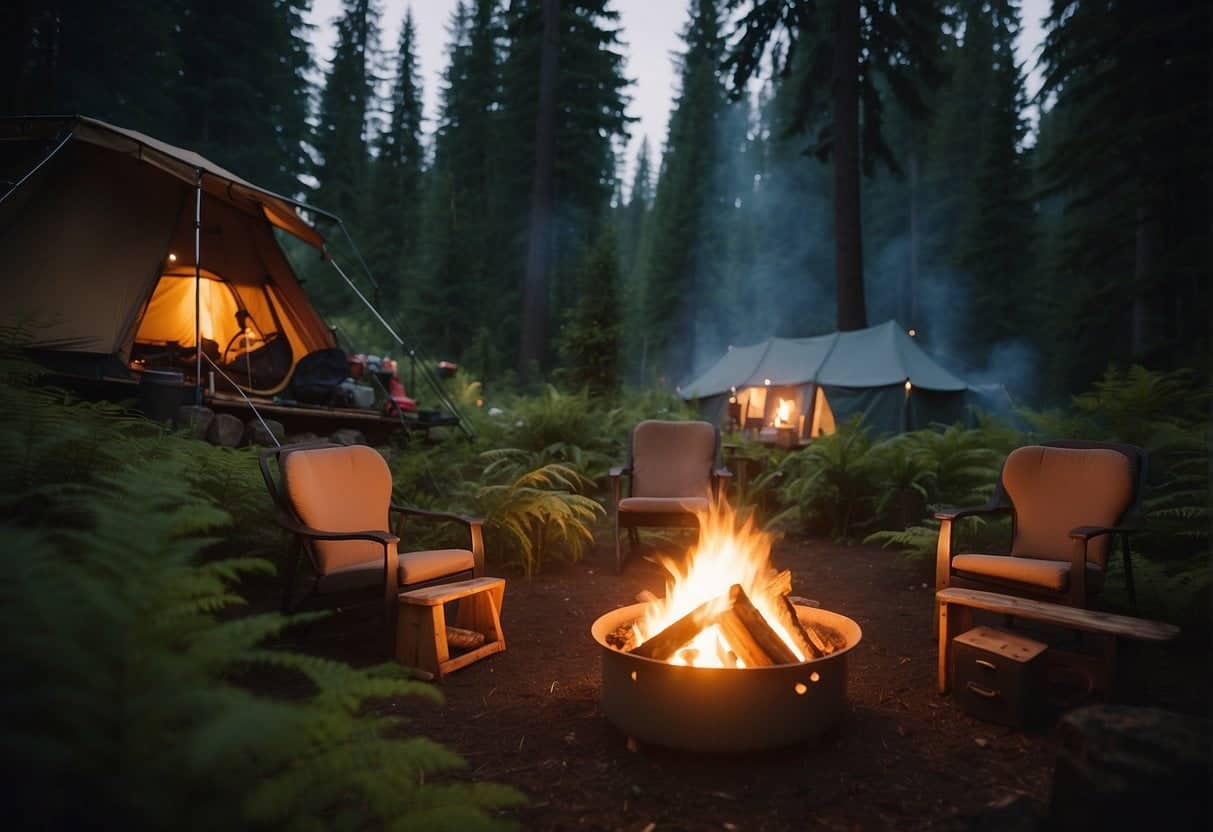
After rain, look for a pad that sheds water rather than a low spot that collects it. Keep a dry set of clothes for camp, and give yourself time to set up shelter before dark.
Wildlife Precautions
The Pacific Northwest is home to a variety of wildlife, including bears, cougars, and wolves. To avoid encounters with these animals, make sure to store your food properly and keep a clean campsite. Carry bear spray and know how to use it as well.
Health and Safety Tips
When camping off-season, it’s important to be prepared for emergencies. Make sure to bring a first aid kit and know how to use it. Stay hydrated, even in cold weather, and make sure to bring plenty of water. Sunglasses can also be helpful in protecting your eyes from the glare of snow and ice.
Overall, camping off-season in the Pacific Northwest can be a rewarding experience as long as you take the necessary precautions to stay safe and comfortable.
Activities and Attractions
Hiking and Trails
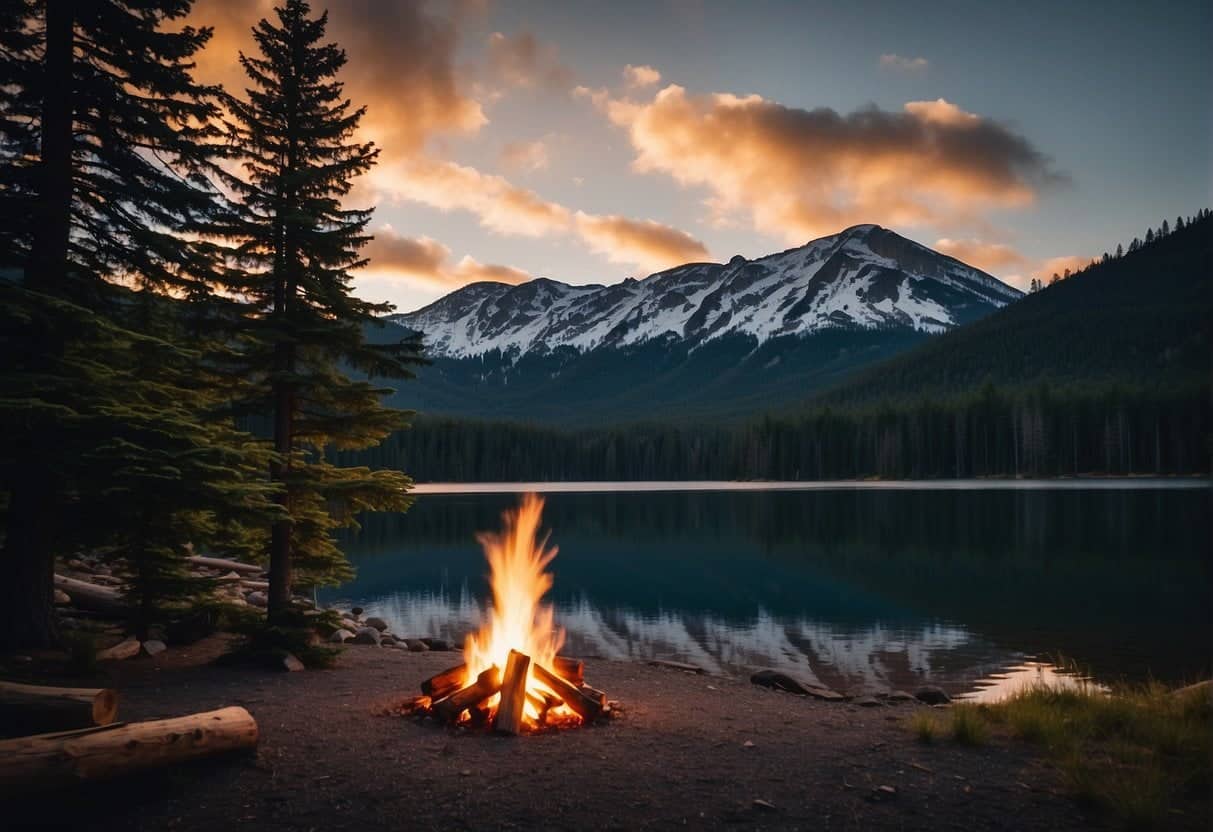
Choose a short walk you can finish in daylight. Check the official trail and road reports, especially after a storm.
Smith Rock State Park in Oregon is a must-visit destination for hikers, with over 12 miles of trails that wind through towering rock formations and offer breathtaking views of the surrounding landscape. Lake Wenatchee in Washington is another great spot for hiking, with trails that lead through old-growth forests and along the shores of the lake.
Water Activities
The PNW is also home to a variety of water activities, from kayaking and paddleboarding to swimming and fishing. Deception Pass State Park in Washington is a popular spot for kayaking, with calm waters and stunning views of the surrounding islands. If you’re looking for a more relaxing experience, Lake Wenatchee offers swimming and fishing opportunities, with crystal-clear waters and plenty of fish to catch.
Planning Your Trip
When planning your off-season camping trip in the Pacific Northwest, there are a few things to consider to ensure a smooth and enjoyable experience. Here are some tips to help you plan your trip:
Itinerary Ideas
Pick one campground and one backup in the same area. Save the booking, directions and road report before you lose cell service.
Consider visiting some of the region’s national parks, such as Olympic National Park or Mount Rainier National Park, which offer stunning views and plenty of hiking opportunities. You can also explore some of the region’s cities, such as Seattle, Portland, or Vancouver, and check out some of the local restaurants and attractions.
Booking and Permits
Book your camping spot early, especially during the off-season when campgrounds may have limited availability. Some campgrounds require permits, so be sure to check ahead of time and obtain any necessary permits before your trip. You can also use online resources such as recreation.gov to book your campsites and check availability.
Local Amenities
Check water, toilets and showers separately. If water is shut off, bring drinking and cooking water rather than relying on the site hookup.
Frequently Asked Questions
What are the top state parks in Washington for year-round camping?
Start with the state winter schedule. Deception Pass’s Quarry Pond takes reservations year-round, and Sequim Bay leaves selected sites open. Check the exact site and water status before booking.
Where are the best winter camping spots in the PNW?
For developed winter camping, check the exact park and loop on the state winter schedule or NPS campground list. Mount Rainier’s snow camping is a separate backcountry trip, not a place to park an RV overnight.
Can you recommend any campgrounds near Hood Canal that are open off-season?
Hood Canal is a popular destination for outdoor enthusiasts, and there are several campgrounds in the area that are open off-season. Some of the top campgrounds include Belfair State Park, Potlatch State Park, and Twanoh State Park. These campgrounds offer a range of amenities, including tent camping, RV camping, and cabins.
Are there any free camping options available in the PNW during the off-season?
Some public lands allow dispersed camping, but rules vary by area. Verify that the land manager permits it at the spot you’re considering, including access and fire restrictions.
What should I know about winter RV camping in Washington?
Winter RV camping in Washington can be a great experience, but it’s important to be prepared. Make sure your RV is equipped for cold-weather camping, including proper insulation and heating. Check road and weather conditions before heading out, as winter weather can be unpredictable. Some RV parks and campgrounds may have limited services during the off-season, so it’s important to call ahead and confirm availability.
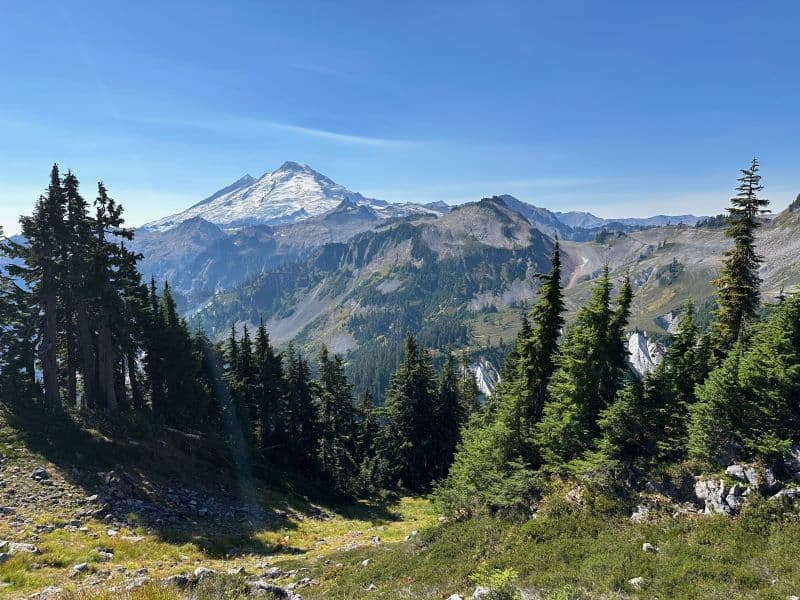
Growing up in the Pacific Northwest, we’ve always felt at home in the outdoors. We created Evergreen Adventures PNW to share our love of hiking, camping, and exploring, and to help others discover the best adventures this region has to offer. Along with trip guides and tips, we also enjoy diving into the science behind the landscapes—thanks to a background in Environmental Science—because understanding nature makes every adventure even more meaningful.