
Start with a lower-elevation trail and a campground whose spring schedule you’ve checked. The coast, Hoh Rain Forest and Lake Crescent are useful starting points while snow still limits higher routes.
Check park roads, trail conditions and campground status separately. An open road doesn’t mean a trail or campground is open.
Key Takeaways
- Spring is a great time to visit Olympic National Park for hiking and camping.
- Proper planning is essential for a safe and enjoyable trip.
- Check weather conditions and trail closures before heading out.
Table of Contents
Plan Your Spring Camping Adventure in Olympic National Park
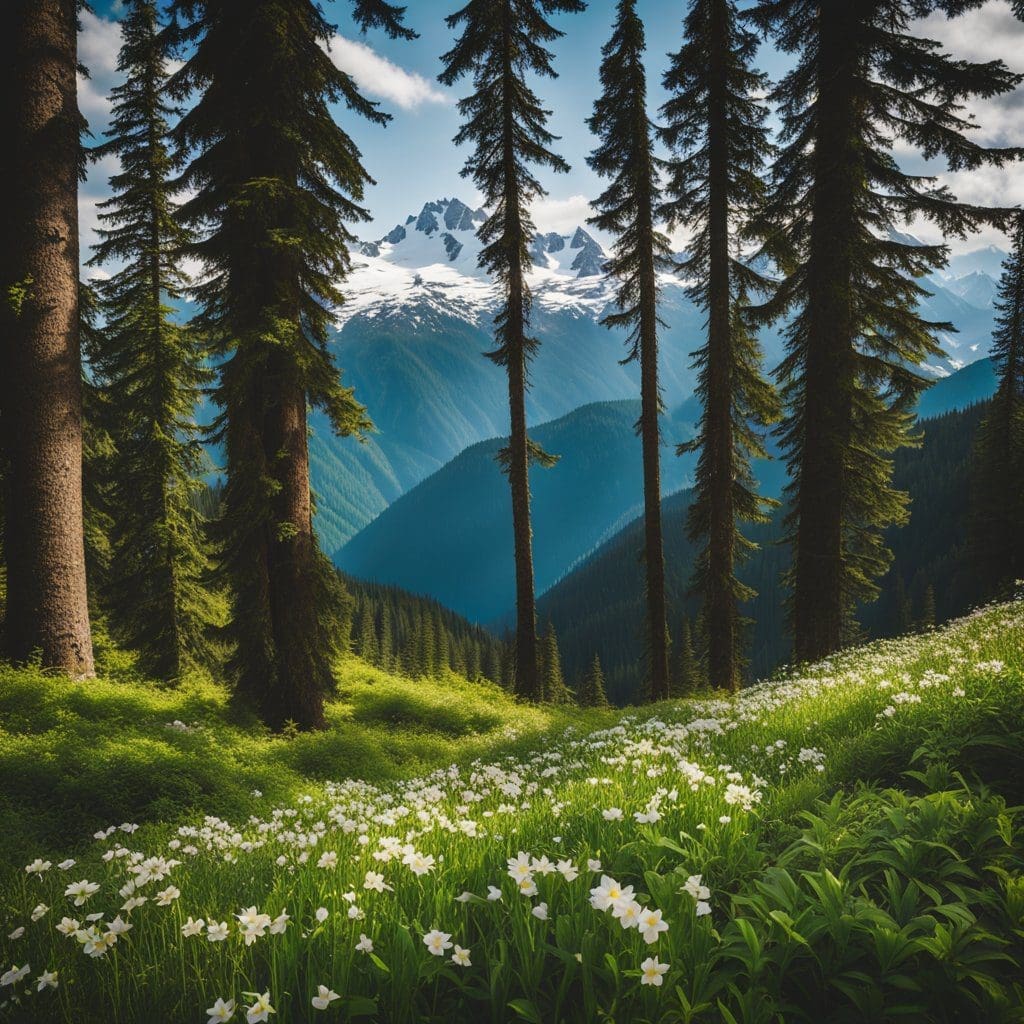
If you are planning a hiking or camping trip to Olympic National Park in the spring, you should consider a few things to ensure a safe and enjoyable experience. This section will cover the best time to visit, reservations and permits, and what to pack.
Best Time to Visit
March and April can mean cold rain at sea level and snow up high. Pick a coastal, lake or rainforest route first and keep a backup in another part of the park. See the Olympic wildflower guide for seasonal ideas.
Reservations and Permits
Check your campground’s opening dates and reservation window on the NPS campground list. Kalaloch, Hoh, Mora, Fairholme and Staircase take reservations for specific dates. Outside those windows, open campsites may be first-come, first-served. Some sites are released closer to arrival, so check the individual Recreation.gov listing. Sol Duc uses a separate concession schedule.
Every overnight backcountry trip requires a wilderness permit. Book before you leave through Recreation.gov or get help from the Wilderness Information Center. There’s no self-registration at the trailhead, and the park doesn’t hold a separate block of sites for same-day walk-ups.
What to Pack
When hiking or camping in Olympic National Park in the spring, it’s important to be prepared for a variety of weather conditions. Pack rain gear, warm layers, and sturdy hiking boots. It’s also a good idea to bring a map, compass, first aid kit, and plenty of water and snacks.
For any overnight in the wilderness, bring a park-approved bear canister. At a developed campground, follow posted rules for securing food, trash and scented items.
Explore the Best Spring Trails in Olympic National Park
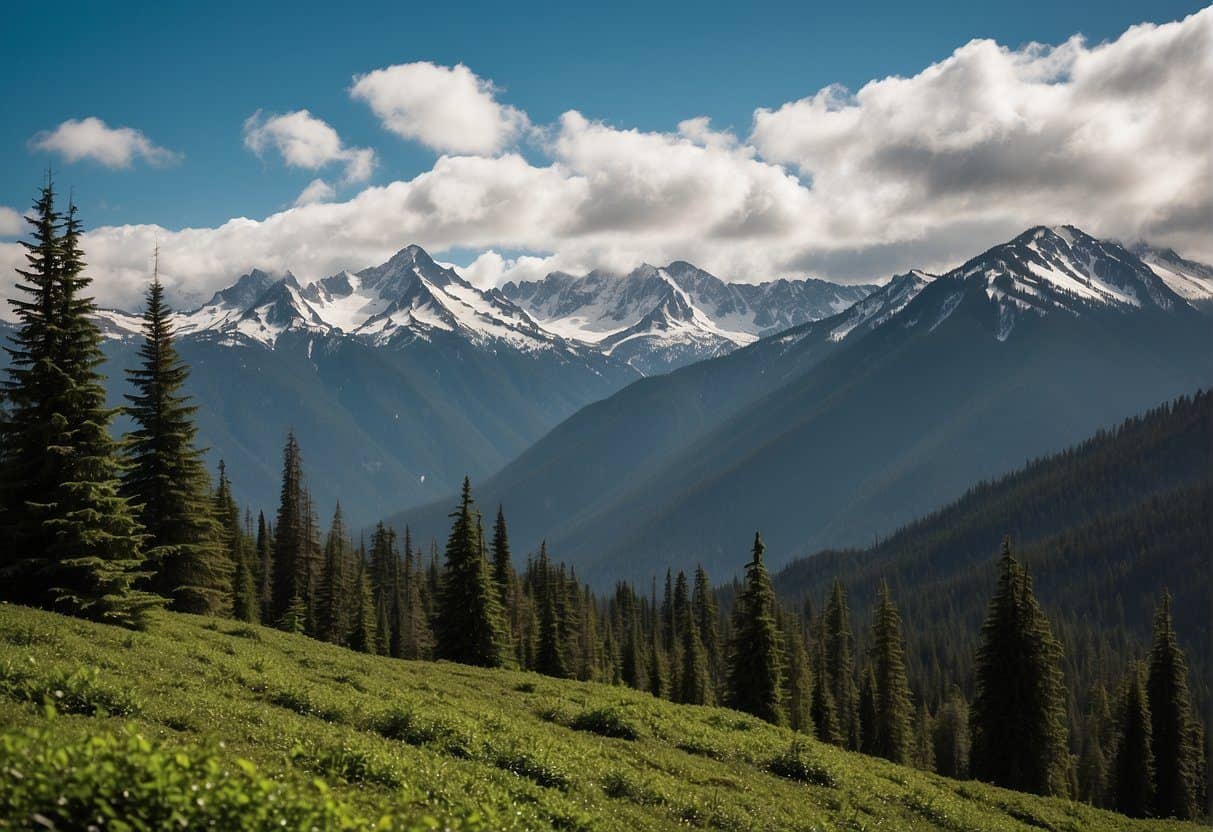
If you’re planning a spring hiking or camping trip to Olympic National Park, you’re in for a treat! With its diverse ecosystems and stunning natural beauty, Olympic National Park offers a range of hiking trails suitable for everyone, from families with young children to experienced backcountry hikers.
Popular Spring Hikes
The Hoh’s Hall of Mosses (0.8 miles round trip), Sol Duc Falls (about 1.6 miles round trip) and Staircase Rapids Loop (2.1 miles) are good starting points when their access is open. Check the NPS trail report. Other Staircase trails can be closed even when the Rapids Loop is open.
Family-Friendly Trails
If you’re traveling with young children, there are plenty of family-friendly hiking trails in Olympic National Park. The Spruce Railroad Trail is a scenic 5-mile+ trail (depending on how far you want to go!) with little to no elevation gain that follows the shores of Lake Crescent, while the Marymere Falls Trail is a short, easy day hike that leads to a beautiful waterfall.
Backcountry Adventures
For backpacking, check the Hoh River Trail’s current status. Don’t assume the High Divide and Seven Lakes Basin are snow-free in spring; NPS treats this as a quota area and snow can narrow its booking season. Contact the Wilderness Information Center before relying on those dates.
Whether looking for a leisurely hike through old-growth forests or a challenging backcountry adventure, Olympic National Park has something for everyone. Bring plenty of layers, as spring temperatures vary drastically from the mountains to the coast.
Spring Camping in Olympic National Park: What to Pack
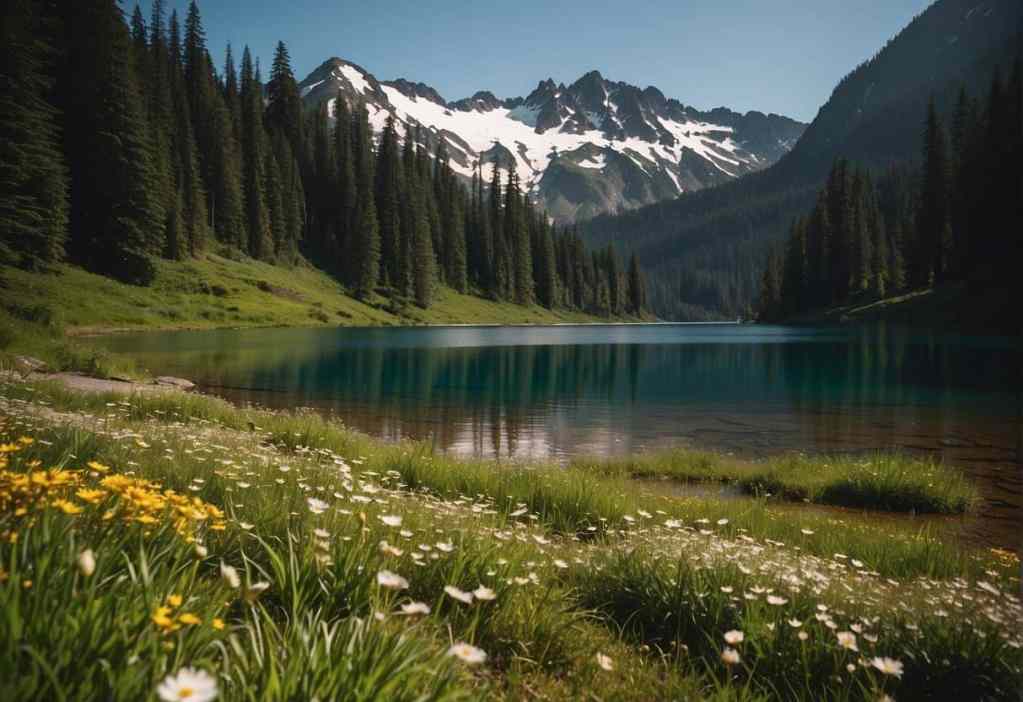
When planning your spring camping trip to Olympic National Park, it’s important to pack the right gear and know which campgrounds are available. Here are the camping essentials you’ll need to make the most of your trip.
Frontcountry Campgrounds
If you prefer to stay in a more traditional campground with amenities like potable water and restrooms, Olympic National Park has several front-country campgrounds to choose from.
- Kalaloch and Mora: coastal-area options with seasonal booking windows and first-come camping outside them when open.
- Ozette: 15 first-come sites by the lake. Some sites can flood in winter; check conditions and services.
- Fairholme: seasonal Lake Crescent campground. Check its opening dates and reservation period separately.
Backcountry Camping
Pick an itinerary using the NPS permit instructions and trip map. Site and group limits vary; check the exact camps each night before booking.
- Before booking, check campsite capacity, group limits and quota dates. Some routes have lower group-size caps than others.
- Bring an approved bear canister and check whether snow, river crossings or trail closures affect the itinerary.
Campground Amenities
No matter which campground you choose, it’s important to pack the right gear to ensure a comfortable camping experience. Here are a few essential items to consider bringing:
- Tent: A sturdy, waterproof tent is necessary for any camping trip.
- Sleeping Bag: Choose a sleeping bag rated for the lowest temperature you expect to encounter on your trip.
- sleeping pad: A sleeping pad will provide insulation and cushioning to help you sleep comfortably.
- Cookware: Bring a camp stove and cookware if you plan to cook your own meals.
- Headlamp or Flashlight: A headlamp or flashlight will come in handy for navigating around camp at night.
By packing the right gear and choosing the right campground, you can make the most of your spring camping trip to Olympic National Park. Happy camping!
Staying Safe with Wildlife During Spring in Olympic National Park
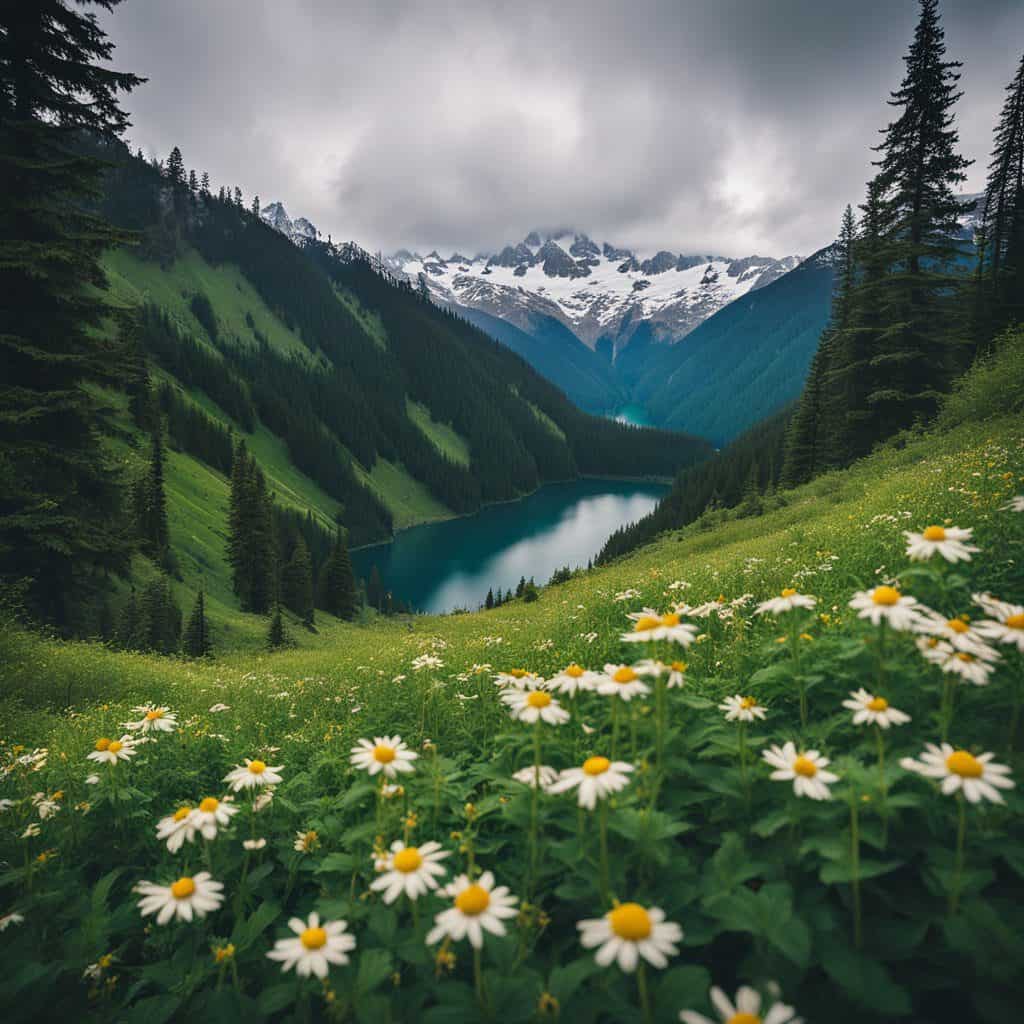
If you’re planning a spring hiking and camping trip in Olympic National Park, it’s important to be aware of the wildlife and safety precautions you should take. Here are some tips to help ensure a safe and enjoyable trip.
Encountering Wildlife
Olympic National Park is home to a diverse range of wildlife, including Roosevelt elk, black bears, mountain goats, and more. While encountering wildlife can be an exciting experience, it’s important to remember to keep a safe distance and not disturb them.
If you encounter wildlife on the trail, stay calm and keep a safe distance. Do not approach or attempt to feed them. Remember, these are wild animals and can be dangerous if provoked.
Safety Precautions
Leashed pets are allowed in developed areas and on only a few specific routes. Check the park’s list of pet-friendly routes, including portions of the coast and the Spruce Railroad Trail. Wilderness areas are off-limits to pets.
In developed campgrounds, use assigned sites and store food and scented items as posted. In the wilderness, use designated camps where required and secure food in an approved bear canister.
It’s also important to be prepared for changing weather conditions. Spring in Olympic National Park can bring rain, snow, and unpredictable weather. Make sure to bring appropriate clothing and gear, including rain gear, warm layers, and sturdy footwear.
By following these safety precautions and respecting the wildlife, you can help protect the natural beauty of Olympic National Park while enjoying a safe and memorable trip.
Eco-Friendly Spring Camping in Olympic National Park
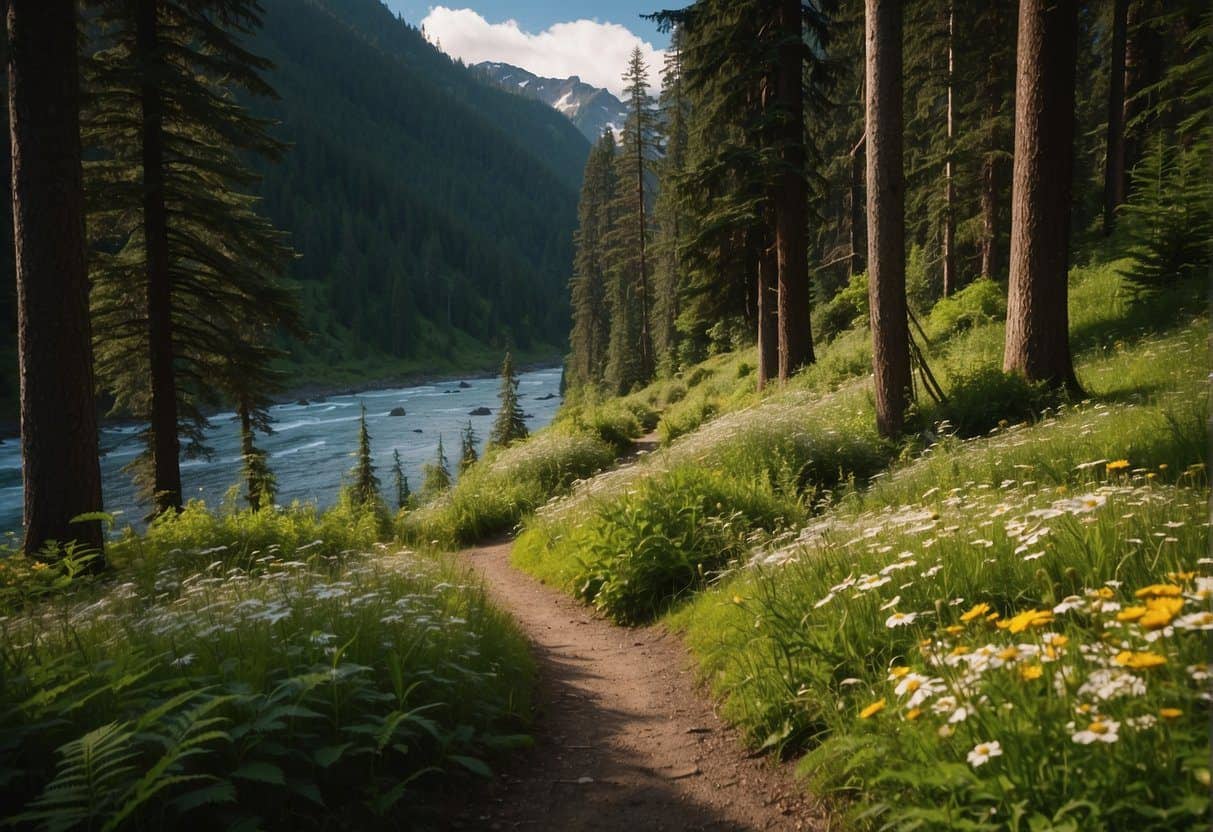
When hiking and camping in Olympic National Park, it is important to practice environmental stewardship. This means taking care of the natural environment and leaving it in better shape than you found it. There are two main ways to practice environmental stewardship: following Leave No Trace principles and supporting park conservation efforts.
Leave No Trace Principles
Leave No Trace principles are a set of guidelines for minimizing human impact on the environment. These principles include packing out all garbage and waste, respecting wildlife and their habitats, staying on designated trails, and minimizing campfire impact. By following these principles, you can help protect the delicate ecosystem of Olympic National Park.
Park Conservation Efforts
Olympic National Park has a strong commitment to conservation. The park works to protect wildflowers, which are an important part of the park’s ecosystem. Additionally, the park has implemented a number of measures to reduce human impact on the environment, such as limiting the number of visitors to certain areas and closing trails during sensitive times of the year.
By supporting these conservation efforts, you can help ensure that the park remains a beautiful and healthy place for generations to come. This includes properly disposing of garbage and waste, respecting the park’s wildlife and their habitats, and following all park rules and regulations.
Overall, it is important to remember that we are all responsible for protecting the natural environment of Olympic National Park. By practicing environmental stewardship, we can help ensure that this beautiful park remains a vibrant and healthy ecosystem for years to come.
Spring’s Natural Wonders in Olympic National Park
When hiking and camping in Olympic National Park during spring, you’ll be surrounded by stunning natural features and scenery. Here are some highlights you won’t want to miss:
Lakes and Waterfalls
Lake Crescent is a must-see destination in Olympic National Park. With its crystal-clear waters and scenic mountain backdrop, it’s a popular spot for hiking, fishing, and boating. Sol Duc Falls is another stunning waterfall in the park that is easily accessible via a short hike.
Coastal Attractions
The Pacific coastline in Olympic National Park is a sight to behold. Rialto Beach and Ruby Beach are both popular destinations for beachcombing, tidepooling, and watching the sunset. Kalaloch is another great spot to take in the views of the ocean.
Forest Landscapes
Olympic National Park is home to some of the largest and oldest trees in the world, including Sitka spruce and Douglas fir. The Hoh River and Queets River valleys are both great places to explore the lush old-growth forests.
Whether you want to hike to a waterfall, explore the coastline, or wander through the forest, Olympic National Park has something for everyone. So pack your bags, grab your hiking boots, and get ready to experience the natural beauty of spring in Olympic National Park.
Navigating Olympic National Park in the Spring
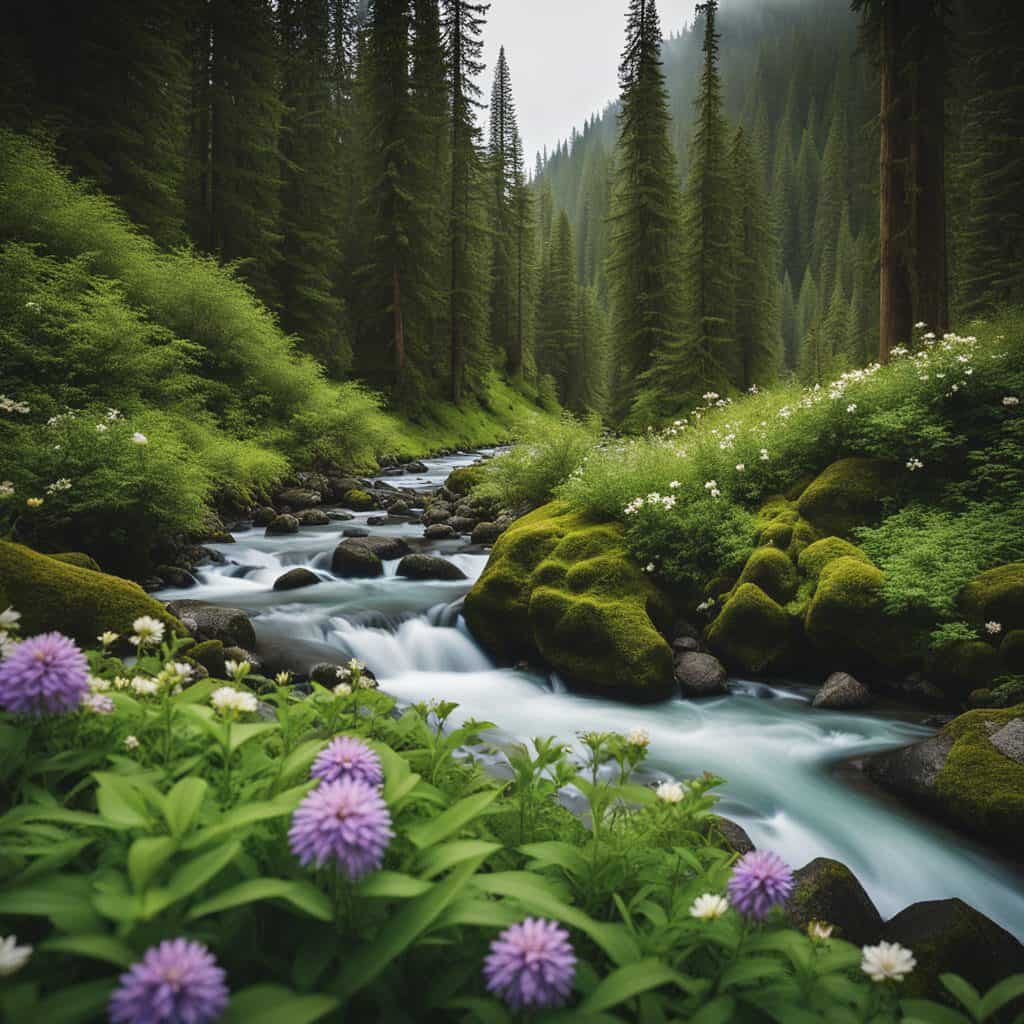
When planning a spring hiking and camping trip to Olympic National Park, it’s important to know how to get around the park. Here are some tips to help you navigate the park’s roads and access points.
Park Roads and Access
Highway 101 loops around the peninsula, but distances between park entrances add up. Choose your campground and hikes in the same area when possible. Port Angeles is a useful base for Hurricane Ridge and eastern Lake Crescent; it isn’t the entrance for every destination.
Check NPS road conditions before leaving. In spring, snow can affect Hurricane Ridge and Sol Duc, and rain or washouts can affect lower roads too.
Shuttle Services and Tours
Check dates for the Hurricane Ridge shuttle separately from any Lake Crescent or Hoh transportation. Don’t count on a free park shuttle serving all three destinations.
If you’re interested in a guided tour, there are several companies that offer tours of the park. These tours can be a great way to learn more about the park’s history and natural features, and they often include transportation to and from your lodging.
If you’re traveling without a car, confirm the return schedule and the walk from the stop to the trailhead before you commit.
By following these tips, you can make the most of your spring hiking and camping trip to Olympic National Park and enjoy all the park has to offer.
Local Insights for Spring Campers in Olympic National Park
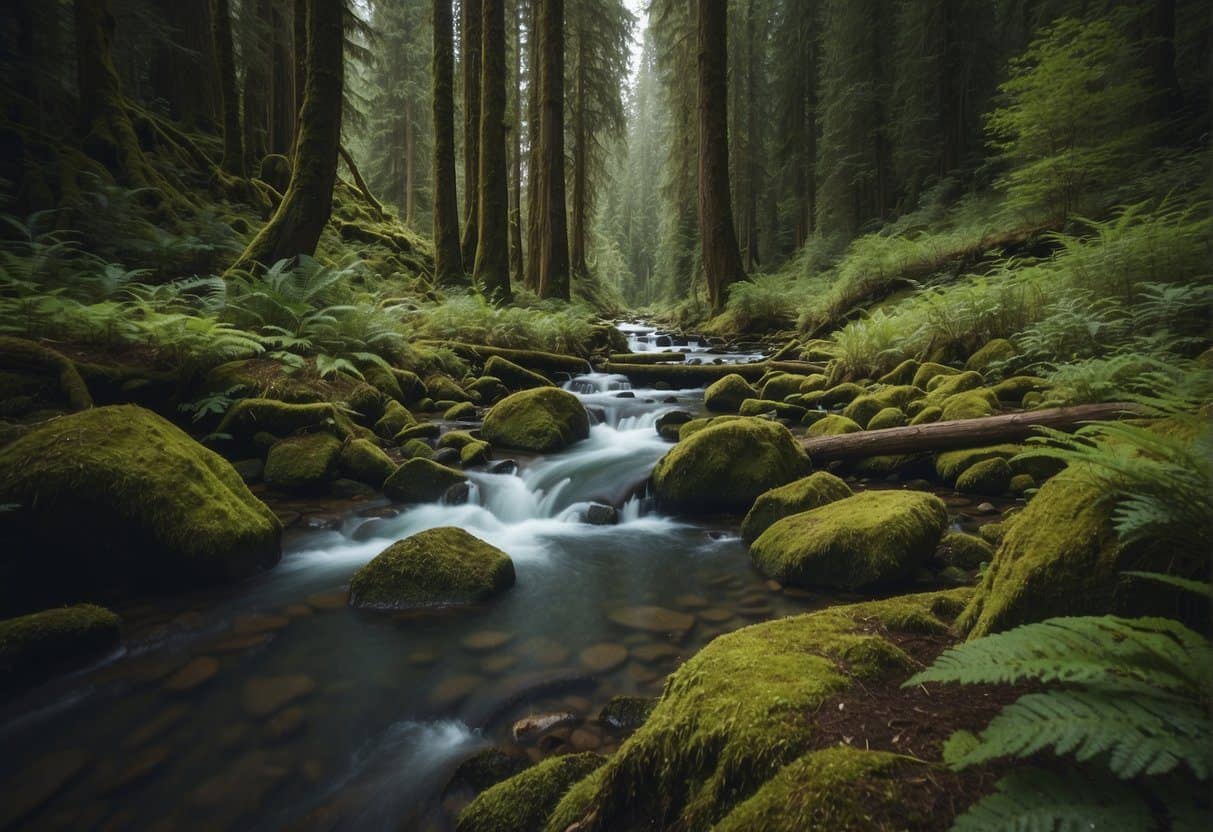
When visiting Olympic National Park during the spring season, you will want to make sure you have access to necessary amenities and services. Here are some options to consider:
Port Angeles and Surrounding Areas
Port Angeles is the largest city near Olympic National Park and offers a variety of services to visitors. You can find grocery stores, gas stations, and pharmacies in Port Angeles, making it a convenient stop for any necessary supplies.
In addition, Port Angeles has several lodging options, including hotels, motels, and bed and breakfasts. If you prefer to camp, there are also several campgrounds in the area.
Dining and Shopping
If you are looking for dining options, Port Angeles and the surrounding areas have plenty of choices. From seafood to pizza, you can find a variety of cuisines to suit your tastes.
If you are in the mood for shopping, Port Angeles has several stores and boutiques to explore. You can find outdoor gear, souvenirs, and locally-made items.
Overall, Port Angeles and the surrounding areas offer a variety of services and amenities for visitors to Olympic National Park. Whether you need supplies for camping or want to explore local dining and shopping options, you can find what you need in the nearby communities.
Spring Camping FAQs in Olympic National Park
What are the best trails for spring hiking in Olympic National Park?
Olympic National Park offers a wide range of trails for spring hiking. The Hoh Rain Forest is a popular spot for spring hiking, with its lush greenery and blooming wildflowers. The Spruce Railroad Trail is another great option, offering scenic views of Lake Crescent. The Sol Duc Falls Trail is also a must-see, with its stunning waterfalls and old-growth forest.
How can I secure camping reservations for Olympic National Park in the spring?
Use the NPS campground list to see whether your spring dates require a reservation. Follow its Recreation.gov link for that campground’s release windows. An open, first-come campground is a different plan and doesn’t guarantee a site.
What should I expect for weather conditions in Olympic National Park during March and April?
Weather conditions in Olympic National Park during March and April can be unpredictable, with rain and snow common. Temperatures can range from the 30s to the 60s, so it’s important to bring warm layers and waterproof gear. It’s also important to check weather forecasts before heading out on any hikes.
Are there any specific campsites, like Kalaloch Campground, recommended for spring camping?
Kalaloch is a coastal option. Check whether your dates are inside its booking season and have an alternative if sites are full or weather affects access.
What wildlife safety precautions are necessary in Olympic National Park during the spring?
Wildlife is abundant in Olympic National Park, and it’s important to take precautions to ensure your safety. Keep a safe distance from animals and never approach them. Store food and other scented items in bear canisters or lockers to prevent attracting wildlife to your campsite.
Are there areas within Olympic National Park where camping is not permitted in the spring?
Closures are specific to the road, campground or trail. For example, a washout blocks vehicle access beyond Madison Falls in the Elwha; that isn’t a blanket ban on wilderness camping in the valley. Use the road report and trail report, then confirm your permit and campsites.
Growing up in the Pacific Northwest, we’ve always felt at home in the outdoors. We created Evergreen Adventures PNW to share our love of hiking, camping, and exploring, and to help others discover the best adventures this region has to offer. Along with trip guides and tips, we also enjoy diving into the science behind the landscapes—thanks to a background in Environmental Science—because understanding nature makes every adventure even more meaningful.