
Viewing Fall wildlife in Washington is among the best times to see animals in the Evergreen State. The leaves are turning vibrant shades of red, orange, and yellow, and the wildlife become more active. If you’re a nature lover, fall is the perfect time to explore the state’s diverse ecological landscape. From backyard chickadees to the orcas of the Salish Sea, there is no shortage of wildlife to witness in Washington.
Washington is home to a wide variety of species, including black bears, elk, deer, coyotes, and a variety of birds. Fall is an ideal time to spot wildlife as many animals prepare for winter. Because of this, they are more active during the day. You can also witness the annual migration of birds, such as sandhill cranes and snow geese, as they fly south for the winter. Whether you’re an experienced wildlife watcher or a beginner, fall is the perfect time to get out and explore Washington’s natural beauty.
If you’re interested in wildlife conservation, fall is also a great time to learn more about the state’s efforts to protect its natural resources. The Washington Department of Fish and Wildlife (WDFW) manages nearly a million acres of land divided into 33 designated Wildlife Areas across the state. Watching wildlife is an increasingly popular activity for residents and tourists alike. The WDFW offers a variety of resources and programs to help people learn more about the state’s wildlife and conservation efforts.
Table of Contents
Discover the Diverse Wildlife Species in Washington During the Fall

Washington State is home to a diverse range of wildlife species, from invertebrates to large mammals. The Washington Department of Fish and Wildlife (WDFW) manages and protects these species and their habitats across the state.
One of the most iconic species found in Washington is the majestic elk (Cervus canadensis). These magnificent creatures can be spotted in various regions of the state, particularly in the Olympic Peninsula and the northeastern part of Washington. Other large mammals found in Washington include black bears (Ursus americanus), cougars (Puma concolor), and gray wolves (Canis lupus).
Washington is also home to a variety of bird species, including bald eagles (Haliaeetus leucocephalus), great blue herons (Ardea herodias), and western bluebirds (Sialia mexicana). The state’s coastal areas are particularly rich in birdlife. Species such as tufted puffins (Fratercula cirrhata) and common murres (Uria aalge) make their homes on rocky cliffs and islands.
Beyond larger species, Washington hosts a diverse array of invertebrates, including butterflies, dragonflies, and bees. These small creatures are crucial to the state’s ecosystems, pollinating plants and nourishing larger animals.
The WDFW manages many wildlife areas across the state, providing protected habitats for a wide range of species. These areas offer opportunities for visitors to observe and learn about Washington’s wildlife in their natural habitats.
Top Locations for Fall Wildlife Viewing in Washington: A Must-Explore List

Washington State is home to a wide variety of wildlife, and fall is an excellent time to view them. Here are some of the best locations for wildlife viewing in Washington:
Olympic Peninsula
The Olympic Peninsula is one of the best places in Washington for wildlife viewing. The peninsula is home to a diverse range of wildlife, including black bears, elk, deer, and bald eagles. Some of the best places to view wildlife on the Olympic Peninsula are the Hoh Rainforest, Hurricane Ridge, and Lake Crescent.
Seattle Parks and Gardens
Seattle is home to a number of parks and gardens that are great for wildlife viewing. Some of the best parks for wildlife viewing in Seattle include Discovery Park, Magnuson Park, and Seward Park. These parks are home to a variety of birds, including bald eagles, osprey, and great blue herons.
King County Parks and Trails
King County is home to a number of parks and trails that are great for wildlife viewing. Some of the best parks for wildlife viewing in King County include Cougar Mountain Regional Wildland Park, Marymoor Park, and Soaring Eagle Regional Park. These parks are home to a variety of wildlife, including deer, coyotes, and bald eagles.
Spokane
Spokane is a great place for wildlife viewing in the fall. The city is home to many parks and trails that are great for wildlife viewing. These include Riverside State Park, the Spokane River Centennial Trail, and the Turnbull National Wildlife Refuge. These areas are home to a variety of wildlife, including elk, moose, and bald eagles.
National Forests
Washington is home to several national forests that are great for wildlife viewing in the fall. Some of the best national forests for wildlife viewing in Washington include the Gifford Pinchot National Forest, the Mount Baker-Snoqualmie National Forest, and the Okanogan-Wenatchee National Forest. These forests are home to a variety of wildlife, including black bears, elk, and deer.
Birding in Washington: Fall Migration Patterns

Washington is a fantastic place for birdwatchers and nature enthusiasts. Fall is an especially great time to observe birds as they migrate through the state. The Pacific Flyway, one of four major North American bird migration routes, passes through Washington, making it a prime location for birding.
If you’re interested in birdwatching, consider visiting one of Washington’s many eBird hotspots. eBird is a free online database where birders can log their sightings and view data from other birders. Some popular eBird hotspots in Washington include Skagit Wildlife Area, Ridgefield National Wildlife Refuge, and Nisqually National Wildlife Refuge.
During the fall months, you can expect to see a variety of migrating birds in Washington. Some common species include osprey, sandhill cranes, and various waterfowl. The BirdCast Migration Dashboard provides real-time data on bird migration patterns across the country, including Washington.
Washington is also home to many resident bird species that can be observed year-round. Some popular birding locations include the temperate rainforest of the Olympic Peninsula and the high Cascades. The Great Washington State Birding Trail is a helpful resource for planning your birding trip, with detailed maps and descriptions of habitat and access.
Conservation in Action: Respecting Fall Wildlife in Washington

When observing wildlife in Washington, it is important to respect the animals and their habitats. As you enjoy the beautiful scenery and the creatures that inhabit it, remember that you are a visitor to their home. Keep in mind that you are observing them in their natural habitat, and it is important to not disturb their daily routines. Always maintain a safe distance from the animals and do not try to feed them.
Conservation efforts in Washington are crucial to protecting wildlife and their habitats. The state has many organizations dedicated to protecting and preserving the natural environment, such as Washington Wild and the Washington Department of Fish and Wildlife. These organizations work to protect and restore wild lands and waters in the state through advocacy, education, and civic engagement.
Hunting and angling are also important to the conservation efforts in Washington. Hunters and anglers contribute to the economy and the state’s rural communities, and their fees and licenses fund conservation efforts. However, hunters need to follow all regulations and guidelines set forth by the Washington Department of Fish and Wildlife to ensure that wildlife populations are not negatively impacted.
Tips for an Unforgettable Fall Wildlife Viewing Experience in Washington

When it comes to wildlife viewing in Washington during the fall season, there are a few tips you should keep in mind to make the most of your experience.
First and foremost, it’s important to plan your visit according to the season. Fall is a great time to view wildlife, as many species are active during this time. However, keep in mind that some animals may be preparing for hibernation or migration, so be sure to research which species you might encounter and what their behaviors are during this time of year.
Time of Day

Another important tip is to choose the right time of day. Viewing and hearing wildlife is best at dawn and dusk. This is when many animals are most active and visible. Additionally, the lighting during these times can make for some stunning photo opportunities.
Observing wildlife from a distance is crucial for both your safety and the safety of the animals. Binoculars or a spotting scope can help you get a closer look without disturbing their natural behavior. If you do decide to take photos, be sure to keep a safe distance and avoid using flash.
Keeping a record of your observations can be a great way to remember your experience and contribute to citizen science efforts. Taking notes, drawing sketches, or snapping photos can all help you remember what you saw and where.
Finally, it’s important to be a responsible naturalist. Follow Leave No Trace principles when hiking and always stay on designated trails. Be sure to carry maps and know the regulations for the area you are visiting. Consider participating in wildlife surveys to help monitor and protect the species you are viewing.
Sea Life and Salmon Spawning

Fall is the perfect time to witness the incredible spectacle of salmon spawning in Washington’s rivers and streams. You can observe this natural phenomenon at various locations throughout the state, including the Lyre River Campground Salmon Cascades observation area, Garfield County, and the End of Rodgers Street in Dosewallips State Park.
But salmon aren’t the only sea creatures you can see during the fall season in Washington. The Salish Sea is home to a diverse range of marine life, including orcas, seals, sea lions, and otters. If you’re lucky, you might even catch a glimpse of a humpback or gray whale on their migration south.
For a chance to see these amazing animals up close, head to the Tukwila Urban Center Pedestrian Bridge in King County, where you can spot salmon swimming upstream and watch as sea lions hunt for their next meal. You can also visit the Seattle Aquarium, which offers special programs along the Cedar River in Renton and Maple Valley, with naturalists stationed at five different points along the river where it’s easy to see the salmon up close.
If you’re interested in learning more about the life cycle of salmon, check out the Fish and Wildlife Live Cameras from the Washington Department of Fish & Wildlife. These cameras provide an up-close glimpse into the lives of Hood Canal steelhead, and you can watch a video of past steelhead releases.
Frequently Asked Questions
What are some popular places to view wildlife in Washington State?
Washington State is home to a variety of wildlife viewing opportunities. Some of the most popular places to view wildlife in Washington include Olympic National Park, North Cascades National Park, and Mount Rainier National Park. Other popular places include the Columbia River Gorge, the San Juan Islands, and the Skagit Valley.
Which animals can be seen in Seattle, Washington?
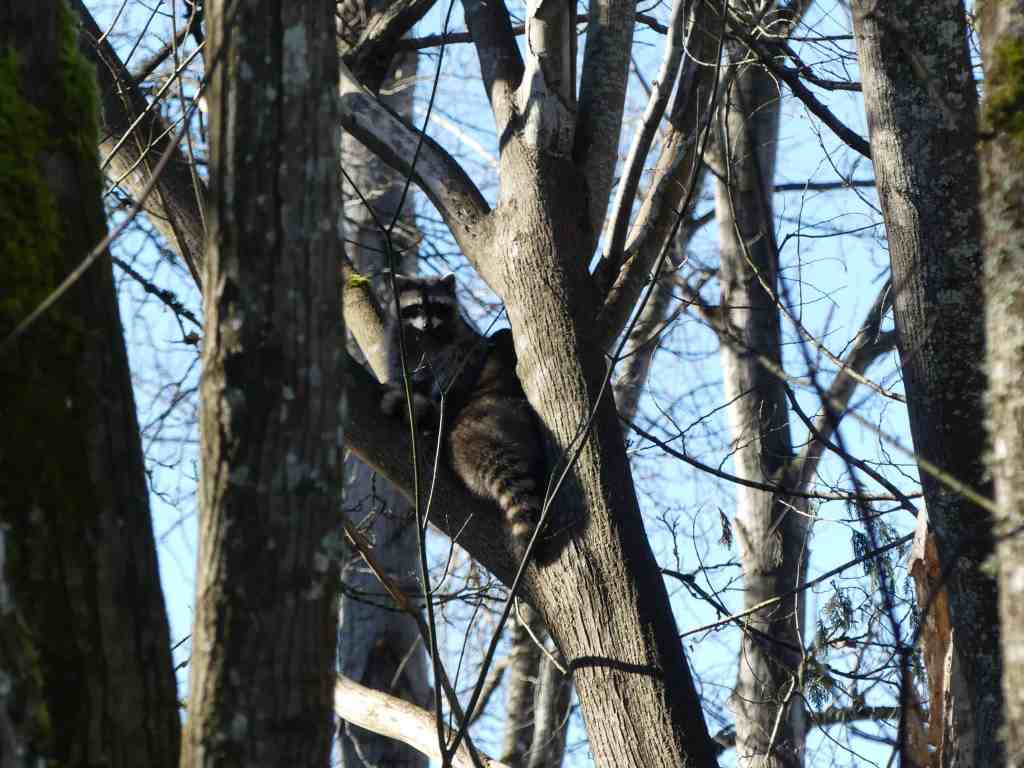
While Seattle is a bustling city, there are still opportunities to view wildlife. Common animals that can be seen in Seattle include bald eagles, harbor seals, and sea lions. You may also be able to spot coyotes and raccoons in some areas.
Where are the best spots to view mountain goats in Washington?
Mountain goats can be found in several areas of Washington, including North Cascades National Park. Some of the best spots to view mountain goats include the Cascade Pass Trail in North Cascades National Park.
What is the best time to view wildlife in North Cascades National Park?
The best time to view wildlife in North Cascades National Park is during the summer months, particularly in July and August. During this time, many animals are active and can be seen in their natural habitats. However, it’s important to keep in mind that wildlife viewing is never guaranteed, and it’s important to respect the animals and their habitats.
What are some recommended spots for wildlife viewing in Mt Rainier?
Mount Rainier National Park is home to a variety of wildlife, including black bears, elk, and mountain goats. Some recommended spots for wildlife viewing in the park include the Sunrise area, the Paradise area, and the Ohanapecosh area.
Where can I see bald eagles in Washington, and what is the best time to do so?
Bald eagles can be seen throughout Washington, particularly near bodies of water such as rivers and lakes. Some recommended spots for bald eagle viewing include the Skagit River and the Nisqually River Delta. The best time to view bald eagles is typically during the winter months, particularly in December and January.
Growing up in the Pacific Northwest, we’ve always felt at home in the outdoors. We created Evergreen Adventures PNW to share our love of hiking, camping, and exploring, and to help others discover the best adventures this region has to offer. Along with trip guides and tips, we also enjoy diving into the science behind the landscapes—thanks to a background in Environmental Science—because understanding nature makes every adventure even more meaningful.