
If you’ve ever visited the Pacific Northwest, you’ve likely noticed the abundance of evergreen trees that dominate the landscape.
From towering Douglas firs to delicate Western red cedars, these trees are a defining feature of the region’s environment and culture.
In this article, we’ll explore the diversity of evergreen trees found in the Pacific Northwest, their cultural and economic significance, and some practical information for identifying and conserving these important species.
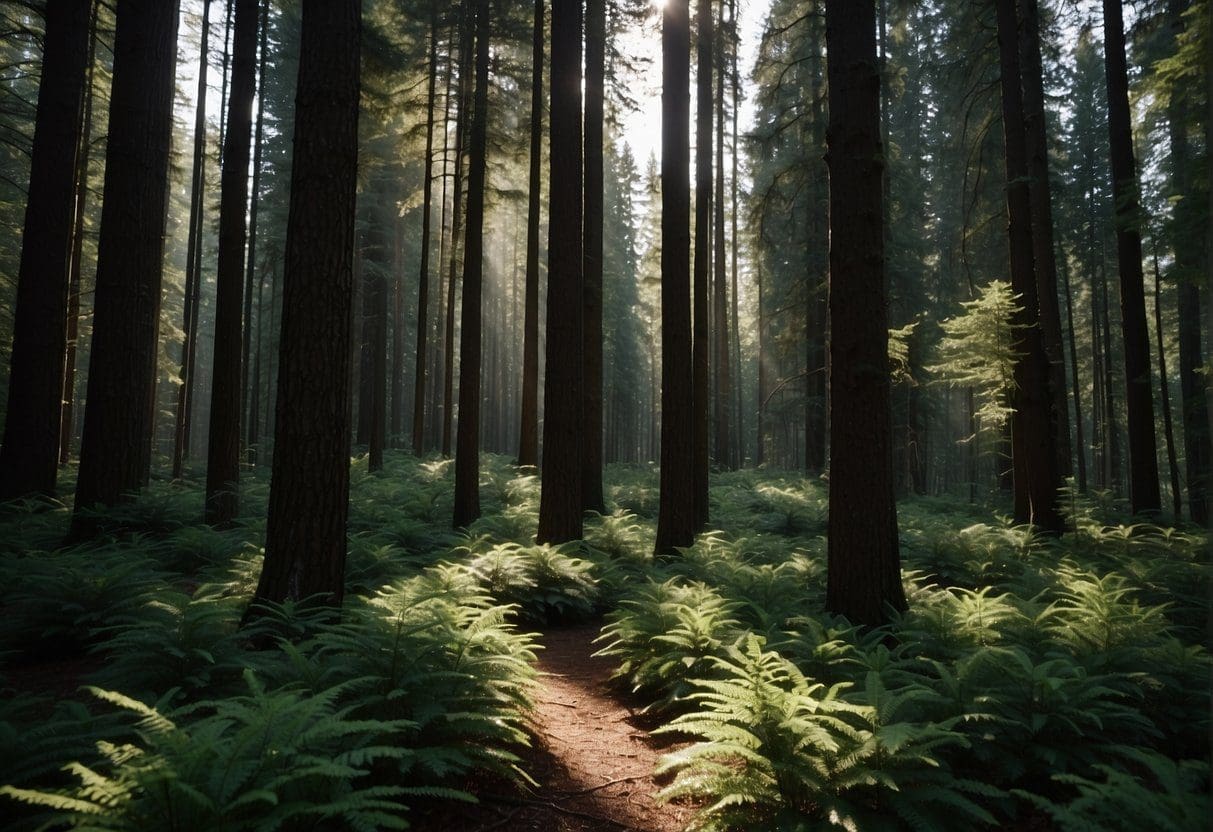
The Pacific Northwest is a region known for its lush forests, rugged coastline, and abundant wildlife.
Evergreen trees play a vital role in this ecosystem, providing animal habitat, regulating water flow, and capturing atmospheric carbon dioxide.
With over 20 species of evergreen trees native to the region, there is a wealth of diversity to explore and appreciate.
Whether you’re a nature lover, a forester, or simply curious about the natural world, there’s something to discover in the evergreen forests of the Pacific Northwest.
So what makes these trees so special?
In addition to their ecological importance, evergreens have played a significant role in the culture and economy of the Pacific Northwest for centuries.
From the iconic totem poles carved by Indigenous peoples to the timber industry that has driven the region’s economy, evergreen trees have shaped the history and identity of this unique corner of the world.
In the following sections, we’ll explore these fascinating trees’ ecology, culture, and conservation in more detail.
Key Takeaways
- The Pacific Northwest is home to over 20 species of evergreen trees, which play a vital role in the region’s ecosystem.
- Evergreens have a rich cultural and economic significance in the Pacific Northwest, from totem poles to the timber industry.
- Understanding the ecology and conservation of evergreen trees is essential for preserving the natural beauty and diversity of the Pacific Northwest.
The Diversity of Evergreen Trees in the Pacific Northwest
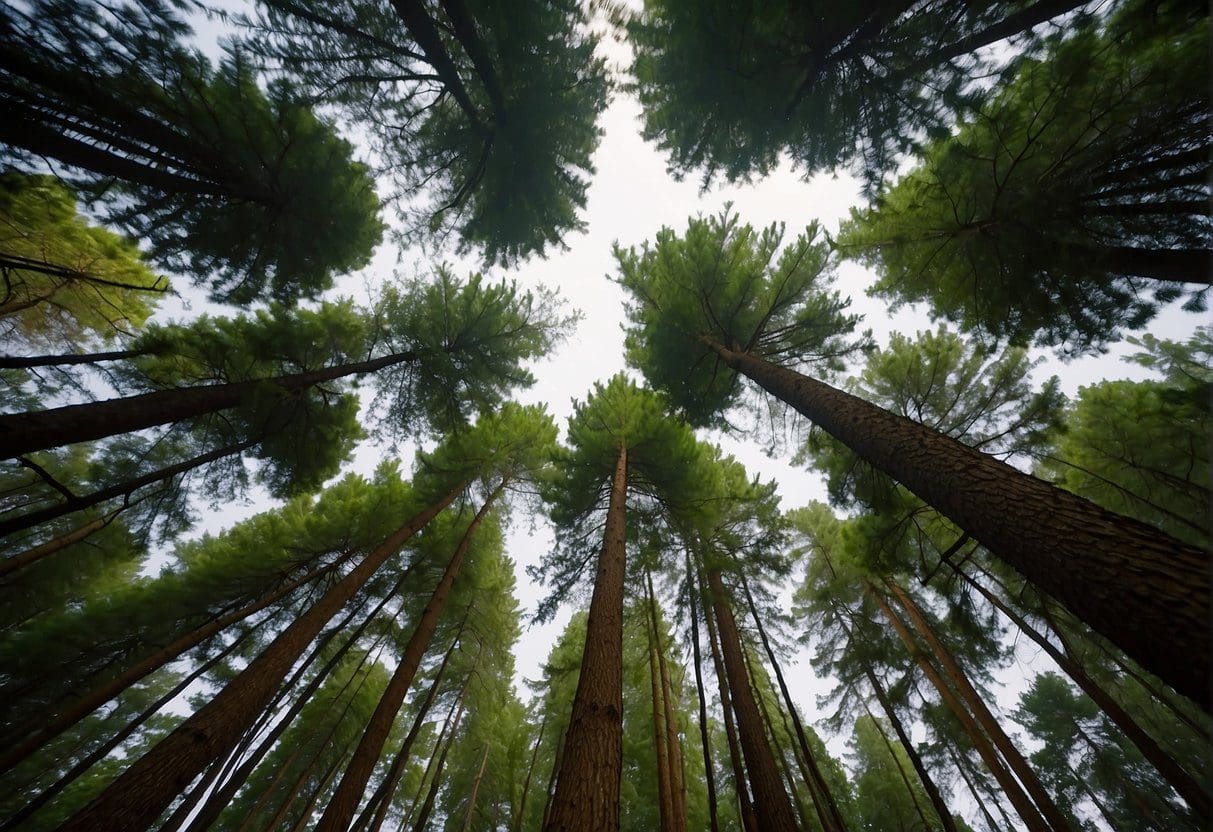
The Pacific Northwest region is known for its abundance of evergreen trees, with a wide variety of species that thrive in different environments.
From towering firs to aromatic cedars, the region’s forests offer a diverse range of evergreen trees that are both beautiful and functional.
Coniferous Giants: Firs and Hemlocks
Firs and hemlocks are some of the most iconic trees in the Pacific Northwest, with their towering heights and distinctive cones.
The Douglas fir, also known as the Oregon pine, is one of the most common trees in the region and can grow up to 330 feet tall. Meanwhile, the western hemlock is another towering species with a distinctive narrow crown and drooping branches.
Cedars and Spruces: The Aromatic Woods
Cedars and spruces are known for their distinctive aroma and beautiful wood.
Western red cedar is a common species in the region, with a distinctive reddish-brown bark and aromatic wood often used for building and crafting. Meanwhile, the Sitka spruce is another common species, with a tall, narrow crown and distinctive blue-green needles.
Unique Species: Pines and Yews
The Pacific Northwest is also home to a variety of unique evergreen species, including pines and yews.
The ponderosa pine is a common species in the region, with a distinctive bark that is reddish-brown and deeply furrowed. Meanwhile, the Pacific yew is another unique species, with a distinctive red bark and small, dark green needles.
Identifying Pacific Northwest Evergreen Trees
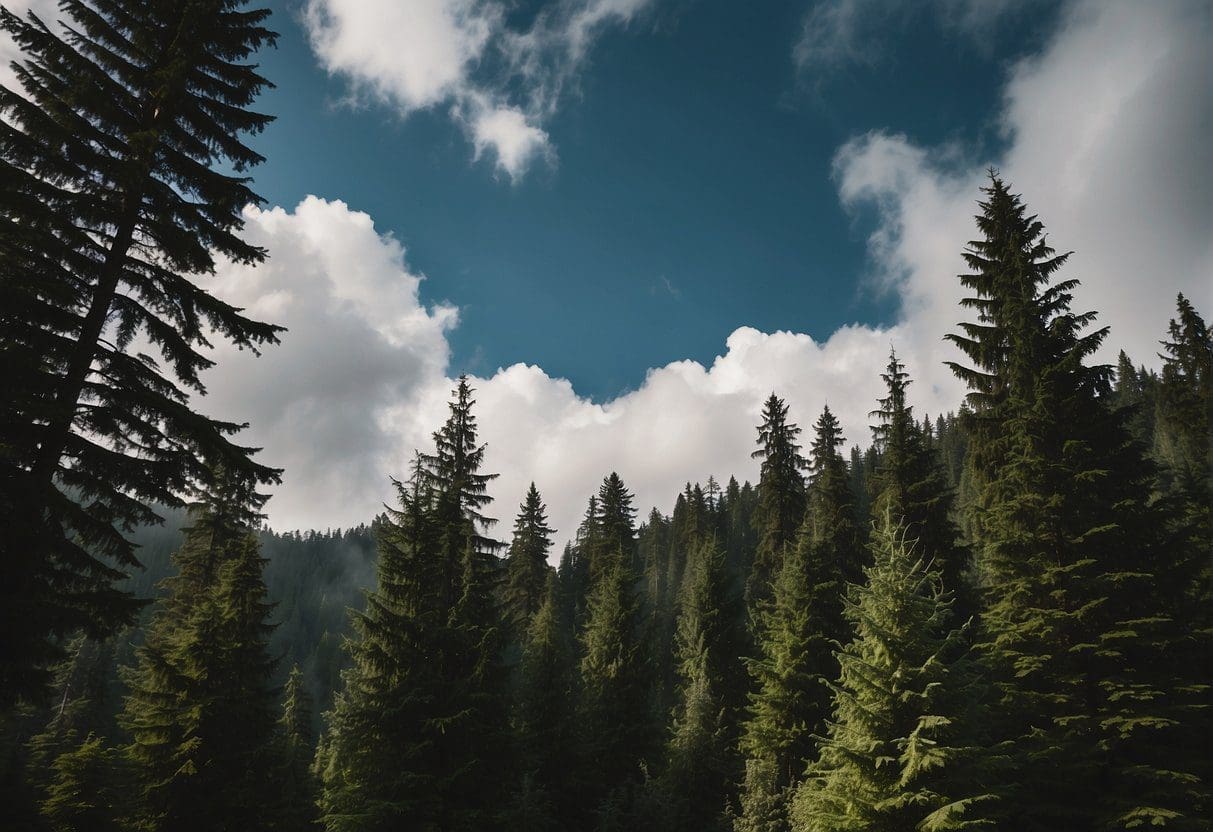
If you are in the Pacific Northwest, you are surrounded by a variety of evergreen trees. But how can you tell them apart? Here are some tips to help you identify evergreen trees in the region.
Leaves and Needles: The Telltale Signs
Evergreen trees have different types of leaves and needles, and these features can help you identify the tree species.
For instance, Douglas Firs have needles about 1 inch long and a blue-green color. On the other hand, Western Red Cedars have scale-like leaves that are soft to the touch and bright green.
Bark and Twigs: Textures and Patterns
The bark and twigs of evergreen trees can also help you identify them.
Douglas Firs have a scaly bark, while Western Hemlocks have a furrowed bark. Meanwhile, Western Red Cedars have a peeling bark and a reddish-brown color. The twigs of trees can also have unique features that can help you identify the tree species.
Cones and Berries: Reproductive Features
One of the most distinctive features of evergreen trees is their cones and berries.
For instance, Douglas Firs have cones that are about 3-4 inches long and have pitchfork-shaped bracts. Meanwhile, Western Red Cedars have small cones about 1/2 inch long and a rounded shape. Some evergreen trees also have berries, such as the Pacific Yew, which has red berries that are poisonous to humans.
Ecology and Environment
Habitats and Ecosystems: From Coastal to Mountain
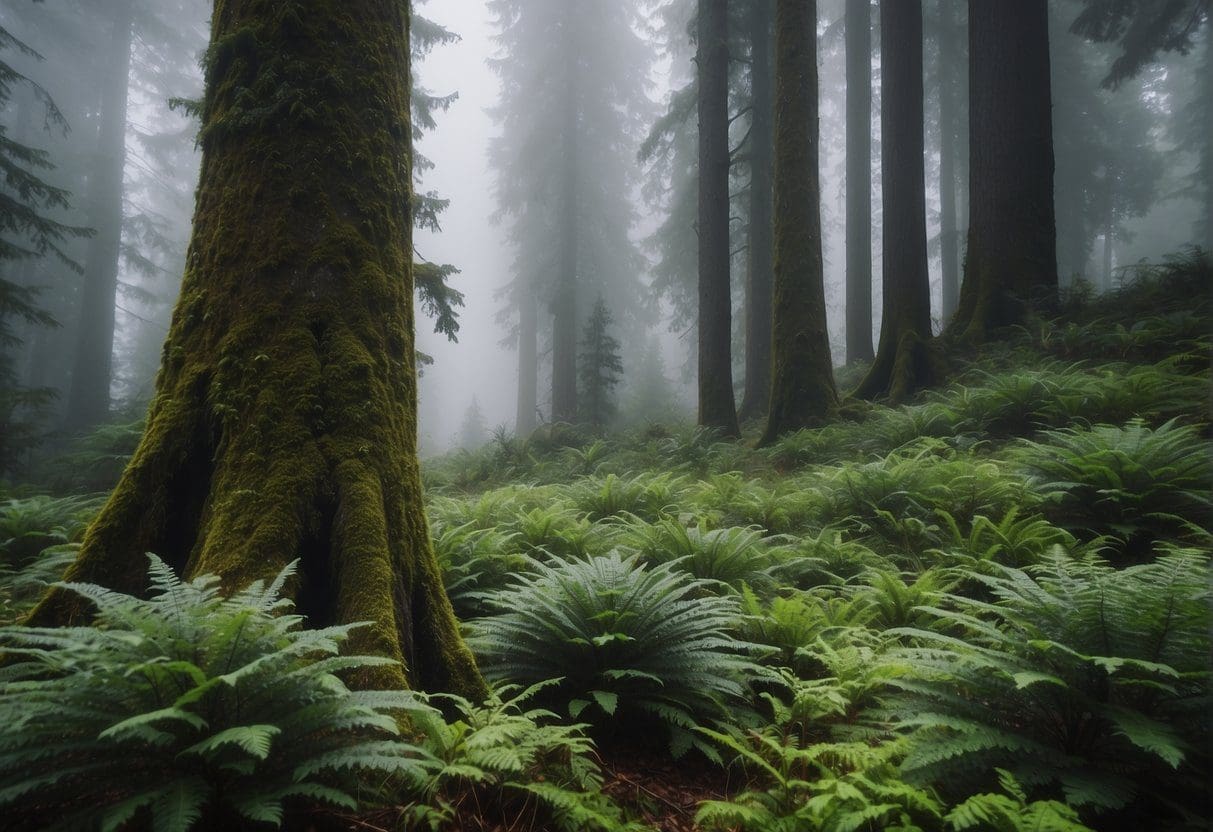
The Pacific Northwest is home to many native trees, including several species of evergreen trees.
These trees are found in a variety of habitats and ecosystems, from the coastal lowlands to the mountainous regions of the Cascades.
Coastal forests are dominated by Sitka spruce, western hemlock, and Douglas fir, while mountain forests are home to noble, subalpine, and mountain hemlock.
Soil and Climate: Growth Factors
The growth of evergreen trees in the Pacific Northwest is influenced by soil and climate factors.
The region’s soils are typically acidic and nutrient-poor, which can limit tree growth. However, evergreen trees are adapted to these conditions and thrive in them.
The cool, wet climate of the Pacific Northwest is also favorable for evergreen tree growth.
Wildlife and Human Interaction
Evergreen trees provide important habitat and food sources for a variety of wildlife species, including birds and mammals.
These trees are also important for human use, providing lumber for construction and paper products. However, human activities such as logging and development can have negative impacts on evergreen tree populations and the ecosystems they support.
In recent years, climate change and drought have also had significant impacts on evergreen forests in the Pacific Northwest.
Increased temperatures and decreased precipitation have led to more frequent and severe wildfires, devastatingly affecting these ecosystems.
Cultural and Economic Significance
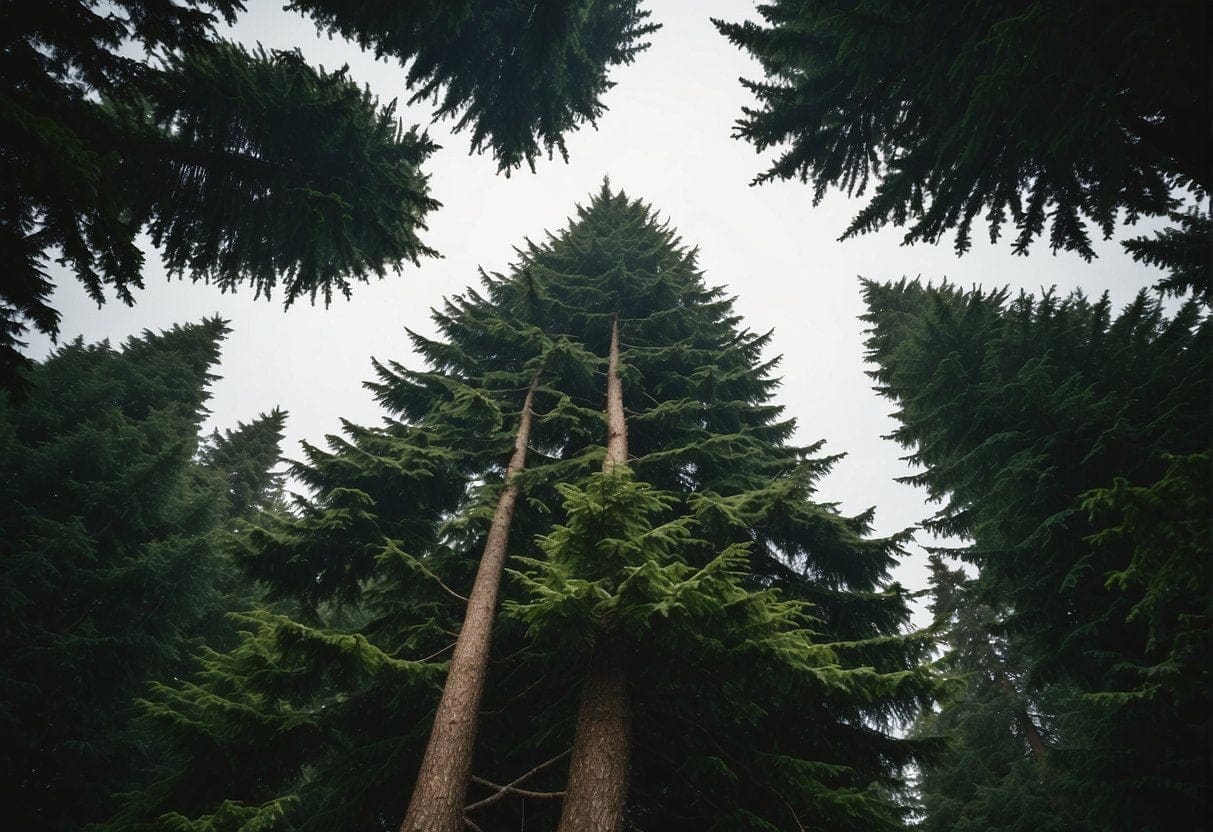
Evergreen trees have played a significant role in the culture and economy of the Pacific Northwest for centuries. From indigenous uses to modern applications, these trees have been utilized in a variety of ways.
Historical Uses: Indigenous and Colonial
Indigenous peoples of the Pacific Northwest have long recognized the importance of evergreen trees.
Cedar, in particular, was considered a sacred tree and was used for a variety of purposes, including building homes, canoes, and totem poles. The bark and roots of the tree were also used for medicinal purposes.
When European settlers arrived in the region, they quickly recognized the value of the abundant evergreen trees.
Lumber became a major industry, and the trees were used to build homes, furniture, and musical instruments. Cedar was also used for making plates and other household items.
Modern Applications: Industry and Recreation
The Pacific Northwest remains a major producer of lumber, paper, and other forest products.
Christmas tree farms are also common in the region, providing holiday decorations for homes and businesses across the country.
Oregon State University has been at the forefront of research into the sustainable use of evergreen trees.
The university’s College of Forestry researches forest management practices, including using genetically modified trees to increase yields.
In addition to their economic importance, evergreen trees also significantly contribute to the region’s recreational activities.
Hiking, camping, and fishing are popular pastimes in the region, and many of its state and national parks are filled with towering evergreen trees.
Conservation and Challenges
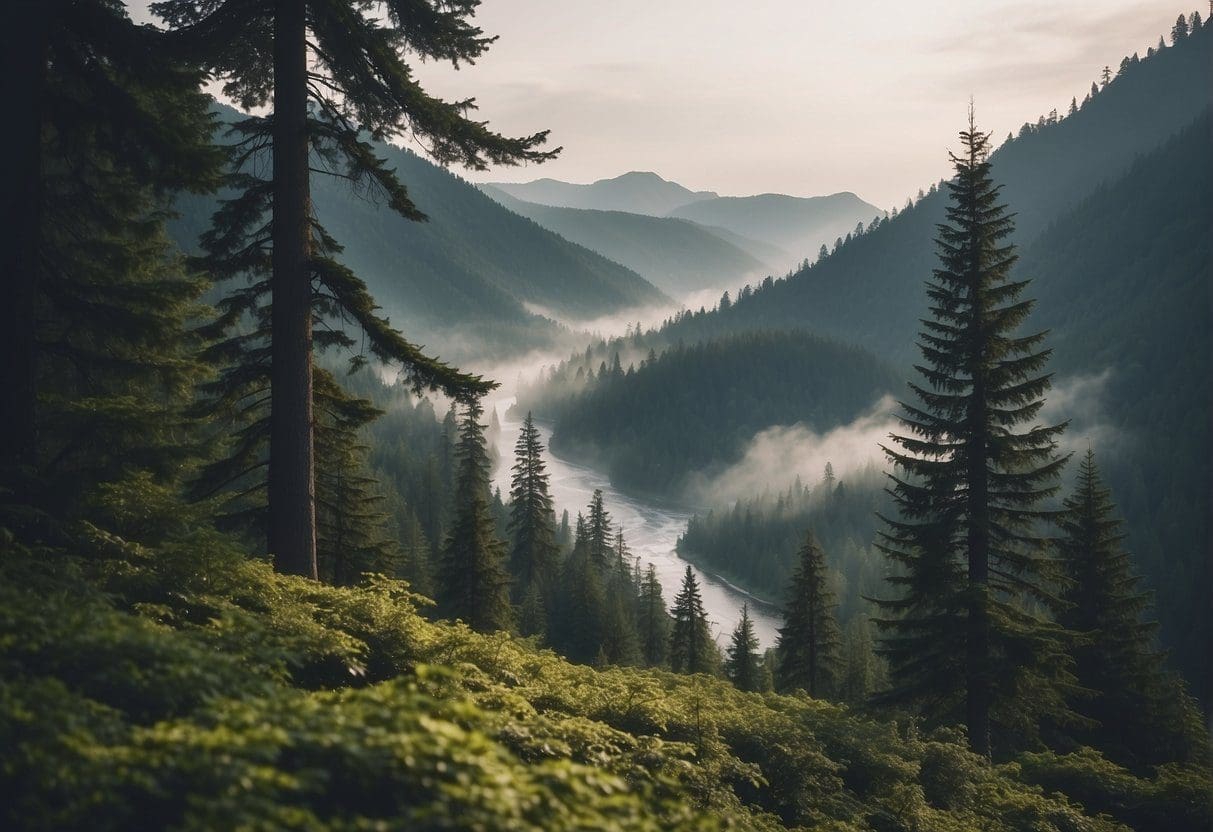
Evergreen trees are an essential part of the Pacific Northwest ecosystem. They provide habitat for wildlife, protect soil, and play a crucial role in the region’s economy. However, these trees face many challenges, including climate change, wildfires, and habitat loss.
Protecting Native Species
One of the biggest challenges facing evergreen trees in the Pacific Northwest is the loss of native species. Many of these species are threatened by habitat loss, invasive species, and climate change. The loss of these trees can significantly impact the ecosystem, including the loss of habitat for wildlife.
To protect native species, it is essential to support conservation efforts. This can include protecting forests and other habitats, promoting reforestation efforts, and supporting research into the best ways to protect these trees.
Adaptation and Resilience
Another challenge facing evergreen trees in the Pacific Northwest is the impact of climate change. Rising temperatures, changes in precipitation patterns, and more frequent wildfires can all significantly impact these trees.
To address these challenges, we must promote adaptation and resilience. This can include planting trees that are better adapted to changing conditions, promoting forest management practices that promote resilience, and supporting research into the best ways to help these trees adapt to changing conditions.
Practical Information
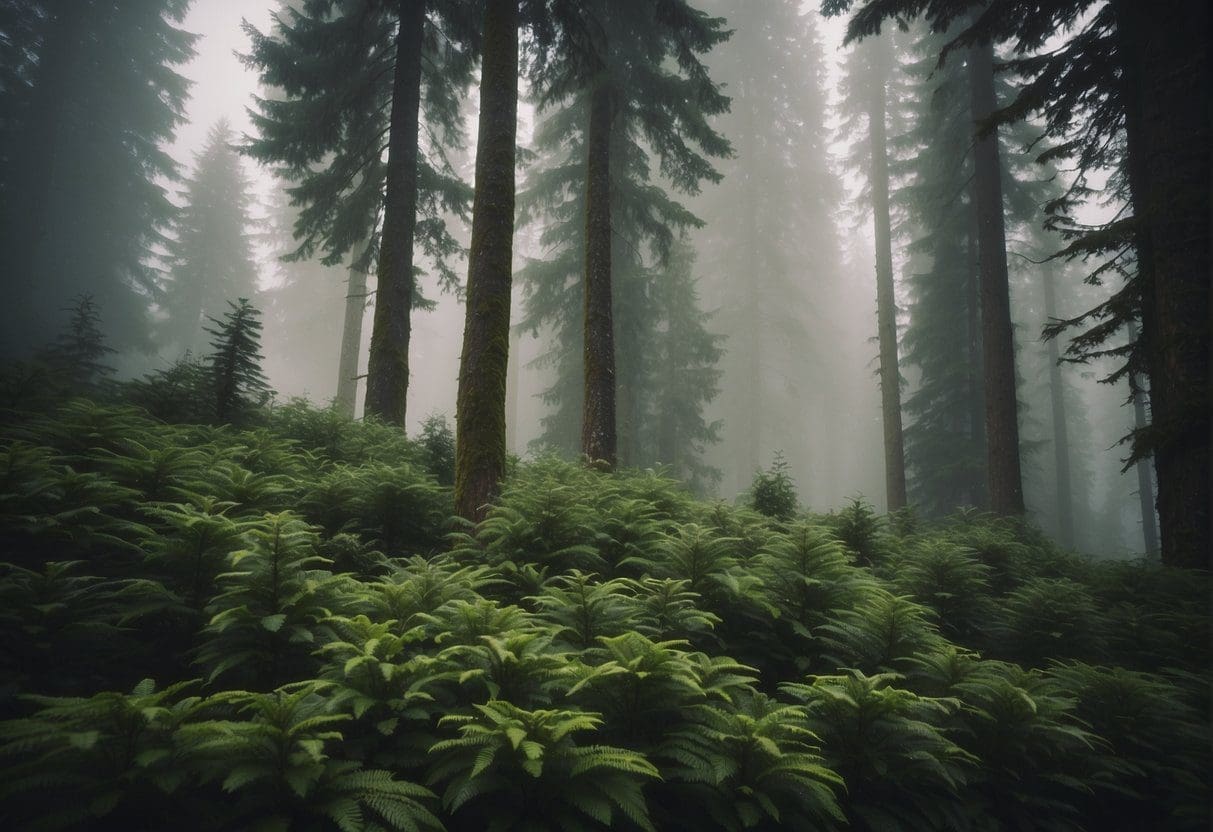
Tree Selection for Landscaping
When selecting evergreen trees for landscaping in the Pacific Northwest, factors such as size, growth rate, and drought tolerance must be considered.
Some popular choices for landscaping include Douglas Firs, Western Red Cedars, and Engelmann Spruces.
Douglas Firs are a great option if you’re looking for a fast-growing tree, as they can grow up to 3 feet per year. However, if you’re looking for a slower-growing tree that will require less maintenance, Western Red Cedars and Engelmann Spruces are good choices.
It’s also important to consider the tree’s mature size, as some trees can grow quite large and may not be suitable for smaller yards. Be sure to research the specific species you’re interested in to ensure it will fit well in your space.
Care and Maintenance Tips
Once you’ve selected your evergreen tree, it’s important to properly care for and maintain it. Here are a few tips to keep your tree healthy:
- Watering: Evergreen trees in the Pacific Northwest generally require less water than deciduous trees but still need adequate moisture. Water deeply once or twice a week during dry spells.
- Fertilizing: While evergreens don’t need as much fertilizer as other trees, a balanced slow-release fertilizer can help keep them healthy. Apply in early spring before new growth begins.
- Pruning: Regular pruning can help maintain the shape and health of your evergreen tree. Prune in late winter or early spring before new growth begins.
- Disease and pest control: Keep an eye out for common diseases and pests that can affect evergreen trees, such as needle blight and spider mites. If you notice any issues, consult with a professional arborist for treatment options.
Growing up in the Pacific Northwest, we’ve always felt at home in the outdoors. We created Evergreen Adventures PNW to share our love of hiking, camping, and exploring, and to help others discover the best adventures this region has to offer. Along with trip guides and tips, we also enjoy diving into the science behind the landscapes—thanks to a background in Environmental Science—because understanding nature makes every adventure even more meaningful.