
Washington State Parks are home to a diverse range of tree species, each with unique ecological and cultural significance. The state’s forest ecosystems are characterized by a mix of coniferous and deciduous trees, reflecting the region’s varied climate and geography. Whether you’re a nature enthusiast or simply seeking a peaceful retreat, exploring Washington state parks is an excellent opportunity to learn about the region’s rich flora and fauna.
Common trees in Washington state parks include the Western Hemlock, Douglas Fir, and Western Red Cedar. These evergreens are known for their towering height and conical shape and are often used in construction and woodworking due to their durability and aesthetic appeal. Additionally, deciduous trees such as Bigleaf Maple and Red Alder provide important habitat for wildlife and contribute to the state’s vibrant fall foliage.
Key Takeaways
- Washington state parks feature a diverse range of tree species, reflecting the region’s varied climate and geography.
- Common evergreen trees include the Western Hemlock, Douglas Fir, and Western Red Cedar, while deciduous trees such as Bigleaf Maple and Red Alder are also prevalent.
- Trees in Washington state parks provide important ecological and cultural benefits and are a vital component of the region’s forest ecosystems.
Table of Contents
Washington’s Forest Ecosystems
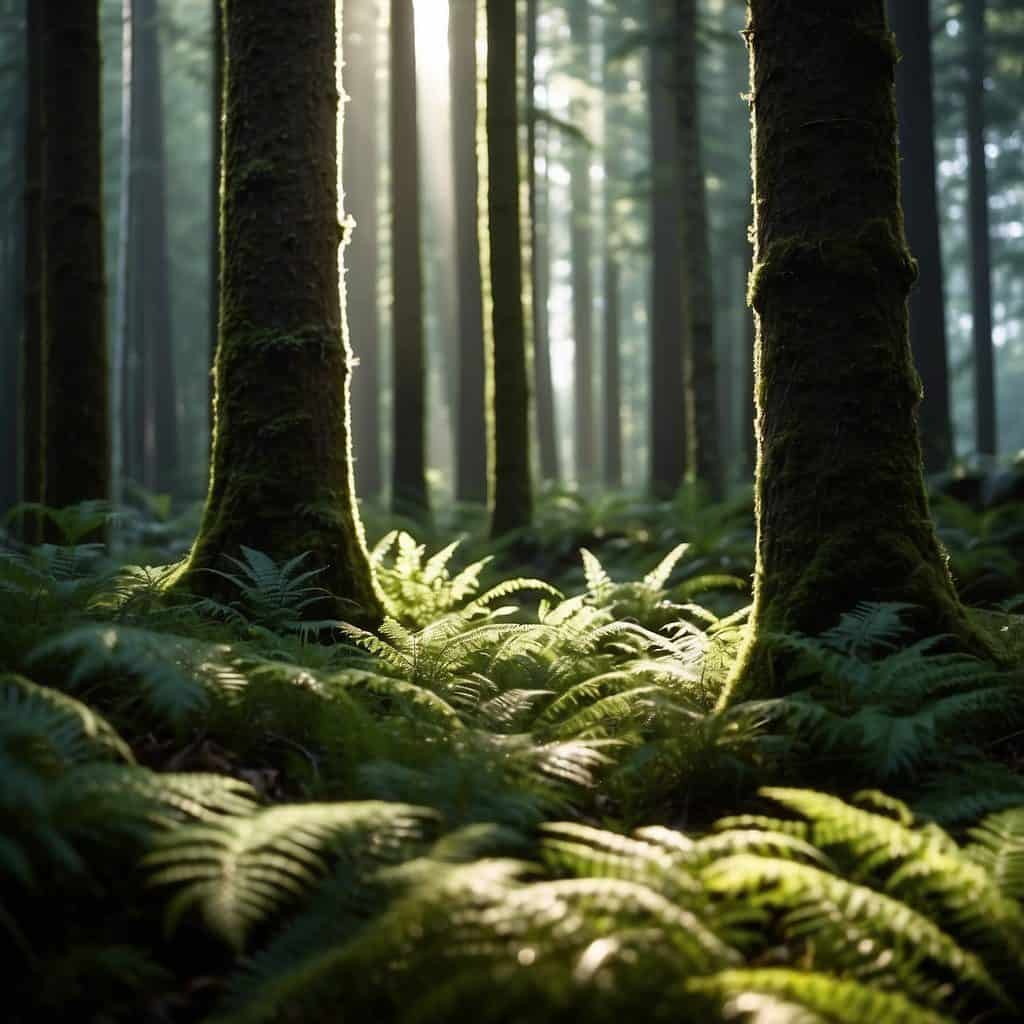
Washington state parks are home to a diverse range of forest ecosystems, each with its unique characteristics. From the coastal forests to the mountain forests and the eastern Washington forests, you will find a variety of tree species adapted to different climatic and topographic conditions.
Coastal Forests
Washington’s coastal forests are known for their mild, wet climate and abundant rainfall, which supports the growth of towering trees such as Western Red Cedar, Sitka Spruce, and Pacific Yew. These forests are also home to a variety of ferns, mosses, and lichens, creating a lush and vibrant ecosystem.
Lowland Forests
The lowland forests of Washington are the state’s largest forested area. These forests cover the coastal region to the base of the Cascade Mountain slopes. Douglas Fir is the dominant tree species in this region, along with other species such as Red Alder and Black Cottonwood. The lowland forests are characterized by their moderate climate and abundant rainfall.
Mountain Forests
Washington’s mountain forests are found at higher elevations and are characterized by their colder temperatures and drier conditions. These forests are home to a variety of tree species, including Mountain Hemlock, Alpine Larch, and Subalpine Fir. The mountain forests are also home to a range of wildlife, such as deer, elk, and mountain goats.
Eastern Washington Forests
Eastern Washington forests are characterized by their drier climate and are home to tree species such as Ponderosa Pine, Larch, and Grand Fir. These forests are adapted to the region’s low precipitation levels and higher temperatures, making them a unique and diverse ecosystem in the state.
Washington state parks offer visitors the opportunity to explore and experience a range of forest ecosystems, each with its unique characteristics. Whether you are hiking through the temperate rainforests of the coastal region or the arid forests of eastern Washington, you will find a diverse range of flora and fauna, making Washington state parks a must-visit destination for nature lovers.
Overview Common Trees in Washington State Parks
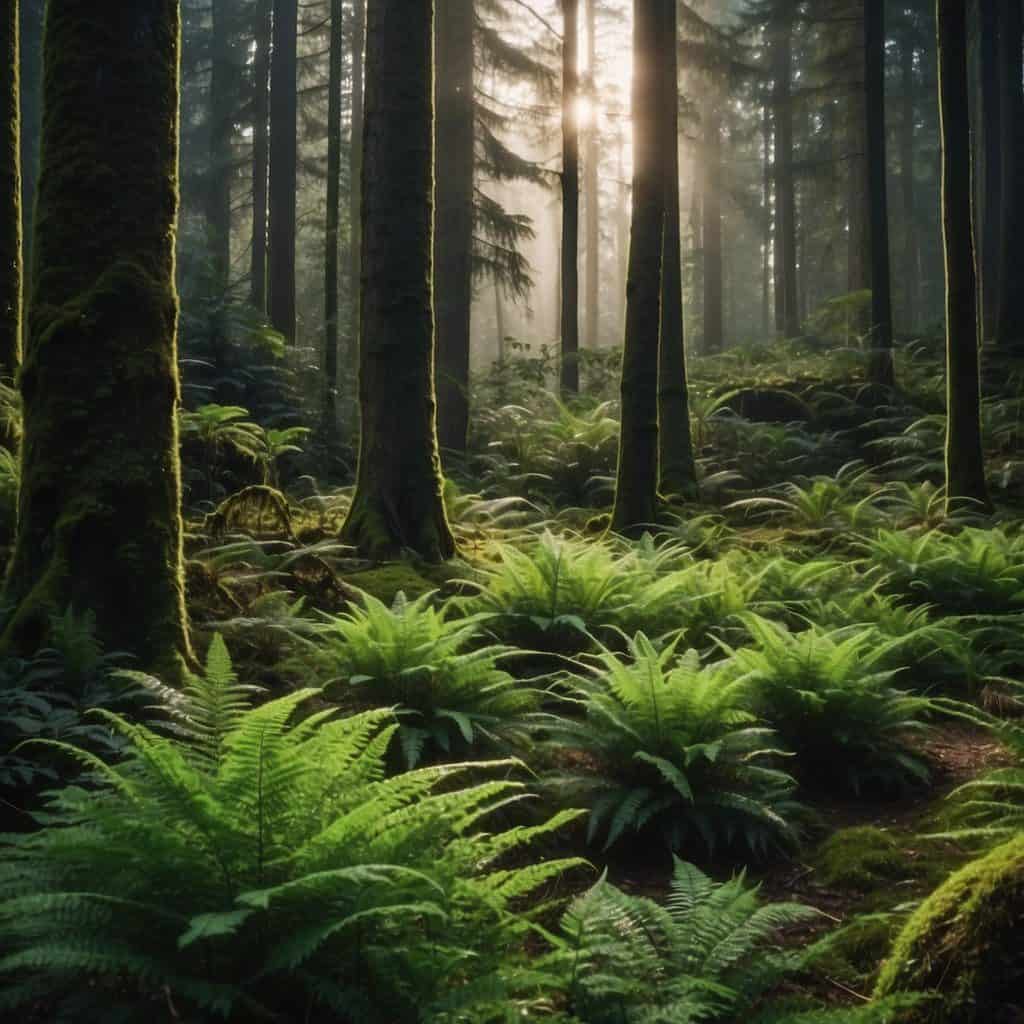
Washington state parks are home to a diverse range of tree species, including conifers, hardwoods, and unique flora characteristics. Here are some of the most common tree species you can expect to see in Washington state parks.
Conifers
Washington state parks are known for their evergreen trees, including the Western Hemlock, Douglas-fir, and various pine and fir species. These conifers have distinct characteristics, such as bluish-green needles, serrated edges, and cones that can help you identify them. The Western Hemlock, for example, has short, flat needles with two white lines on the underside, while the Douglas-fir has needles that are soft to the touch and pointed at the tip.
Hardwoods
In addition to conifers, Washington state parks also have a variety of hardwoods, including the Bigleaf Maple, Pacific Madrone, and Paper Birch. These trees have unique bark, foliage, and leaf shapes that make them stand out. The Bigleaf Maple, for example, has large, oval-shaped leaves that can grow up to 12 inches in diameter, while the Pacific Madrone has smooth, reddish-brown bark that peels away in thin layers.
Unique Flora Characteristics
Washington state parks are also home to trees with unique flora characteristics, such as the Western Red Cedar. This tree has a distinct aroma and is often used for its rot-resistant wood. You can identify the Western Red Cedar by its scaly bark and foliage that resembles a fan. Another unique tree species in Washington state parks is the Grand Fir, which has needles that are arranged in a spiral pattern and emit a citrusy scent when crushed.
Washington state parks have a diverse range of tree species, including conifers, hardwoods, and unique flora characteristics. Whether you’re an avid hiker or a casual nature enthusiast, you’re sure to appreciate the beauty and diversity of Washington State’s native trees.
Ecological Importance and Uses
Habitat and Wildlife
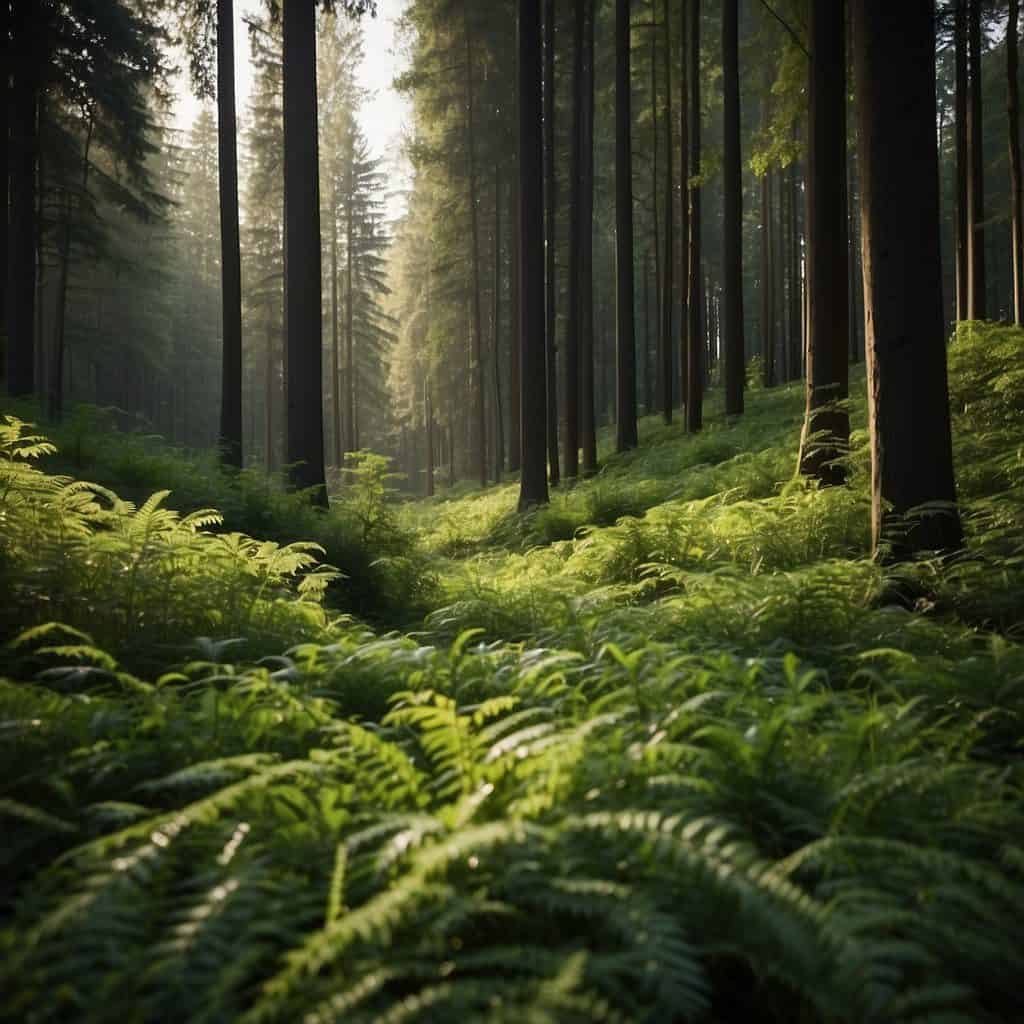
Washington state parks are home to a diverse range of tree species, providing habitats for various wildlife. Douglas Fir, Western Hemlock, Western Red Cedar, and Pacific Yew trees are some of the most common trees found in the state. These trees create a forest understory that supports a variety of birds, squirrels, and other animals.
Human Utilization
Washington State’s tree species have a wide range of uses. Douglas Fir, Western Hemlock, and Western Red Cedar are often used for lumber, furniture, decking, and fencing. Bigleaf Maple is used for musical instruments, cabinetry, and woodworking. Black Cottonwood is used for paper and cardboard production. Pacific Yew is a source of taxol, a chemotherapy drug.
Conservation and Environmental Impact
Washington State Parks is committed to preserving native species, including trees. Conservation efforts include reforestation, habitat restoration, and invasive species management. Trees in Washington State also play an essential role in mitigating climate change by absorbing carbon dioxide from the atmosphere.
Regional and Climatic Variations of Tree Species
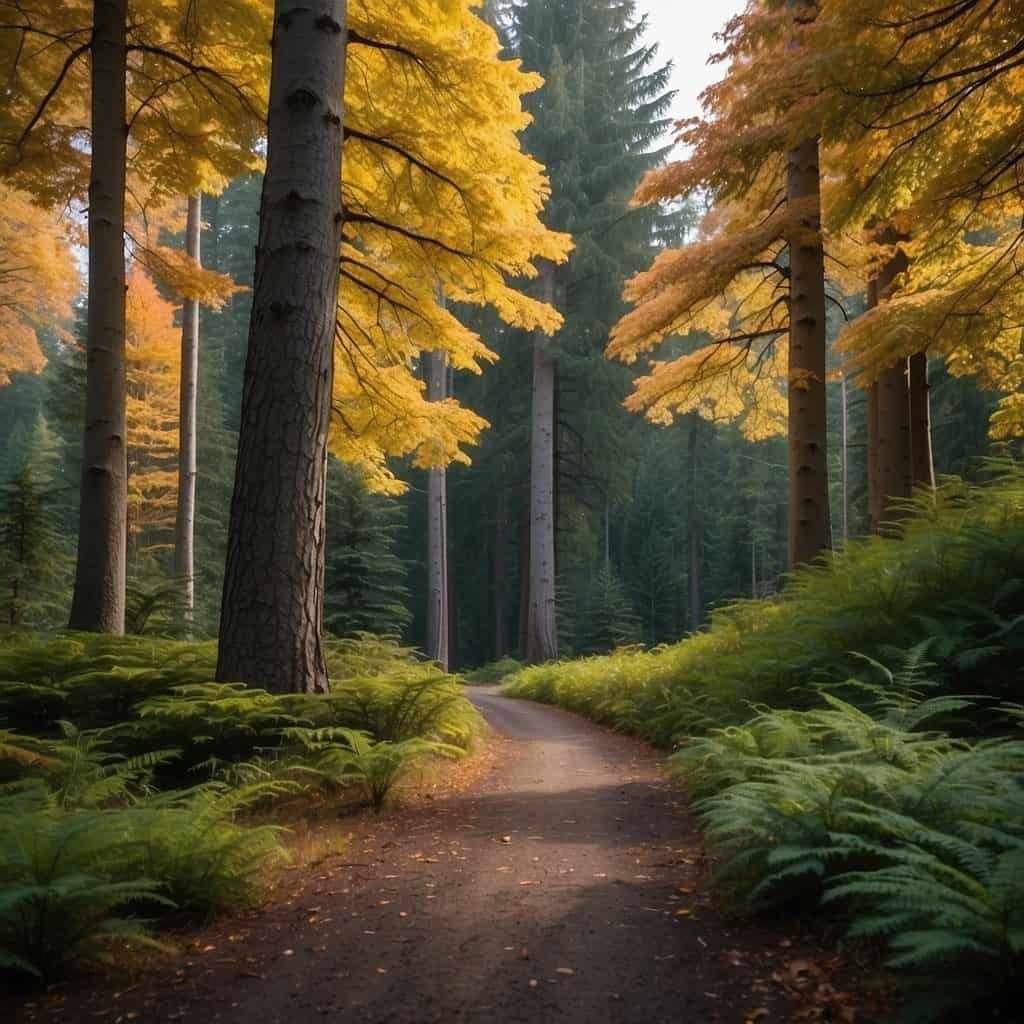
Washington state parks are home to a variety of tree species, each adapted to specific climatic conditions. The state has a diverse topography, including mountains, plateaus, coastal towns, and volcanic peaks, which support different native tree species. In this section, we’ll explore the regional and climatic variations of tree species found in Washington state parks.
Pacific Northwest Climate Influence
Washington is located in the Pacific Northwest region of the United States, which has a partly oceanic climate due to its border with the Pacific Ocean. This climate favors the growth of conifer forests, which are prevalent across about half of the state’s land area. The most common tree species found in western Washington state parks include the Douglas-fir, western hemlock, and western red cedar.
Alpine and Subalpine Zones
Washington state parks also have alpine and subalpine zones, which are characterized by cold temperatures and high elevations. These zones are home to tree species such as the alpine larch and mountain hemlock. These trees have adapted to the harsh climate by shedding their needles to conserve water during the winter months.
Dry and Moist Site Adaptations
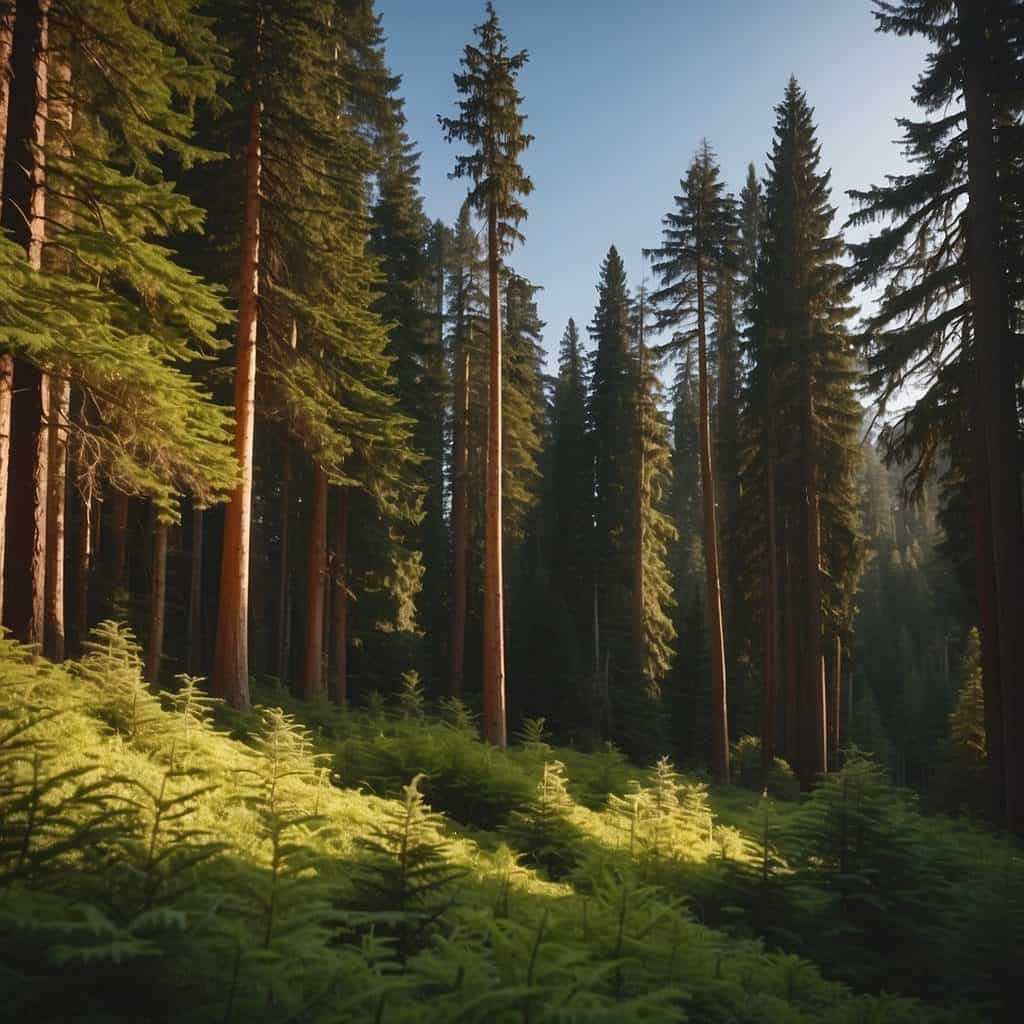
Tree species found in Washington state parks have adapted to a range of site conditions, including dry and moist sites. Trees such as the white pine and Pacific madrone are adapted to dry sites, while trees such as the western red cedar and Douglas-fir are adapted to moist sites. Trees adapted to dry sites have developed mechanisms to conserve water, such as deep root systems and thick bark, while trees adapted to moist sites have developed mechanisms to absorb water, such as shallow root systems and thin bark.
Washington state parks are home to a variety of tree species adapted to specific climatic conditions. The regional and climatic variations of tree species found in Washington state parks include the influence of the Pacific Northwest climate, alpine and subalpine zones, and dry and moist site adaptations.
Frequently Asked Questions
What are the predominant tree species found in Washington State’s national parks?
Washington State’s national parks are dominated by conifers, including Douglas fir, western hemlock, and western red cedar. Other species like bigleaf maple, black cottonwood, and red alder can also be found.
Can you list the common deciduous trees native to Washington State?
Common deciduous trees native to Washington State include bigleaf maple, black cottonwood, red alder, and Pacific yew.
Which fir tree species is most prevalent in Washington State forests?
The most prevalent fir tree species in Washington State forests is the Douglas fir, which is also the state tree.
What types of pine trees can be identified in Washington State’s ecosystems?
Several types of pine trees can be identified in Washington State’s ecosystems, including lodgepole pine, ponderosa pine, and whitebark pine.
What is the state tree of Washington, and where is it commonly found?
The state tree of Washington is the Douglas fir, which is commonly found in forests throughout the state. It is a large coniferous tree that can grow up to 330 feet tall.
How do you distinguish between different hardwood trees in Washington State?
Different hardwood trees in Washington State can be distinguished by their leaves, bark, and overall shape. For example, bigleaf maple has large, lobed leaves, while red alder has smooth, gray bark.
Growing up in the Pacific Northwest, we’ve always felt at home in the outdoors. We created Evergreen Adventures PNW to share our love of hiking, camping, and exploring, and to help others discover the best adventures this region has to offer. Along with trip guides and tips, we also enjoy diving into the science behind the landscapes—thanks to a background in Environmental Science—because understanding nature makes every adventure even more meaningful.