
If you’re looking for a serene escape from the hustle and bustle of city life, look no further than the alpine meadows of the Pacific Northwest. These high-elevation meadows are home to an incredible array of flora and fauna, as well as breathtaking views of the surrounding mountains. Whether you’re an avid hiker or just looking for a peaceful picnic spot, the alpine meadows of the Pacific Northwest are sure to delight.
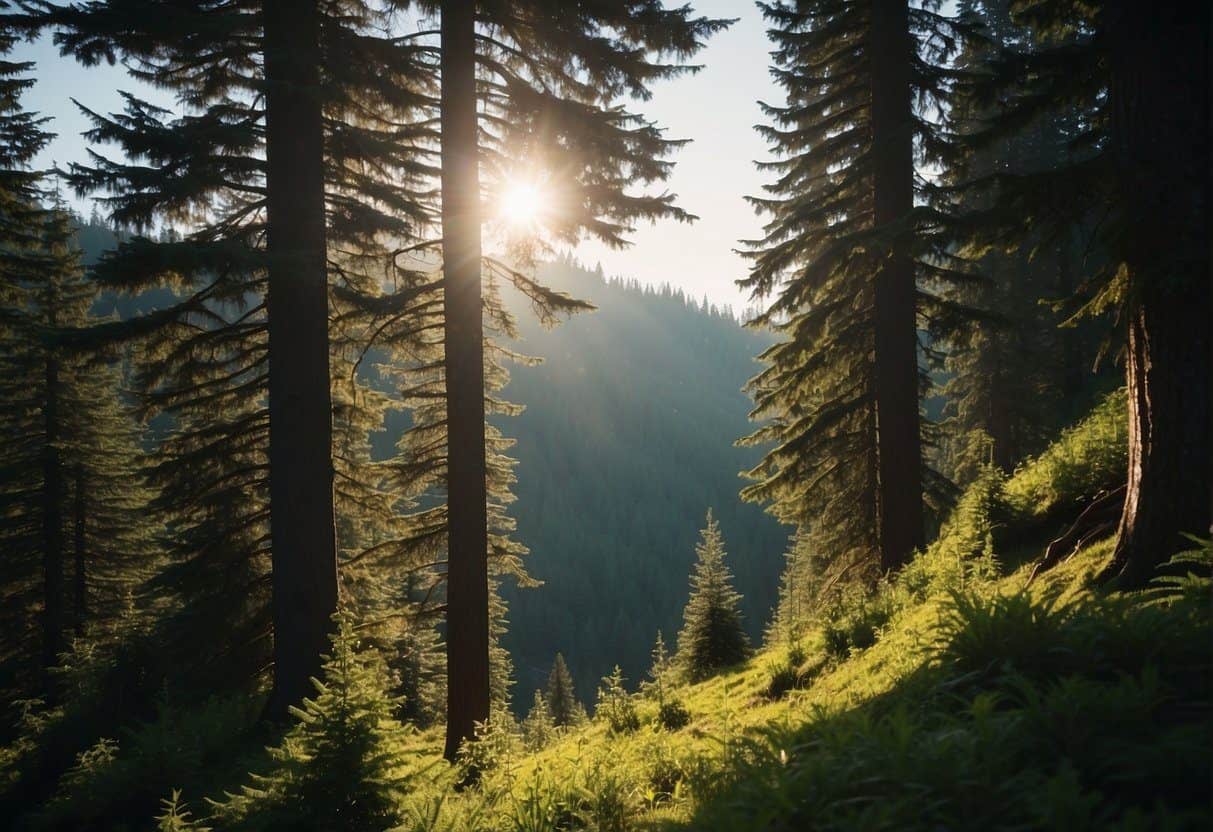
Located in the mountainous regions of Washington, Oregon, and Idaho, these alpine meadows are known for their stunning wildflower displays, which bloom from late spring through early fall. In addition to wildflowers, you’ll also find a variety of wildlife, including marmots, pikas, and mountain goats. And if you’re lucky, you may even spot a black bear or a gray wolf.
So pack a picnic, lace up your hiking boots, and head to the alpine meadows of the Pacific Northwest for an unforgettable adventure. Whether you’re looking to explore the great outdoors or simply soak up the stunning scenery, these meadows are sure to leave you feeling refreshed and rejuvenated.
Key Takeaways
- Alpine meadows in the Pacific Northwest are a great escape from city life, offering stunning views of the surrounding mountains and an array of flora and fauna.
- These meadows are known for their wildflower displays, which bloom from late spring through early fall, as well as the variety of wildlife that can be found there.
- Whether you’re an avid hiker or just looking for a peaceful picnic spot, the alpine meadows of the Pacific Northwest are sure to delight.
Table of Contents
Geography of Alpine Meadows
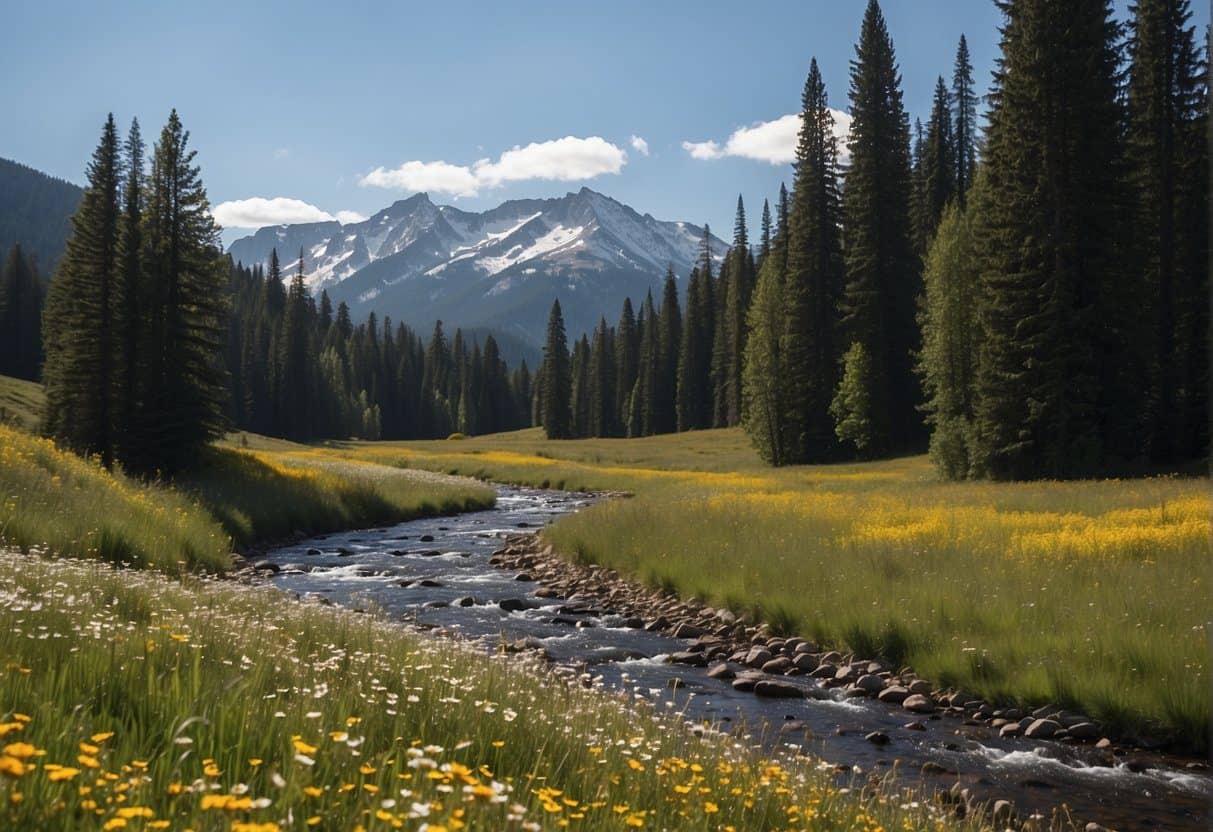
In the Pacific Northwest, alpine meadows are a sight to behold. These meadows are located at high altitudes and are home to a variety of flora and fauna. In this section, we will explore the geography of these meadows, including the mountain ranges and peaks and the elevation and terrain.
Mountain Ranges and Peaks
The Pacific Northwest is home to several mountain ranges and peaks, including the Cascade Range, North Cascades, Mount Rainier, Mount Shuksan, Mount Baker, Mount Jefferson, and Mount Hood. These mountain ranges and peaks are responsible for the formation of the alpine meadows in the region.
The Cascade Range, for example, is a major mountain range that runs through Washington and Oregon. This range is responsible for the formation of the Cascade Subalpine/Alpine ecoregion, which is characterized by high, glaciated volcanic peaks rising above subalpine meadows.
Elevation and Terrain
The alpine meadows of the Pacific Northwest are located at high altitudes, typically above 5,000 feet. The elevation of these meadows is responsible for the unique flora and fauna found in the region.
The terrain of the alpine meadows is characterized by rocky outcroppings, steep slopes, and snowfields. The topography of the region is shaped by the mountain ranges and peaks, which have been shaped by glaciation over millions of years.
The geography of the alpine meadows of the Pacific Northwest is shaped by the mountain ranges and peaks, as well as the elevation and terrain of the region. These factors are responsible for the unique flora and fauna found in the region, making it a must-visit destination for nature lovers.
Flora and Fauna

If you’re planning to visit the alpine meadows of the Pacific Northwest, you’re in for a treat. The region boasts a diverse range of flora and fauna that is sure to leave you mesmerized. In this section, we’ll take a closer look at the vegetation and wildlife that you can expect to encounter during your trip.
Vegetation and Wildflowers
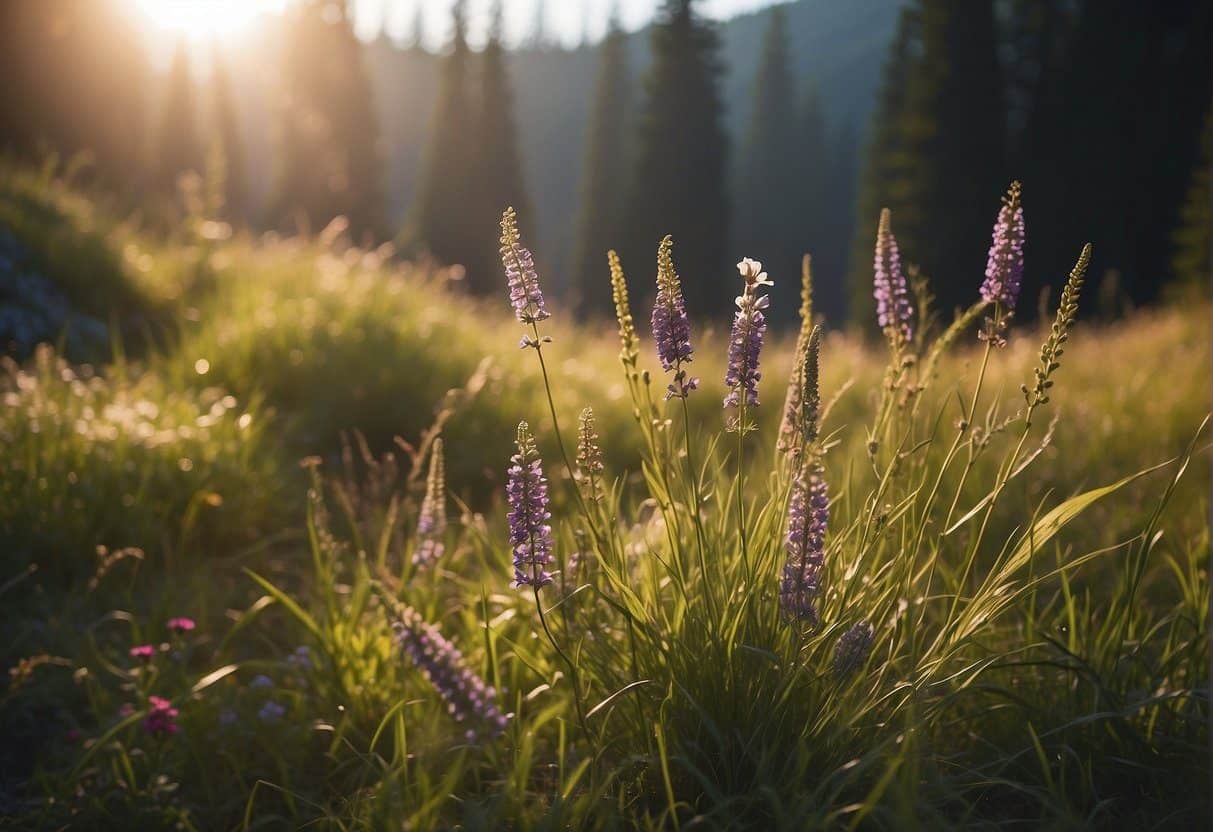
One of the most striking features of the alpine meadows is the abundance of wildflowers. From lupins to pasqueflowers and a variety of daisies and low shrubs in the heather family, the region is home to a rich and diverse array of colorful blooms. You’ll also find various species of grasses, sedges, and flowering plants, such as forget-me-nots, gentians, and asters. These plants have adapted to survive in harsh conditions such as extreme temperatures, strong winds, and thin soil.
In addition to wildflowers, the alpine meadows are also home to a variety of trees and shrubs. The subalpine fir is a common sight in the region, along with other conifers such as lodgepole pine. You’ll also find shrubs such as pinemat manzanita, which is known for its bright red bark and small, white flowers.
Wildlife and Biodiversity
The alpine meadows of the Pacific Northwest are also home to a diverse range of wildlife. Mountain goats are a common sight in the region, along with other mammals such as marmots and pikas. You may also encounter birds such as the Clark’s Nutcracker, which is known for its distinctive call and habit of caching food.
The region’s biodiversity is also worth noting. From seedlings to old-growth forests, the alpine meadows are home to a variety of ecosystems that support a wide range of plant and animal life. In fact, the Pacific Northwest is home to some of the most extensive old-growth forests in the world, which are critical habitats for many species.
In conclusion, the alpine meadows of the Pacific Northwest are a treasure trove of flora and fauna. Whether you’re a nature lover or simply looking for a peaceful getaway, this region is sure to leave a lasting impression on you.
Climate and Environmental Factors
Weather Patterns
The Pacific Northwest is known for its rainy weather patterns. The region experiences a lot of rainfall throughout the year, which is important for the growth and survival of alpine meadows. The rainfall is also important for maintaining the snowpacks during the winter months.
During the winter, the snowpacks in the mountains act as a natural reservoir for water. As the snow melts in the spring and summer, it provides water to the alpine meadows. This water is essential for the growth of the plants and the survival of the animals that live in the meadows.
Climate Change Impacts
Climate change is having a significant impact on the alpine meadows in the Pacific Northwest. The region is experiencing warmer temperatures, which is causing the snowpacks to melt earlier in the year. This means that the meadows are not getting as much water as they used to, which is leading to a decline in the number of plants and animals that live in the meadows.
In addition to the warmer temperatures, climate change is also increasing the risk of fires in the region. Fires can have a devastating impact on the alpine meadows, destroying the plants and animals that live there.
It is important to take action to address climate change and protect the alpine meadows in the Pacific Northwest. This can include reducing greenhouse gas emissions, protecting the forests that surround the meadows, and taking steps to prevent fires. By working together, we can help ensure that these beautiful and important ecosystems continue to thrive for generations to come.
Recreation and Adventure

Are you looking for an adventure in the Pacific Northwest? Look no further than the alpine meadows of this beautiful region. With its abundance of trails, camping options, and breathtaking scenery, the Pacific Northwest is the perfect place to explore.
Hiking and Trails
The Pacific Northwest is home to some of the most stunning hiking trails in the world. From the Alpine Lakes Wilderness to the Pasayten Wilderness, there is no shortage of trails to explore. If you’re looking for a challenge, consider the Snoqualmie Pass corridor. The Granite Mountain Trail is a popular trail that offers a challenging 3,800-foot climb over 4.3 miles. It’s a great way to test your limits while enjoying the beautiful scenery.
For those looking for a longer adventure, consider the Pacific Northwest Trail (PNT). This 1,200-mile trail stretches from the Continental Divide in Montana to the Pacific Ocean in Washington. It’s a challenging trail that offers stunning views of the region’s mountains, forests, and rivers.
Camping and Lodging
If you’re planning to spend a few days exploring the Pacific Northwest’s alpine meadows, you’ll need a place to stay. Fortunately, there are plenty of camping and lodging options available. Many of the trails in the region have designated campsites along the way, making it easy to set up camp and enjoy the wilderness.
If you’re looking for something a little more comfortable, consider staying in one of the region’s lodges or cabins. Many of these accommodations offer stunning views of the surrounding mountains and forests, as well as easy access to hiking trails and other outdoor activities.
Whether you’re an experienced hiker or a novice looking for an adventure, the Pacific Northwest’s alpine meadows have something to offer. With its stunning scenery, challenging trails, and comfortable accommodations, it’s the perfect place to explore.
Conservation and Preservation

National Parks and Protected Areas
The Pacific Northwest is home to some of the most stunning national parks and protected areas in the United States. Mount Rainier National Park and Olympic National Park are two of the most popular parks in the region, boasting breathtaking views of majestic volcanoes, lush forests, and stunning alpine meadows.
These parks are essential for protecting and preserving the unique ecosystems found in the Pacific Northwest. They provide a safe haven for a wide variety of plant and animal species, including many that are found nowhere else in the world. The parks also offer opportunities for visitors to experience the beauty and wonder of these natural wonders firsthand.
Conservation Efforts
Conservation efforts are essential for protecting the delicate ecosystems found in the Pacific Northwest’s alpine meadows. With climate change, reduced snowpacks, and longer growing seasons, trees are invading these unique ecosystems that once were carpeted with grasses, shrubs, and wildflowers.
To combat this, conservation efforts are being made to protect the remaining alpine meadows in the region. These efforts include seedling establishment and other restoration techniques to help these meadows thrive once again.
One such example is the work being done in Mount Rainier National Park, where researchers are studying the effects of future climate change on the subalpine and alpine meadows. They are working to predict the impact of climate change on these ecosystems and develop strategies to protect them.
Overall, conservation and preservation efforts are crucial for protecting the unique and fragile ecosystems found in the Pacific Northwest’s alpine meadows. Through the work of national parks, researchers, and conservation organizations, we can ensure that these natural wonders are protected for generations to come.
Cultural and Historical Significance

Alpine meadows in the Pacific Northwest hold immense cultural and historical significance for indigenous cultures and early pioneers. The region’s rugged terrain and diverse ecosystems have been home to various indigenous communities for thousands of years. These communities have developed a deep connection to the land and its resources, which are an essential part of their culture and identity.
Indigenous Cultures
The Pacific Northwest is home to several indigenous communities, including the Salish, Tlingit, and Haida tribes. These communities have lived in the region for thousands of years and have developed a unique relationship with the land. Alpine meadows, in particular, hold great importance for these communities as they provide a rich source of food, medicine, and spiritual significance.
For example, the Salish tribe has traditionally used alpine meadows to gather huckleberries and other berries, which are an essential part of their diet. They also use various plants found in these meadows for medicinal purposes, such as treating colds, coughs, and other ailments.
Historical Landmarks
Alpine meadows in the Pacific Northwest have played a significant role in shaping the region’s history. These meadows were once used as landmarks by early pioneers and explorers, who used them to navigate through the rugged terrain of the American Alps.
For instance, the Olympic National Park, located in the northwest of Washington State, is renowned for the diversity of its ecosystems. Glacier-clad peaks interspersed with extensive alpine meadows are surrounded by an extensive old-growth forest, which is the best example of an intact and protected temperate rainforest in the Pacific Northwest. The park has been designated as a UNESCO World Heritage Site due to its ecological significance.
Alpine meadows in the Pacific Northwest hold immense cultural and historical significance for indigenous cultures and early pioneers. These meadows provide a rich source of food, medicine, and spiritual significance for indigenous communities while also serving as landmarks for early pioneers and explorers. The region’s diverse ecosystems and rugged terrain make it a unique and valuable part of the Pacific Northwest’s natural heritage.
Frequently Asked Questions

What are the best times of the year to visit Alpine Meadows for hiking?
The best time to visit Alpine Meadows for hiking is during the summer months, from June to September. During this time, the weather is mild, and the trails are free of snow. The fall season is also a great time to visit, as the leaves change color and the crowds are fewer.
How challenging are the trails in the Alpine Meadows area for beginner hikers?
The Alpine Meadows area has a range of trails suitable for hikers of all levels. There are easy and moderate trails for beginners and families with children and more challenging trails for experienced hikers. It’s important to select a trail that matches your fitness level and experience.
Can you tell me about the history of avalanches at Alpine Meadows?
Alpine Meadows has a history of avalanches, and it’s important to be aware of the risks when visiting the area. In 1982, an avalanche struck the resort, killing seven people. Since then, the resort has implemented a range of safety measures, including avalanche control and education programs.
What are the current operational statuses and recent changes at Alpine Meadows?
Alpine Meadows is currently open for skiing and snowboarding during the winter season. The resort has recently undergone a range of upgrades, including new lifts, terrain expansions, and improved snowmaking capabilities. The resort has also implemented COVID-19 safety measures to ensure the safety of guests and staff.
Where exactly can I find alpine meadows in the Pacific Northwest region?
Alpine Meadows is located in the Pacific Northwest region of the United States, in the state of California. The resort is situated in the Sierra Nevada Mountains near Lake Tahoe.
What safety measures should one take when visiting Alpine Meadows?
When visiting Alpine Meadows, it’s important to be aware of the risks associated with skiing and snowboarding. It’s essential to wear appropriate safety gear, including helmets and goggles, and to follow all posted signs and warnings. Visitors should also be aware of the risks associated with avalanches and take appropriate precautions.
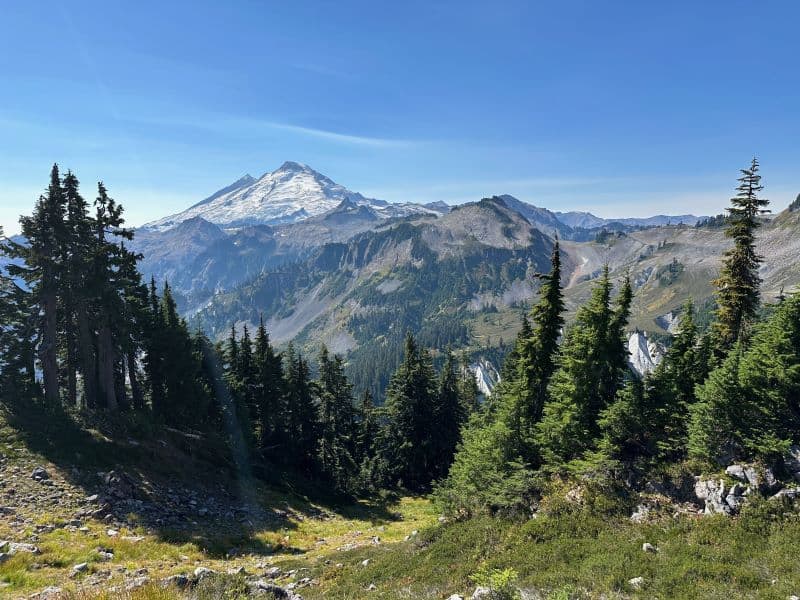
Growing up in the Pacific Northwest, we’ve always felt at home in the outdoors. We created Evergreen Adventures PNW to share our love of hiking, camping, and exploring, and to help others discover the best adventures this region has to offer. Along with trip guides and tips, we also enjoy diving into the science behind the landscapes—thanks to a background in Environmental Science—because understanding nature makes every adventure even more meaningful.