
If you’re planning a trip to Washington State Parks, you may wonder what plants you’ll encounter during your visit. With over 100 state parks with unique flora, it can be challenging to know what to expect. This article will provide you with an overview of the common plants you’ll find in Washington State Parks, including their classifications, seasonal variations, and blooming periods.

Washington State Parks boast diverse plant life, from towering evergreens to delicate wildflowers. The state’s geographical location and climate contribute to this diversity, with the western region characterized by a temperate rainforest climate, while the eastern region experiences a drier, desert-like climate. As a result, the flora in Washington State Parks varies significantly, with some plants thriving in wet, coastal environments, while others prefer arid, inland conditions.
Whether you’re a nature enthusiast or just looking to enjoy the great outdoors, learning about the common plants in Washington State Parks can enhance your experience. From identifying native species to understanding their ecological significance, this article will equip you with the knowledge you need to fully explore Washington’s natural beauty.
Key Takeaways
- Washington State Parks boast diverse plant life, from towering evergreens to delicate wildflowers.
- Washington State Park Plants vary significantly. Some plants thrive in wet, coastal environments, while others prefer arid, inland conditions.
- Learning about the common plants in Washington State Parks can enhance your experience and deepen your appreciation for the state’s natural beauty.
Table of Contents
Geographical Overview of Washington State Parks
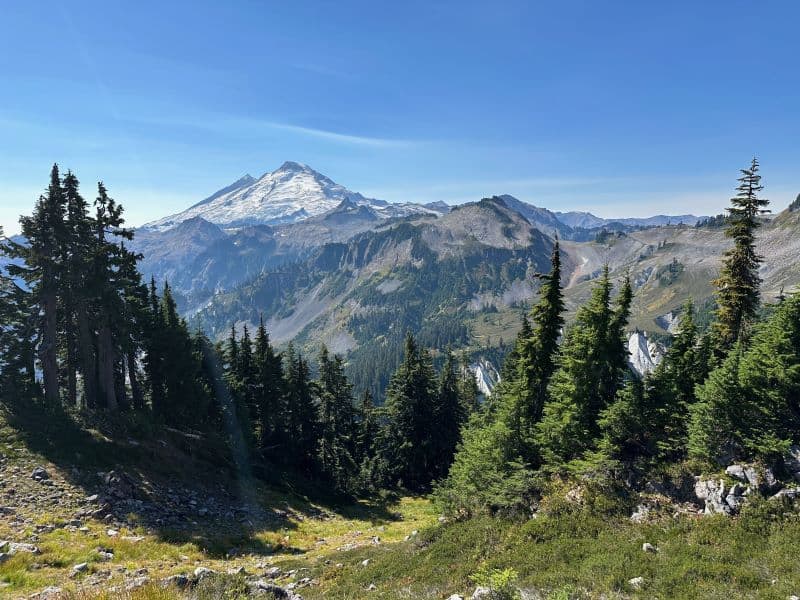
Washington state parks are known for their diverse flora, ranging from coastal rainforests to alpine meadows. The state is located in the Pacific Northwest region of the United States, and its parks are home to many native plant species.
Western Washington
Western Washington has a mild maritime climate, and its parks are home to lush forests and wetlands. The region is known for its coniferous trees, such as Douglas fir and western red cedar, as well as deciduous trees like bigleaf maple and red alder.
Mountains
Washington’s mountainous regions are home to a variety of plant life, with different species found at varying elevations. Douglas fir and western hemlock forests dominate at lower elevations, while higher up, subalpine fir and Engelmann spruce can be found.
Alpine Regions
Above the tree line, alpine meadows are home to a variety of wildflowers, including lupine, paintbrush, and bistort. These hardy plants have adapted to the harsh conditions found at high elevations, such as strong winds and cold temperatures.
Bogs
Washington’s bogs are unique ecosystems that support a variety of plant life, including carnivorous plants like the sundew and pitcher plant. Bogs are characterized by acidic, nutrient-poor soil and are often dominated by sphagnum moss.
Washington State Parks offer a rich and diverse array of plant life, from towering conifers to delicate wildflowers. Whether you are a seasoned hiker or a casual nature-lover, there is something for everyone to enjoy in Washington’s parks.
Climatic Influence on Plant Life
Washington state parks are home to a diverse range of plant life that thrives under varying climatic conditions. Several factors, including sun and shade variations, weather patterns, and flood zones, influence the climate in Washington state parks. Understanding these factors is crucial in identifying the types of plants that are common in the parks.
Sun and Shade Variations
Sun and shade variations play a significant role in determining the distribution of plant life in Washington state parks. Some plants require full sun exposure to grow, whereas others thrive in shade. For instance, the Douglas fir tree, which is common in Washington state parks, prefers full sun exposure. In contrast, the sword fern and the western hemlock tree thrive in the shade.
Weather Patterns
Weather patterns significantly influence the distribution of plant life in Washington state parks. The state experiences a temperate climate with abundant precipitation, making it an ideal environment for plant growth. However, weather patterns such as drought, frost, and heavy rainfall can impact the growth and distribution of plant life. For example, drought conditions can lead to the death of plants that require a lot of water.
Flood Zones
Flood zones are another climatic factor influencing plant life distribution in Washington state parks. Plants that grow in flood zones must withstand harsh conditions, including waterlogged soil and strong currents. Some common plants that grow in flood zones include the red osier dogwood and the Pacific willow.
In conclusion, Washington state parks are home to a diverse range of plant life that thrives under varying climatic conditions. Understanding the climatic factors that influence plant growth is crucial in identifying the plant types common in the parks. By considering sun and shade variations, weather patterns, and flood zones, visitors to Washington state parks can gain a deeper appreciation for the natural beauty that surrounds them.
Washington State Park Plants: A Diversity of Flora
Vascular Plants
Washington State Parks boast a diverse collection of vascular plants, including over 3,000 native and naturalized species. Some of the most common vascular plants found in state parks include ferns, mosses, and conifers. These plants play an essential role in the ecosystem by providing shelter and food for wildlife.
Native Plants and Flowers
Washington State Parks are home to a variety of native plants and flowers, including the Pacific bleeding heart, Indian plum, and western trillium. These native plants are an integral part of the state’s ecosystem and provide essential habitat and food for wildlife. Many state parks have interpretive trails and guided tours that highlight the unique flora of the Pacific Northwest.
Invasive vs. Native Species
Invasive species are a significant threat to Washington State Parks’ biodiversity. Non-native plants such as English ivy and Himalayan blackberry can outcompete native species and disrupt the ecosystem’s natural balance. State parks have implemented various strategies to control invasive species, including manual removal and the use of herbicides.
In conclusion, Washington State Parks are home to a diverse collection of flora, including native and non-native species. By educating visitors about the importance of native plants and the threat of invasive species, we can help protect the biodiversity of these valuable ecosystems.
Conservation and Management
Washington Natural Heritage Program
Washington State Parks are home to a diverse array of plant species. The Washington Natural Heritage Program is responsible for identifying and protecting the state’s rare and endangered plant species. They work closely with state parks to ensure that these species are preserved and protected for future generations.
Bureau of Land Management
The Bureau of Land Management manages over 2.6 million acres of public lands in Washington State. These lands are home to a variety of plant species, including rare and endangered species. The Bureau of Land Management works with state parks to ensure that these species are protected and managed appropriately.
Conservation Efforts
Washington State Parks are committed to conservation efforts that protect and preserve the state’s natural resources. These efforts include the restoration of native plant species, the removal of invasive species, and the promotion of sustainable land management practices.
State parks collaborate closely with local communities, conservation organizations, and government agencies to support these efforts. By doing so, they can protect and preserve Washington State’s natural beauty for future generations to enjoy.
Washington State Parks are a vital resource for plant conservation and management in the state. Through their efforts, they protect and preserve Washington State’s natural beauty for generations to come.
Recreational Activities and Plant Interaction
When you visit Washington State Parks, you’ll have the opportunity to interact with a variety of plant species. Whether you’re hiking, observing wildlife, or exploring ADA-accessible areas, the parks’ diverse plant life will enhance your experience.
Hiking Trails
Washington State Parks offers a range of hiking trails, each with its unique plant species. From the towering trees of the old-growth forests to the delicate wildflowers that line the paths, you’ll encounter a variety of plant life on your hikes. Be sure to keep an eye out for the state flower, the rhododendron, which blooms in late spring and early summer.
ADA Accessible Areas
Washington State Parks have many ADA-accessible areas that allow everyone to enjoy the beauty of nature, including the plant life. These areas often have interpretive signs that provide information about the plants you’ll see. You might encounter plants such as the Indian plum, which produces edible fruit, or the Oregon grape, which has medicinal properties.
Wildlife Observation
Washington State Parks are home to a variety of wildlife, and many of these animals rely on the park’s plants for food and shelter. As you observe the wildlife, take note of the plants they interact with. You might see birds perched on the branches of a Douglas fir or deer grazing on the leaves of a red alder.
Washington State Parks offer a unique opportunity to interact with a diverse range of plant species. Whether you’re hiking, exploring ADA-accessible areas, or observing wildlife, the plants you encounter will enhance your experience and provide a deeper appreciation for the natural world.
Educational Resources and Identification
Washington Native Plant Society
The Washington Native Plant Society (WNPS) is a non-profit organization that provides educational resources for identifying plants in Washington state parks. Their website offers a variety of resources, including plant lists and field guides. The society also hosts events and workshops that aid in plant identification and education.
Burke Herbarium
The Burke Herbarium is a research and educational facility at the University of Washington that houses over 1.3 million plant specimens. Their website features a Washington Flora Checklist, which aims to comprehensively list the native and naturalized vascular plants in Washington state. The checklist includes current classifications, nomenclature, and synonymy.
Field Guides and Plant Lists
Field guides and plant lists are excellent resources for identifying plants in Washington state parks. Pojar’s and Parish’s field guides are handy for information about ID, ecology, and ethnobotany. WNPS members (Washington Native Plant Society) have compiled plant lists for many of our favorite sites, which enhance your enjoyment of these special places. As a rule, line drawings of features are more descriptive than photos.
By utilizing these educational resources and identification tools, you can confidently identify the various types of plants found in Washington state parks.
Landscaping with Native Plants
When it comes to landscaping with native plants, there are several factors to consider. A well-planned garden design can enhance the beauty of your yard while also providing a habitat for local wildlife. Here are some tips for incorporating native plants into your landscape.
Garden Designs
Consider incorporating a mix of shrubs, trees, and herbaceous plants to create a diverse and visually appealing landscape when designing your garden. Some popular design styles include cottages, meadows, and rain gardens.
Shrubs and Trees for Landscaping
Shrubs and trees are essential components of a native plant garden. Some popular shrubs for landscaping include the Pacific Ninebark, Red Osier Dogwood, and Snowberry. Trees commonly used in native plant gardens include the Douglas Fir, Western Red Cedar, and Bigleaf Maple.
Color Schemes in Native Plant Gardens
When selecting plants for your garden, consider the colors of the flowers and foliage. Native plants come in a wide range of colors, including orange, yellow, purple, pink, and white. Consider incorporating plants with complementary colors to create a harmonious and visually appealing landscape.
Incorporating native plants into your landscaping can provide numerous benefits, including reduced water usage, lower maintenance requirements, and a habitat for local wildlife. By following these tips, you can create a beautiful and sustainable landscape that will thrive for years to come.
Seasonal Variations and Blooming Periods
Washington state parks are home to a wide variety of blooming plants throughout the year. Knowing which plants bloom during which season can help you plan your visit and appreciate the parks’ natural beauty.
Spring Blooms
In spring, clusters of colorful wildflowers blanket the parks, including the Pacific trillium, bleeding heart, and camas. These flowers typically bloom from March to May, adding vibrant hues to the landscape.
Summer Greens
Summer is the time when trees and shrubs are in full leaf, creating a lush green canopy. Look out for the bigleaf maple, vine maple, and Pacific dogwood. These trees provide shade and shelter for wildlife and offer a respite from the sun.
Autumn Changes
As summer fades into fall, the leaves of deciduous trees turn brilliant shades of red, orange, and yellow. The vine maple, bigleaf maple, and Pacific dogwood are some of the trees that put on a colorful display. Additionally, the Oregon grape, a common shrub in the parks, produces clusters of yellow flowers in the fall.
By understanding the seasonal variations and blooming periods of the plants in Washington state parks, you can plan your visit accordingly and appreciate the parks’ natural beauty. Whether you visit in the spring to see the wildflowers, in summer to enjoy the shade of the trees, or in fall to witness the changing colors, there is always something to see and appreciate in the parks.
Plant Classification and Nomenclature
Taxonomy
The classification of plants in Washington State is based on the Washington Flora Checklist, a comprehensive list of native and naturalized vascular plants in the state. The checklist includes 3,759 accepted terminal taxa, of which 2,670 are native. Family, genus, and species organize Taxa.
Classifications
Botanists primarily use the Flora of the Pacific Northwest by Hitchcock and Cronquist to differentiate plants first by family, then down to species and even subspecies. Pojar’s and Parish’s field guides are handy for information about ID, ecology, and ethnobotany. As a rule, line drawings of features are more descriptive than photos.
Synonymy
The Washington Flora Checklist also includes synonymy, the practice of using different names for the same plant. This is important because different botanists may use different names for the same plant, which can cause confusion. The checklist provides standardized nomenclature to ensure consistent plant identification.
The Washington Flora Checklist is used to classify and nomenclature plants in Washington State parks. To ensure consistent plant identification, the checklist includes taxonomic information, classifications, and synonymy. Botanists primarily use the Flora of the Pacific Northwest and field guides for plant identification.
Frequently Asked Questions
What are some native plant species found in Washington state parks?
Washington state parks are home to diverse native plants, including the Arrowleaf Balsamroot, Western Red Cedar, Douglas Fir, and Pacific Yew. You can also find the Oregon Grape, Salal, and Kinnikinnick species.
Which plants are typically used for landscaping in Washington State?
Popular landscaping plants in Washington State include the Rhododendron, Azalea, and Japanese Maple. Other commonly used plants include the Blue Spruce, Red Twig Dogwood, and the Hydrangea.
Can you identify the most common trees in Washington state parks?
The most common trees found in Washington state parks include the Western Red Cedar, Douglas Fir, and Sitka Spruce. The Bigleaf Maple, Red Alder, and Black Cottonwood species can also be found.
How diverse is the plant life in the western lowlands of Washington?
The western lowlands of Washington are home to a wide variety of plant species, including the Pacific Rhododendron, Oregon White Oak, and Madrone. You can also find the Red Huckleberry, Thimbleberry, and Salmonberry species.
What are the characteristic flowers of Washington State’s natural habitats?
Washington state’s natural habitats are home to a variety of characteristic flowers, including the Arrowleaf Balsamroot, Lupine, and Indian Paintbrush. You can also find the Camas, Tiger Lily, and Trillium species.
What is the number of plant species indigenous to Washington state?
Over 3,700 plant species, including both native and naturalized species, are indigenous to Washington state. These species can be found in a variety of habitats, from the rainforests of the Olympic Peninsula to the dry shrub-steppe of eastern Washington.
Growing up in the Pacific Northwest, we’ve always felt at home in the outdoors. We created Evergreen Adventures PNW to share our love of hiking, camping, and exploring, and to help others discover the best adventures this region has to offer. Along with trip guides and tips, we also enjoy diving into the science behind the landscapes—thanks to a background in Environmental Science—because understanding nature makes every adventure even more meaningful.