
If you’re planning your first camping trip in the Pacific Northwest, it’s important to be prepared for the unique challenges and opportunities that this region offers. With its stunning natural beauty, diverse landscapes, and abundance of outdoor activities, the PNW is the perfect destination for adventure seekers and nature lovers alike. In this guide, we’ll provide you with all the information you need to plan a successful and enjoyable first-time camping trip in the PNW.
From choosing the right campsite to packing the right gear, we’ll cover everything you need to know to make your first camping trip in the PNW a success. We’ll also provide tips on transportation, activities and excursions, camping etiquette and safety, and how to maximize your camping experience. Whether you’re a seasoned camper or a first-timer, this guide will help you make the most of your trip to the Pacific Northwest.
Key Takeaways
- Planning is key to a successful camping trip in the PNW
- Proper gear and packing are crucial for comfort and safety
- Respect for nature and fellow campers is important for a positive camping experience
Table of Contents
Planning Your First-Time Camping Adventure
Camping is an exciting way to explore the Pacific Northwest and experience the natural beauty of the region. Before you head out on your first camping trip, there are a few things you need to consider to ensure you have a safe and enjoyable adventure.
Choosing the Right Campground
The first step in planning your camping adventure is choosing the right campground. There are many campgrounds in the Pacific Northwest, including those in national parks and national forests. You can use apps like The Dyrt to find campgrounds near you and read reviews from other campers.
Must-Have Gear for First-Time PNW Campers
Once you have chosen your campground, you need to make sure you have the essential camping gear. The most important piece of gear is your tent. Make sure you choose a tent that is appropriate for the season and weather conditions. You will also need a sleeping bag, sleeping pad, and camping stove.
Other essential items include a first-aid kit, insect repellent, and a flashlight. Make a checklist of all the gear you need to bring to ensure you don’t forget anything.
Booking and Permits
Before you head out on your camping adventure, you need to make sure you have the necessary permits and reservations. Some campgrounds require reservations, while others operate on a first-come, first-served basis. Check the campground’s website for information on reservations and permits.
If you plan to camp in a national park, you may need to purchase a park pass. Olympic National Park and Crater Lake National Park are popular camping destinations in the Pacific Northwest that require park passes.
Packing for the PNW
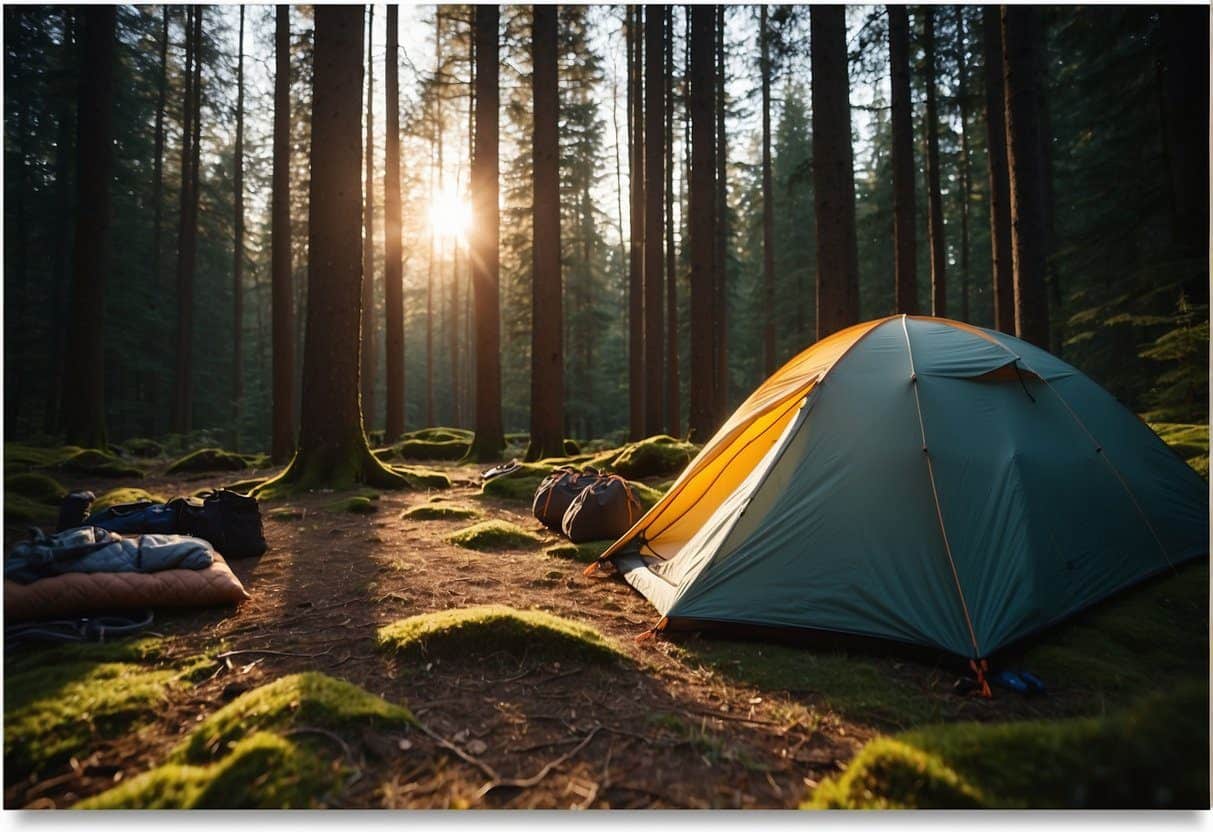
When it comes to packing for your first camping trip in the Pacific Northwest, it’s important to be prepared for the weather conditions and have all the necessary gear. Here are some essential items you should consider bringing along:
Weather-Appropriate Clothing
The weather in the PNW can be unpredictable, so it’s important to pack clothing that can handle a range of temperatures and weather conditions. Make sure to bring warm layers, including a fleece or down jacket, and a waterproof raincoat or shell. Hiking pants are also a good idea, as they are comfortable and durable for outdoor activities. Don’t forget to pack a pair of sturdy, waterproof boots for hiking and exploring.
Camping Equipment Checklist
Having the right camping equipment can make all the difference in your camping experience. Here’s a checklist of some essential gear you should consider bringing along:
- Tent: Look for a tent that is easy to set up and has enough space for your group.
- Sleeping bag: Choose a sleeping bag that is appropriate for the temperature range you’ll be camping in.
- Sleeping pad: A sleeping pad can provide extra comfort and insulation while you sleep.
- Headlamp or flashlight: Make sure you have a reliable source of light for nighttime activities.
- Camp stove and fuel: If you plan on cooking your own meals, bring a camp stove and enough fuel to last your entire trip.
- Cooler: Keep your food and drinks cold with a reliable cooler.
- Water filter or purification tablets: Make sure you have a way to purify water from natural sources.
- First-aid kit: Be prepared for minor injuries and illnesses with a basic first-aid kit.
Food and Water Essentials
Staying hydrated and well-fed is crucial during any camping trip. Here are some food and water essentials to consider packing:
- Water bottles or hydration bladder: Make sure you have enough water for your entire trip.
- Water filter or purification tablets: If you plan on drinking water from natural sources, make sure you have a way to purify it.
- Non-perishable food: Pack snacks and meals that don’t require refrigeration, such as trail mix, energy bars, and canned goods.
- Cooking supplies: If you plan on cooking your own meals, bring along pots, pans, utensils, and a camp stove and fuel.
By packing these essentials, you’ll be well-prepared for your first camping trip in the PNW. Remember to check the weather forecast before you go and pack accordingly. Happy camping!
Transportation Tips
Getting to Your Destination
Before embarking on your first camping trip in the Pacific Northwest, it’s important to consider your transportation options. If you’re traveling from out of state, you can rent a car or bring your own vehicle. If you’re planning a road trip, you can drive along the Oregon Coast Road Trip, which is a scenic route that offers stunning views of the Pacific Ocean.
If you’re flying into the area, you can rent a car at the airport and drive to your camping destination. Make sure to book your rental car in advance to avoid any last-minute issues. It’s also a good idea to check the weather and road conditions before setting out on your trip.
Car Camping Basics
Car camping is a popular option for first-time campers in the Pacific Northwest. It allows you to easily transport your gear and provides a comfortable sleeping space. If you’re planning on car camping, make sure to pack all the necessary gear, including a tent, sleeping bags, and cooking equipment.
When choosing a camping spot, make sure to choose a designated campsite that allows car camping. It’s important to follow all camping rules and regulations to ensure a safe and enjoyable experience. You can use online resources to find car camping spots in the Pacific Northwest.
Remember to always prioritize safety when car camping. Make sure to park your car in a safe and secure location and lock all doors. It’s also a good idea to bring a first aid kit and emergency supplies in case of any unforeseen circumstances.
Overall, transportation is a crucial aspect of planning your first camping trip in the Pacific Northwest. By considering your options and following safety guidelines, you can ensure a successful and enjoyable trip.
Activities and Excursions
When it comes to outdoor activities in the Pacific Northwest, the options are endless. From hiking and fishing to boating and beach camping, there is something for everyone. Here are some of the top activities and excursions to consider during your first-time camping trip in the PNW.
Hiking and Trail Adventures
The Pacific Northwest is home to some of the most breathtaking hiking trails in the world, including the famous Pacific Crest Trail. Whether you’re looking for a day hike or a multi-day backpacking adventure, there’s a trail for you. Some popular options include the Columbia River Gorge, Multnomah Falls, and the Enchantments in the Alpine Lakes Wilderness. Don’t forget to bring plenty of water, snacks, and sunscreen!
Water Activities
With its abundance of streams, rivers, and lakes, the PNW is a paradise for water lovers. Fishing is a popular activity, with opportunities to catch salmon, trout, and other species. Boating is also a great way to explore the region’s waterways, whether you’re paddling a kayak or cruising on a motorboat. And if you’re looking to relax and unwind, consider visiting one of the area’s many hot springs.
Exploring Local Attractions
In addition to outdoor activities, the PNW is also home to a variety of local attractions. Some must-see destinations include Pike Place Market in Seattle, the Oregon Coast Aquarium in Newport, and the Space Needle in Tacoma. And if you’re looking for a unique camping experience, consider beach camping along the coast. Just be sure to check local regulations and obtain any necessary permits before setting up camp.
Overall, the Pacific Northwest offers endless opportunities for adventure and exploration. Whether you’re a seasoned outdoor enthusiast or a first-time camper, there’s something for everyone in this beautiful and diverse region. So pack your bags, grab your gear, and get ready to experience the best of the PNW!
Camping Etiquette and Safety

When it comes to camping in the PNW, it’s important to follow proper camping etiquette and safety guidelines to ensure a fun and safe experience for everyone. Here are some key points to keep in mind:
Respecting the Environment
One of the most important principles of camping is to leave no trace. This means packing out all of your trash, including food waste, and not leaving any other evidence of your stay. Be sure to also respect any posted signs or regulations, such as fire restrictions or designated camping areas.
Wildlife Precautions
The PNW is home to a variety of wildlife, including bears, cougars, and other potentially dangerous animals. To avoid any unwanted encounters, make sure to properly store your food and garbage in bear-resistant containers or hang them from a tree at least 10 feet off the ground and 4 feet away from the trunk. Additionally, keep a safe distance from any wildlife you may encounter and never feed them.
Campsite Safety
It’s important to take precautions to ensure your safety while camping. One of the most important things you can do is to properly set up your tent and campsite. Choose a level spot that is free of rocks and debris, and make sure to properly stake down your tent to prevent it from blowing away in the wind. Additionally, always keep a first aid kit on hand and make sure to let someone know where you will be camping and when you plan to return.
Overall, following proper camping etiquette and safety guidelines is essential for a successful and enjoyable camping trip in the PNW. By respecting the environment, taking wildlife precautions, and ensuring campsite safety, you can help preserve the beauty of the region and have a great time outdoors.
Maximizing the Camping Experience
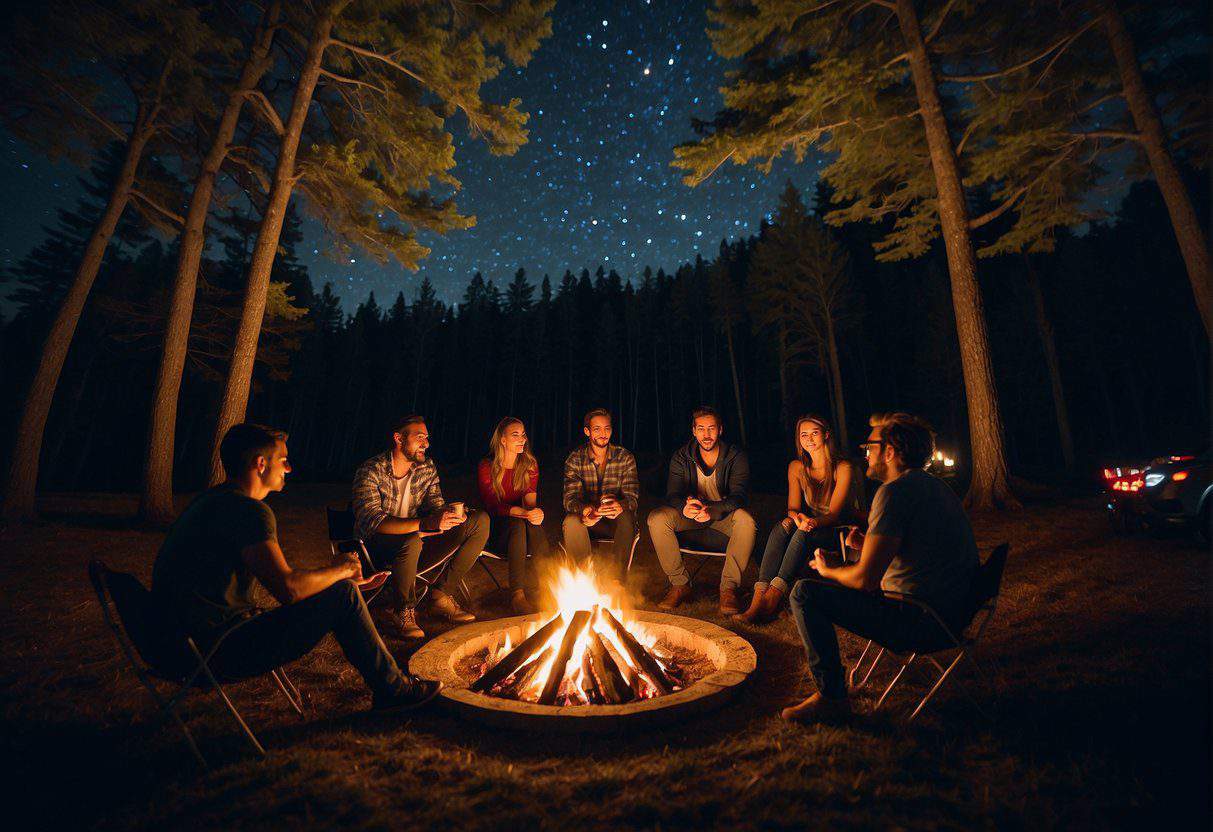
Camping is a great way to get away from the hustle and bustle of daily life and experience the beauty of nature. Here are some tips to help you maximize your camping experience in the Pacific Northwest.
Making Memories
Camping is all about making memories that will last a lifetime. One of the best ways to do this is to sit around the fire with your friends and family and share stories. This is a great way to connect with each other and create lasting memories. Watching the sunset is also a great way to make memories. Take photos of the sunset to capture the moment and remember it forever.
Connecting with Nature
Camping is a great way to connect with nature. Take a walk in the woods and observe the plants and animals around you. Listen to the birds singing and the sound of the wind rustling through the trees. This is a great way to relax and unwind. Camping with kids is also a great way to connect with nature. Teach them about the plants and animals around them and show them how to respect nature.
Camping with Kids
Camping with kids can be a lot of fun, but it can also be challenging. Make sure to bring plenty of activities to keep them entertained, such as board games, cards, and books. Take them on hikes and teach them about nature. Make sure to also bring plenty of snacks and drinks to keep them fueled throughout the day.
Remember, camping is all about having fun and enjoying the great outdoors. Use these tips to help you maximize your camping experience in the Pacific Northwest.
Frequently Asked Questions
What are the top spots for beginner campers in the Pacific Northwest?
If you’re a first-time camper in the Pacific Northwest, you’ll want to start with a campground that’s easy to access and has plenty of amenities. Some of the top spots for beginner campers in the PNW include Denny Creek Campground, Kalaloch Campground, and Cape Disappointment State Park. These campgrounds offer a range of facilities, including restrooms, showers, and picnic tables, making them ideal for those who are new to camping.
How do I prepare for my first camping trip in the Pacific Northwest?
Before you head out on your first camping trip in the PNW, it’s important to make sure you’re properly prepared. Start by researching the campground you’ll be staying at and familiarizing yourself with the rules and regulations. You’ll also want to make a list of all the essential gear you’ll need, including a tent, sleeping bag, and cooking supplies. Finally, be sure to check the weather forecast and pack accordingly.
What’s the best season for first-time campers to explore Washington State parks?
The best season for first-time campers to explore Washington State parks is typically during the summer months, from June to August. During this time, the weather is mild, and there’s plenty of daylight to enjoy outdoor activities. However, if you prefer cooler temperatures and fewer crowds, you may want to consider camping in the spring or fall.
Are there private campgrounds suitable for first-time campers in Washington?
Yes, there are several private campgrounds in Washington that are suitable for first-time campers. Some of the best options include KOA campgrounds, which offer a range of amenities and activities, and private RV parks, which often have full hookups and other conveniences.
What essentials should I pack for a camping trip in the PNW?
When packing for a camping trip in the PNW, it’s important to bring along all the essentials you’ll need to stay comfortable and safe. This includes a tent, sleeping bag, camping stove, and plenty of warm clothing. You’ll also want to bring along a first aid kit, insect repellent, and plenty of water.
What are some tips for securing a first-come, first-serve campsite?
If you’re planning to camp at a first-come, first-serve campground, there are a few tips you can follow to increase your chances of securing a spot. First, arrive early in the day to increase your chances of finding an available site. You should also be prepared to be flexible and willing to move to a different site if your first choice is taken. Finally, be sure to have cash on hand to pay for your site, as many first-come, first-serve campgrounds do not accept credit cards.
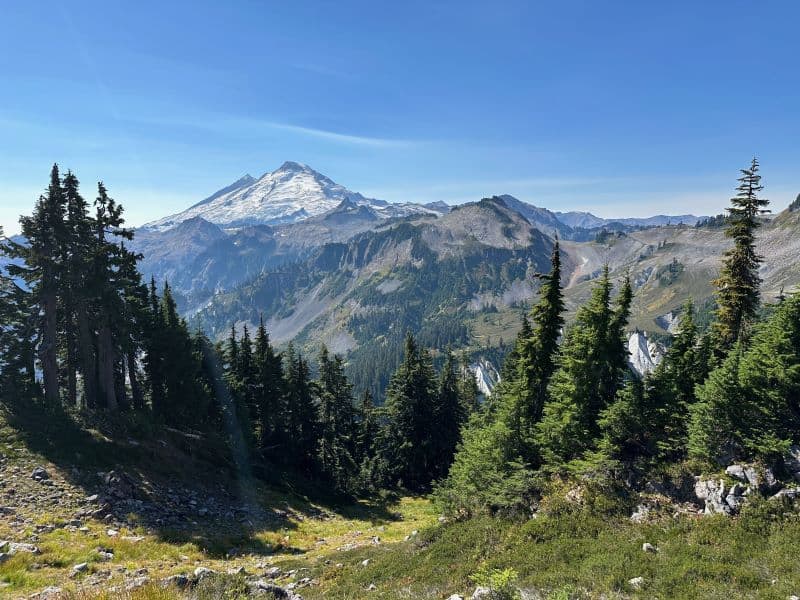
Growing up in the Pacific Northwest, we’ve always felt at home in the outdoors. We created Evergreen Adventures PNW to share our love of hiking, camping, and exploring, and to help others discover the best adventures this region has to offer. Along with trip guides and tips, we also enjoy diving into the science behind the landscapes—thanks to a background in Environmental Science—because understanding nature makes every adventure even more meaningful.