
Snoqualmie Pass is a breathtaking destination for wildflower enthusiasts. Nestled in the Cascade Mountains of Washington State, this area is known for its stunning displays of wildflowers that bloom from early June until early September. With a plethora of hiking trails and stunning vistas, Snoqualmie Pass is a must-visit destination for anyone looking to explore the great outdoors.
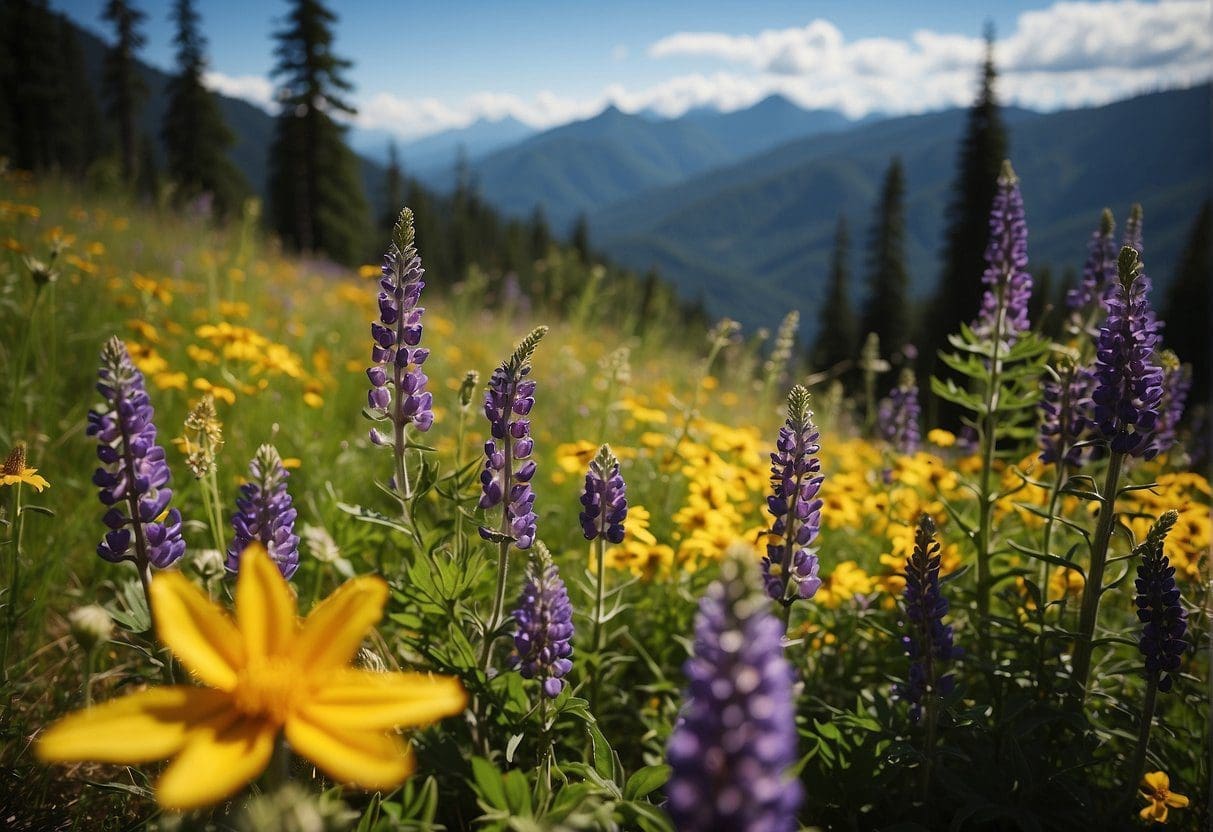
Exploring Snoqualmie Pass is an adventure in itself, with its rugged terrain and stunning natural beauty. The area is home to a wide variety of wildflower species, including Indian paintbrush, lupine, and avalanche lilies. These colorful blooms provide a stunning contrast to the rugged mountain landscape, making for an unforgettable experience.
Whether you’re an experienced hiker or a novice, Snoqualmie Pass has something to offer. With trails ranging from easy to difficult, there’s a hike for everyone. From sweeping vistas to serene alpine lakes, the views are nothing short of spectacular. So pack your hiking boots and head to Snoqualmie Pass for an unforgettable wildflower adventure.
Key Takeaways
- Snoqualmie Pass is a must-visit destination for wildflower enthusiasts.
- The area is home to a wide variety of wildflower species, providing a stunning contrast to the rugged mountain landscape.
- With a range of hiking trails and stunning vistas, there’s something for everyone at Snoqualmie Pass.
Table of Contents
Exploring the Wonders of Snoqualmie Pass Wildflowers
If you’re looking for a beautiful place to explore wildflowers in Washington state, Snoqualmie Pass is an excellent destination. With its stunning natural scenery and diverse flora, it’s no wonder that this area is a favorite among nature lovers.
Geography and Climate
Located in the Cascade Range, Snoqualmie Pass is a mountain pass that sits at an elevation of 3,022 feet. The pass is approximately 50 miles east of Seattle and is accessible via Interstate 90. The area is known for its rugged terrain, including steep cliffs and rocky outcroppings.
The climate in Snoqualmie Pass is classified as a humid continental climate. This means that the area experiences warm summers and cold winters, with plenty of precipitation throughout the year. In the summer months, temperatures can reach into the 70s, while winter temperatures can drop below freezing.
Best Times for Visiting
The best time to visit Snoqualmie Pass for wildflowers is typically from mid-June through mid-August. During this time, the area is bursting with color as the wildflowers bloom. However, there may be some flowers blooming from late May until early September.
It’s important to note that the weather conditions in Snoqualmie Pass can be unpredictable, so it’s a good idea to check the forecast before you go. Additionally, the area can be crowded during peak season, so plan accordingly and arrive early to beat the crowds.
Snoqualmie Pass is a beautiful and unique destination for anyone who loves nature and wants to explore the beauty of Washington State. With its diverse flora and stunning natural scenery, it’s no wonder that so many people flock to this area every year to experience the wildflowers in bloom.
Diverse Wildflower Species of Snoqualmie Pass
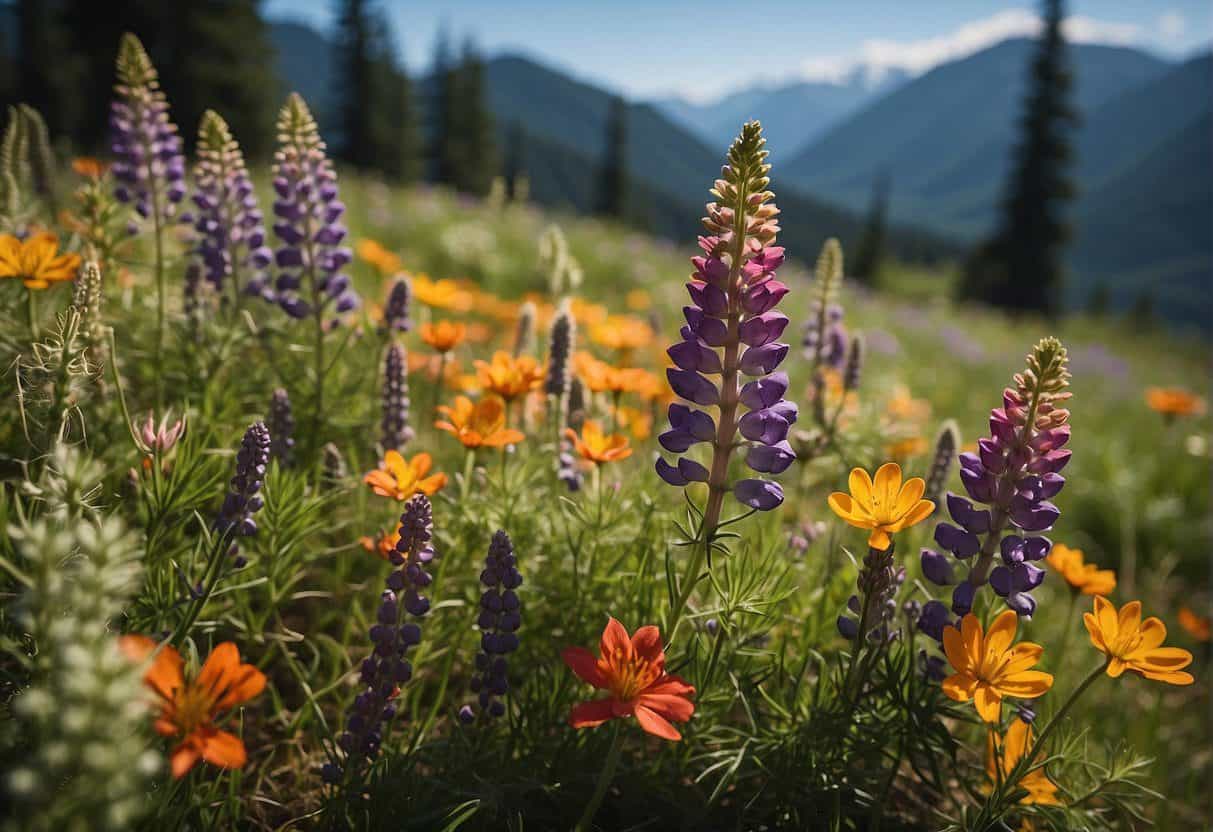
Snoqualmie Pass is home to a diverse array of wildflowers that bloom from early June to early September. Here are some of the common wildflowers you can expect to see:
Common Wildflowers
- Beargrass: This tall and showy flower blooms in early summer and can be found in meadows and open forests.
- Huckleberries: These shrubs produce small, bell-shaped flowers in early summer that eventually turn into delicious berries in late summer.
- Balsamroot: This large yellow flower blooms in late spring and early summer and can be found in open, sunny areas.
- Lupine: These tall and colorful flowers bloom in early summer and can be found in meadows and open forests.
- Penstemon: These delicate flowers bloom in late spring and early summer and can be found in rocky areas.
- Paintbrush: These bright red flowers bloom in mid-summer and can be found in open, sunny areas.
- Fireweed: These tall and showy flowers bloom in mid-summer and can be found in open, disturbed areas.
Viewing Wildflower Blooms
The best time to view wildflower blooms at Snoqualmie Pass is typically from early July through mid-August. However, some flowers may bloom as early as June or as late as September. To maximize your chances of seeing wildflowers, try hiking some of the popular wildflower trails near Snoqualmie Pass, such as the Snow Lake Trail or the Kendall Katwalk Trail. Remember to stay on designated trails and avoid trampling on delicate wildflowers.
Snoqualmie Pass is a great destination for wildflower enthusiasts looking to experience the beauty of nature up close. So grab your flower ID book and hit the trails to see these stunning wildflowers for yourself!
Hiking Trails and Views
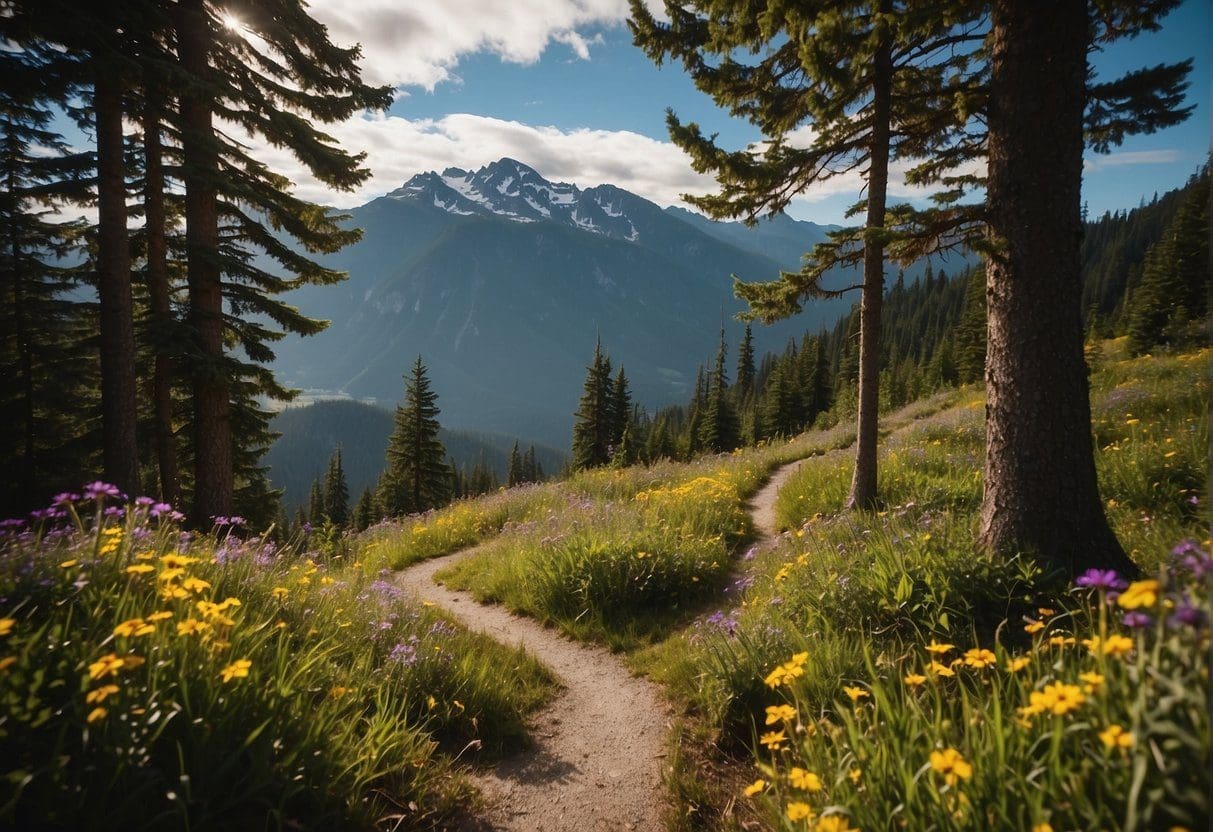
Are you looking for a place to explore wildflowers while enjoying a hike? Snoqualmie Pass has many hiking trails that offer scenic views and wildflowers in bloom. In this section, we will explore popular hiking trails and scenic overlooks where you can enjoy the beauty of Snoqualmie Pass wildflowers.
Popular Hiking Trails
Snoqualmie Pass has many popular hiking trails that offer stunning views of wildflowers. The Granite Mountain Trail is a challenging hike that rewards you with breathtaking views of the surrounding mountains and wildflowers in bloom. The Franklin Falls Trail is an easy hike that is perfect for families with children. This trail offers views of wildflowers and a beautiful waterfall.
The Annette Lake Trail is a moderate hike that offers views of wildflowers and a serene lake. This trail is well-maintained and features a gentle but steady incline. Another popular hiking trail is the Pacific Crest Trail, which offers stunning views of wildflowers and the Cascade Mountains.
Scenic Overlooks and Photo Spots
Snoqualmie Pass has many scenic overlooks and photo spots where you can capture the beauty of wildflowers. The Snoqualmie Falls Trail at Fisher Creek Park is a popular spot for photography. This trail offers views of wildflowers and a stunning waterfall.
The Mount Defiance Trail offers stunning views of wildflowers and the surrounding mountains. This trail is a challenging hike that rewards you with breathtaking views of the surrounding area. Another scenic overlook is the Annette Lake Trailhead, which offers views of wildflowers and a serene lake.
Snoqualmie Pass offers many hiking trails and scenic overlooks where you can enjoy the beauty of wildflowers. Whether you are looking for a challenging hike or an easy trail, Snoqualmie Pass has something for everyone. So, pack your hiking boots and camera and explore the wildflowers of Snoqualmie Pass.
Best Seasons to Witness Snoqualmie Pass Wildflowers in Bloom
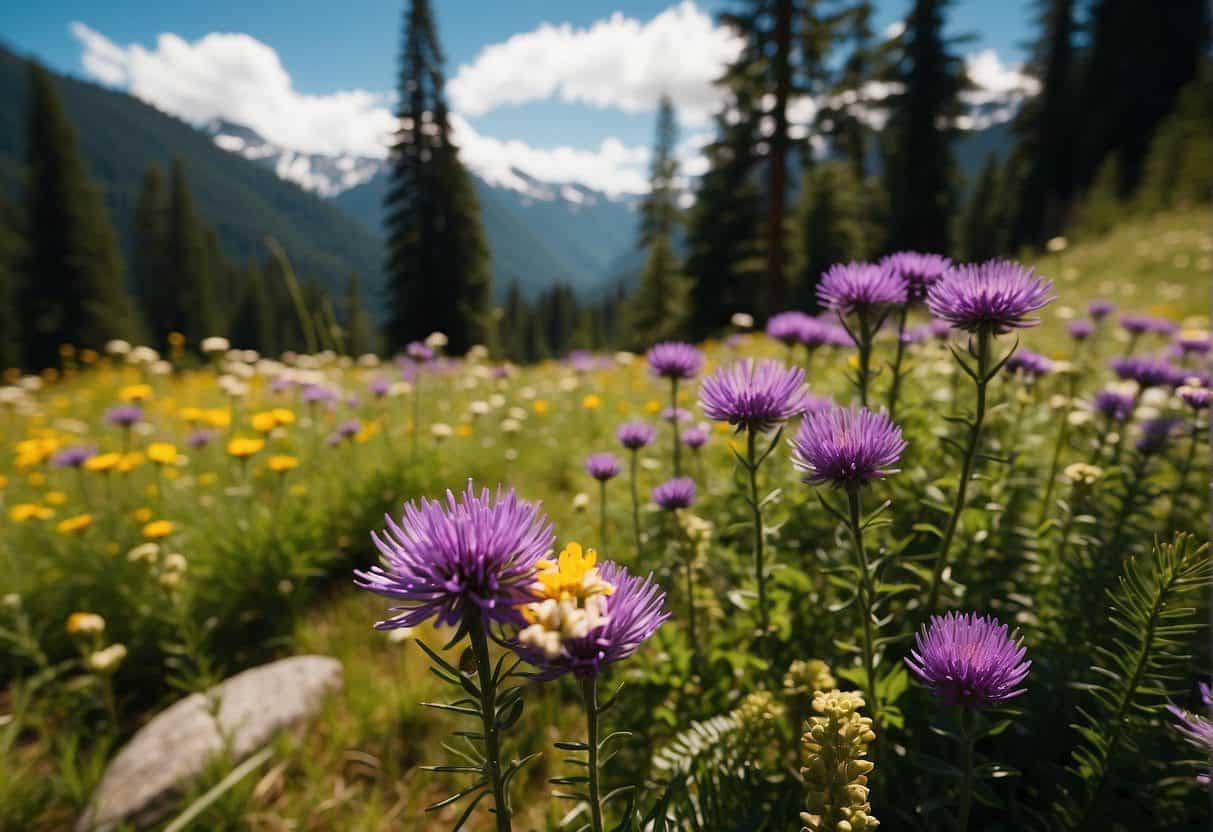
When planning a hike to see the wildflowers at Snoqualmie Pass, it is important to consider the season. The blooming season for wildflowers typically runs from early June until early September, with peak bloom occurring from early July through mid-August.
Spring and Summer Hiking
If you plan to hike during the spring or summer, you can expect to see a variety of wildflowers in bloom. During this time, the snowmelt creates a lush and vibrant landscape, perfect for hiking and photography.
Trail conditions during the spring and summer are generally good, with clear paths and minimal obstacles. However, it is important to note that the trails can be quite crowded during peak bloom season, so plan accordingly and arrive early to avoid the crowds.
Autumn and Winter Hiking
If you plan to hike during the autumn or winter, you will likely encounter different trail conditions and a different landscape. During the autumn, the leaves on the trees change color, creating a beautiful and colorful backdrop for your hike.
During the winter, the landscape is blanketed in snow, creating a serene and peaceful environment. However, the trails can be more difficult to navigate during this time, and snowshoes or other winter gear may be necessary.
Whether you plan to hike during the spring, summer, autumn, or winter, there are plenty of opportunities to see the beautiful wildflowers at Snoqualmie Pass. Just be sure to plan accordingly and check trail conditions before heading out on your hike.
Wildlife and Environment
Flora and Fauna
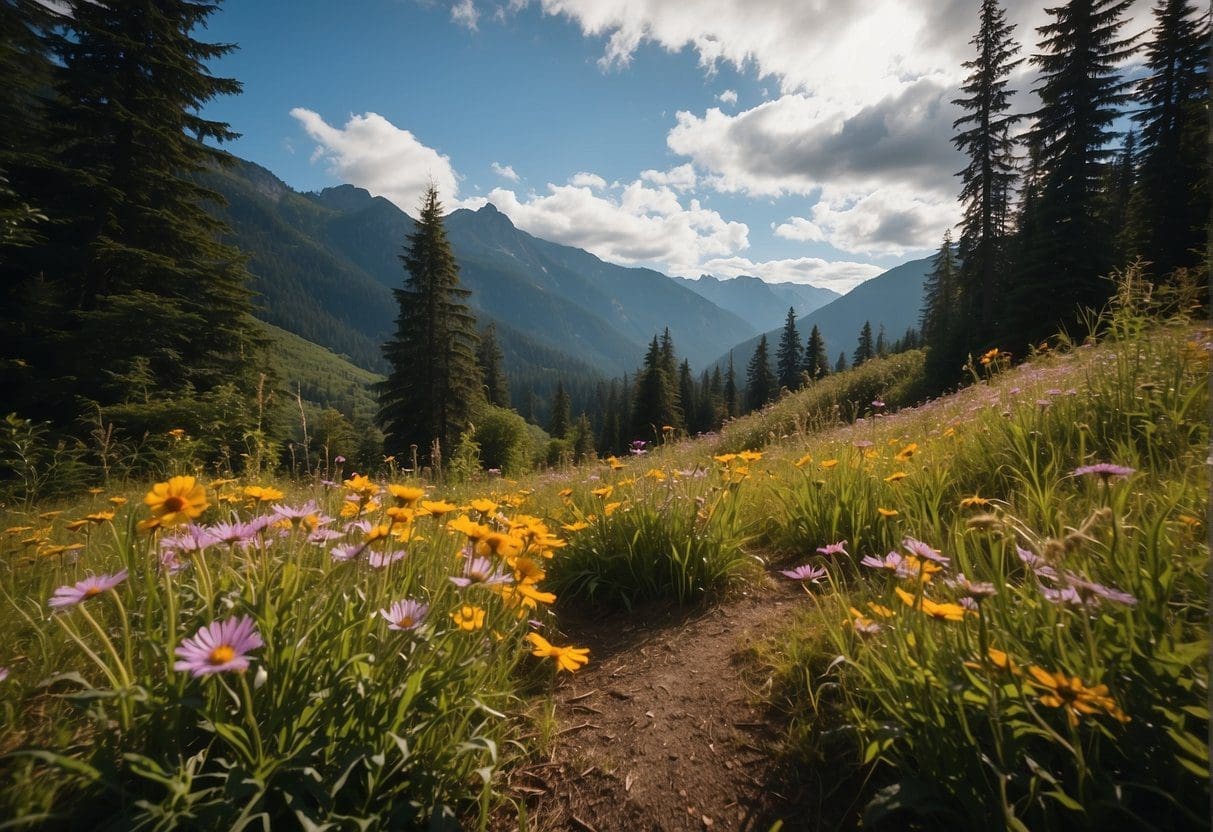
Snoqualmie Pass is a beautiful location that boasts a diverse range of flora and fauna. The area is home to a variety of wildflowers, including lupines, Indian paintbrush, and tiger lilies. The meadows in the area are also home to a range of grasses and shrubs, such as Douglas fir and western hemlock.
In addition to the plant life, the area is also home to a variety of wildlife. Visitors to the area may spot marmots, deer, elk, and even bears. There are also a variety of bird species that can be seen in the area, including the northern pygmy owl and the mountain bluebird.
Environmental Impact and Preservation
While Snoqualmie Pass is a beautiful location to visit, it is important to note that human activity can have an impact on the environment. Visitors to the area are encouraged to practice Leave No Trace principles, such as packing out all trash and avoiding trampling on delicate plant life.
In addition to individual actions, there are also efforts underway to preserve the natural beauty of the area. The Mt. Baker-Snoqualmie National Forest, which encompasses Snoqualmie Pass, is actively working to protect the area’s natural resources. This includes efforts to prevent erosion, restore habitats, and manage wildlife populations.
Snoqualmie Pass is a beautiful location that offers visitors the opportunity to experience a diverse range of flora and fauna. By practicing responsible outdoor ethics and supporting conservation efforts, we can help ensure that this natural wonder remains preserved for future generations to enjoy.
Planning Your Visit
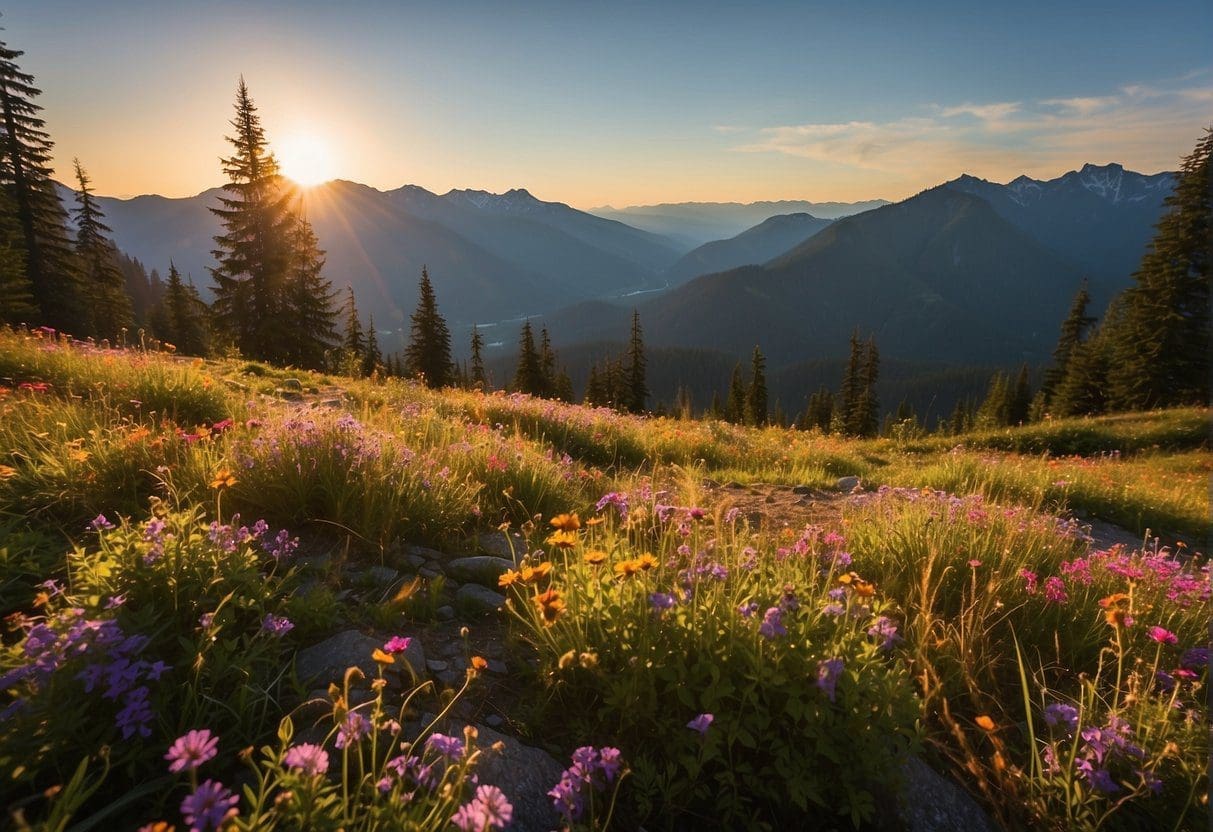
When planning your visit to Snoqualmie Pass to see the wildflowers, there are a few things you should keep in mind. Here are some helpful tips to ensure you have an enjoyable and safe experience.
What to Bring
Before you head out to the trailhead, make sure you have all the necessary gear. You’ll want to bring comfortable hiking shoes, a hat, sunscreen, and plenty of water. It’s also a good idea to bring a snack or two, as well as a map of the area. Additionally, you may want to bring a camera to capture the beautiful wildflowers and scenery.
One thing to keep in mind is that the trail can be muddy in spots, especially if it has rained recently. Be sure to wear shoes that can handle some mud, and take caution when walking on slippery surfaces.
Visiting Snoqualmie Pass to see the wildflowers is a great way to spend a day. Just be sure to come prepared with the right gear and knowledge, and you’ll have a wonderful time exploring the beauty of the Pacific Northwest.
Photography and Social Sharing
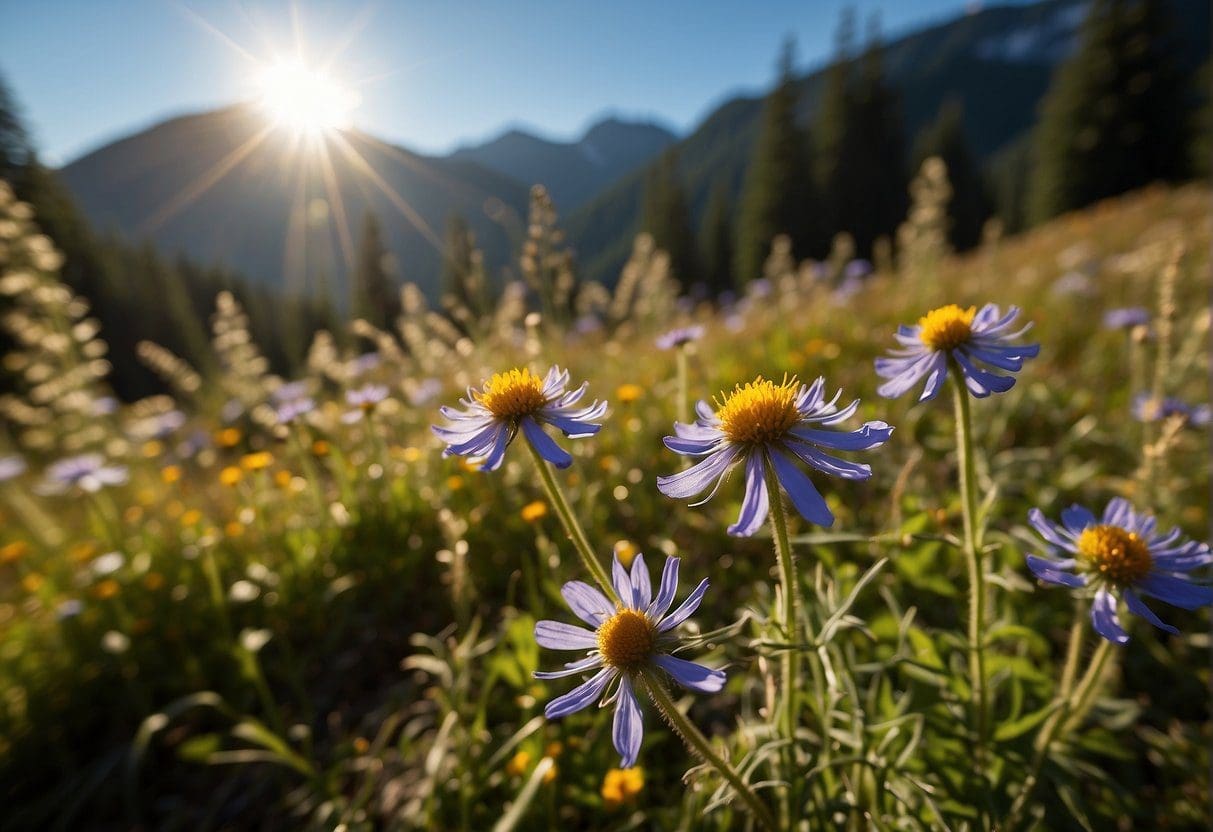
Are you planning to capture the beauty of Snoqualmie Pass wildflowers through your camera lens? Here are some tips to help you take the perfect shot and share your photos on social media.
Capturing the Perfect Shot
The best time to photograph wildflowers at Snoqualmie Pass is from early July through mid-August. However, you may find some flowers blooming from early June until early September. The Snow Lake Trail is one of the most popular trails for wildflower photography, but you can also find wildflowers along other trails in the area.
When taking photos of wildflowers, consider the lighting and background. Early morning or late afternoon light can add depth and texture to your photos. Try to avoid harsh midday light, which can wash out colors and create harsh shadows.
Consider using a tripod to stabilize your camera and take sharp photos. A macro lens can also help you capture the intricate details of each flower.
Sharing on Social Media
Once you’ve captured the perfect shot, it’s time to share it with the world. Social media platforms like Instagram and Facebook are great places to showcase your photos and connect with other photographers.
Consider joining Facebook groups or Instagram hashtags dedicated to Snoqualmie Pass wildflowers to connect with other photographers and share your work. You can also use apps like iNaturalist to identify the wildflowers in your photos and share your observations with the community.
When sharing your photos on social media, consider using relevant hashtags and geotags to help others find your work. Don’t forget to credit the location and any other photographers who inspired you.
With these tips, you’ll be able to capture the beauty of Snoqualmie Pass wildflowers and share your photos with the world. Happy shooting!
Where to Stay: Accommodations Near Snoqualmie Pass Wildflowers
Planning a trip to Snoqualmie Pass to see the wildflowers in bloom? Here are some accommodations and amenities to keep in mind during your stay.
Camping and Lodges
If you’re looking for a rustic experience, camping might be the way to go. There are several campsites in the area, including Denny Creek Campground and Tinkham Campground, both of which are located just a short drive from Snoqualmie Pass. You can also rent a cabin or stay at the Snoqualmie Lodge for a more comfortable experience.
Lodge Lake is a popular destination for hikers and campers alike. The area is known for its stunning scenery and vibrant wildflowers. If you’re planning on camping at Lodge Lake, be sure to book your site in advance, as they tend to fill up quickly during peak season.
Local Dining and Supplies
While there are no restaurants or grocery stores in the immediate vicinity of Snoqualmie Pass, there are plenty of options just a short drive away. The nearby town of North Bend has a variety of restaurants and cafes to choose from, including Twede’s Cafe, which was featured in the TV show Twin Peaks.
If you’re in need of supplies, there’s a Safeway grocery store in North Bend, as well as a few smaller markets in the area. Be sure to stock up on water and snacks before heading out on your hike, as there are limited options for food and drink on the trails.
Snoqualmie Pass offers a range of accommodations and amenities for visitors looking to experience the beauty of the wildflowers in bloom. Whether you’re camping, staying at a lodge, or just passing through, there’s plenty to see and do in this picturesque area.
Nearby Attractions
If you’re planning a trip to see the wildflowers at Snoqualmie Pass, there are several nearby attractions worth checking out. Here are a few suggestions:
Snoqualmie Falls
One of the most popular attractions in the area is Snoqualmie Falls, located just a short drive from Snoqualmie Pass. The falls are over 270 feet tall and are a sight to behold. There is a viewing platform where you can take in the falls and the surrounding scenery. If you’re feeling adventurous, you can also take a hike down to the base of the falls.
North Bend and Surrounding Areas
North Bend is a charming town located just a few miles from Snoqualmie Pass. It’s a great place to stop for lunch or to do some shopping. There are also several hiking trails in the area that offer stunning views of the surrounding mountains and forests.
Another nearby attraction is Rattlesnake Lake, which is just a short drive from North Bend. The lake is a popular spot for swimming, fishing, and boating. There are also several hiking trails in the area that offer great views of the lake and the surrounding mountains.
Whether you’re looking for a scenic drive, a leisurely hike, or a fun day out on the water, there are plenty of nearby attractions to explore while you’re in the area.
Frequently Asked Questions
When is the peak season for viewing wildflowers around Snoqualmie Pass?
The peak season for viewing wildflowers around Snoqualmie Pass is typically from early July through mid-August, but there may be some flowers blooming from early June until early September. The exact timing can vary depending on the weather conditions and the specific location.
Can you recommend some popular trails for wildflower spotting near Snoqualmie Pass?
Yes, there are several popular trails for wildflower spotting near Snoqualmie Pass. Some of the most popular ones include the Annette Lake Trail, the Snow Lake Trail, and the McClellan Butte Trail. These trails offer stunning views of the surrounding mountains and valleys, as well as a variety of wildflowers.
What types of wildflowers can I expect to see in the Snoqualmie Pass area?
There are many different types of wildflowers that you can expect to see in the Snoqualmie Pass area. Some of the most common ones include trillium, salmonberry, skunk cabbage, vanilla leaf, bleeding heart, coral root, false lily of-the valley, beadlily, pyrola, bunchberry dogwood, currant, twisted stalk, and orchids.
Are there guided tours available for wildflower enthusiasts at Snoqualmie Pass?
Yes, there are several guided tours available for wildflower enthusiasts at Snoqualmie Pass. These tours are led by experienced guides who can help you identify different types of wildflowers and provide you with interesting information about the local flora and fauna. Some popular tour operators include Evergreen Escapes, Nature Nuts, and Wildflower Tours.
What should I bring along for a wildflower hike in the Snoqualmie Pass region?
When going on a wildflower hike in the Snoqualmie Pass region, it is important to bring along some essential items such as a good pair of hiking boots, sunscreen, insect repellent, a hat, sunglasses, and plenty of water. You may also want to bring a camera to capture the stunning scenery and wildflowers.
Are there any conservation guidelines visitors should follow when viewing wildflowers at Snoqualmie Pass?
Yes, there are some conservation guidelines that visitors should follow when viewing wildflowers at Snoqualmie Pass. These include staying on designated trails, not picking or disturbing wildflowers, and leaving no trace of your visit. It is also important to respect the natural environment and avoid damaging any plants or wildlife.
Growing up in the Pacific Northwest, we’ve always felt at home in the outdoors. We created Evergreen Adventures PNW to share our love of hiking, camping, and exploring, and to help others discover the best adventures this region has to offer. Along with trip guides and tips, we also enjoy diving into the science behind the landscapes—thanks to a background in Environmental Science—because understanding nature makes every adventure even more meaningful.