
For a first snowshoe outing at Snoqualmie Pass, check Hyak Sno-Park first. Lake Easton Sno-Park is another managed option farther east on I-90. Gold Creek Pond is a separate outing with a seasonal restoration closure.
Before you pick a route, check WSDOT’s I-90 pass report, the Sno-Park’s current conditions and the Northwest Avalanche Center forecast. Sno-Park parking being open doesn’t mean every nearby trail is open.
Key Takeaways
- First trip: Check Hyak or Lake Easton for snow, grooming and access.
- Gold Creek Pond: Check the Gold Creek Pond access and parking guide for current closures and winter access.
- Parking: Buy the right Sno-Park permit before leaving.
Jump to a section…
Snowshoeing Basics
If you haven’t used snowshoes before, our beginner snowshoeing guide covers fitting, poles and how to walk in them.
To snowshoe, you’ll need snowshoes and poles. Snowshoes come in a variety of sizes and styles, but they all have one thing in common: they keep you from sinking into the snow. Poles provide balance and stability, and can also help you navigate steep terrain.
Before you hit the trails, make sure you have the 10 essentials: navigation, sun protection, insulation, illumination, first aid, fire, repair kit/tools, nutrition, hydration, and emergency shelter. Always check the weather and trail conditions before heading out.
When snowshoeing, it’s important to use proper technique. Keep your weight centered over your snowshoes, and take small steps to avoid tripping. Use your poles for balance and to help propel you forward. Be mindful of your surroundings and respect nature.
Overall, snowshoeing is a great way to stay active and enjoy the winter season. With the right gear and technique, you can explore the beauty of Snoqualmie Pass and beyond.
Snowshoeing at Snoqualmie Pass
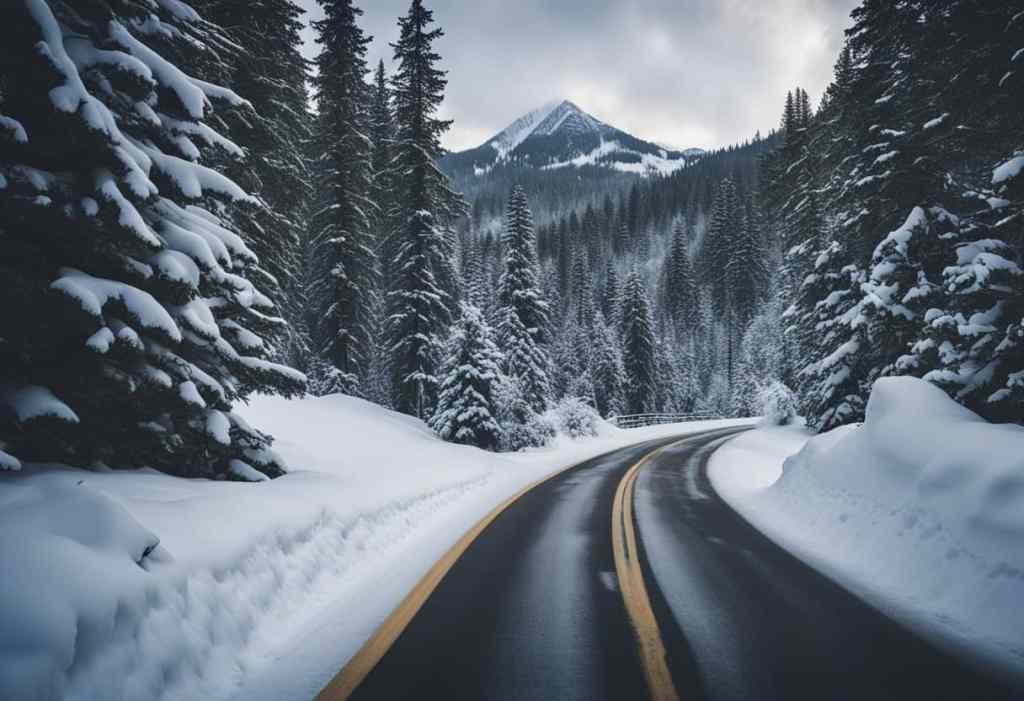
Pick a route based on what’s open and your group’s experience. If you’re getting everyone used to fresh snow or trying out new gear, start with a short route and an easy turnaround.
At a Sno-Park, follow the posted route map. Stay out of set cross-country ski tracks and expect to share some routes with other users.
A summer hike description doesn’t tell you where avalanche terrain or winter detours begin. Check the winter route and forecast before leaving.
Gold Creek Pond’s day-use area is closed April 1 through November 30 annually under the Forest Service restoration order. Winter nonmotorized access depends on reopening and conditions.
Kendall Peak Lakes is a separate winter outing from Gold Creek Sno-Park. Check the avalanche forecast and choose your turnaround based on conditions and experience.
No matter which trail you choose, be sure to dress appropriately for the weather. Layers are key, as the temperature can vary throughout the day. And don’t forget to bring plenty of water and snacks to keep you fueled during your adventure.
If your first choice is closed or full, head to another legal parking area and route rather than parking on the road.
Popular Trails at Snoqualmie Pass
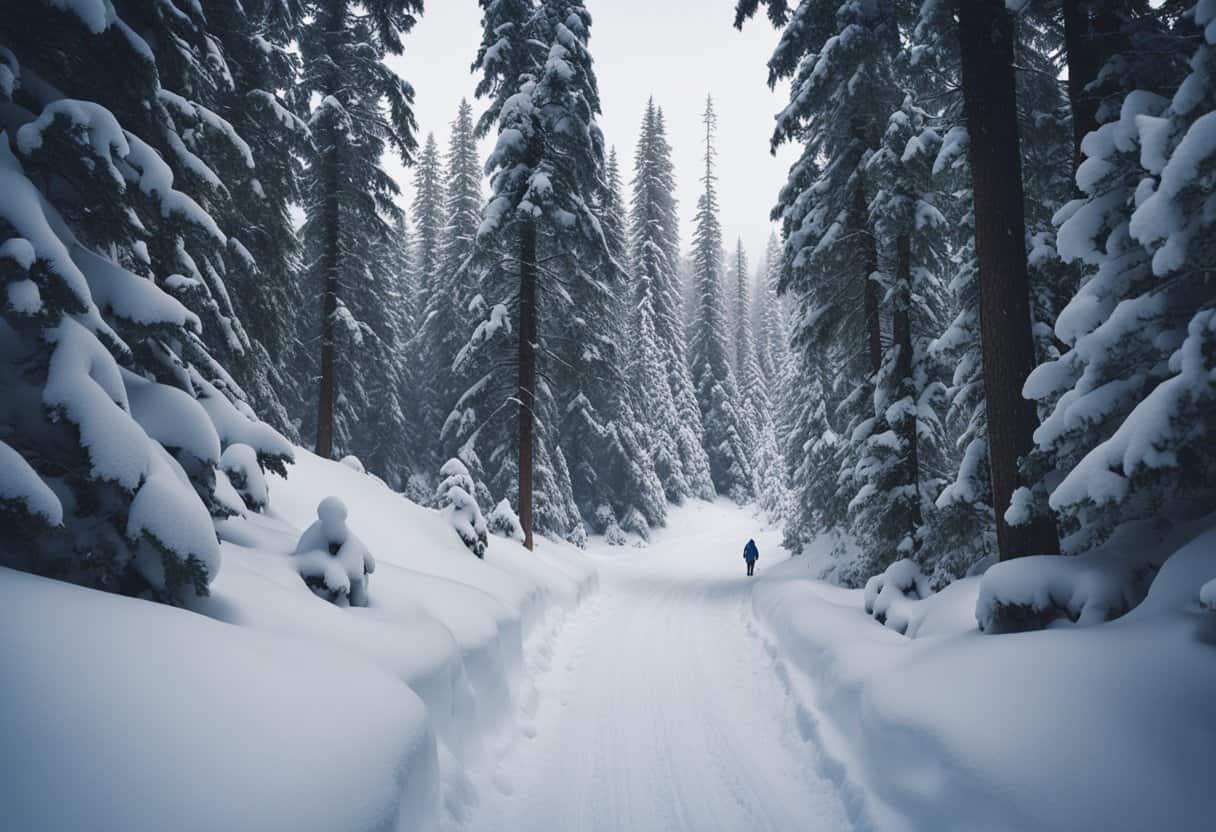
Hyak: A place to start for a short outing when trails are open. Check the posted winter map and current conditions.
Lake Easton: Farther east on I-90. Check the Sno-Park page for route conditions and grooming before leaving.
Backcountry: Don’t use Snow Lake or other alpine summer routes as default snowshoe trips. If you don’t have avalanche training and equipment, choose a managed route outside avalanche terrain.
If Gold Creek is your destination, use the Gold Creek Pond access and parking guide rather than directions to the summer lot.
Safety Measures While Snowshoeing
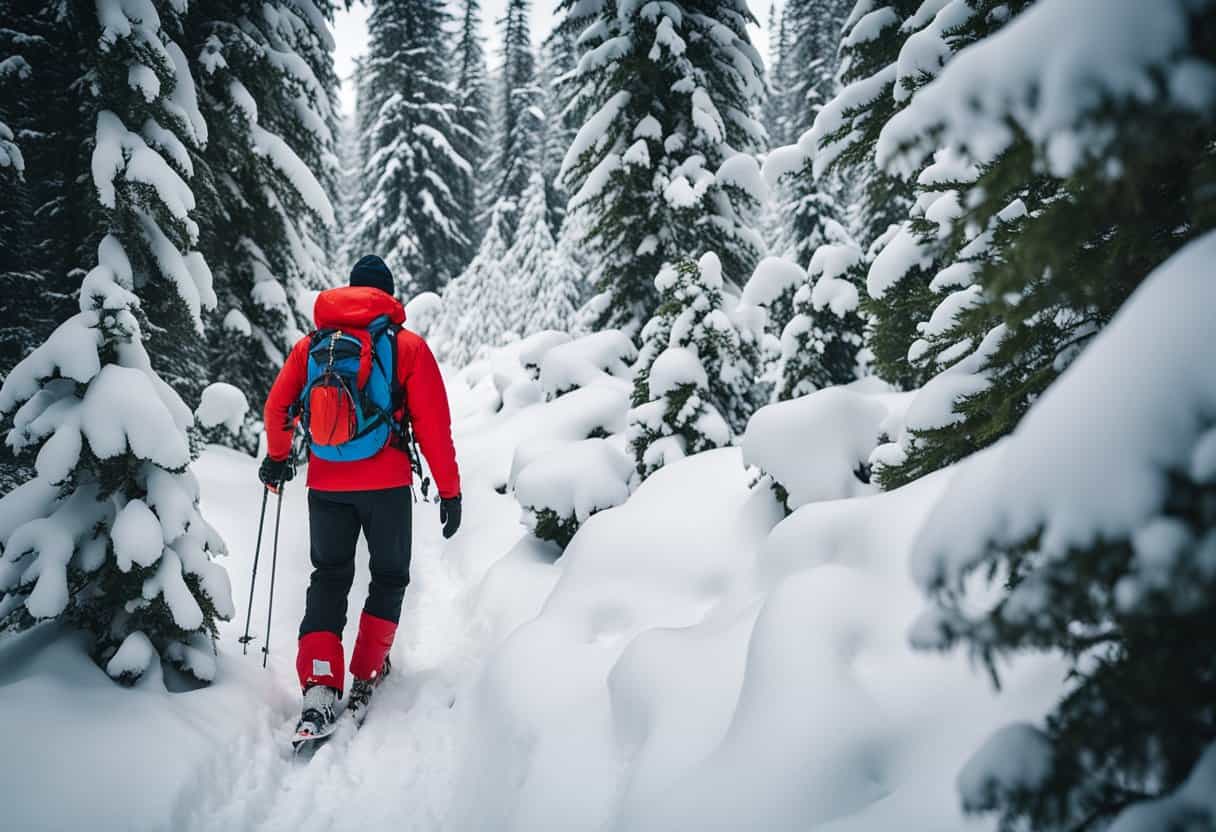
When snowshoeing in Snoqualmie Pass, safety should always be your top priority. Here are some essential safety measures to keep in mind:
1. Check Avalanche Conditions
Check the Northwest Avalanche Center forecast before you go. A forecast helps you plan, but it doesn’t tell you whether every slope is safe or replace training and gear.
2. Bring the 10 Essentials
Always bring the 10 essentials with you when snowshoeing. These include navigation tools, extra clothing, a headlamp, first aid supplies, and more. Be sure to pack these items in a waterproof backpack to keep them dry.
3. Dress for the Weather
Snoqualmie Pass can experience extreme weather conditions, so it’s important to dress appropriately. Wear waterproof boots and warm, layered clothing to protect yourself from the cold and wet.
4. Stay Hydrated
Even though it’s cold outside, it’s still important to stay hydrated. Bring plenty of water with you and consider packing a thermos of hot tea or cocoa to warm up on breaks.
By following these safety measures, you can enjoy a safe and enjoyable snowshoeing experience in Snoqualmie Pass.
Getting to Snoqualmie Pass
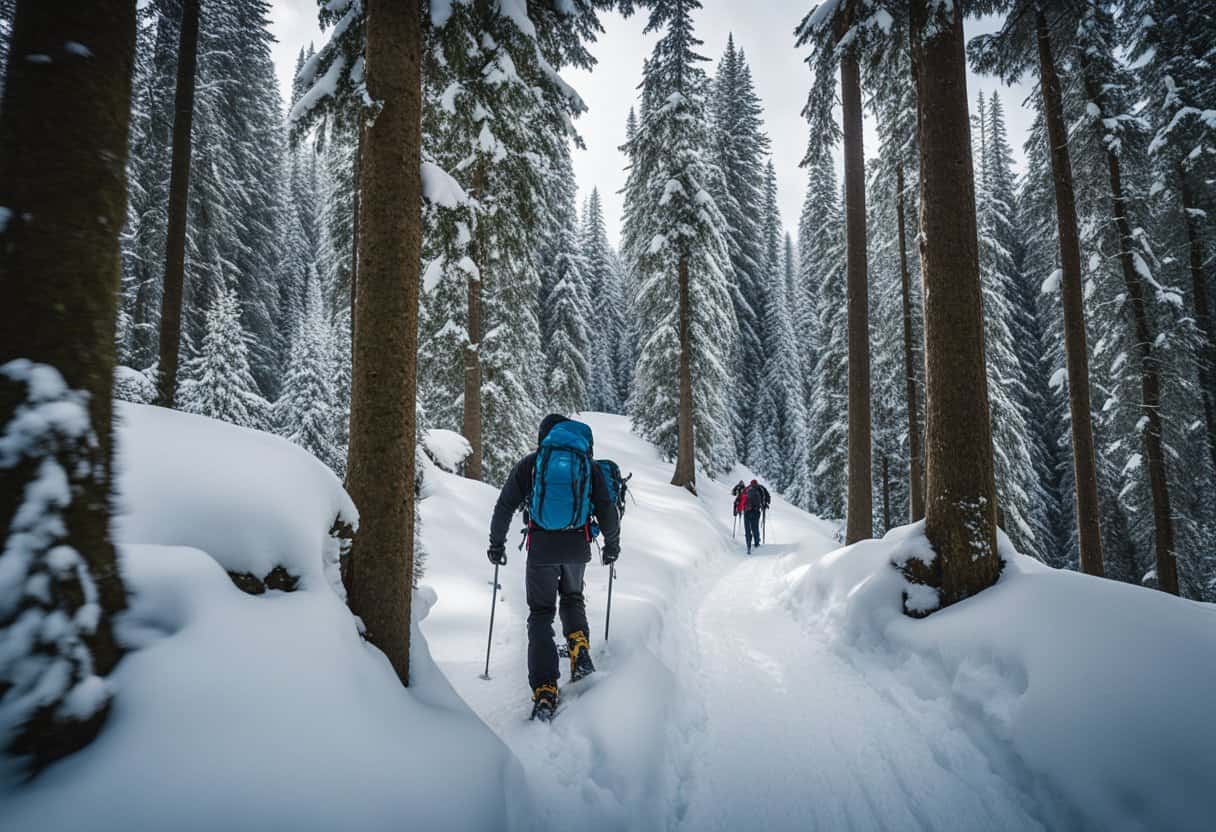
Take I-90 east from the Seattle area and check WSDOT’s I-90 pass report for road closures, traction restrictions and cameras.
Check Sno-Park permit rules before leaving. Hyak and Lake Easton accept the one-day Sno-Park permit on its own. If you use a seasonal permit, those two parks also require the Special Groomed Trails permit.
Look at the specific Sno-Park page for parking, grooming and access, and have a second plan if your first choice is closed.
Overall, getting to Snoqualmie Pass is a straightforward process. Just make sure to plan ahead and prepare for any potential road closures or parking restrictions.
Additional Activities at Snoqualmie Pass
In addition to snowshoeing, Snoqualmie Pass offers a variety of winter activities to enjoy. The area is a winter wonderland, with stunning views of snow-covered mountains and forests.
One popular activity is skiing, with four ski resorts located within a short drive of Snoqualmie Pass. The resorts offer a variety of terrain for skiers and snowboarders of all skill levels.
For those who prefer a more leisurely pace, snow tubing is a fun and family-friendly activity. Several resorts in the area offer snow tubing, with lanes and lifts to make it easy to enjoy.
Another great way to take in the winter scenery is by cross-country skiing. The area has many trails that are perfect for cross-country skiing, with varying levels of difficulty.
If you want to try something new, snowmobiling is a thrilling way to explore the winter landscape. Several local companies offer guided snowmobile tours, with options for all experience levels.
Finally, if you’re looking for a more relaxing activity, consider a visit to one of the area’s hot springs. The hot springs offer a soothing and rejuvenating experience, with stunning views of the surrounding mountains.
No matter what your interests, Snoqualmie Pass has something to offer in the winter months. From skiing and snow tubing to cross-country skiing and snowmobiling, there are plenty of activities to keep you entertained.
Snowshoeing Equipment and Rentals
To fully enjoy snowshoeing at Snoqualmie Pass, it’s essential to have the right equipment. You’ll need waterproof boots, warm clothing, and, of course, snowshoes.
If you need rentals, confirm snowshoe stock and rental hours with the shop before you drive up. A resort trail ticket and a Sno-Park parking permit cover different things.
If you plan to visit the Summit, check its current operations report and confirm which routes allow snowshoes and whether tickets are required.
When renting snowshoes, make sure to choose the right size for your weight and the type of terrain you’ll be snowshoeing on. A good rule of thumb is to choose a snowshoe that can support your weight plus any additional gear you’ll be carrying.
In addition to snowshoes, you’ll also need waterproof boots to keep your feet dry and warm. Make sure to wear appropriate winter clothing, including layers, to stay comfortable during your snowshoeing adventure.
Try your boots and bindings together before leaving, and check that you can adjust them with gloves on.
Exploring Other Snowshoeing Locations in Washington
Washington is home to many fantastic snowshoeing locations. While Snoqualmie Pass is a great place to start, you shouldn’t miss out on other breathtaking locations in the state.
For another region, see our Washington snowshoe route roundup, including winter access notes for Paradise at Mount Rainier and Hurricane Ridge in Olympic National Park.
Alpine Lakes Wilderness is another great location for snowshoeing. The trails lead to beautiful alpine lakes, surrounded by lush forests and mountain ridges.
If you’re heading north, read our Mount Baker winter access guide before considering Artist Point.
The Washington Trails Association offers a wealth of information on snowshoeing trails throughout the state. From beginner to advanced, there is a trail for everyone.
Franklin Falls is in the Snoqualmie Pass area. Check Forest Service winter access, parking and route conditions before treating it as a day-of alternative.
Stevens Pass is another popular destination for snowshoeing. The trails offer stunning views of the surrounding mountains and forests.
Olympic National Park is home to Hurricane Hill, a popular snowshoeing location. The trail offers stunning views of the Olympic Mountains and the Strait of Juan de Fuca.
For a first outing, choose a route you can easily shorten if the weather turns.
Planning Your Snowshoeing Trip
Before embarking on your snowshoeing trip at Snoqualmie Pass, it is important to plan ahead. Check the weather forecast and trail conditions to ensure a safe and enjoyable experience.
Use a map to select a trail that fits your desired distance and difficulty level. Consider contacting a ranger for any additional information or recommendations.
Read trip reports from other snowshoers to gain insight into the trail conditions and any potential hazards.
Remember to bring appropriate gear, including snowshoes, poles, and warm clothing. Don’t forget to pack food and water, and be prepared for changing weather conditions.
By taking the time to plan ahead, you can ensure a successful and enjoyable snowshoeing trip at Snoqualmie Pass.
Frequently Asked Questions
What are some recommended snowshoeing trails near Snoqualmie Pass?
Start with Hyak Sno-Park or Lake Easton Sno-Park when open. Check current access and parking separately if you’re considering Gold Creek Pond.
What are the top snowshoeing destinations in the North Cascades?
See the Mount Baker snowshoe guide for road and avalanche information. Artist Point is a backcountry route, not a first snowshoe outing.
Where can I find beginner-friendly snowshoeing trails in the Snoqualmie Pass area?
Look at the managed routes at Hyak or Lake Easton first. Gold Creek Pond can be an option when winter access is open and the approach conditions suit your group.
What are some scenic snowshoeing trails near Stevens Pass?
Some scenic snowshoeing trails near Stevens Pass are Nason Ridge Trail, Iron Goat Trail, and Grace Lakes Trail.
How does snowshoeing compare to hiking in terms of difficulty?
Snowshoeing is more challenging than hiking due to the extra weight and resistance of the snowshoes, but it provides a unique and rewarding experience.
What type of snow conditions are ideal for snowshoeing?
Ideal snow conditions for snowshoeing are fresh, powdery snow with a depth of at least 6 inches. Avoid icy or hard-packed snow, as it can be difficult to walk on.
Growing up in the Pacific Northwest, we’ve always felt at home in the outdoors. We created Evergreen Adventures PNW to share our love of hiking, camping, and exploring, and to help others discover the best adventures this region has to offer. Along with trip guides and tips, we also enjoy diving into the science behind the landscapes—thanks to a background in Environmental Science—because understanding nature makes every adventure even more meaningful.