
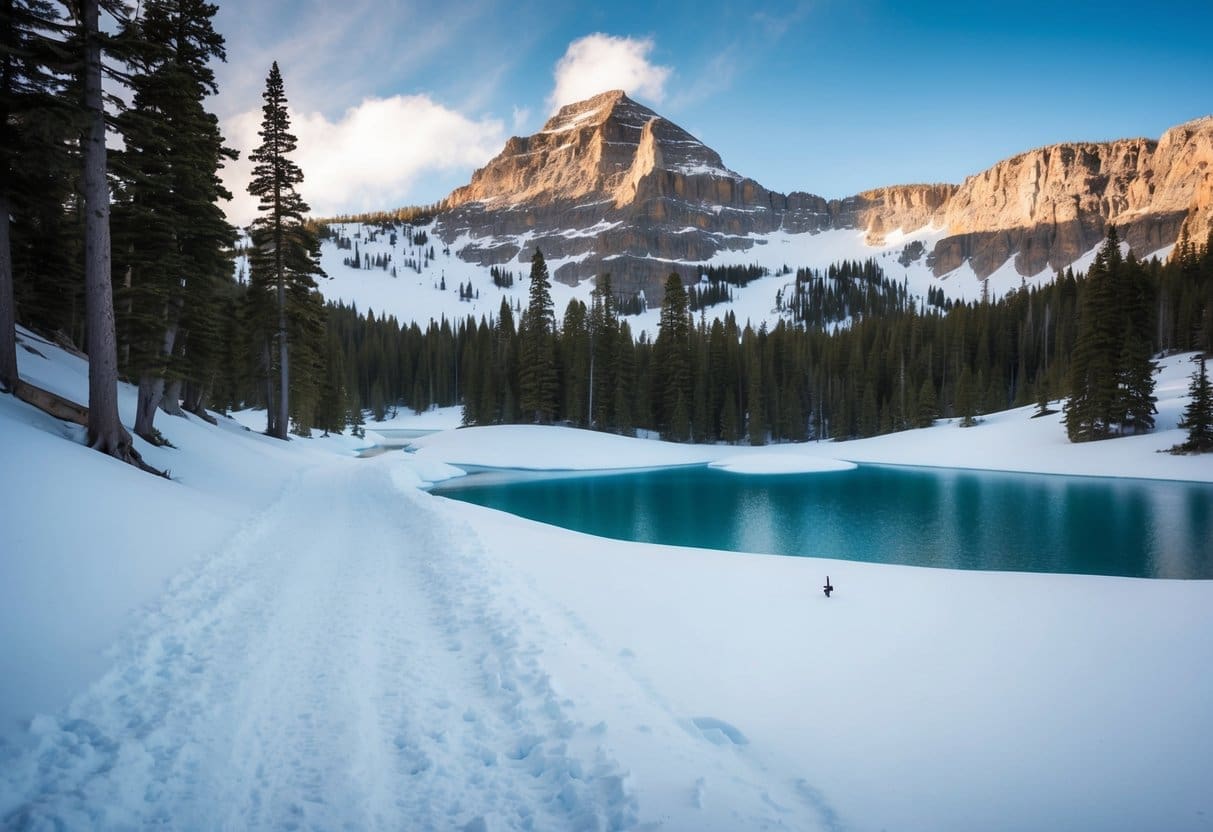
Looking for an adventurous way to enjoy winter in Washington? Snowshoeing might be just the thing for you!
With breathtaking landscapes covered in powdery snow, Washington offers a unique winter playground for all levels of snowshoers.
Picture yourself exploring majestic mountains, tranquil forests, and sparkling lakes, all while enjoying the peace and quiet of the snowy trails.

Some routes below are suitable for a first snowshoe trip. Others are ungroomed backcountry routes through avalanche terrain. Start with the access and conditions notes for each route.
Get ready to discover some of the top snowshoeing destinations in the state, each offering its own charm and challenges.
Don’t forget to prepare for your journey by considering rentals if you’re just starting out, checking weather conditions, and packing essential gear for a safe and thrilling adventure.
Table of Contents
If you’re just starting out, compare Hyak and Lake Easton first.
1. Mount Baker Wilderness Trail
Looking for an adventure that lets you trek through some seriously beautiful landscapes with your trusty snowshoes? Mount Baker Wilderness might just be calling your name!
Check current winter access for the specific trailhead rather than relying on summer directions.
Snow can cover signs and summer trail junctions.
Heliotrope Ridge is a summer hiking route that can present very different conditions in winter. Don’t use summer mileage or ratings to judge a snowshoe trip.
Winter road and parking access are not confirmed here.
If you’re new to snowshoeing, choose a managed winter route instead.
Check the regional avalanche forecast and forest alerts before choosing any backcountry route.
See Forest Service road and trail alerts for the latest access information.
Have a backup route in case the intended trailhead is closed.
Check your group’s comfort with winter navigation before heading into the backcountry.
2. Artist Point Trail
This route looks out toward Mount Baker and Mount Shuksan when visibility is good. Plan it as a backcountry outing.
The trek is about 4 miles round trip, making it perfect for a day out in the winter wonderland.
SR 542 is closed above the Bagley Lakes trailhead and upper ski area parking for winter. You can’t drive to the Heather Meadows visitor center or Artist Point past the gate. Check the Forest Service closure notice and the WSDOT road report before leaving.
The trail gains around 1,000 feet in elevation, so get ready for a steady climb. Remember to pack your camera—you’re going to love the view!
Along the way, you’ll pass through stunning landscapes. Think snow-blanketed trees and wide-open vistas.
As you head towards Austin Pass, you’ll be surrounded by peaceful scenery that feels far away from the hustle and bustle.
When you reach Artist Point, the vistas are truly breathtaking. You’ll see beautiful views of Mount Shuksan and Mount Baker.
It’s a view that’s worth every step you take. The tranquility and beauty of this spot make it a favorite among snowshoers.
Be sure to dress warmly and bring the essentials: water, snacks, and your sense of adventure! This snowy trek can be chilly, so layers are your best friend.
Keep an eye on the weather and trail conditions to ensure a safe and enjoyable trip.
Artist Point is an ungroomed winter backcountry route that crosses avalanche terrain. Tracks from other visitors don’t tell you whether a slope is safe or where the route goes. Check the NWAC avalanche forecast. If you don’t have avalanche training and gear, choose a managed winter route or a guided introduction to winter travel instead.
3. Gold Creek Pond Trail
Restoration closure: The Gold Creek Pond day-use area is closed April 1 through November 30 annually under the restoration order, through June 22, 2028 unless rescinded. Check our Gold Creek Pond winter guide for current details.
Winter nonmotorized access is planned from December 1, conditions permitting. Confirm it before leaving, even if Sno-Park parking is open.
When winter access is open, the pond loop is relatively flat. The approach depends on snow coverage, plowing and where you can park legally.
Use Gold Creek Sno-Park when open and display a valid Sno-Park permit.
Allow extra time for the walk from winter parking, and turn back if ice or poor visibility makes the approach uncomfortable.
As you make your way, you’ll be surrounded by lovely snow-draped trees and land right at a beautiful lake at the end. It feels almost like stepping into a winter postcard.
Share the route with cross-country skiers and stay off any set ski tracks.
If you need rentals, check availability and hours before you go.
If the pond is closed, look at the managed routes at Hyak or Lake Easton below.
4. Kendall Peak Lakes Trail
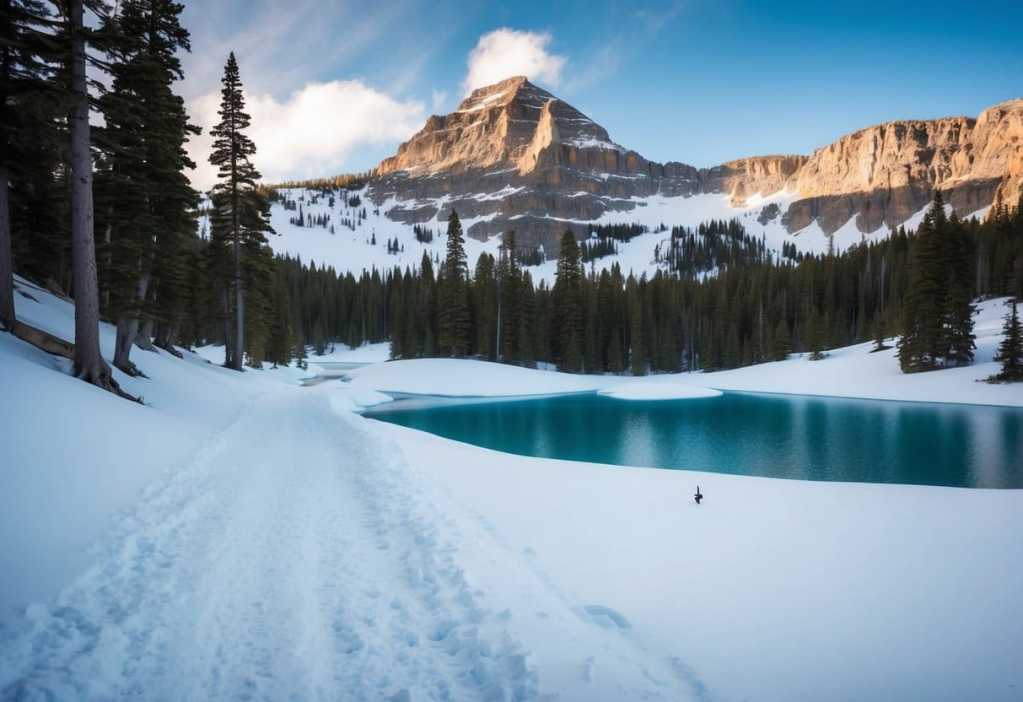
Looking for an exciting snowshoe adventure near Seattle? Kendall Peak Lakes Trail might be just what you need.
Kendall Peak Lakes is a longer winter outing with variable conditions. Don’t treat it as an automatic beginner option.
Start at Gold Creek Sno-Park, when open. A Sno-Park permit is required.
As you set out, you’ll find this 8.4-mile out-and-back route to be challenging yet rewarding.
Check the NWAC avalanche forecast and choose a turnaround point based on snow, visibility and terrain.
Don’t miss this opportunity to connect with nature’s beauty.
Kendall Peak Lakes Trail offers an enjoyable escape into Washington’s winter landscapes. Take your time and savor the view while getting a great workout. This snowshoe adventure will surely make your winter one to remember.
5. Hyak SnoPark Trail
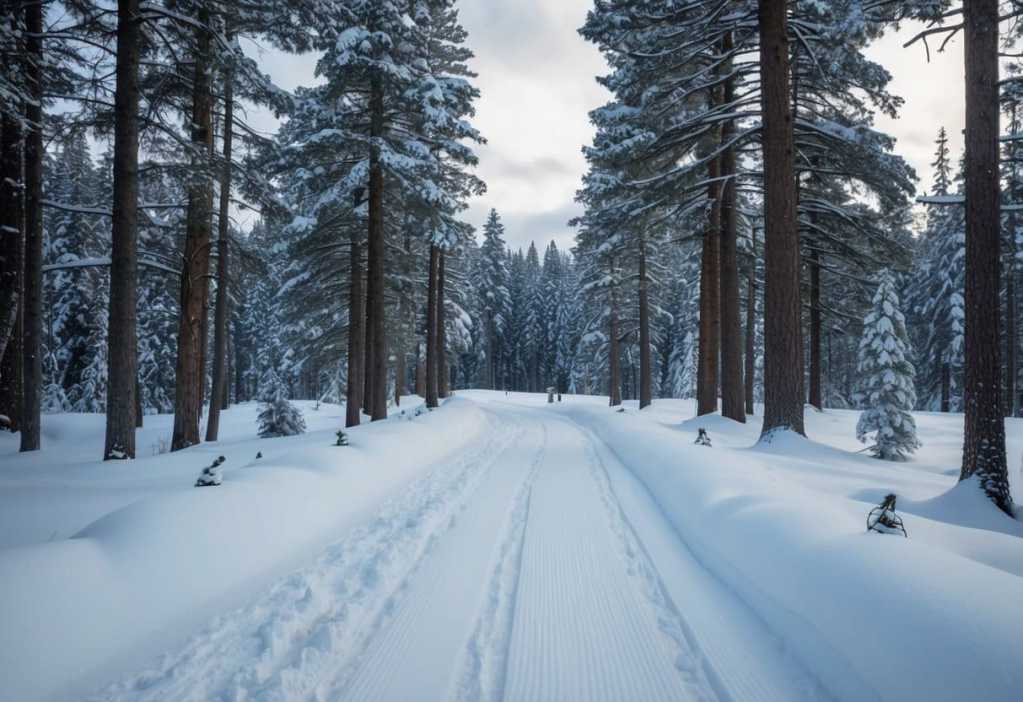
Ready for a snowy adventure? The Hyak SnoPark Trail in Washington is a perfect place for your next trip.
Check the Hyak Sno-Park page for current grooming and access.
No need to worry if you’re new to snowshoeing. The trails here are beginner-friendly, so you can enjoy the snow even if it’s your first time.
Stay clear of set ski tracks. A one-day Sno-Park permit covers parking. With a seasonal permit, add the Special Groomed Trails permit. See the Washington Sno-Park permit rules.
Don’t forget about the Hyak SnoPark Sledding Hill. If you want to mix up your day, grab a sled and slide down for a thrilling ride. Plus, heated bathrooms are nearby, keeping you cozy during breaks.
Hyak SnoPark sits at an elevation of 2,560 feet. This gives you lovely views of the snow-covered landscape.
If you’re coming from Seattle, just take I-90 East for about 50 miles and follow the signs to reach this winter wonderland.
If you’re planning to visit, make sure to check the weather and road conditions. The Washington Department of Transportation provides updates for Snoqualmie Pass.
Staying informed helps ensure a safe and smooth adventure.
Dressing in layers is a smart move. With changing temperatures, you’ll want options to stay comfortable.
Bring along water, snacks, and maybe a camera to capture the beautiful scenery. Above all, enjoy your snowy outing at Hyak SnoPark Trail!
6. Lake Easton SnoPark Trail

Looking for a snowshoeing trail that offers a bit of everything? Lake Easton SnoPark might be just what you need.
Nestled in the Blewett/I-90 region, it’s perfect for both beginner and seasoned snowshoers. It’s got scenic views to boot—imagine the beautiful Yakima River accompanying you as you trek through the park.
Lake Easton is a non-motorized SnoPark, so you won’t have to deal with the noise of snowmobiles. This makes for a peaceful outing where you can truly enjoy the crunch of snow beneath your feet.
A one-day Sno-Park permit covers parking. With a seasonal permit, add the Special Groomed Trails permit. See the Washington Sno-Park permit rules.
Check the posted map for snowshoe routes and keep clear of groomed ski tracks.
Just remember, dogs are not allowed on groomed ski trails, so plan accordingly.
Choose a route that matches your group and the day’s grooming and snow conditions.
It’s a unique experience that might make you appreciate winter in a whole new light.
So whether you’re a novice or experienced snowshoer, Lake Easton offers a picturesque getaway with trails that promise relaxation and adventure. What’s holding you back? Grab your gear and hit the snow!
7. Mount Rainier National Park Trail
At Mount Rainier, plan around Paradise road access first. Panorama Point via Skyline crosses avalanche terrain in winter. Skip it if you don’t have the training and gear to travel in that terrain.
Distances and route choices change with snow cover. Check with park staff before choosing a route for your group.
Paradise is another spot you can’t miss! It’s famous for breathtaking views and is a top pick for snowshoe fans.
The entrance on the south side, Nisqually Entrance, is your gateway to these snowy adventures. Plus, it provides access to many of the park’s paths.
The Longmire gate may close all day in bad conditions. Check the Mount Rainier winter travel page for current status and the downhill cutoff. Carry tire chains from November 1 through May 1, even with AWD or 4WD.
Ask about the marked winter routes and stay with a route that matches your experience and the day’s conditions.
Think of all the alpine trees covered in snow and the endless stretches of white mountainsides. When you get here, you’ll feel like you’re in your winter dreamland.
So grab your snowshoes and get ready for an unforgettable adventure at Mount Rainier. There’s a whole world of snowy beauty waiting for you.
8. Leavenworth Ski Hill Trail

If you’re in the mood for some winter fun, the Leavenworth Ski Hill Trail is a great spot to check out. Located just two miles from downtown Leavenworth, this trail offers a nice mix of adventures for snow lovers.
You’ll find snowshoeing trails that range from easy to difficult, catering to all skill levels.
One of the coolest features here is the two rope tows for alpine skiing. These are perfect if you’re looking to add a bit of speed to your day.
There are also 7 kilometers of Nordic skiing paths to glide along, with 5 kilometers specially lit for night skiing, creating a magical evening experience.
Love a bit of variety? You’re in luck!
You can switch things up with a quick ride down the tubing hill or try out the groomed singletrack for fat-biking. The snowshoe trails are marked by the footsteps of other hikers, giving you a more natural experience in the snow.
Friendly tip: don’t miss the beautiful scenery around the Wenatchee River Valley.
Whether you’re a beginner or an experienced snowshoer, you’ll enjoy the stunning views that make all the hard work feel worthwhile.
So, grab your gear and head out to Leavenworth Ski Hill Trail for a snowy adventure you won’t forget!
9. Snoqualmie Pass Trail

Have you ever tried snowshoeing in Snoqualmie Pass? This trail in the Mount Baker Snoqualmie National Forest offers a perfect winter adventure. It’s great for beginners who want to learn snowshoeing.
With gorgeous mountain views, you’ll find plenty of spots to pause and enjoy the scenery.
Before you hit the trail, remember to grab a park pass. It’s needed for access during the winter months.
You might want to bring along snowshoes or microspikes. They’ll help you get around the snowy terrain and around the pond with ease.
Looking for snowshoe rentals? The Summit at Snoqualmie has you covered. They offer rentals and trail tickets, making it easy to explore the area.
If you’re new to snowshoeing, you can even join classes and events at REI Snoqualmie Rentals.
Snoqualmie Pass also boasts multiple trails with varying difficulty levels, so you can choose what suits you best.
Feeling adventurous? Check out the Nordic Pass Trail. It starts on forest roads and finishes on forest slopes.
This route is around 6 miles with an elevation gain of 1,600 feet. Good navigation skills will come in handy here.
For snowshoers with some experience, try the Talapus Lake Snowshoe route. It’s a 10-mile round trip with a 1,600-foot elevation gain.
You’ll be treated to a stunning view of snow-covered Talapus Lake on sunny afternoons.
Embark on your snowy adventure and discover the winter beauty of Snoqualmie Pass!
10. Hurricane Ridge Trail

Imagine trekking through a winter wonderland, with snow-draped mountains surrounding you. Welcome to Hurricane Ridge Trail in Olympic National Park! This is one of Washington’s top spots for snowshoeing.
Hurricane Ridge offers something for everyone, from beginners to advanced snowshoers.
Ask park staff which routes are appropriate for your experience and the day’s conditions before heading out.
The views here are simply breathtaking. You get a stunning panorama of Mount Baker, Mount Olympus, Glacier Peak, and even the sparkling waters of Puget Sound and the Strait of Juan de Fuca. Don’t forget your camera to capture this natural masterpiece!
Planning a visit? Keep an eye on the weather and road conditions.
Winter operations are scheduled to start November 28, 2026, weather permitting. Check Olympic National Park’s winter access page before leaving for road, chain and entry requirements.
Winter miles can differ from the summer trail. Use the park’s winter map.
The ridge has no indoor warming area, food service or potable water. Bring what you need for the day.
Hurricane Ridge is more than just a trail; it’s an experience.
Imagine yourself snowshoeing through fresh powder, under a sky of dazzling blue, with the world at your feet. Pack your gear, bundle up warmly, and get ready for a snowy adventure you’ll never forget!
Essential Tips for Snowshoeing in Washington

Venturing into the snowy wonderlands of Washington State is thrilling. To ensure you have a safe and enjoyable snowshoeing adventure, understanding weather conditions, prioritizing safety, and choosing the right gear are crucial. Let’s talk about how to make your trip awesome!
Understanding the Weather Conditions
Washington State’s weather can be quite unpredictable in winter. Always check the forecast before heading out.
A sunny morning might turn into a snowy afternoon, so make sure you prepare for sudden changes.
Temperature can drop drastically, especially in higher altitudes like Mount Rainier or Olympic National Park. Dress in layers to keep warm.
Wear a moisture-wicking base layer, an insulating middle layer, and a waterproof outer layer.
Visibility can be another challenge due to snow or fog. Know the weather updates so you’re prepared for reduced visibility and slippery trails. Planning ahead will help you adjust your plans if necessary.
Safety Measures to Consider
Your safety comes first. Always inform someone about your snowshoeing plans.
Tell them where you’re going and your expected return time. This ensures someone knows where to find you if needed.
Bring a first-aid kit for emergencies. It’s a small thing to carry that can make a big difference.
Ensure you have a map or a GPS device. Trails might not be well-marked when covered in snow, so navigation tools are key.
Watch out for possible avalanches in certain areas. Before setting out, check avalanche forecasts.
Avoid steep, snow-covered slopes. Stay on marked trails to minimize risks and stick to areas deemed safe by local authorities.
Recommended Gear and Equipment
Choosing the right gear is essential. Start with basic necessities: snowshoes tailored to your weight and the snow conditions.
Lightweight options are available for beginners, and rental places often provide good advice.
Wear waterproof boots to keep your feet dry and warm. Wet socks can ruin your adventure faster than you can say “snowshoe.”
Don’t forget trekking poles for balance and support on uneven terrain.
Pack plenty of water and snacks. You’ll need energy, especially on longer trails like those in Snoqualmie Pass.
Carry a backup power bank to keep your devices charged. Trust me, you’ll want to capture those stunning views!
Benefits of Snowshoeing
Snowshoeing is a fun way to get great exercise while enjoying winter landscapes. It not only strengthens your body but also boosts your mood and melts stress away. Let’s discover how it can be good for both your physical and mental health.
Physical Health Benefits
Snowshoeing is an effective cardio workout that helps you burn calories and build strength.
Did you know you can burn up to 600 calories an hour while snowshoeing? That’s more than what you’d burn while walking at the same pace!
Plus, the resistance of moving through snow increases your muscle strength and endurance.
Another great thing is that it’s low-impact, making it easier on your joints than running.
This makes it a perfect choice for people looking to avoid stress on their knees and ankles.
You’re working out major muscle groups, including your thighs, calves, and core. And guess what? Better balance and flexibility are extra bonuses from those workouts!
Mental Health and Stress Relief
Feeling stressed out? Snowshoeing can help clear your mind and lift your spirits.
Being surrounded by nature’s beauty and fresh air can make you feel calm and happy.
Just imagine the quiet crunch of snow under your shoes and the sight of peaceful snow-covered trees—that’s enough to bring a smile to anyone’s face.
Exercise like snowshoeing releases endorphins, the body’s natural mood lifters. This can help reduce anxiety and depression.
Being in nature has proven mental health benefits, too. It can improve your attention span and creativity.
So go ahead and strap on those snowshoes for a mix of fitness and fun in the great outdoors!
Frequently Asked Questions
When planning your snowshoeing adventure in Washington, you want to pick the best trails, understand the fitness benefits, and be properly equipped. Knowing what to expect and what to bring makes your trip much more enjoyable!
What are the best snowshoeing trails in Washington State for a winter adventure?
Washington offers some fantastic trails like Mount Baker Wilderness Trail and Artist Point Trail.
Check restoration access before choosing Gold Creek Pond. Hyak is an alternative when it’s open.
Whether you’re searching for a challenging trek or a peaceful stroll, there’s a path for you.
Can snowshoeing be a good fitness activity for seniors?
Snowshoeing is an excellent fitness activity for seniors.
It’s low-impact, making it easy on the joints, and provides a great cardiovascular workout.
You’ll increase your endurance and strength while enjoying the beautiful winter scenery.
Are special shoes required for snowshoeing, or can I use my regular winter boots?
You’ll need snowshoes for this activity. Regular winter boots won’t provide the right support or flotation.
Renting snowshoes is a good option if you’re trying it for the first time. Your existing winter boots should fit snugly into the snowshoe bindings.
How does snowshoeing difficulty compare to regular hiking?
Snowshoeing can be more challenging than hiking due to the snow’s resistance. It requires more effort, so expect to burn more calories.
However, like hiking, trails can vary from easy to difficult.
Start with a beginner trail to get used to it and then explore more challenging routes.
What should I expect when visiting Artist Point for snowshoeing?
Artist Point crosses avalanche terrain and isn’t a groomed beginner trail. Check the NWAC avalanche forecast and road status before deciding whether to go.
The area can get windy, so dress warmly and be prepared for changing conditions.
What are the essential items to bring on a snowshoeing trip in Washington?
Bring layers of clothing to stay warm. Also, bring waterproof gloves and a hat. Don’t forget plenty of water and high-energy snacks. A map or GPS device is handy for navigation. Make sure to bring a fully charged phone as well. Lastly, let someone know your plans before you head out.
Growing up in the Pacific Northwest, we’ve always felt at home in the outdoors. We created Evergreen Adventures PNW to share our love of hiking, camping, and exploring, and to help others discover the best adventures this region has to offer. Along with trip guides and tips, we also enjoy diving into the science behind the landscapes—thanks to a background in Environmental Science—because understanding nature makes every adventure even more meaningful.