
Start with the part of Western Washington you can reach, then check road access, parking and whether your group needs a managed trail. This guide points you to options by region.
For your first trip, read the beginner snowshoeing guide and start with a short route outside avalanche terrain. For a route-by-route list, see our statewide snowshoe roundup.
With so many options, it can be hard to know where to start. Fortunately, there are plenty of resources available to help you plan your snowshoeing adventure. From guidebooks to online forums, you can find information on everything from trail conditions to gear recommendations. With a little research and some preparation, you can have a safe and enjoyable snowshoeing experience in Western Washington.
Table of Contents
Choosing the Best Trails
When it comes to the best snowshoeing in Western Washington, there are plenty of trails to choose from. But how do you decide which one is the best for you? Here are a few things to consider:
Snow Conditions
The first thing to consider when choosing a snowshoe trail is the snow conditions. Some trails may have fresh powder, while others may be packed down and icy. Make sure to check the weather forecast and trail conditions before heading out.
Trail Difficulty
Another important factor to consider is the difficulty level of the trail. If you’re new to snowshoeing, you may want to start with an easy trail with minimal elevation gain. On the other hand, if you’re an experienced snowshoer looking for a challenge, you may want to try a more difficult trail with steep climbs and descents.
Trail Length
Consider how long you want to be out on the trail. Some snowshoe trails are just a mile or two, while others may be several miles long. Make sure to check the trail mileage before heading out.
Special Permits
Some snowshoe trails in Western Washington require special permits, so make sure to do your research beforehand. For example, some groomed trails require a special permit to use.
Destination
Consider what you want to see on your snowshoeing adventure. Do you want mountain views, a peaceful forest, or a frozen lake? Choose a trail that will take you to your desired destination.
Overall, there are many factors to consider when choosing the best snowshoe trails in Western Washington. Keep in mind the snow conditions, trail difficulty, trail length, special permits, and destination. With a little research and planning, you can find the perfect winter hiking trail for you.
Best Snowshoeing in Western Washington
Snoqualmie Pass: Use our Snoqualmie Pass snowshoe planning guide to compare Hyak, Lake Easton and Gold Creek Pond. Check the Gold Creek Pond access and parking guide before visiting the pond; restoration affects seasonal access.
Mount Baker and the Olympics: Use our Mount Baker winter access guide for Artist Point, which crosses avalanche terrain. Check the Olympic National Park winter access page before driving to Hurricane Ridge.
Mount Rainier: Start with the park’s winter road and chain rules and ask park staff which Paradise route suits the day’s conditions. Deep snow can hide the summer trail, and some routes cross avalanche terrain.
Mount St. Helens: Check the local land manager’s winter parking and trail conditions before driving to Marble Mountain or trying a backcountry route.
No matter where you go, make sure to check the trail conditions and bring proper gear, including snowshoes, poles, and warm clothing. The Washington Trails Association is a great resource for trail information and updates.
Safety Measures for Snowshoers
Snowshoeing can be a fun and rewarding activity, but it’s important to take safety measures to ensure a safe and enjoyable experience. Here are some tips to help you stay safe while snowshoeing in Western Washington.
Check the Avalanche Conditions
Before heading out, check the avalanche conditions in the area you plan to snowshoe. The Northwest Avalanche Center provides up-to-date information on avalanche risk and conditions. Avoid avalanche hotspots and areas with high avalanche danger.
Know Your Limits
Choose a trail that matches your fitness level and experience. Consider the elevation gain and distance of the trail. Don’t push yourself too hard, and take breaks when needed.
Bring Proper Gear
Make sure you have the proper gear for snowshoeing. This includes snowshoes, waterproof boots, warm clothing, sun protection, a flashlight or headlamp, and an emergency shelter. It’s also a good idea to bring a compass and map to navigate.
Hydrate and Fuel Up
Drink plenty of water and bring snacks to keep yourself hydrated and fueled up during your snowshoeing adventure.
Be Aware of Wildlife
Western Washington is home to a variety of wildlife, including bears and cougars. Be aware of your surroundings and make noise to alert wildlife of your presence. Keep a safe distance and never approach wildlife.
Obtain a Sno-Park Permit
If you plan to park at a non-motorized Sno-Park, you will need a Sno-Park permit. These permits can be purchased online or at various retail locations.
By following these safety measures, you can enjoy a safe and enjoyable snowshoeing experience in Western Washington. Remember to always be prepared and stay aware of your surroundings.
Tips and Resources for Planning Your Trip
When planning your snowshoeing trip in Western Washington, there are a few tips and resources that can help you make the most of your experience. Here are some things to consider:
Know the Difficulty Level
Before you hit the trails, make sure you know the difficulty level of the snowshoeing route you plan to take. Some trails may be more challenging than others, so it’s important to choose a route that matches your skill level. The Washington Trails Association provides detailed trail reports that include information on the difficulty level of each trail, as well as any hazards to be aware of.
Check Trip Reports
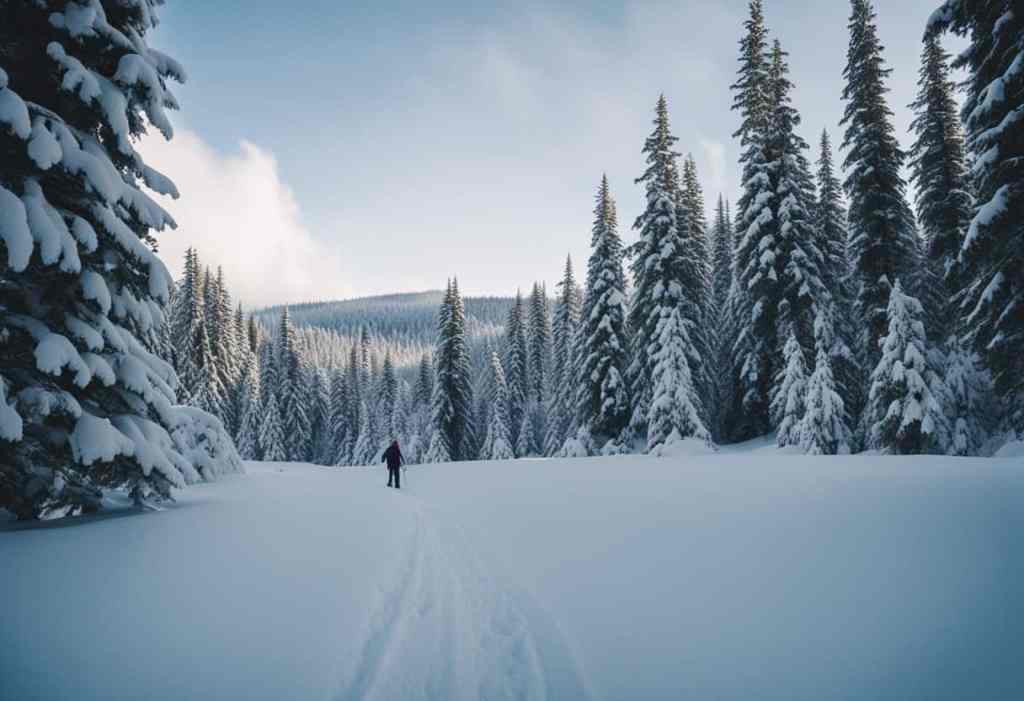
Checking trip reports can be a great way to get a sense of what to expect on a particular snowshoeing route. Trip reports are written by other snowshoers who have already completed the trail, and they can provide valuable information on trail conditions, weather, and any other issues that may affect your trip.
Consider Groomed Trails
If you’re new to snowshoeing or prefer a more groomed experience, consider checking out one of the many groomed snowshoeing trails in Washington State. Sno-Parks are a great resource for finding groomed trails, and many of them offer amenities like warming huts and restrooms.
Use a Hiking Guide
Using a hiking guide can be a great way to plan your snowshoeing trip. REI offers a variety of hiking guides that cover snowshoeing trails in Western Washington, and they can provide valuable information on trail difficulty, distance, and other important factors.
Pack the Ten Essentials
No matter what snowshoeing route you choose, it’s important to pack the Ten Essentials. These are the ten items that are recommended for all outdoor activities, and they include things like a map and compass, extra food and water, and warm clothing.
By keeping these tips and resources in mind, you can plan a successful snowshoeing trip in Western Washington.
Frequently Asked Questions
Where are the best snowshoeing trails in Western Washington?
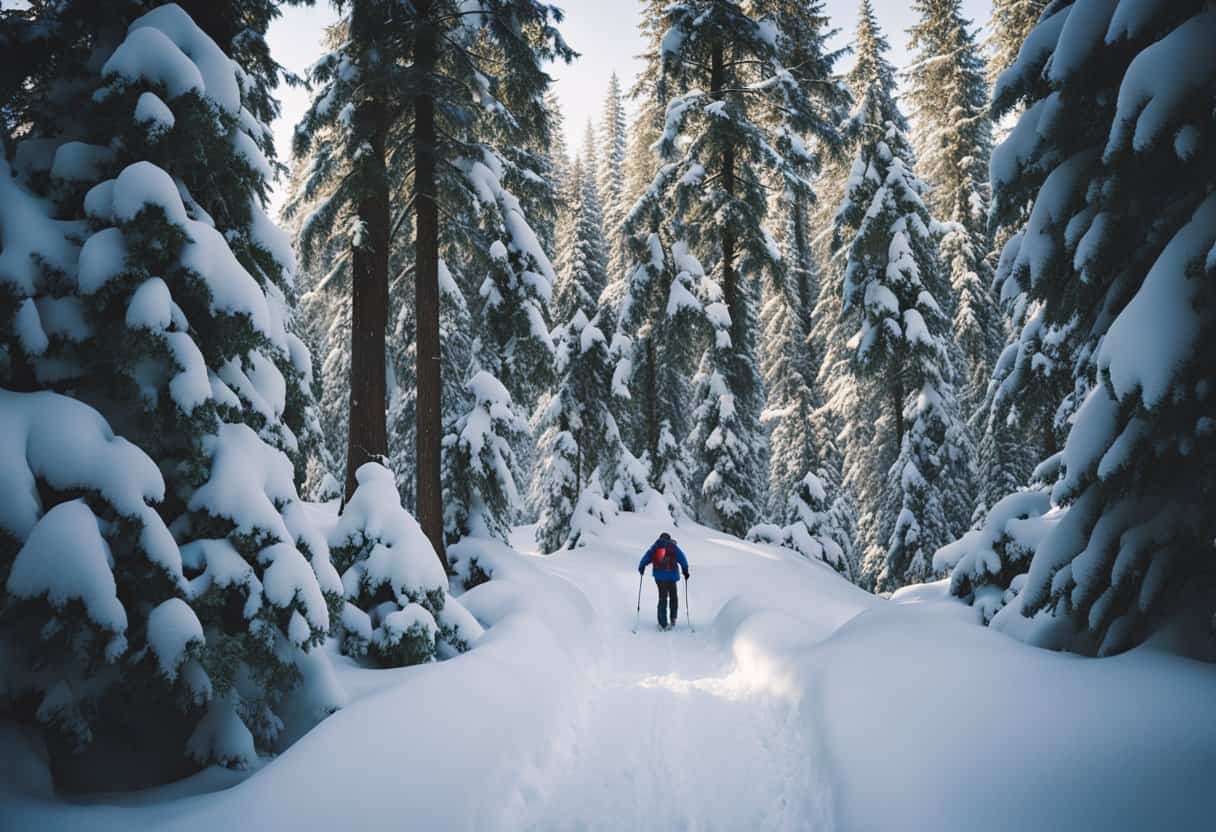
Western Washington is home to some of the best snowshoeing trails in the country. Some of the most popular trails include Hurricane Ridge, Lake 22 Trail, and Lake Cle Elum. These trails offer stunning views of the surrounding mountains and forests and are perfect for both beginners and experienced snowshoers.
What are some popular snowshoeing trails near Leavenworth?
Leavenworth is a popular destination for snowshoeing, and there are several great trails in the area. Some of the most popular trails include the Icicle Gorge Trail, the Snow Creek Trail, and the Lake Wenatchee State Park Trail. These trails offer beautiful views of the surrounding mountains and forests and are perfect for all skill levels.
What is the snowshoeing experience like at Artist Point?
Artist Point is an ungroomed winter route through avalanche terrain. Check the Northwest Avalanche Center forecast and see the Mount Baker guide for the seasonal gate. If you’re new to winter travel, choose a managed route instead.
What are the top snowshoeing routes at Alpental?
Alpental sits near winter backcountry. Don’t carry a summer description of Snow Lake or Commonwealth Basin over to winter. See our Snoqualmie Pass snowshoe planning guide for lower-commitment options.
What are some recommended snowshoeing trails in the North Cascades?
Where are some good places to go snowshoeing near Ellensburg, WA?
Ellensburg is a great destination for snowshoeing, and there are several great trails in the area. Some of the most popular trails include the Manastash Ridge Trail, the Umtanum Ridge Trail, and the Yakima Skyline Trail. These trails offer beautiful views of the surrounding mountains and forests and are perfect for all skill levels.
Growing up in the Pacific Northwest, we’ve always felt at home in the outdoors. We created Evergreen Adventures PNW to share our love of hiking, camping, and exploring, and to help others discover the best adventures this region has to offer. Along with trip guides and tips, we also enjoy diving into the science behind the landscapes—thanks to a background in Environmental Science—because understanding nature makes every adventure even more meaningful.