
North Cascades National Park is a stunning natural wonderland located in Washington state, known for its rugged peaks, glaciers, and pristine alpine lakes. But one of the park’s most beloved features is its wildflowers. The park’s rich and diverse flora is a testament to the unique ecology of the region, which encompasses a wide range of habitats from wet hillside seeps to dry east-side slopes and exposed alpine ridges.

North Cascades National Park wildflowers are a sight to behold, with colorful blooms carpeting the landscape in a dazzling array of hues. Visitors can expect to see everything from red columbine and elephant head lousewort to lupines, Indian paintbrush, and more. These wildflowers are not only beautiful to look at, but they also play a crucial role in the park’s delicate ecosystem, providing food and habitat for a variety of wildlife species.
Key Takeaways
- North Cascades National Park in Washington state is home to a diverse range of wildflowers that bloom throughout the park’s many habitats.
- The park’s wildflowers are not only beautiful, but they also play a critical role in the ecosystem, providing food and habitat for many wildlife species.
- Visitors to the park can enjoy a variety of recreational activities, including hiking, camping, and wildlife watching, while also learning about the park’s conservation efforts to protect its unique flora and fauna.
Table of Contents
Geography of North Cascades
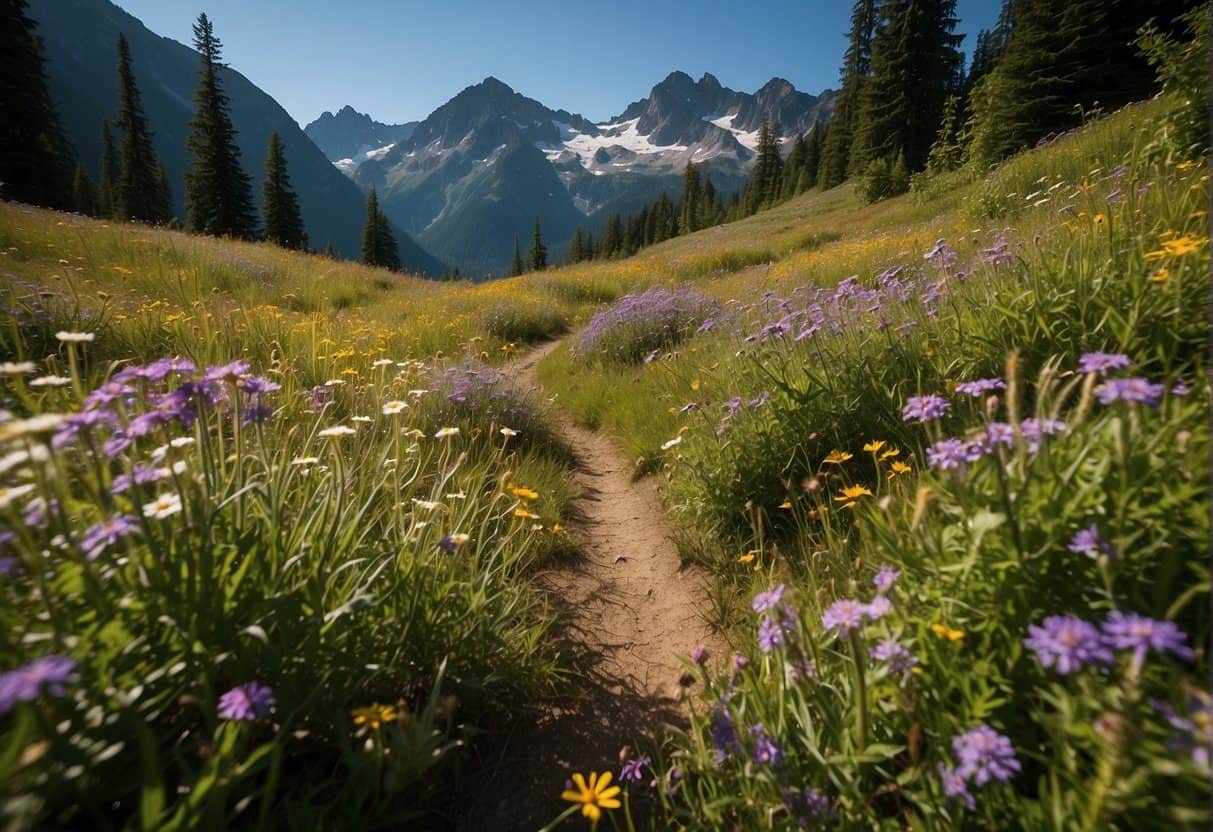
North Cascades National Park is located in the northern part of Washington State, a part of the greater Pacific Northwest. It is a vast wilderness area that spans over 500,000 acres and is home to a diverse range of plant and animal species. The park is famous for its wildflowers, which bloom in abundance during the summer months.
Mountains and Glaciers
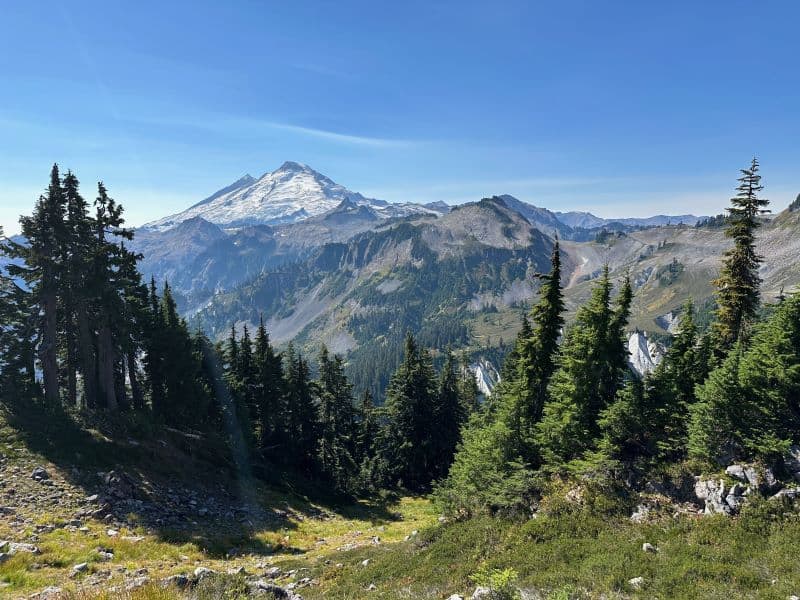
North Cascades National Park is characterized by its rugged mountain terrain and numerous glaciers. The park is home to several peaks that rise over 10,000 feet, including Mount Baker, which is the highest peak in the park. The glaciers in the park are remnants of the last ice age and are a major attraction for visitors.
Climate and Elevation
The climate in North Cascades National Park is characterized by its wet and cool weather conditions. The park receives an average of 120 inches of precipitation each year, which is mostly in the form of snow. The elevation in the park ranges from sea level to over 9,000 feet, which creates a wide range of microclimates and ecosystems.
Park Ecosystems
The Park is home to a diverse range of ecosystems, including subalpine meadows, old-growth forests, and alpine tundra. The park is also home to several rare and endangered plant and animal species, such as the grizzly bear and the gray wolf. The rock and soil types in the park are also diverse, ranging from granite to volcanic rock.
The Park is a unique and beautiful wilderness area that is home to a diverse range of plant and animal species. Its rugged mountain terrain and numerous glaciers make it a popular destination for outdoor enthusiasts and nature lovers alike.
Flora and Seasons – Best Times for North Cascades National Park Wildflowers
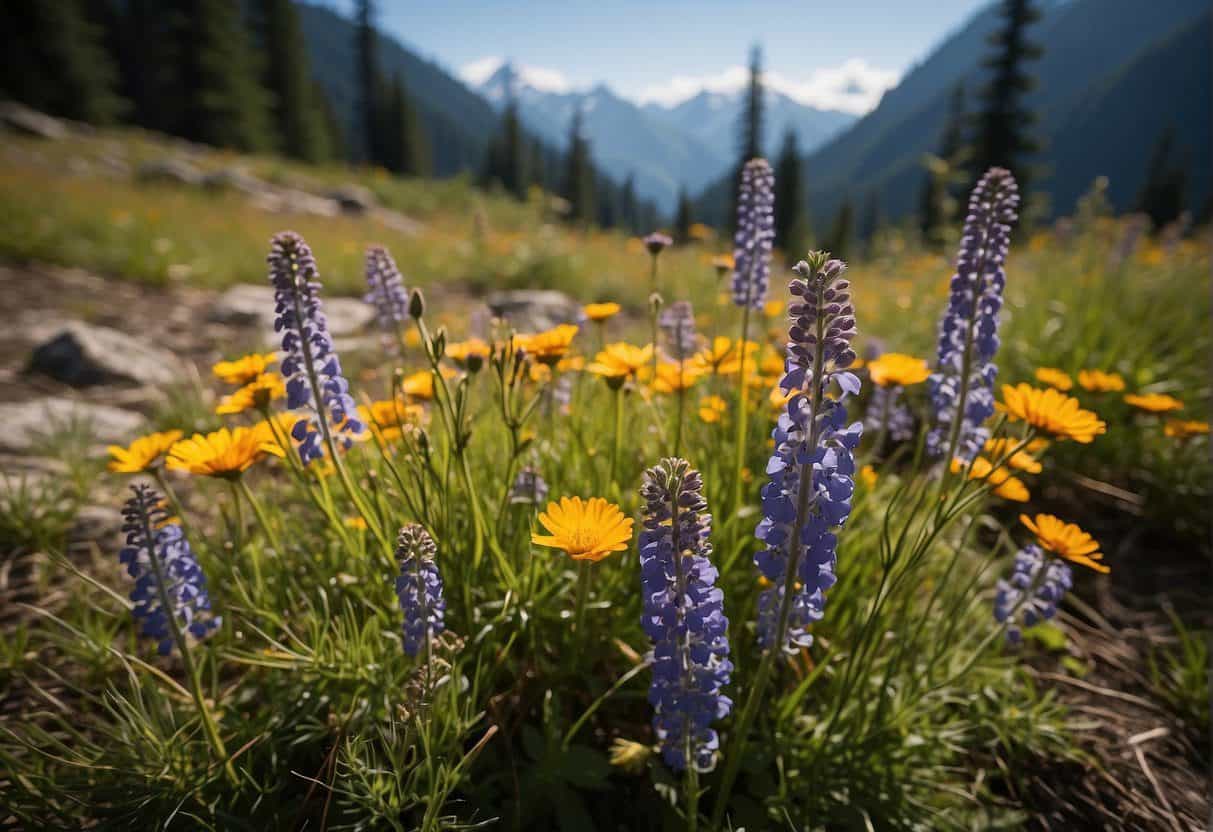
The North Cascades is a botanical wonderland, with over 1,630 vascular plant species identified in the park’s eight different life zones. The park’s extreme variation in rock and soil types, exposure, slope, elevation, and rainfall create many diverse habitats within a relatively small area. Wildflowers can be found everywhere, from wet hillside seeps and moist, shady forest floors to dry east-side slopes and exposed alpine ridges.
Spring Blooms
Spring is a time of renewal and rebirth. As the snow melts and the temperatures rise, the park’s wildflowers burst into bloom. Salmonberry and Indian Plum are among the first to bloom, followed by a profusion of trillium, bleeding heart, and other woodland flowers. The park’s lower elevations are awash in color, with hillsides covered in balsamroot, lupine, and other wildflowers.
Summer Wildflowers
Summer is the peak season for wildflowers. Cascade Pass and Sahale Arm Trail are two of the most popular hikes for viewing wildflowers in the park. The Cascade Pass trail offers stunning views of the surrounding mountains and valleys, as well as a wide variety of wildflowers, including lupine, paintbrush, and avalanche lilies. The Sahale Arm Trail takes hikers through meadows filled with wildflowers, including phlox, penstemon, and mountain heather.
Autumn Changes
As summer fades into fall, the park’s wildflowers begin to wind down. However, the park’s fall foliage is just as spectacular as its spring and summer blooms. Huckleberries, a favorite food of bears and humans alike, ripen in late summer and early fall, providing a colorful display of red, orange, and purple. The park’s deciduous trees, including aspen and maple, turn brilliant shades of yellow, orange, and red.
Winter Dormancy
In winter, North Cascades National Park is blanketed in snow, and the park’s wildflowers lie dormant. However, the park’s evergreen trees, including Douglas fir and western red cedar, provide year-round color and beauty. The park’s winter landscape is a wonderland of snow-covered mountains, frozen lakes, and icicle-covered waterfalls.
Recreation in the Park
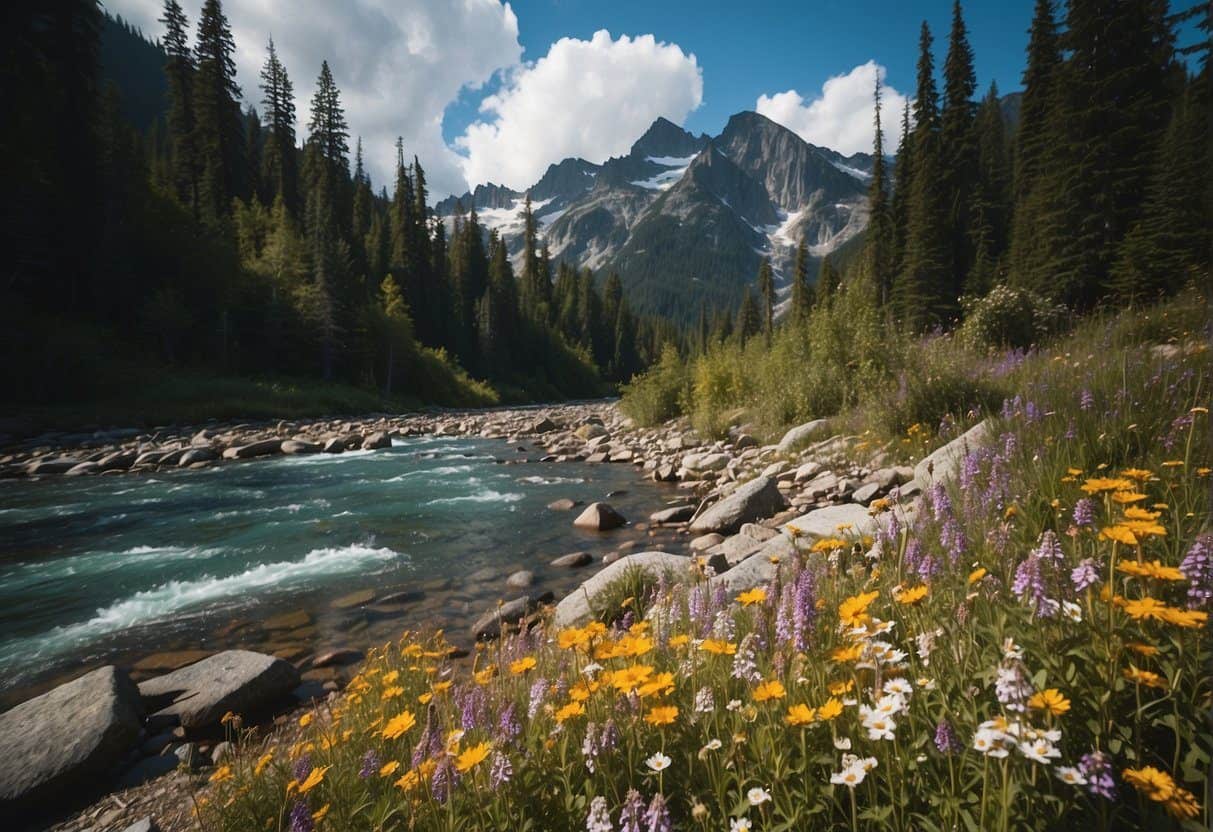
The North Cascades range are a great destination for outdoor enthusiasts. With over 300 miles of hiking trails, several campgrounds, and abundant wildlife, there is something for everyone to enjoy. Here are some of the recreational activities you can do in the park:
Hiking Trails
The park has a variety of hiking trails that range from easy to strenuous. One of the most popular trails is the Pacific Crest Trail, which runs through the park for over 30 miles. This trail offers panoramic views of the surrounding mountains and lakes.
Other popular trails include the Cascade Pass Trail, the Maple Pass Loop Trail, and the Thunder Creek Trail. These trails offer hikers the chance to see wildflowers, glaciers, and waterfalls.
Camping Sites
There are several campgrounds in the park, including the Newhalem Creek Campground, the Colonial Creek Campground, and the Goodell Creek Campground. These campgrounds offer a range of amenities, including picnic tables, fire rings, and restrooms. Some of the campgrounds also have RV hookups and showers. Camping is a great way to experience the park’s natural beauty and wildlife.
Wildlife Watching
The Park is home to a variety of wildlife, including black bears, mountain goats, and bald eagles. Visitors can spot these animals while hiking or camping in the park. The park also offers ranger-led wildlife-watching tours, which are a great way to learn about the park’s ecosystem and the animals that call it home.
Photography Opportunities
The park is also a photographer’s dream. The park’s rugged mountains, glaciers, and lakes offer stunning vistas that are perfect for landscape photography. The park is also home to a variety of wildflowers, which bloom in the spring and summer.
Photographers can capture images of lupines, paintbrushes, and other colorful flowers. The park’s wildlife also provides great photography opportunities, with black bears, mountain goats, and other animals often seen in the park.
Conservation Efforts

The North Cascades National Park is home to a diverse range of habitats and botanical diversity. As such, it is essential to protect and conserve these natural resources for future generations. The National Park Service has implemented several conservation efforts to protect the park’s wildflowers and other vascular plant species.
Protecting Biodiversity
The North Cascades National Park is home to over 1,600 vascular plant species, including many rare and endangered species. The park’s diverse habitats provide a home for a wide range of plant and animal species. To protect this biodiversity, the National Park Service has established several programs aimed at conserving the park’s flora and fauna.
One such program is the Native Plant Restoration Program, which aims to restore native species to areas of the park that have been impacted by human activities. The program uses a variety of techniques, including seed collection, propagation, and out-planting, to restore native plant communities.
Park Management
Effective park management is essential to conserving the park’s natural resources. The National Park Service has implemented several management practices to protect the park’s wildflowers and other plant species. These practices include:
- Limiting the number of visitors to the park to reduce the impact on the park’s natural resources
- Controlling invasive species that can outcompete native plant species
- Monitoring the park’s plant communities to detect changes in plant populations
- Conducting research to better understand the park’s plant communities and the threats they face
Visitor Education
Visitor education is an essential component of the National Park Service’s conservation efforts. The park offers a range of educational programs designed to teach visitors about the park’s natural resources and the importance of conservation. These programs include guided hikes, interpretive exhibits, and ranger-led talks.
By educating visitors about the park’s natural resources, the National Park Service hopes to foster a sense of stewardship for the park and its wildflowers. Visitors can help protect the park’s natural resources by following park rules and regulations, staying on designated trails, and respecting the park’s flora and fauna.
North Cascades National Park is a unique and valuable resource that must be protected for future generations. Through its conservation efforts, the National Park Service is working to protect the park’s wildflowers and other vascular plant species. By working together, we can ensure that the park’s natural resources remain intact for years to come.
Visitor Information
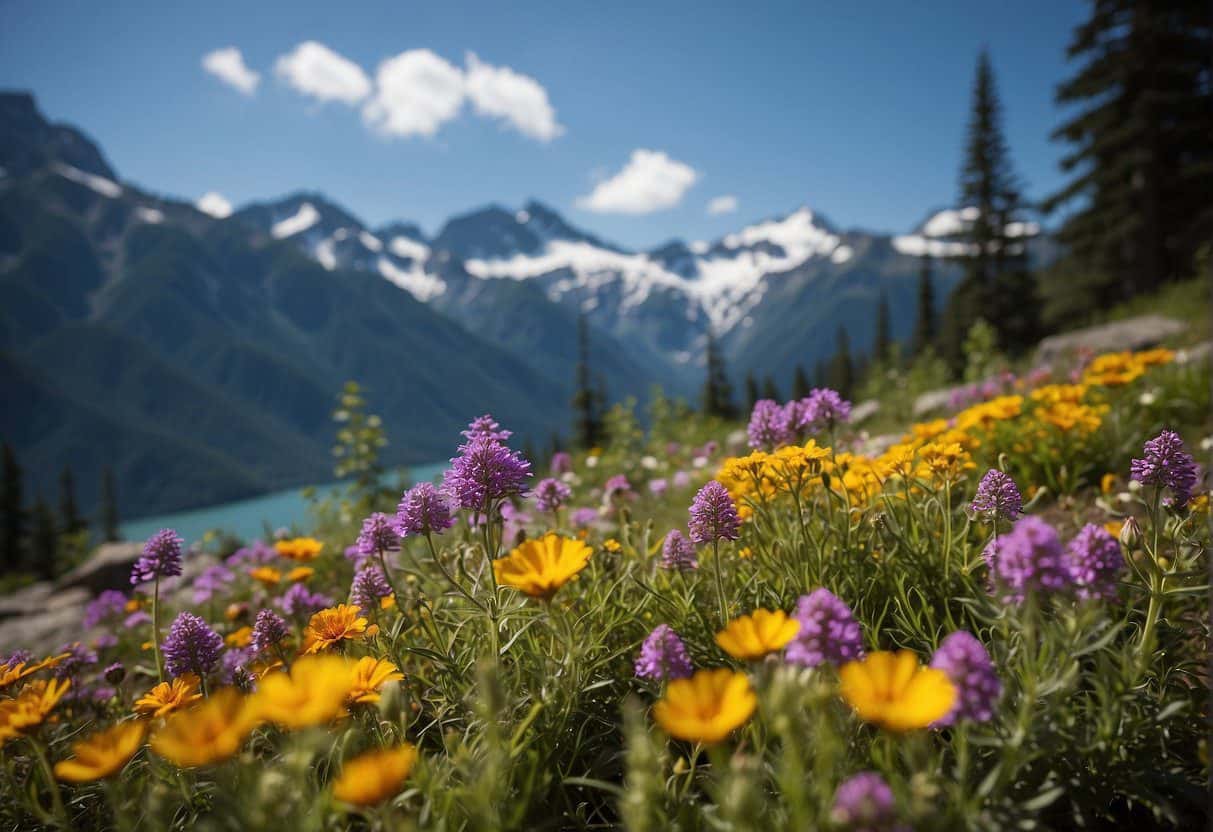
If you’re planning to visit North Cascades National Park to see the wildflowers, there are a few things you should know before you go. Here’s what you need to know about access and roads, the best times to visit, and safety and regulations.
Access and Roads
North Cascades National Park is located in northern Washington State, and there are a few different ways to get there. If you’re driving, the park is accessible via the North Cascades Scenic Highway, which is open year-round but can be closed due to snow in the winter. The highway offers stunning views of the surrounding scenery, including the Skagit Valley and Washington Pass Overlook.
If you’re coming from the west, you’ll likely enter the park via Marblemount. From Marblemount, you can access many of the park’s hiking trails and campgrounds. If you’re coming from the east, you’ll likely enter the park via Ross Lake. Ross Lake is a popular spot for boating and fishing, and there are several campgrounds in the area.
Best Times to Visit
The best time to visit North Cascades National Park to see the wildflowers is in late May and early June when the flowers are in full bloom. However, if you’re unable to visit during this time, there are still plenty of wildflowers to see throughout the summer months. August and early September are also good times to visit, as many of the flowers are still in bloom.
Safety and Regulations
When visiting North Cascades National Park, it’s important to follow all safety and regulations. This includes staying on designated trails, packing out all trash, and respecting wildlife. Additionally, if you plan on camping in the park, make sure to obtain a permit from one of the park’s ranger stations or visitor centers. There are several campgrounds available throughout the park, including those located near Ross Lake and in the Skagit Valley.
North Cascades National Park is a beautiful place to visit, especially if you’re interested in seeing the park’s wildflowers. With a little bit of planning and preparation, you can have a safe and enjoyable visit to this stunning park.
Frequently Asked Questions

What are the best trails for wildflower viewing in the North Cascades?
North Cascades National Park is home to a wide variety of wildflowers. There are several trails in the park that offer breathtaking views of these beautiful blooms. Some of the best trails for wildflower viewing are:
- Thunder Creek Trail
- Maple Pass Loop Trail
- Blue Lake Trail
- Heather-Maple Pass Loop Trail
- Cascade Pass Trail
When is the peak season to experience wildflower blooms in the park?
The peak season for wildflower blooms in the North Cascades National Park is typically from late June through early August, but there may be some flowers blooming from early June until the end of August. Keep in mind that peak bloom times can vary depending on the weather and other factors.
Can you recommend any guided tours that focus on the park’s wildflowers?
Yes, there are several guided tours that focus on the park’s wildflowers. Some of the most popular tours are:
- North Cascades Institute’s Wildflowers of the North Cascades Tour
- North Cascades National Park’s Wildflower Walks
- Skagit Guided Adventures’ Wildflower Tours
What varieties of wildflowers are commonly found in the North Cascades?
The North Cascades National Park is home to over 1,600 species of plants, including a wide variety of wildflowers and flowering plants. Some of the most commonly found wildflowers in the park are:
- Lupine
- Paintbrush
- Indian Paintbrush
- Columbine
- Glacier Lily
- Beargrass
- Elephant’s Head
Are there any specific areas within the park that are known for their floral diversity?
Yes, there are several areas within the park that are known for their floral diversity. Some of the most popular areas for wildflower viewing are:
- Heather Meadows
- Cascade Pass
- Blue Lake
- Thunder Creek
- Sahale Arm
What should I keep in mind regarding park regulations when hiking to see wildflowers?
When hiking in the North Cascades National Park, it is important to follow park regulations to ensure that the park remains a beautiful and pristine wilderness area for generations to come. Some of the most important regulations to keep in mind when hiking to see wildflowers are:
- Stay on designated trails to avoid damaging fragile plant life
- Do not pick or disturb wildflowers
- Pack out all trash and leave the area as you found it
- Follow all backcountry camping regulations if you plan to camp in the park
- Obtain any necessary permits before entering the park
Growing up in the Pacific Northwest, we’ve always felt at home in the outdoors. We created Evergreen Adventures PNW to share our love of hiking, camping, and exploring, and to help others discover the best adventures this region has to offer. Along with trip guides and tips, we also enjoy diving into the science behind the landscapes—thanks to a background in Environmental Science—because understanding nature makes every adventure even more meaningful.