
Washington State boasts a diverse range of national parks, each with its unique landscapes, wildlife, and recreational opportunities. At Olympic National Park, explore the vast wilderness that encompasses rainforests, beaches, and mountains. Mount Rainier National Park offers stunning alpine vistas and an active volcano. In North Cascades National Park, experience the rugged beauty of the Cascade Mountains.
Washington’s historic sites and trails offer insight into the state’s rich cultural heritage, from the Lewis and Clark National Historic Trail to the Whitman Mission National Historic Site. Witness the natural wonders of Washington State, from the stunning Palouse Falls to the towering Mount St. Helens.
Activities in Washington’s national parks are abundant, including hiking, camping, fishing, and wildlife viewing.
Washington State is a nature lover’s paradise, boasting some of the most stunning national parks in the country. If you’re looking for breathtaking views, you won’t be disappointed. The park offers scenic drives, wildlife viewing, and winter sports like skiing and snowshoeing. Whether you’re seeking a leisurely walk or a challenging backcountry trek, Mount Rainier National Park has it all.
Key Takeaways
- Washington State is home to some of the most beautiful and diverse national parks in the country.
- Mount Rainier National Park is a popular destination for avid hikers and nature enthusiasts, offering over 260 miles of hiking trails and breathtaking views.
- Visitors can enjoy scenic drives, wildlife viewing, and winter sports like skiing and snowshoeing in all three national parks in Washington State
Table of Contents
Exploring Washington’s National Parks: A Comprehensive Guide
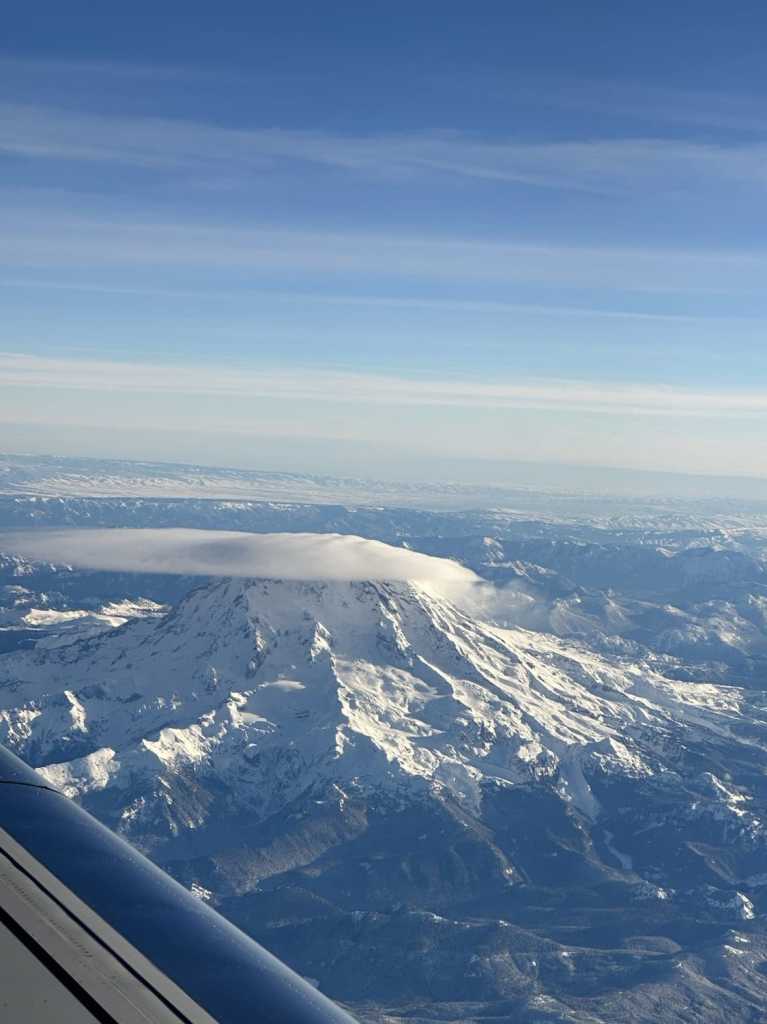
Washington State is home to three stunning national parks: Olympic, North Cascades, and Mount Rainier. Each park offers visitors a unique experience, from old-growth temperate rainforests to glacier-capped mountain peaks and rugged coastlines.
Olympic National Park is the largest park in Washington and a designated UNESCO World Heritage Site. The park boasts diverse landscapes, including old-growth temperate rainforests, glacier-capped peaks, and rugged coastline. Visitors can enjoy hiking, camping, fishing, and wildlife watching.
North Cascades National Park is known for its stunning mountain views, glaciers, and untouched nature. With over 300 glaciers and many peaks, it’s a popular destination for mountaineering and skiing in remote areas. Visitors can also enjoy hiking, camping, fishing, and boating in its lakes and rivers.
Mount Rainier National Park is famous for Mount Rainier, the tallest peak in Washington and a prominent feature of the Cascade Range. The park has many hiking trails, beautiful waterfalls, and meadows. Visitors can also camp, fish, and watch wildlife in the park.
Whether you’re an avid hiker or simply seeking a peaceful retreat in nature, National Parks in Washington State offer something for everyone. So why not plan your next outdoor adventure and explore the natural beauty of these stunning parks?
Olympic National Park: Washington’s Diverse Wilderness

Geography of Olympic National Park
Olympic National Park is located on the Olympic Peninsula and covers almost one million acres of land. The park has four distinct regions: the Pacific coast, alpine areas, a rainforest, and drier forests in the east. Some of the most popular areas in the park include Hurricane Ridge, Kalaloch, Hoh Rainforest, Lake Crescent, Rialto Beach, Enchanted Valley, Sol Duc Falls, Ruby Beach, Sol Duc Hot Springs, and Lake Quinault Lodge.
The Best Time to Visit Olympic National Park
The park is open year-round, but the best time to visit is during the summer months. However, each season has its own unique activities, and the park is great to visit any time of year. Be sure to check the weather and bring appropriate clothing and gear.
Getting to Olympic National Park From Seattle
The park is about a three-hour drive from Seattle. You can also take a ferry from Seattle to Bainbridge Island and then drive to the park. There are several entrances to the park, including the Hurricane Ridge entrance, the Hoh Rain Forest entrance, and the Staircase entrance.
Exploring Olympic National Park

There are many scenic spots to explore in Olympic National Park, including Hurricane Ridge, which offers stunning views of the Olympic Mountains. The Hoh Rain Forest is another must-see spot, with its lush greenery and the Hall of Mosses trail. Ruby Beach is a beautiful place to watch the sunset and enjoy the rugged coastline.
Highlights of Olympic National Park
The park is a paradise for outdoor enthusiasts, with hiking, camping, wildlife viewing, and backcountry camping and backpacking available. The park also offers ranger-led programs and educational opportunities.
Outdoor Activities
Hiking is one of the most popular activities in the park, with trails ranging from easy to challenging. Camping is also a great way to experience the park, with many campgrounds available. Wildlife viewing is another popular activity, with the chance to spot elk, deer, black bears, and more.
Where to Stay In Olympic National Park
There are several lodging options available in the park, including the Lake Crescent Lodge, Sol Duc Hot Springs Resort, and Kalaloch Lodge. There are also many campgrounds available for those who prefer to camp.
Visitor Information
When planning your visit, be sure to check the weather and bring appropriate clothing and gear. The park offers a variety of activities, including ranger-led programs and educational opportunities. You can also stop by one of the park’s visitor centers for maps and information on lodging options.
Mount Rainier: Icon of Washington’s National Parks
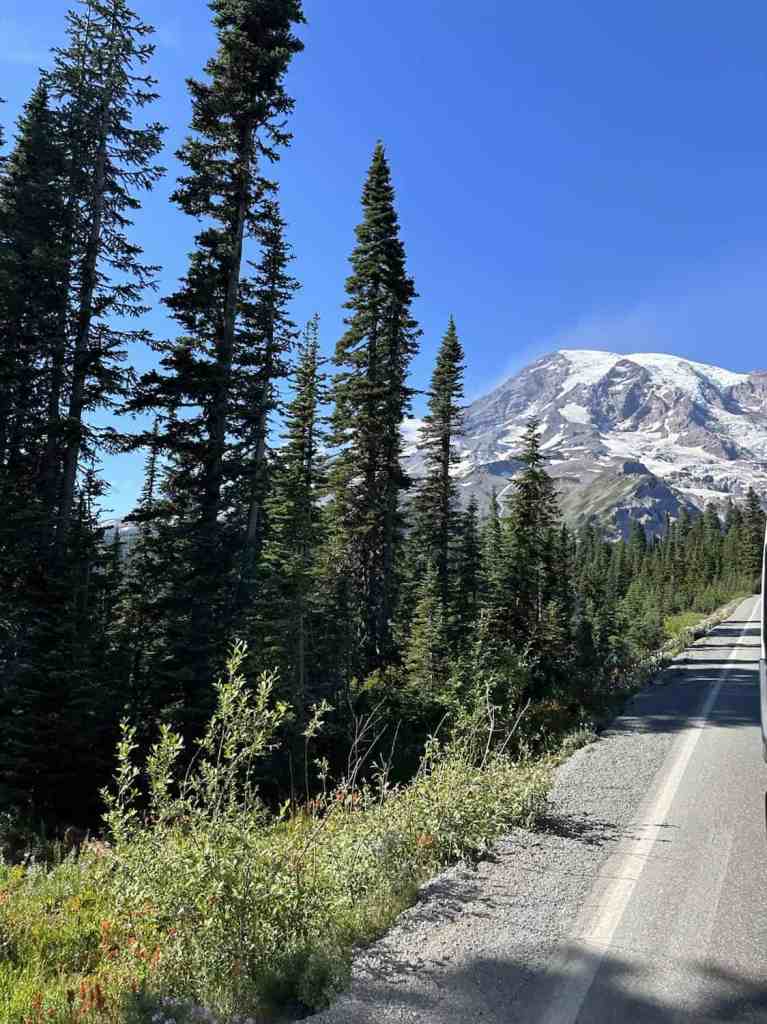
If you’re looking for a breathtaking natural wonder to explore in Washington State, Mount Rainier National Park is a must-visit destination. Established in 1899, the park is home to Mount Rainier, a towering mountain that rises to a height of 14,410 feet. The park covers over 236,000 acres and is located in southeastern Pierce County and northeastern Lewis County in Washington State.
Geography of Mount Rainier National Park
The park’s landscape is dominated by Mount Rainier, an active volcano that is the most glaciated peak in the contiguous United States. The park’s terrain is diverse and includes subalpine meadows, old-growth forests, and alpine glaciers. Some of the park’s most famous natural features include Paradise, Sunrise, the Wonderland Trail, and Crystal Mountain.
The Best Time to Visit Mount Rainier National Park
The park is open year-round, but the best time to visit depends on what you want to see and do. Summer is the most popular time to visit, but fall and winter offer their own unique beauty and opportunities. Be sure to check the weather forecast before your visit, as the weather in the park can be unpredictable.
Getting to Mount Rainier National Park From Seattle
The park is located about 2 hours south of Seattle. Visitors can take a scenic drive along State Route 7 to reach the park’s entrance. Alternatively, visitors can take a shuttle bus or guided tour from Seattle.
Exploring Mount Rainier National Park
The park offers a variety of activities for visitors to enjoy, including hiking, camping, and wildlife viewing. With over 260 miles of hiking trails, ranging from easy nature walks to challenging climbs, there’s something for everyone. Visitors can also enjoy ranger-led programs and exhibits at the park’s visitor centers.
Highlights of Mount Rainier National Park
Some of the park’s highlights include Paradise, which is known for its beautiful wildflowers that bloom in summer, and Sunrise, which represents the park’s highest point accessible by vehicle. Visitors can also enjoy hiking the Skyline Trail, which offers stunning views of Mount Rainier and the surrounding area.
Outdoor Activities
In addition to hiking, the park offers a variety of outdoor activities for visitors to enjoy, such as camping and wildlife viewing. The park is home to a variety of wildlife, including black bears, elk, and mountain goats.
Where to Stay In Mount Rainier National Park
The park features several lodges and cabins, including the historic Paradise Inn and Longmire buildings. Additional lodging options are available in nearby towns.
Visitor Information
If you’re planning a visit to Mount Rainier National Park, be sure to pick up a map of the park at the visitor’s center or download one online before your visit. The park has several visitor centers located throughout the park, offering information, exhibits, and ranger-led programs.
North Cascades: Washington’s Rugged Natural Beauty
Geography of North Cascades National Park
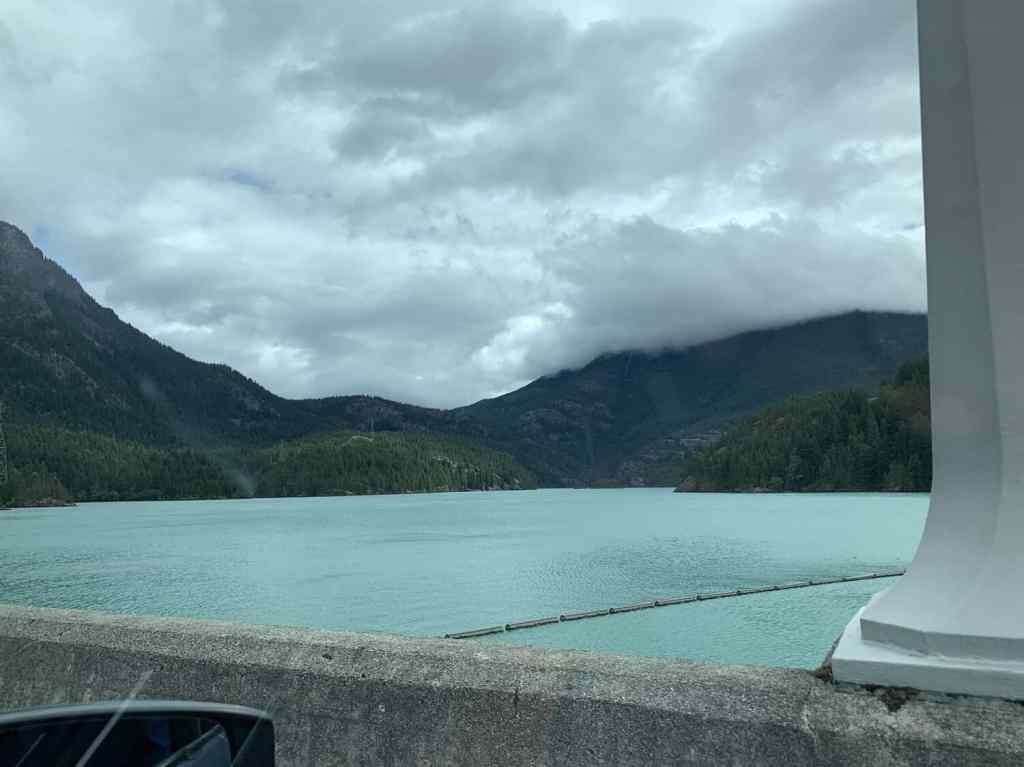
North Cascades National Park is a vast wilderness area in northwest Washington State. It covers over 500,000 acres and is the largest of the three units in the North Cascades National Park Complex. The park’s stunning landscape is defined by its rugged beauty, featuring jagged peaks, dense valleys, breathtaking waterfalls, and an impressive collection of over 300 glaciers, the most outside of Alaska among U.S. national parks.
The Best Time to Visit North Cascades National Park
The best time to visit North Cascades National Park is during the summer when the weather is mild, and the trails are snow-free. The park is in the mountains, so temperatures vary depending on the season and height. Keep in mind that the weather can change without warning, so pack accordingly.
Getting to North Cascades National Park From Seattle
The park is located about three hours from Seattle. The best way to get there is by car. Take the North Cascades Highway, which is a scenic drive that offers breathtaking views of the surrounding mountains. There is also a shuttle service that runs from Seattle to the park during the summer months.
Exploring North Cascades National Park
The park offers a variety of activities, including hiking, camping, fishing, and wildlife viewing. The park has over 400 miles of trails that range from easy walks to challenging backcountry hikes. One of the most popular hikes in the park is the Cascade Pass Trail, which offers stunning views of the surrounding mountains.
Highlights of North Cascades National Park
Some of the highlights of the park include the Maple Pass Loop, Ross Lake, and the Diablo Lake Overlook. The park also includes the Ross Lake National Recreation Area and the Cascade Pass.
Outdoor Activities
This park is perfect for outdoor activities. You can go hiking, fishing in lakes and streams, or take a scenic drive along the North Cascades Highway. The park also offers rock climbing, mountaineering, and backcountry skiing.
Where to Stay In North Cascades National Park
Visitors can stay overnight at the park’s campgrounds and lodges. There are several campgrounds throughout the park, including the Newhalem Creek Campground and the Colonial Creek Campground. The park also has several lodges, including the North Cascades Lodge at Stehekin and the Ross Lake Resort.
Visitor Information
The park has three visitor centers: the North Cascades Visitor Center in Newhalem, the Wilderness Information Center in Marblemount, and the Golden West Visitor Center in Stehekin. The visitor centers provide information about the park’s history, geology, and wildlife.
In conclusion, North Cascades National Park is a must-visit destination for outdoor enthusiasts. With its stunning landscape, variety of activities and range of accommodations, it offers something for everyone.
Historic Trails: Walking Through Washington’s Past
Washington State is home to several historic sites and trails that offer a glimpse into the rich cultural past of the region. Here are some of the must-visit historic sites and trails in Washington State:
Lewis and Clark National Historic Trail
The Lewis and Clark National Historic Trail is a 4,900-mile trail that follows the same path that the Lewis and Clark expedition took in 1804. In Washington, the trail passes by Fort Vancouver National Historic Site and the Columbia River Gorge. You can hike, bike, or drive this trail to experience the incredible scenery and learn about the history of the region.
Fort Vancouver National Historic Site
Fort Vancouver National Historic Site on the Columbia River lets visitors experience life in the 1800s. You can explore the reconstructed Fort Vancouver, the Chief Factor’s House, and the McLoughlin House. The site includes several historic buildings, educational exhibits, and interactive programs that provide a glimpse into the lives of the people who lived and worked at the fort.
Klondike Gold Rush National Historical Park
The Klondike Gold Rush National Historical Park in Skagway, Alaska, celebrates the gold rush that happened in the late 1890s. The park includes several historic buildings and trails that offer a glimpse into what life was like during the Gold Rush. You can explore the historic town of Skagway, hike the Chilkoot Trail, or visit the historic cemetery to learn more about this exciting period in history.
Ebey’s Landing National Historical Reserve
Ebey’s Landing National Historical Reserve on Whidbey Island has old buildings and trails for visitors to experience life in the 1800s. You can hike the Bluff Trail, explore the historic farms, or visit the Jacob Ebey House to learn more about the region’s history. The reserve also includes several beaches, picnic areas, and scenic overlooks that offer stunning views of the surrounding landscape.
In conclusion, Washington State is home to several historic sites and trails that offer a glimpse into the rich cultural past of the region. From the Lewis and Clark National Historic Trail to Ebey’s Landing National Historical Reserve, there are plenty of opportunities to explore the history of the region and learn about the people who lived and worked here.
Natural Wonders of Washington State
Washington State is home to some of the most stunning natural wonders in the United States, including Mount Rainier National Park, Olympic National Park, North Cascades National Park, Columbia River Gorge National Scenic Area, and Puget Sound.
Mount Rainier National Park
Mount Rainier National Park is a must-visit destination for hikers, climbers, and skiers. The park is home to the highest peak in Washington State, standing at 14,410 feet tall. The park offers stunning views of the surrounding landscape, including old-growth forests, alpine lakes, and waterfalls.
Olympic National Park
Olympic National Park is a diverse ecosystem that includes old-growth forests, temperate rainforests, rugged coastlines, and alpine lakes. The park is home to many glaciers, including the Hoh Glacier, and Lake Crescent, known for its clear waters. Visitors can hike through old-growth forests, explore the coastline, and take in the stunning views of the Pacific Ocean.
North Cascades National Park
North Cascades National Park is a range of glaciated mountains located in northern Washington. The park is home to over 300 glaciers, as well as numerous waterfalls and alpine lakes. Visitors can hike through old-growth forests, climb rugged peaks, and explore the park’s many glaciers. The park is also home to a diverse range of wildlife, including grizzly bears, gray wolves, and mountain goats.
Columbia River Gorge National Scenic Area
The Columbia River Gorge National Scenic Area is a beautiful canyon that stretches for 80 miles along the Columbia River. The area is known for its amazing scenery, including tall cliffs, waterfalls, and forests. Visitors can walk on trails or drive on the Columbia River Highway to enjoy the beautiful scenery. The area is also home to a variety of wildlife, including bald eagles, ospreys, and river otters.
Puget Sound
Puget Sound is a large inlet of the Pacific Ocean located in western Washington. The region is well-known for its rugged coastline, with islands scattered along it and dense forests lining its shores. Visitors can explore the many parks and beaches in the area or take a ferry to one of the many islands in the Sound. The area is also home to a variety of wildlife, including orcas, sea lions, and harbor seals.
In conclusion, Washington State is a nature lover’s paradise, with stunning landscapes and natural wonders around every corner. Whether you want to hike in forests, explore coastlines, or climb mountains, you’ll find something to love in this beautiful state.
Activities in Washington’s National Parks
Hiking
Washington’s national parks offer a variety of hiking trails for all levels of experience. Mount Rainier National Park has the famous Wonderland Trail, a 93-mile trail that offers stunning views of the mountain. Olympic National Park has many trails, including the beautiful Hoh River Trail and the challenging Mount Ellinor Trail.
Camping
Camping is a popular activity in Washington’s national parks, with many campgrounds to choose from. Mount Rainier National Park has several campgrounds, including the popular Ohanapecosh Campground. Olympic National Park has over a dozen campgrounds, ranging from basic to RV-friendly.
Wildlife Viewing
Washington’s national parks are home to diverse wildlife, including elk, deer, black bears, and mountain goats. Visitors can see animals from their cars or on foot, with parks offering tours and educational programs.
Outdoor Activities
Washington’s national parks offer a range of outdoor activities, including hiking, camping, boating, biking, and horseback riding. Lake Chelan National Recreation Area is great for boating and fishing, while North Cascades National Park has beautiful biking trails.
Fishing
Fishing is a popular activity in Washington’s national parks, with many parks offering freshwater and saltwater fishing opportunities. Olympic National Park has several rivers and streams that are home to salmon and trout, while North Cascades National Park offers fishing on the Skagit River.
In conclusion, Washington’s national parks offer a range of activities for visitors of all ages and interests. Whether you’re looking for a challenging hike, a relaxing camping trip, or a chance to see wildlife up close, Washington’s national parks have something for everyone.
Frequently Asked Questions
What are the top national parks to visit in Washington State?
Washington State has three national parks that are worth visiting: Olympic, Mount Rainier, and North Cascades. Each park has its own unique features and attractions. Olympic National Park is renowned for its diverse ecosystems, which include rainforests, beaches, and mountains. Mount Rainier National Park is famous for its iconic mountain and stunning scenery. North Cascades National Park is a paradise for outdoor enthusiasts, with its rugged mountains, glaciers, and pristine wilderness areas.
What is the best itinerary to see all the parks?
The ideal route to visit Washington State’s three national parks depends on your preferences and available time. Starting at Olympic National Park, then moving to Mount Rainier National Park, and finishing at North Cascades National Park allows you to experience the diversity of Washington’s landscapes and ecosystems. Another option is to focus on one or two parks and spend more time exploring them in-depth.
Which is better, Olympic National Park or Mount Rainier National Park?
Both Olympic National Park and Mount Rainier National Park offer unique experiences and are worth visiting. Olympic National Park has rainforests, beaches, and mountains, while Mount Rainier National Park showcases the iconic Mount Rainier and beautiful scenery. Ultimately, the choice depends on your preferences and what you want to see and experience.
Is Mount Rainier or North Cascades National Park a better option for camping?
Both Mount Rainier and North Cascades National Park offer camping opportunities with different experiences. Mount Rainier National Park has several campgrounds, including some that are open year-round and offer stunning views of the mountain. North Cascades National Park offers a remote and wild camping experience with fewer campgrounds, surrounded by untouched wilderness. Choose the park that aligns with your camping preferences and desired experience.
When visiting any of the national parks, make sure to check the park’s website for updated information on lodging options, visitor center hours, and entrance fees. Plan ahead and be prepared for the weather conditions, as they can vary greatly depending on the park and season. Enjoy your visit to Washington State’s breathtaking national parks!
How many national parks are there in Washington state?
Washington state has three national parks: Mount Rainier, Olympic, and North Cascades.
Which national park in Washington is considered a must-visit for first-time tourists?
Olympic National Park, with its diverse ecosystems and stunning scenery, is a must-visit for first-time tourists.
How can I plan an itinerary to visit multiple national parks in Washington State?
Plan your itinerary based on the parks’ locations and your interests. Consider visiting Mount Rainier and North Cascades on the same trip, as they are relatively close. Olympic National Park requires more time to explore, so plan a separate trip.
Is there a national park in Washington that is less crowded than others?
North Cascades National Park is less crowded than Mount Rainier and Olympic National Parks, making it an ideal destination for those seeking solitude and tranquility.
Can you compare Mt. Rainier and Olympic National Parks in terms of attractions and activities?
Mount Rainier National Park is known for its iconic mountain peak and extensive hiking trails, while Olympic National Park offers diverse ecosystems, including rainforests, beaches, and mountains. Both parks offer unique attractions and activities.
What are the best times of year to visit the national parks in Washington state?
The best time to visit the national parks in Washington state is during the summer months, from June to September when the weather is mild, and the park facilities are open. However, each park has its own peak season and off-season, so plan accordingly.
Growing up in the Pacific Northwest, we’ve always felt at home in the outdoors. We created Evergreen Adventures PNW to share our love of hiking, camping, and exploring, and to help others discover the best adventures this region has to offer. Along with trip guides and tips, we also enjoy diving into the science behind the landscapes—thanks to a background in Environmental Science—because understanding nature makes every adventure even more meaningful.