
When it comes to camping in Washington State, packing food is an essential part of the experience. Whether you’re planning a weekend trip or a longer excursion, pack food that is both nutritious and easy to prepare. With some planning and preparation, you can ensure you have everything you need to enjoy your time in the great outdoors.
Table of Contents
One of the first things to consider when packing food for camping is the type of meals you want to prepare. Do you want to cook over an open fire or use a camping stove? Will you be hiking or doing other activities during the day that require portable snacks? Once you have an idea of the types of meals you want to prepare, you can start gathering ingredients and planning your menu. Choose foods that are easy to store and transport, such as canned goods, dried fruits and nuts, and pre-packaged snacks. You may also want to consider investing in a cooler to keep perishable items like meat and dairy products fresh.
Another important factor to consider when packing food for camping is food safety. It’s essential to store food properly to prevent spoilage and contamination. Make sure to pack all your food in airtight containers or resealable bags to keep out moisture and pests. Always wash your hands and any cooking utensils before preparing food, and use a food thermometer to ensure that meat is cooked to a safe temperature. By following these simple tips, you can ensure that your camping trip is both enjoyable and safe.
Camping in Washington: A Food Packing Perspective
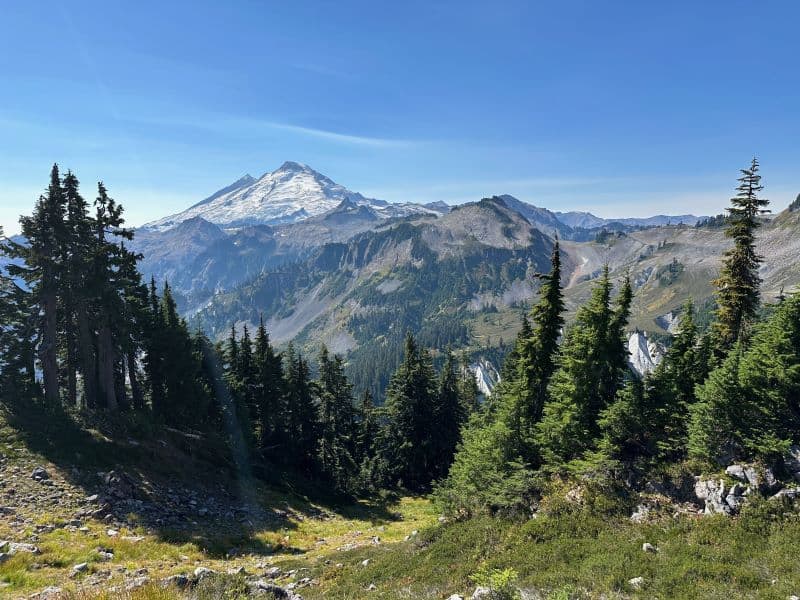
Washington State is known for its diverse camping landscape, ranging from the Pacific Northwest’s lush forests, mountains, and lakes to the arid Blue Mountains in the southeast. With three national parks, numerous state parks, and national forests, Washington offers a wide range of camping experiences.
North Cascades National Park is a popular destination for hikers and backpackers, with over 300 miles of trails winding through the park’s rugged peaks and glaciers. Mount Rainier National Park is known for its iconic mountain, wildflowers, and stunning alpine vistas. Olympic National Park offers a unique camping experience with its temperate rainforests, rugged coastline, and stunning mountain ranges.
The Columbia River Gorge National Scenic Area is a must-visit for those who love waterfalls and dramatic landscapes, while Lake Wenatchee State Park is an excellent spot for families with its sandy beach and calm waters. The Columbia River, which flows through central Washington, offers many opportunities for water-based activities such as fishing, kayaking, and rafting.
In the northeast, the Okanogan-Wenatchee National Forest offers a diverse range of camping experiences, from the high alpine lakes of the Cascade Mountains to the arid foothills of the Okanogan. In the southeast, the Umatilla Rock area is a popular spot for rock climbing, and the town of Twisp is a gateway to the stunning Methow Valley.
Whether you’re looking for a remote backcountry experience or a family-friendly campground, Washington State has something to offer every type of camper.
Planning Your Camping Trip: Food Packing Essentials

When planning your camping trip in Washington State, there are a few things to consider to ensure a fun and safe experience. Here are some sub-sections to help you plan your camping trip:
Choosing the Right Campsite
Washington State has many campgrounds and established campsites available for public use. When choosing a campsite, consider the location, amenities, and activities available. Some popular camping areas include White River Campground in Mt. Baker-Snoqualmie National Forest, Gifford Pinchot National Forest, and Deception Pass State Park.
Making Reservations
Many campsites in Washington State require reservations. You can make reservations through Recreation.gov, Hipcamp, Tentrr, or directly through the park or forest service. Remember to make reservations in advance to ensure availability, especially during peak camping season.
Checking Weather and Safety Conditions

Before heading out on your camping trip, check the weather and safety conditions for the area you will be visiting. You can check for closures, regulations, and fire restrictions through the Department of Natural Resources (DNR) or interactive recreation map. It’s also important to check road and trail conditions and be aware of any wildlife in the area.
Understanding Regulations and Restrictions
Washington State has regulations and restrictions in place to protect the environment and ensure public safety. Make sure to familiarize yourself with the regulations and restrictions for the area you will be camping in. Some areas require a Discover Pass for parking, while others may have restrictions on campfires or camping in certain areas.
Planning for Amenities and Activities
When planning your camping trip, consider the amenities and activities available at the campsite or surrounding area. Some popular activities include hiking, fishing, boating, horseback riding, swimming, kayaking, cross-country, mountain biking, and rock climbing. You can also enjoy the sunset or explore the history of the area.
Choosing Your Accommodation
Washington State has a variety of accommodations available for camping, including RVs, tents, yurts, and cabins. When choosing your accommodation, consider your needs and preferences. RVs and cabins offer more amenities and comfort, while tents and yurts provide a more rustic camping experience.
By following these tips, you can plan a fun and safe camping trip in Washington State.
How to Pack Food for Your Washington Camping Adventure

When you’re planning a camping trip in Washington State, packing the right gear and food is essential for a comfortable and enjoyable experience. Here are some tips for packing for your camping trip:
Choosing the Right Gear
Whether you’re car camping or backpacking, having the right gear is crucial. If you’re car camping, you can bring more gear and larger items, such as a cooler and a comfortable camping chair. If you’re backpacking, you’ll need to pack light and choose gear that is lightweight and easy to carry.
Consider the weather and terrain when choosing your gear. If you’re camping in the summer, you’ll need lightweight and breathable clothing. If you’re camping in the mountains, you’ll need a warm sleeping bag and clothing for cool temperatures.
Check out outdoor retailers like REI or The Mountaineers for gear recommendations and advice.
How to Pack Food for Camping
When packing food for camping, pack enough food for your trip and pack it in a way that keeps it fresh and safe to eat. Dehydrated meals are a popular option for backpacking trips, as they are lightweight and easy to prepare. For car camping, you can bring more perishable items, such as fresh fruits and vegetables, but make sure to pack them in a cooler with plenty of ice.
Remember to pack it in, pack it out. This means that you should bring all of your trash and leftover food with you when you leave your campsite. Leave no trace of your visit.
Packing for Comfort and Safety
In addition to gear and food, you’ll want to pack for comfort and safety. This includes items like a first aid kit, insect repellent, sunscreen, and a headlamp or flashlight. Bring comfortable shoes and clothing for hiking and lounging around camp.
Overall, packing for your camping trip in Washington State requires careful planning and preparation. By choosing the right gear, packing enough food, and prioritizing comfort and safety, you can enjoy a memorable and enjoyable camping experience.
Exploring Washington: Packing Food for Natural Adventures
Washington state is a true paradise for outdoor enthusiasts and camping aficionados. Nestled in the Pacific Northwest, this diverse state boasts a cornucopia of natural wonders, from the towering peaks of Mount Rainier to the serene shores of Chelan and Olympic National Forest. Here are some of the best ways to explore Washington’s natural wonders.
Hiking in Washington
Washington state is home to some of the best hiking trails in the country. From the alpine landscape of Mount Rainier to the marshes and beaches of Olympic National Forest, there are trails for every level of hiker. Some popular trailheads include Mount Rainier National Park, Olympic National Park, and Field Springs State Park.
Experiencing Wildlife
Washington state is home to a wide variety of wildlife, from black bears to bald eagles. One of the best ways to experience the state’s wildlife is through guided tours or by visiting wildlife reserves. Some popular reserves include the Chelan Wildlife Area and the Nisqually National Wildlife Refuge.
Enjoying Water Activities
Washington state is known for its freshwater lakes, which offer a wide variety of water activities such as fishing, boating, and swimming. Some popular lakes include Lake Chelan, Lake Washington, and Lake Crescent. For those who prefer saltwater, there are also beaches along the coast of Olympic National Forest.
Exploring Historical Sites
Washington state has a rich history, and there are many historical sites to explore. One of the most notable is the Civilian Conservation Corps (CCC) camps, which were established in the 1930s to provide work for unemployed men during the Great Depression. Some popular CCC camps include the Mount Rainier CCC Museum and the Lake Quinault Lodge.
Discovering Unique Landscapes
Washington State is home to a wide variety of unique landscapes, from the alpine landscape of Mount Rainier to the marshes and beaches of Olympic National Forest. Some popular destinations include Leavenworth, a Bavarian-style village in the Cascade Mountains, and the Hoh Rainforest in Olympic National Park.
In conclusion, Washington State offers a wealth of natural wonders to explore. Whether you’re hiking in the mountains, experiencing wildlife, enjoying water activities, exploring historical sites, or discovering unique landscapes, there’s something for everyone in this beautiful state.
Eco-Friendly Food Packing for Washington Campers
When packing food for camping in Washington State, remember to respect the environment. This means following the principles of “Leave No Trace” and “Pack It In, Pack It Out.”
“Leave No Trace” is a set of principles designed to minimize the impact of human activity on the environment. When camping, this means being mindful of the impact you have on the land around you. Here are some tips for following the principles of “Leave No Trace” when packing food for camping:
- Pack food in reusable containers to reduce waste.
- Avoid using disposable plates, cups, and utensils.
- Don’t leave any food scraps or trash behind. Pack it out with you.
- Use a bear canister or hang your food from a tree to keep it away from wildlife.
“Pack It In, Pack It Out” is a simple principle that means you should take everything you bring with you back out of the wilderness. This includes all food packaging, trash, and any other items you bring with you. Here are some tips for following the principle of “Pack It In, Pack It Out” when packing food for camping:
- Use reusable containers instead of disposable ones to reduce waste.
- Bring a trash bag with you and pack out all trash, including food packaging.
- Don’t leave any food scraps behind. Pack them out with you.
- If you’re camping in a remote area without trash disposal facilities, be prepared to pack out all waste with you.
By following these principles, you can help protect the environment and ensure that future generations can enjoy the beauty of Washington State’s wilderness areas.
Wrapping Up
Packing food for camping in Washington requires planning and preparation. Consider the length of your trip, the number of people in your group, and any dietary restrictions. Remember to pack non-perishable items such as canned goods, dried fruits, and nuts, as well as perishable items that can be stored in a cooler with ice packs.
When packing your cooler, make sure to separate raw meat and poultry from other foods to prevent cross-contamination. Use ziplock bags or airtight containers to store your food and label them with the contents and date to keep track of expiration dates. Don’t forget to bring a can opener and utensils such as a knife, fork, and spoon.
When cooking your meals, follow the Leave No Trace principles and use a camp stove instead of making a fire. This helps prevent wildfires and protects the environment. Remember to clean up after yourself and dispose of waste properly. Pack out all trash and food scraps to keep the campsite clean and safe for wildlife.
By following these tips, you can enjoy delicious and safe meals while camping in Washington State. Happy camping!
Growing up in the Pacific Northwest, we’ve always felt at home in the outdoors. We created Evergreen Adventures PNW to share our love of hiking, camping, and exploring, and to help others discover the best adventures this region has to offer. Along with trip guides and tips, we also enjoy diving into the science behind the landscapes—thanks to a background in Environmental Science—because understanding nature makes every adventure even more meaningful.