
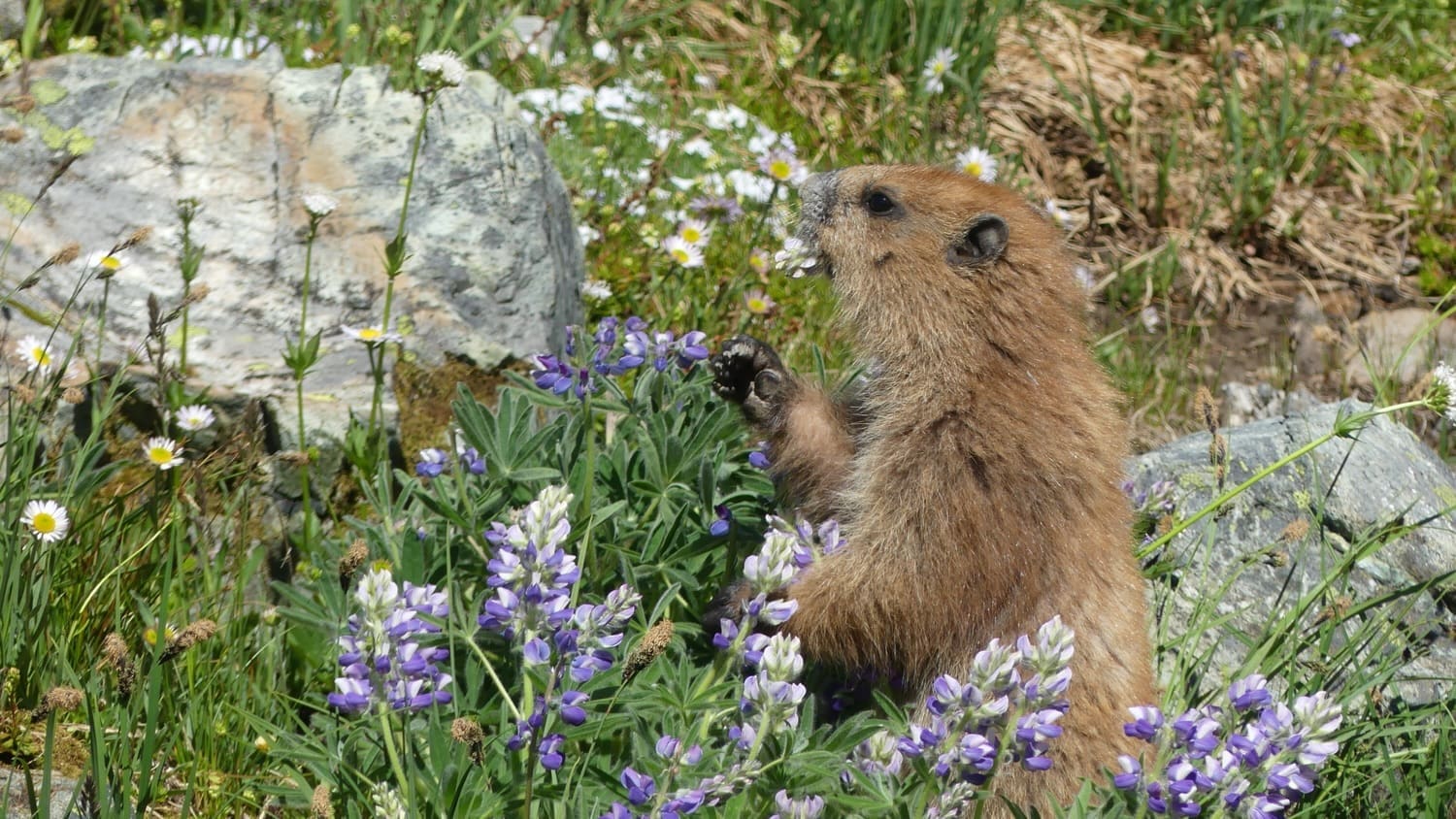
Have you ever wondered about the unique habitat of the Olympic marmot? This fascinating creature is found nowhere else but in the beautiful state of Washington. Living in the heart of the Olympics, these marmots call the lush sub-alpine and alpine meadows home, especially in areas like Hurricane Ridge. A whopping 90% of their habitat is protected within Olympic National Park, making it a truly special environment for this rare species.
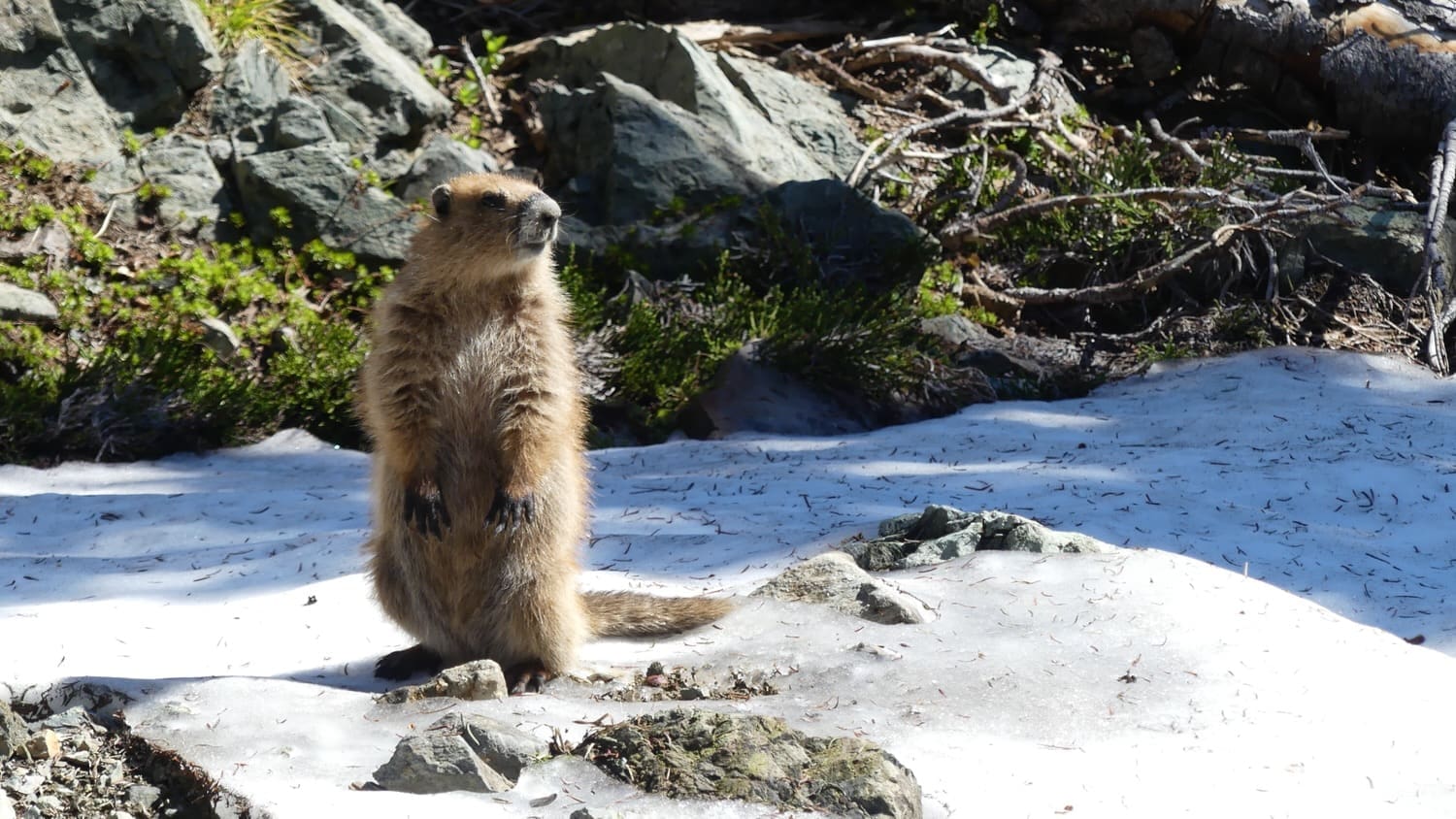
What makes this habitat such a perfect haven for the Olympic marmot? With elevations ranging from 300 to 6,500 feet, the meadows and talus slopes provide just the right conditions for them. They thrive in these high-altitude areas, which are less prone to human intrusion, allowing them to bask in their natural surroundings. It’s no wonder these areas are key to their survival.
When exploring these regions, remember the privilege of observing these creatures in their natural setting. Your chance to see the marmots also comes with the responsibility to respect their space and contribute to their conservation. If you’re planning a trip to their habitat, get ready to witness one of nature’s unique communities while ensuring these creatures continue to thrive.
Key Takeaways
- Olympic marmots live mainly in Olympic National Park.
- High-altitude meadows are crucial for their survival.
- Respectful observation helps in marmot conservation.
Table of Contents
What Makes the Olympic Marmot Unique?
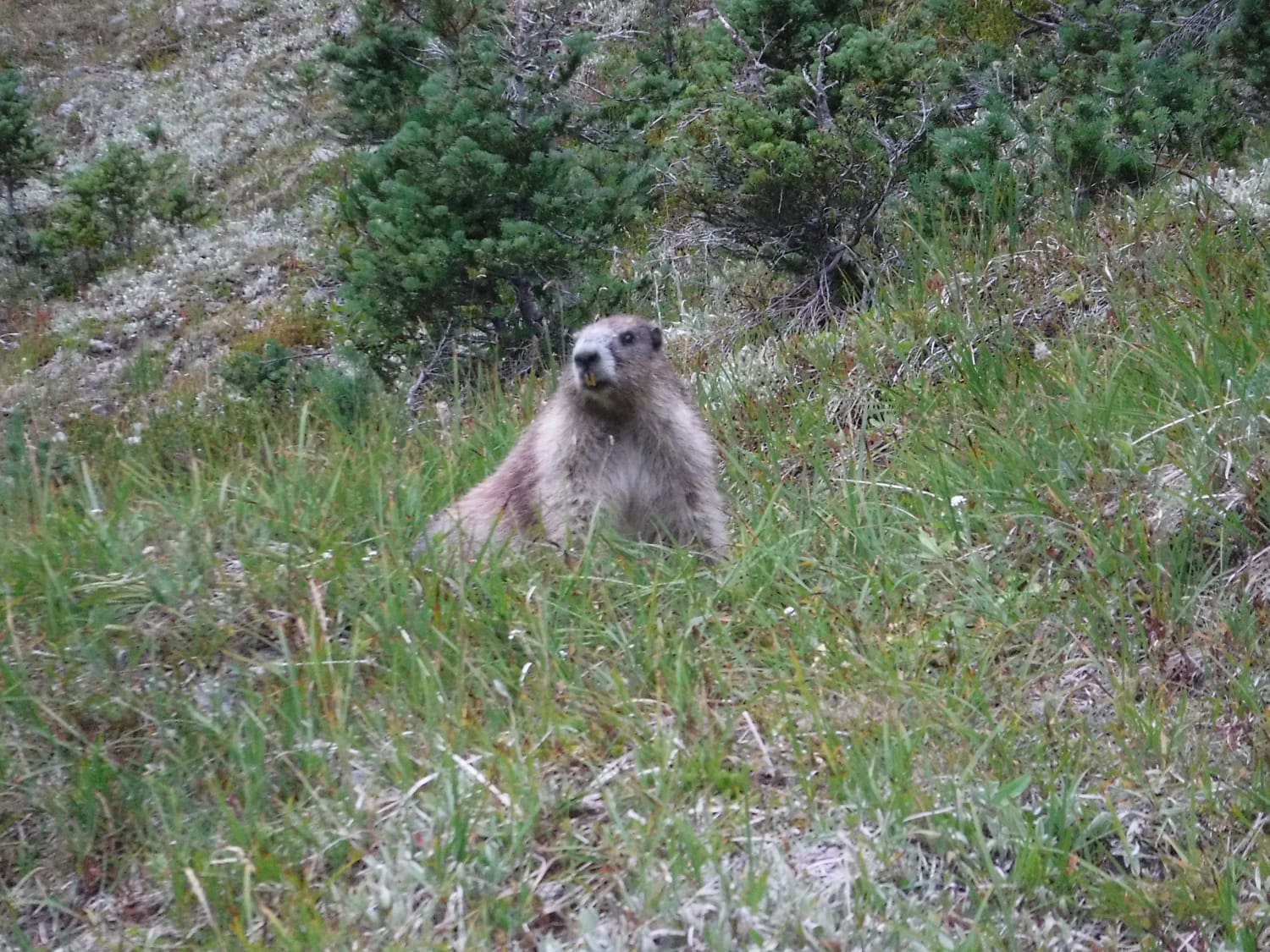
The Olympic marmot, a striking rodent, is an exciting and unique creature you’ve got to know about! This animal, officially declared Washington state’s endemic mammal in 2009, is exclusive to the Olympic Mountains and a member of the squirrel family. Equipped with a thick coat of fur and a body mass similar to a domestic cat, it is a gregarious and fascinating creature.
Scientific Name
Meet Marmota olympus, this marmot’s scientific name. Marmots belong to the squirrel family, Sciuridae, and are large rodents. This particular species resides only in the United States, making it a privileged sight for those exploring Washington. Its closest relatives include the hoary marmot and the Vancouver Island marmot, also known for their mountain habitats. Despite its restricted range, the Olympic marmot thrives in its habitat.
Fun fact: these marmots share the polygynous mating system, where a male may have several female mates. They’re social creatures with fascinating family dynamics. As an endemic species, they form essential parts of our natural heritage.
Unique to the Olympic Mountains
You’ll only find this marmot on the rugged slopes of the Olympic Peninsula. About 90% of their habitat lies within Olympic National Park. Here, they live in sub-alpine and alpine meadows and talus slopes between 920 to 1,990 meters (or 3,018 to 6,532 feet). Their adventure-packed lifestyle includes scampering through alpine meadows near timberlines.
What makes them special? Their status as a state endemic mammal adds to their charm, making a sighting a must-see for those hiking through the Olympics. They may be sensitive to climate changes, affecting their habitats and populations, but efforts are ongoing to protect these furry residents.
Size & Appearance
Think of a small cat when picturing the Olympic marmot. Weighing up to 10-20 pounds, they boast a sturdy build. Their fur changes with the seasons, becoming thicker in winter to guard against the chill. The coat color tends to be a mix of browns and yellows, providing a beautiful camouflage in their mountainous home.
Their male and female sizes show a little sexual dimorphism, with males usually larger than females. That’s right—size matters in the marmot world! Their playful gregarious nature makes for entertaining watch especially during the warmer months when they emerge from hibernation. Don’t forget your camera for this delightful encounter!
Olympic Marmot Habitat
The Olympic marmot, a fascinating rodent, is native to the Olympic Peninsula in Washington. They thrive in alpine and subalpine meadows and show unique burrowing habits. Learning about their preferred locations and behaviors will help you understand why these areas are crucial for their survival.
Alpine & Subalpine Meadows
Olympic marmots are most comfortable in the alpine and subalpine meadows of the Olympic Mountains. These areas are high in elevation, ranging from about 3,000 to 6,500 feet. If you ever hike there, keep an eye out for them lounging in the sunshine on slopes. These furry friends are right at home among grasses and wildflowers, with views that can take your breath away.
Yet, it’s not just about the views. Meadows offer vital resources like food and shelter. As vegetation changes with the elevation, the variety in plant life supports diverse diets for marmots. You might find them munching on herbs and grasses, storing energy for the seasons ahead. Isn’t that a neat way to live in harmony with nature?
Preferred Locations
While exploring the Olympic Peninsula, you find that Olympic marmots flock to specific locations. These marmots fancy areas with mountain slopes, so check around talus slopes and rocky fields. Such places provide them a safe haven from predators, along with easy access to food sources.
Their habitat is largely protected within Olympic National Park, meaning these marmots live freely without much interruption from humans. Hiking in these regions often brings sightings of their colonies, where you can watch their typical day-to-day antics. You’re not just walking through a park; you’re witnessing a thriving ecosystem!
Burrowing Behavior
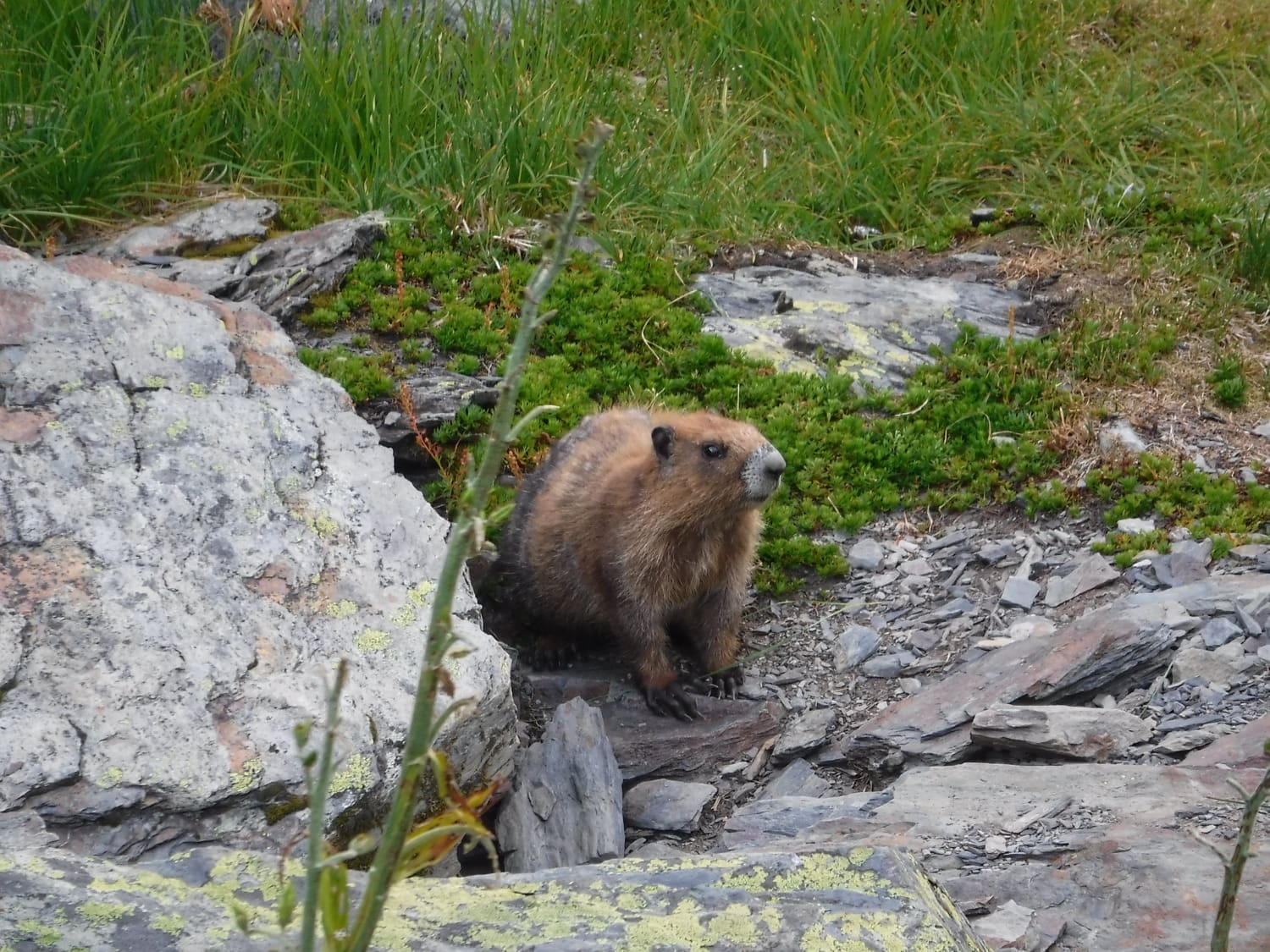
One of the coolest things about Olympic marmots is their burrowing behavior. As diggers, they create intricate burrows used for living quarters, storing food, and hibernation. Burrowing allows them to escape from predators and harsh weather. Can you imagine the tunnels running beneath your feet as you trek through their habitats?
These systems can be quite complex, supporting entire colonies that include multiple families. By digging into mountain scree slopes, they find the perfect climate for hibernation. So, the next time you’re in the area, think about the complex underground world beneath you!
Olympic Marmot Diet: What Fuels Their Alpine Life?
Olympic marmots are herbivores with a taste for the diverse plants found in their mountain habitats. Their diets vary with the seasons, offering a fascinating glimpse into how these animals thrive above 4,000 feet.
Diet

Olympic marmots munch on a variety of vegetation. Meadow flora is a staple in their diet, providing essential nutrients. They love lupine, which is rich in nutrients. Glacier lilies are another favorite, blooming early and offering marmots an important food source in the spring.
During the growing season, Olympic marmots enjoy flowering plants, roots, and grasses. Eating a mix of these plants helps them store fat for hibernation. This diverse diet keeps them healthy and energetic, ready for the challenges of their high-altitude home.
Summer Feeding Frenzy
As summer arrives, the feeding frenzy kicks off for the Olympic marmots. They take advantage of the abundant plants available in the meadows. During this time, they spend most of their waking hours foraging. Their goal is to build up enough fat to survive the long winters, where food is scarce.
You’ll see them popping up around noon, when the sun is high and the meadows are warm. Olympic marmots use their strong teeth to chomp through thick roots and tough stems. This busy season ensures they have enough energy to face the harsh conditions that follow.
How Olympic Marmots Behave & Communicate in the Wild
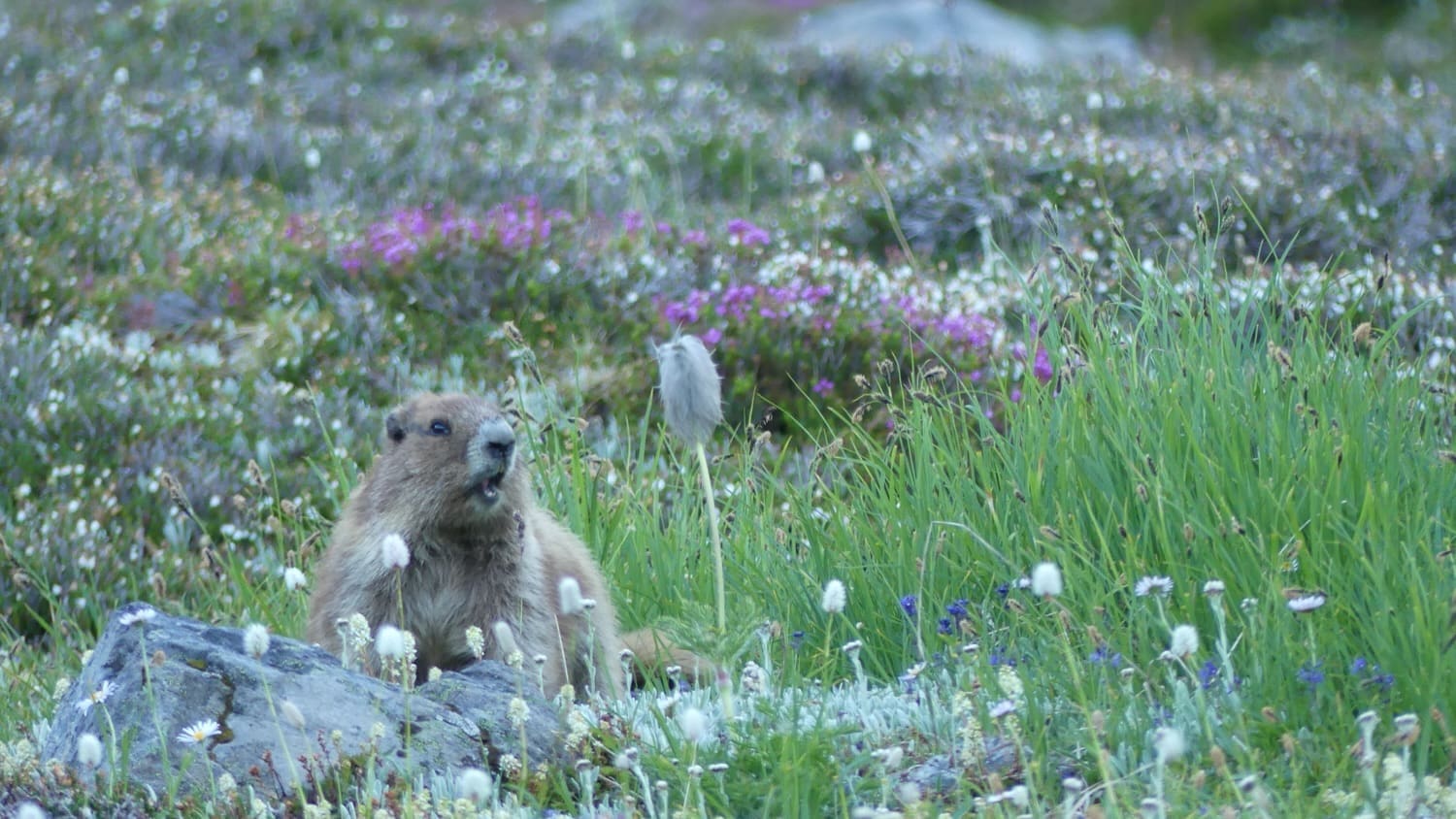
Ready to explore the intriguing world of Olympic marmots? These fascinating creatures possess a mix of social behaviors, unique communication methods, and an undeniable sense of playfulness. Let’s dive into how these marmots connect with their world and each other.
Social Creatures
Olympic marmots are social animals, thriving in tight-knit family groups. Living in underground burrows on the Olympic Peninsula, they form colonies where cooperation is key. Within these groups, roles are assigned where some members might be watchful sentinels while others busily forage for food. This social structure ensures safety from predators like coyotes and avian raptors.
Each colony typically consists of a dominant pair and their offspring. The young marmots mature at around three years, reaching sexual maturity after their biennial reproduction cycle. When not in deep sleep during hibernation, they spend their time building group bonds and protecting their territory. Their social bonds are crucial for survival, especially during their diurnal activities.
Whistle Warnings
Olympic marmots are master communicators with impressive whistle abilities. These whistling vocalizations are not just random sounds but serve as crucial warning signals to alert the group of nearby predators. When a coyote or raptor approaches, the marmots emit distinct whistling sounds to notify others.
Their complex communication system consists of several different calls. Each whistle has a specific meaning. Often, the tone and duration can indicate the level of threat. These communication skills are vital, as they help reduce the risk of predation by coyotes and birds of prey
Best Places to See Olympic Marmots in the Wild
The Olympic Peninsula in Washington State offers a few magical spots to watch the iconic Olympic marmots. These marmots thrive in specific areas where the landscape and elevation create the perfect habitat.
Best Viewing Spots
Hurricane Ridge: This is one of the premier locations within Olympic National Park to spot Olympic marmots. Wander near the trails and keep your eyes open—these curious creatures often appear. You might even hear their distinctive whistles echoing across the ridges.
Royal Basin: If you’re up for a hike, Royal Basin is worth every step. This alpine lake area not only provides stunning views but also frequent marmot sightings. Keep your camera ready; you’re likely to spot them basking in the sun or nibbling on wildflowers.
Marmot Pass: Aptly named, Marmot Pass boasts great views and, as the name suggests, marmots! Enjoy a day out and relish the sight of these fascinating rodents in their natural backdrop.
Obstruction Point: For the more adventurous, head to Obstruction Point. It’s a bit remote, but that’s part of the charm. The mesmerizing scenery and potential wildlife encounters, including marmots, make the journey worthwhile.
Olympic Marmot Conservation: Status & Biggest Threats

The Olympic marmot, unique to Washington state’s Olympic Peninsula, faces several challenges. From their classification as a vulnerable species to the threats they encounter, understanding these factors is key to their preservation efforts.
Endemic & Vulnerable
Guess what? The Olympic marmot is found nowhere else in the world but right in the Olympic Peninsula. That makes them super special and unique! They’re classified as a vulnerable species, which means they’re at risk if we’re not careful. Unlike some animals marked as “Least Concern,” marmots face significant challenges.
They’re part of Washington’s natural heritage and even considered a state symbol. Ongoing studies focus on their population and demography to keep a close eye on any changes. Monitoring programs help scientists understand their metapopulation dynamics and identify any range-wide declines that might pop up.
Threats
These friendly creatures face various threats that could seriously disrupt their world. Climate change is a major one, affecting their habitat with reduced snowpacks and shifting ecosystems. Coyotes, which have moved to higher elevations over the years, like to snack on them too.
Habitat fragmentation is another biggie—it’s like breaking a puzzle into pieces that don’t fit together anymore. Human activities can make this worse, creating gaps in their habitat. At one time, their numbers dropped due in part to introduced predators. All these factors make life challenging for our furry friends.
Conservation Efforts
But don’t worry just yet—there are solutions being put into motion! The U.S. National Park Service and other organizations are actively working to ensure the longevity of the Olympic marmots. They conduct marmot monitoring to gather data and adjust conservation measures as needed.
Efforts include the support of the Endangered Species Act to protect their habitat and limit harmful activities. Conservationists are also advocating for laws through the Washington State Legislature to secure funding and resources. Their habitat, mostly within Olympic National Park, offers some protection. However, staying active and involved in these efforts can make a world of difference for the marmots!
How to Respect & Observe Olympic Marmots Responsibly
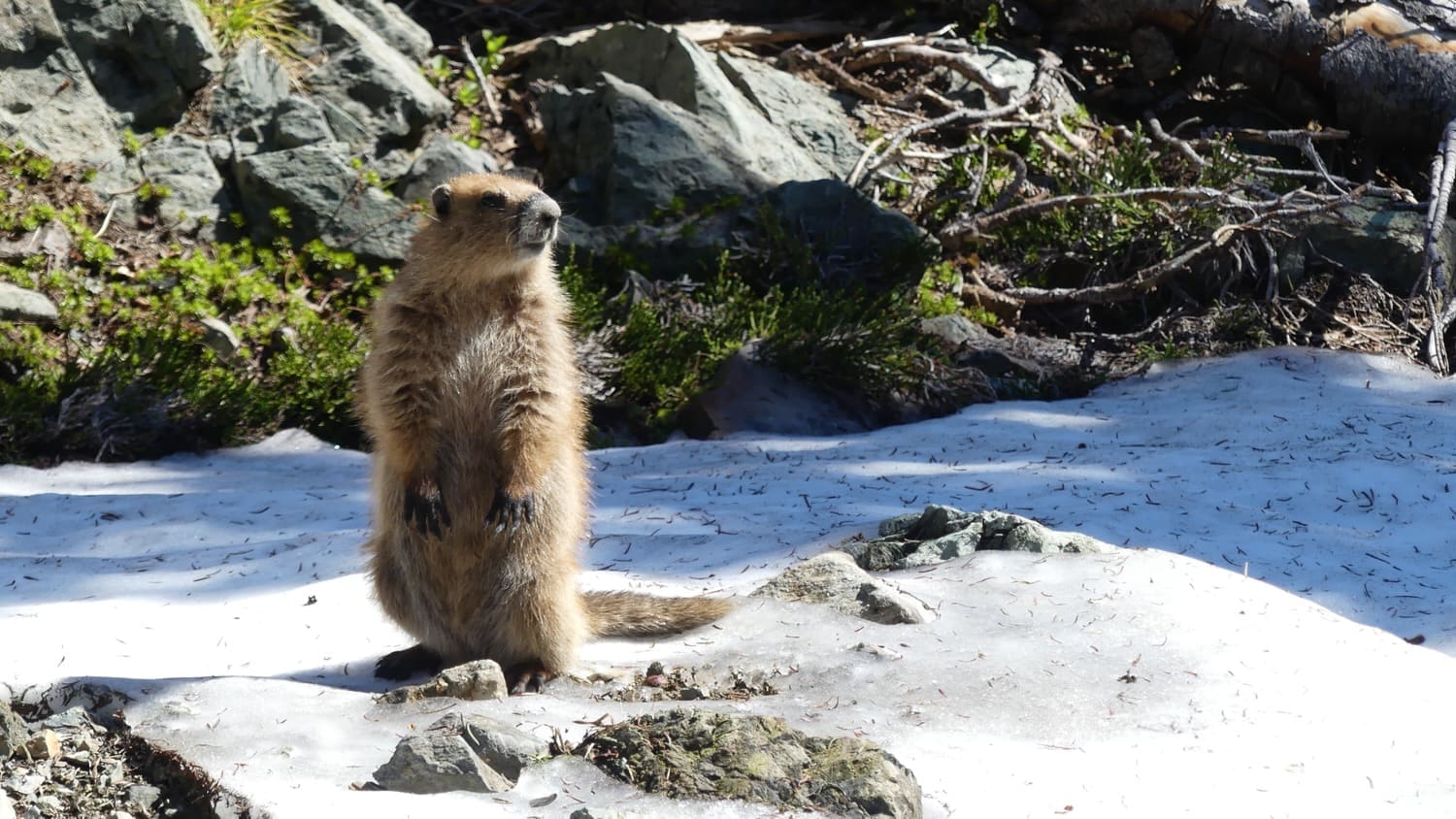
When you’re out and about in marmot country, it’s crucial to remember a few things that help keep both you and the marmots safe and happy. Make sure you’re considering their space, sticking to designated paths, and being mindful of noise levels.
Keep Your Distance
The Olympic marmot might look like a friendly little furball, but getting too close can stress these animals. Always maintain a respectful gap—around 100 feet is a good rule of thumb.
Closing in on these creatures might cause them to retreat to their burrows or make it harder for them to find food. Keep your experience memorable by using binoculars or a camera with a zoom lens. Not only do you get a closer look, but you also keep the marmots comfortable and undisturbed. Remember, a startled marmot is not a happy marmot!
Stay on Trails
When you’re exploring their mountainous home, it’s important to stick to marked trails. This will protect both you and the delicate ecosystem. Olympic marmots make their homes in these areas, and wandering off trails can damage fragile habitats.
Your footprint can disrupt marmot burrows, plants that are food sources, or even new burrow construction. By staying on the trails, you’ll also avoid getting lost or injured. A well-trodden path is like a safe handshake with nature! Plus, reducing your impact means other adventurers can enjoy the marmots just as you did.
Respect Quiet Areas
Silence might be golden, but in marmot territory, it’s essential. Speaking quietly or even staying silent will make your visit more enjoyable and less alarming for the animals around you. Marmots communicate with sounds, so loud noises could confuse and stress them.
Try lowering the volume of conversations or turning off loud music. Your whispering might mean the difference between a playful marmot encounter and a frightened retreat. Taking a moment to listen to the wildlife around you can enhance your connection to nature, too. After all, nobody wants to be the tourist who scared the marmots away!
Why Protecting the Olympic Marmot Habitat Matters

You’re at the end of your journey through the world of the Olympic marmot’s habitat. How fascinating is it to know about this unique species found only in Washington State, especially around the Olympic Peninsula? It’s like discovering a treasure hidden in the Cascade Range!
The Olympic marmots are part of a rich history, having roamed these lands since the Pleistocene era. They have adapted to thrive in high, middle elevations where they roam across meadows and subalpine landscapes. You can picture them bustling about in the protected areas of the Olympic National Park, where 90% of their habitat is safely preserved.
Despite these protections, challenges like climate change and predators like non-native coyotes have impacted their numbers. Understanding these threats can add new excitement to your potential adventures. Perhaps on your hikes, you can be more aware of these factors and the delicate balance in their environment.
By keeping informed, you can gain a deeper appreciation for the habitats you explore and their role in sustaining diverse wildlife. So when you head out to the Olympic Peninsula, keep an eye out for these creatures! You might just catch a marmot sunbathing or hear their unique whistles across the mountains. Adventure on, and don’t forget to cherish the landscapes that these amazing animals call home.
Frequently Asked Questions
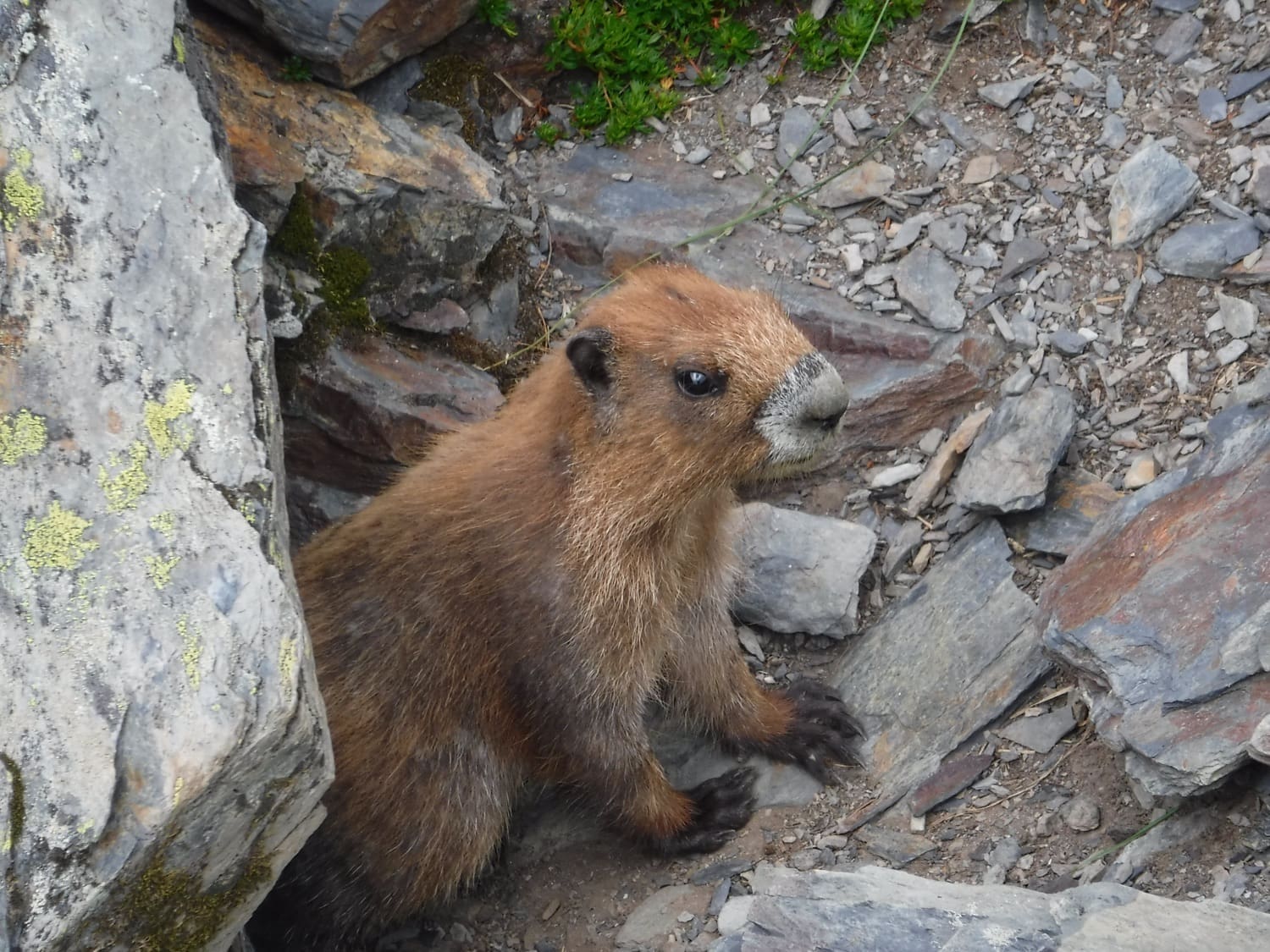
Hey there, adventure seeker! Ever wondered about the mysterious Olympic marmots and how they fit into their world? Let’s dive into their habitats, diets, and survival tactics. Get ready for some exciting details!
What is the preferred habitat of Olympic marmots and how does it influence their behavior?
Olympic marmots love the high meadows of the Olympic Peninsula in Washington. They dig burrows for shelter with their strong claws. These cozy burrows help them stay hidden from predators and safe from harsh weather. When they’re not burrowing, you’ll catch them soaking up the sun or foraging in green meadows.
How has the Olympic marmot population fluctuated over recent years, and what factors contribute to these changes?
In recent years, Olympic marmot numbers have faced some ups and downs. Non-native coyotes have been a real concern for these furry creatures. Also, climate change is affecting their habitat. Initiatives are underway to monitor and protect these lovable rodents, helping them thrive.
What does the diet of an Olympic marmot consist of, and how do they find their food?
Munching on a leafy diet, Olympic marmots are herbivores. Grasses, flowers, and herbs are their favorites. They have a daily routine of foraging in groups, which helps them find food more efficiently. The local vegetation provides all the yummy nutrients they need.
Can you list some of the primary predators of Olympic marmots, and how do marmots protect themselves?
Coyotes, bobcats, and eagles like to keep an eye out for marmots as a tasty treat. To stay safe, marmots use watchful sentries. These sentries can alert the group with warning calls. Clever hideaways in their burrows also offer protection from these predators.
In which regions of the United States can you typically find Olympic marmots in the wild?
You’ll only find Olympic marmots on the Olympic Peninsula in Washington. Nearly 90% of their habitat lies in the protected regions of Olympic National Park. If you’re heading to Hurricane Ridge, you might even spot a few! Keep your camera handy for these precious sights.
How do Olympic marmots impact their ecosystem, and what role do they play in the habitat?
These little guys are like the gardeners of their habitat. By foraging, they help maintain healthy plant growth, which supports other wildlife. Their burrows also offer shelter to various creatures during harsh conditions, making them key players in the ecosystem.
Growing up in the Pacific Northwest, we’ve always felt at home in the outdoors. We created Evergreen Adventures PNW to share our love of hiking, camping, and exploring, and to help others discover the best adventures this region has to offer. Along with trip guides and tips, we also enjoy diving into the science behind the landscapes—thanks to a background in Environmental Science—because understanding nature makes every adventure even more meaningful.