
If you love the outdoors and want an exciting winter adventure, consider trying winter camping in Washington State. Washington provides many opportunities for nature lovers to enjoy the outdoors and breathe in the crisp winter air. Many state parks and campgrounds remain open during the colder months. However, winter camping requires a different level of preparation and gear than camping during the warmer months.
The state has a variety of landscapes. From the Washington coast to the snowy mountains, each region offers its own set of challenges and opportunities. Before heading out on a winter camping trip, it’s important to research the location, weather, and terrain to ensure you have the right gear and are prepared for the conditions.
Some suggested locations for the best winter camping in the state include Bridgeport State Park, Twanoh State Park, Mount Rainier National Park, Potlatch State Park, Cape Disappointment State Park, Artist Point – Mt. Baker Wilderness Area, Lake Wenatchee State Park, Deception Pass State Park, and Fields Spring State Park. Each location offers unique winter camping experiences, from snowshoeing and cross-country skiing to snowmobiling and hot springs.
Key Takeaways
- Winter camping in Washington offers a unique and challenging outdoor experience.
- Understanding the location, weather, and terrain is crucial for a safe and enjoyable trip.
- Washington has a variety of locations for winter camping, each offering unique experiences.
Table of Contents
Overview of Winter Camping in Washington
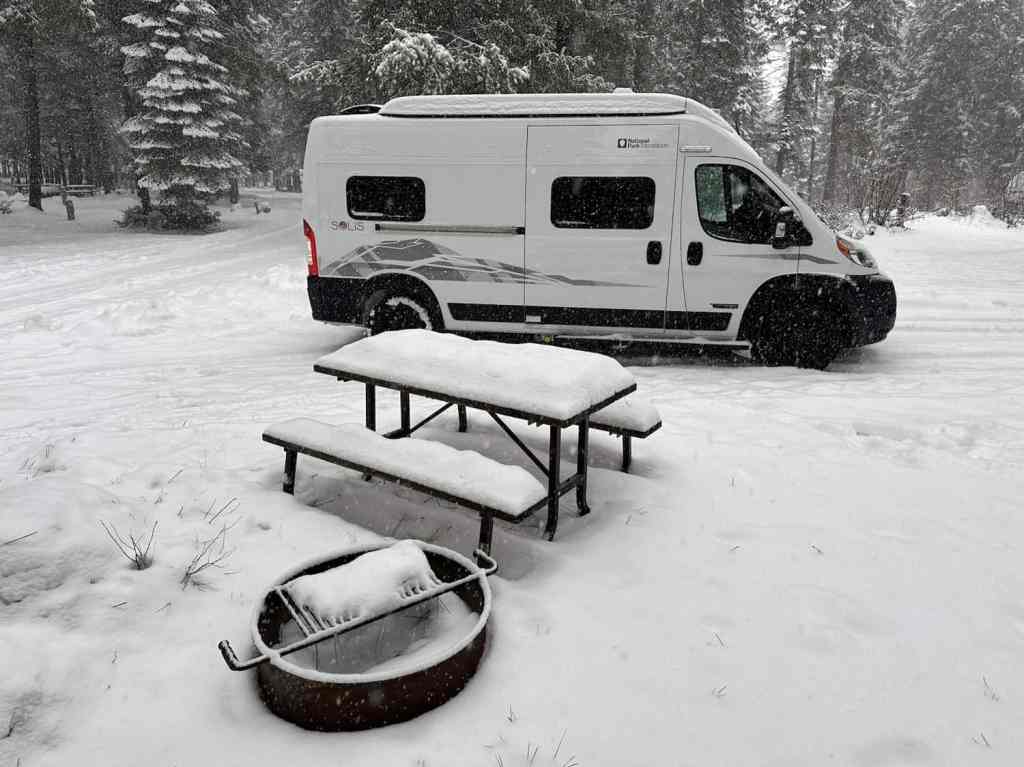
Camping in Washington during winter is a unique experience that offers solitude and a connection with nature. Washington State offers a variety of winter camping options, including developed campsites, backcountry options, and RV camping.
Proper preparation is essential for a safe and enjoyable trip. This includes packing appropriate gear, such as a warm sleeping bag, insulated clothing, and a reliable stove. It is also important to bring enough food, water, a first aid kit, and emergency supplies. Checking weather and road conditions, as well as any park or forest service alerts or closures, is critical.
Washington State Parks offer winter camping opportunities, such as Twanoh State Park and Dosewallips State Park, which provide access to beaches, hiking trails, and fishing. Lake Easton State Park and Moran State Park offer glamping options, while Paradise and Artist Point in the Cascades offer breathtaking views for outdoor enthusiasts.
Eastern Washington also offers winter camping opportunities, such as Rufus Woods Lake and the Blue Mountains, which provide sledding and backcountry options.
Choose the Best Winter Campsites
Washington State offers many stunning locations for winter camping, from the coastline to the Cascade Mountains. Here are some of the best winter campsites you should consider for your next camping trip.
Bridgeport State Park
Located in central Washington, Bridgeport State Park is a quiet place for winter camping. The park offers tent and RV sites and cabins for rent. Visitors can enjoy snowshoeing, cross-country skiing on the nearby trails, and fishing on Rufus Woods Lake.
Cape Disappointment State Park
Cape Disappointment State Park, located on the southern tip of the Olympic Peninsula, is a must-visit destination for winter camping. The park offers tent and RV sites and yurts and cabins for rent. Visitors can enjoy hiking, fishing, and stunning views of the Pacific Ocean.
Dash Point State Park
Dash Point State Park, located near Tacoma, is an excellent destination for winter camping close to the city. The park offers tent and RV sites and cabins for rent. Visitors can enjoy hiking, fishing, and stunning views of the Puget Sound.
Deception Pass State Park
Deception Pass State Park, located on Whidbey Island, is a popular destination for winter camping. This park provides a range of camping choices, including tent and RV sites, across its 4,000 acres of forest, coastline, and lakes. The park also features miles of hiking trails, fishing opportunities, and stunning views of the Puget Sound.
Dosewallips State Park
Dosewallips State Park is a beautiful destination for winter camping. Visitors can enjoy hiking, fishing, and stunning views of the Olympic Mountains.
Fields Spring State Park
Fields Spring State Park, located in eastern Washington, is a hidden gem for winter camping. The park offers tent and RV sites and cabins for rent. Visitors can enjoy stunning views of the surrounding mountains, snowshoeing, and cross-country skiing on the park’s trails.
Lake Wenatchee State Park
Located in the heart of the Cascade Mountains, Lake Wenatchee State Park is a beautiful destination for winter camping. The park offers both tent and RV sites, as well as cabins for rent. Visitors can enjoy cross-country skiing, snowshoeing, and ice fishing.
Mount Rainier National Park
This National Park, located in the Cascade Mountains, is a stunning destination for winter camping. The park offers tent and RV sites and cabins for rent. Visitors can enjoy snowshoeing, cross-country skiing, and stunning views of Mount Rainier.
Orcas Island
Orcas Island, located in the San Juan Islands, is a popular destination for winter camping. Visitors can enjoy camping on the island and hiking, fishing, and stunning views of the surrounding waterways.
San Juan Islands
The San Juan Islands, located in the Puget Sound, offer a unique destination for winter camping. Visitors can enjoy camping on one of the islands and hiking, fishing, and stunning views of the surrounding waterways.
Sequim Bay State Park
Sequim Bay State Park, located on the Olympic Peninsula, is a beautiful destination for winter camping. The park offers tent and RV sites and cabins for rent. Visitors can enjoy hiking, fishing, and stunning views of the Olympic Mountains.
Washington State has a wealth of options for winter camping, from state parks to national parks to the rugged coastline. No matter where you choose to camp, you’re sure to have an amazing experience in this beautiful state.
Essential Winter Camping Gear

Regarding winter camping, having the right gear is crucial to staying warm, dry, and safe. Here are some essential pieces of gear you should bring with you on your trip:
Tent: A sturdy, four-season tent is a must for winter camping. Look for a tent with a waterproof, windproof, and snow-shedding design. Ensure proper ventilation in the tent to prevent the build-up of condensation.
Sleeping Bag: For Washington’s winter conditions, we recommend a sleeping bag rated between 0°F to 20°F. Choose a bag with a waterproof shell to protect it from moisture in the air and ground. We recommend choosing synthetic insulation over down insulation because it retains warmth even when wet.
Sleeping Pad: A good sleeping pad is essential for insulation and comfort. Look for a pad with an R-value of at least 5 for winter camping.
Stove: A reliable stove is important for cooking meals and melting snow for drinking water. We recommend using liquid fuel stoves over canister stoves, as they perform better in cold temperatures.
Cookware: Bring lightweight, durable cookware that can withstand cold temperatures. Look for pots and pans with non-stick coatings to make cleaning easier.
Winter Boots: Warm, waterproof boots with good traction are essential for winter camping. Look for boots with insulation rated for at least -20°F.
Snowshoes: If you plan on hiking in deep snow, snowshoes are a must. Look for snowshoes with aggressive crampons for traction on icy terrain.
Shovel: A small, lightweight shovel is useful for digging out a campsite, clearing snow from around your tent, and building snow shelters.
Headlamp: Having a headlamp is crucial during winter due to shorter daylight hours. It helps with navigation around the camp and allows for night hiking.
First Aid Kit: Accidents can happen, so bringing a well-stocked first aid kit with you on your trip is important.
Winter Camping Safety
Winter camping can be an exciting experience, but it’s essential to take precautions to ensure your safety. Here are some tips to help you prepare for a safe and enjoyable trip:
Weather Conditions
Washington State can experience wet and windy conditions during the winter months. Be sure to bring proper rain gear, and prepare for wet conditions. Strong winds can pose a significant risk, so securing your tent or shelter is crucial. Set up camp in a sheltered area to protect yourself from the wind.
Temperature
Freezing temperatures can be a significant concern when camping in the winter. Bring appropriate clothing, sleeping bags, and sleeping pads to stay warm and comfortable.
Research and Planning
Research and plan your trip thoroughly before heading out. Check the winter schedule for Washington State Parks to ensure that your desired campground or facility is open and available. To secure your spot, make reservations in advance, especially at popular destinations like Mount Rainier National Park or the San Juan Islands.
Hiking and Snowshoeing
If you plan on hiking or snowshoeing, check trail conditions and avalanche forecasts before heading out. Always let someone know where you are going and your expected return time. Bring proper gear, including boots, snowshoes and poles, and safety equipment like a shovel.
Cooking and Stove Safety
Practice proper preparation and safety measures when cooking and using a stove. Use designated fire rings or stoves, and never leave them unattended. Properly store food to prevent attracting wildlife.
Remember to follow these precautions and make the necessary preparations to help ensure a safe and enjoyable winter camping trip in Washington State.
Plan and Book Your Campsite Early
When planning a winter camping trip in Washington, it’s important to make reservations in advance. Most campgrounds and sites require reservations, especially during peak season. You can make reservations online or by phone for Washington State Parks and Recreation Commission campgrounds and vacation houses. Some parks have first-come, first-served sites available, but it’s best to check availability and reserve in advance.
To make a reservation for a Washington State Park campground, visit their website or call (888) CAMPOUT or (888)-226-7688. You can reserve a campsite, yurt, cabin, or vacation house. Certain parks close some of their sites during the winter season, so it’s important to check the park’s winter schedule before you make a reservation.
If you’re looking for RV camping, many State Parks have RV sites available. Some parks have full hookups, while others have water and electric only. You can find more information on RV camping and making reservations on the State Parks website.
In addition to State Parks, the Washington Department of Natural Resources (DNR) manages campgrounds across the state. Campsites are available first-come, first-served at no additional cost with the purchase of your Discover Pass. A limited number of reservation sites are available at the Elbe Hills ORV Campground in Elbe Hills State Forest. Use the Interactive Recreation Map on the DNR website to scout out your next adventure.
When making reservations, be sure to check the park’s rules and regulations. Some parks have restrictions on the number of people per site, the length of stay, and the use of generators. Some parks also have day-use areas that require a separate reservation. Plan ahead and make your reservations early to ensure a smooth and enjoyable winter camping experience in Washington.
Ready to Explore Winter Camping in Washington? 🏕️❄️
Are you ready to embrace the unique experience of winter camping in Washington State? From snow-covered landscapes to exciting outdoor activities, your perfect winter getaway awaits. Don’t forget to share your own winter camping experiences in Washington in the comments below. Let’s inspire each other with stories of adventure and the beauty of nature in winter!
Leave a comment below with your stories or plans for winter camping in Washington. Let’s share tips and favorite spots, and inspire each other for our next chilly adventure!
Winter Camping FAQs
What are some good locations for winter camping in Washington State?
Washington State offers many great locations for winter camping. Some popular options include Bridgeport State Park, Mount Rainier National Park, and North Cascades National Park. These locations offer stunning views and a variety of camping options for all skill levels.
What are the best Washington State parks for winter camping?
State Parks offer a variety of camping options during the winter months. Some of the best options include Cape Disappointment State Park, Deception Pass State Park, and Lake Wenatchee State Park. These parks offer a range of amenities and activities, including hiking, snowshoeing, and cross-country skiing.
What are some tips for winter camping in Washington?
When winter camping in, it’s important to come prepared and camping in Washington is no different. Be sure to bring warm clothing, including a hat, gloves, and insulated boots. Additionally, make sure to bring a four-season tent, a warm sleeping bag, and a sleeping pad to insulate yourself from the cold ground. It’s also important to stay hydrated and well-fed, as your body will burn more calories to stay warm in the cold weather.
What gear is essential for winter camping in Washington?
When winter camping in Washington, there are several essential pieces of gear you’ll need. These include a four-season tent, a warm sleeping bag, a sleeping pad, and a stove for cooking. Additionally, you’ll want to bring warm clothing, including a hat, gloves, and insulated boots. It’s also important to bring plenty of food and water, as well as a first aid kit and a map of the area.
What are the risks of winter camping in Washington?
Winter camping in Washington can be a rewarding experience, but it’s important to be aware of the risks. These include hypothermia, frostbite, and slips and falls on icy terrain. To minimize these risks, it’s important to come prepared with warm clothing and appropriate gear, as well as to stay hydrated and well-fed.
Are there any restrictions or closures for winter camping in Washington State parks?
State Parks may have restrictions or closures during the winter months, so it’s important to check ahead before planning your trip. Some parks may have limited amenities or may only offer camping in certain areas. Furthermore, snow or other winter conditions may lead to the closure of certain roads or trails. Be sure to check with the park ahead of time to ensure that you’re prepared for your trip.
Growing up in the Pacific Northwest, we’ve always felt at home in the outdoors. We created Evergreen Adventures PNW to share our love of hiking, camping, and exploring, and to help others discover the best adventures this region has to offer. Along with trip guides and tips, we also enjoy diving into the science behind the landscapes—thanks to a background in Environmental Science—because understanding nature makes every adventure even more meaningful.