
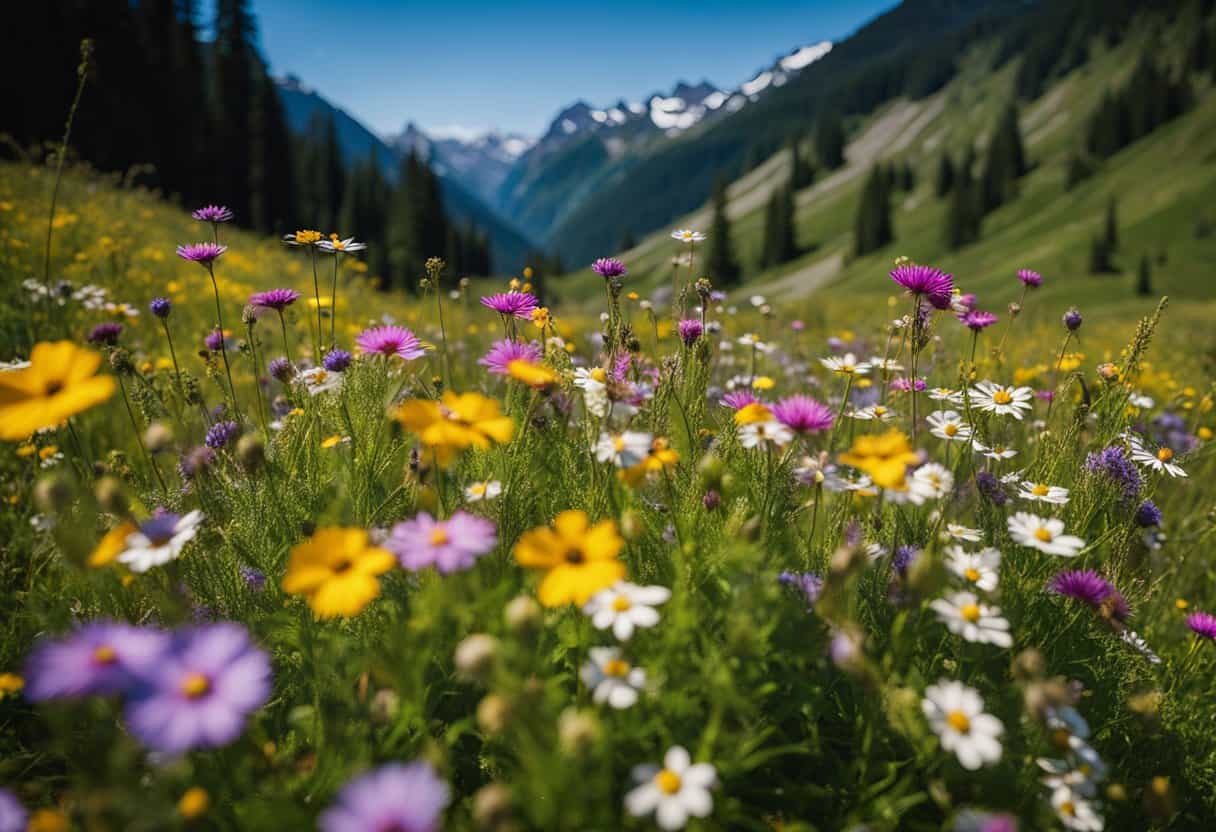
If you’re a nature enthusiast looking to explore the diverse flora of Washington State parks, you’re in for a treat. The state is home to a wide variety of wildflowers, from the delicate and colorful lupine to the striking scarlet paintbrush. With over 200 species of wildflowers in the region, there’s no shortage of natural beauty to discover.
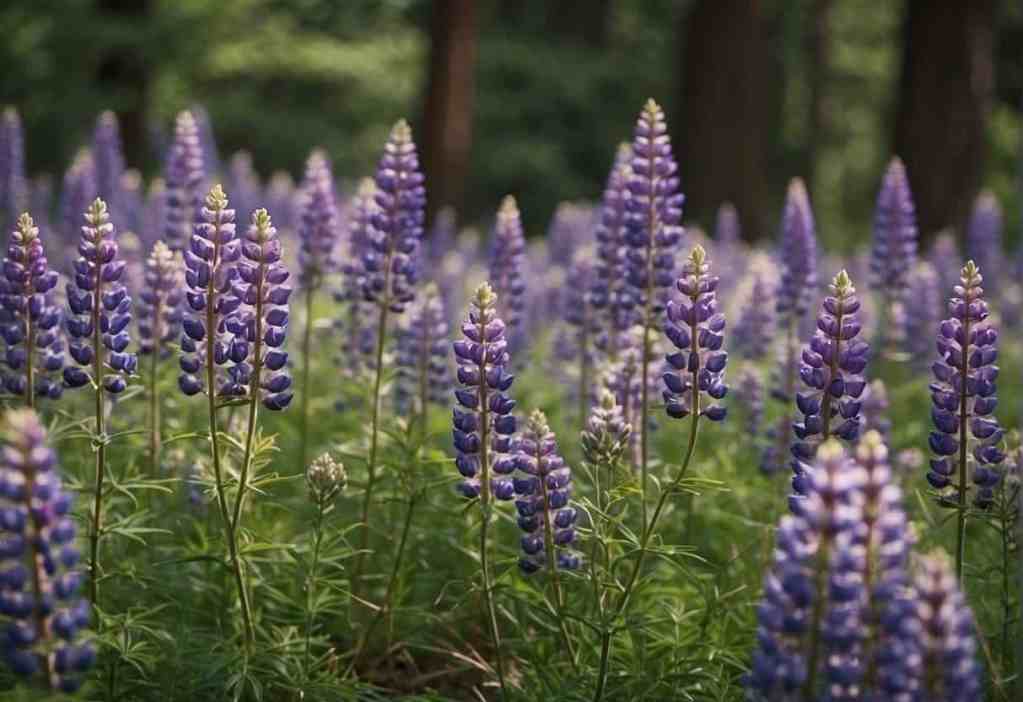
Washington State parks offer a range of habitats for wildflowers, from the lush forests of Mount Rainier National Park to the arid landscapes of the Columbia River Gorge. Whether you’re a seasoned botanist or just starting out, there’s something for everyone. In this article, we’ll take a closer look at the types of wildflowers you can expect to find in Washington State parks and provide some tips for identifying and conserving these precious natural resources.
Key Takeaways
- Washington State parks offer diverse wildflower habitats, from forests to deserts.
- Over 200 species of wildflowers can be found in Washington State parks.
- Identifying and conserving wildflowers is important for preserving the region’s natural beauty.
Table of Contents
Diversity of Wildflowers in Washington State
Washington state is home to a diverse array of wildflowers, with species richness varying across different ecosystems. From forests to meadows and prairies to alpine regions, the state’s landscapes offer a wide range of habitats for these colorful blooms to thrive.
Species Richness Across Ecosystems
In Washington state parks, you can find a variety of wildflowers, including white, red, pink, yellow, blue, purple, and orange blooms. The state boasts over 200 species of wildflowers, each with its unique characteristics and adaptations to its environment.
Wildflowers such as trillium, bleeding hearts, and wild ginger grow in forest ecosystems. In meadows and prairies, camas, lupine, and yarrow might be encountered. In alpine regions, subalpine daisies, mountain heather, and forget-me-nots can be spotted.
Color Variations and Blooming Seasons
The color variations of wildflowers in Washington state are as diverse as the ecosystems they inhabit. White, red, and pink flowers are common in spring, while yellow, blue, and purple blooms are more prevalent in summer. Orange flowers are found throughout the season.
The blooming season of wildflowers in Washington state varies depending on the species and location. Some wildflowers bloom in the early spring, while others bloom in the late summer. The peak wildflower season in the state is in the late spring and late summer months.
Notable Wildflower Habitats
Washington State parks are home to a variety of wildflowers that bloom in different seasons. Here are some notable habitats to explore:
Mount Rainier National Park
Mount Rainier National Park is famous for its subalpine daisy, red columbine, scarlet paintbrush, and spreading phlox. The Paradise area is a popular spot for hiking, with the Skyline Trail and the Sunrise area offering stunning views of the wildflowers.
Olympic National Park and Peninsula
The Olympic National Park and Peninsula is a diverse region with wildflowers that grow along stream banks, hillsides, and heather meadows. The park is home to the yellow aster butte, which blooms in late summer, and the ancient lakes, which offer a unique habitat for wildflowers.
North Cascades and Central Regions
The North Cascades and Central Regions are home to the Weldon Wagon Road, a popular hiking trail that offers views of wildflowers. The region is also known for its heather meadows, which bloom in late summer and early fall.
Wildflower Identification
Using a Field Guide
A field guide can be valuable for identifying wildflowers in Washington state parks. Look for guides that include color photos and descriptions of the flowers’ characteristics, such as leaf shape, petal arrangement, and growth habit. Some popular field guides for the region include “Wildflowers of the Pacific Northwest” and “Wildflowers of the Columbia Gorge.”
Characteristics of Common Wildflowers
Washington state parks are home to a variety of wildflowers, each with its own unique characteristics. Lupine, for example, is a tall plant with spikes of blue or purple flowers that bloom in late spring. On the other hand, Foxglove has tall spikes of bell-shaped flowers in shades of pink, purple, and white.
Fleabane is a common wildflower in Washington state parks that grows in rocky or sandy soil. Its daisy-like flowers have white petals surrounding a yellow center. Indian paintbrush is another common wildflower that can be found in a range of colors, from red to orange to yellow.
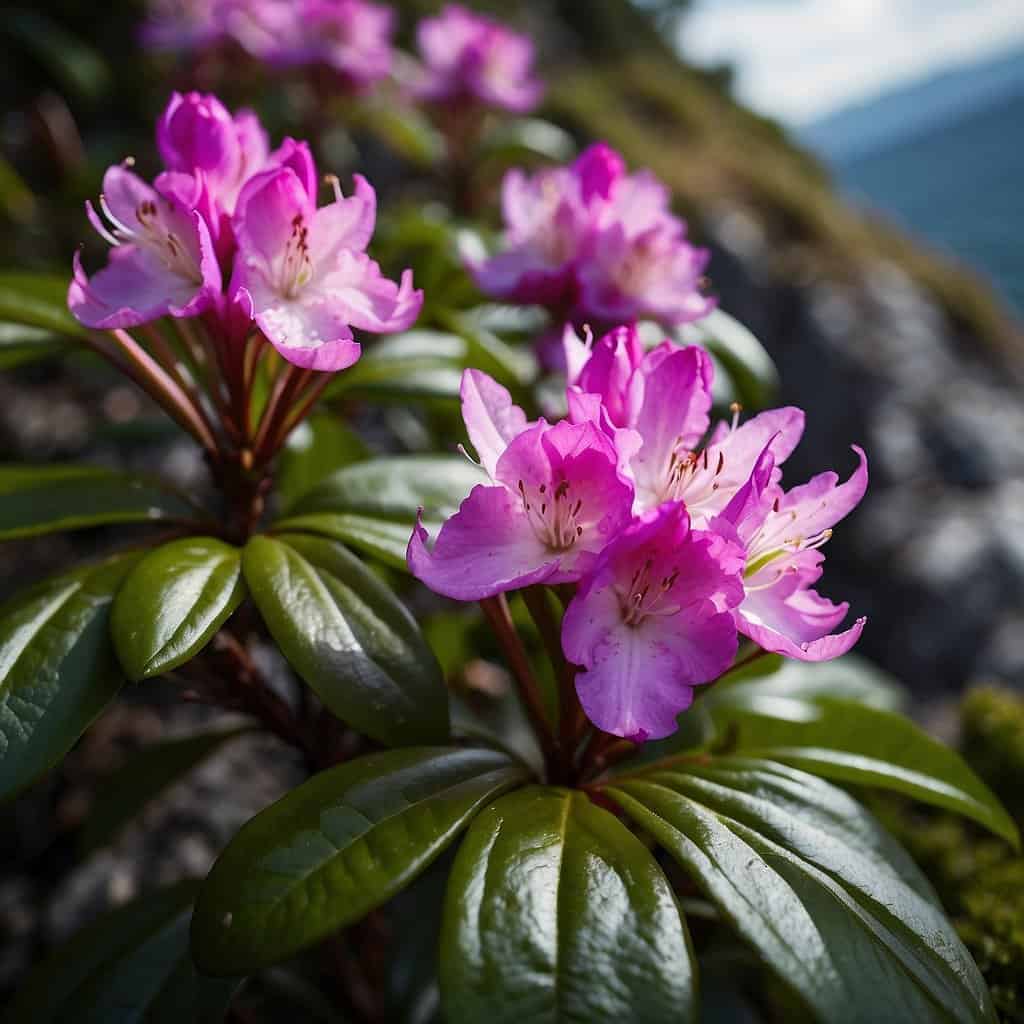
Washington’s state wildflower is the coast rhododendron, which grows in coastal forests and mountain slopes. Its large, showy flowers range in color from deep pink to purple. Tassel rue is another common wildflower in the state, with clusters of small, white flowers that bloom in early summer.
In higher altitude areas, stream violet can be found growing in moist soil near streams and waterfalls. Its delicate purple flowers have a heart-shaped leaf that grows close to the ground.
Remember to always respect the wildflowers in Washington state parks by not picking them or damaging their habitat. Use a field guide and take photos instead to help with identification.
Conservation and Protection
Protecting Washington’s wildflowers is crucial to preserving the state’s natural beauty. The state flower, the Coast Rhododendron, is just one of the many threatened by habitat loss and climate change.
Understanding these delicate plants’ unique needs is important to helping protect them. Many Washington wildflowers require moist, well-drained soils to thrive. Altering an area’s natural hydrology can have devastating effects on the local wildflower population.
Hybridization can also pose a threat to Washington’s wildflowers. The introduction of non-native species can lead to the creation of hybrid plants that can outcompete native species for resources.
Climate change is another significant threat to Washington’s wildflowers. Rising temperatures and changing precipitation patterns can alter the timing of flowering, which can have cascading effects on the local ecosystem.
To help protect Washington’s wildflowers, it is important to support conservation efforts and practice responsible land use. This can include limiting development in areas with high wildflower diversity, avoiding the introduction of non-native species, and minimizing disturbance to natural habitats.
By taking these steps, we can help ensure that future generations can enjoy the beauty and diversity of Washington’s wildflowers.
Wildflower Viewing Tips
Best Times and Locations for Viewing
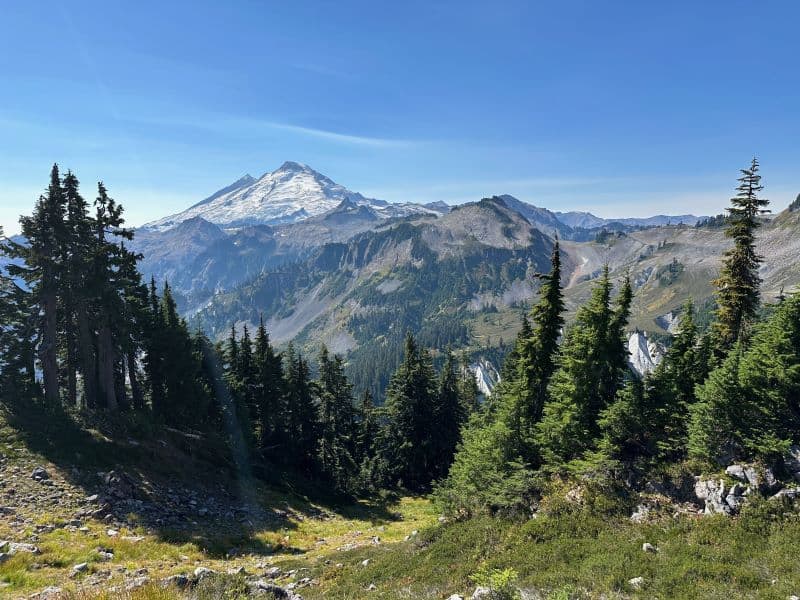
Washington state parks offer some of the most breathtaking wildflower meadows in the country. For the best viewing experience, visit during peak bloom time, which typically occurs from late May to early August. Mount Baker, Bellingham, and Kendall Katwalk are popular spots for wildflower enthusiasts. Partial shade and well-drained soils are ideal conditions for wildflowers to thrive.
Responsible Hiking Practices
When hiking through wildflower meadows, it’s important to practice responsible hiking practices to minimize your impact on the environment. Stay on designated trails to avoid trampling on delicate wildflowers. Avoid picking wildflowers, as it can damage the ecosystem. Be mindful of other hikers and yield to those going uphill. Remember to pack out all trash and leave no trace.
Frequently Seen Wildflowers
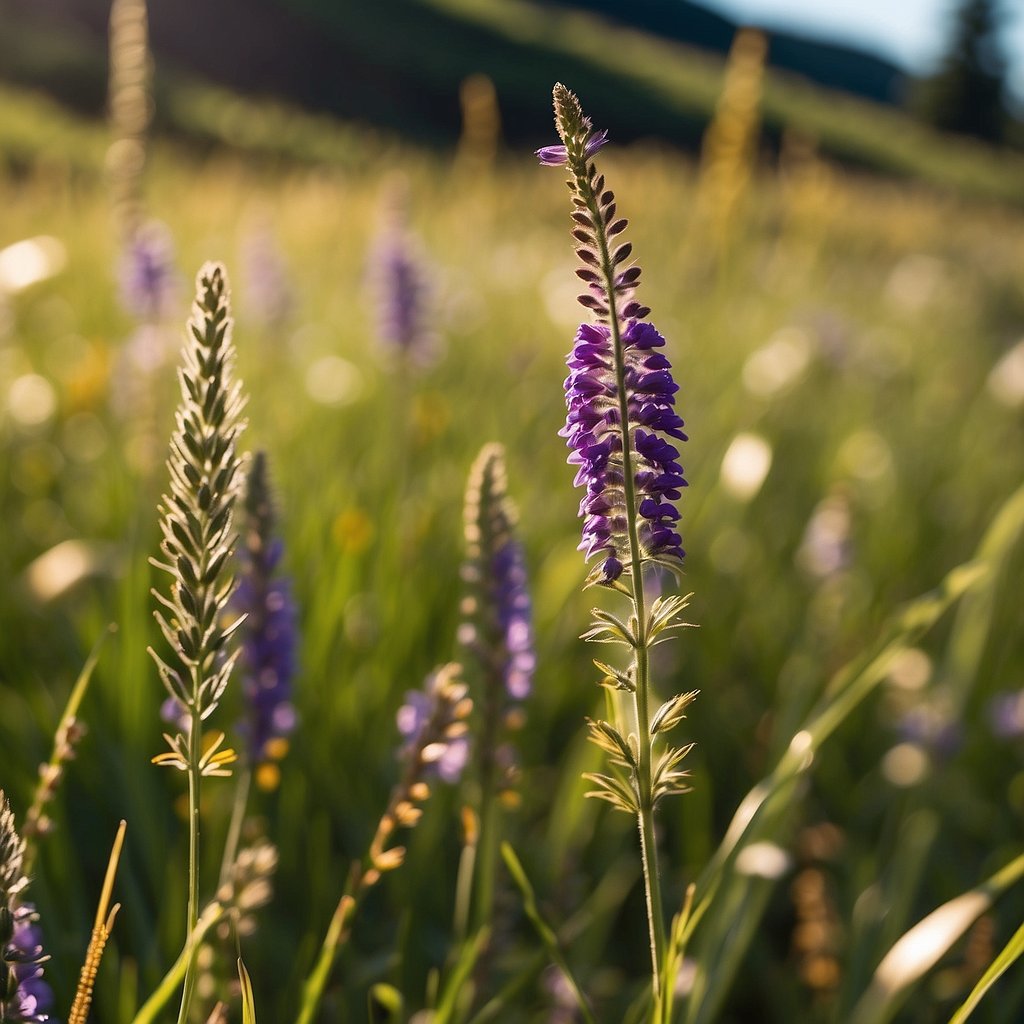
When visiting Washington state parks, you are likely to come across a variety of wildflowers. Some of the most frequently seen wildflowers include the broadleaf lupine (Lupinus latifolius), which produces beautiful purple flowers in the spring and summer.
Another common wildflower is the daisy fleabane (Erigeron annuus), also known as the dependable daisy. This flower produces clusters of small white and yellow flowers that bloom from late spring to early fall.
You may also spot vergerettes, also known as English plantain (Plantago lanceolata) or ribwort plantain (Plantago lanceolata), which produces small white flowers in the summer.
The lanceleaf Indianwheat (Plantago lanceolata) is another wildflower that is commonly found in Washington state parks. This plant produces small, yellow flowers in the summer and fall.
White clover (Trifolium repens), also known as Dutch clover or shamrock, is a common wildflower that produces small white flowers in the summer.
Honeysuckle grass (Indian hemp, Apocynum cannabinum) is another wildflower that you may come across in Washington state parks. This plant produces clusters of small white and pink flowers in the summer.
Prairie dogbane (Amy root or rheumatism root, Apocynum cannabinum) is a wildflower that produces clusters of small pink and white flowers in the summer.
Finally, wild cotton is another common wildflower that you may see in Washington state parks. This plant produces small, fluffy white flowers in the summer.
Washington state parks are home to a diverse array of wildflowers, and you are sure to come across many other species as you explore the parks.
Frequently Asked Questions
Which wildflowers are typically found in the alpine regions of Washington state?
Washington’s alpine regions are home to a variety of wildflowers, including Indian paintbrush, lupine, and glacier lilies. Other common wildflowers found in alpine regions include mountain heather, alpine aster, and alpine phlox.
What are the names of some purple wildflowers native to Washington state?
Purple wildflowers commonly found in Washington state include Camas, Bluebells, and Lupine. These flowers are seen in the spring and summer months and are often found in meadows and open fields.
When is the peak season to view wildflowers in the Cascades?
The peak season for wildflowers in the Cascades typically occurs between mid-July and early August. During this time, the meadows are in full bloom, and visitors can see a variety of wildflowers, including lupine, paintbrush, and phlox.
Can you list common wildflowers that grow in Eastern Washington?
Eastern Washington is home to a variety of wildflowers, including Balsamroot, Arrowleaf balsamroot, and Indian paintbrush. Other common wildflowers found in Eastern Washington include Lupine, Bluebells, and Sagebrush buttercup.
What are some wildflower species native to the Pacific Northwest, particularly Washington?
Washington is home to many native wildflowers, including Trillium, Oregon grape, and Bleeding heart. Other common wildflowers include Red columbine, Tiger lily, and Western bleeding heart.
Where are the best locations to observe wildflowers in Western Washington?
Western Washington is home to many beautiful parks and trails that are ideal for wildflower viewing. Some popular locations include Mount Rainier National Park, Mount Baker-Snoqualmie National Forest, and Olympic National Park.
Growing up in the Pacific Northwest, we’ve always felt at home in the outdoors. We created Evergreen Adventures PNW to share our love of hiking, camping, and exploring, and to help others discover the best adventures this region has to offer. Along with trip guides and tips, we also enjoy diving into the science behind the landscapes—thanks to a background in Environmental Science—because understanding nature makes every adventure even more meaningful.