
If you’re looking for a camping adventure in the great outdoors, this is the perfect destination for you. With over 1,000 hectares of land available for camping and recreation, you’ll have plenty of space to explore and enjoy all that this stunning forest has to offer.
Before you pack up your tent and hit the road, it’s important to plan your trip carefully.
With so many camping options and amenities available, it can be overwhelming to decide where to stay and what to do.
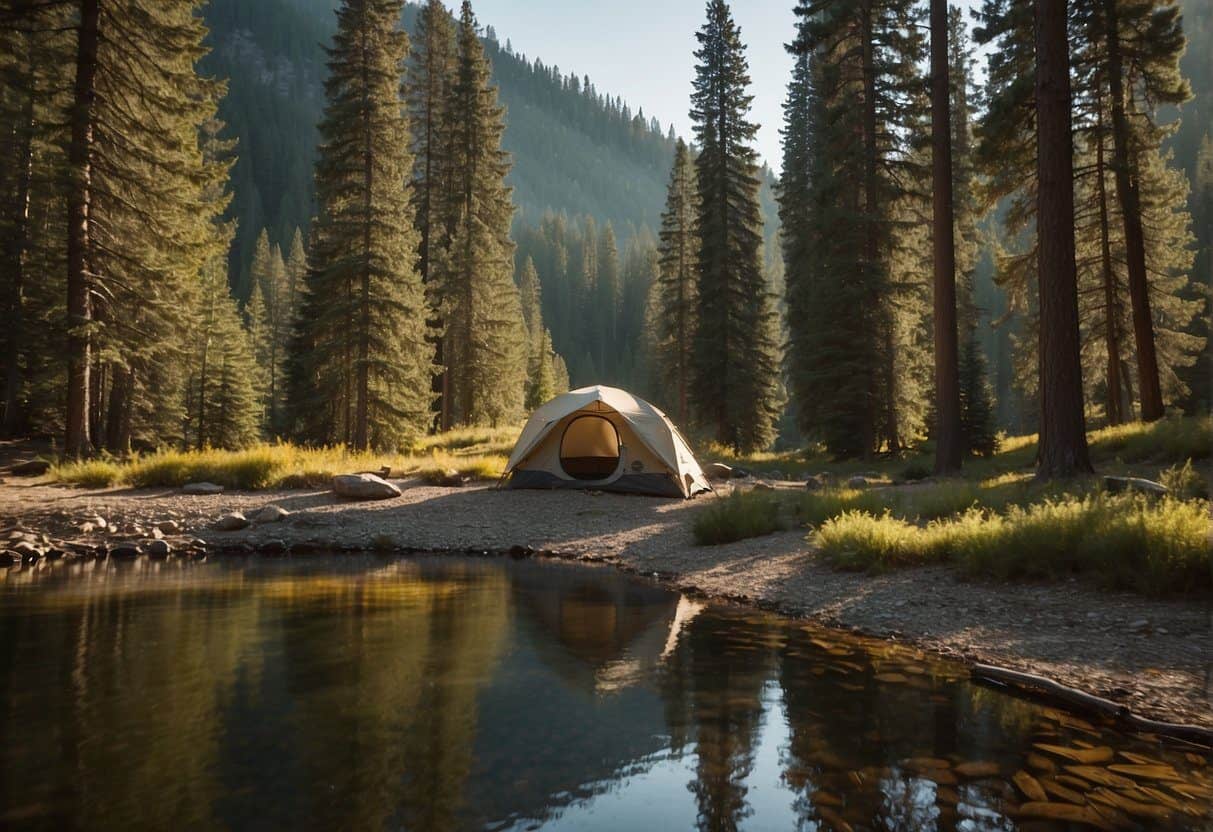
Fortunately, we’ve got you covered. In this article, we’ll provide you with all the information you need to plan the perfect Wenatchee National Forest camping trip.
From campground amenities to local attractions and safety tips, we’ll cover it all.
So grab your hiking boots, pack up your tent, or stock the RV, and let’s get started!
Key Takeaways
- Wenatchee National Forest is a vast outdoor paradise located in Washington state, offering over 1,000 hectares of land for camping and recreation.
- Planning your trip carefully is essential to ensure a successful camping experience in Wenatchee National Forest.
- From camping options and amenities to local attractions and safety tips, we’ll provide you with all the information you need to plan the perfect camping trip in Wenatchee National Forest.
Table of Contents
Planning Your Trip
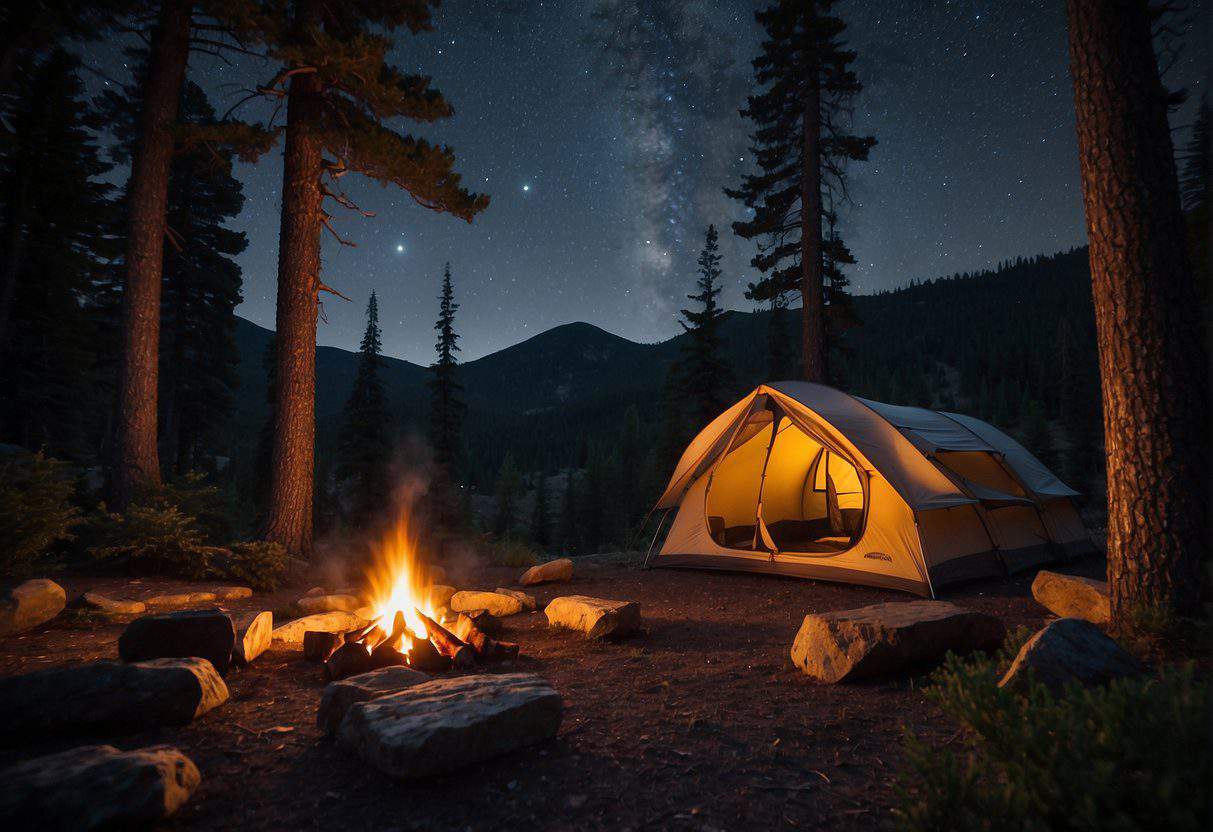
Best Times to Visit
The best time to visit Wenatchee National Forest depends on your preferences and what you want to do.
If you’re looking for a summer camping trip, the months of July and August are the most popular. However, if you prefer cooler temperatures and fewer crowds, consider visiting in the spring or fall.
Winter camping is also an option, but be prepared for snow and cold temperatures.
Reservations and Permits
Most campgrounds in Wenatchee National Forest are first come, first served.
However, some campgrounds, such as Nason Creek and Willows, require reservations through recreation.gov.
Make sure to check the reservation rules and cancellation policies before booking your site.
If you plan to camp in a dispersed area, you may need a permit. Contact the Okanogan-Wenatchee National Forest office for more information.
Driving Directions and Accessibility
Wenatchee National Forest is located in central Washington, about 2.5 hours east of Seattle. The forest is accessible via Highway 12 and Highway 2.
If you’re coming from the east, take Highway 97 south to Highway 2. If you’re coming from the west, take I-90 east to Highway 97 north to Highway 2.
Leavenworth, a popular nearby town, is located about 20 miles east of the forest.
Most campgrounds in Wenatchee National Forest are accessible by car, but some sites may require a high-clearance vehicle or 4-wheel drive. Make sure to check the accessibility of your chosen campground before you go.
Wenatchee National Forest Camping Options
Are you planning a camping trip to Wenatchee National Forest? With over 140 campgrounds and picnic areas, you’ll have plenty of options to choose from. Here are some of the camping options available to you:
RV Camping
If you’re looking for an RV camping experience, there are several campgrounds that can accommodate you.
Most campgrounds in the forest are first come, first served, but some have sites that can be reserved in advance. Be sure to check the availability of campsites before you go.
RV campsites usually have amenities such as picnic tables, fire pits, and RV hoses. If you have an extra vehicle, you may be required to pay an extra vehicle fee. Some popular RV campgrounds include Kachess and Nason Creek.
Tent and Backcountry Camping
If you prefer a more rustic camping experience, there are plenty of tent and backcountry camping options available.
You can camp in designated campsites or in the wilderness, but be sure to follow the rules and regulations of the forest.
Backcountry camping requires a permit, which can be obtained from the ranger station. Keep in mind that backcountry camping is not for everyone and requires a certain level of experience. If you’re new to camping, it’s best to stick to designated campsites.
Group and Family Camping
If you’re planning a camping trip with a large group or family, there are several campgrounds that offer group reservation opportunities.
These campgrounds usually have amenities such as picnic tables, fire pits, and access to trails. Some popular group and family campgrounds include those found here: Okanogan-Wenatchee National Forest – Camping & Cabins.
Campground Amenities

When it comes to camping in Wenatchee National Forest, it’s important to know what amenities are available at the various campgrounds. Here are some of the most important amenities you’ll find at most campgrounds in the area.
Water and Sanitation
Most campgrounds in Wenatchee National Forest have handpump or water spigots available for campers to use.
This is important, as it means you won’t have to worry about bringing your own water supply.
Additionally, most campgrounds have vault toilets available for campers to use. These are basic, but they get the job done.
Food Storage and Firewood
When camping in Wenatchee National Forest, it’s important to store your food properly to avoid attracting wildlife.
Most campgrounds have bear-proof food storage lockers available for campers to use. Additionally, firewood is often available for purchase at campgrounds.
This is important, as it means you won’t have to worry about bringing your own firewood.
Activities and Recreation
When it comes to outdoor recreation, Wenatchee National Forest has something for everyone. With over 140 campgrounds and picnic areas, you’re sure to find the perfect spot to set up camp and enjoy the great outdoors. Here are some of the activities and recreation options available in Wenatchee National Forest.
Hiking and Trails
Wenatchee National Forest has miles of hiking trails, including a section of the famous Pacific Crest Trail.
Whether you’re looking for an easy day hike or a multi-day backpacking trip, there’s a trail for you. Some popular hikes include the Icicle Ridge Trail, the Stuart Lake Trail, and the Enchantment Lakes.
Water Activities
Wenatchee National Forest is home to several lakes and rivers, making it a great destination for water activities.
Fishing is a popular pastime, with Kokanee salmon and other fish species found in the Naches River.
Swimming and boating are also popular on lakes like Kachess and Keechelus.
Winter Sports
When winter comes, Wenatchee National Forest turns into a winter wonderland.
Skiing, snowshoeing, and snowmobiling are popular activities, with several ski resorts located nearby.
The Leavenworth Winter Sports Club also offers cross-country skiing and snowshoeing trails.
Wildlife Watching
Wenatchee National Forest is home to a variety of wildlife, including the Northern bald eagle, Northern spotted owl, gray wolves, and grizzly bears.
Wildlife watching is a popular activity, with many opportunities to see these animals in their natural habitat. Just remember to keep a safe distance and respect their space.
Conservation and Safety
Camping in Wenatchee National Forest is an opportunity to enjoy the beautiful landscape while also preserving it for future generations. To ensure the longevity of the forest, it is important to follow conservation and safety guidelines.
Protecting the Environment
When camping in Wenatchee National Forest, it is essential to protect the environment.
This includes properly disposing of waste and not disturbing the natural landscape. Invasive species can also be harmful to the ecosystem, so it is important to avoid bringing in any non-native plants or animals.
Wildlife Safety and Ethics
Wenatchee National Forest is home to a variety of wildlife, including gray wolves and grizzly bears.
It is important to respect these animals and their habitats. Keep a safe distance and never feed them.
Additionally, it is important to properly store food and trash to avoid attracting wildlife to your campsite.
Fire Safety and Restrictions
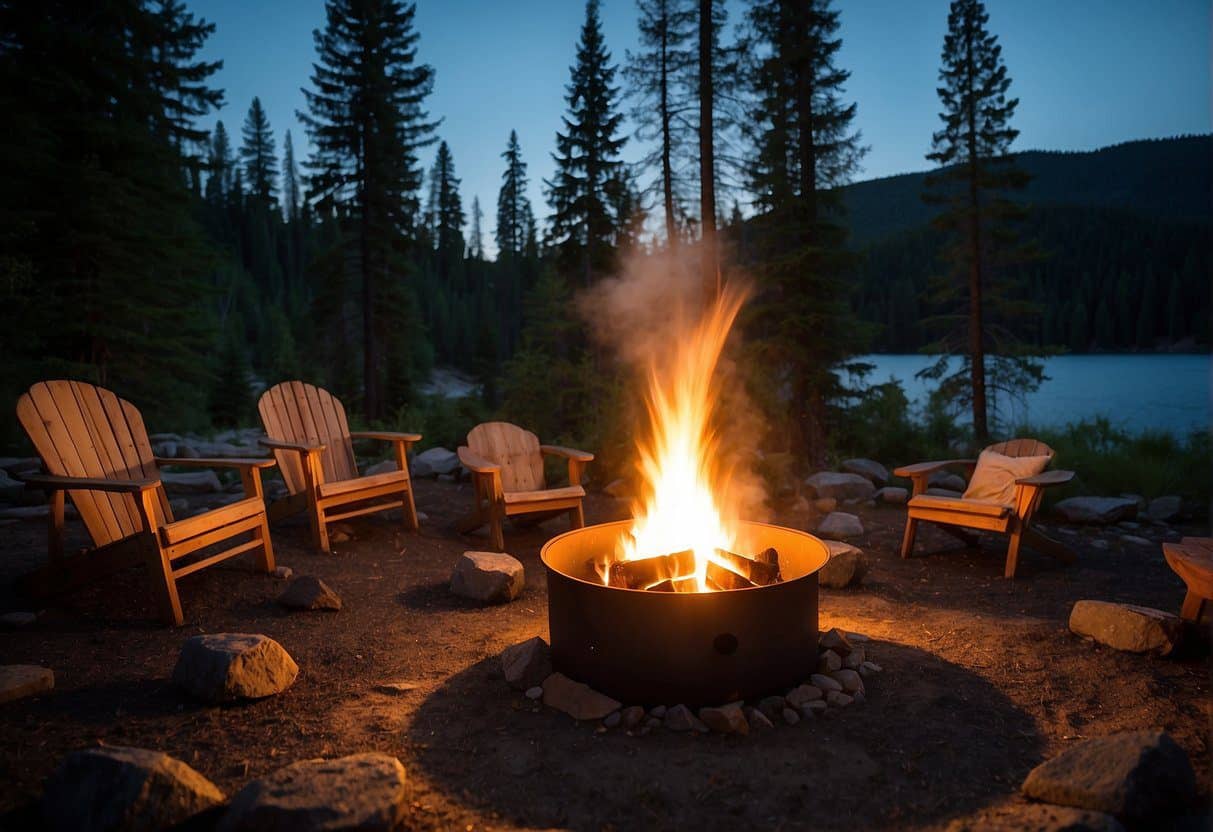
Campfires are a common part of camping, but it is important to follow fire safety guidelines to prevent forest fires.
Only use designated fire rings and never leave a fire unattended.
It is also important to follow any fire restrictions in place, such as bans on open fires during dry seasons.
Local Attractions and Amenities
If you’re planning a camping trip to the Wenatchee National Forest, you’ll be happy to know that there are plenty of local attractions and amenities to enjoy during your stay. Here are some of the highlights:
Nearby Towns and Services
The Wenatchee National Forest is located near several towns that offer a variety of services and amenities.
Leavenworth, Washington, is a popular destination for tourists, with its charming Bavarian-style architecture and many shops and restaurants.
Naches, Washington, is another nearby town that offers services such as gas stations, grocery stores, and restaurants. Cle Elum is also a nearby town that offers a variety of services and amenities.
Cultural and Historical Sites
The Wenatchee National Forest is home to several cultural and historical sites that are worth visiting during your camping trip.
The Naches Ranger District Headquarters is a historic building that was built in the 1930s and is now home to the Naches Ranger Station.
Melody Lane is another historic site in the area, known for its connection to country music history.
The Entiat Way is a scenic drive that offers stunning views of the surrounding landscape and is a popular destination for tourists.
Maps and Resources

When planning a camping trip to Wenatchee National Forest, it’s important to have access to accurate maps and resources.
Fortunately, there are plenty of options available to help you navigate the forest and plan your adventure.
One great resource is the Forest Service Map Finder, which offers both digital and paper versions of maps for the Okanogan-Wenatchee National Forest.
These maps can be especially helpful for off-road vehicle enthusiasts and snowmobilers, as they provide detailed information on groomed snowmobile routes and off-road vehicle trails.
Additionally, the GEO PDF maps offer even more detailed information on specific areas of the forest.
Another helpful resource is the Wenatchee National Forest’s recreation report, which is updated frequently to provide information on weather, road conditions, and closures.
This report can be particularly useful for planning a camping trip, as it can help you determine which campgrounds are open and what amenities are available.
If you’re looking for more detailed information on specific trails and camping areas, the U.S. National Forest Campground Directory is a great resource.
This directory offers pictures and detailed descriptions of campgrounds throughout the forest, making it easy to find the perfect spot for your camping adventure.
Finally, don’t forget to take advantage of the many photo galleries and trail maps available online.
These resources can help you get a better idea of what to expect on your trip and can also provide inspiration for new routes and trails to explore.
Frequently Asked Questions
How do I make a reservation for camping in Wenatchee National Forest?
Making a reservation for camping in Wenatchee National Forest is easy.
You can visit the official website of the US Forest Service and book a spot online.
You can also call the ranger station to make a reservation.
It is important to note that some campgrounds may only accept cash payments, so it’s a good idea to have some cash on hand just in case.
Where can I find a map of the campgrounds in Wenatchee National Forest?
You can find a map of the campgrounds in Wenatchee National Forest on the official website of the US Forest Service.
The map shows the location of all the campgrounds, as well as the facilities available at each one. You can use this map to plan your trip and choose the campground that suits your needs.
What are the reviews saying about camping in Wenatchee National Forest?
Camping in Wenatchee National Forest is a popular activity, and there are many reviews available online.
Most visitors have had positive experiences, praising the beautiful scenery, well-maintained facilities, and friendly staff.
However, some reviews mention that the campgrounds can get crowded during peak season, so it’s a good idea to plan ahead and make a reservation.
Can I camp for free in Wenatchee National Forest, and if so, where?
There are some areas in Wenatchee National Forest where you can camp for free, known as dispersed camping.
However, there are rules and regulations that must be followed, such as staying at least 100 feet away from water sources, and packing out all trash and waste.
You can find more information about dispersed camping on the official website of the US Forest Service.
Are there cabin accommodations available in Wenatchee National Forest, and how do I book one?
Yes, there are cabin accommodations available in Wenatchee National Forest.
You can find more information about cabin rentals on the official website of the US Forest Service.
Some of the larger campgrounds also offer cabin rentals, and you can make a reservation online or by calling the ranger station.
What are the rules and regulations for dispersed camping in the Okanogan-Wenatchee National Forest?
When dispersed camping in the Okanogan-Wenatchee National Forest, it is important to follow the rules and regulations to protect the environment and ensure a safe and enjoyable experience for all visitors.
Some of the rules include staying at least 100 feet away from water sources, using a camp stove instead of a fire, and packing out all trash and waste.
You can find more information about dispersed camping on the official website of the US Forest Service.
Growing up in the Pacific Northwest, we’ve always felt at home in the outdoors. We created Evergreen Adventures PNW to share our love of hiking, camping, and exploring, and to help others discover the best adventures this region has to offer. Along with trip guides and tips, we also enjoy diving into the science behind the landscapes—thanks to a background in Environmental Science—because understanding nature makes every adventure even more meaningful.