
Welcome to the Okanogan-Wenatchee National Forest, a diverse and scenic area that covers more than 3.8 million acres of land in Washington state. The forest is managed by the United States Forest Service, which aims to provide public benefits, recreation, and conservation. The forest is bordered on the north by British Columbia, on the east by Colville National Forest, and on the south by the divide between the Methow and the Yakima River.
The Okanogan-Wenatchee National Forest is a popular destination for outdoor enthusiasts, offering a wide range of recreational activities, including hiking, camping, fishing, hunting, skiing, and snowmobiling. The forest is home to a variety of wildlife, including deer, elk, black bears, mountain goats, and bighorn sheep. The forest also features several scenic attractions, such as the North Cascades Highway, Lake Chelan, and the Wenatchee River.
Key Takeaways
- The Okanogan-Wenatchee National Forest covers more than 3.8 million acres of land in Washington state.
- The forest offers a wide range of recreational activities, including hiking, camping, fishing, hunting, skiing, and snowmobiling.
- The forest is home to a variety of wildlife and several scenic attractions, such as the North Cascades Highway, Lake Chelan, and the Wenatchee River.
Table of Contents
History and Overview of Okanogan Wenatchee National Forest
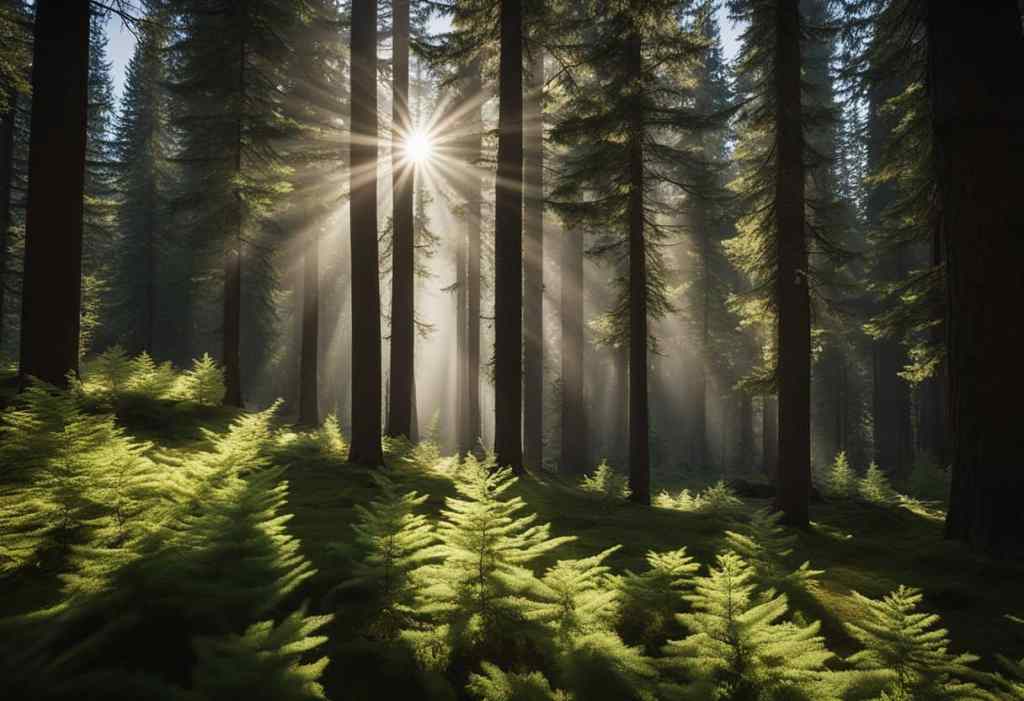
The Okanogan-Wenatchee National Forest is a vast and diverse landscape, encompassing over 3.8 million acres in Washington state. The forest stretches north to south from the Canadian border to the Goat Rocks Wilderness, a distance of about 180 miles. The forest lies east of the Cascade Crest, which defines its western boundary.
Creation and Growth
The Okanogan National Forest was established on July 1, 1911, from a portion of the Chelan National Forest. The forest headquarters was initially located in Wenatchee, and the forest had seven ranger districts, including Chiwaukum, Chumstick, Cle Elum, Easton, Icicle-Peshastin, Lake Wenatchee, and Liberty.
The forest has grown significantly since then and now has 63 ranger stations and administrative sites. In 1920, the forest headquarters moved to Wenatchee, and the Entiat watershed returned to the Wenatchee National Forest from the Chelan National Forest.
Forest Supervision and Management
The United States Forest Service, a department of the United States Department of Agriculture, manages the Okanogan-Wenatchee National Forest. The Forest Supervisor is in charge of the forest’s supervision and management.
The Forest Service has been responsible for the forest’s management since its creation. It has spent a whopping $250 on road improvement and construction in 1914. The forest service has also been responsible for the growth of the forest, including the transfer of the entire forest back to the Chelan National Forest in 1921, and the subsequent reversion of the transfer on March 23, 1955.
In conclusion, the Okanogan-Wenatchee National Forest is a vast and diverse landscape that has grown significantly since its creation in 1911. The Forest Service has been responsible for the forest’s management since its creation, including the transfer of the entire forest back to the Chelan National Forest in 1921, and the subsequent reversion of the transfer on March 23, 1955.
Geography and Ecology
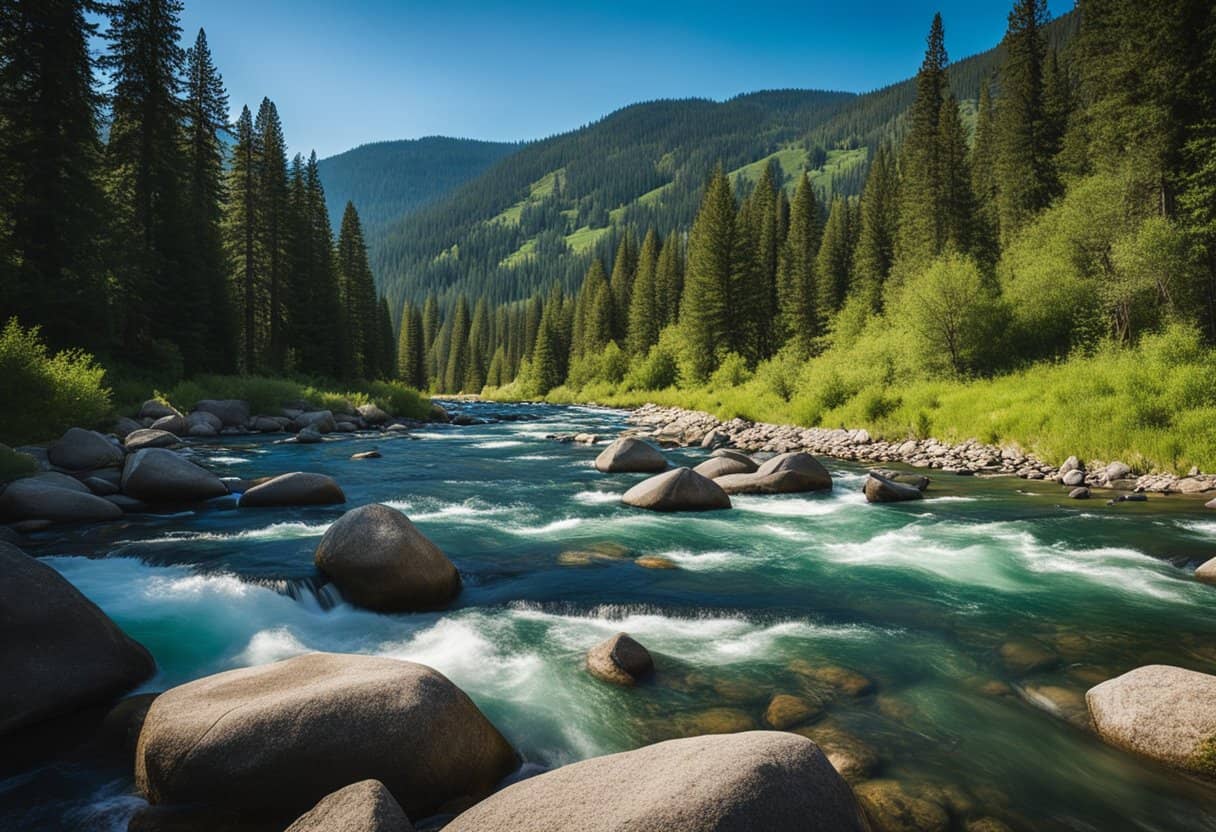
Geographic Features
The Okanogan-Wenatchee National Forest spans over 3.8 million acres in Washington state, stretching from the Canadian border to the Goat Rocks Wilderness. The forest lies east of the Cascade Crest, which defines its western boundary. The Cascade Range dominates the western part of the forest, while the Okanogan Highlands and Alpine Peaks are found in the eastern region. The Columbia River cuts through the southern part of the forest, while the Yakima River Valley runs through the central region. The Methow Valley and Lake Chelan are located in the northern part of the forest.
Ecological Zones
The Okanogan-Wenatchee National Forest is divided into ecological zones based on differences in elevation, vegetation, and weather patterns. The forest includes the Shrub-Steppe Country, which is characterized by low rainfall and hot summers. The forest also includes high-elevation zones, which are home to alpine meadows and old-growth forests. The forest has a wide range of vegetation types, including Douglas-fir, Ponderosa pine, and Western larch. The forest also has a significant amount of old-growth forest, which provides habitat for a variety of wildlife.
Overall, the Okanogan-Wenatchee National Forest is a diverse and ecologically rich area, with a wide range of geographic features and ecological zones. Whether you’re interested in hiking, camping, or wildlife viewing, the forest has something to offer for everyone.
Recreation and Visitor Information
When visiting Okanogan Wenatchee National Forest, you’ll find plenty of opportunities for outdoor recreation. The forest covers 3.8 million acres in Washington, with six ranger districts and multiple wilderness areas to explore.
Trails and Wilderness Access
With over 2,500 miles of trails, the forest offers hiking, backpacking, and horseback riding opportunities for all skill levels. Explore the Alpine Lakes Wilderness, Lake Chelan-Sawtooth Wilderness, Glacier Peak Wilderness, Henry M. Jackson Wilderness, and William O. Douglas Wilderness. Obtain permits for overnight trips and check trail conditions before heading out.
Campgrounds and Lodging
Choose from over 80 campgrounds throughout the forest, ranging from primitive to developed sites. Reserve campsites online or through the ranger district offices. Cabins and fire lookouts are also available for rent. Consider staying in Leavenworth, a nearby Bavarian-themed town, for additional lodging options.
Wildlife and Conservation
The forest is home to a variety of fish and wildlife species, including salmon, trout, elk, and bighorn sheep. The forest service works to maintain and restore habitat for these species, while also managing the forest for timber and other uses. Remember to practice Leave No Trace principles and respect wildlife by keeping a safe distance.
Districts and Administrative Areas
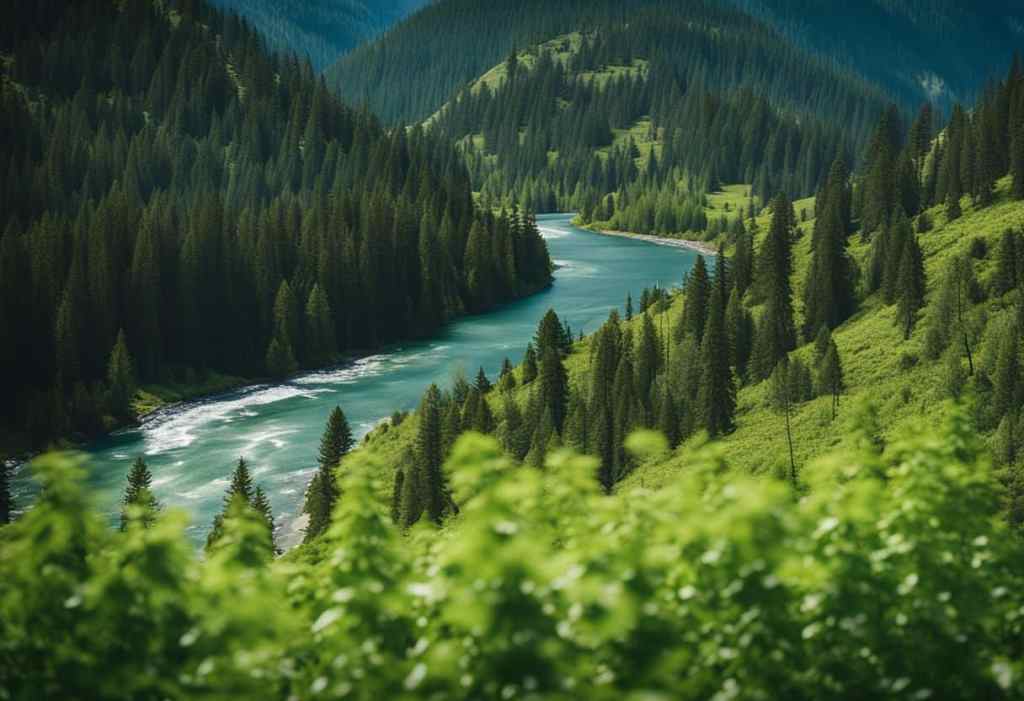
Ranger Districts
The Okanogan-Wenatchee National Forest is divided into five ranger districts: Chelan, Cle Elum, Entiat, Methow Valley, and Naches. Each district has its own office with varying hours of operation and services provided. Contact information for each office can be found on the Forest Service website.
The Chelan Ranger District, located in Chelan, WA, offers a variety of recreational opportunities, including hiking, camping, and fishing. The Cle Elum Ranger District, located in Cle Elum, WA, provides access to the popular Cle Elum River and is a popular destination for winter sports enthusiasts. The Entiat Ranger District, located in Entiat, WA, is known for its scenic drives and hiking trails.
The Methow Valley Ranger District, located in Winthrop, WA, is home to the Methow Valley Trail System, which offers over 120 miles of cross-country skiing, snowshoeing, and mountain biking trails. The Naches Ranger District, located in Naches, WA, is a popular destination for off-road vehicle enthusiasts and offers access to the Pacific Crest Trail.
Headquarters and Offices
The Okanogan-Wenatchee National Forest Headquarters is located on Melody Lane in Wenatchee, WA. The office provides information on forest regulations, permits, and recreational opportunities. Forest offices can also be found in Chelan, Cle Elum, Entiat, and Winthrop.
The Chelan office, located on Woodin Avenue, offers information on camping, hiking, and fishing in the Lake Chelan area. The Cle Elum office, located on 2nd Street, provides information on winter sports and off-road vehicle use. The Entiat office, located on Entiat Way, offers information on hiking, camping, and fishing in the Entiat River Valley. The Methow Valley office, located on Chewuch Road in Winthrop, provides information on the Methow Valley Trail System and other recreational opportunities in the area.
In addition to these offices, permits for activities such as camping, fishing, and hunting can be obtained at various locations throughout the forest, including Highway 12 in Naches and Sherbourne in Entiat. Contact information for all offices and permit locations can be found on the Forest Service website under “Contact Us.”
Natural Resources and Management
The Okanogan-Wenatchee National Forest is a vast and diverse landscape, encompassing over 3.8 million acres along the east slopes of the Cascade Range in Washington. The forest provides a range of natural resources and valuable ecosystem services that benefit both humans and wildlife alike.
Water and Watersheds
The forest is home to numerous watersheds and aquatic ecosystems. These watersheds provide clean water for drinking, irrigation, and other uses. The forest also provides habitat for fish and other aquatic species. The Forest Service works to restore these watersheds and aquatic ecosystems by using integrated restoration techniques.
Forest Wood and Products
The forest provides a range of forest wood and products, including timber, firewood, and other forest products. The Forest Service manages these resources sustainably, ensuring that they are available for future generations. The forest also provides habitat for a diverse range of plant and animal species, which the Forest Service works to conserve.
Fire Management and Wildfires
The forest is prone to wildfires, and the Forest Service works to manage these fires effectively. The Forest Service uses a range of techniques to manage these fires, including prescribed burning and thinning. These techniques help to reduce the risk of catastrophic wildfires and promote healthy forest ecosystems. The Forest Service also works to educate the public about the importance of wildfire management and prevention.
In conclusion, the Okanogan-Wenatchee National Forest provides a range of natural resources and valuable ecosystem services. The Forest Service works to manage these resources sustainably, ensuring that they are available for future generations. By working to conserve and restore the forest’s diverse ecosystems, the Forest Service helps to promote healthy forests and protect the valuable resources they provide.
Legal and Policy Framework
Forest Reserves and Preservation
The Okanogan-Wenatchee National Forest is part of the National Wilderness Preservation System, which protects natural resources and promotes conservation. The Forest Reserves are managed by the Department of Agriculture and follow established land use and development policies.
Land Use and Development Policies
The forest is subject to various policies that regulate land use and development. Construction and other activities must be approved by the Forest Service and comply with applicable regulations. The policies aim to balance resource management and conservation with recreational and economic activities.
The United States and Canadian border define the western boundary of the forest. The forest is managed under various legal and policy frameworks, including the National Environmental Policy Act and the Endangered Species Act.
Research and Education
Scientific Studies
The Okanogan-Wenatchee National Forest is a hub for scientific research, with studies conducted on a variety of topics, including wildlife, vegetation types, and habitat. These studies help to inform management decisions and promote conservation efforts. Some notable studies have focused on the effects of climate change on alpine peaks and the impacts of wildfires on forest ecosystems.
To support scientific research, the Forest Service offers permits for research projects on the forest. Researchers are required to follow strict guidelines to ensure the protection of natural resources and wildlife. Additionally, the forest hosts a variety of citizen science programs, allowing visitors to contribute to ongoing research efforts.
Outreach and Community Engagement
The Okanogan-Wenatchee National Forest is committed to engaging with the local community and promoting education about forest conservation. The forest offers a variety of educational programs and events, including guided hikes, interpretive programs, and environmental education programs for schools.
The forest also partners with local organizations and volunteers to promote conservation efforts and maintain trails and recreation areas. Ranger districts throughout the forest offer volunteer opportunities, allowing visitors to give back to the forest while learning about conservation and forest management.
Whether you are a researcher or a visitor, the Okanogan-Wenatchee National Forest offers a wealth of opportunities for education and engagement in forest conservation.
Partnerships and Collaborations
Collaboration is a cornerstone of the Okanogan-Wenatchee National Forest’s stewardship approach. The forest partners with a variety of entities, including non-profit organizations, state and federal agencies, educational institutions, businesses, and communities, who actively work with the forest staff in the stewardship of the forest.
Local Community Involvement
The Okanogan-Wenatchee National Forest recognizes the importance of local community involvement in the stewardship of the forest. The forest collaborates with local communities to promote sustainable forest practices and to provide opportunities for the public to become involved in the management of the forest.
Government and Agency Cooperation
The Okanogan-Wenatchee National Forest works closely with the United States Forest Service, the Department of Agriculture, and other federal and state agencies to ensure that the forest is managed in a sustainable and responsible manner. The forest also collaborates with the Washington State Department of Natural Resources and the Washington Department of Fish and Wildlife to promote sustainable forest practices and to protect and enhance the wildlife habitat within the forest.
Partnerships and collaborations are critical to the success of the Okanogan-Wenatchee National Forest’s stewardship approach. By working together with a diverse group of partners, the forest can better manage the forest’s resources and ensure that they are protected for future generations.
Special Features and Attractions
Notable Landmarks
The Okanogan-Wenatchee National Forest is home to several notable landmarks that are worth visiting. One such landmark is the Goat Rocks Wilderness, which offers breathtaking views of the surrounding mountains and valleys. Another landmark is Maple Pass, which is known for its stunning alpine meadows and colorful wildflowers. Rachel Lake is another popular destination that offers crystal-clear waters and scenic hiking trails.
Recreational Hotspots
The Okanogan-Wenatchee National Forest boasts several recreational hotspots that are perfect for outdoor enthusiasts. Lake Chelan is a popular destination for fishing, swimming, and boating. The forest also features several campgrounds and a lodge that offer comfortable accommodations for visitors. Additionally, the forest has several trails that are perfect for hiking, biking, and horseback riding.
Whether you’re looking to explore the great outdoors or simply relax in a beautiful natural setting, the Okanogan-Wenatchee National Forest has something for everyone. So pack your bags, grab your gear, and head out to this stunning destination for an unforgettable adventure.
Frequently Asked Questions
What are the road conditions in the Okanogan-Wenatchee National Forest?
Road conditions vary depending on the season and location. Check the forest’s website or call the ranger station before your trip for up-to-date information.
What type of pass is required to access the Okanogan-Wenatchee National Forest?
A Northwest Forest Pass is required for day-use recreation. Overnight camping requires additional permits. Visit the forest’s website for more information.
What are the best backpacking trails in the Okanogan-Wenatchee National Forest?
The Pacific Crest Trail, Enchantment Lakes, and Lake Chelan-Sawtooth Wilderness are popular backpacking destinations. Check with the ranger station for trail conditions and permits.
Is there currently a burn ban in effect in the Okanogan-Wenatchee National Forest?
Burn bans are implemented based on current fire danger levels. Check with the ranger station or website for current fire restrictions.
What regulations apply to hunting in the Okanogan-Wenatchee National Forest?
Hunting regulations are set by the Washington Department of Fish and Wildlife. Check their website or call the ranger station for more information.
Are pets, such as dogs, permitted in the Okanogan-Wenatchee National Forest?
Pets are allowed in the forest but must be kept on a leash at all times. Respect wildlife and pick up after your pet.
Growing up in the Pacific Northwest, we’ve always felt at home in the outdoors. We created Evergreen Adventures PNW to share our love of hiking, camping, and exploring, and to help others discover the best adventures this region has to offer. Along with trip guides and tips, we also enjoy diving into the science behind the landscapes—thanks to a background in Environmental Science—because understanding nature makes every adventure even more meaningful.