
Camping provides a special opportunity to connect with nature and leave the daily grind behind. However, camping can also hurt the environment if not done responsibly. Sustainable camping is a way to enjoy the great outdoors while minimizing your impact on the environment. In Washington State, many opportunities for sustainable camping allow you to enjoy the state’s natural beauty while preserving it for future generations.
Understanding sustainable camping is essential for any eco-conscious camper. It involves using sustainable practices to minimize your impact on the environment, such as reducing waste, conserving water, and using renewable energy sources. Sustainable camping also involves respecting the natural environment by leaving no trace, staying on designated trails, and avoiding disturbing wildlife. By following sustainable camping practices, you can help preserve the natural beauty of Washington State’s parks and forests for years to come.
Key Takeaways
- Sustainable camping allows you to enjoy the outdoors while minimizing your impact on the environment.
- Understanding sustainable camping involves using sustainable practices and respecting the natural environment.
- Washington State offers many opportunities for sustainable camping that allow you to enjoy the state’s natural beauty while preserving it for future generations.
Table of Contents
Understanding Sustainable Camping
When it comes to camping, it’s important to be mindful of the environment and practice sustainable camping. Sustainable camping is about minimizing your impact on the environment while still enjoying the beauty of nature.
One of the key principles of sustainable camping is to leave no trace. This means packing out all of your trash and leaving the campsite better than you found it. It’s also important to camp on durable surfaces and avoid damaging vegetation or disturbing wildlife.
Another way to practice sustainable camping is to reduce your carbon footprint. This can be done by using energy-efficient gear, such as solar-powered lanterns and stoves, and by carpooling or using public transportation to get to the campsite.
When choosing a campsite, look for ones that have sustainable practices in place. Washington State Parks, for example, has a Sustainability Plan that guides sustainable practices in state parks.
By practicing sustainable camping, you can help protect the environment and preserve the beauty of nature for future generations to enjoy.
Key Locations for Sustainable Camping in Washington State
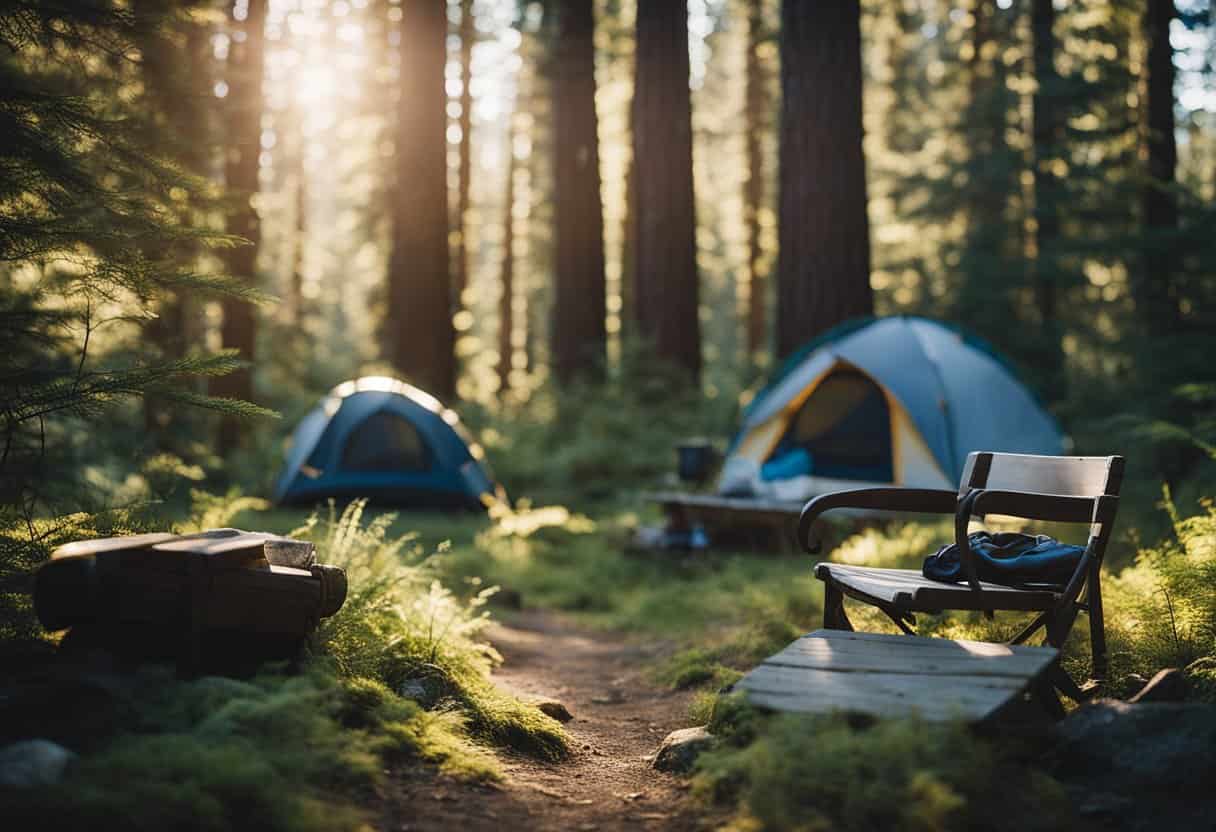
Washington State is home to some of the most beautiful and diverse landscapes in the Pacific Northwest. From the rugged coastlines of Olympic National Park to the snow-capped peaks of Mount Rainier, the state has something to offer every type of camper. If you are looking for sustainable camping options, then you are in luck. The state has a variety of campgrounds that are dedicated to preserving the environment while providing a comfortable camping experience. Here are some of the key locations for sustainable camping in Washington State.
Exploring North Cascades National Park
North Cascades National Park is a hidden gem in the Pacific Northwest. The park is home to some of the most stunning scenery in the region, including the turquoise waters of Diablo Lake. If you are looking for sustainable camping options in the park, then you should check out the Goodell Creek Campground. The campground is located near the Skagit River and has a variety of campsites that are perfect for tents and RVs. The campground also has a recycling program and encourages visitors to use reusable water bottles.
Mount Rainier National Park
Mount Rainier National Park is one of the most iconic destinations in Washington State. The park is home to the tallest mountain in the state and offers a range of activities for visitors, including hiking, camping, and wildlife watching. If you are looking for sustainable camping options in the park, then you should check out the Cougar Rock Campground. The campground has a variety of campsites that are perfect for tents and RVs. The campground also has a recycling program and encourages visitors to use reusable water bottles.
Olympic National Park and the Olympic Peninsula
Olympic National Park is one of the most diverse destinations in Washington State. The park is home to three distinct ecosystems, including the rugged coastline, the temperate rainforest, and the alpine meadows. If you are looking for sustainable camping options in the park, then you should check out the Kalaloch Campground. The campground is located near the coast and has a variety of campsites that are perfect for tents and RVs. The campground also has a recycling program and encourages visitors to use reusable water bottles.
East Side: Spokane and Riverside State Park
If you are looking for sustainable camping options on the east side of Washington State, then you should check out Riverside State Park. The park is located near Spokane and has a variety of campsites that are perfect for tents and RVs. The campground also has a recycling program and encourages visitors to use reusable water bottles. The park is home to the Spokane River, which offers a range of activities for visitors, including fishing, kayaking, and swimming.
Washington State is a great destination for sustainable camping. Whether you are exploring the rugged coastline of Olympic National Park or the snow-capped peaks of Mount Rainier, the state has something to offer every type of camper. Remember to always practice Leave No Trace principles and do your part to preserve the environment for future generations.
Camping Accommodations
When it comes to sustainable camping in Washington State, there are a variety of camping accommodations to choose from. Whether you prefer tent camping, RV camping, or something in between, there is a camping option that suits your needs.
Campsite and Campground Reservations
Most state parks in Washington require reservations for campsites and campgrounds. You can make reservations online through the Washington State Parks website or by phone. Some campsites are available on a first-come, first-served basis, but it’s always best to check availability beforehand to ensure you have a spot.
RV and Vehicle Camping
If you prefer RV or vehicle camping, there are plenty of options available. Many state parks have RV camping options with full hookups, while others have more primitive options. Some parks even have designated areas for car camping. Be sure to check the park’s website for specific details and restrictions.
Yurts and Cabins
For those who prefer a more traditional camping experience, yurts, and cabins are great options. These structures provide a comfortable and sustainable camping experience while still allowing you to feel connected to nature. Yurts and cabins are available for reservation at many state parks, and they often come equipped with beds, heat, and electricity.
Overall, when it comes to sustainable camping accommodations in Washington State, there are plenty of options to choose from. Whether you prefer tent camping, RV camping, or something in between, there is a camping option that suits your needs.
Activities and Attractions
Washington State Parks offers a wide range of activities and attractions for visitors to enjoy while camping sustainably. Here are some of the most popular ones:
Hiking and Mountain Biking
Washington State Parks has plenty of trails for hiking and mountain biking. You can explore the diverse landscapes, from dense forests to majestic mountains, and see the wildlife and plants up close. Some of the best parks for hiking and mountain biking include Deception Pass State Park, Mount Spokane State Park, and Beacon Rock State Park.
Wildlife and Plant Sightings
Washington State Parks are home to a wide variety of wildlife and plants. You can spot bald eagles, elk, deer, and other animals in their natural habitats. You can also admire the wildflowers and other plants that bloom throughout the year. Some of the best parks for wildlife and plant sightings include Olympic National Park, Mount Rainier National Park, and North Cascades National Park.
Water Activities
Washington State Parks offers a variety of water activities for visitors to enjoy. You can go fishing, boating, kayaking, or swimming in the lakes, rivers, and streams. Some of the best parks for water activities include Lake Chelan State Park, Lake Wenatchee State Park, and Columbia Hills State Park.
In conclusion, Washington State Parks offers a diverse range of activities and attractions for sustainable camping enthusiasts. Whether you want to explore the forests, lakes, and mountains, see the wildlife and plants up close, or enjoy water activities, there is something for everyone.
Safety and Regulations
When camping in Washington State, it is important to follow the rules and regulations set by the Washington State Parks and Recreation Commission to ensure a safe and enjoyable experience for everyone. Here are some guidelines to keep in mind:
Fire Safety and Restrictions
Washington State Parks and Recreation Commission often implement fire restrictions and burn bans during the summer months due to the high risk of wildfires. Before starting a campfire, check with the park ranger station or information center to see if there are any current restrictions in place. When building a fire, make sure it is in a designated fire ring or pit and keep it small. Do not use firewood from outside the park, as this can introduce invasive species and pests.
Park Rules and Restrictions
Campers must follow park rules and regulations to ensure the safety and enjoyment of all visitors. Quiet hours are from 10 p.m. to 6:30 a.m. unless otherwise noted. Engine-driven electric generators may be operated between 8 a.m. and 9 p.m. Campsites cannot be held for someone who might arrive later. One camping party is allowed per site, with a maximum of eight people. Dogs must be leashed at all times and picked up after. Failure to comply with park rules may result in a citation or eviction.
Dealing with Garbage and Invasive Species
To help keep parks clean and free of invasive species, campers are encouraged to use the trash cans and dumpsters provided. Recycling is also encouraged in all Washington state parks. Do not leave food or garbage out, as this can attract wildlife. If you come across invasive species, do not attempt to remove them. Instead, report them to park staff so they can be properly handled.
Remember, following the rules and regulations set by the Washington State Parks and Recreation Commission is crucial for maintaining a safe and sustainable camping experience.
Discover Pass and Other Essential Information
If you’re planning to go camping in Washington State, there are a few things you need to know before you go. One of the most important things is the Discover Pass. The Discover Pass is required for parking at Washington State Parks and recreation lands managed by the Department of Fish and Wildlife (WDFW) and the Department of Natural Resources (DNR).
Annual Discover Pass
The annual Discover Pass costs $30 and is valid for one year from the date of purchase. It must be displayed on the front windshield of your vehicle. If you plan on camping frequently, the annual pass is a good investment. If you only plan on camping once or twice, you can purchase a one-day pass for $10.
Interactive Recreation Map and Hours
Before you head out, it’s a good idea to check the interactive recreation map. The map shows all the parks and recreation lands in Washington State, and you can filter by activity, amenities, and region. You can also find information about hours, fees, and any alerts or closures.
Dates and Reservations
Camping in Washington State is popular, so it’s a good idea to make a reservation in advance. You can make reservations up to nine months in advance. Some parks have first-come, first-served sites, but these can fill up quickly during peak season.
When making a reservation, be sure to check the dates carefully. Some parks have seasonal closures, and some campsites may be closed for maintenance or construction. It’s also important to note that quiet hours are from 10 p.m. to 6:30 a.m. unless otherwise noted at the park.
The Discover Pass is an essential item for anyone planning to camp in Washington State. Be sure to check the interactive recreation map and make a reservation in advance to ensure a smooth and enjoyable camping experience.
Frequently Asked Questions
What are the best state parks for camping in Washington?
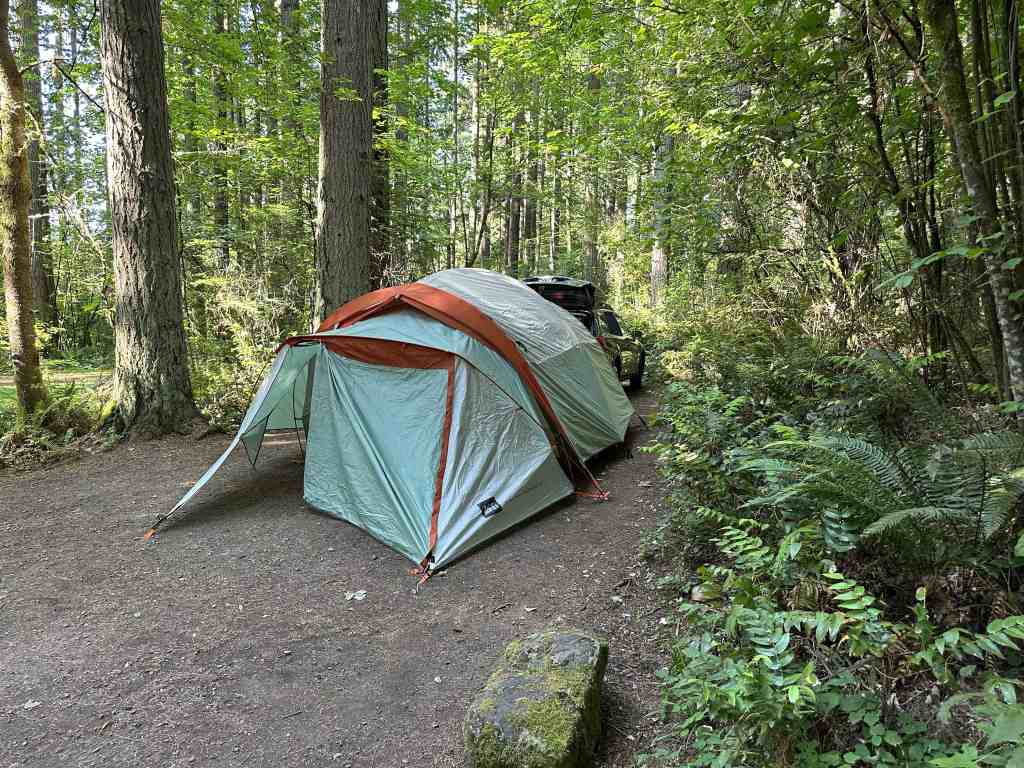
Washington State is home to many beautiful parks that offer camping opportunities. Some of the best state parks for camping in Washington include Deception Pass State Park, Cape Disappointment State Park, and Lake Wenatchee State Park. These parks offer a range of camping options, including tent sites, RV sites, and cabins.
How can I make camping reservations in Washington State?
You can easily make camping reservations in Washington State by visiting the Washington State Parks website. The website allows you to search for available campsites by park, date, and type of accommodation. You can also make reservations by phone.
Where can I find a map of Washington State Parks for camping?
You can find a map of Washington State Parks for camping on the Washington State Parks website. The website provides an interactive map that allows you to search for parks by region and amenities.
Is dispersed camping allowed in Washington State? If so, where?
Dispersed camping is allowed in some areas of Washington State, but it is important to check with the local land management agency for specific rules and regulations. Some popular dispersed camping areas include the Okanogan-Wenatchee National Forest and the Olympic National Forest.
What are the rules and regulations for camping in Washington State?
There are several rules and regulations for camping in Washington State. Some of the most important rules include respecting quiet hours, properly disposing of waste, and following fire safety regulations. It is important to check with individual parks for specific rules and regulations.
Are there any free camping options in Washington State?
There are some free camping options in Washington State, including dispersed camping areas and some primitive campsites. However, it is important to note that many state parks and campgrounds require a fee for camping.
Growing up in the Pacific Northwest, we’ve always felt at home in the outdoors. We created Evergreen Adventures PNW to share our love of hiking, camping, and exploring, and to help others discover the best adventures this region has to offer. Along with trip guides and tips, we also enjoy diving into the science behind the landscapes—thanks to a background in Environmental Science—because understanding nature makes every adventure even more meaningful.