
Camping in Washington State can be an unforgettable experience for families looking to enjoy the great outdoors. With so many campgrounds, deciding which one is right for you can be overwhelming. In this article, we will provide some valuable tips and advice on how to pick the best campsite for your family camping trip in Washington State.
To ensure a safe and enjoyable camping experience, it’s important to understand the unique climate and terrain of the Pacific Northwest. The region is known for its rainy weather, so choosing a campsite that offers adequate shelter and protection from the elements is crucial. Additionally, families should consider the level of experience and physical ability required for the campsite’s terrain. Considering these factors, you can choose the perfect campsite for your family’s needs.
Table of Contents
Overview of the Pacific Northwest
Geography and Climate
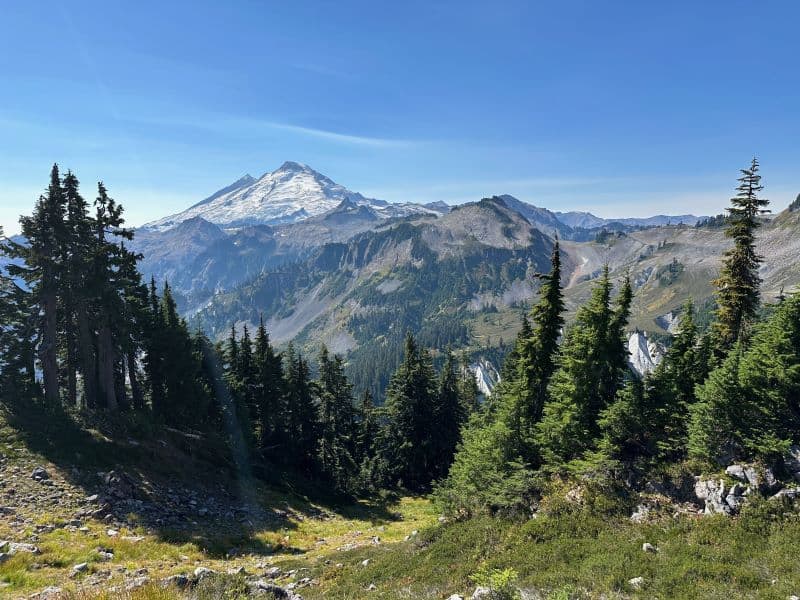
The Pacific Northwest region in the United States, which includes the states of Washington and Oregon and parts of British Columbia, Canada, is known for its diverse geography and mild climate. The region is home to the Cascade Mountains, which run from Northern California to British Columbia and are known for their rugged peaks and stunning vistas.
The climate in the Pacific Northwest is generally mild, with cool summers and mild winters. However, the region is also known for its rain, particularly in the fall and winter months. Visitors should be prepared for wet weather, particularly if they plan to camp in the region during these seasons. The area is also known for heavy winds, flash floods, and heavy rain, which can make camping challenging.
Wildlife and Nature
The Pacific Northwest is home to diverse wildlife, including bears, elk, deer, and cougars. Visitors should be aware of the potential for encounters with these animals and take appropriate precautions, such as storing food securely and carrying bear spray. The region is known for being bear country, so it is important to be bear aware and follow the proper protocols.
In addition to its wildlife, the Pacific Northwest is known for its stunning natural beauty. The region is home to several national parks, state parks, and national forests, offering visitors various opportunities to explore nature. The area is also characterized by valley bottoms and mountainous areas, which provide opportunities for scenic drives and hikes.
Visitors to the Pacific Northwest can also expect to encounter fewer bugs, as the area is known for having fewer insects than other regions. Additionally, pine needles are a common feature of the region’s forests, which can make for a cozy camping experience. Creek valleys are also a common feature, which can provide a peaceful and serene camping experience.
How to Pick the Best Campsite

When planning a family camping trip in Washington State, picking the ideal site is important for an enjoyable experience. Here are some tips to help you choose a perfect campsite.
State Parks and Campgrounds
Washington State Parks offers a range of camping options for families, with many campgrounds providing amenities such as showers, restrooms, and picnic tables. Popular state parks for camping include Lake Wenatchee State Park, Lake Chelan State Park, and Kalaloch Campground. Reservations for state park campsites can be made up to nine months in advance, and it is recommended to reserve a site as early as possible, especially during peak season. Some state parks also offer first-come, first-served campsites for those who prefer a more spontaneous camping experience.
Beach and Lake Campsites
Camping on the beach or near a lake can be a great option for families who enjoy water activities and scenic views. Popular beach and lake campsites in Washington State include Ocean City State Park and Cranberry Lake Campground. When camping on the beach or near a lake, it is important to be aware of the tides and water levels. Make sure to set up your campsite above the high tide line, and keep an eye on the water level throughout your stay.
Mountain and Forest Campsites
For families who prefer a more secluded and nature-focused camping experience, camping in the mountains or forests of Washington State can be a great option. Popular mountain and forest campsites include Mount Rainier National Park, North Cascades National Park, and Mount Baker. When camping in the mountains or forests, it is important to prepare for changing weather conditions and wildlife encounters. Make sure to bring appropriate gear, such as warm clothing and bear spray, and follow all guidelines for safe camping in these environments.
Choosing the perfect campsite in Washington State depends on your family’s preferences and camping style. Whether you prefer a state park with amenities or a secluded spot in the wilderness, a campsite in Washington will be perfect for your family’s needs.
Family-Friendly Camping Tips
When planning a family camping trip in Washington State, there are a few tips to keep in mind to ensure an enjoyable and stress-free experience. Here are some family-friendly camping tips to consider:
Activities and Attractions
Washington State offers a variety of outdoor activities and attractions that are perfect for families. From hiking and fishing to swimming and horseback riding, there are plenty of options to keep everyone entertained. Leavenworth KOA is a popular destination for family camping, offering a wide range of activities for kids and adults alike. The campground features a playground, basketball court, mini golf, and more.
Camping with Kids
Camping with kids can be a fun and rewarding experience, but it does require some extra planning and preparation. Here are some tips to help you choose a great campsite:
- Choose a family-friendly campground with amenities like playgrounds, swimming pools, and activities for kids. Larger groups may want to consider group campsites to accommodate everyone.
- Bring plenty of snacks and drinks to keep kids fueled and hydrated throughout the day. First-time campers may want to bring extra snacks in case they are not used to the physical activity.
- Pack games, books, and other activities to keep kids entertained during downtime. Large groups may want to bring group games like frisbees or soccer balls.
- Consider renting or borrowing camping gear to save money and space. First-time campers may want to rent gear to try it out before investing in their own equipment.
- To get kids excited about the trip, involve them in the planning and preparation process. This can include choosing the campsite, planning meals, and packing their own bags.
By following these family-friendly camping tips, you can enjoy all that Washington has to offer while creating memories with your family.
Camping Gear and Essentials
Camping Gear
When it comes to camping in the Pacific Northwest, having the right gear can make all the difference in ensuring a good night’s sleep and a comfortable camping experience. Here are some essential camping gear items to consider:
- Tent: A good-quality tent is a must-have for any camping trip. Look for a waterproof tent that is easy to set up and has enough space for your family.
- Sleeping Bags: A great night’s sleep is essential for a successful camping trip. Make sure to bring warm sleeping bags, especially if you’re camping during the colder months. Look for sleeping bags that are rated for the temperature you’ll be camping in.
- Camp Chairs: Comfortable camping chairs are a must-have for relaxing around the campfire or enjoying meals outdoors.
- Lantern or Flashlight: Navigating your campsite at night can be challenging, so bringing a lantern or flashlight is important. Don’t forget to bring extra batteries or a rechargeable power bank.
- Camp Stove: A camp stove is great for cooking meals and boiling water. Make sure to bring enough fuel for your entire trip.
- Cooler: A good quality cooler is essential for keeping your food and drinks cold. Look for a durable cooler with enough space for your needs.
Essentials – Not Just Sun and Shade
In addition to camping gear, there are a few essentials that you should pack for your Pacific Northwest camping trip. Here are some essentials to consider:
- First Aid Kit: Accidents can happen, so it’s important to be prepared with a well-stocked first aid kit. Make sure to include items such as bandages, antiseptic wipes, and pain relievers.
- Insect Repellent: Mosquitoes and other insects can be a nuisance while camping, so it’s important to bring insect repellent.
- Sunscreen: Protecting your skin from harmful UV rays is important even if the weather is not sunny.
- Maps and Navigation Tools: Maps and navigation tools are important if you’re camping in a remote area. Make sure to bring a compass, GPS device, or map and compass.
- Water Filtration System: Depending on where you’re camping, it may be necessary to filter or purify your water. Look for a water filtration system that is easy to use and effective.
- Camping App: Many camping apps are available that can help you find campsites, plan your trip, and track the weather. Consider downloading a camping app before your trip.
Free Camping and Boondocking: If you’re looking to save money on camping fees, consider free camping or boondocking. These options allow you to camp for free on public land, but be sure to check the regulations and rules before you go.
Kayak Camping: If you’re planning a kayak camping trip, make sure to bring waterproof bags to keep your gear dry. Look for lightweight camping gear that is easy to pack and transport.
Accommodation Options
Cabins and Yurts
Cabins and yurts are a great option if you want more comfort and convenience than traditional tent camping. Many state parks in Washington State, such as Leavenworth State Park, offer cabins and yurts for rent. These accommodations typically come equipped with beds, electricity, and heating, making them perfect for families who want to enjoy the outdoors without sacrificing comfort.
Cabins and yurts are also great for families who want to avoid the hassle of setting up a tent or carrying ultralight shelters. They provide a cozy and comfortable space for families to relax and enjoy each other’s company.
Car and RV Camping

Car and RV camping are also popular options for families who want to enjoy the great outdoors while still having access to modern amenities. Many campgrounds in Washington State offer car and RV camping, including the Leavenworth KOA. These sites typically come equipped with electrical hookups and water and sewage connections, making them ideal for families who want to bring along their own camping gear.
When choosing a campsite for car or RV camping, families should consider the size of their vehicle and the amenities they need. Some campgrounds offer pull-through sites for larger RVs, while others may only have back-in sites. Families should also consider the location of their campsite. Some sites may be closer to amenities like restrooms and showers than others.
Washington State offers a wide range of accommodation options for families who want to enjoy the great outdoors. Whether you stay in a cabin, yurt, or campsite, plenty of options are available to make your camping trip a success.
Local Attractions and Destinations
When camping in the Pacific Northwest, you will find plenty of local attractions and destinations to visit. Here are some of the top places to check out when camping in Washington State.
Historical Sites
For those interested in history, the Pacific Northwest has several historical sites to explore. One of the most famous is Lewis and Clark National Historical Park. This park commemorates the famous expedition that explored the western portion of North America in the early 1800s. Another must-see is Fort Flagler, a former military fort that served as a coastal defense during World War II.
Natural Attractions
The Pacific Northwest is known for its stunning natural beauty, and plenty of natural attractions exist. Olympic National Park is a must-visit destination, with its rugged coastline, temperate rainforests, and towering mountains. Puget Sound and the San Juan Islands are popular destinations, offering whale watching, kayaking, and hiking opportunities. Deception Pass State Park is another must-see, with its iconic bridge and miles of hiking trails.
City Attractions
For those who want to combine city attractions with their camping trip, there are plenty of options in the Pacific Northwest. Seattle is a popular destination with its iconic Space Needle, Pike Place Market, and vibrant music scene. Leavenworth is another popular destination known for its Bavarian-style architecture and year-round festivals.
Other Destinations
Other destinations to consider when camping in Washington State include Mount St. Helens, the Olympic Peninsula, Salt Creek Recreation Area, Larrabee State Park, Moran State Park on Orcas Island, Jones Island, Icicle Creek, Beacon Rock, Ohanapecosh, White River, and Colonial Creek Campground.
Overall, there is no shortage of local attractions and destinations to explore when camping in the Pacific Northwest. Whether you’re interested in history, nature, or city attractions, there is something for everyone to enjoy. Make sure to visit popular areas, check out spectacular views, venture off the beaten path, and explore local parks to make the most of your camping trip.
Planning and Preparing for Your Camping Trip
When planning a camping trip in the Pacific Northwest, several important factors must be considered to ensure a successful and enjoyable experience. Here are some tips to help you plan and prepare for your trip:
Reservations
Making reservations in advance is the best way to ensure availability at popular campsites in Washington State, especially during peak season. Keep in mind that some campsites may have different rules and regulations, so it’s important to read up on those before making a reservation. Researching and making reservations ahead of time is a good idea to avoid any issues upon arrival.
Weather
The weather in the Pacific Northwest can be unpredictable, so it’s important to check the forecast before heading out on your camping trip. To ensure you are prepared for any type of weather, pack rain gear and warm layers. Bringing extra blankets and tarps can also be helpful.
Camping Trip
When planning your camping trip, it’s important to consider the length of your trip and what activities you will be doing. This will help determine what gear and supplies to bring. If this is your first camping trip, it’s important to take the time to research and prepare properly. If you have backpacking experience, you may want to consider a more challenging route. Planning meals and bringing enough food and water for the duration of your trip is also important.
Taking Photos
The Pacific Northwest is known for its stunning scenery, so bringing a camera to capture those memories is a good idea. It’s recommended to bring extra batteries and memory cards to ensure you have enough space for all your photos. Taking the time to capture the beauty of the environment can make your camping trip even more memorable.
Watching the Sunset
Watching the sunset in the Pacific Northwest is a must-do activity. It’s a good idea to bring chairs or blankets to sit on and enjoy the view. It’s important to be respectful of the environment and local regulations and leave no trace behind. Taking the time to enjoy the beauty of the sunset can make your camping trip even more special.
By properly planning and preparing for your camping trip in the Pacific Northwest, you can make the most important decisions ahead of time and have plenty of time to enjoy your trip.
Wrapping up
Camping in Washington State is a fantastic opportunity for families to immerse themselves in the natural beauty of the Pacific Northwest. To ensure a safe and enjoyable experience, it is important to carefully consider the location, amenities, and activities available when selecting a campsite.
Whether you prefer tent camping, RV camping, or glamping, there are options available that will suit your family’s needs. To ensure a safe and responsible camping trip, keep in mind any regulations or restrictions in the area, such as fire bans or bear safety precautions.
By preparing for your trip and carefully selecting a campsite, you can create unforgettable memories with your family that will last a lifetime. As you explore the great outdoors and connect with nature, you can strengthen your family bond and create a sense of adventure and wonder that will stay with you long after the trip.
Growing up in the Pacific Northwest, we’ve always felt at home in the outdoors. We created Evergreen Adventures PNW to share our love of hiking, camping, and exploring, and to help others discover the best adventures this region has to offer. Along with trip guides and tips, we also enjoy diving into the science behind the landscapes—thanks to a background in Environmental Science—because understanding nature makes every adventure even more meaningful.