
Get ready to dive into the colorful world of Pacific Northwest wildflowers! You’re about to become a flower-spotting pro on your next hike. The Pacific Northwest is home to over 16,000 wildflower species, each with its own unique beauty and charm. You’ll learn how to tell them apart and where to find the best blooms.
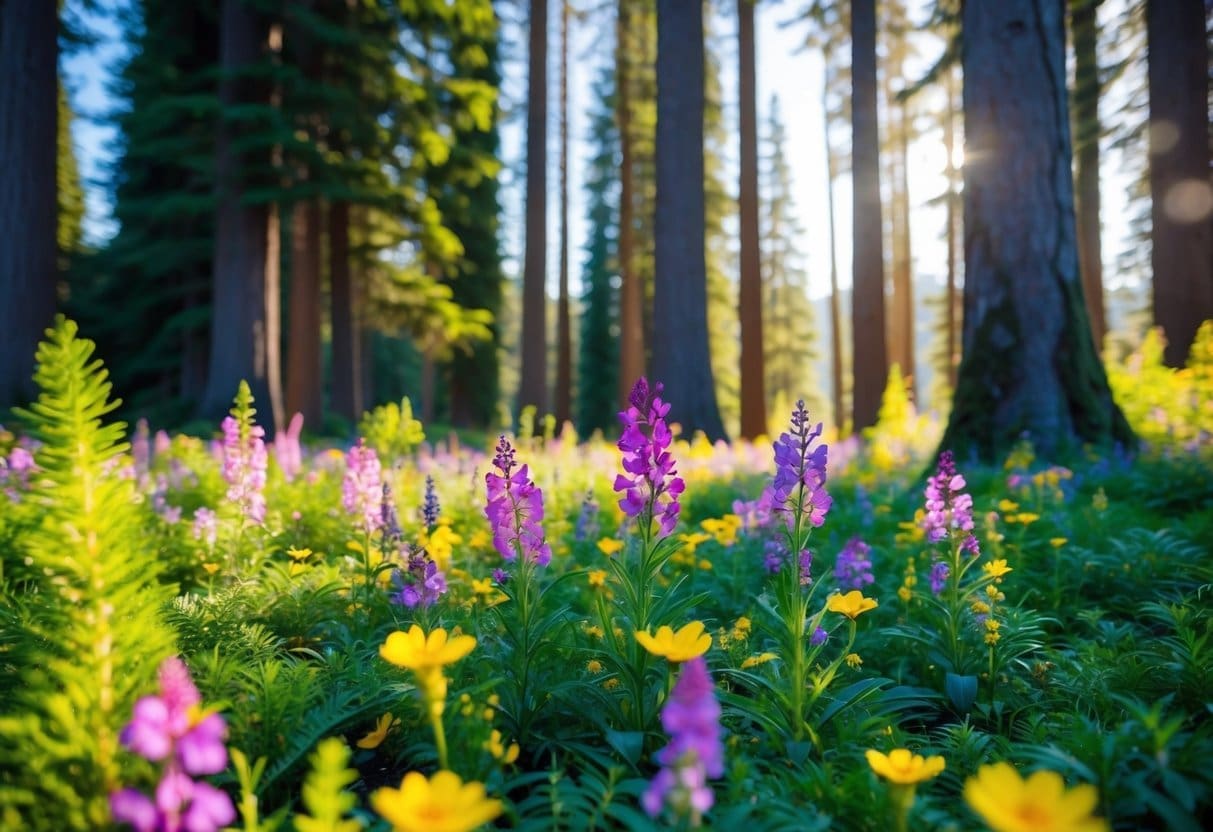
Knowing your wildflowers adds a whole new level of fun to your outdoor adventures. You’ll impress your friends with your plant knowledge and gain a deeper appreciation for nature. Plus, it’s a great way to slow down and notice the little things that make the Pacific Northwest so special.
Don’t worry if you’re new to this – we’ve got you covered with easy tips and tricks. You’ll be spotting trilliums, lupines, and columbines in no time. Get ready to see the trails in a whole new way!
Key Takeaways
- The Pacific Northwest has over 16,000 wildflower species to discover
- Learning to identify wildflowers enhances your hiking experience
- Simple tips and tricks make wildflower identification fun and easy
Why Learn To Identify Wildflowers?
Learning to spot wildflowers adds a whole new level to your outdoor adventures. You’ll start noticing colorful blooms you never saw before. It’s like unlocking a secret world right under your feet!
Knowing your flowers helps protect nature too. You can spot invasive plants that don’t belong and tell others about them. This keeps local ecosystems healthy for animals and other plants.
Wildflowers play a big role in nature. They feed bees, butterflies, and other pollinators. Lots of animals rely on them for food and shelter. By learning about flowers, you’re learning about the whole ecosystem.
It’s fun! Wildflower hunting is like a treasure hunt in nature. You can make it a game to see who spots the most types on a hike. Take photos and share them with friends.
You’ll impress your hiking buddies with your flower knowledge. Plus, you can teach others what you learn. Sharing cool flower facts makes any outdoor trip more interesting.
Here are some quick benefits of wildflower ID:
- Makes hikes more engaging
- Helps you spot rare or endangered plants
- Teaches you about local nature
- Great activity to do with kids
- Gives you cool nature photos to share
So grab a guidebook or download an app, and start exploring the colorful world of wildflowers on your next outdoor trip!
Common Wildflowers Of The Pacific Northwest
The Pacific Northwest is home to a stunning array of wildflowers. From vibrant lilies to colorful paintbrushes, these beauties add splashes of color to forests, meadows, and mountainsides. Let’s explore some of the most eye-catching native blooms you’ll spot on your adventures.
Glacier Lily (Erythronium grandiflorum)
Glacier lilies are some of the first flowers to pop up as snow melts. You’ll see their cheery yellow petals nodding in mountain meadows and subalpine areas.
Key features:
- Bright yellow, downward-facing flowers
- 6 petals that curl backwards
- Long, narrow leaves
These early bloomers often carpet the ground near receding snowfields. Look for them from late spring to early summer at higher elevations. They’re a favorite snack for bears emerging from hibernation!
Indian Paintbrush (Castilleja spp.)
Indian paintbrushes add fiery splashes of red and orange to meadows and rocky slopes. Despite their showy appearance, the colorful parts aren’t actually petals – they’re modified leaves called bracts.
Identifying traits:
- Brush-like clusters of brightly colored bracts
- Colors range from scarlet to orange to pink
- Narrow, hairy leaves
You’ll find paintbrushes blooming from spring through fall in various habitats. They’re partial to sunny, well-drained spots. Keep an eye out for hummingbirds – they love the nectar!
Columbia Lily (Lilium columbianum)
The Columbia lily is a showstopper with its large, orange-spotted flowers. Also called tiger lily, it’s a Pacific Northwest native that thrives in open woodlands and meadows.
How to spot them:
- Orange flowers with dark spots
- 6 curved petals that bend backwards
- Whorls of narrow leaves around the stem
These beauties bloom from late spring to mid-summer. They can grow up to 4 feet tall, making them hard to miss! Pollinators like bees and butterflies flock to their nectar-rich flowers.
Fireweed (Chamaenerion angustifolium)
Fireweed gets its name from its ability to quickly colonize areas after wildfires. Its tall spikes of pink flowers are a common sight along roadsides and in clearings.
Key features:
- Tall stalks with numerous pink-purple flowers
- Flowers have 4 petals and 8 stamens
- Long, narrow leaves spiral up the stem
You’ll see fireweed blooming from June to September. As summer progresses, the flowers open from bottom to top. When they reach the tip, it’s said to signal the end of summer is near.
Western Trillium (Trillium ovatum)
Western trillium, also called wake-robin, is a classic spring wildflower of Pacific Northwest forests. Its simple elegance makes it a favorite among hikers and nature lovers.
Identifying traits:
- 3 white petals above 3 large, green leaves
- Petals turn pink as they age
- Single flower per plant
Look for trilliums carpeting the forest floor from March to June. They prefer moist, shady spots under trees. Did you know it can take up to 7 years for a trillium to produce its first flower?
Lupine (Lupinus spp.)
Lupines are beloved for their tall spikes of pea-like flowers. These nitrogen-fixing plants play an important role in improving soil health.
How to spot them:
- Tall flower spikes in shades of purple, blue, or pink
- Palmate leaves with 5-11 leaflets
- Hairy seed pods
You’ll find lupines blooming from spring through summer in meadows, along roadsides, and in open forests. They’re a magnet for bees and butterflies. Some species, like the subalpine lupine, thrive at high elevations.
Best Places To See Wildflowers In The PNW
Get ready for a colorful adventure! The Pacific Northwest offers some amazing spots to see wildflowers in bloom. Let’s check out a few top picks:
Mt. Rainier National Park is a wildflower wonderland. Head to Paradise or Sunrise areas from mid-July to August. You’ll find meadows bursting with lupines, paintbrush, and beargrass.
Want dramatic views with your flowers? Try Dog Mountain in the Columbia River Gorge. It’s a tough hike, but the spring balsamroot display is worth it! Nearby Tom McCall Preserve is another gem, with easier trails.
Olympic National Park has diverse wildflower habitats. Hurricane Ridge offers sweeping views and alpine blooms. For a different vibe, explore the Hoh Rainforest edges in early spring for trilliums and bleeding hearts.
Don’t miss the North Cascades! Maple Pass Loop is a stunner, with wildflowers and mountain views galore. Cascade Pass Trail is another favorite – keep an eye out for columbine and lupine.
Remember to check bloom times before you go. They can vary by year and elevation. Pack your camera, bring water, and get ready for some flower power!
Tips For Identifying Wildflowers In The Wild
Get ready for an exciting wildflower hunt! With these tips, you’ll become a pro at spotting nature’s colorful treasures.
First, take a close look at the flower shape. Is it bell-shaped, clustered, or does it have single petals? This can tell you a lot about what kind of flower you’re seeing.
Next, check out the leaves. Are they broad and flat? Needle-like? Or do they have many small leaflets (compound leaves)? The leaf structure is a big clue to a plant’s identity.
Where are you standing? The habitat matters! Wetlands, alpine meadows, and forest floors all have different wildflowers. Knowing where you are helps narrow down what you might find.
Bring a wildflower guide or use an app like iNaturalist or Seek. These tools are super helpful when you’re stumped. They can give you quick info about local plants.
Don’t forget to look at the whole plant. How tall is it? What color is the stem? These details can help you tell similar flowers apart.
Take pictures if you can. This way, you can look up tricky flowers later without picking them. It’s a fun way to keep a record of what you’ve seen too!
Remember, practice makes perfect. The more flowers you spot, the better you’ll get at identifying them. Happy hunting!
Ethical Wildflower Viewing
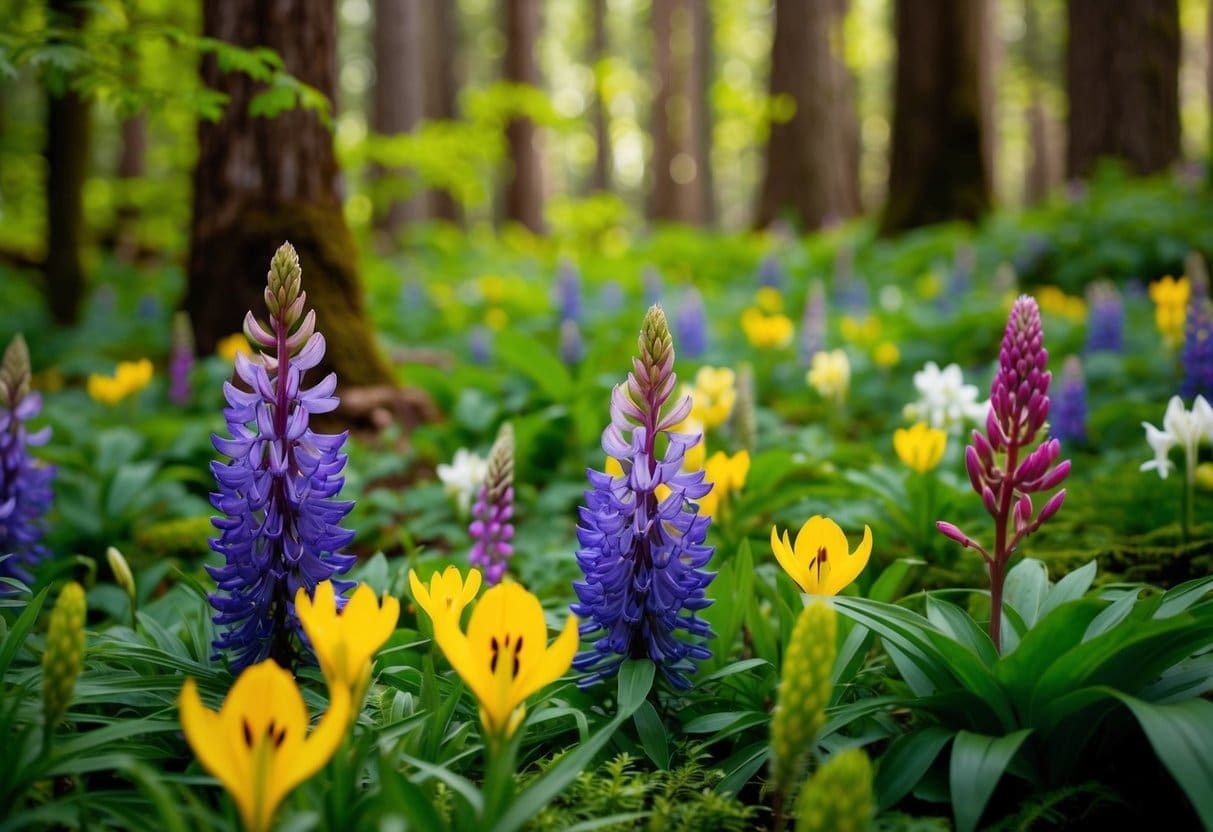
Get ready for an amazing wildflower adventure in the Pacific Northwest! But before you hit the trails, let’s talk about how to be a responsible nature lover.
First things first – stick to the paths! It might be tempting to wander off, but those fragile wildflowers need their space. By staying on trails, you’re protecting delicate habitats and ensuring future hikers can enjoy the same beautiful views.
Remember the golden rule of wildflower viewing: look, but don’t touch! Leave those colorful blooms right where they are. Your Instagram followers will understand, trust me. Plus, you’ll be doing a solid for the bees and butterflies that rely on these flowers.
Want to be a wildflower superhero? Clean your boots before and after your hike. It’s a quick and easy way to stop invasive species from hitching a ride to new areas. Your boots will thank you for the spa treatment!
Here’s a quick checklist for your ethical wildflower adventure:
- Stay on marked trails
- Take photos, not flowers
- Clean your gear
- Pack out what you pack in
- Keep dogs on leashes
By following these simple tips, you’ll be helping preserve these beautiful spaces for years to come. So lace up those boots, grab your camera, and get ready for an unforgettable wildflower experience!
Conclusion
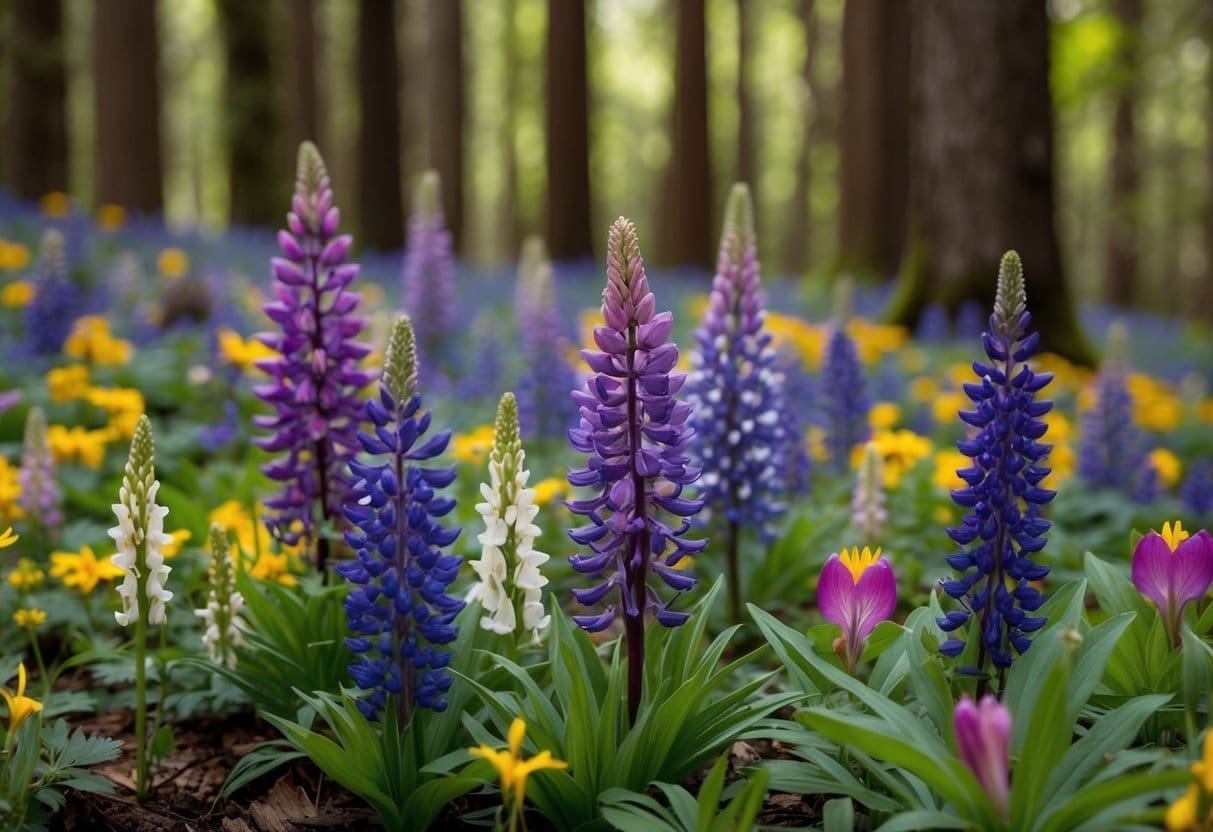
Get ready for an amazing wildflower adventure in the Pacific Northwest! With your newfound identification skills, you’ll spot colorful blooms on every trail.
Remember to bring a pocket guide or wildflower app on your hikes. They’re super helpful for naming those pretty petals you come across.
Snap lots of photos to share with friends and fellow flower fans. But leave the actual flowers where they are – taking pictures is way better than picking!
Why not challenge yourself to identify 5 new wildflowers on your next outing? It’s a fun way to learn more about the plants around you.
Don’t forget to slow down and really look closely at the flowers. Notice their unique shapes, colors, and patterns. It’s amazing how much detail you can see!
Happy wildflower hunting! The Pacific Northwest’s blooms are waiting for you to discover them. Have fun out there and let us know what cool flowers you find!
Frequently Asked Questions
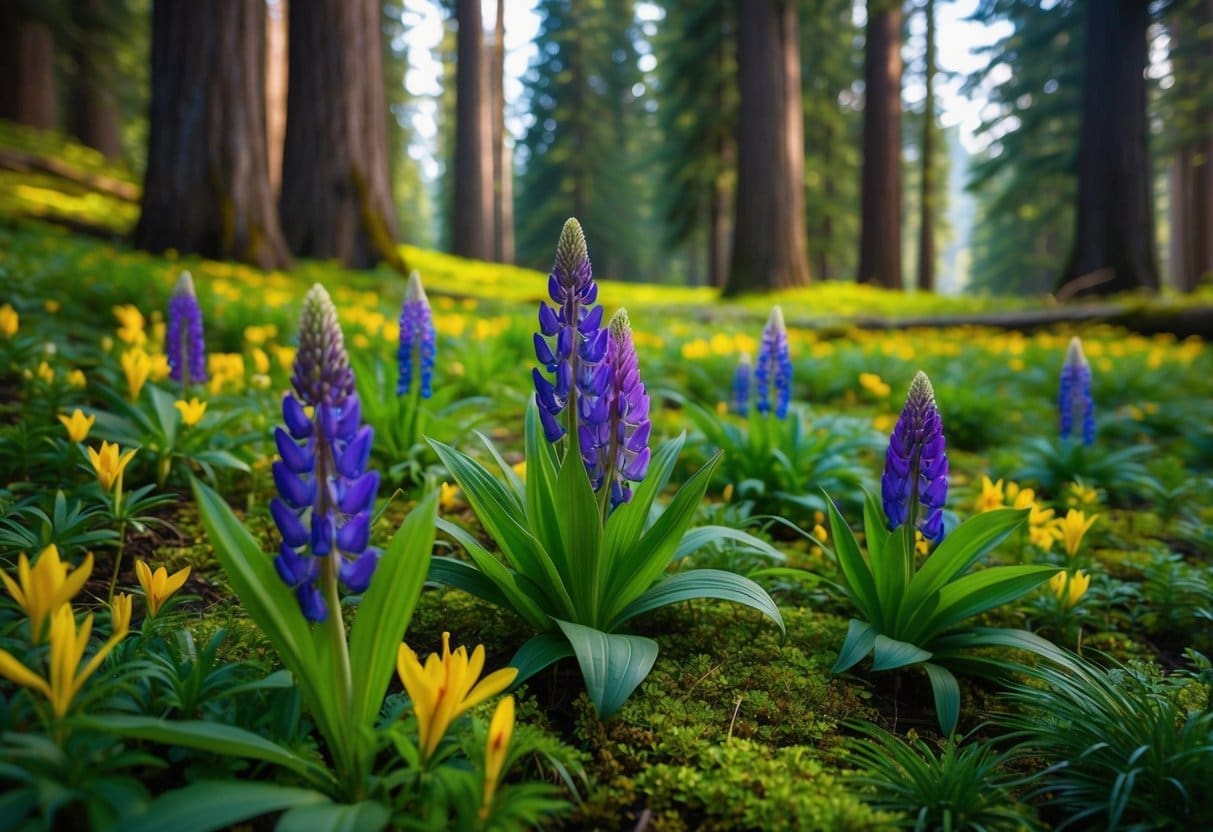
Wildflower enthusiasts often have questions about identifying and appreciating Pacific Northwest blooms. Let’s explore some common queries to help you make the most of your wildflower adventures.
What are the best resources for identifying wildflowers in the Pacific Northwest?
The Washington Wildflowers app is a fantastic tool for on-the-go identification. It’s packed with info and easy to use in the field. For a traditional approach, grab a user-friendly field guide like “Wildflowers of the Pacific Northwest.” It’s perfect for both newbies and experienced botanists.
Mark Turner’s image collection is another great resource. His photos can help you spot key details when trying to ID tricky blooms.
How can I differentiate between common yellow wildflowers found in the Pacific Northwest?
Look closely at petal shape and number. Count the leaves and note their arrangement. Some yellow flowers have unique features like spotted centers or hairy stems. A field guide can help you spot these differences.
Remember, practice makes perfect! The more you observe, the better you’ll get at telling similar species apart.
Where can I find a comprehensive map that shows where to locate wildflowers in the Pacific Northwest?
Check out local hiking websites and nature apps. They often have maps showing prime wildflower spots. Park ranger stations are goldmines for location info too. Don’t forget to ask fellow flower fans – they might share their secret spots!
What tips do you have for photographing Pacific Northwest wildflowers for identification purposes?
Get close and focus on key features like petals, leaves, and stems. Use a macro lens if you have one. Shoot from different angles to capture all sides of the flower. Good lighting is crucial – early morning or late afternoon light works best.
Take multiple shots of each flower. This increases your chances of getting a clear, usable image for ID later.
Can you recommend any guides on when each type of wildflower blooms throughout the months in the Pacific Northwest?
The Washington Wildflowers app includes bloom times for different species. Many field guides also list flowering periods. Local botanical gardens often publish bloom calendars specific to your area.
Keep a journal of your own observations. Over time, you’ll develop a personal guide to bloom times in your favorite spots.
What should I consider when choosing seeds for planting native Pacific Northwest wildflowers in my garden?
Pick species that match your garden’s conditions (sun, soil, water). Native plant nurseries can help you choose. Consider bloom times to ensure flowers throughout the season. Mix heights and colors for a natural look.
Start small with a few easy-to-grow varieties. As you gain experience, you can add more diverse species to your wildflower patch.
Growing up in the Pacific Northwest, we’ve always felt at home in the outdoors. We created Evergreen Adventures PNW to share our love of hiking, camping, and exploring, and to help others discover the best adventures this region has to offer. Along with trip guides and tips, we also enjoy diving into the science behind the landscapes—thanks to a background in Environmental Science—because understanding nature makes every adventure even more meaningful.