
Snowshoeing in the Olympic Peninsula is a unique and exhilarating experience that offers breathtaking views of the region’s natural beauty. Olympic National Park is a popular destination for snowshoeing enthusiasts, offering a variety of trails that cater to all skill levels. Whether you are a beginner or an experienced snowshoer, the Olympic Peninsula has something to offer.
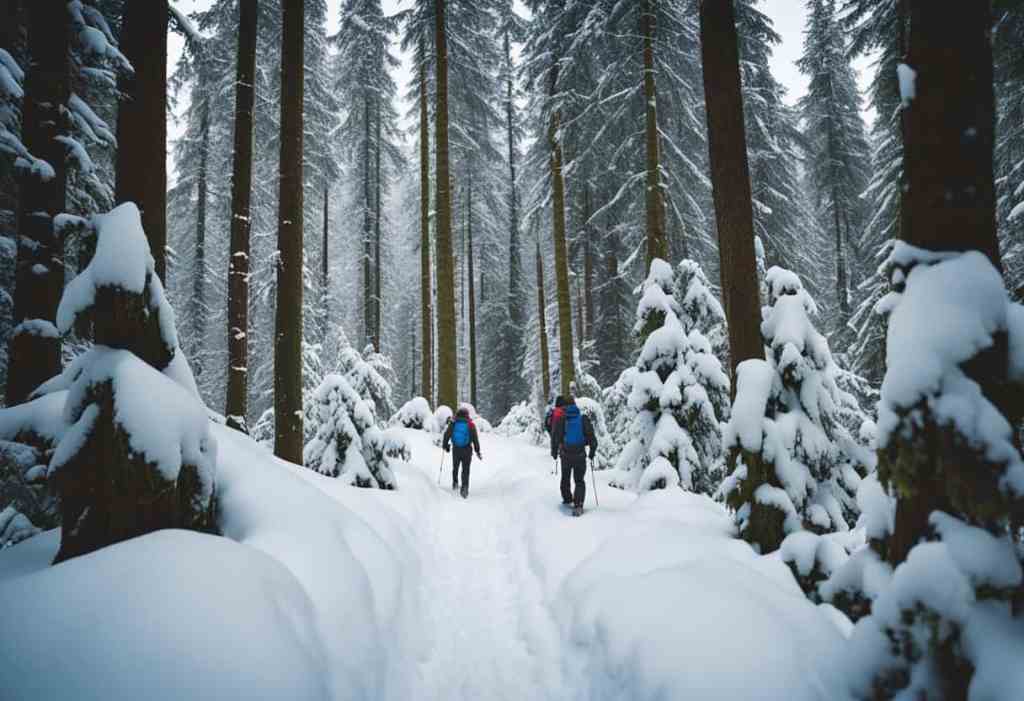
Olympic National Park encompasses over 1,400 square miles of diverse terrain, including rugged coastline, alpine meadows, and old-growth forests. The park’s snowshoeing trails offer a unique opportunity to explore this stunning landscape during the winter months. With miles of well-maintained trails and stunning views of the surrounding mountains, snowshoeing in the Olympic Peninsula is an experience that you won’t soon forget.
Key Takeaways:
- Snowshoeing in the Olympic Peninsula offers a unique and exhilarating experience.
- Olympic National Park provides a variety of snowshoeing trails for all skill levels.
- Snowshoeing in the Olympic Peninsula is an excellent way to explore the region’s natural beauty during the winter months.
Jump to a section…
Understanding Snowshoeing
Snowshoeing is a fun and accessible winter activity that allows you to explore snowy terrain with ease. With the right equipment and technique, you can enjoy snowshoeing on beginner ski terrain or more challenging trails.
Snowshoes are designed to distribute your weight evenly across the snow, preventing you from sinking into the soft surface. They come in different sizes and shapes, depending on the type of snow and terrain you plan to explore.
When snowshoeing, it’s important to dress appropriately for the winter weather conditions. Wear layers of warm, moisture-wicking clothing, and bring extra gloves, hats, and socks in case you get wet.
Before hitting the trails, make sure you have the necessary equipment, including snowshoes, poles, and appropriate footwear. It’s also a good idea to bring a map, compass, and other navigation tools, as well as plenty of water and snacks.
When snowshoeing, take your time and enjoy the winter scenery. Follow trail markers and stay on designated trails to avoid damaging the fragile winter ecosystem.
Whether you’re a beginner or an experienced snowshoer, Olympic Peninsula offers a variety of snowshoeing trails for all skill levels. From the Dosewallips River Road to the Snoqualmie Pass Ski and Snowboard Area, there are plenty of options to explore the winter wonderland of the Olympic Peninsula.
Olympic Peninsula Snowshoeing
If you’re looking for a winter adventure, the Olympic Peninsula is the perfect destination. With its stunning scenery and miles of snowshoeing trails, it’s no wonder that it’s a popular spot for outdoor enthusiasts.
Located in the Pacific Northwest, the Olympic Peninsula is a short drive from Seattle. Its diverse landscape includes rugged coastline, old-growth forests, and snow-capped mountains.
Snowshoeing is a popular activity in Olympic National Park, which boasts over 600 miles of trails. Lake Angeles Trail is a favorite among snowshoers, offering a challenging 6.9-mile trek with an elevation gain of 2,486 feet. Hurricane Ridge is another top spot with its panoramic views of the Olympic Range and the Strait of Juan de Fuca.
If you’re new to snowshoeing or don’t have your own equipment, there are plenty of rental options available. Olympic Peninsula Snowshoeing offers rentals and guided tours, while Heart O’ the Hills campground provides snowshoe rentals for those staying overnight.
When planning your snowshoeing trip, be sure to check the weather and road conditions. Winter storms can cause road closures and delays, so it’s best to be prepared.
Olympic National Park Overview
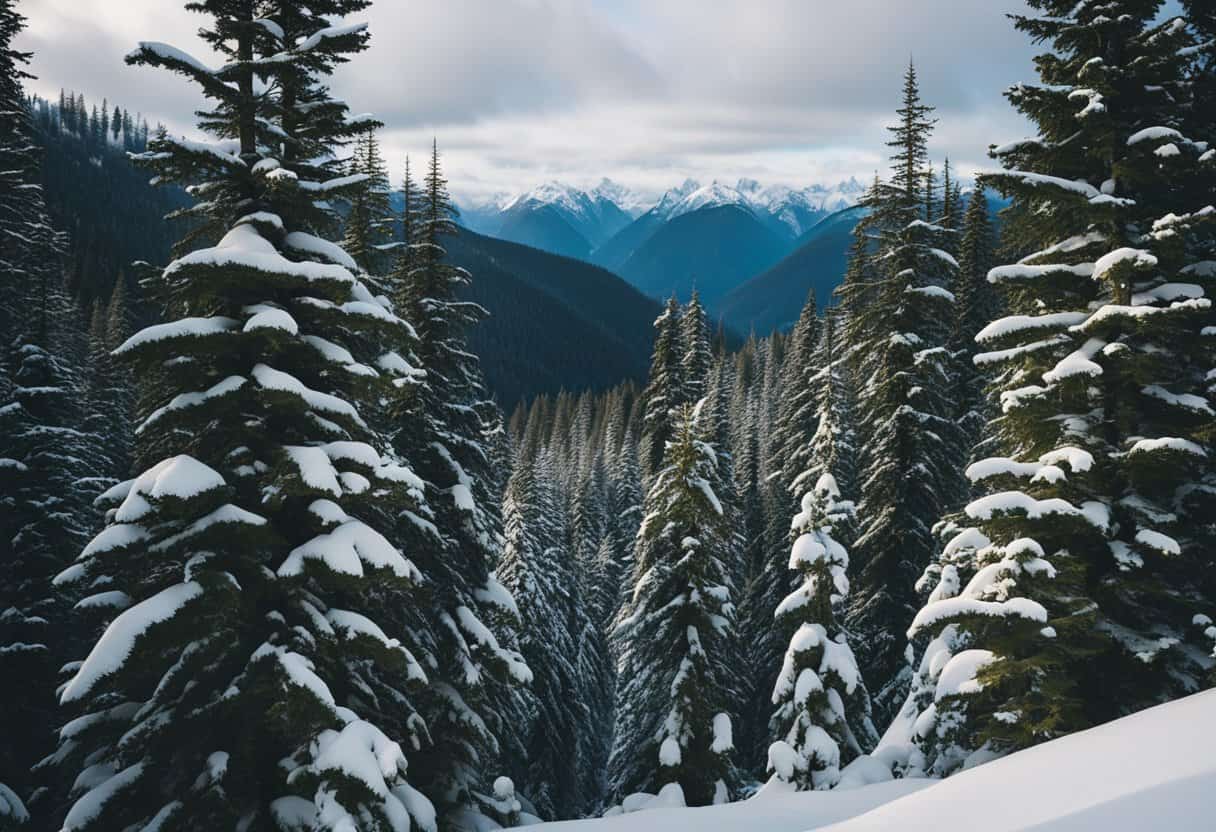
You’re in for a treat when you visit Olympic National Park, located in Washington State. The park encompasses 922,650 acres of diverse terrain, from rugged coastlines to alpine peaks, making it a popular destination for outdoor enthusiasts.
One of the most popular areas of the park is Hurricane Ridge, which offers breathtaking views of the surrounding mountains and valleys. The Hurricane Ridge Visitor Center is a great place to start your adventure, providing maps, information, and educational exhibits.
To access Hurricane Ridge, you’ll need to pay an entrance fee, which varies depending on the season. However, the fee is well worth it for the stunning views and unparalleled snowshoeing opportunities.
There are several snowshoeing trails to choose from at Hurricane Ridge, ranging from easy to difficult. The Meadows is a gentle, easy trail with excellent views, while Hurricane Hill Road is more challenging but offers spectacular views of Mount Olympus.
Before heading out on any snowshoeing trails, be sure to check the park’s website for current weather and road conditions. The park is one of the rainiest places in the United States, so it’s important to come prepared with appropriate gear.
Key Snowshoeing Locations
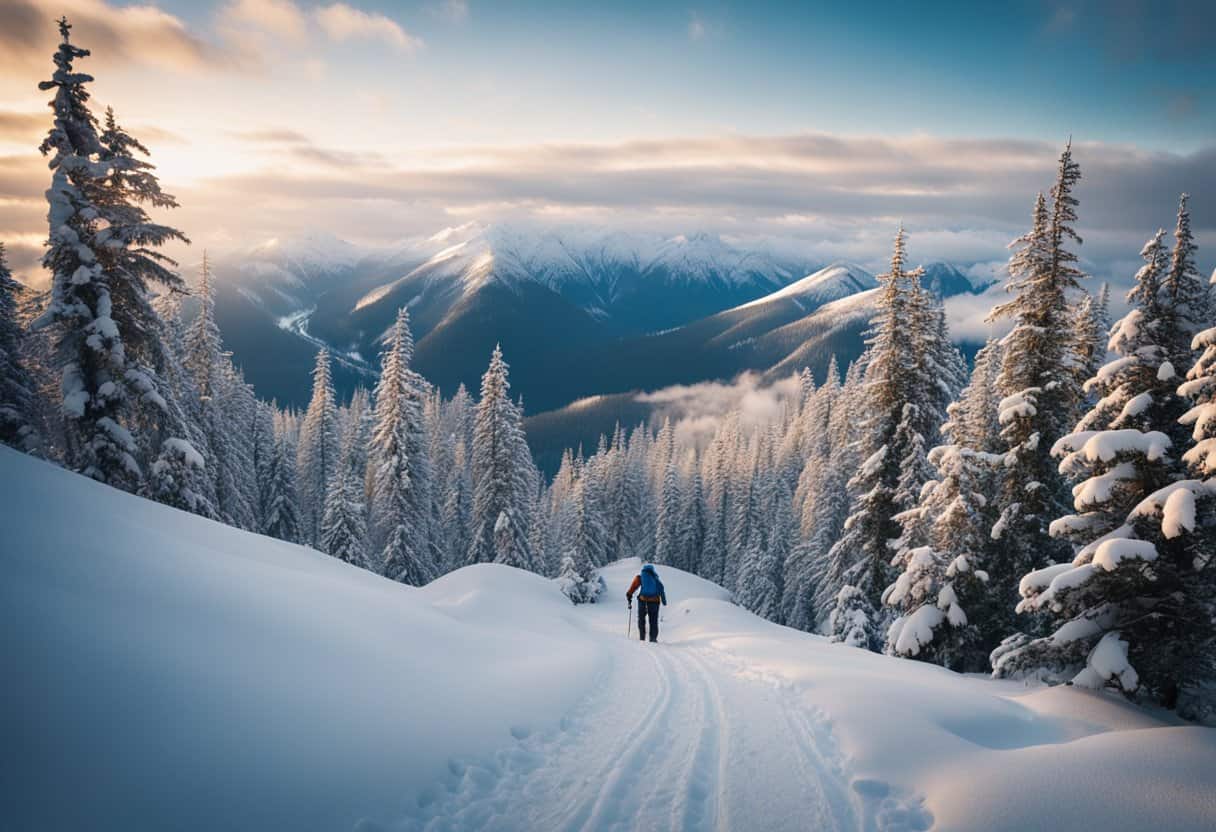
When it comes to snowshoeing on the Olympic Peninsula, there are several key locations that offer stunning views and challenging terrain. Here are some of the top spots to explore:
Hurricane Ridge
Hurricane Ridge is one of the most popular snowshoeing locations on the Olympic Peninsula. With stunning views of Mount Olympus and the surrounding mountains, it’s easy to see why. The Hurricane Ridge Snowshoe Route is a 3.2-mile loop that offers a moderate challenge and breathtaking scenery.
Hurricane Hill
For a more challenging snowshoeing experience, consider the Hurricane Hill Trail. This 3.2-mile trail climbs over 700 feet in elevation, offering stunning views of the Olympic Mountains and the Strait of Juan de Fuca. Be prepared for steep switchbacks and potentially icy conditions.
Deer Park Road
Deer Park Road is a great option for those looking for a more secluded snowshoeing experience. This 4.2-mile road is closed to vehicles in the winter, making it a peaceful and quiet spot to explore. Be prepared for snowdrifts and potentially challenging terrain.
Blue Mountain
Blue Mountain is another popular snowshoeing spot on the Olympic Peninsula. The Blue Mountain Trail is a 4.2-mile out-and-back trail that offers stunning views of the Olympic Mountains and the surrounding forests. Be prepared for steep climbs and potentially icy conditions.
Eagle Point
Eagle Point is a great spot for beginners and families. The Eagle Point Trail is a 1.4-mile loop that offers easy terrain and stunning views of the Olympic Mountains. Be prepared for potentially crowded conditions during peak snowshoeing season.
Steeple Rock
Steeple Rock is a lesser-known snowshoeing location on the Olympic Peninsula, but it’s well worth a visit. The Steeple Rock Trail is a 3.6-mile out-and-back trail that offers stunning views of the Strait of Juan de Fuca and the surrounding forests. Be prepared for potentially challenging terrain and steep climbs.
Mount Angeles
Mount Angeles is a challenging snowshoeing destination that offers stunning views of the Olympic Mountains and the surrounding forests. The Mount Angeles Trail is a 7.4-mile out-and-back trail that climbs over 4,000 feet in elevation. Be prepared for steep switchbacks and potentially icy conditions.
Preparation and Safety
Snowshoeing in the Olympic Peninsula can be a thrilling and rewarding experience, but it’s essential to take the necessary precautions to ensure your safety. Before you head out, it’s crucial to check the weather forecast, avalanche conditions, and road conditions to Hurricane Ridge.
Carry extra food, water, and warm clothing in case of an emergency. It’s also essential to bring a map, compass, and GPS device to help navigate the trails. Make sure to let someone know where you’re going and when you plan to return.
When it comes to avalanche safety, it’s best to avoid areas with high avalanche danger. If you’re unsure, consider taking an avalanche safety course to learn how to recognize and avoid hazardous conditions.
It’s also crucial to carry the necessary equipment, such as a shovel, probe, and transceiver, in case of an avalanche. Always travel with a partner, and make sure to communicate your plans and stay within sight of each other.
In conclusion, proper preparation and safety are crucial when snowshoeing in the Olympic Peninsula. Always check the weather and avalanche conditions, carry extra food and warm clothing, and bring the necessary equipment. With the right precautions, you can enjoy a safe and unforgettable snowshoeing experience.
Navigating to the Trails
To access the best snowshoeing trails on the Olympic Peninsula, you’ll need to make your way to Port Angeles. From there, you can take the Hurricane Ridge Road to reach the trailheads.
Once you reach Hurricane Ridge Road, drive for approximately 17 miles to the Hurricane Ridge Visitor Center. This is where you’ll find the trailheads for some of the most popular snowshoeing trails in Olympic National Park.
It’s important to note that parking can be limited, especially during peak snowshoeing season. To avoid any issues, plan to arrive early in the morning or later in the afternoon. Alternatively, consider taking a shuttle from Port Angeles to the Visitor Center.
The trails themselves are well-marked and easy to follow, but it’s still a good idea to bring a map or GPS device. Additionally, be sure to dress appropriately for the weather and bring plenty of water and snacks.
Trail Details
When it comes to snowshoeing on the Olympic Peninsula, there are plenty of trails to choose from. Each trail has its unique features, so it is essential to choose the one that aligns with your experience level and interests. Here is a list of some of the best trails for snowshoeing on the Olympic Peninsula:
Hurricane Ridge Snowshoe Trail: This 3.0-mile roundtrip trail provides breathtaking views of Mount Olympus and the surrounding Olympic Mountains. The trail is rated easy to moderate, with an elevation gain of 800 feet.
Wolf Creek Trail: This 6.8-mile roundtrip trail is an excellent option for experienced snowshoers. The trail is rated moderate, with an elevation gain of 1,600 feet. The trail takes you through beautiful meadows and forests.
Mount Townsend Trail: This 8.0-mile roundtrip trail is one of the more challenging trails on the Olympic Peninsula. The trail is rated difficult, with an elevation gain of 3,200 feet. The trail provides stunning views of the Olympic Mountains and the surrounding area.
The Washington Trails Association is an excellent resource for finding more information about snowshoeing trails on the Olympic Peninsula. They provide detailed information about each trail, including length, roundtrip, difficulty, and elevation gain.
Winter Activities in the Area
The Olympic Peninsula is a winter wonderland, offering a range of activities for all skill levels. Skiing, snowboarding, cross-country skiing, and snowshoeing are popular winter sports in the area.
If you’re a skier, Hurricane Ridge Ski and Snowboard Area is a must-visit. It offers challenging and exciting terrain for backcountry skiers and snowboarders. Lifts are open from 9 am-3:30 pm.
For cross-country skiing, check out the trails at Hurricane Ridge or the Olympic Discovery Trail. Both offer stunning views and a chance to experience the beauty of the Olympic Peninsula in winter.
Snowshoeing is an excellent way to explore the area’s winter landscape. Rent snowshoes and take a guided tour with Olympic Peninsula Snowshoeing, or explore on your own.
Don’t forget to dress for the weather. Winter clothing and gear are essential for a safe and enjoyable experience. Bring plenty of water and snacks, and be prepared for changing weather conditions.
Additional Points of Interest
While snowshoeing in Olympic National Park, there are plenty of additional points of interest to explore. The park’s landscape is breathtaking, with Mount Olympus and the Bailey Range providing stunning backdrops for your adventure.
If you’re an experienced skier, you’ll be pleased to know that there are several trails available for skiing as well. The Hurricane Hill Trail is a popular choice, offering incredible views of the Strait of Juan de Fuca and Port Angeles Wharf.
Don’t forget to bring your camera along, as there are plenty of photo opportunities throughout the park. Capture the beauty of the snow-covered trees and mountains, or take a snapshot of the wildlife that calls the park home.
While you’re exploring, be sure to take a break and visit some of the park’s historical landmarks. Learn about the area’s rich history and culture by visiting the park’s visitor center or attending a guided tour.
Guided Tours and Services
When it comes to exploring the Olympic Peninsula through snowshoeing, guided tours and services can be extremely helpful. Olympic Hiking Co. is a well-known company that offers guided snowshoeing tours in Hurricane Ridge, which is the premier snowshoeing destination in Olympic National Park. They provide turnkey experiences on Saturdays from January 6 – March 31, 2024.
These guided tours are led by experienced winter hiking guides who will teach you the fundamentals of snowshoeing, winter hiking, and avalanche safety. The tours are suitable for ages 10-99, with a maximum of 10 people per group. You can check availability and purchase mobile tickets in advance.
If you prefer a more customized experience, Olympic Hiking Co. also offers private tours. You can choose the date, time, and location of your snowshoeing adventure. They can even provide a picnic lunch for you to enjoy during your tour.
In addition to Olympic Hiking Co., there are other outfitters and tours available on the Olympic Peninsula. Adventures Through Kayaking offers kayak and cycling tours, while Allyn House Inn & North Bay Kayaks provides rentals and guided tours. Ben’s Bikes is a bike shop that offers rentals as well.
No matter which guided tour or service you choose, they can enhance your snowshoeing experience by providing valuable knowledge and expertise. Plus, you can relax and enjoy the scenery without worrying about navigation or safety.
Nearby Mountain Ranges
The Olympic Peninsula is surrounded by breathtaking mountain ranges, each offering a unique snowshoeing experience. Mount Baker, located in the North Cascades, provides a challenging hike with stunning views of the surrounding peaks. Mount Rainier, the highest peak in Washington, offers a variety of trails for all skill levels.
If you’re looking for a Bavarian-style snowshoeing experience, Leavenworth is the perfect destination. The town is surrounded by the Cascade Mountains, which provide a picturesque backdrop for a winter adventure.
To access these mountain ranges, you’ll need a vehicle. Blewett Pass and Teanaway are popular Sno-Park locations with ample parking and easy access to the mountains.
When planning your snowshoeing trip, be sure to check the weather and trail conditions. It’s important to be prepared with appropriate gear and clothing. Remember to respect the environment and pack out all trash.
Frequently Asked Questions
What are some recommended snowshoeing trails in the Olympic Peninsula?
Some recommended snowshoeing trails in the Olympic Peninsula include Hurricane Ridge, Deer Park, and Sol Duc Falls.
How difficult is snowshoeing in the Olympic Peninsula?
Snowshoeing in the Olympic Peninsula can range from easy to difficult, depending on the trail. It is important to research the trail difficulty and match it to your skill level.
What are the best conditions for snowshoeing in the Olympic Peninsula?
The best conditions for snowshoeing in the Olympic Peninsula are when there is fresh snow and clear skies. It is important to check weather and trail conditions before heading out.
Are there any guided snowshoeing tours available in the Olympic Peninsula?
Yes, there are guided snowshoeing tours available on the Olympic Peninsula. Experience Olympic offers guided eco-tours in Olympic National Park.
What are some safety tips for snowshoeing in the Olympic Peninsula?
Some safety tips for snowshoeing in the Olympic Peninsula include bringing proper gear, checking weather and trail conditions, staying on designated trails, and letting someone know your itinerary.
What are some essential items to bring when snowshoeing in the Olympic Peninsula?
Essential items to bring when snowshoeing in the Olympic Peninsula include warm clothing, waterproof boots, snowshoes, trekking poles, a map and compass, and a first aid kit.
Growing up in the Pacific Northwest, we’ve always felt at home in the outdoors. We created Evergreen Adventures PNW to share our love of hiking, camping, and exploring, and to help others discover the best adventures this region has to offer. Along with trip guides and tips, we also enjoy diving into the science behind the landscapes—thanks to a background in Environmental Science—because understanding nature makes every adventure even more meaningful.