
You’re planning your next vacation, and you want to explore the great outdoors. Look no further than Olympic National Park. Located in the Pacific Northwest of the United States, this national park is a nature lover’s paradise.
With over 900,000 acres of land, Olympic National Park is home to a diverse range of ecosystems. From glacier-capped mountains to old-growth rainforests to wild coastlines, there’s something for everyone. Whether you’re an experienced hiker or just looking for a scenic drive, Olympic National Park has it all.
As you explore Olympic National Park, you’ll encounter a variety of wildlife, including elk, black bears, and mountain goats. You’ll also have the opportunity to learn about the park’s cultural heritage, including the history of the Native American tribes that have called this area home for thousands of years. So what are you waiting for? Pack your bags and get ready for an unforgettable adventure in Olympic National Park.
Table of Contents
Camping Locations in Olympic National Park
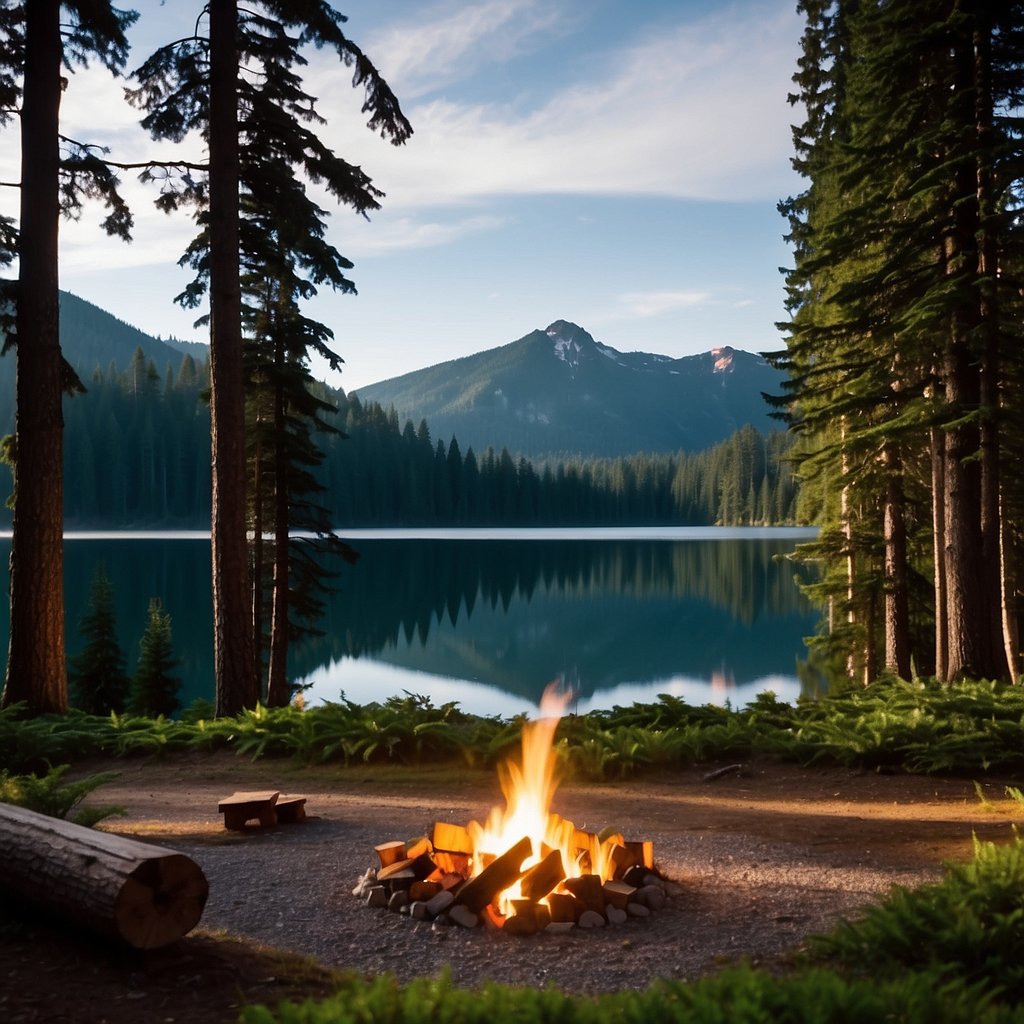
If you’re planning a trip to Olympic National Park and want to experience the park’s natural beauty up close, camping is an excellent option. With 16 campgrounds to choose from, you have plenty of options for an unforgettable outdoor adventure.
Lake Crescent is a popular camping location in Olympic National Park. With its crystal-clear waters and stunning mountain views, it’s a great spot for swimming, kayaking, and fishing. The Fairholme Campground is the only campground on the lake and offers easy access to the water.
The Hoh Rainforest is another must-see destination in Olympic National Park. The Hoh Campground is the perfect base camp for exploring the area’s mossy surroundings. It’s a popular spot, so make sure to reserve your site in advance.
For an unforgettable camping experience on the Pacific coast, head to Kalaloch. The Kalaloch Campground offers stunning ocean views and easy access to the beach. You can even reserve a site with an ocean view.

If you’re looking for a more rugged camping experience, Hurricane Ridge is the place to be. The Heart O’ the Hills Campground is open year-round and offers stunning views of the Olympic Mountains. It’s also a great spot for hiking and wildlife viewing.
No matter which campground you choose, make sure to follow Leave No Trace principles and respect the park’s natural resources. With so many beautiful camping locations to choose from, your trip to Olympic National Park is sure to be an unforgettable experience.
Camping Facilities and Amenities
If you’re planning a trip to Olympic National Park, you’ll want to know about the camping facilities and amenities available. The park offers 16 campgrounds, with options for both tent and RV camping.
Most campgrounds have picnic areas, restrooms, and showers available for visitors. Some campgrounds also offer unique features, such as the Log Cabin Resort RV & Campground, which has a marina and boat rentals.
If you’re looking for attractions near your campsite, consider the Hoh Rain Forest campground, which offers easy access to the popular rainforest trails. The Kalaloch campground is a great choice for beach lovers, with stunning ocean views and easy beach access.
Reservations are available for some campgrounds during the summer months, typically from late April to September. Check the National Park Service website for more information on making reservations.
Overall, Olympic National Park offers a variety of camping options with amenities to make your stay comfortable and enjoyable.
Outdoor Activities
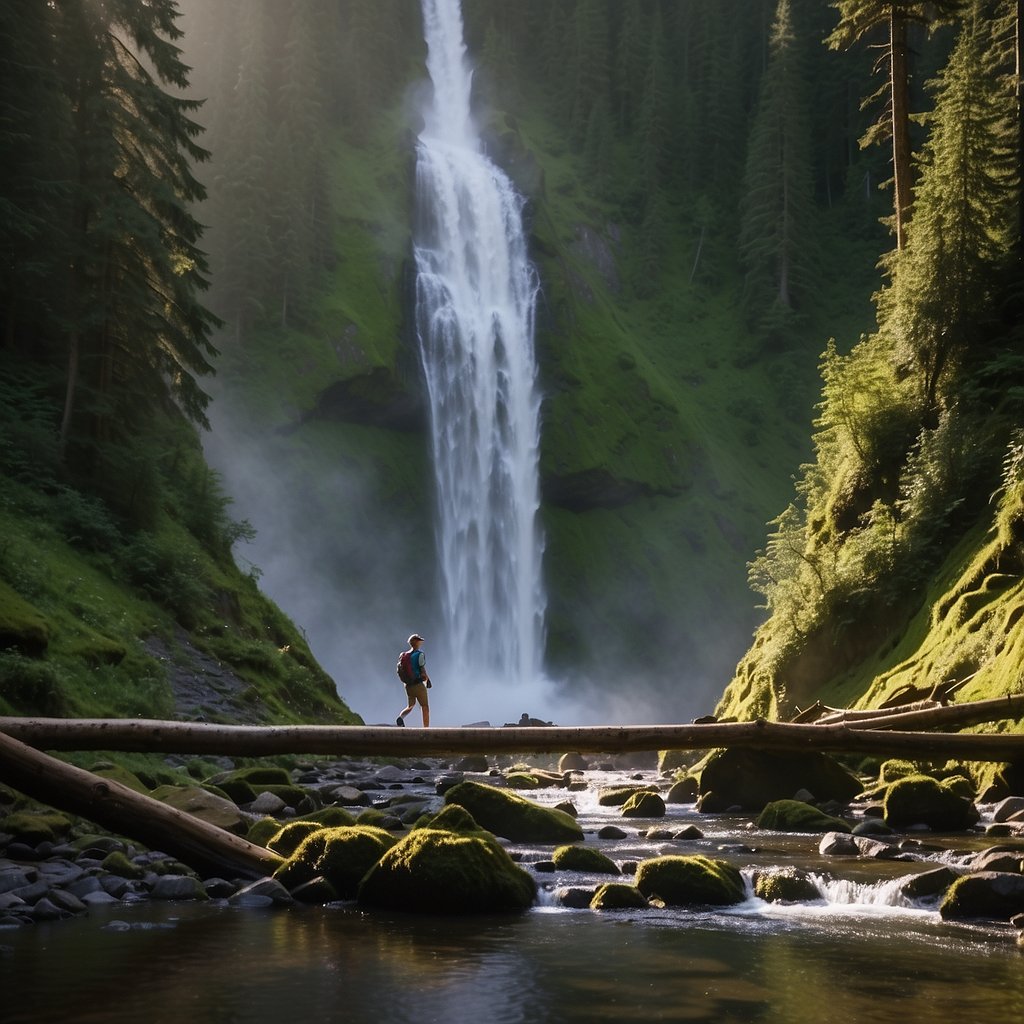
Olympic National Park offers a plethora of outdoor activities that cater to all interests. Whether you enjoy hiking, fishing, or wildlife viewing, there’s something for you.
Hiking
With over 600 miles of trails, Olympic National Park is a hiker’s paradise. From easy strolls to challenging hikes, there’s a trail for every skill level. Don’t miss the Hoh Rain Forest Trail, which takes you through a lush temperate rainforest.
Fishing
The park’s rivers and lakes are teeming with fish, making it a popular destination for anglers. You can fish for rainbow trout, salmon, and steelhead. Make sure to get a fishing license and check the regulations before casting your line.
Wildlife Viewing
Olympic National Park is home to a variety of wildlife, including black bears, elk, and mountain goats. Keep your eyes peeled for bald eagles soaring overhead. Remember to keep a safe distance and never approach wildlife.
Outdoor Activities
In addition to hiking, fishing, and wildlife viewing, Olympic National Park offers a range of outdoor activities. Go kayaking or canoeing on the park’s lakes and rivers. Take a scenic drive along Hurricane Ridge Road for breathtaking views.
Trails
The park’s trails offer stunning views of the mountains, forests, and shoreline. The Ozette Loop Trail takes you through a coastal forest to a secluded beach. The Sol Duc Falls Trail leads you to a picturesque waterfall.
Rivers and Lakes
The park’s rivers and lakes provide opportunities for boating, fishing, and swimming. Lake Crescent is a popular spot for kayaking and paddleboarding. The Elwha River is a great place for fishing and rafting.
Forests and Shoreline
Olympic National Park’s forests and shoreline are a sight to behold. The Quinault Rain Forest is home to some of the largest trees in the world. The park’s coastline offers stunning views of the Pacific Ocean.
In conclusion, Olympic National Park is an outdoor enthusiast’s dream come true. From hiking to fishing to wildlife viewing, there’s something for everyone to enjoy.
The Diversity of Olympic National Park
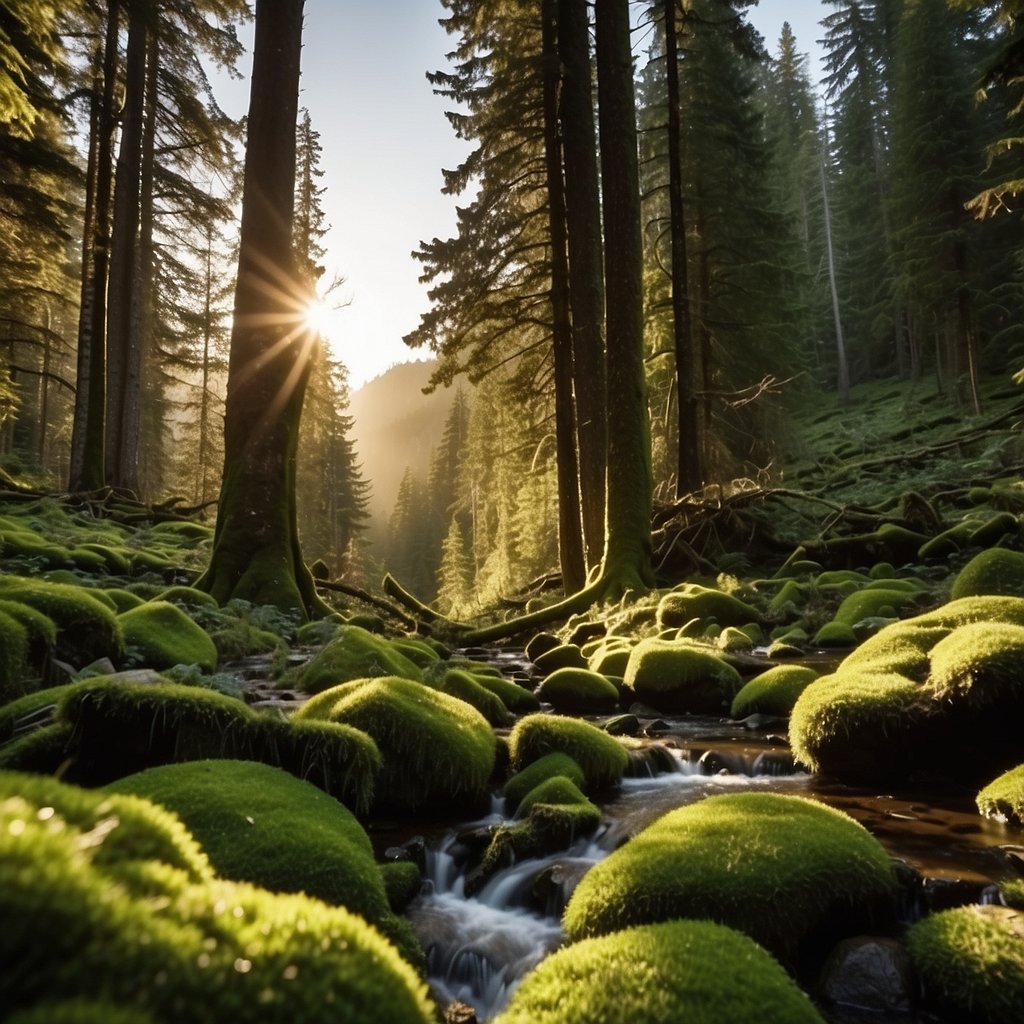
Olympic National Park is a vast wilderness area in the contiguous United States, covering 922,651 acres. The park is one of the most diverse national parks globally, with three unique ecosystems: rugged glacier-capped mountains, wild Pacific coast, and magnificent old-growth temperate rainforest.
The park is a UNESCO World Heritage Site and Biosphere Reserve, featuring a spectacular coastline, scenic lakes, majestic mountains and glaciers, and a magnificent virgin temperate rainforest. The park is home to over 70 miles of wild coastline, with tide pools and sea stacks and an abundance of marine life, including sea otters, seals, and whales.
The temperate rainforest ecosystem in Olympic National Park is one of the largest remaining in the world, with towering trees, lush undergrowth, and abundant wildlife. The forest is home to a variety of flora and fauna, including the endangered northern spotted owl, black bears, and elk.
The park’s glacier-capped mountains offer year-round recreational opportunities, including hiking, skiing, and mountaineering. The park’s highest peak, Mount Olympus, stands at 7,965 feet and is a popular destination for climbers and hikers.
Olympic National Park boasts diversity around every turn, with each ecosystem hosting unique features, plants, animals, geology, and history. The park is a testament to the importance of preserving wilderness areas and the natural world for future generations to enjoy.
Camping Tips and Regulations
Camping in Olympic National Park is a unique and exciting experience that offers visitors the opportunity to explore stunning natural landscapes and wildlife. However, it is essential to follow the park’s regulations to ensure a safe and enjoyable trip.
Camping Regulations
Camping regulations in Olympic National Park vary depending on the location and type of camping. Some campgrounds require reservations, while others are first-come, first-served. Additionally, camping with pack animals above 3,500 feet is prohibited except in designated stock camps. Only horses, mules, burros, and llamas are allowed as pack animals.
Permits
Backcountry camping in Olympic National Park requires a permit, which can be obtained at the park’s Wilderness Information Center. It is essential to plan ahead and obtain the necessary permits to ensure a safe and enjoyable trip.
Leave No Trace Principles
The Leave No Trace principles are essential to responsible camping practices in Olympic National Park. These principles include packing out all trash, minimizing campfire impact, respecting wildlife, and staying on designated trails.
Responsible Camping Practices
Responsible camping practices are crucial to preserving the natural beauty of Olympic National Park. It is important to respect the park’s regulations, wildlife, and ecosystems. Additionally, campers should avoid using single-use plastics and bring reusable containers and utensils to reduce waste.
By following these camping tips and regulations, you can ensure a safe and enjoyable trip to Olympic National Park while preserving the park’s natural beauty for future generations.
Safety Considerations
When visiting Olympic National Park, it’s essential to prioritize safety. The park is a wilderness area with natural wonders and potential hazards. Regulations are strictly enforced to protect you and the park’s resources. Here are some safety considerations to keep in mind:
Wildlife Encounters

All wildlife and wildlife encounters come with inherent risks to visitors. Do not approach, startle, or feed animals. Keep a safe distance of at least 25 yards from all wildlife, including elk, deer, and bears. Carry bear spray and know how to use it. If you encounter a bear, make a noise and back away slowly. If a bear charges, use your bear spray and play dead.
Food Storage Techniques
To prevent attracting wildlife to your campsite or picnic area, store all food, trash, and scented items in bear-resistant containers or hang them at least 10 feet off the ground and 4 feet away from the trunk of a tree. Never store food in your tent.
Weather
Weather in Olympic National Park can change quickly, so it’s essential to check the forecast before you go. Be prepared for rain, wind, and cold temperatures. Wear layers, including a waterproof jacket and pants, and bring extra clothes in case you get wet.
Preparation
Before you go, make sure you’re prepared for your adventure. Bring a map and compass, and know how to use them. Tell someone where you’re going and when you plan to return. Carry a first aid kit and know how to use it. Bring plenty of water and snacks, and don’t forget sunscreen and insect repellent.
Safety Concerns
In addition to wildlife encounters, there are other safety concerns to keep in mind. Be aware of your surroundings and watch your step on trails, as they can be slippery and uneven. If you plan to hike, make sure you’re physically fit and know your limits. Stay on designated trails and avoid shortcuts.
Visiting Olympic National Park can be a memorable and enjoyable experience if you prioritize safety. By following these safety considerations, you can help ensure a safe and enjoyable visit.
The History and Culture of Olympic National Park
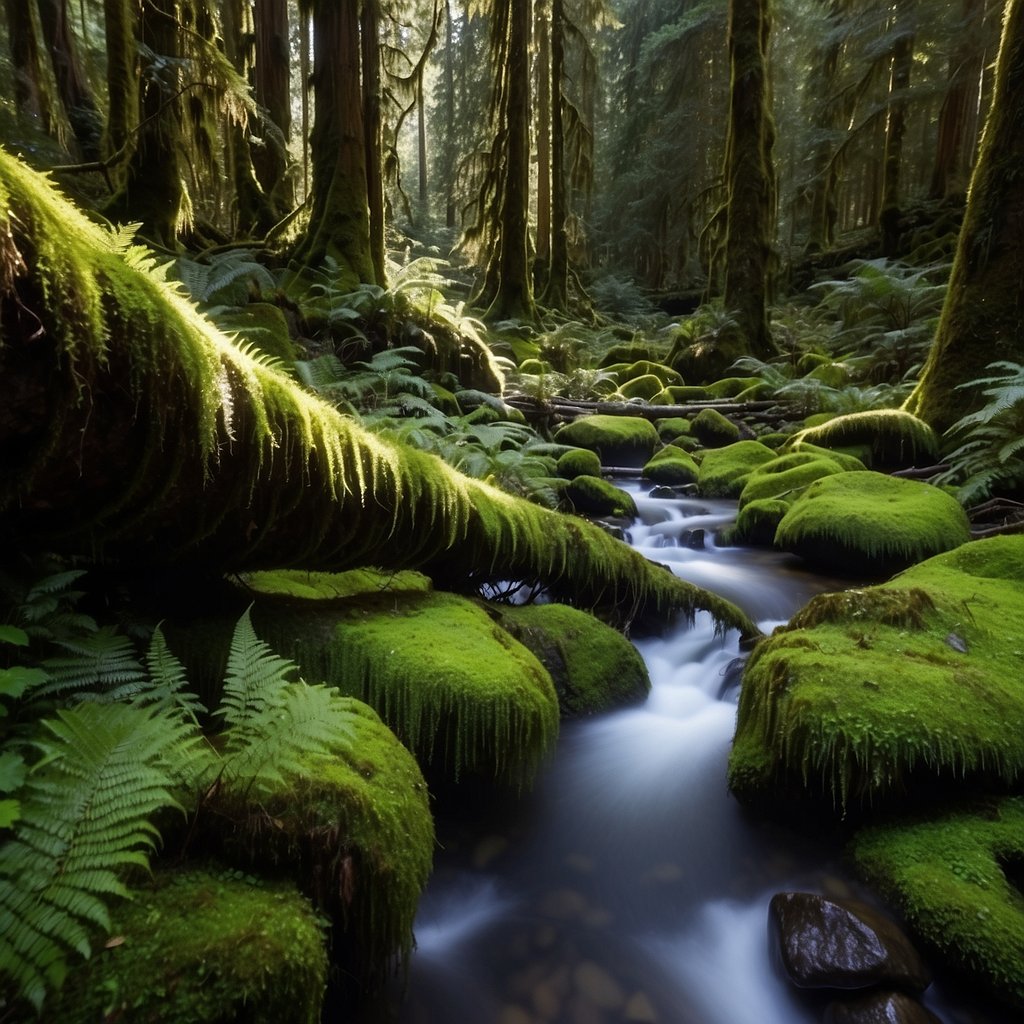
Olympic National Park has a rich history and culture that spans thousands of years. The park is located on the Olympic Peninsula in Washington State, and it is home to many communities that have lived in the region for generations. The park’s landscape is closely linked to the culture, heritage, and tradition of these communities.
The human history of Olympic National Park dates back to time immemorial. The Makah, Quileute, and Quinault tribes have lived in the region for thousands of years, and they have a deep connection to the park’s landscape. The park is also home to many historic buildings and guard stations that were built by the Forest Service in the early 1900s.
In 1909, the Olympus National Monument was established, and it was later designated as Olympic National Park in 1938 by President Franklin D. Roosevelt. The park was established to preserve the region’s unique and diverse ecosystem, including its temperate rainforests, rugged mountains, and pristine coastline.
Olympic National Park is not only a national monument but also a UNESCO World Heritage Site and an International Biosphere Reserve. These designations recognize the park’s unique and exceptional natural and cultural values. The park’s cultural significance is also reflected in the many historic buildings and structures that are scattered throughout the park.
The park’s rich history and culture are an integral part of its identity. Visitors to the park can explore the many cultural and historic sites, including the Makah Cultural and Research Center, the Quileute Oceanside Resort, and the Lake Quinault Lodge. These sites offer a glimpse into the region’s past and provide important historical information and meaning to the park’s landscape.
Frequently Asked Questions
What is special about Olympic National Park?
Olympic National Park is special because it is home to three distinct ecosystems: glacier-capped mountains, temperate rainforests, and rugged Pacific coastlines. It also contains over 600 miles of hiking trails and is one of the largest wilderness areas in the United States.
How big is Olympic National Park?
Olympic National Park covers nearly 1 million acres, with over 95% of the park designated as wilderness.
What is the best month to visit Olympic National Park?
The best months to visit Olympic National Park are during the summer, from June to September, when the weather is warm and dry. However, the park is open year-round and each season offers its own unique beauty.
How much time do you need at Olympic National Park?
You can see the highlights of Olympic National Park in as little as two days, but to truly experience the park, plan to spend at least a week exploring its diverse landscapes.
When was Olympic National Park established?
Olympic National Park was established on June 29, 1938, by President Franklin D. Roosevelt.
Which is better Mt Rainier or Olympic National Park?
Both parks offer unique experiences, but Olympic National Park’s diverse landscapes and wilderness areas make it a must-visit destination.
Growing up in the Pacific Northwest, we’ve always felt at home in the outdoors. We created Evergreen Adventures PNW to share our love of hiking, camping, and exploring, and to help others discover the best adventures this region has to offer. Along with trip guides and tips, we also enjoy diving into the science behind the landscapes—thanks to a background in Environmental Science—because understanding nature makes every adventure even more meaningful.