
Fort Casey Historical State Park is a 999-acre marine camping park with 10,810 feet of saltwater shoreline on Puget Sound, located on Whidbey Island in Island County, Washington.
The park includes Keystone Spit, a 2-mile stretch of land separating Admiralty Bay and Crocket Lake. The park is home to the remains of historic Fort Casey, which was built in the late 1800s and used up through World War II.
If you’re looking for a camping experience that combines history and outdoor recreation, Fort Casey State Park is the perfect destination for you.
With 35 campsites for tents, trailers, and RVs (up to 40 feet), the park offers a range of camping options for visitors.
Whether you’re interested in hiking, fishing, or exploring the beach, you’ll find plenty of opportunities for outdoor adventure at Fort Casey State Park.
Key Takeaways
- Fort Casey Historical State Park is a 999-acre marine camping park with 10,810 feet of saltwater shoreline on Puget Sound, located on Whidbey Island in Island County, Washington.
- The park includes Keystone Spit, a 2-mile stretch of land separating Admiralty Bay and Crocket Lake, and is home to the remains of historic Fort Casey, which was built in the late 1800s and used up through World War II.
- With 35 campsites for tents, trailers, and RVs (up to 40 feet), the park offers a range of camping options for visitors, as well as opportunities for hiking, fishing, and exploring the beach.
Table of Contents
History and Significance
Fort Casey State Park
Fort Casey State Park is a historical landmark located on Whidbey Island, in Island County, Washington State. It is a Washington State Park and a historic district within the U.S. Ebey’s Landing National Historical Reserve.
The park covers an area of 467 acres and offers visitors a chance to explore the rich history of the area. The park was named after Brigadier General Thomas Lincoln Casey, who was the Chief of Engineers in the late 1800s.
Admiralty Head Lighthouse
The Admiralty Head Lighthouse is one of the main attractions at Fort Casey State Park. The lighthouse was built in 1903 and served as a navigational aid for ships entering Puget Sound.
The lighthouse is open to visitors and offers tours of the facility. Visitors can climb up the tower and enjoy a panoramic view of the surrounding area.
Military Heritage
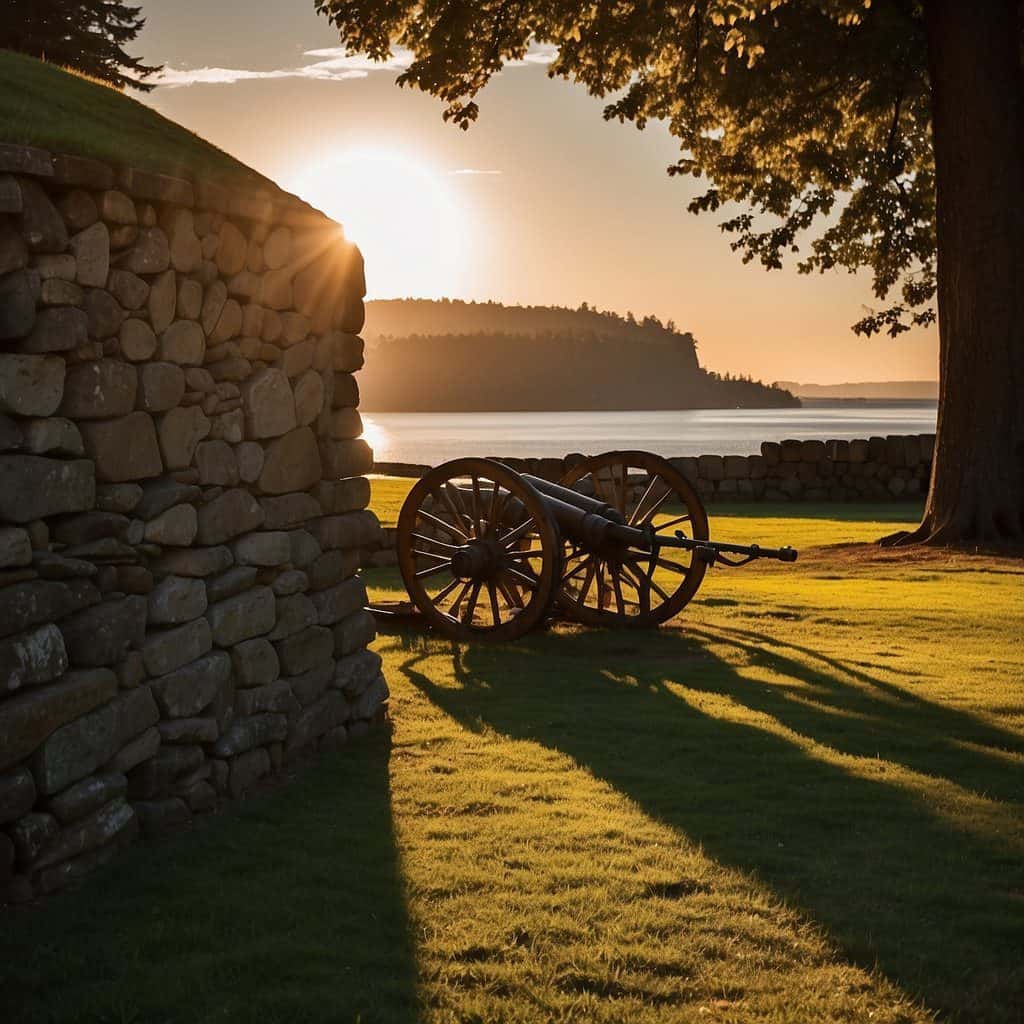
Fort Casey State Park has a rich military heritage. The park was originally built as a military fort in the late 1800s to protect the entrance to Puget Sound.
The fort was equipped with artillery and was an important defense post during World War I and II.
Today, visitors can explore the fort and learn about the history of the area. The park also has several military artifacts on display, including cannons and other weapons.
Fort Casey State Park is also known for its proximity to Fort Flagler, another military fort located on nearby Marrowstone Island.
The two forts were built around the same time and were part of a defense system designed to protect Puget Sound from potential attacks.
Visitors to Fort Casey State Park can take a short ferry ride to Fort Flagler and explore the area.
In addition to its military history, Fort Casey State Park is also known for its natural beauty.
The park offers visitors a chance to explore the rugged coastline of Whidbey Island and enjoy stunning views of the Olympic Mountains.
Visitors can also watch Navy jets take off and land at nearby Naval Air Station Whidbey Island.
Camping at Fort Casey
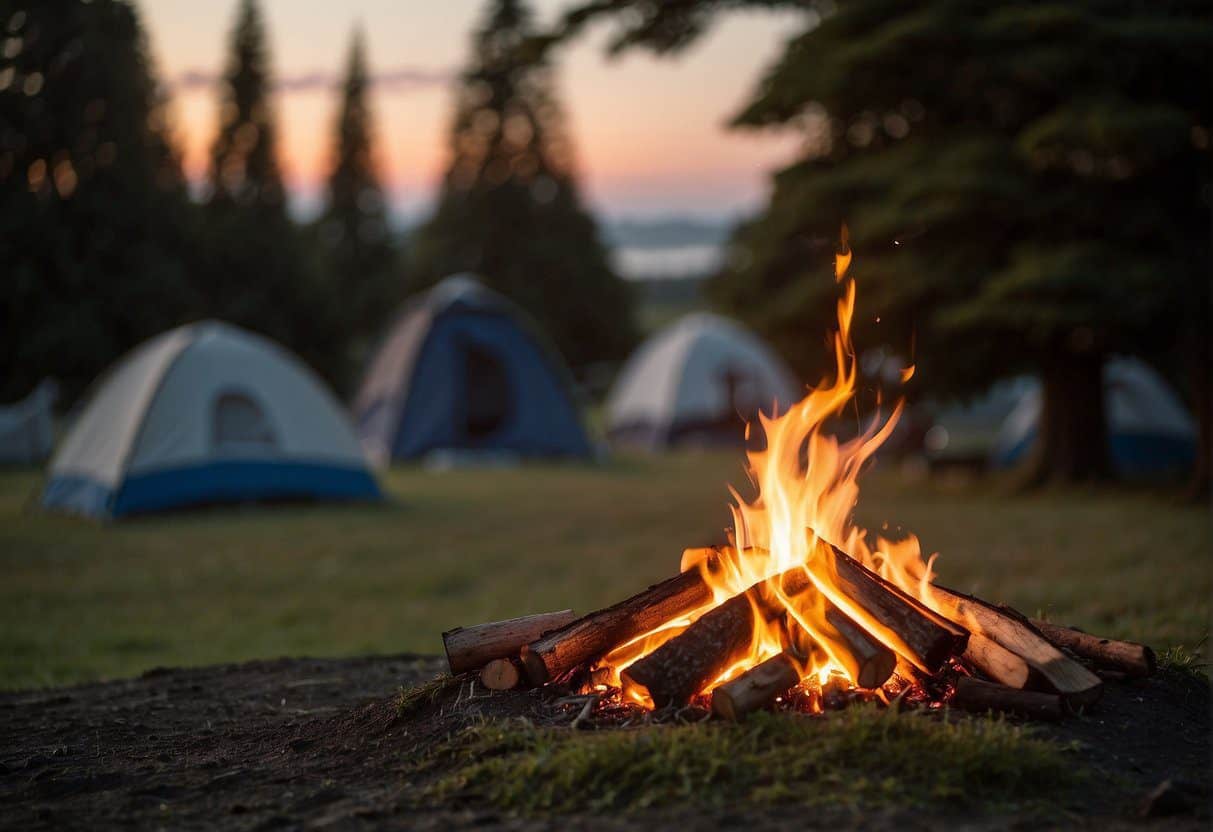
If you’re looking for a camping experience that combines history, nature, and stunning views, Fort Casey Historical State Park is the perfect destination.
With 35 campsites for tents, trailers, and RVs, you’ll have plenty of options to choose from.
Campground Overview
The Fort Casey State Park campground is a 1000-acre marine/historic camping park located on Whidbey Island on Puget Sound. The park features the remains of historic Fort Casey, which was built in the late 1800s and used up through World War II.
The campsites are spacious, and each site comes with a picnic table and fire pit. Restrooms are available, but there are no showers on-site.
Reservations and Fees
You can make reservations for campsites at Fort Casey State Park online or by phone. The park is open year-round, but campsites are available on a first-come, first-served basis from May through September.
From October through April, campsites can be reserved in advance. The daily fee for a campsite is $30, and there is an additional fee for RVs.
Best Times to Visit
The best time to visit Fort Casey State Park for camping is from March through December. During this time, the weather is mild, and the park is less crowded.
If you’re looking for a more secluded experience, consider visiting during the weekdays.
Outdoor Activities
Fort Casey Historical State Park is a paradise for outdoor enthusiasts. With its 1000-acre marine/historic camping park, there are plenty of activities to keep you busy.
Hiking and Trails
The park features more than 10,000 feet of saltwater shoreline along the Puget Sound, which makes it an ideal spot for hiking and exploring.
The Pacific Northwest National Scenic Trail (PNT) runs through the park, offering visitors access to some of the most beautiful scenery in the region.
With its stunning views of Admiralty Inlet and the Strait of Juan de Fuca, Fort Casey is a great place to hike and take in the breathtaking scenery.
Water Recreation
Fort Casey State Park offers a variety of water activities for visitors to enjoy.
With 10,810 feet of saltwater shoreline, there are plenty of opportunities for fishing, saltwater fish, boating, kayaking, swimming, and diving.
The park has a watercraft launch for those who want to get out on the water and explore the area.
Keystone Underwater Dive Park is also located nearby, making it an excellent spot for divers to explore the underwater world.
Wildlife Viewing
Fort Casey State Park is home to a variety of wildlife, making it an excellent spot for bird watching and wildlife viewing.
The park is home to a variety of birds, including bald eagles, osprey, and great blue herons. Visitors can also spot deer, raccoons, and other small mammals in the park.
With its diverse ecosystem, Fort Casey State Park is a great place to connect with nature and observe the wildlife in their natural habitat.
Amenities and Facilities

Day-Use Facilities
Fort Casey Historical State Park offers a variety of day-use facilities to make your visit as comfortable and enjoyable as possible.
The park has picnic tables and grills scattered throughout the park, perfect for a family BBQ or picnic.
There are also fire pits available for use, but you will need to bring your own firewood or purchase it at the park’s gift shop.
The park has plenty of parking spaces available, so you won’t have to worry about finding a spot for your vehicle.
If you’re planning on exploring the park, you can pick up a map at the visitor center or the gift shop.
The park also has restrooms with flush toilets available for use. Pets are allowed in the park but must be kept on a leash at all times.
Overnight Stay Amenities
Fort Casey Historical State Park offers a variety of amenities for those planning on staying overnight.
The park has a total of 35 partial hookup sites available for RVs, with water and electrical hookups available. The park also has a few tent sites available for those who prefer to camp without an RV.
Each campsite comes equipped with a picnic table and fire pit, but you will need to bring your own firewood or purchase it at the park’s gift shop.
The park has restrooms with flush toilets and showers available for campers to use.
If you need to stock up on supplies during your stay, the park has a store and gift shop available.
The store sells basic camping supplies, snacks, and drinks. If you’re planning on using propane during your stay, you can purchase it at the park’s store.
To access the park, you will need a Discover Pass, which can be purchased online or at the park’s entrance.
If you’re planning on taking the ferry to the park, keep in mind that the ferry schedule can change depending on the season. It’s always a good idea to check the ferry schedule before planning your trip.
Park Regulations and Safety
Park Rules
When camping at Fort Casey Historical State Park, it’s important to follow the park rules to ensure a safe and enjoyable experience. Some of the park rules include:
- Fires are only allowed in designated fire pits and grills. Propane and gas grills are also allowed.
- There is a Level 1 burn ban in effect, meaning that fires are currently allowed. However, it’s important to check the park’s website or call ahead to confirm the current status of the burn ban.
- All campers must follow the park’s quiet hours from 10 pm to 6:30 am.
- Pets are allowed in the park but must be kept on a leash no longer than 8 feet at all times.
- Alcohol is prohibited in all Washington State Parks.
Safety Information
While camping at Fort Casey Historical State Park, it’s important to keep safety in mind. Here are some safety tips to keep in mind:
- Be aware of your surroundings and watch for wildlife such as bears and cougars.
- Follow all posted signs and warnings, especially those related to swimming and boating.
- Be aware of the flight schedule of nearby Naval Air Station Whidbey Island, which may result in loud noises and low-flying aircraft.
- In case of an emergency, dial 911 or contact a park ranger.
Remember to always practice Leave No Trace principles and respect the park’s natural resources.
By following the park rules and staying safe, you can have a memorable camping experience at Fort Casey Historical State Park.
Planning Your Visit

If you’re planning a camping trip to Fort Casey Historical State Park, there are a few things you’ll need to know to make your visit go smoothly. Here are some tips to help you plan your trip.
Getting There
Fort Casey State Park is located on Whidbey Island, which is accessible by ferry from the mainland.
The ferry ride from Port Townsend to Whidbey Island takes about 30 minutes, and there are several sailings per day.
There is also a ferry that leaves from Mukilteo and takes you to Clinton. The sailing takes approximately 20 minutes.
Once you’re on the island, it’s about a 20-minute drive to the park.
Nearby Attractions
If you’re looking to explore the area around Fort Casey State Park, there are several nearby attractions worth checking out.
Olympic National Park is about a 2-hour drive from the park and offers hiking, camping, and scenic drives.
The Strait of Juan de Fuca is also nearby and is a great spot for whale watching, fishing, and kayaking.
Closer to the park, Fort Ebey State Park is just a short drive away. This park offers hiking, camping, and beach access, as well as stunning views of the surrounding area.
Visitor Tips and Recommendations
Maximizing Your Experience
If you’re planning a camping trip at Fort Casey Historical State Park, there are a few things you should keep in mind to make the most of your experience.
First, be sure to make a reservation in advance, especially during the busy summer months.
There are 22 standard campsites and 13 partial hookup sites with water and electricity, and they can fill up quickly.
Once you’re there, take advantage of the park’s amenities.
There is one restroom with a shower at the campsite, as well as 68 picnic tables, grills, and a fire circle.
If you’re interested in learning more about the park’s history, be sure to check out the Interpretive Center and the historic military batteries.
There are also plenty of outdoor activities to enjoy, including fishing, kite flying, and exploring the beach.
If you’re looking for other activities, check with the staff or volunteers to see what’s available.
Local Insights
If you’re looking for insider tips on how to make the most of your visit to Fort Casey Historical State Park, consider visiting on a Thursday or Saturday.
These are the days when the park hosts its summer concert series, which features local musicians and is a great way to experience the park’s laid-back vibe.
In addition to the concert series, there are plenty of other activities to enjoy in the area.
Coupeville, which is just a short drive away, is a charming town with plenty of shops and restaurants to explore.
If you’re interested in hiking, be sure to check out Ebey’s Landing National Historical Reserve, which offers stunning views of the surrounding landscape.
Frequently Asked Questions
How can I make a reservation for camping at Fort Casey Historical State Park?
You can make a reservation for camping at Fort Casey Historical State Park by visiting the Washington State Parks website or by calling the Washington State Parks reservation center at 1-888-CAMPOUT (1-888-226-7688).
You can make reservations up to nine months in advance.
What are the camping fees at Fort Casey Historical State Park?
The camping fees at Fort Casey Historical State Park vary depending on the type of campsite you choose and the time of year you visit.
As of 2024, the fees range from $12 to $45 per night. Additional fees may apply for extra vehicles, pets, and other amenities.
Can I bring my dog along when I camp at Fort Casey Historical State Park?
Yes, you can bring your dog along when you camp at Fort Casey Historical State Park, but you must keep your dog on a leash no longer than eight feet and under your control at all times.
You must also clean up after your dog and dispose of waste in designated trash receptacles.
Is a Discover Pass required for camping at Fort Casey Historical State Park?
Yes, a Discover Pass is required for camping at Fort Casey Historical State Park.
You can purchase a Discover Pass online or at any Washington State Parks location. The pass costs $30 for an annual pass or $10 for a one-day pass.
Where can I find a map of the Fort Casey State Park campgrounds?
You can find a map of the Fort Casey State Park campgrounds on the Washington State Parks website or at the park office.
The map shows the location of each campsite, restroom facilities, and other amenities.
What are the camping regulations I should be aware of at Fort Casey Historical State Park?
Some of the camping regulations you should be aware of at Fort Casey Historical State Park include the following:
- Quiet hours are from 10:00 p.m. to 6:30 a.m.
- Generators may only be used between the hours of 8:00 a.m. and 9:00 p.m.
- Fires are only allowed in designated fire rings or grills.
- All vehicles, including bicycles, must remain on established roads or in designated parking areas.
- Do not disturb or remove any plants, animals, or cultural artifacts.
- Dispose of waste in designated trash receptacles.
- Follow all other posted rules and regulations.
Following these regulations can help ensure everyone has a safe and enjoyable camping experience.
Growing up in the Pacific Northwest, we’ve always felt at home in the outdoors. We created Evergreen Adventures PNW to share our love of hiking, camping, and exploring, and to help others discover the best adventures this region has to offer. Along with trip guides and tips, we also enjoy diving into the science behind the landscapes—thanks to a background in Environmental Science—because understanding nature makes every adventure even more meaningful.