
Are you planning a family hiking trip in the Pacific Northwest? Hiking is a great way to get outdoors and enjoy the natural beauty of the region, but it’s important to make sure you and your family stay safe on the trail. From planning your route to packing the right gear, there are several things you can do to ensure a safe and enjoyable hiking experience for everyone.
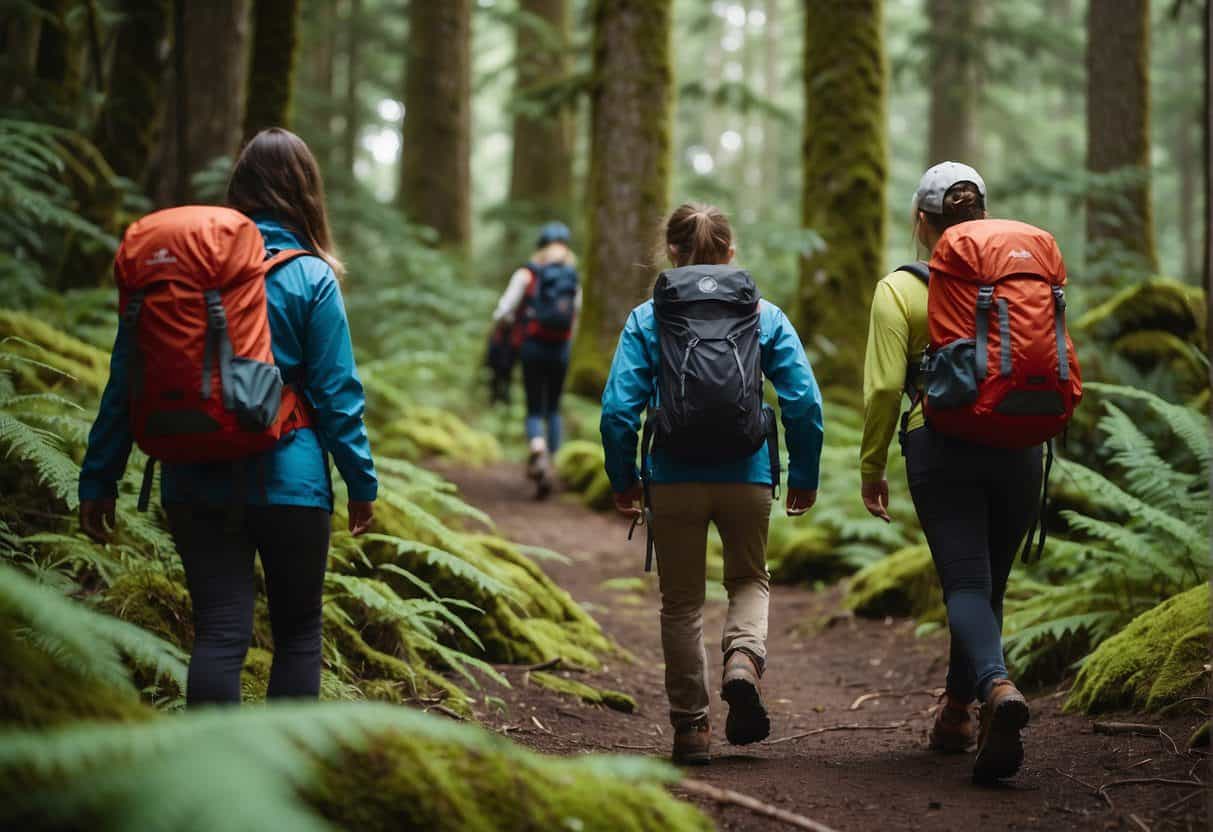
Before you hit the trail, take some time to plan your route and make sure it’s appropriate for your family’s skill level. Consider factors like distance, elevation gain, and terrain when choosing a trail. It’s also a good idea to check the weather forecast and trail conditions before you go. Once you’ve chosen your route, make sure to let someone know where you’re going and when you expect to return. This way, if something goes wrong, help can be sent to find you.
Key Takeaways
- Planning your route and checking the weather and trail conditions are important steps to ensure a safe and enjoyable family hiking experience in the PNW.
- Packing the right gear, including the ten essentials, can help you stay safe on the trail.
- Being aware of potential hazards and staying alert can help you avoid accidents and injuries while hiking.
Table of Contents
Planning Your Hike
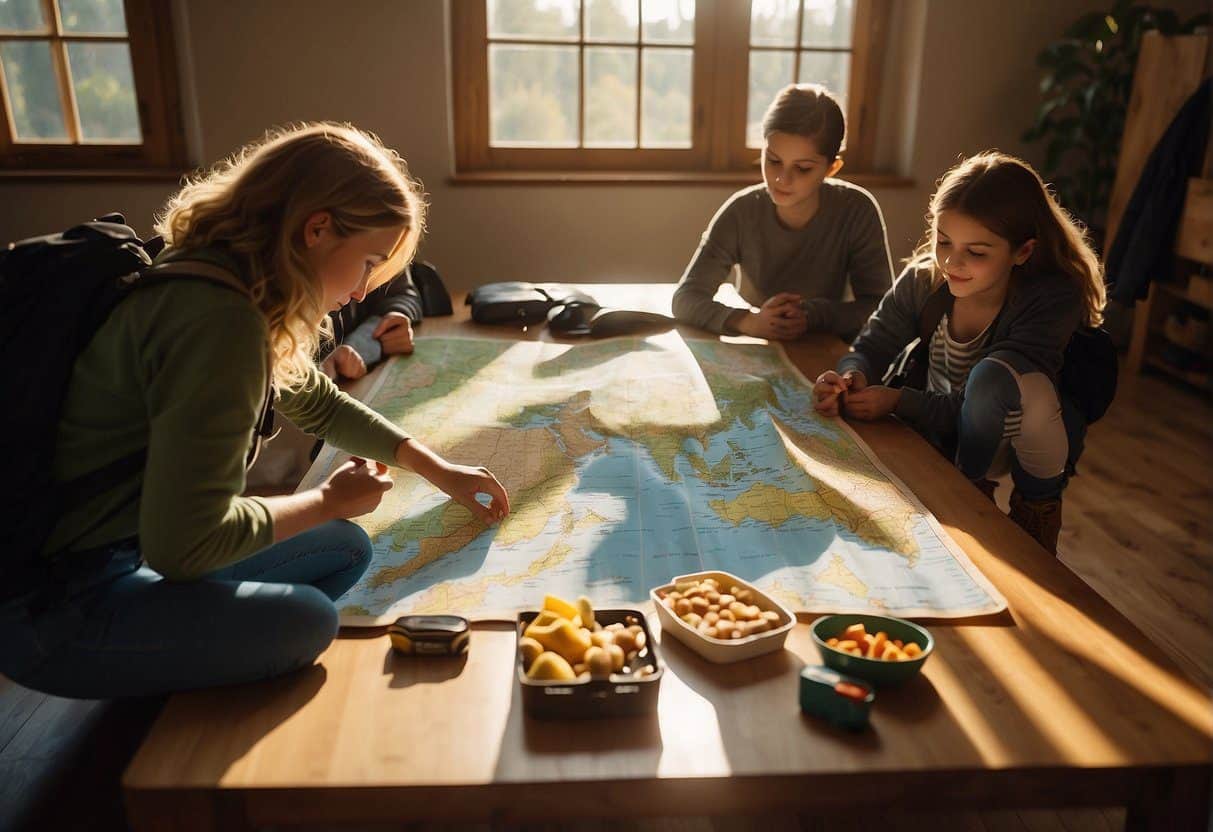
Hiking is an excellent way to explore the Pacific Northwest‘s stunning natural beauty with your family. However, planning your hike is key to having a fun and safe adventure. Here are some tips to help you get going!
Choosing the Right Trail
Choosing the right trail is crucial to ensure that you and your family have a safe and enjoyable hike. Think about how tough the trail is, how much it climbs, and how far it goes. Also, keep in mind the season and weather conditions. Some trails are more challenging in the winter months or during heavy rainfall. Research the trail beforehand and read reviews from other hikers to get an idea of what to expect.
Understanding the Weather
Weather conditions can change quickly in the Pacific Northwest, so it is essential to check the forecast before you go. Prepare for the worst-case scenario and pack extra layers, rain gear, and warm clothing. Also, be aware of the trail’s exposure to the sun or wind, which can affect your experience. If you are hiking in the summer, bring plenty of water and sunscreen.
Timing and Seasonality
The Pacific Northwest has a diverse range of landscapes, and each season offers unique experiences. However, it is essential to keep in mind the seasonality of the area you plan to hike. For example, hiking in Olympic National Park during the winter months can be challenging due to snow and ice. In contrast, hiking during the spring and summer months allows you to see wildflowers and waterfalls. Consider the timing of your hike and plan accordingly.
Hiking Gear Essentials
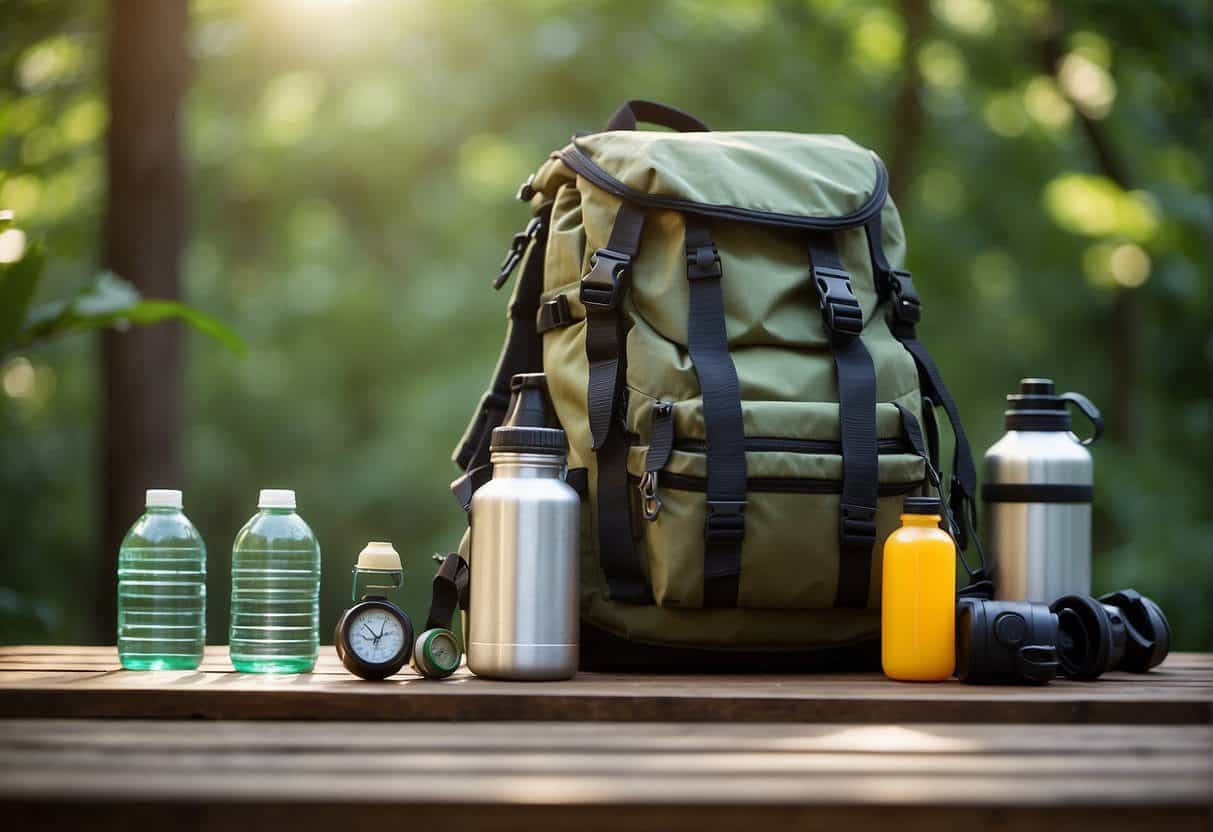
When it comes to hiking with your family in the Pacific Northwest, having the right gear is essential. In this section, we’ll discuss the gear you need to stay safe and comfortable on your next hike.
Dressing Appropriately
Dressing appropriately is key to staying comfortable and safe on your hike. Make sure to dress in layers, as the weather can change quickly in the PNW. Wear a moisture-wicking base layer, insulating mid-layer, and a waterproof outer layer. Avoid cotton clothing as it takes a long time to dry and can leave you feeling cold and wet.
10 Essentials for Safety
The 10 essentials are a must-have for any hike, especially in the PNW. These essentials include navigation tools (such as a map and compass), sun protection (such as sunscreen and sunglasses), insulation (such as extra clothing), illumination (such as a headlamp), first aid supplies, fire (such as matches or a lighter), repair kit and tools (such as a knife), nutrition (such as extra food), hydration (such as extra water), and emergency shelter (such as a tent or emergency blanket).
Special Gear for Kids
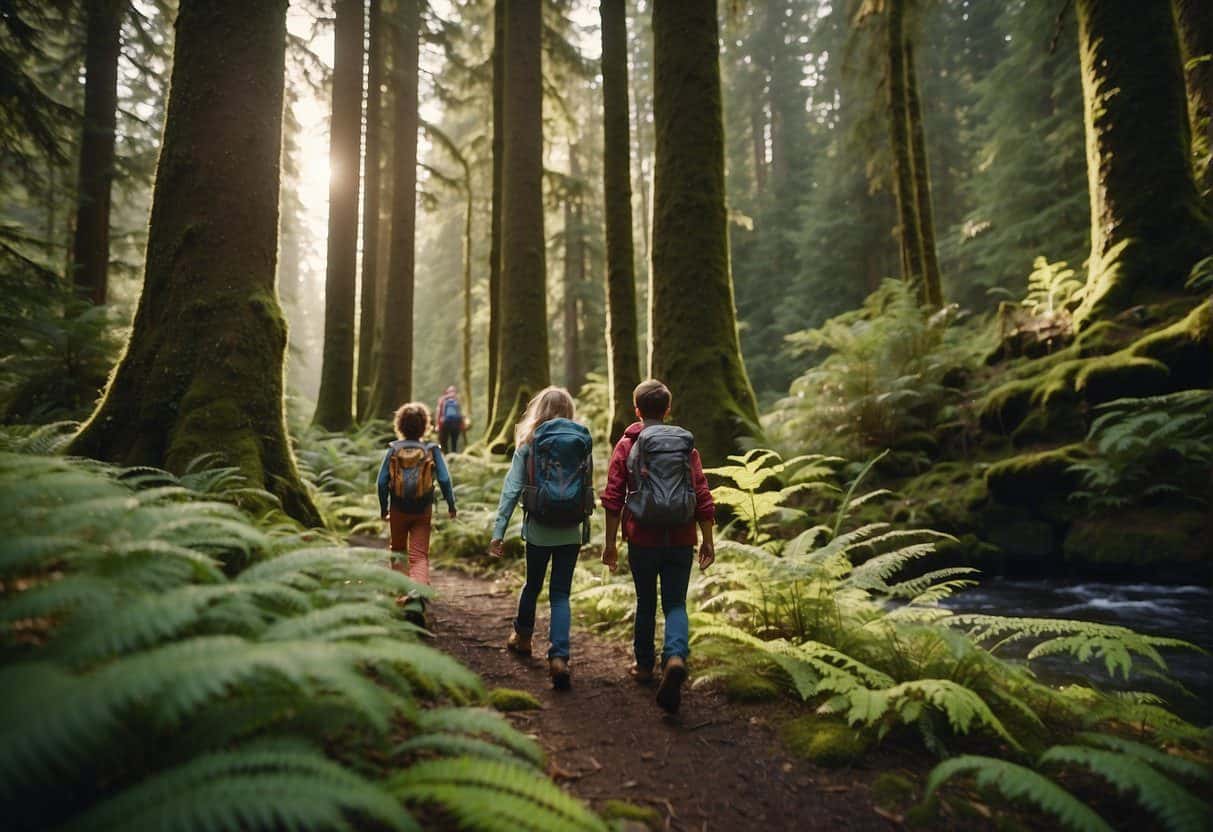
If you’re hiking with kids, make sure to bring special gear to keep them safe and comfortable. This includes a properly fitting backpack, snacks, water bottles, and extra clothing. Consider bringing a camera to capture memories of your family adventure.
Remember, having the right gear is essential to staying safe and comfortable on your family hike in the PNW. Make sure to pack the essentials and dress appropriately for the weather. Happy hiking!
On the Trail

Hiking with your family is a great way to spend time together and enjoy the beauty of the Pacific Northwest. However, it is important to keep safety in mind while on the trail. Here are some tips to help you navigate the path safely.
Navigating the Path
Before hitting the trail, make sure you have a map and compass. Get to know the trail and map out your route before you head out. Stay on marked trails and avoid shortcuts. If you do get lost, stay put and wait for help. Don’t rely solely on your phone’s GPS, as it may not work in remote areas.
Wildlife and Plant Safety
The Pacific Northwest is home to many species of wildlife, including cougars and bears. Make noise while hiking to alert them of your presence, and carry bear spray as a precaution. Keep a safe distance from any wildlife you encounter. Also, be aware of poisonous plants such as poison ivy and poison oak. Show your kids how to spot these plants and stay clear of them.
Leave No Trace Principles
When hiking, it is important to leave the trail and surrounding area as you found it. Follow the Leave No Trace principles, which include packing out all trash, staying on marked trails, and respecting wildlife and plant life. Teach your children to be responsible hikers and leave the trail better than they found it.
Remember to always be prepared and stay safe while hiking with your family in the Pacific Northwest. With these tips in mind, you can enjoy the beauty of the old-growth forest, the majesty of the trees, and the wonder of the wildlife while staying safe and responsible.
Family Hiking Safety
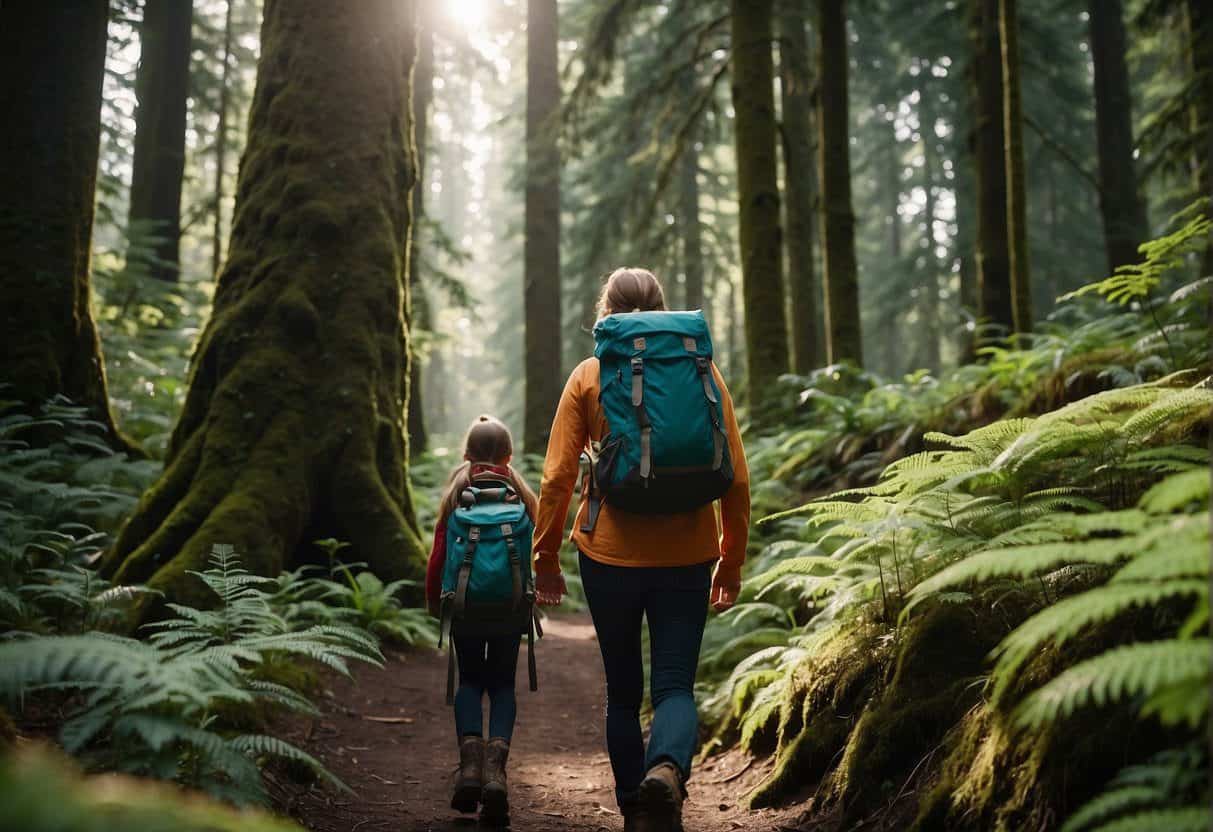
When it comes to hiking with your family, safety should always be a top priority. Here are some tips to help keep your family safe and engaged during your hiking adventure in the Pacific Northwest.
Keeping Kids Engaged and Safe
Hiking with kids can be a fun and rewarding experience, but it also requires extra attention to safety. Make sure to choose a family-friendly trail that is suitable for your children’s age and experience level. Bring plenty of snacks and water to keep them energized and hydrated along the way. You may also want to consider bringing some games or other activities to keep them engaged and entertained during the hike.
Dealing with Emergencies
Even with the best planning and preparation, emergencies can still happen. Don’t forget your first aid kit, and make sure you know how to use it. The last thing you want is to figure out what is or isn’t in your kit when you are on the trail and need it! It’s also a good idea to bring a headlamp or other light source in case you get caught out after dark. If you have cell service, make sure to bring your phone and keep it charged in case of an emergency. Finally, make sure to have any necessary permits and parking passes with you before you start your hike.
Staying Together as a Group
Hiking as a group can be a fun and social experience, but it’s important to stay together and keep an eye on each other during the hike. Make sure to set a pace that everyone can keep up with, and take breaks as needed. If someone needs to stop or take a break, make sure to wait for them and check in to make sure they’re okay. Finally, make sure to stay on the trail and follow any posted signs or warnings to avoid getting lost or injured.
Remember, safety should always be your top priority when hiking with your family. By following these tips and being prepared, you can help ensure a safe and enjoyable hiking experience for everyone.
After the Hike

Post-Hike Recovery
Congratulations, you’ve completed your family hike in the Pacific Northwest! But what should you do now? It’s essential to take care of your body after a hike to avoid soreness and injuries. Here are some tips for post-hike recovery:
- Stretch: Stretching helps your muscles recover faster and reduces soreness. Focus on your legs, back, and shoulders.
- Hydrate: Drink plenty of water to replenish fluids lost during the hike. You can also drink electrolyte drinks to replace lost minerals.
- Rest: Take a break and rest your body. Avoid strenuous activities for the rest of the day.
- Ice: If you experience any pain or swelling, apply ice to the affected area.
Sharing Your Experience
Did you have a great time hiking with your family? Share your experience with others! Here are some ideas:
- Social Media: Share your photos and stories on social media platforms like Instagram, Facebook, and Twitter. Use relevant hashtags to reach a broader audience.
- Review Sites: Leave a review of the trail on sites like AllTrails, TripAdvisor, and Yelp. Your review can help other families plan their hikes.
- Blogs: Start a blog and write about your hiking experience. Share tips, photos, and stories with your readers.
Remember to respect the environment and leave no trace. The Pacific Northwest is home to beautiful landscapes and wildlife. Let’s preserve it for future generations to enjoy.
Whether you hiked in the Olympic Peninsula, Seattle, Portland, Leavenworth, La Push, Hood Canal, or Reflection Lake, taking care of your body after the hike is vital. Don’t forget to enjoy the scenery and taste some delicious huckleberries along the way!
What’s your favorite family-friendly trail in the PNW? Let us know in the comments!
Frequently Asked Questions
What essential safety tips should families consider when hiking in the PNW?
Hiking with your family in the Pacific Northwest can be a memorable and enjoyable experience. However, it is important to consider safety as a top priority. Some essential safety tips to consider include:
- Plan your route and inform someone of your plans
- Check the weather forecast before heading out
- Bring plenty of water and snacks
- Wear appropriate clothing and footwear
- Stay on marked trails
- Keep an eye on your children at all times
- Carry a first aid kit and know how to use it
Can you recommend some family-friendly hikes in the Pacific Northwest?
The Pacific Northwest is home to many family-friendly hikes. Some of the best include:
- Rattlesnake Ledge Trail in North Bend, Washington
- Silver Falls Loop Trail in Mount Rainier National Park, Washington
- Multnomah Falls Trail in Columbia River Gorge National Scenic Area, Oregon
- Cape Lookout Trail in Tillamook State Forest, Oregon
How should I prepare my children for a safe hiking experience?
Preparing your children for a safe hiking experience is crucial. You can do this by:
- Teaching them about trail safety and etiquette
- Making sure they have appropriate clothing and footwear
- Encouraging them to stay on marked trails
- Teaching them to respect wildlife and nature
- Bringing plenty of water and snacks for them
- Carrying a first aid kit and teaching them how to use it
What are the easiest hikes in the PNW for families with young children?
The Pacific Northwest has many easy hikes that are perfect for families with young children. Some of the easiest hikes include:
- Marymere Falls Trail in Olympic National Park, Washington
- Mirror Lake Trail in Mount Hood National Forest, Oregon
- Beacon Rock Trail in Beacon Rock State Park, Washington
- Trail of Ten Falls in Silver Falls State Park, Oregon
What should be included in a safety kit for family hikes in the PNW?
A safety kit for family hikes in the Pacific Northwest should include:
- First aid kit
- Map and compass
- Whistle
- Multi-tool or knife
- Flashlight or headlamp
- Sunscreen and insect repellent
- Emergency shelter or blanket
- Water filter or purification tablets
Are there any specific hazards to be aware of when hiking with kids in the PNW?
When hiking with kids in the Pacific Northwest, it is important to be aware of specific hazards such as:
- Slippery trails due to rain and mud
- Steep drop-offs or cliffs
- Wildlife encounters, such as bears or cougars
- Poisonous plants, such as poison ivy or poison oak
- Changing weather conditions, such as sudden rain or thunderstorms
By being aware of these hazards and taking appropriate precautions, you can ensure a safe and enjoyable hiking experience for your family in the Pacific Northwest.
Growing up in the Pacific Northwest, we’ve always felt at home in the outdoors. We created Evergreen Adventures PNW to share our love of hiking, camping, and exploring, and to help others discover the best adventures this region has to offer. Along with trip guides and tips, we also enjoy diving into the science behind the landscapes—thanks to a background in Environmental Science—because understanding nature makes every adventure even more meaningful.