
If you’re an outdoor enthusiast in the Pacific Northwest, you’ve likely come across ferns during your adventures. These lush green plants are a common sight in the region’s forests and parks, and they come in a variety of shapes and sizes.
But have you ever wondered about the different species of ferns that call the Pacific Northwest home?
This article will explore some of the region’s most common fern species, their unique features, and how to identify them.
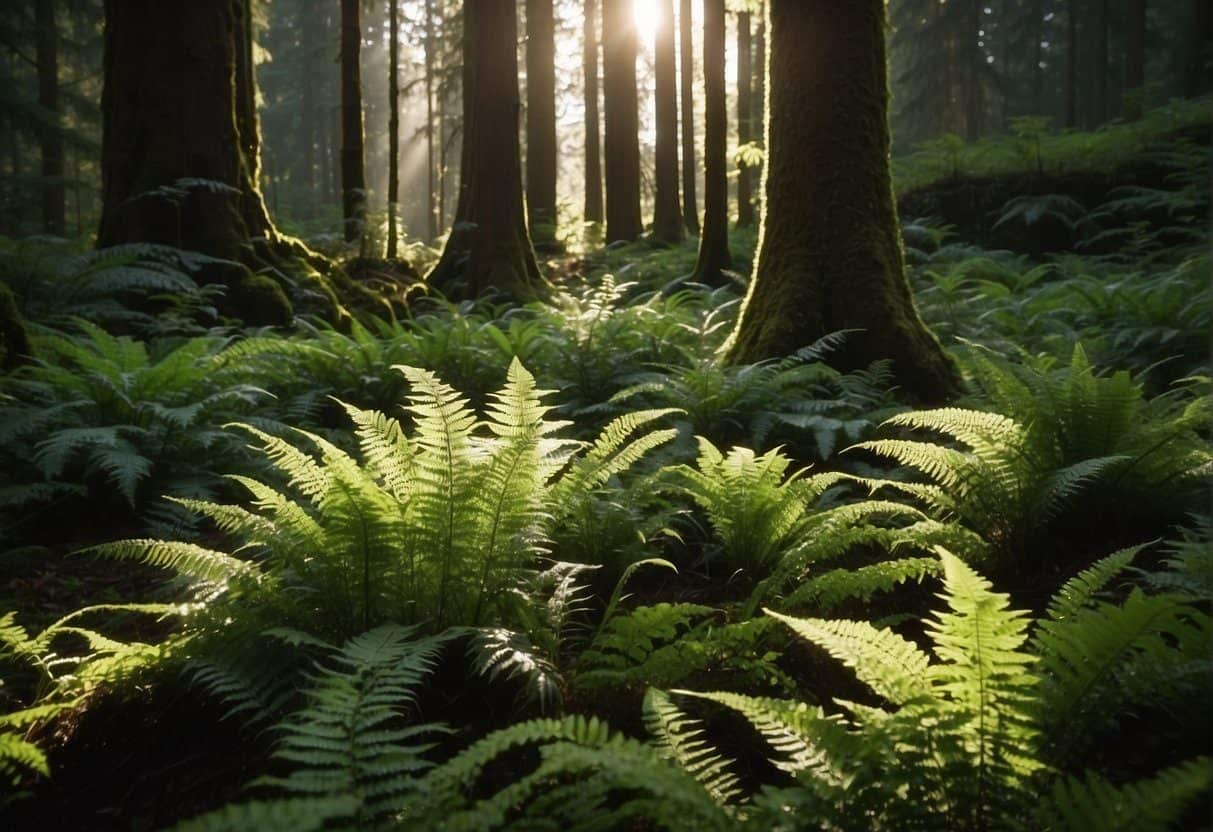
Ferns are fascinating plants that have existed for millions of years. They reproduce via spores instead of seeds; unlike most plants, they don’t have flowers or fruits.
Instead, they have fronds that unfurl from a stem and can range in size from just a few inches to several feet long.
Ferns are also known for their ability to thrive in low-light conditions, making them a common sight in shady areas like forests and riverbanks.
So, whether you’re a nature lover, a gardener, or just curious about the world around you, read on to learn more about the common fern species of the Pacific Northwest.
Understanding Ferns
Biology of Ferns
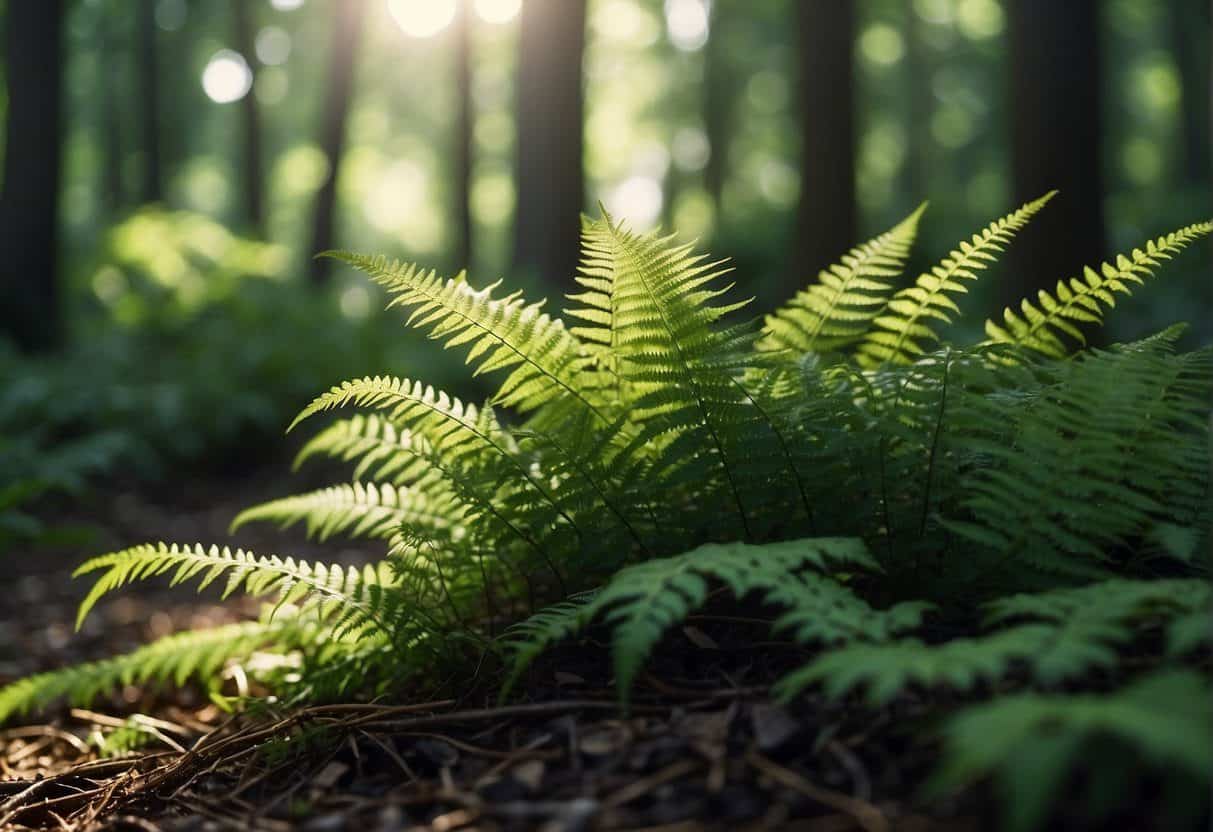
Ferns are non-flowering plants that reproduce through spores rather than seeds. They belong to the group known as Pteridophytes.
Unlike seed plants, ferns do not have flowers or fruits. Instead, they have fronds, which are large, leaf-like structures that grow from the stem.
Ferns have a unique vascular system that allows them to absorb water and nutrients from the soil.
Life Cycle and Reproduction
Ferns have a unique life cycle that includes both a sexual and asexual phase.
The sexual phase begins when the spores are released from the underside of the fronds. The spores then develop into a small, heart-shaped structure known as a gametophyte.
The gametophyte produces male and female reproductive cells, which combine to form a new fern plant.
Ferns also have an asexual phase, which involves the growth of rhizomes. Rhizomes are underground stems that grow horizontally and produce new fronds.
This allows ferns to propagate themselves without the need for seeds or spores.
You can divide and plant the rhizomes in a well-draining soil mix to propagate ferns.
Alternatively, you can collect spores from the underside of the fronds and grow them in a moist, warm environment.
Once the spores germinate, they will develop into gametophytes, which can then be transplanted into soil.
Fern Species Diversity
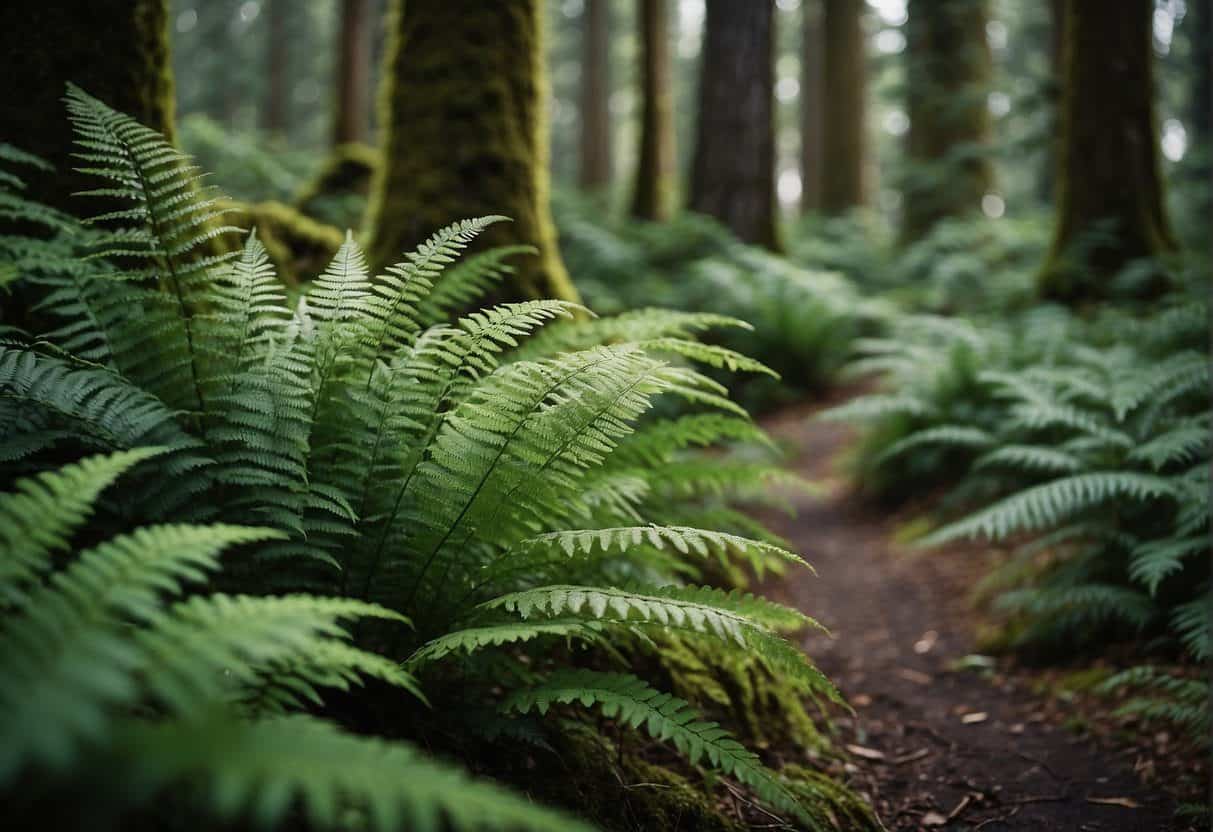
If you’re looking for a variety of fern species, the Pacific Northwest is a great place to start. With its unique climate and environment, the region is home to a diverse array of ferns that come in many different shapes, sizes, and colors.
Evergreen vs. Deciduous Ferns
One of the first things you’ll notice when exploring the ferns of the Pacific Northwest is the distinction between evergreen and deciduous ferns.
Evergreen ferns, like the sword fern and tree ferns, retain their leaves year-round, while deciduous ferns, like the maidenhair fern, shed their leaves in the fall.
Unique Fern Structures
Another fascinating aspect of fern species diversity in the Pacific Northwest is the variety of unique structures that ferns can have.
For example, the fiddleheads of some ferns, like the sword fern, are tightly coiled and resemble a violin’s head.
Other ferns, like the maidenhair fern, have delicate fronds and vibrant lime-green hues that make them stand out in the forest.
Compound leaves are also a common feature of many fern species in the Pacific Northwest. These leaves are made up of many smaller leaflets, giving the ferns a feathery appearance.
Lady ferns are a great example of this, with their delicate, lacy fronds comprising many small leaflets.
Ferns in the Pacific Northwest
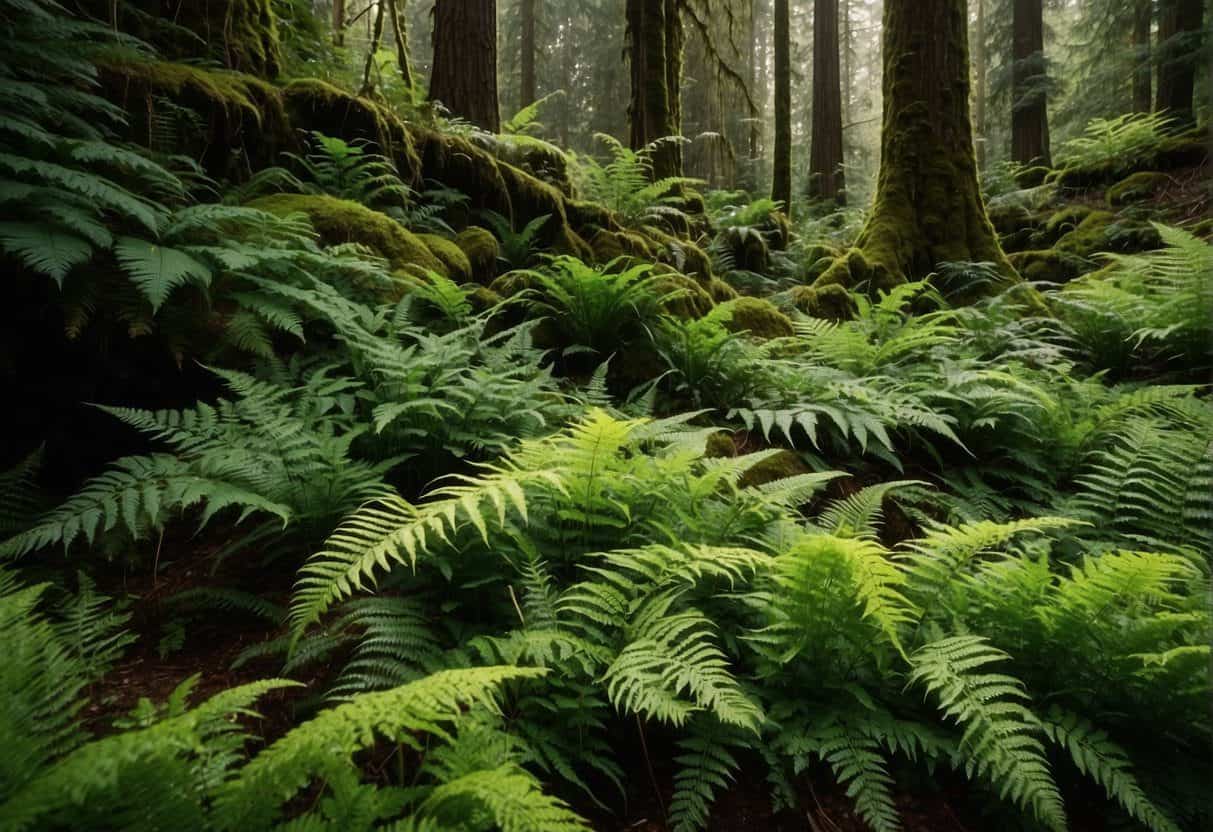
You’ve probably seen ferns in the Pacific Northwest if you’re a nature lover. These plants are essential to the region’s ecosystem and can be found in various habitats, from moist forests to dry, rocky areas.
This section will examine the common fern species in the Pacific Northwest and their habitats and ecology.
Spotlight on Common Fern Species
The Pacific Northwest is home to several fern species, including the Sword Fern, Lady Fern, Deer Fern, Bracken Fern, Licorice Fern, and Western Maidenhair Fern.
The Sword Fern is one of the most common ferns in the region and can be found in a variety of habitats, from shady forests to open meadows.
The Lady Fern is another common species that prefers moist, shaded areas.
The Deer Fern is unique in that it has two types of fronds, one for photosynthesis and the other for reproduction.
The Bracken Fern is a large, coarse fern that can grow up to six feet tall and is often found in open, sunny areas.
The Licorice Fern is a small, delicate fern that grows on tree trunks and rocks. Lastly, the Western Maidenhair Fern is a beautiful, delicate fern with vibrant lime green fronds that can adapt to varying climates.
Fern Habitats and Ecology
Ferns in the Pacific Northwest can be found in a variety of habitats, including moist forests, wetlands, rocky slopes, and open meadows.
They are often found growing under trees or in shaded areas, as they prefer cooler temperatures and high humidity.
Ferns are essential components of the region’s ecosystem. They provide habitat and food for a variety of wildlife, including deer, hare, and grouse.
They also help prevent soil erosion and improve soil quality by adding organic matter.
Cultivating Ferns in Gardens
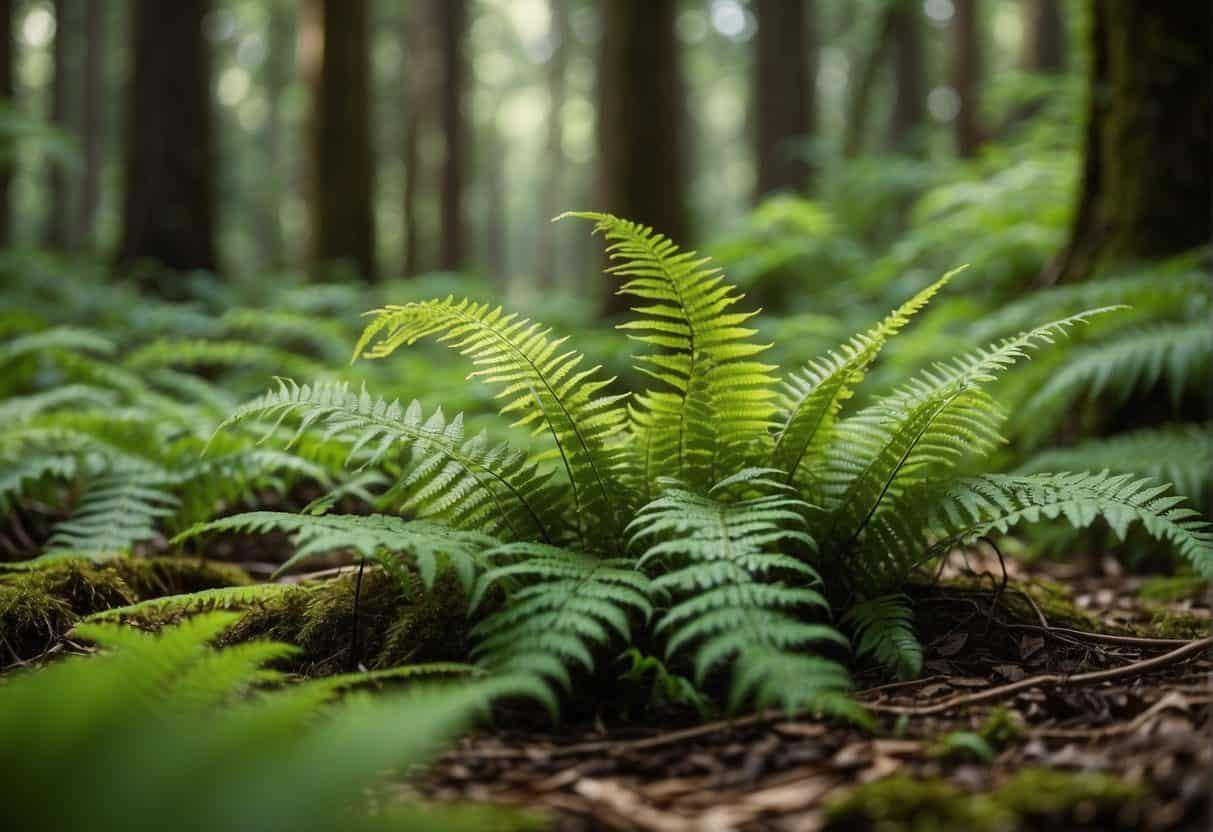
Ferns are a great addition to any garden or landscape design in the Pacific Northwest. They add a lush and vibrant texture and are relatively low-maintenance.
This section will discuss the basics of cultivating ferns in gardens.
Selection and Planting
When selecting ferns for your garden, it’s important to consider the specific needs of each species.
Some ferns thrive in full shade, while others prefer partial sun. Additionally, some ferns require moist soil, while others prefer drier conditions.
It’s also important to consider the size of the fern, as some species can grow quite large.
Be sure to leave enough space for your ferns to grow, and avoid overcrowding.
When planting your ferns, be sure to dig a hole that is slightly larger than the root ball.
Backfill the hole with a mixture of soil and compost, and water thoroughly.
Garden Maintenance
Ferns are relatively low maintenance, but you can do a few things to ensure they thrive in your garden.
First, be sure to water your ferns regularly, especially during dry spells. Most ferns prefer moist soil, so be sure to check the soil moisture level regularly.
Second, be sure to remove any dead or damaged fronds as they appear. This will help keep your ferns looking neat and tidy and will also help prevent disease.
Finally, consider adding a layer of mulch around your ferns.
This will help retain moisture in the soil and prevent weeds from growing around your ferns.
Environmental Impact and Conservation
The Pacific Northwest is home to a diverse range of fern species, each with its unique ecological role. These plants play a vital role in the region’s ecosystem, providing habitat and food for a variety of animals, including insects, birds, and mammals.
They also help to maintain the soil structure by preventing erosion and increasing nutrient availability.
However, the increasing human population and associated activities, such as logging, agriculture, and urbanization, pose a significant threat to the survival of these species.
As a result, many fern species are now endangered or threatened, and their populations are declining rapidly.
To address these challenges, several conservation efforts are underway to preserve and protect fern species in the Pacific Northwest.
One such initiative is the preservation of native habitats, which helps to maintain the natural environment and prevent further habitat loss.
Conservationists are also working to raise public awareness about the importance of ferns and their role in the ecosystem.
Another conservation strategy is the restoration of degraded habitats through the reintroduction of native fern species.
This approach involves planting ferns in areas where they have been lost or are at risk of disappearing.
By doing so, conservationists hope to restore the natural balance and promote the survival of these species.
In addition to these efforts, individuals can also play a role in conserving fern species in the Pacific Northwest.
People can help protect these vital plants and the ecosystem they support by reducing their environmental impact, such as using sustainable agricultural practices and reducing their carbon footprint.
Ferns in Culture and History

Ferns have been an important part of Pacific Northwest culture and history for centuries.
They have been used for medicinal purposes, as a source of food and tea, and in basketry.
Medicinal Use of Ferns
Ferns have been used for medicinal purposes by different cultures around the world, and the Pacific Northwest is no exception.
Some fern species were used to treat ailments like toothaches, fever, and digestive problems.
For example, indigenous peoples used the licorice fern (Polypodium glycyrrhiza) to treat stomach aches and sore throats.
Ferns as a Source of Food and Tea
Ferns have also been used as a source of food and tea.
The fiddlehead fern, which is the young, coiled frond of the ostrich fern (Matteuccia struthiopteris), is a popular delicacy in the Pacific Northwest.
It is often sautéed or steamed and served as a side dish.
Indigenous peoples also ate the young shoots of the bracken fern (Pteridium aquilinum), which are still consumed in some parts of the world today.
Ferns have also been used to make tea.
The licorice fern was used to make a tea that was believed to help with respiratory ailments.
The maidenhair fern (Adiantum aleuticum) was also used to make tea that was believed to have a calming effect.
Ferns in Basketry
Ferns have been an important material in basketry for centuries.
The fronds of the sword fern (Polystichum munitum) were used to make baskets by indigenous peoples.
The fronds were carefully harvested and then boiled to soften them before being woven into baskets.
The baskets were used for a variety of purposes, including storage, cooking, and carrying goods.
Identifying and Preventing Common Issues
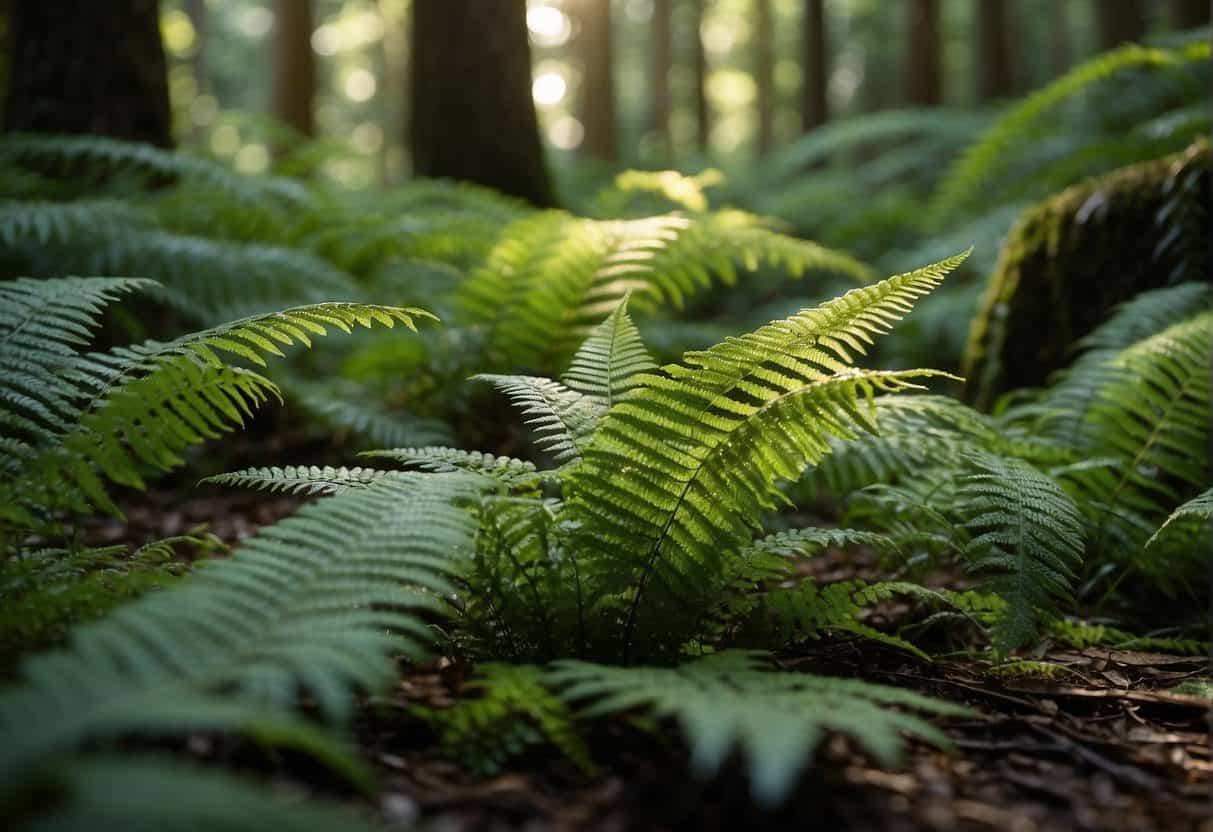
Pest and Disease Management
Ferns are generally hardy and resistant to pests and diseases. However, you should be aware of some issues to keep your ferns healthy.
One common issue is scale insects, which small, oval, brown, or white bumps on the fronds can identify.
These insects feed on the sap of the fern, causing it to wilt and turn yellow.
To prevent infestation, you can use insecticidal soap or neem oil.
You can also use natural remedies like spraying the fern with a mixture of water and dish soap.
Another common problem is fungal diseases like rust, which can cause brown spots on the fronds.
To prevent this, make sure your ferns are well-ventilated and not overcrowded.
You can also use a fungicide if the problem persists.
Environmental Stressors
Ferns are sensitive to changes in moisture and temperature and can be affected by environmental stressors.
One issue that can arise is overwatering, which can cause the roots to rot and the fronds to turn yellow.
To prevent this, make sure the soil is well-draining and only water the fern when the top inch of soil is dry to the touch.
On the other hand, underwatering can cause the fronds to dry out and turn brown.
To prevent this, make sure to water your fern regularly, especially during hot and dry weather.
Temperature extremes can also stress ferns.
In the Pacific Northwest, ferns are adapted to cooler temperatures and high humidity.
If the temperature rises above 80°F, your ferns may start to wilt and dry out.
To prevent this, make sure to provide adequate shade and keep the soil moist.
We’d Love to Hear Your Fern Stories!
Ever come across ferns while exploring the Pacific Northwest? We want to hear from you, whether it’s a quick snapshot from a hike or an interesting tidbit about these plants. Drop your stories, photos, or questions about ferns in the comments. It’s a great way for all of us to learn more and showcase the fern variety in our area. Your input helps build our community’s understanding and encourages others to notice and protect these plants. So, let’s hear it—what’s your fern story?
Growing up in the Pacific Northwest, we’ve always felt at home in the outdoors. We created Evergreen Adventures PNW to share our love of hiking, camping, and exploring, and to help others discover the best adventures this region has to offer. Along with trip guides and tips, we also enjoy diving into the science behind the landscapes—thanks to a background in Environmental Science—because understanding nature makes every adventure even more meaningful.