
Have you ever stumbled upon a fallen tree in the forest and wondered if it was just debris? There’s a magical world at work, hidden in these seemingly lifeless logs.
Fallen trees, known as nurse logs, play a crucial role in the forest by nurturing new life from their own decay. As they decompose, nurse logs provide an environment rich in nutrients, water, and protection, making them essential for the growth of seedlings and a wide variety of forest life.
It’s a hidden process that helps sustain ecosystems from the lush tropical forests to the cold boreal woods.
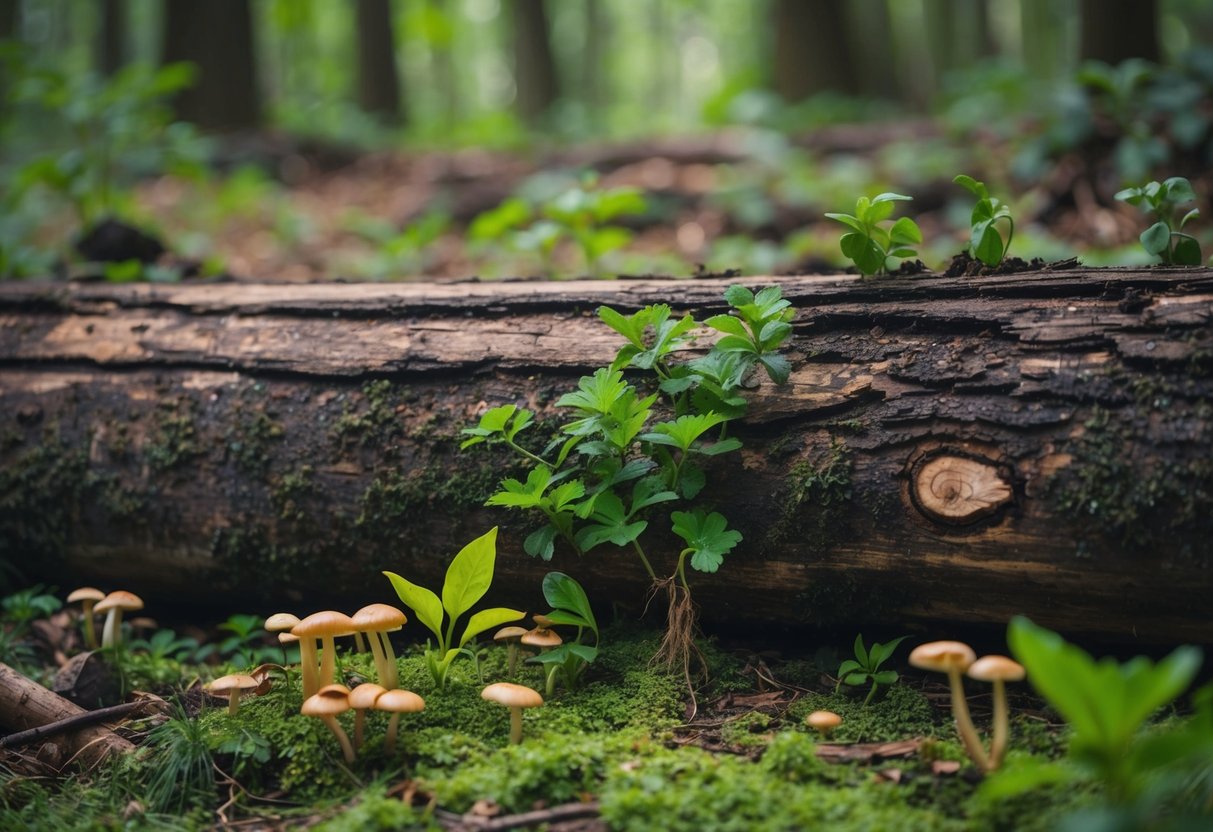
These logs are the unsung heroes of the forest, silently supporting young plants and trees, like the western hemlocks and Sitka spruce, by creating an elevated base above the forest floor’s competition. They’ve been spotted everywhere from sea level to timberline, spanning across the globe from the sunlit tropics to the chill of the far North. This makes them essential caretakers in diverse forest ecosystems.
Next time you’re on a hike, take a moment to appreciate these natural nurses and their vital role in maintaining a healthy environment. While these logs may only seem like leftovers of the past, their impact reaches deep into the future of our planet’s forests and ecology.
Key Takeaways
- Nurse logs support forest life by providing nutrients.
- They are found in various ecosystems globally.
- Protecting nurse logs helps maintain forest health.
Table of Contents
What Are Nurse Logs and Why Are They Important?
A nurse log is more than just a fallen tree. It’s a powerhouse of life, providing shelter and nutrients to young plants and trees. Let’s dive into what makes a nurse log so special, from its basic definitions to the fascinating processes it undergoes.
Nurse Logs: Definition and How They Support Forests
When trees fall in the forest, they don’t just vanish. They become “nurse logs” and set the stage for new growth. A nurse log is a fallen tree that nurtures new seedlings by supplying shade, nutrients, and moisture. This term highlights how even in death, trees support life.
These logs create microenvironments ideal for seedling growth. In particular, conifers and other pioneer tree species often sprout here. As the bark rots, it leaves behind rich humus, perfect for germination. For instance, Western hemlocks and wind-dispersed species find these environments especially welcoming. Nurse logs are like natural nurseries, offering young plants a head start.
How Nurse Logs Form: The Fascinating Breakdown Process
Breaking down is just the beginning. Once a tree has fallen, various mechanical and biological processes start working.
The degradation starts with the breakdown of lignin and bark. Then, needles and leaves from nearby plants fall onto the decaying wood, building up layers of organic matter.
Moisture retained by the decaying wood fosters germination and seedling growth. Roots find their way into the softening wood, creating a secure anchor and access to nutrients. Over time, the log transforms into a tapestry of mosses, mushrooms, and seedlings. This cycle makes nurse logs vital for forest regeneration, cycling nutrients back into the ecosystem, and maintaining biodiversity.
The Vital Role of Nurse Logs in Forest Ecosystems
Nurse logs might just be one of the most fascinating aspects of forest life. They play a critical role in tree regeneration, provide a thriving habitat for wildlife, enrich the soil, help retain moisture, and store carbon. Let’s explore these unique forest heroes!
How Nurse Logs Help Trees Regrow and Forests Flourish
Ever wonder how forests keep going despite old trees falling? Nurse logs are a big reason. As these fallen trees decompose, they provide a perfect spot for seedlings to grow.
They offer shade, protect young plants from direct sunlight, and guard against pathogens.
You’ll often find western hemlocks and Sitka spruces taking root on them. It’s as if these logs give little plants a head start in life. They elevate seedlings above the forest floor, keeping them away from dense underbrush. This helps the young trees get more sunlight and reduces competition for nutrients.
Nurse Logs and Soil Health: How They Enrich the Earth
When it comes to soil health, nurse logs are like Mother Nature’s compost bins. As they break down, they enrich the soil with nutrients, supporting the growth of a variety of plants.
Fungi, bacteria, and insects play a crucial role here, digesting the wood and releasing essential nutrients like nitrogen. Thanks to these organisms, mushrooms and lichen often flourish on nurse logs. The decay process also leads to the gradual release of nutrients into the soil, enhancing its quality for other plants.
The Wildlife Connection: Nurse Logs as Shelter and Food
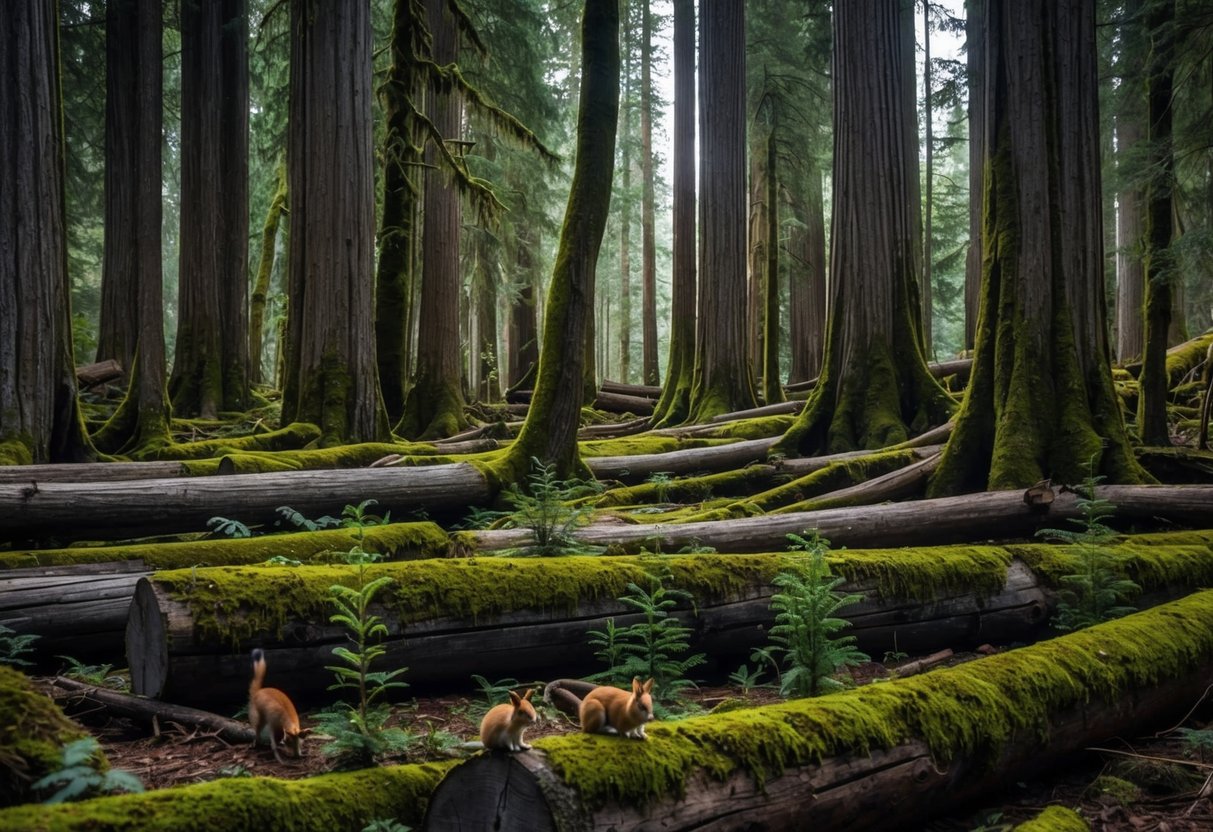
Nurse logs aren’t just good for plants; they’re also vital for wildlife. These logs become home to all kinds of creatures, from insects to small mammals.
Squirrels might use them for nests, while salamanders and other amphibians find shelter in the damp wood.
Birds may forage for insects, and lizards can rest on them. This diversity makes nurse logs essential for maintaining the balance of forest ecosystems. By acting as small worlds of life, they support an array of species, creating a dynamic community in the forest.
How Nurse Logs Retain Moisture and Support Growth
Moisture is crucial in forests, and nurse logs do an excellent job of holding onto it. They soak up rainwater like a sponge, providing a consistent water supply even during dry spells.
Mosses and other plants thrive in the damp conditions created by nurse logs. This moisture retention helps nearby plants stay hydrated and supports the growth of fungi and mushrooms, which thrive in moist environments.
Nurse Logs and Carbon Storage: A Hidden Climate Hero
Finally, nurse logs are key players in carbon storage. As trees decompose, they capture and store carbon, helping to combat climate change.
This process happens over many years, and the carbon remains locked away in the decaying wood.
By turning fallen trees into long-term carbon sinks, nurse logs contribute to the forest’s ability to mitigate greenhouse gas emissions. Every nurse log is a small but essential part of our planet’s carbon balance strategy, proving that even in decay, they have a significant role to play.
Best Places to See Nurse Logs in the Pacific Northwest
Exploring nurse logs in the Pacific Northwest is like stepping into nature’s own nursery. These fallen giants support new life and offer unique ecosystems to explore. Here are some amazing places to encounter these natural wonders.
Olympic National Park
Olympic National Park is a treasure trove for spotting nurse logs. The park’s diverse environments include lush rainforests teeming with life. You’ll find Sitka spruce and western hemlock making their homes on decaying logs.
The Hoh Rainforest is a standout spot. This part of the park showcases some of the most vibrant ecosystems supported by nurse logs. Walking the Hall of Mosses Trail, you’ll witness how these logs sustain new growth in an ancient forest setting.
Mt. Rainier National Park
Mt. Rainier National Park is another must-visit. Here, old-growth forests offer countless examples of nurse logs, particularly in understory areas. Nature enthusiasts will be thrilled by the sight of new trees sprouting from fallen logs and reaching for the sky.
The Grove of the Patriarchs Trail is a fantastic place to appreciate this miraculous cycle of life. Giant firs and cedars grow here, nourished by the decaying wood of their predecessors. Take your time to observe how these interactions support the forest’s health and vitality.
North Cascades National Park
In North Cascades National Park, you can find some incredible nurse logs nestled in remote, pristine areas. The park’s rugged terrain and dense forest create a sanctuary for diverse plant and animal life.
Journey through the Thunder Creek Trail to catch sight of these natural wonders. As you hike, notice how new trees like western hemlock use older, decaying trunks as a fertile ground. The layered ecosystems are fascinating, and the vibrantly green landscape is a photographer’s dream.
Oregon’s Columbia River Gorge
Oregon’s Columbia River Gorge offers a unique setting to discover nurse logs. The area’s rich biodiversity supports numerous species, and fallen logs become havens for plant life.
Trails like Eagle Creek are lined with these organic formations. Here, moisture from the river and lush environment help nurse logs to thrive. As you explore, you’ll see mosses and seedlings flourishing, putting on a living exhibition of nature’s resilience and regeneration.
Local Trails
Don’t overlook the local trails dotting the Pacific Northwest, which offer numerous opportunities to observe nurse logs up close. These less-traveled paths often lead to hidden gems waiting to be discovered.
Whether hiking the trails near the Neukom Vivarium or enjoying a family outing in a local park, keep an eye out for these essential forest elements. Encountering nurse logs on local trails enriches your understanding of forest ecosystems and adds depth to your outdoor adventures.
Protecting Nurse Logs: How to Leave No Trace
Nurse logs play an important role in forest ecosystems, helping young plants grow. Respecting and protecting these logs is essential for preserving the forest’s health. Here are some practical tips to incorporate into your adventures.
Stay on Trails
Sticking to marked paths can help preserve nurse logs. Every step off the trail can compact the soil, making it harder for new plants to grow.
Walking on nurse logs can damage the delicate ecosystems they support. Trails are designed to keep both the environment and you safe, so always follow them. Plus, staying on the path will help guide you through the most stunning sceneries and avoid unseen hazards. Next time, look at the map and follow the trail markers.
Leave No Trace
When you’re exploring, remember the principle of “Leave No Trace.” This means packing out all your trash, even biodegradable items.
These can disrupt the natural balance, especially on nurse logs where seedlings might be just starting their journey. Picking flowers or removing plants can harm young trees growing on nurse logs. Instead, enjoy nature’s beauty without disturbing it. Let future visitors enjoy the wonders just as you did. Carry a small bag for any litter you find, too.
Photography Tip
When taking photos, get creative with angles and zoom, instead of climbing on nurse logs. This can harm the fragile organisms living on them.
Use a telephoto lens or crouch low to capture those unique perspectives. Move around to find unique lighting or shadows. Sometimes small changes make the best shots. Share the story behind the picture with friends and family, highlighting the importance of nurse logs for future generations.
Final Thoughts: Why Nurse Logs Matter More Than You Think
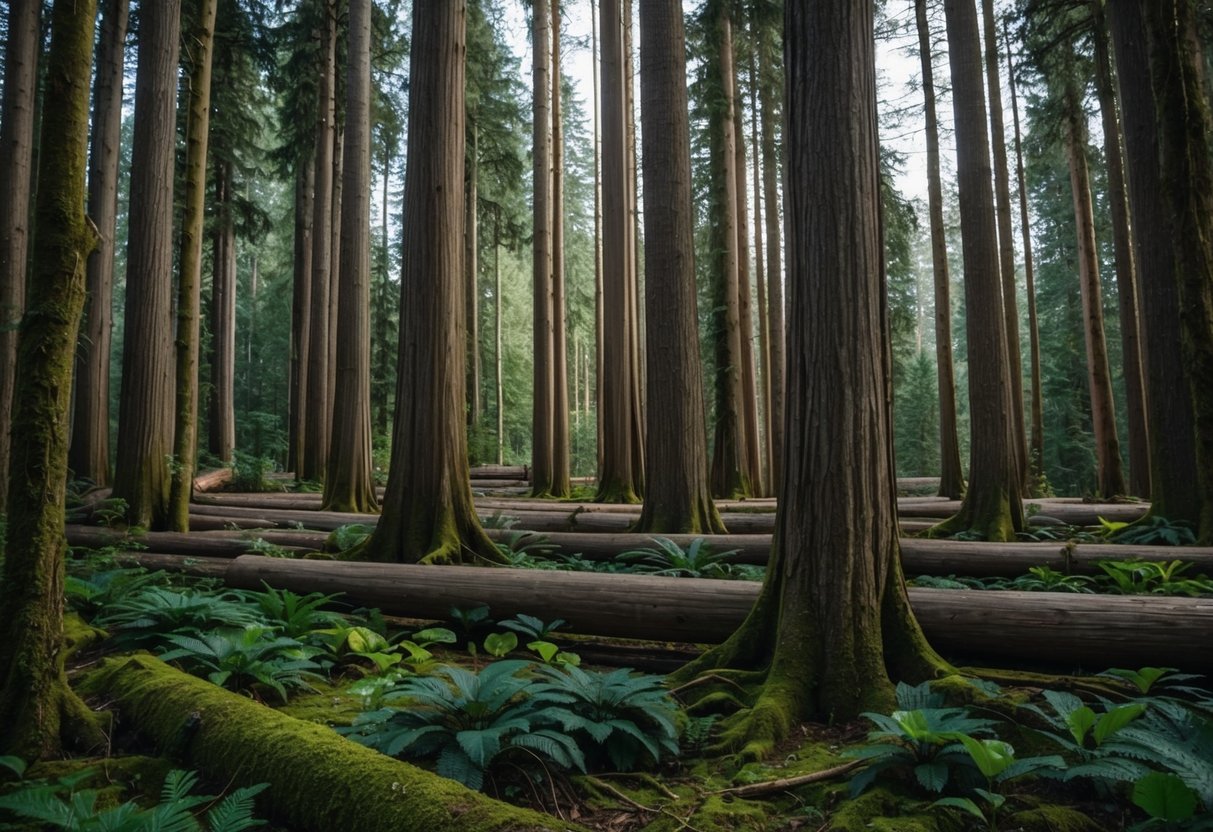
You made it to the end of our journey through the forest! Nurse logs are the unsung heroes of the woodland world, aren’t they? These fallen giants aren’t just lying around; they’re doing some serious work.
Think of them as natural nurseries. They provide shade, nutrients, and a protected spot, helping young plants get a great start. This teamwork keeps the forest buzzing with life.
Here’s a fun fact: Nurse logs support species like the western hemlock and Sitka spruce. They create an elevated stage where these plants can grow without the crowding competition on the forest floor.
Did you know these logs play roles in different regions, including the Far East? They offer homes to unique pioneer species like Clethra barbinervis. Amazing, right?
So next time you’re in the woods, take a closer look at those fallen trees. See how many tiny seedlings are using them to thrive. Nurse logs may not be glamorous, but they’re essential to the forest’s vitality. What a way to end our adventure!
Frequently Asked Questions
Nurse logs are amazing parts of the forest, full of life and mystery. They help new plants grow by giving them nutrients, water, and protection. Let’s explore some fascinating questions about these unsung forest heroes.
How do fallen trees transform into incredible nurse logs?
It all starts when a tree falls in the forest. Instead of going to waste, it becomes a home for new plants. As it decays, it provides everything a sprouting seedling needs to thrive: shade, moisture, and nutrients.
What incredible benefits do nurse logs bring to forest ecosystems?
These logs create a thriving community for plants, insects, and animals. Plants grow on them, getting a boost from the rich nutrients. Various creatures find food and shelter in and around them, helping to boost biodiversity.
Can you explain the fascinating process a nurse tree goes through?
Once on the ground, the tree begins to break down with the help of fungi, bacteria, and insects. Over time, it turns into rich soil, packed with nutrients. This process can take many years, fueling the next generation of the forest.
What’s the secret behind the nurturing power of nurse stumps?
Nurse stumps are similar to logs but are standing remnants. They elevate new plants above the forest floor, helping seeds escape competition from ground vegetation. This boost makes them critical for certain species like the western hemlock.
Where can you witness the magic of nurse logs in the Olympic National Park?
Head to the Hoh Rainforest in Olympic National Park. Here, you’ll find countless examples of nurse logs supporting young plants and animals. It’s an enchanting opportunity to see how fallen giants still contribute to the forest’s life cycle.
How can a seemingly lifeless snag tree harbor such a treasure trove of life?
Though they look dead, snag trees are full of life. Birds, like woodpeckers, use them for nesting. Insects make them home, providing food for larger animals. They serve different roles in the ecosystem, often starting life anew.
Growing up in the Pacific Northwest, we’ve always felt at home in the outdoors. We created Evergreen Adventures PNW to share our love of hiking, camping, and exploring, and to help others discover the best adventures this region has to offer. Along with trip guides and tips, we also enjoy diving into the science behind the landscapes—thanks to a background in Environmental Science—because understanding nature makes every adventure even more meaningful.