
Identifying Western Red Cedar can be tricky, especially if you are not familiar with its characteristics. This coniferous tree is native to North America and is known for its durability and beauty. Whether you are a nature enthusiast, a woodworker, or simply curious about this species, learning how to identify a Western Red Cedar can be a rewarding experience.
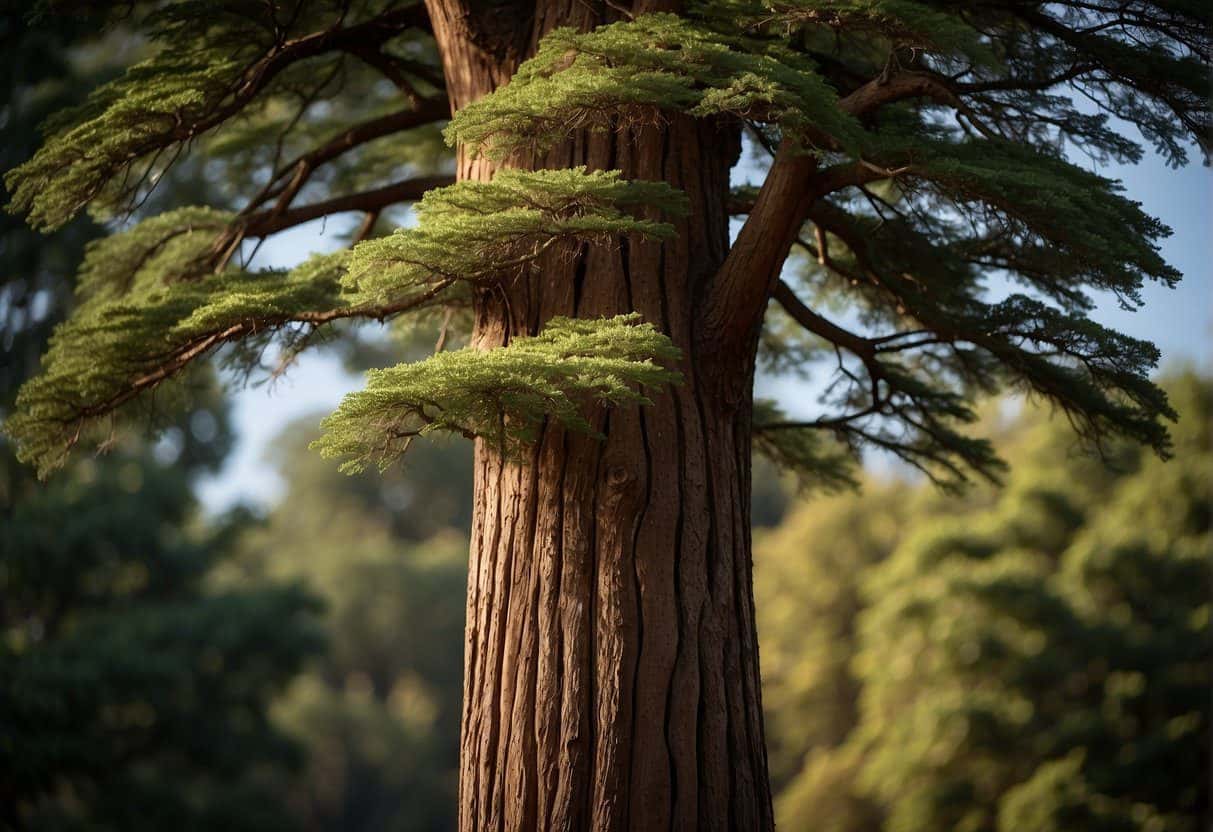
One of the most distinctive features of Western Red Cedar is its reddish-brown bark that peels off in thin strips. The tree can grow up to 230 feet tall and has a conical shape with branches that droop downward. Its leaves are scale-like and arranged in opposite pairs, with a glossy dark green color on top and a white stripe on the underside. The tree also produces small, oblong cones measuring about 1 inch in length.
Key Takeaways
- Western Red Cedar has reddish-brown bark that peels off in thin strips.
- The tree can grow up to 230 feet tall and has a conical shape with branches that droop downward.
- Its leaves are scale-like and arranged in opposite pairs, with a glossy dark green color on top and a white stripe on the underside.
Table of Contents
Western Red Cedar Identification Basics
When it comes to identifying a Western Red Cedar, there are a few key characteristics to look for. These include the leaves and bark, cones and seeds, and the tree’s overall shape and size.
Leaves and Bark: Key Indicators
Western Red Cedars have scale-like leaves that are green on top and white on the bottom. The bark is fibrous and reddish-brown in color. It peels off in long, thin strips, revealing a smooth, reddish-brown layer underneath.
Cones and Seeds: What to Look For
The seed cones of a Western Red Cedar are small and egg-shaped, measuring about 1/2 inch long. They are green when they first appear but eventually turn brown as they mature. The pollen cones are much smaller and are usually found near the tips of the branches.
Shape and Size
Western Red Cedars are pyramidal in shape, with a broad base that tapers towards the top. They can grow up to 60 meters tall and 2.5 meters in diameter and often live for over 1,000 years.
Overall, the Western Red Cedar is a unique and easily recognizable tree. You can confidently identify this majestic tree in the wild by paying attention to these characteristics.
Understanding Western Red Cedar’s Habitat and Range
Natural Habitat: A Closer Look
Western red cedar is a coniferous evergreen tree native to the Pacific Northwest region of North America. It is commonly found in moist, well-drained soils and can grow in full sun or partial shade. Western red cedar thrives in areas with mild temperatures and high humidity and can be found in habitats ranging from sea level to elevations of up to 2,290 meters (7,510 feet).
Geographical Distribution: Where to Find It
Western red cedar is primarily found in the coastal regions of British Columbia and the Pacific Northwest of the United States. It is also found in parts of Canada, including the Rocky Mountains, and can be found as far south as Northern California. The tree is well adapted to the region’s wet, cool climate and is a key component of the temperate rainforest ecosystem.
Western red cedar is commonly found in pioneer, seral, and climax stages of forest succession. The tree can grow on a variety of soil types, including rocky soils, and is often found in areas with high rainfall. In mature stands of western red cedar, rotten wood in contact with the soil provides an effective seedbed for vegetative regeneration.
In summary, western red cedar is a coniferous evergreen tree that is native to the Pacific Northwest region of North America. It grows best in moist, well-drained soils and can be found in a range of habitats from sea level to elevations of up to 2,290 meters (7,510 feet). The tree is primarily found in the coastal regions of British Columbia and the Pacific Northwest of the United States and is well adapted to the region’s wet, cool climate.
The Unique Wood Properties of Western Red Cedar
When it comes to identifying Western Red Cedar, understanding the wood properties is essential. This section will cover the texture and grain, color and aroma, as well as durability and uses of Western Red Cedar.
Texture, Grain, and Color

Western Red Cedar has a straight and even grain, which makes it easy to work with. The wood has a fine texture and is relatively soft, with a Janka hardness rating of 350. The heartwood is reddish-brown, while the sapwood is paler in color.
Color and Aroma
One of the most distinctive features of Western Red Cedar is its aromatic scent. The wood has a strong, lingering aroma that can be quite pleasant. The heartwood is reddish-brown, while the sapwood is lighter in color, ranging from white to yellow.
Durability and Common Uses
Western Red Cedar is a highly durable wood that is resistant to decay and insects. It has excellent weather resistance and can withstand exposure to moisture. This makes it ideal for outdoor applications such as siding, decking, and fencing. It is also used for indoor applications such as paneling, trim, and furniture.
In conclusion, Western Red Cedar is a versatile, durable wood with a distinctive aroma and beautiful color. Its straight grain and fine texture make it easy to work with, while its durability and resistance to decay make it an excellent choice for outdoor applications.
Ecological Impact and Cultural Significance
Western red cedar (Thuja plicata) is an important component of the Pacific Northwest ecosystem. As a keystone species, it provides habitat for a variety of animals, including birds, deer, and elk. Its canopy also creates a unique microclimate that supports other plant species.
Role in the Ecosystem
Cedar trees play a significant role in the ecosystem by providing shelter, food, and nesting sites for various animals. The bark of the cedar tree is a source of food for porcupines, deer, and elk. The cedar’s canopy provides nesting sites for birds like the marbled murrelet and spotted owl. The tree’s decay-resistant wood is also an important habitat for insects and fungi.
Cultural and Historical Importance
The Western red cedar is important to the ecosystem and has cultural significance to indigenous peoples. It is known as the “Tree of Life” and is considered sacred by many indigenous groups. Cedar bark is used to make clothing, baskets, and canoes. The tree’s wood is also used in traditional ceremonies and for building longhouses.
The Western red cedar is the official tree of British Columbia, Canada, symbolizing the region’s natural beauty. Its ecological importance and cultural significance highlight the need for conservation efforts to protect this valuable resource.
Cultivation Tips for Growing Western Red Cedar
If you’re planning to grow Western Red Cedar, you should know a few things about planting, growth, and care.
Ideal Planting Conditions
Western Red Cedar is an evergreen tree that prefers well-drained, soft, and moist soil. It can grow in both sun and shade, but it’s best to plant it in a spot that receives partial shade.
When planting, dig a hole that’s twice the width and depth of the root ball. Place the tree in the hole, backfill it with soil, and pack it gently around the roots. Water the tree thoroughly after planting.
Growth and Care Best Practices
Western Red Cedar grows moderately, 1-2 feet per year. To encourage healthy growth, water the tree regularly during the first two growing seasons, especially during dry spells.
Prune the tree only if you’re growing it for hedging, and trim it up to three times a year to maintain a neat and well-shaped hedge.
To ensure the tree stays healthy, watch out for pests and diseases. Western Red Cedar is susceptible to cedar rust, so avoid planting it near apple trees.
Planting Western Red Cedar requires soft, moist soil, partial shade, and regular watering. Careful pruning and monitoring pests and diseases are critical to maintaining a healthy tree.
Utilization in Industry
Western red cedar is a versatile and valuable wood used in a variety of industries. From construction to craftsmanship, this wood is popular for its durability and beauty.
Construction and Building
Western red cedar is commonly used in construction and building due to its strength and resistance to rot and decay. It is often used for shingles, timber, and exterior siding. It is also a popular choice for decking, fences, and windows.
Craftsmanship and Artistry
Western red cedar is popular for furniture, doors, and musical instruments due to its beautiful and unique grain patterns. It is also used for canoes, boxes, and essential oils. Craftsmen value its workability and durability.
Western red cedar is a prized wood in many industries due to its versatility, durability, and beauty. Its use in construction and craftsmanship is a testament to its value and popularity.
Conservation and Preservation
Threats and Challenges
The Western Red Cedar faces numerous threats and challenges that endanger its habitat. The primary threats include logging, habitat fragmentation, and climate change. Logging has significantly reduced the species’ population, leading to habitat fragmentation, which further exacerbates the problem. Climate change also poses a significant threat to the species, with rising temperatures and changes in precipitation patterns altering its habitat.
Conservation Efforts
Conservation efforts for the Western Red Cedar include habitat protection, restoration, and sustainable logging practices. Many organizations, including the Nature Conservancy and the World Wildlife Fund, have implemented programs aimed at protecting the species and its habitat. Restoration efforts involve reforestation and the removal of invasive species that threaten the Western Red Cedar’s habitat. Sustainable logging practices focus on reducing the impact of logging on the species and its habitat.
To ensure the long-term conservation and preservation of the Western Red Cedar, it is essential to continue implementing conservation efforts and raising awareness about the species’ importance. Protecting the habitat of the Western Red Cedar benefits not only the species but also the ecosystems in which it resides. By implementing sustainable practices and protecting the habitat of the Western Red Cedar, we can ensure the survival of this vital species for generations to come.
Frequently Asked Questions
What are the distinguishing features of Western Red Cedar bark?
The bark of Western Red Cedar is fibrous and reddish-brown in color, with horizontal fissures and a stringy texture.
How can you differentiate between Yellow Cedar and Western Red Cedar?
Yellow Cedar has a yellowish-brown bark and is smaller than Western Red Cedar. Its leaves are also smaller and have a more pointed tip.
What do the leaves of a Western Red Cedar look like?
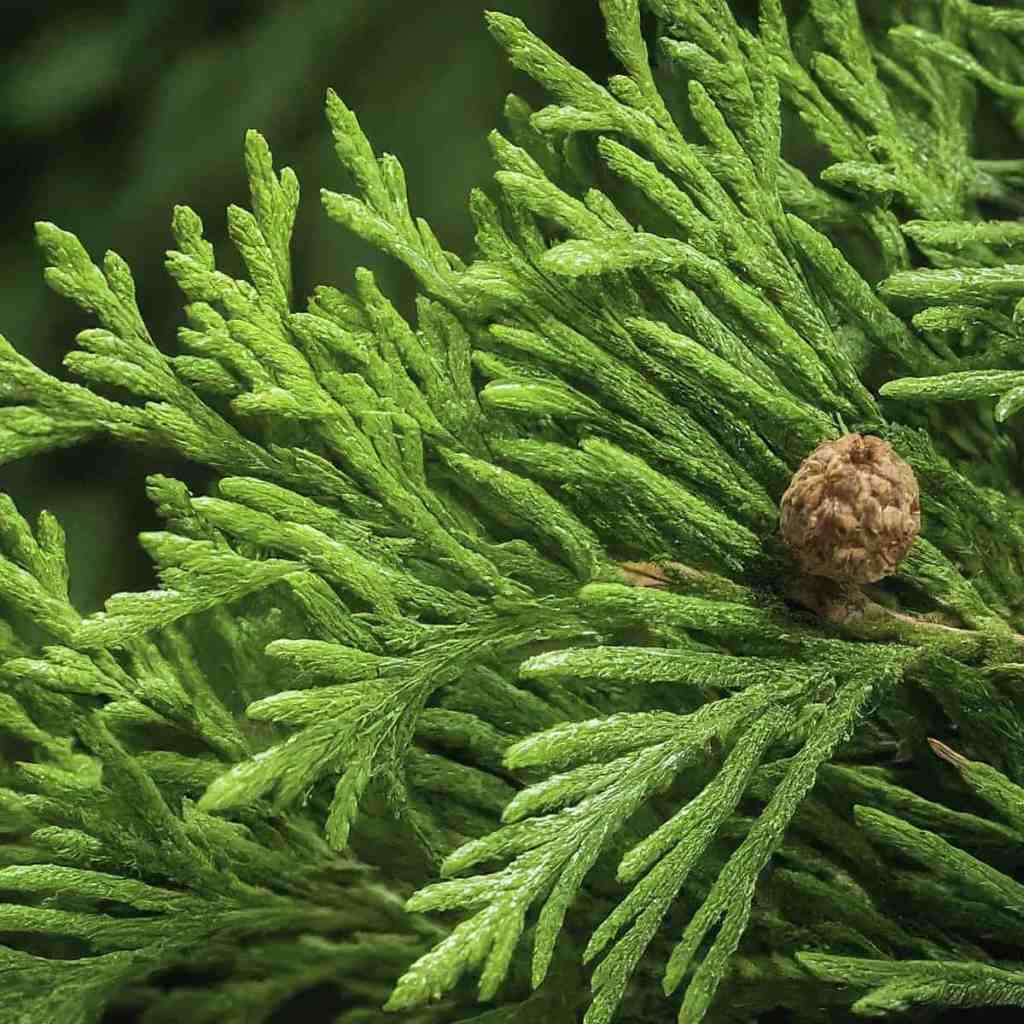
The leaves of Western Red Cedar are scale-like, glossy green, and fan-shaped. They are arranged in opposite pairs along the stem.
What are the identifying characteristics of Western Red Cedar cones?
The cones of Western Red Cedar are small and egg-shaped, with a woody texture and a brown color. They are about 1 cm long and have a pointed tip.
How can you tell Western Red Cedar and Eastern Red Cedar apart?
Eastern Red Cedar has a reddish-brown bark that peels off in thin strips, while Western Red Cedar has a fibrous bark that does not peel. Eastern Red Cedar also has blue-green foliage, while Western Red Cedar has glossy green foliage.
What unique traits set Western Red Cedar apart from other cedars?
Western Red Cedar has a straight grain and darkens considerably after staining. Due to its softness, it can’t hold nails well but glues very well. The wood is resistant to decay and insects, making it a popular choice for outdoor applications such as siding and decking.
Growing up in the Pacific Northwest, we’ve always felt at home in the outdoors. We created Evergreen Adventures PNW to share our love of hiking, camping, and exploring, and to help others discover the best adventures this region has to offer. Along with trip guides and tips, we also enjoy diving into the science behind the landscapes—thanks to a background in Environmental Science—because understanding nature makes every adventure even more meaningful.