
Olympic National Park is home to a diverse array of wildflowers, making it one of the world’s most unique and beautiful destinations for nature enthusiasts. The park’s varied climate zones, ranging from sea level to alpine heights, create a habitat for a wide range of flora and fauna. Whether you’re an experienced hiker or a casual nature lover, Olympic National Park offers a unique opportunity to explore the natural beauty of the Pacific Northwest.
With so many different types of wildflowers to see, it can be difficult to know where to start. Some of the prime locations for wildflower viewing include Hurricane Ridge, Hoh Rainforest, and the Elwha River Valley. These areas offer a wide variety of flowers and stunning views of the surrounding landscape. Depending on the time of year, you can expect to see a variety of different flowers in bloom, from delicate alpine flowers to vibrant fields of lupine.
Whether you’re interested in learning about the flora and fauna of Olympic National Park, or simply looking for a beautiful place to explore, the park’s wildflowers are sure to captivate your imagination. With so much to see and explore, it’s no wonder that Olympic National Park is one of the most popular destinations for nature lovers in the Pacific Northwest.
Key Takeaways
- Olympic National Park is home to a diverse array of wildflowers, making it a unique and beautiful destination for nature enthusiasts.
- Prime locations for wildflower viewing include Hurricane Ridge, Hoh Rainforest, and the Elwha River Valley.
- Depending on the time of year, visitors can expect to see a variety of different flowers in bloom, from delicate alpine flowers to vibrant fields of lupine.
Table of Contents
Overview of Olympic National Park Wildflowers
When you visit Olympic National Park, you’ll be treated to a stunning display of wildflowers. With over 1,450 types of vascular plants, the park boasts an incredible diversity of plant life. From low-lying meadows to high alpine elevations, wildflowers can be found throughout the park.
In the spring, the lower elevations of the park are covered in a colorful blanket of wildflowers. As you hike higher in elevation, you’ll be rewarded with breathtaking views of alpine wildflowers. These hardy plants have adapted to the harsh mountain environment and bloom later in the summer.
The park’s different climatic zones provide unique habitats for a variety of wildflowers. You’ll find smooth Douglasia growing in the rocks high in the mountains, while the meadows are home to Indian paintbrush and lupine.
Whether you’re a botanist or just a nature lover, Olympic National Park’s wildflowers are sure to impress. Take a leisurely stroll through the meadows or challenge yourself with a high-elevation hike. Either way, you’ll be surrounded by the beauty of Washington’s natural landscape.
Prime Locations for Wildflower Viewing

If you’re looking to see wildflowers in Olympic National Park, there are a few prime locations to check out. Here are two of the best spots to view wildflowers in the park:
Hurricane Ridge and Obstruction Point
Hurricane Ridge is one of the most popular areas in Olympic National Park for wildflower viewing. There are several trails in the area that offer stunning views of the mountains and alpine meadows. Some of the most common wildflowers you’ll see in this area include lupine, paintbrush, and Indian paintbrush. Obstruction Point Road is another great spot for wildflower viewing, with its expansive alpine meadows and stunning views of the Olympic Mountains.
Deer Park and Grand Valley
Deer Park and Grand Valley are two other popular areas in Olympic National Park for wildflower viewing. Deer Park is located on the northern side of the park and is known for its expansive views of the Olympic Mountains. This area is also home to a variety of wildlife, including marmots and deer. Grand Valley is located on the western side of the park and is known for its beautiful alpine meadows and crystal-clear water. This area is also popular for hiking and other outdoor activities.
No matter where you choose to view wildflowers in Olympic National Park, you’re sure to be amazed by the stunning beauty of the park’s natural landscapes. So grab your camera and hit the trails for an unforgettable wildflower viewing experience.
Seasonal Blooming of Wildflowers
When it comes to wildflowers in Olympic National Park, you can expect to see a variety of species throughout the year. The blooming season typically starts in March, with the first flowers appearing in the lowlands and meadows. By mid-July, the sub-alpine meadows start to bloom, and sometimes last through August for a few of the hardiest species.
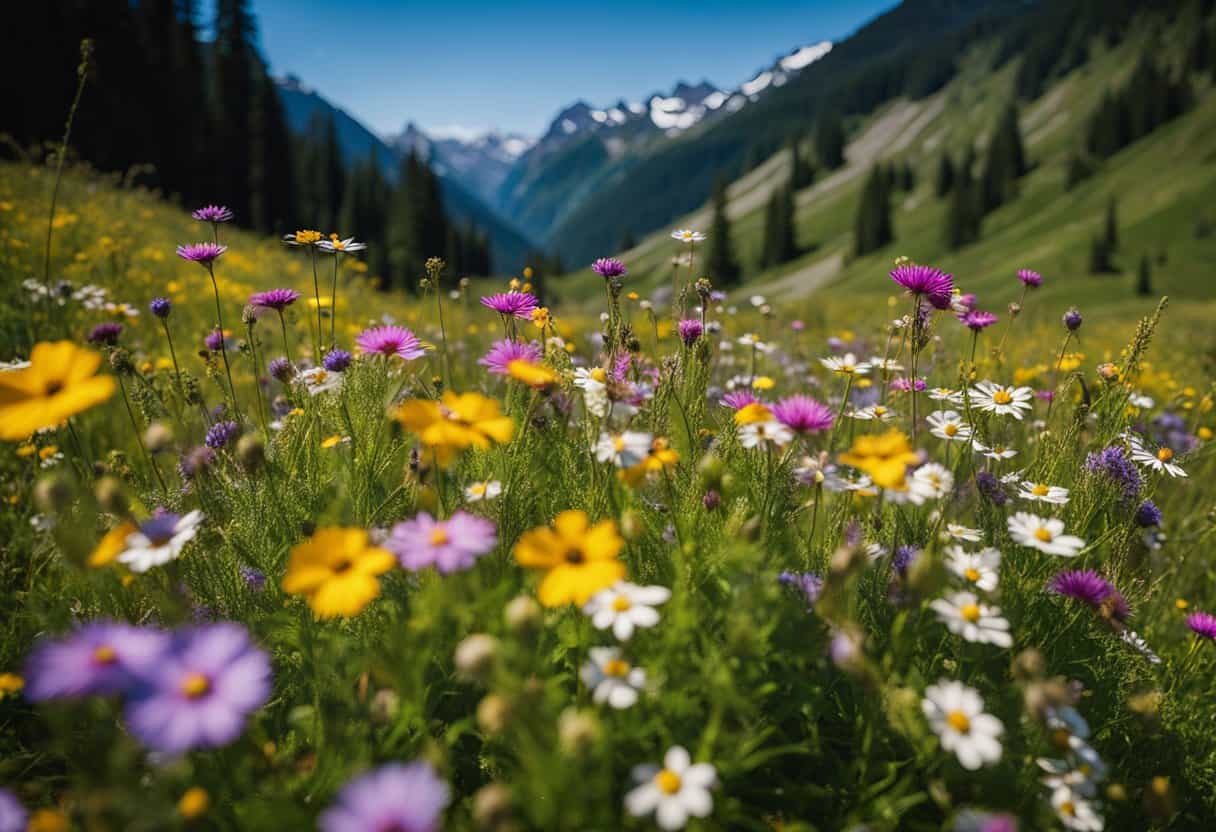
During the winter months, the park is covered in snow, and the wildflowers are dormant. However, come spring, the meadows come alive with color as the flowers start to bloom. You can expect to see a variety of wildflowers, including lupin, lupine, sitka valerian, phlox, harebell, smooth douglasia, magenta paintbrush, daisies, and bistort.
The blooming season of wildflowers in Olympic National Park is a sight to behold, with the meadows awash in a rainbow of colors. The lupines, with their tall spikes of blue and purple, are particularly beautiful, and the magenta paintbrush adds a splash of bright color to the meadows.
If you’re planning a trip to Olympic National Park, be sure to check the blooming season of the wildflowers before you go. This will help you plan your trip and ensure that you get to see the most beautiful displays of wildflowers.
Flora and Fauna Interaction
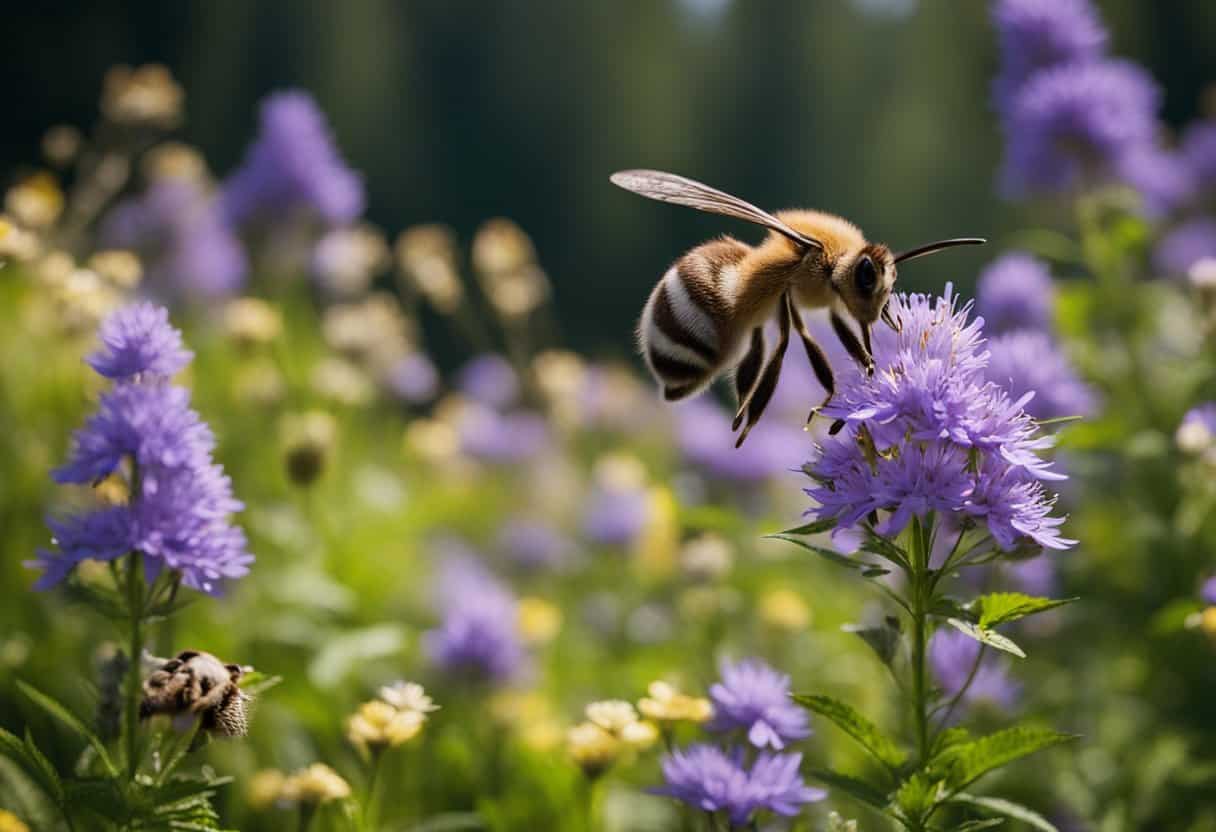
The biodiversity of Olympic National Park is fascinating, and the interaction between flora and fauna is a crucial part of its ecosystem. The park is home to over 1,450 types of vascular plants, including wildflowers such as the Pink Mountain Heather, the Avalanche Lily, and the Western Trillium. These wildflowers attract a variety of pollinators, including bees, butterflies, and hummingbirds.
One of the unique fauna species that can be found in Olympic National Park is the Olympic Marmot. These adorable creatures are herbivores and feed on the plant life found in the park, including non-vascular mosses, liverworts, and hornworts. The mosses found in the park are an essential component of the ecosystem, providing a habitat for small invertebrates and other organisms.
The Olympic Marmot is also a vital part of the ecosystem, as they help to maintain the balance between the flora and fauna. They play a crucial role in seed dispersal, which helps to spread plant life throughout the park. Their burrows also provide a habitat for other animals, including the Cascade Golden-mantled Ground Squirrel.
In conclusion, the interaction between flora and fauna in Olympic National Park is a delicate balance that is essential to the park’s ecosystem. The wildflowers provide food for pollinators, while the Olympic Marmot helps to maintain the balance between the flora and fauna. The park’s mosses also play a crucial role in the ecosystem, providing a habitat for small invertebrates and other organisms.
Conservation and Importance
The wildflowers in Olympic National Park are a vital part of the park’s ecosystem. They provide food and shelter for a variety of animals, including pollinators such as bees and butterflies. The park’s diversity of wildflowers is impressive, with over 1,450 types of vascular plants growing in the area, nearly the same number as the British Isles.
Conservation efforts are necessary to protect the wildflowers in Olympic National Park. Invasive exotic plants pose a threat to the native plant life, and efforts are being made to control their spread. The park also has a number of climatic zones, and it’s important to protect the unique plant life in each of these zones.
Moss is a common sight in the park’s rainforest understory, painting the ground in a vibrant green. The Piper’s bellflower is another notable wildflower found in the park, with its delicate bell-shaped flowers and distinctive purple-blue color.
Protecting the wildflowers in Olympic National Park is crucial not only for the park’s ecosystem but also for the enjoyment of future generations. Visitors to the park can appreciate the beauty and diversity of the wildflowers while also recognizing the importance of their conservation.
Frequently Asked Questions
Best hikes in Olympic National Park in May?
May is a great month to see wildflowers in Olympic National Park. The best hikes to see them are Hurricane Ridge, Hoh River Trail, and Sol Duc Falls.
What month is best to visit Olympic National Park?
The best time to visit Olympic National Park is in July and August. However, if you want to see wildflowers, May and June are the best months.
What are some of the native plants in the Olympic National Park?
The Olympic National Park boasts an amazing diversity of plant life. Over 1,450 types of vascular plants grow on the Peninsula, nearly the same number as the British Isles—an area 30 times larger. Some of the native plants include Douglas fir, Sitka spruce, and western hemlock.
What National Park has the most flowers?
Olympic National Park has some of the most diverse and abundant wildflowers in the country. The park has over 600 species of wildflowers, including the rare and beautiful pink mountain heather.
When can you see wildflowers in Olympic National Park?
You can see wildflowers in Olympic National Park from late April to early September. However, the best time to see them is from May to July.
Edible plants in Olympic National Park?
While there are many edible plants in Olympic National Park, it is important to be cautious. Some of the edible plants include huckleberries, salmonberries, and thimbleberries. However, it is important to properly identify them before consuming.
Growing up in the Pacific Northwest, we’ve always felt at home in the outdoors. We created Evergreen Adventures PNW to share our love of hiking, camping, and exploring, and to help others discover the best adventures this region has to offer. Along with trip guides and tips, we also enjoy diving into the science behind the landscapes—thanks to a background in Environmental Science—because understanding nature makes every adventure even more meaningful.