
North Cascades National Park, located in Washington state, is a breathtaking destination for camping enthusiasts. Spanning over half a million acres, the park encompasses old-growth forests, glaciers, and alpine lakes, offering an untouched wilderness experience. Boasting an extensive network of hiking trails and abundant opportunities for kayaking, mountain biking, and camping, North Cascades is an outdoor enthusiast’s paradise.
Camping in North Cascades National Park is an unforgettable experience. The park offers both drive-in and backcountry camping options. Reserve your spot at drive-in campgrounds through recreation.gov and obtain permits for backcountry sites at ranger stations. Camping is only allowed at established sites along trail corridors, and permits are issued on a first-come, first-served basis.
Key Takeaways
- North Cascades National Park offers a pristine wilderness experience.
- The park offers both drive-in and backcountry camping options.
- Camping is only allowed at established sites along trail corridors, and permits are issued on a first-come, first-served basis.
Table of Contents
Planning Your Visit to North Cascades National Park
Getting to North Cascades
North Cascades National Park is located in Washington State, approximately 2.5 hours northeast of Seattle. The nearest town is Burlington, which is about an hour’s drive from the park. To access the park, take State Route 20 to Marblemount. From there, follow the signs to the park. If you’re flying, the nearest airport is located in Seattle.
Best Times to Visit North Cascades National Park
The best time to visit North Cascades National Park is during the summer months, from late June to early September when the weather is mild, and the park is at its busiest. However, if you prefer a quieter experience, consider visiting in the spring or fall. Keep in mind that winter weather conditions can make some areas of the park inaccessible.
Reservations and Available Campsites
Camping in North Cascades National Park is a popular activity, and campsites can fill up quickly during peak season. Reservations for campsites can be made online or by phone, and the reservation season begins in March. If you plan to visit during peak season, it’s recommended that you make your reservations well in advance.
Weather
The weather in North Cascades National Park can be unpredictable, so it’s important to come prepared for all types of weather conditions. Temperatures can range from the 30s to the 70s, and rain is common throughout the year. Be sure to bring warm clothing, rain gear, and sturdy footwear.
Map and Directions
A map of North Cascades National Park is available online or at the park’s visitor center. It’s recommended that you bring a map with you when exploring the park, as cell phone service can be limited in some areas.
Access and Transportation
The park is accessible by car, and there are several parking areas throughout the park. If you’re traveling without a car, there are shuttle services available from the towns of Marblemount, Twisp, and Winthrop.
In summary, when planning your visit to North Cascades National Park, consider the best time to visit, make reservations for campsites in advance, and come prepared for all types of weather conditions. Bring a map with you when exploring the park, and consider transportation options if you’re traveling without a car.
Camping Essentials: North Cascades National Park
Campgrounds Overview
North Cascades National Park offers a variety of camping options. Colonial Creek South, Newhalem Creek, and Gorge Lake campgrounds are open May through October and offer reservable sites. Goodell Creek campground is open year-round and offers first-come, first-served camping with no fee. All campgrounds offer tent and RV camping, with amenities like picnic tables, fire rings, and flush toilets.
Backcountry Camping
For those looking to get away from it all, the park offers almost 140 backcountry campsites. From boat-in sites to high alpine backpacking sites, camping is allowed only at established sites along trail corridors. Camps include toilets, tent pads, and, in some cases, tables and firepits. All backcountry sites require a permit available at ranger stations.
When camping in the backcountry, it’s important to remember to store food and scented items in bear-resistant containers or hang them at least 10 feet off the ground and 4 feet from the trunk of a tree. Respect wildlife and keep a safe distance.
Overall, North Cascades National Park offers a variety of camping options for all types of campers. Whether you’re looking for a traditional campground experience or a backcountry adventure, the park has something to offer. Remember to plan ahead and make reservations early, especially for peak-season camping.
Adventure Awaits: Recreation Activities in North Cascades National Park
Hiking and Trails
North Cascades National Park offers a plethora of hiking trails for all skill levels. The North Cascades Visitor Center has maps and information on the various trails. The Thunder Knob Trail is a popular 3.6-mile hike with stunning views of Diablo Lake.
Boating and Fishing
Ross Lake, Diablo Lake, and Lake Chelan National Recreation Area offer opportunities for boating and fishing. Boats can be launched from designated boat launches. Fishing is allowed with a valid Washington State fishing license.
Overall, the park is an excellent place for picnicking, hiking, boating, and fishing.
Park Facilities and Services
Amenities and Conveniences
When camping in North Cascades National Park, you can expect a range of amenities and conveniences to make your stay comfortable. The park offers flush toilets, picnic tables, and animal-resistant food lockers at all campgrounds. Drinking water is available, but it’s always a good idea to bring your own reusable water bottle. If you need to take a shower, there are some shower facilities available, but not at all campgrounds.
Food and Supplies
When it comes to food and supplies, it’s important to note that there are no gas or gear rental options within the park. Therefore, it’s recommended to fill up your gas tank and rent your gear before entering the park. Firewood is also not available within the park, so you’ll need to bring your own or purchase it outside the park.
If you need to purchase food or supplies, there are some small towns located near the park, such as Marblemount and Newhalem, where you can find basic groceries and supplies. It’s also important to note that there are service and cancellation fees for campground reservations, so make sure to plan accordingly.
In conclusion, North Cascades National Park offers a range of amenities and conveniences to make your camping experience comfortable. However, it’s important to plan ahead and bring your own supplies, as there are limited options within the park.
Safety and Regulations
Campsite Rules and Occupancy
When camping at North Cascades National Park, it’s important to follow the rules to ensure your safety and that of others. Campsites are available on a first-come, first-served basis, and occupancy is limited to six people per site. No refunds are available for emergency closures or no-shows. Standard non-electric sites are available, as well as sites with electrical hookups for RVs. ADA-accessible sites are also available.
Wildlife and Food Storage
The park is home to a variety of wildlife, including bears. To protect yourself and the animals, use animal-resistant food lockers or hang your food at least 50 feet away from your campsite. Gathering firewood is prohibited, but firewood can be purchased outside of the park. Generator hours are from 8 am to 8 pm.
Remember that recreating in natural areas comes with inherent dangers and responsibilities. Conditions in mountainous areas can change rapidly, so be prepared for changes in weather and terrain. Stay on designated trails and be aware of your surroundings.
In summary, follow campsite rules and occupancy limits, properly store your food, and be aware of your surroundings to ensure a safe and enjoyable camping experience at North Cascades National Park.
Reservations and Fees
Booking Campsites
To guarantee a spot, book campsites in advance through recreation.gov. Alternatively, arrive early and register on a walk-up basis. Newhalem Creek is a first-come, first-served campground. Reservations for Colonial Creek, Goodell Creek, and Newhalen Creek campground are $24 per night. Gorge Lake is $20 per night. Campgrounds in Stehekin are $20 per night. Hozomeen campground is free. Payment is accepted via credit card or treasury check.
Permits and Passes
Backcountry camping requires a permit. Sixty percent of all backcountry permits are available for advanced reservation beginning March 15th. You can obtain a permit in person at a Wilderness Information Center, or by mail or fax. A backcountry permit costs $20 per trip and is required for all overnight stays in the backcountry. National Park Service campgrounds are on a reservation system through recreation.gov.
Before you go, check the availability of campsites on recreation.gov. Availability is not yet released for standard campsites at Newhalem Creek Campground. Check back on November 20, 2023, to view availability.
Exploration Beyond the Campsite
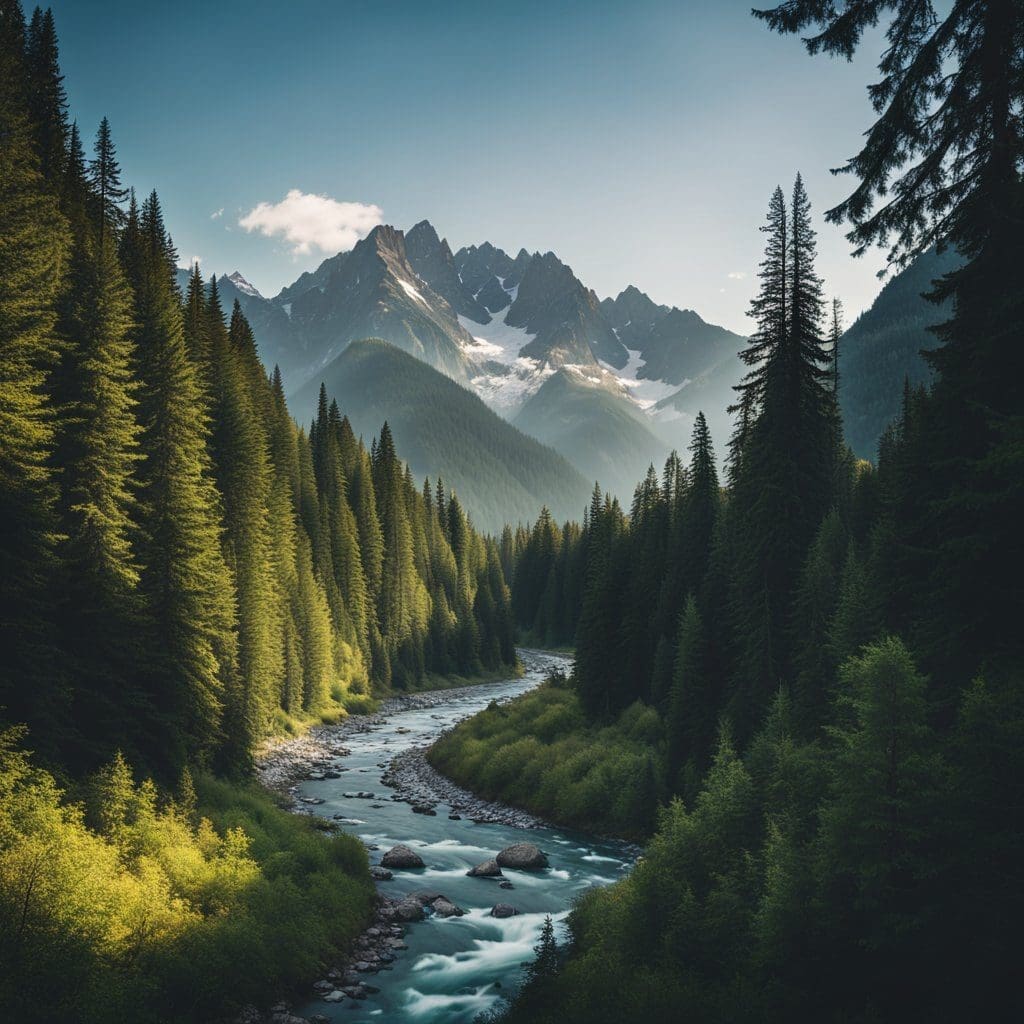
When you’re not camping in North Cascades National Park, there are plenty of other activities to explore. Here are some nearby attractions and information about visitor centers to help plan your trip.
Nearby Attractions and Activities
Explore the park’s diverse landscapes with interpretive programs, tours, and trails. Visit the Golden West Visitor Center to learn about the park’s history and geology. Take a tour of the Newhalem Creek area to see the Skagit River and the Diablo Dam. Hike to the summit of Sourdough Mountain for panoramic views of the park.
Visitor Centers Information
The North Cascades Visitor Center is located in Newhalem and offers information about the park’s history, geology, and ecology. The center has a bookstore and a photo gallery of the park. Rangers are available to answer questions and provide maps and information about trails and campsites.
The Golden West Visitor Center is located near Diablo Lake and offers information about the park’s history and geology. The center has exhibits and a bookstore. Rangers are available to answer questions and provide maps and information about trails and campsites.
For more information on camping and other activities, contact the park’s information line at (360) 854-7200 or visit the park’s website.
Access and Navigation
Roads and Directions
Access to North Cascades National Park is primarily via State Route 20, which connects with Interstate 5 at Burlington. From the east, the highway intersects with US 97 at Okanogan and with SR 153 at Twisp. Driving directions are available on the park’s website.
The route to the park is scenic but can be challenging due to steep grades and sharp curves. Be prepared for narrow roads and limited cell phone service. Snow and ice can make the road impassable in the winter months.
Once you arrive at the park, the roads are well-maintained, but some areas may be closed due to snow or other weather-related conditions. Check the park’s website or call ahead for the latest road conditions.
If you plan to camp in the park, note that some campgrounds are only accessible via unpaved roads. Check with the park for specific directions.
Overall, navigating to and within North Cascades National Park requires careful planning and attention to road conditions. But the stunning views and natural beauty make the journey well worth it.
Environmental Stewardship
Garbage and Waste Management
When camping in North Cascades National Park, it’s essential to practice proper garbage and waste management to preserve the park’s natural beauty. The park aims to reduce waste and litter by encouraging visitors to pack out their trash and dispose of it in designated areas.
To minimize the environmental impact of waste, the park provides garbage and recycling receptacles at various locations throughout the campground. Make sure to separate your recyclables from your trash and dispose of them accordingly.
To further reduce the amount of waste generated, consider bringing reusable containers and utensils. This will help reduce the amount of single-use plastic and paper products that end up in the landfill.
When disposing of waste, be mindful of wildlife and do not leave food scraps or garbage lying around. This can attract animals and potentially harm them. Store your food and garbage in bear-resistant containers or hang it from a tree to keep it out of reach of wildlife.
In conclusion, practicing proper garbage and waste management is crucial for preserving the natural beauty of North Cascades National Park. By following these guidelines, you can help protect the environment and ensure that future generations can enjoy the park’s pristine wilderness.
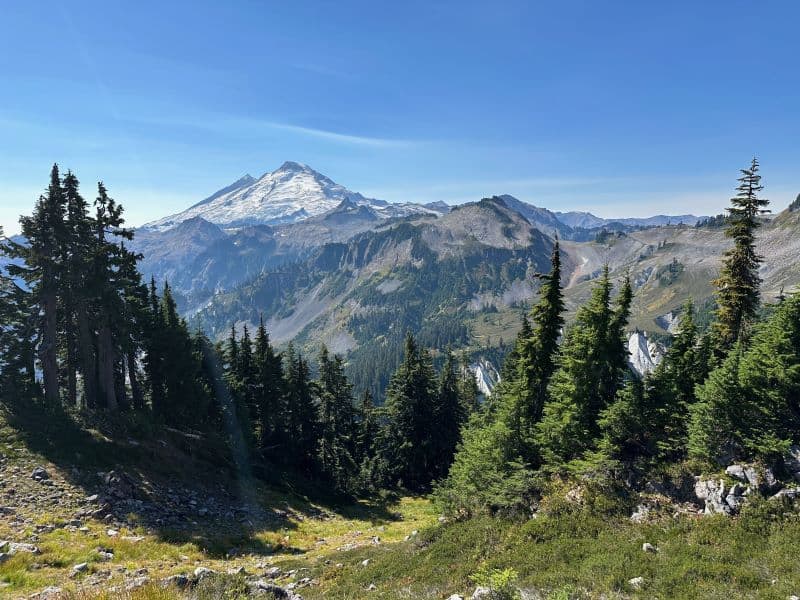
Growing up in the Pacific Northwest, we’ve always felt at home in the outdoors. We created Evergreen Adventures PNW to share our love of hiking, camping, and exploring, and to help others discover the best adventures this region has to offer. Along with trip guides and tips, we also enjoy diving into the science behind the landscapes—thanks to a background in Environmental Science—because understanding nature makes every adventure even more meaningful.