
When you’re camping, you want to be able to enjoy the great outdoors without sacrificing modern conveniences like electricity. Whether you need to charge your phone, power a fan, or keep your food cold, there are a variety of options for getting electricity while camping. By planning ahead and choosing the right method for your needs, you can stay connected and comfortable while enjoying the beauty of nature.
One option for getting electricity while camping is to use a generator. Generators can provide a reliable source of power for all your electronic devices, but they can also be noisy and emit fumes. Another option is to use a portable power station, which is a battery-powered device that can be charged by plugging it into an outlet or using a solar panel. Portable power stations are quieter and more eco-friendly than generators, but they may not provide as much power or last as long.
If you’re looking for a more sustainable option, you can also use solar power to get electricity while camping. Solar panels can be used to charge batteries or power devices directly, and they are a clean and renewable source of energy. However, they may not work well in cloudy or shady conditions, and they can be expensive to purchase upfront. Whatever method you choose, make sure to follow basic safety precautions when using electricity while camping, and enjoy your time in the great outdoors!
Table of Contents
Why You Need Electricity While Camping: A Guide
When planning a camping trip, it’s important to consider your electricity needs. Whether you’re going on an outdoor adventure, tent camping, car camping, or backpacking, having access to electricity can make your trip more comfortable and convenient. Here are some reasons why you might need electricity while camping:
- Charging devices: You may need to charge your phone, camera, or other electronic devices while camping. This is especially important if you’re using your phone for navigation or taking photos.
- Lighting: Having access to electricity can provide you with lighting options, such as lanterns or string lights, which can make your campsite feel more comfortable and inviting.
- Cooking: If you plan on cooking while camping, you may need electricity to power a portable stove or other cooking appliances.
- Heating and cooling: Depending on the weather, you may need electricity to power a fan, heater, or air conditioner to keep your tent or RV comfortable.
- Entertainment: If you want to watch movies or listen to music while camping, you’ll need electricity to power your devices.
While some people prefer to disconnect from technology while camping, having access to electricity can make your trip more enjoyable and safer. It’s important to plan ahead and determine your electricity needs before heading out on your camping trip.
Choosing the Right Power Source for Camping Electricity
When it comes to getting electricity while camping, choosing the right power source is crucial. Here are some of the most popular power sources for camping:
Solar Power
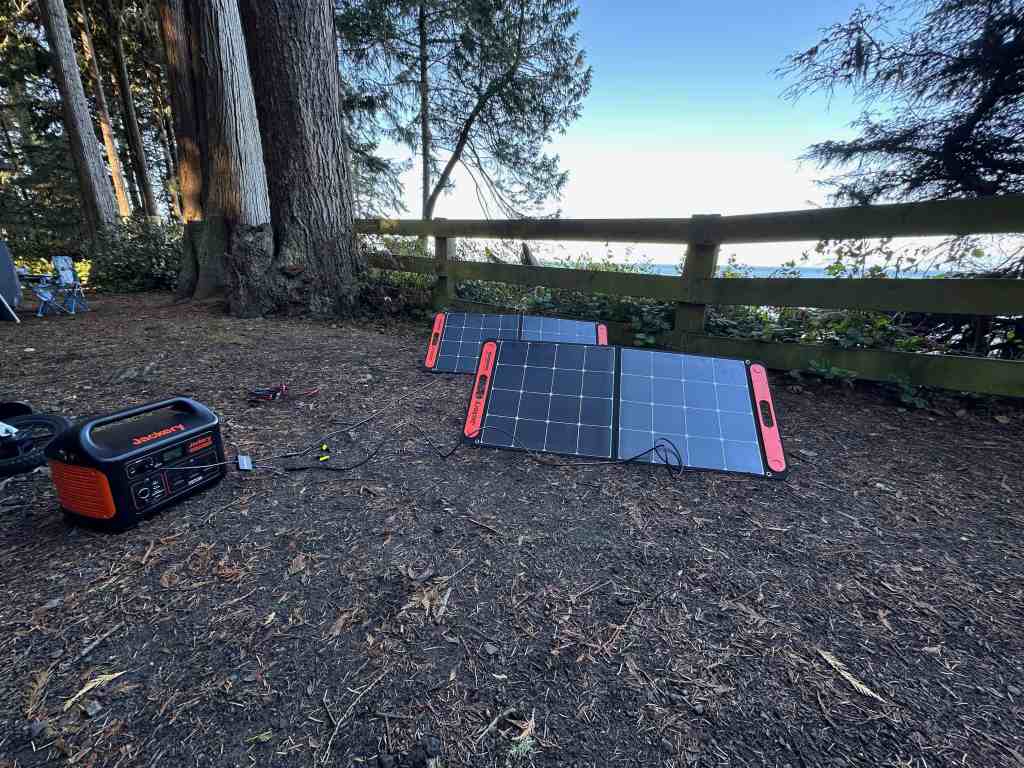
Solar power is a great option for camping because it is a renewable energy source that is both eco-friendly and cost-effective. You can use Solar panels to charge portable power banks, which can then be used to power your devices. When choosing a solar panel, consider factors such as capacity, output, and safety.
Generators
Generators are another popular option for camping. Gasoline or propane generators can provide AC power through an AC outlet or DC power through a USB port. When choosing a generator, consider factors such as capacity, fuel type, and fumes.
Portable Power Stations
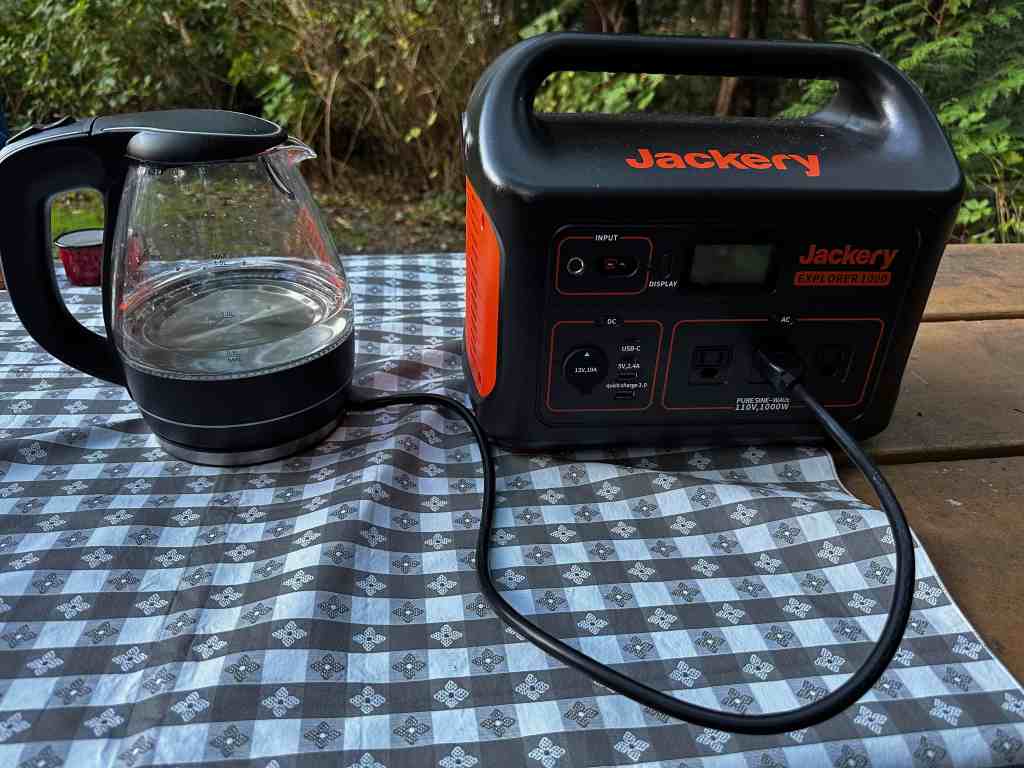
These all-in-one power supplies efficiently charge your devices and are ideal for camping. They typically come with built-in AC outlets, DC ports, and USB ports. In selecting a portable power station, focus on capacity, output, and ease of transport.
How to Keep Devices Charged: Electricity Tips for Campers
Ensuring a reliable electricity source is key to keeping devices and appliances charged while camping. There are several options available to you, depending on your needs and preferences.
Electronic Devices
Electronic devices such as phones, laptops, and cameras are essential for staying connected and capturing memories while camping. To keep these devices charged, you can bring extra batteries or use rechargeable power banks. Lithium-ion batteries are a popular choice for camping due to their high energy density and long lifespan. The Schumacher AGM 1200 Peak Amp Jump Starter is a versatile device that can charge your phone, laptop, and other small electronics.
Another option is to bring a portable solar panel or generator to recharge your devices. The Anker PowerCore is a great choice for camping trips as it is lightweight and can charge your devices quickly. Some campsites may also have USB ports available for charging your devices.
Appliances
Utilizing small appliances like heaters, fans, and cooking equipment improves comfort and convenience while camping. However, these appliances require more power than electronic devices and may need to be connected to a larger power source.
One option is to bring a portable generator or power station to power your appliances. These devices can provide enough power to run small appliances for several hours. Alternatively, you can use a power inverter to connect your appliances to your car’s battery.
It’s important to note that some campsites may have restrictions on the use of generators and power equipment. Be sure to check with the campsite before bringing any large appliances or power sources.
Evaluating Power Sources: Get Electricity While Camping
When evaluating the practicality of power sources for camping, there are several factors to consider. First, you should consider the weight of the power source. If you are backpacking, you will want a lightweight power source that won’t weigh you down. On the other hand, if you are car camping, weight may not be as much of a concern.
Durability
Opt for a robust power source that can endure the challenges of camping. Look for power sources that are built to last and can withstand the elements.
Waterproofing
Ensure your power source is capable of withstanding wet conditions. If you are camping in an area that is prone to rain or other wet conditions, you want a power source that is waterproof. This will help ensure that your power source doesn’t get damaged if it gets wet.
Safety
Exercise caution and adhere to safety measures when using electricity during camping. Follow basic precautions when using electricity and be sure to properly shield and connect any electrical devices.
Efficiency
Prioritize energy-efficient power sources for enhanced performance. Look for power sources that are efficient and can provide the power you need without draining the battery too quickly.
Benefits
Consider the pros and cons of each power source. For example, gas generators are reliable and can provide a lot of power, but they can be noisy and emit fumes. Solar power chargers are eco-friendly and quiet, but they may not provide enough power for all of your needs.
Budget
Your budget is another important consideration. Determine how much you are willing to spend on a power source before making a purchase.
Finally, consider the type of camping you will be doing. If you are car camping, you may have access to electrical hookups, which can make it easier to power your devices. If you are backpacking, you will need a lightweight and portable power source that can be easily carried with you.
By considering these factors, you can evaluate the practicality of different power sources and choose the one that is best suited for your needs.
Planning for Power Needs: How to Get Electricity in the Wild
Before you head out on your camping trip, it’s important to consider your power needs. This will help you determine the type and amount of power supply you’ll need to bring with you.
Start by thinking about what devices you’ll be using that require electricity. Will you need lights or lamps for your campsite? Do you want to bring along any entertainment devices like a portable speaker or a tablet? Will you need to charge your mobile phone? Are you concerned about security and want to bring along a motion-activated light or camera?
How much will you need?
Once you’ve made a list of the devices you’ll be using, you can determine how much power you’ll need. This will depend on the wattage of each device and how long you plan to use it. You can use a watt meter to determine the power usage of each device and calculate your total power needs.
When planning for power needs, it’s important to consider the type of camping trip you’ll be taking. If you’ll be staying at a campsite with electrical hookups, you may not need to bring as much power with you. However, if you’ll be camping in a remote location, you’ll need to bring a more robust power supply.
Portable Solar Panels
Portable solar panels are a popular choice for camping power. They allow you to harness the power of the sun to charge your devices and provide electricity for your campsite. Some portable solar panels are specifically designed for camping and are lightweight and easy to transport.
In summary, planning for power needs is an important step in preparing for your camping trip. Consider the devices you’ll be using, the type of camping trip you’ll be taking, and the type of power supply you’ll need. Portable solar panels are a great option for camping power and can provide you with a reliable source of electricity for your trip.
Wrapping Up
A variety of methods are available for obtaining electricity during camping excursions. You can use portable power options such as solar panels, thermoelectric generators, and rechargeable batteries. These options are environmentally friendly and can help reduce your carbon footprint.
Renewable energy sources such as solar panels are becoming increasingly popular among campers. They are easy to set up and produce electricity from the sun’s energy. You can also use thermoelectric generators to convert temperature differences into electricity. Although they are less efficient and more expensive than gasoline-powered generators, they are superior in every other way.
When it comes to portable power options, rechargeable batteries are a simple and reliable option. You can use them to power up flashlights, GPS devices, radios, and other small electronics that run on batteries. Fully charge the rechargeable batteries at home before leaving for your trip.
It’s important to note that while technology has made it easier to get electricity while camping, it’s also important to be mindful of your surroundings and the impact your camping trip may have on the environment. Always follow Leave No Trace principles and consider commissioning a renewable energy source for your home to reduce your overall impact on the environment.

Growing up in the Pacific Northwest, we’ve always felt at home in the outdoors. We created Evergreen Adventures PNW to share our love of hiking, camping, and exploring, and to help others discover the best adventures this region has to offer. Along with trip guides and tips, we also enjoy diving into the science behind the landscapes—thanks to a background in Environmental Science—because understanding nature makes every adventure even more meaningful.