
Building a campfire is a quintessential part of any camping trip. It provides warmth, light, and a focal point for socializing. However, learning how to build a campfire requires proper planning, preparation, and execution to ensure safety and minimize impact on the environment.
To build a campfire, first, you need to plan the location and size of the fire. Choose a designated fire ring or a spot at least 15 feet away from tents, trees, and other flammable objects. Next, clear the area of debris and dig a pit for the fire. Use rocks to create a ring around the pit to contain the fire.
Once the fire site is prepared, you can start building the fire structure using tinder, kindling, and fuelwood. Ignite the tinder using a lighter or matches, and gradually add more kindling and fuelwood to build the fire. Remember to maintain the fire and never leave it unattended. When you’re ready to extinguish the fire, pour water over the flames and stir the ashes until they’re cool to the touch.
Key Takeaways
- Proper planning and preparation are crucial for building a safe and environmentally responsible campfire.
- Always choose a designated fire ring or a spot at least 15 feet away from tents, trees, and other flammable objects.
- Never leave the fire unattended; always extinguish it completely before leaving the site.
Table of Contents
Essential Campfire Planning Steps
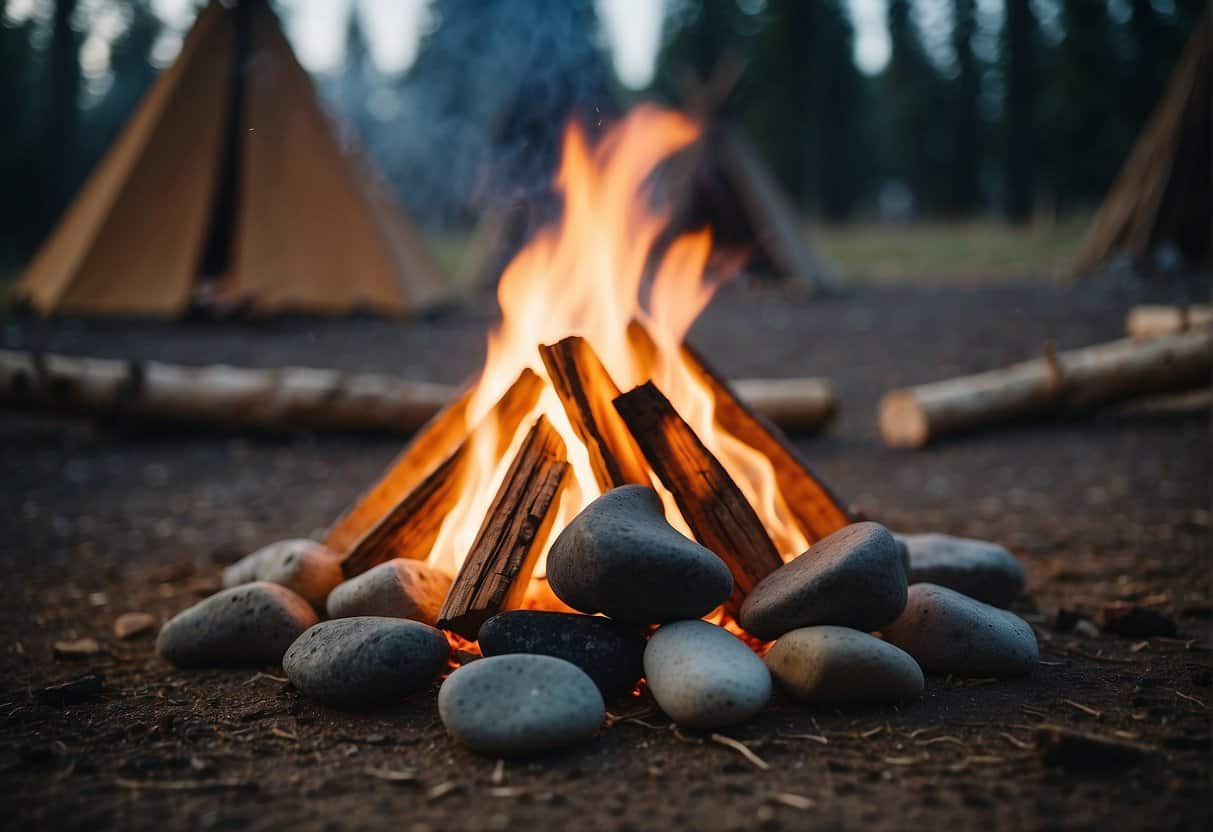
Before building a campfire, it’s essential to plan and prepare. Here are a few things to consider:
Choosing the Right Location
Pick a spot that is at least 15 feet away from tents, trees, and other flammable objects. Look for a level spot with no overhanging branches or dry grass. Avoid building a campfire in windy conditions.
Understanding Local Regulations
Check with the local authorities to ensure that campfires are allowed in the area you plan to camp. Some areas may have restrictions on campfires due to dry conditions or fire danger. Always follow Leave No Trace principles and use designated fire rings or pits where available.
Gathering Materials
Gather dry wood from the ground or purchase local firewood to avoid introducing invasive species. Use small sticks and twigs for kindling and larger logs for fuel. Bring matches or a lighter and firestarter to get the fire going.
By planning ahead, you can ensure a safe and enjoyable campfire experience. Remember to always practice fire safety and properly extinguish the fire before leaving.
Setting Up Your Campfire Site
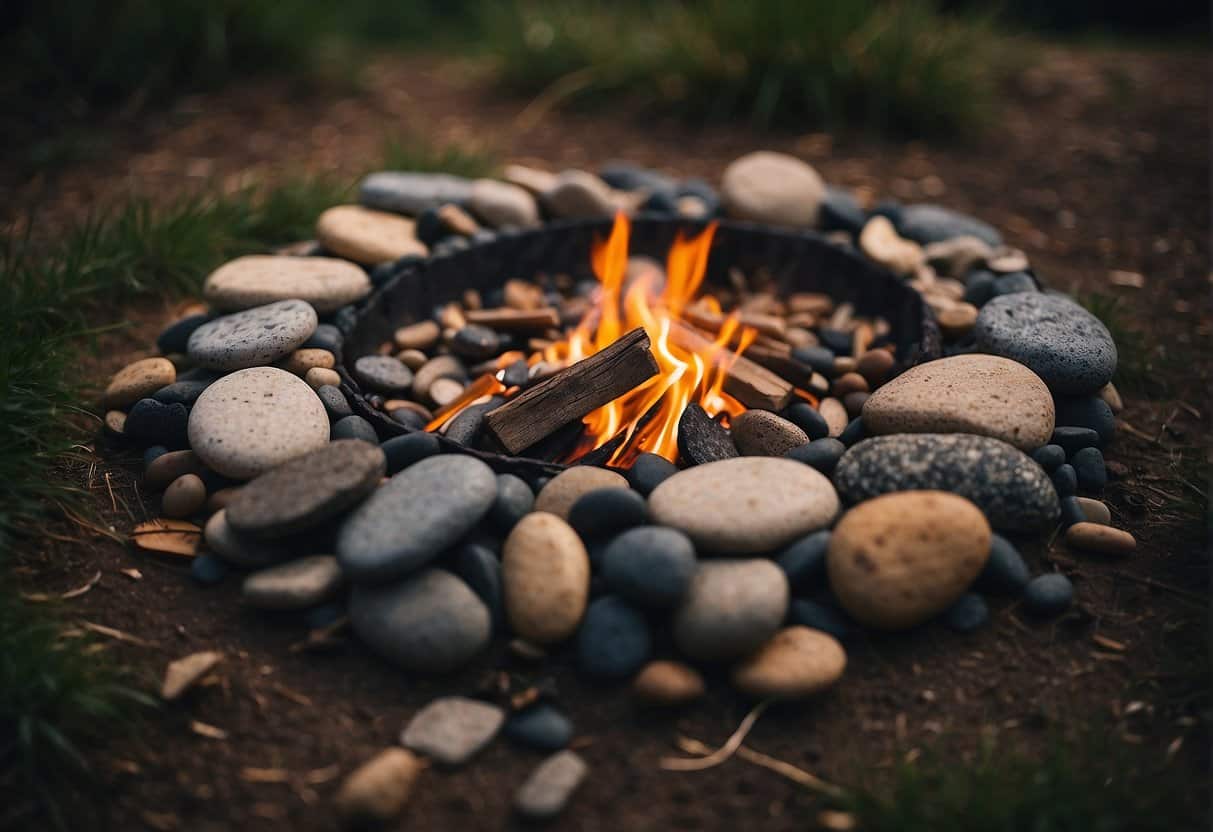
Before you start building your campfire, it’s essential to choose the right spot and prepare the fire site. Here are the steps you need to follow to ensure that you leave no trace and minimize your impact on the environment.
Creating a Fire Bed
The first step in preparing your fire site is to create a fire bed. A fire bed is an area where you will build your fire. Choose a spot that’s at least 15 feet away from any vegetation, trees, or bushes. Clear the area of any leaves, twigs, or debris that could catch fire.
Next, dig a shallow pit that’s about six inches deep and two feet wide. Line the pit with rocks or sand to prevent the fire from spreading. If you’re camping in an area where fire rings or fire pits are available, use them instead of creating a new fire bed.
Arranging Your Materials
Once you’ve created your fire bed, it’s time to arrange your materials. You’ll need three types of materials to build your campfire: tinder, kindling, and fuel wood.
Tinder is the material that ignites easily and starts the fire. It can be dry leaves, grass, bark, or small twigs. Kindling is the material that catches fire from the tinder and helps it grow. It can be small sticks, dry branches, or wood shavings.
Fuel wood is the material that keeps the fire burning. It can be larger logs or branches. Arrange your materials in a tepee or cone shape, starting with the tinder at the center and building up with kindling and fuel wood.
Remember to use only dead and downed wood for your fire. Don’t cut or break branches from live trees, as this can damage the tree and its ecosystem.
By following these steps, you can prepare your fire site and build a campfire safely and responsibly. Remember to always follow leave no trace principles and respect the environment.
How to Build a Campfire
When building a campfire, it’s essential to choose the right fire structure to ensure a successful and safe fire. Here are three popular fire structures to consider:
The Teepee Structure
The teepee structure is a classic fire shape that resembles a shelter. To build a tepee fire, begin by laying down a large bundle of tinder, followed by small pieces of kindling to form a tepee shape above the kindling. Once the fire is burning, add larger logs to the structure gradually.
The Log Cabin Structure
The log cabin structure is an excellent choice for cooking because it provides a stable base for pots and pans. To build this structure, stack two logs parallel to each other, then place two more logs perpendicular to the first two. Continue alternating the logs until you have a square shape, then add kindling and tinder inside the structure.
Alternative Fire Structures
If you’re feeling adventurous, there are many other fire structures to try. The platform fire is built on a platform of logs, while the star fire has logs arranged in a star shape. The lean-to fire is built against a standing tree, and the tepee campfire is a larger version of the teepee structure. The log cabin campfire is a larger version of the log cabin structure.
Remember to always follow fire safety guidelines, including keeping a bucket of water nearby and never leaving the fire unattended. With the right fire structure and precautions, you can enjoy a cozy and relaxing campfire experience.
How to Light Your Campfire
Before you start building your campfire, make sure that you have all the necessary fire-starting tools and materials. You will need a lighter or matches, fire starters, and dry kindling.
Using Matches and Lighters
If you are using matches, make sure that they are dry and protected from the wind. Strike the match against the striker pad or box, and hold it close to the fire starter. If you are using a lighter, hold the flame close to the fire starter until it ignites.
Natural and Homemade Fire Starters
If you don’t have matches or a lighter, you can use natural and homemade fire starters. Dryer lint, wax, cattail fluff, and toilet paper rolls are all excellent fire starters. To make a homemade fire starter, you can soak cotton balls in petroleum jelly or dip them in melted wax.
Remember to always start with small kindling and gradually add larger pieces of wood to the fire. Never leave your campfire unattended, and make sure to fully extinguish it before leaving. With these tips, you’ll be able to ignite your campfire safely and easily.
Keeping Your Campfire Going Safely
Adding Fuel Efficiently
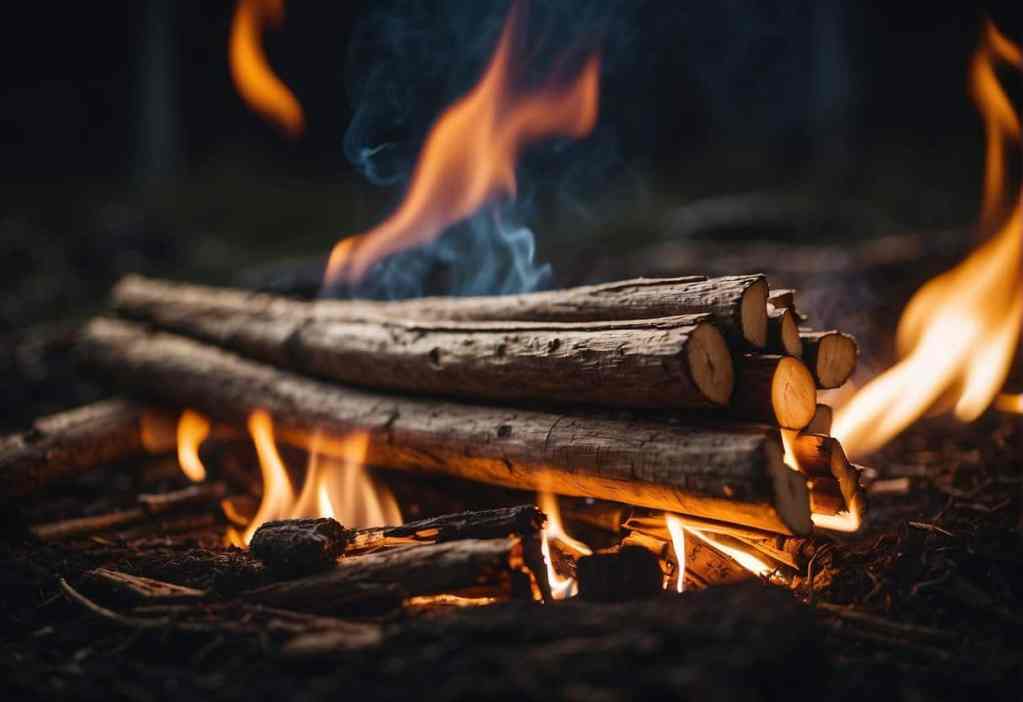
To keep your campfire burning brightly, you’ll need to add fuel to the fire. Avoid adding too much wood at once, as this can smother the flames. Instead, add small pieces of dry wood gradually to maintain a steady burn. Use a pair of tongs to add the wood to the fire, and be sure to keep your distance from the flames.
Fire Safety and Management
Safety is paramount when building and maintaining a campfire. Keep the fire contained within a fire ring, and clear the area around the fire of any debris or low-hanging branches. Never leave your campfire unattended, and keep a bucket of water and a shovel nearby in case of emergencies.
To prevent wildfires, it’s important to fully extinguish your fire before leaving the campsite. Douse the fire with water, and stir the embers with a shovel to ensure that all of the coals are wet. Repeat this process until the fire is completely out.
By following these fire safety tips and managing your campfire properly, you can enjoy a safe and enjoyable outdoor experience.
Safely Putting Out Your Campfire
Putting Out the Fire Completely
You should never leave a campfire unattended, and it is your responsibility to ensure that the fire is completely extinguished before leaving the site. Pour water over the fire and stir the ashes until they are cool to the touch. Repeat this process until the ashes are no longer warm.
It is important to note that smoldering ashes can reignite and cause a wildfire. So, make sure to check the fire pit for any smoldering embers and extinguish them completely.
Disposing of Ashes Properly
Properly disposing of ashes is essential in preventing wildfires. Once you have completely extinguished the fire, use a shovel to scoop up the ashes and place them in a metal can. Pour water over the ashes to ensure they are completely saturated.
Never dispose of ashes in plastic bags or containers; they can melt and cause a fire. Also, avoid dumping ashes near trees, logs, or other flammable materials. Instead, dispose of the ashes in a designated ash disposal area or take them with you and dispose of them in a trash can.
Remember to follow the Leave No Trace principles and leave the campsite better than you found it.
Ethical and Safe Campfire Practices
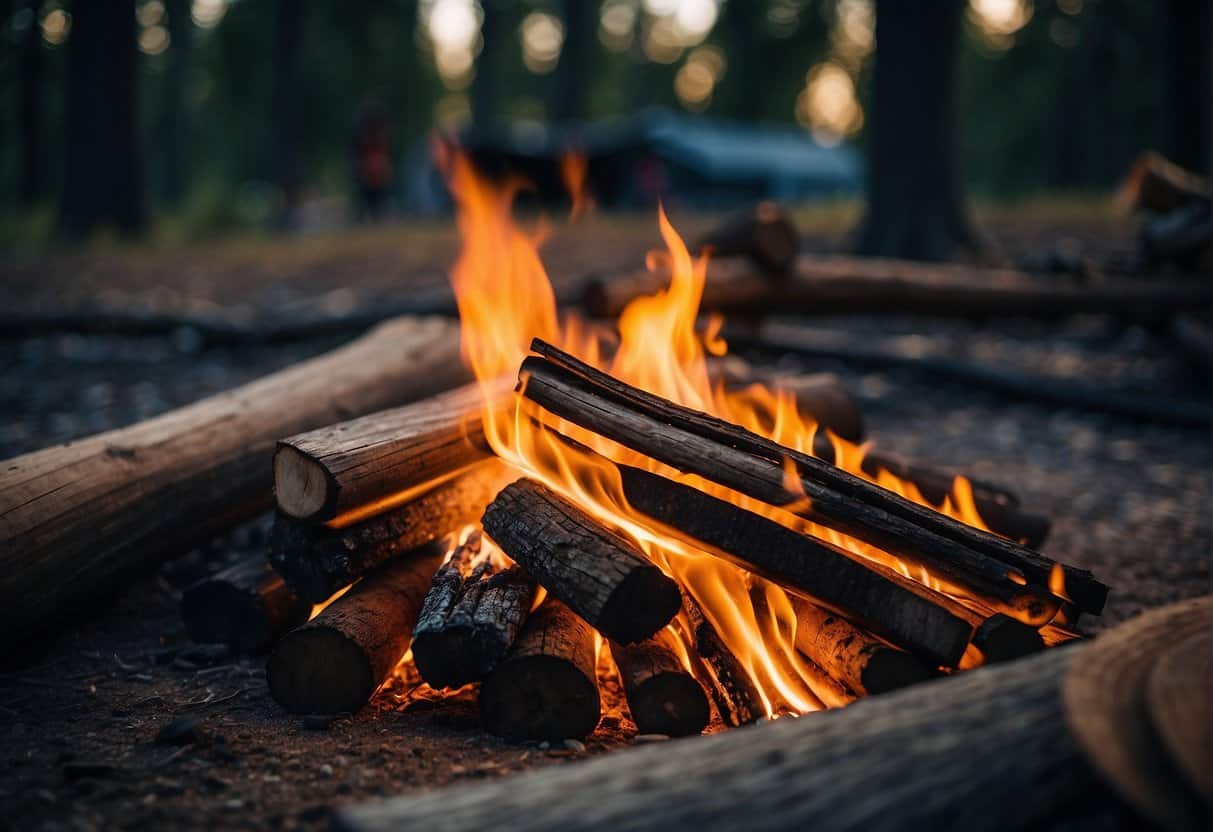
When building a campfire, it is essential to prioritize safety and ethics to minimize the impact on the environment. Educating yourself and others on the proper techniques can prevent accidents and preserve the natural beauty of the area.
Educating Yourself and Others
Before starting a fire, check with the Forest Service or campground operator to ensure fires are permitted. Familiarize yourself with fire restrictions and bans in the area. Ensure that you know how to build a fire safely, and teach others in your group how to do the same.
When building a fire, choose an appropriate location, and clear the area of any flammable material. Make sure to keep the fire small and under control. Never leave a fire unattended, and always have a bucket of water or shovel nearby to extinguish the fire if necessary.
Minimizing Campfire Impacts
When building a campfire, always follow the Leave No Trace principles. Use established fire rings or pits whenever possible. If there is no established fire ring, build a fire on a durable surface such as rock or sand, and keep it small.
Avoid burning trash, food waste, or other non-organic materials. These items can leave behind harmful residue and can take a long time to decompose.
When it is time to put out the fire, use water to extinguish the flames completely. Make sure to stir the ashes and coals to ensure that there are no hot spots. Then, scatter the cool ashes and coals over a wide area away from the campsite.
By following these safety and ethics guidelines, you can enjoy a campfire while minimizing your impact on the environment. Remember to always prioritize safety and Leave No Trace principles when building a fire in backcountry areas.
Post-Campfire Cleanup and Care
Cleaning the Campsite
When you’re done with your campfire, it’s important to clean up the site. First, make sure the fire is completely out. Use water to douse the embers and stir the ashes until they’re cool to the touch. Then, remove any trash or debris from the fire pit area. Use a shovel or tongs to pick up any remaining sticks or logs and place them in a designated firewood storage area.
Next, check the surrounding area for any trash or litter. Collect all trash and dispose of it properly in a designated trash receptacle. If there isn’t a trash can nearby, pack out all trash and dispose of it when you leave the campsite.
Leaving No Trace
When camping, it’s important to follow Leave No Trace principles to minimize your impact on the environment. This means packing out all trash and leaving the campsite as you found it. In addition to cleaning up the fire pit area, make sure to remove any tent stakes or other equipment you may have used during your stay.
Before leaving the campsite, take a final walk-through to make sure you haven’t left anything behind. Double-check that all trash has been properly disposed of and that the fire is completely out. Leaving no trace ensures that future campers can enjoy the same natural beauty that you did.
Remember to always follow a camping checklist to ensure you have all the necessary equipment and supplies for your trip. By being prepared and following Leave No Trace principles, you can enjoy a safe and environmentally responsible camping experience.
Ready to Become a Campfire Pro? 🏕️🔥
Embrace the warmth and joy of a perfect campfire on your next outdoor adventure. Don’t just read about it – put these tips into action and transform your camping experience. Grab your gear, gather around the fire, and create unforgettable memories under the stars.
Start your journey to campfire mastery today – Share your own campfire stories and tips with us in the comments below!
Campfire FAQs
What materials are needed to build a campfire?
To build a campfire, you will need tinder, kindling, and fuelwood. Tinder should be dry and easily ignitable, such as small twigs, dry leaves, or paper. Kindling should be slightly larger than tinder, such as small sticks or branches, and fuelwood should be larger still, such as logs or split wood.
What are the safety considerations when constructing a campfire pit?
Choose a location away from flammable materials, such as dry grass or trees, and clear the area around the fire pit. Always keep a source of water, a bucket, and a shovel nearby in case of emergencies. Never leave a fire unattended, and make sure to completely extinguish the fire before leaving.
What is the most efficient technique to start a campfire without using matches?
The most efficient technique is using a fire starter, such as a magnesium fire starter or a flint and steel. You can also use a magnifying glass or a battery and steel wool. Always make sure to have dry tinder and kindling ready.
Can you explain the log cabin technique for building a campfire?
The log cabin technique involves stacking two sets of parallel logs perpendicular to each other, creating a square or rectangle. Place smaller pieces of kindling inside the square or rectangle and light the tinder in the center.
What are the steps to safely build a fire in a fireplace?
Clean out any debris or ash from the fireplace and make sure the flue is open. Place crumpled newspaper or a fire starter in the center of the fireplace and stack small pieces of kindling on top in a teepee shape. Light the fire starter and add larger logs as needed.
What are some effective campfire layouts for optimal burning?
The teepee layout involves placing tinder in the center and leaning kindling against it in a teepee shape. The lean-to layout involves placing a large log on the ground and leaning smaller logs against it on one side, with tinder and kindling on the other. The star layout involves creating a small teepee fire in the center and placing long sticks in a star shape around it, adding smaller sticks to the outside.
Remember to always follow safety precautions and local regulations when building a campfire.
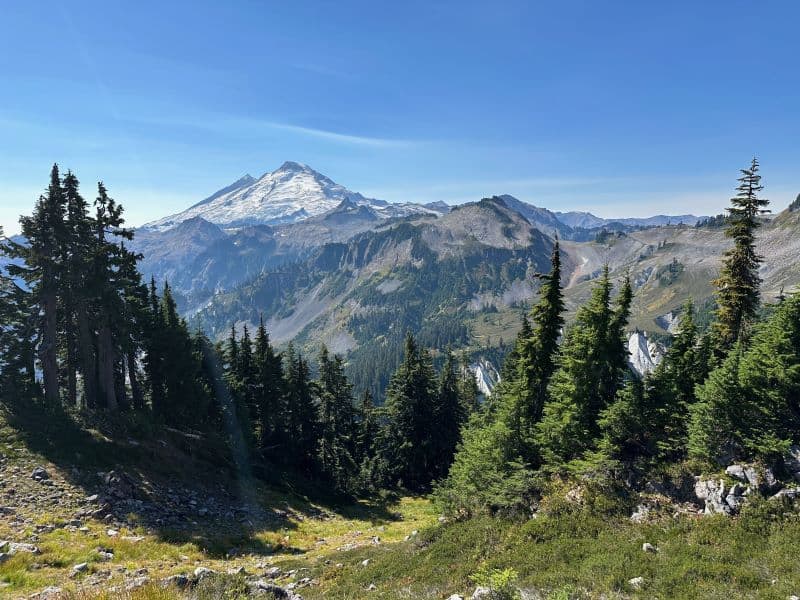
Growing up in the Pacific Northwest, we’ve always felt at home in the outdoors. We created Evergreen Adventures PNW to share our love of hiking, camping, and exploring, and to help others discover the best adventures this region has to offer. Along with trip guides and tips, we also enjoy diving into the science behind the landscapes—thanks to a background in Environmental Science—because understanding nature makes every adventure even more meaningful.