
Are you planning a camping trip in Washington State and wondering how much firewood you need to bring along? Knowing how much to pack is essential to ensure you have a comfortable and enjoyable camping experience. You don’t want to run out in the middle of the night or have to carry too much of it with you.
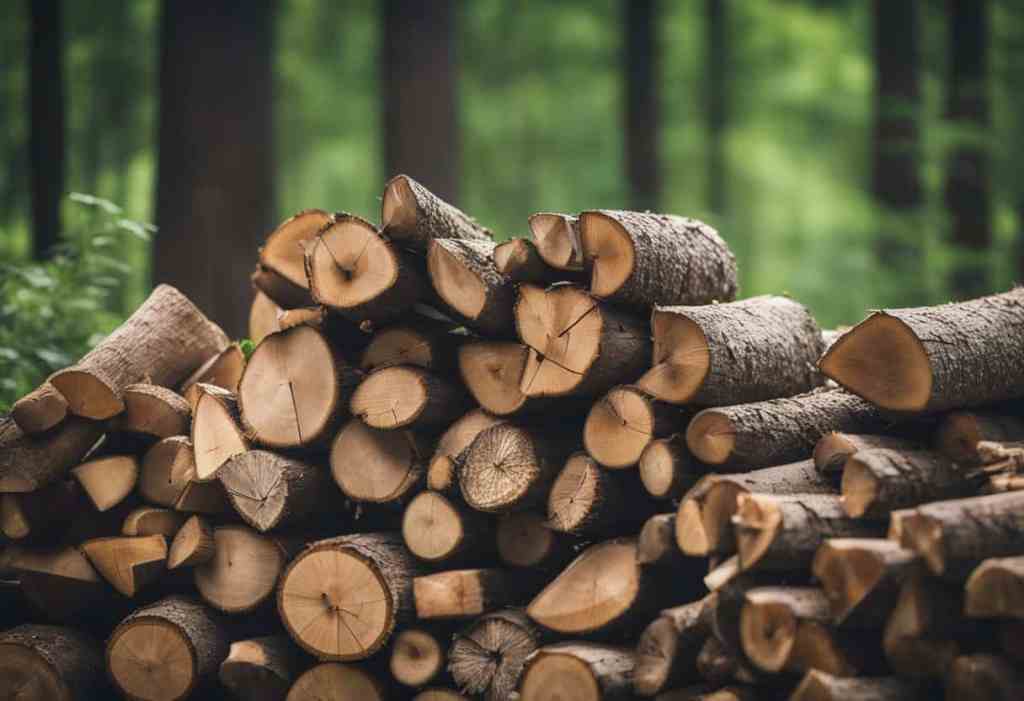
The amount you need for camping in Washington State depends on several factors, such as the length of your trip, the number of people in your group, and the weather conditions. It’s important to note that many campgrounds in Washington State have restrictions on the amount of firewood you can bring with you to prevent the spread of pests and diseases. Therefore, it’s recommended to check with the campground before your trip to ensure you comply with their regulations.
Table of Contents
Firewood for Camping
When it comes to camping, a campfire is almost a necessity. It provides warmth, light, and a place to cook food. But how much do you need for camping in Washington? And what type of wood should you use? In this section, we’ll explore the basics for camping to help you get the most out of your camping experience.
Types of Wood
First, let’s talk about the types of wood you can use for your campfire. There are two main categories: softwood and hardwood. Softwood, such as pine or cedar, is easier to light and burns quickly, making it great for kindling. Hardwood, such as oak or maple, burns slower and produces more heat, making it ideal for long-lasting fires.
Seasoned and Dry Wood
When selecting firewood for camping, it’s important to choose wood that is seasoned and dry. Seasoned wood has been allowed to dry out for at least six months, which makes it easier to light and burn more efficiently. Dry wood, on the other hand, has a moisture content of less than 20%, which means it burns hotter and produces less smoke.
Kindling
Kindling is small pieces of wood that are used to start a fire. It’s important to have plenty of kindling on hand, especially if you’re using softwood for your fire. You can use twigs, small branches, or even newspaper as kindling.
How Much Firewood Do You Need?
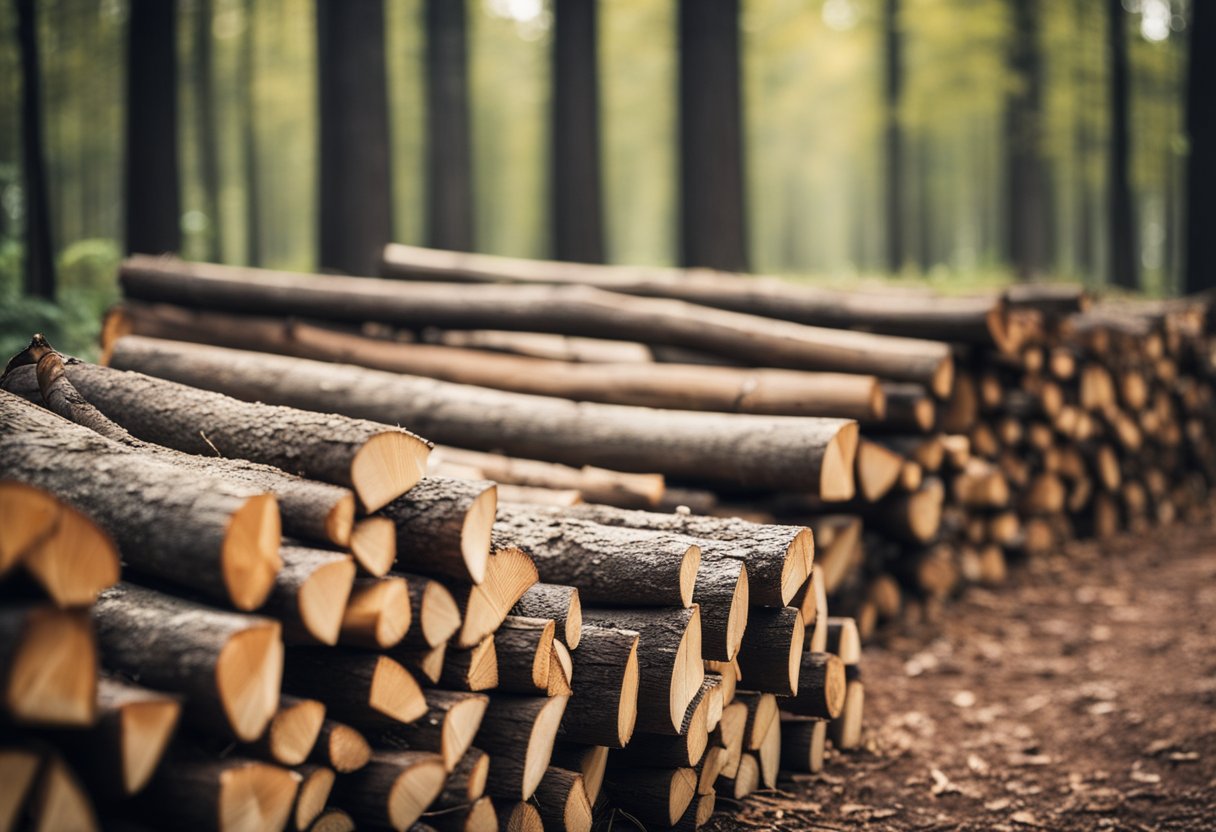
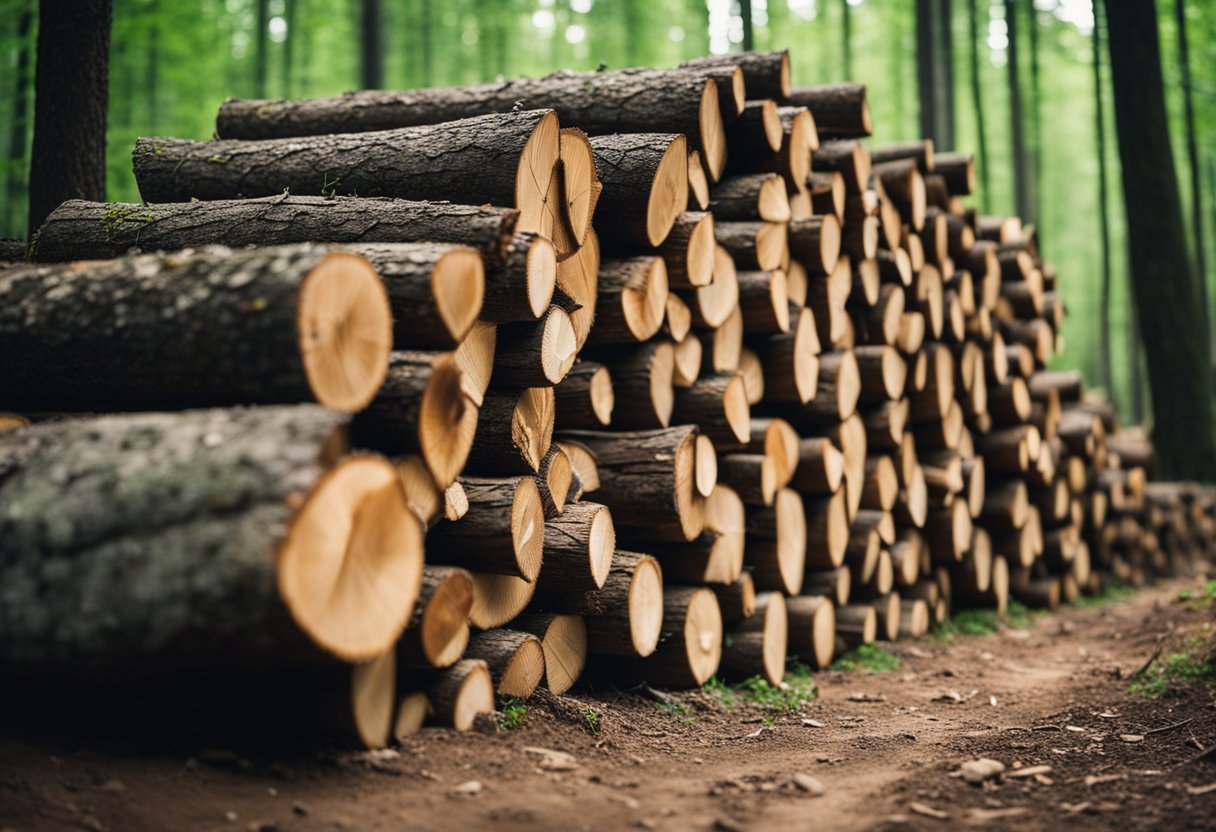
The amount you need for camping in Washington State will depend on a few factors, such as how long you plan to have a fire, how often you plan to have a fire, and the weather conditions. As a general rule of thumb, you should plan on bringing 2 to 5 bundles per day of camping. A bundle is typically the amount of wood you can carry in your arms at one time, or about 1 cubic foot of wood.
Estimating Wood Consumption
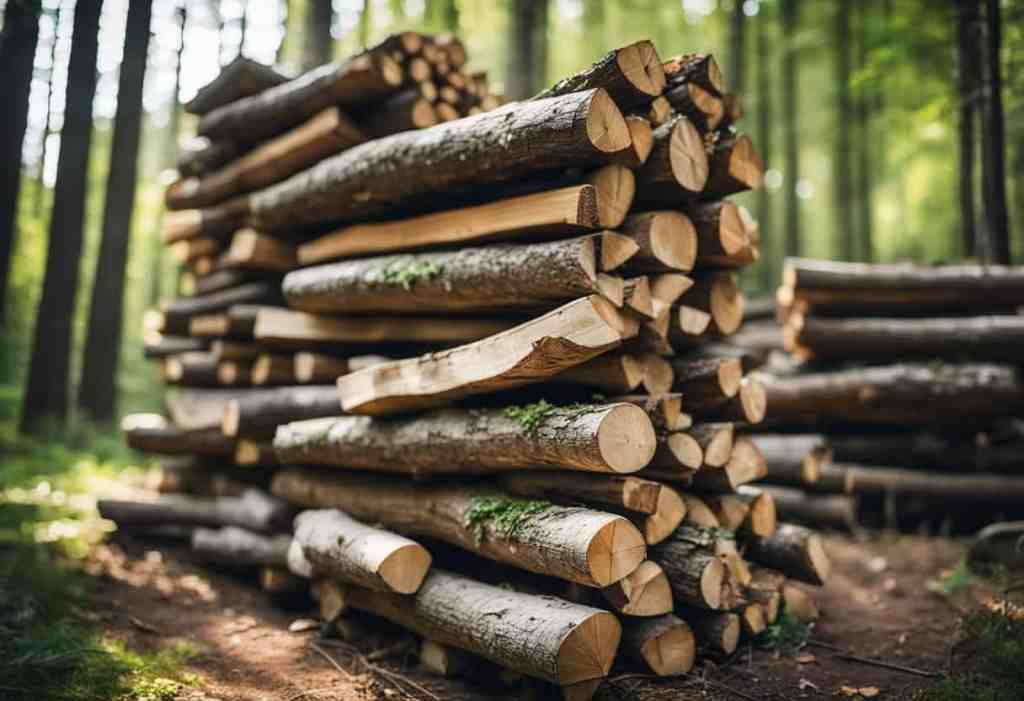
When planning your camping, it’s important to estimate how much you will need for your campfire. Wood consumption can vary depending on several factors, including burn time, weather conditions, and the size of your campfire.
To estimate how much you will need, start by considering the length of your camping trip. A basic guideline is to bring 8 bundles of firewood per day of camping, but this can vary depending on your personal preferences and needs.
Next, consider the size of your campfire. The average campfire burns approximately one hardwood bundle (about 1 cubic foot) an hour in a 2-3 foot wide firepit. Keep in mind that very soft wood-like fir will burn twice as fast. To keep a crackling fire from morning to evening takes 10-20 bundles, but a small campfire for cooking and warmth may only require a few bundles.
Weather conditions can also affect wood consumption. In colder areas, you may need more to keep warm, while in warmer areas, you may not need as much. Additionally, if it’s raining or windy, you may need to bring extra to keep your campfire going.
When packing for your camping trip, it’s always a good idea to bring extra just in case. You never know when unexpected weather conditions or longer burn times may require more wood. Remember to always follow Leave No Trace principles and properly dispose of any unused firewood.
How to Measure Firewood
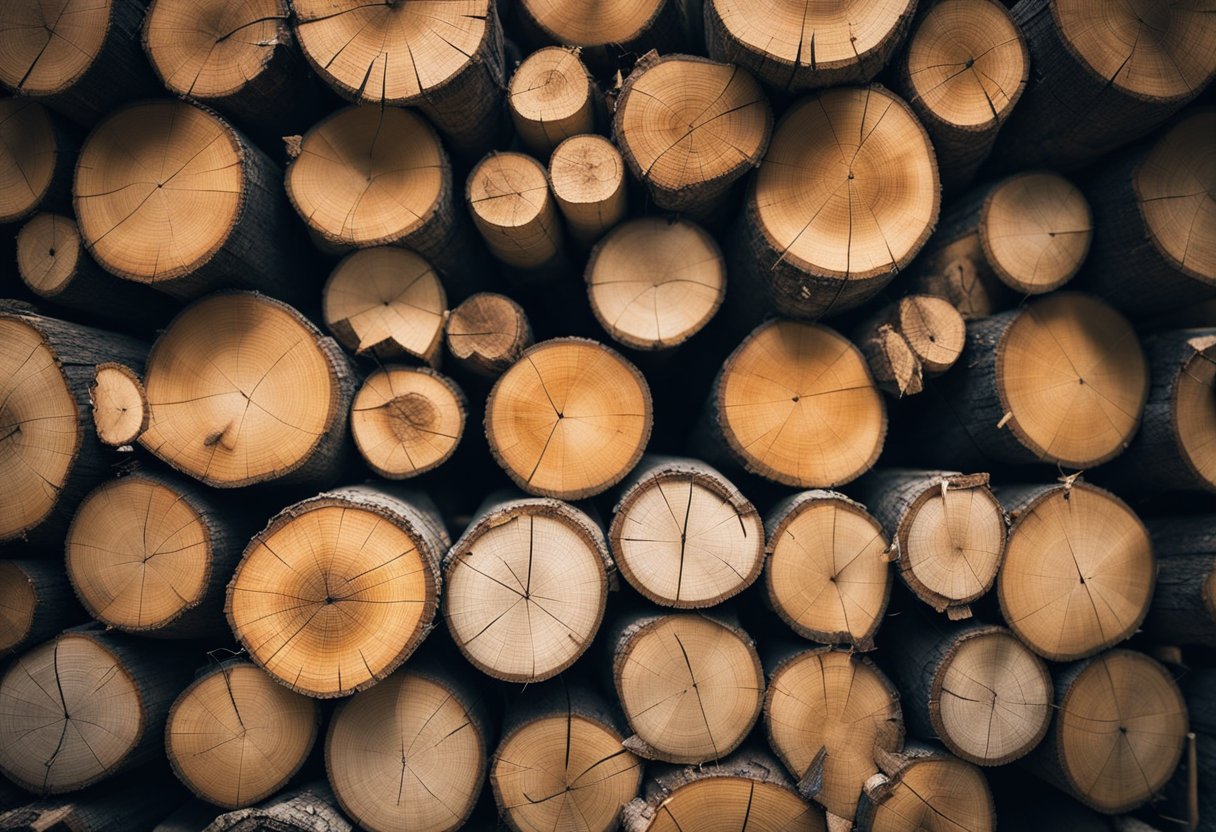
When it comes to measuring, there are a few terms you should be familiar with. The most common unit of measurement is a cord. A cord is a stack of firewood that measures 4 feet high, 4 feet wide, and 8 feet long. This is equivalent to 128 cubic feet of firewood.
If you’re not sure how much you need for your camping trip, it’s important to know how to measure it. One way to do this is to estimate the amount you’ll need based on the number of days you’ll be camping. A basic guideline is to bring 8 bundles per day of camping.
Another way to measure is to use a cubic foot measurement. A cubic foot of firewood is a stack of wood that measures 1 foot high, 1 foot wide, and 1 foot long. This is equivalent to 0.037 cords of firewood.
If you’re not comfortable estimating the amount you need or measuring it using a cubic foot measurement, there are other ways to ensure you have enough for your camping trip. Some campsites sell firewood by the bundle or cord, so you can purchase the amount you need before you arrive.
It’s important to note that different states may have different regulations regarding firewood. In Washington State, for example, the Department of Agriculture has specific regulations for the sale and distribution of firewood. It’s always a good idea to check with the local authorities before purchasing or transporting firewood.
Choosing the Right Firewood
The type of wood you choose can affect the quality of your fire, the amount of smoke produced, and the heat output. Here are some things to keep in mind:
Softwood vs. Hardwood
Softwood, such as pine and fir, is easier to light and produces a lot of heat quickly. However, it burns faster and produces more smoke than hardwood. Hardwood, such as oak and maple, burns slower and produces less smoke, but takes longer to get started.
Cedar
Cedar is a popular choice because it burns hot and produces a pleasant aroma. However, it is important to note that cedar produces a lot of smoke, which can be irritating to some people.
Seasoned Wood
Seasoned wood is wood that has been cut and left to dry for at least six months. This wood is ideal for camping because it burns more efficiently and produces less smoke than green wood. When selecting firewood, look for wood that is dry, has a low moisture content, and has been stored in a dry place.
In general, it is best to choose a mix of softwood and hardwood for your camping trip. Softwood can be used to get the fire started quickly, while hardwood can be added later to keep the fire burning longer. Remember to always check with the park or campground for any restrictions or regulations before bringing your own firewood.
Acquiring Firewood in Washington State
You may want or need to bring firewood to keep warm and cook your meals. There are a few ways to get firewood, including buying it from a seller or cutting it yourself with a permit.
If you choose to buy firewood, make sure to write down the seller’s phone number and the license plate number of the delivery vehicle. This information is important in case there are any issues with the firewood delivery. Additionally, make sure to check the type and quality of the wood before purchasing it.
If you want to cut your own firewood, you will need to obtain a permit from the Washington State Department of Natural Resources (DNR). The permit allows you to cut firewood on designated public lands managed by the DNR. You can purchase a permit online or in person at a DNR office. Keep in mind that you will also need a Discover Pass to park at the cutting site.
It is important to note that firewood-cutting permits are only valid in certain regions and during specific times of the year. Make sure to check the DNR website for more information on where and when you can cut firewood.
Using Alternatives to Firewood
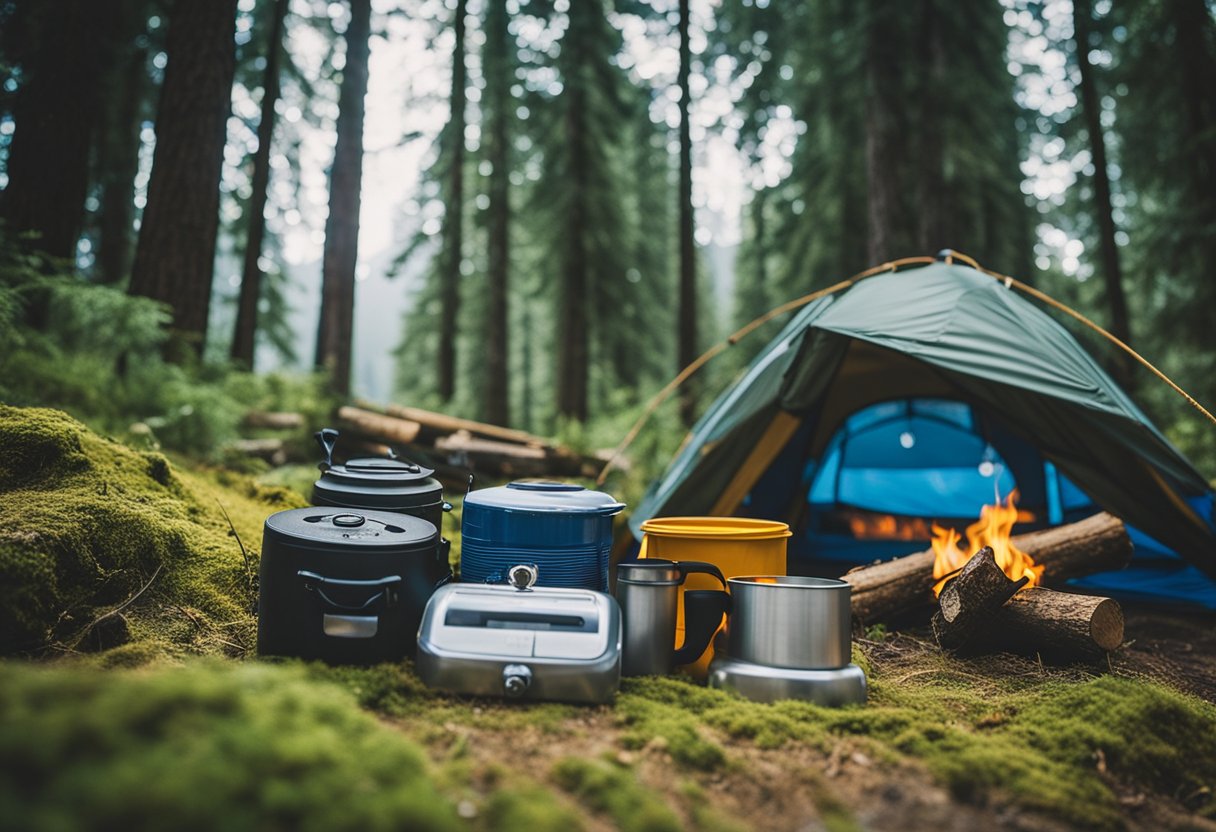
While firewood is a popular choice for camping, there are alternatives that you can consider. Here are some options:
Gas
Gas is a convenient and clean-burning option for camping. You can use a portable gas stove or grill to cook your meals, and it’s easy to control the heat. However, you will need to bring a gas canister with you, which can be heavy and take up space in your camping gear.
Propane
Propane is another popular option for camping. It’s clean-burning and easy to use, and you can find propane stoves and grills at most outdoor stores. Like gas, you will need to bring a propane canister with you.
Charcoal
Charcoal is a traditional option for camping, and it provides a smoky flavor to your food. You can use a portable charcoal grill or a Dutch oven to cook your meals. However, charcoal takes longer to heat up, and it can be messy to use. You will also need to dispose of the ashes properly.
When choosing an alternative to firewood, consider the pros and cons of each option. Gas and propane are convenient and clean-burning, but you will need to bring a canister with you. Charcoal provides a smoky flavor, but it can be messy and take longer to heat up. Ultimately, the choice depends on your personal preference and camping needs.
Safety and Regulations
When camping in Washington State, it is important to follow safety guidelines and regulations to ensure a safe and enjoyable trip. Here are some important things to keep in mind:
Campfire Safety
Campfires are a popular activity when camping, but it is important to practice campfire safety to prevent accidents and wildfires. Always make sure to build your campfire in a designated fire pit or ring, and never leave it unattended. Keep a bucket of water or shovel nearby in case of emergencies, and make sure to fully extinguish the fire before leaving or going to sleep.
Leave No Trace Principles
When camping in Washington State, it is important to follow Leave No Trace principles. This means packing out all trash and leaving the campsite in the same condition as you found it. Avoid damaging vegetation and wildlife, and respect other campers’ privacy and peace.
Burn Bans
Washington State has burn bans in place during certain times of the year to prevent wildfires. It is important to check for burn bans before starting a campfire or using a stove. Check the Washington State Department of Natural Resources website for the latest information on burn bans.
Washington State Parks
If you are camping in a Washington State Park, be sure to follow all park regulations. These may include restrictions on campfires, quiet hours, and leash laws for pets. Check the park’s website or ask a park ranger for more information.
Fire Pits
When using a fire pit, make sure to keep a safe distance from the flames and never leave it unattended. Avoid using flammable liquids to start the fire, and make sure to fully extinguish the fire before leaving or going to sleep.
By following these guidelines and regulations, you can ensure a safe and enjoyable camping trip in Washington State.
Enhancing Your Camping Experience
Camping is a great way to get away from the hustle and bustle of everyday life and enjoy the beauty of nature. One of the best parts of camping is sitting around a campfire with friends and family. Here are a few tips to enhance your camping experience:
Starting a Campfire
Starting a campfire can be a challenge, especially if the wood is damp. One way to ensure that your firewood is dry is to purchase it from a local vendor. Another way to keep your firewood dry is to store it in a dry place, like your car trunk, until you are ready to use it. When starting your fire, make sure to use dry kindling and start with a small flame.
Cooking on Your Campfire
Cooking on your campfire can be a fun and rewarding experience. Make sure to bring the right tools, like a cast iron skillet, and plenty of foil. You can cook just about anything on a campfire, from hot dogs and hamburgers to foil-wrapped potatoes and vegetables. If you are cooking over an open flame, make sure to keep an eye on your food to prevent it from burning.
Smoking Your Food
If you are a fan of smoked meats, you can easily smoke your food on a campfire. All you need is a smoker box, which can be purchased at most camping stores. Simply place your wood chips in the smoker box and place it on the fire. Once the smoke starts to rise, place your meat on the grill and let it smoke to perfection.
Choosing the Right Campground
Choosing the right campground is essential to a great camping experience. Make sure to do your research and find a campground that fits your needs. Some campgrounds have amenities like showers and electricity, while others are more primitive. Consider the location, the scenery, and the activities available when choosing your campground.
In conclusion, by starting a campfire, cooking on it, smoking your food, and choosing the right campground, you can enhance your camping experience and make memories that will last a lifetime.
Conclusion
In summary, when it comes to determining how much firewood you need for camping in Washington State, there are a few factors to consider. These include the length of your camping trip, the weather conditions, the size of your fire pit, and how often you plan to have a fire.
Based on the information provided by various sources, a good rule of thumb is to bring 8 bundles of firewood per day of camping. Each bundle typically contains 5 logs, but this can vary depending on the size of the logs.
It’s important to note that Washington State law requires wood sellers to provide a receipt that includes the type and quality of the wood. When you buy firewood, be sure to write down the seller’s phone number and the license plate number of the delivery vehicle.
When you’re camping in Washington State, it’s important to follow guidelines to prevent wildfires. Always use dedicated fire rings, keep water nearby, and call 911 if you see smoke. Make sure to pack all your food and essentials like hand sanitizer and face coverings. And remember, if you pack it in, pack it out.
By following these guidelines and considering the factors mentioned above, you can ensure that you have enough firewood for a safe and enjoyable camping trip in Washington State.
Growing up in the Pacific Northwest, we’ve always felt at home in the outdoors. We created Evergreen Adventures PNW to share our love of hiking, camping, and exploring, and to help others discover the best adventures this region has to offer. Along with trip guides and tips, we also enjoy diving into the science behind the landscapes—thanks to a background in Environmental Science—because understanding nature makes every adventure even more meaningful.