
Camping in Gifford Pinchot National Forest is an excellent way to experience the beauty of the Pacific Northwest. Nestled in the Cascade Mountains, the forest boasts over 1.3 million acres of lush forests, rivers, and mountains. With a variety of camping options available, you can choose between backcountry sites, car camping, and RV camping.
If you’re looking for a remote camping experience, dispersed camping is a great option. Campsites are located 100 feet away from lakes and streams, and you can camp outside of fragile meadows and restricted areas. If you prefer more amenities, there are several campgrounds with different amenities and facilities. Many campsites offer picnic tables, fire pits, and even showers.
Whether you’re an experienced camper or a first-timer, Gifford Pinchot National Forest has something to offer. With activities like hiking, fishing, and wildlife viewing, you’ll have plenty to keep you busy. Before you go, make sure to check current conditions and prepare for your trip accordingly. With a little planning, you’ll have an unforgettable camping experience in Gifford Pinchot National Forest.
Key Takeaways
- Gifford Pinchot National Forest offers a variety of camping options, from backcountry sites to RV camping.
- There are several campgrounds with different amenities and facilities, including picnic tables, fire pits, and showers.
- With activities like hiking, fishing, and wildlife viewing, there’s something for everyone in Gifford Pinchot National Forest.
Table of Contents
Overview of Gifford Pinchot National Forest Camping
Gifford Pinchot National Forest is a vast expanse of over 1.3 million acres of forest, wildlife habitat, watersheds, and mountains located in southwest Washington State. It includes the 110,000-acre Mount St. Helens National Volcanic Monument, established by Congress in 1982. The forest is home to a wide variety of flora and fauna, making it an ideal destination for camping and outdoor enthusiasts.
Geography and Landscape
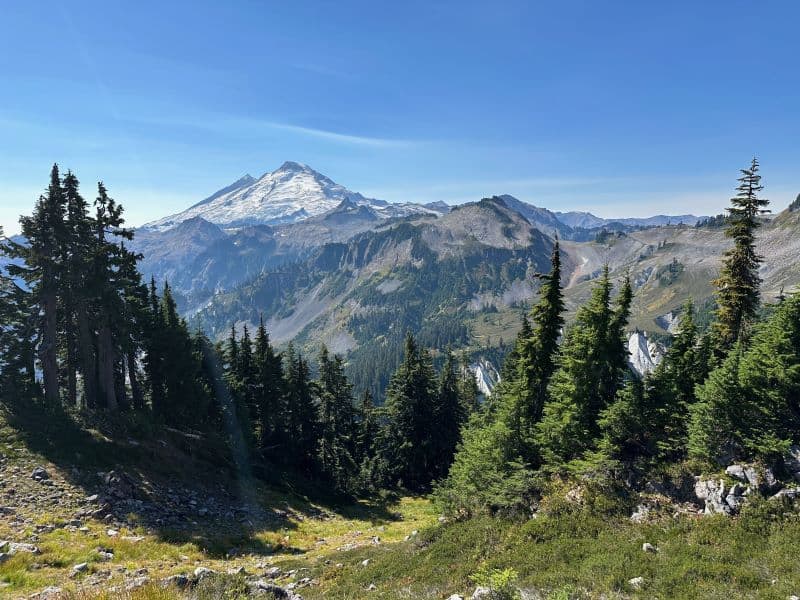
Gifford Pinchot National Forest is part of the Pacific Northwest forests and is one of the largest national forests in the western United States. The forest is dominated by old-growth forests of cedar, hemlock, and Douglas fir, which provide a habitat for a variety of wildlife species. The forest is also home to two iconic mountains, Mount St. Helens and Mt. Adams, which offer breathtaking views and exciting hiking opportunities.
Flora and Fauna
The forest is home to a diverse range of plant and animal species. The old-growth forests provide a habitat for a variety of wildlife, including black bears, elk, deer, and cougars. The forest is also home to more than 20 species of fish in 1,360 miles of streams and over 100 lakes. Three species of anadromous fish, including chinook and coho salmon, and steelhead trout, and several species of resident salmonids, including rainbow trout, kokanee salmon, brown trout, and cutthroat trout, call the forest home.
Conservation Efforts
Gifford Pinchot National Forest is committed to protecting its natural resources and habitats. The forest actively manages invasive species to protect the native flora and fauna. The forest service also works to restore habitats that have been damaged by human activities. The forest service encourages visitors to practice Leave No Trace principles to minimize their impact on the environment.
In conclusion, Gifford Pinchot National Forest is a beautiful and diverse destination for camping and outdoor activities. With its stunning landscapes, diverse flora and fauna, and commitment to conservation, it is a must-visit destination for nature lovers.
Camping in Gifford Pinchot National Forest
Campgrounds
Gifford Pinchot National Forest offers a variety of campgrounds to choose from, including Cat Creek, Horseshoe Lake, and Iron Creek. These campgrounds are situated in old growth stands of Douglas fir, Hemlock, and Cedar, providing ample space between sites, making them quite private. The campgrounds offer different amenities, such as picnic tables, fire pits, and vault toilets.
Backcountry Camping
If you prefer backcountry camping, Gifford Pinchot National Forest offers dispersed camping options. Campsites are available 100 feet away from lakes and streams, outside of fragile meadows and restricted areas, preferably on bare or mineral soil. It’s essential to leave your campsite cleaner than you found it and remove any trash, manure, and straw before leaving. Please avoid trenching.
Rental Options and Gear
If you don’t have your camping gear, you can rent camping gear from various rental options available near Gifford Pinchot National Forest. The rental options include tents, sleeping bags, and other camping gear. You can also buy camping gear from nearby stores.
Campsite Reservation Process
Gifford Pinchot National Forest offers campsites on a first-come, first-served basis. You can also make reservations for some of the campgrounds through recreation.gov. The reservation process is straightforward, and you need to follow the instructions provided on the website. You can check the availability of campsites and reserve them online. It’s essential to make reservations in advance, especially during peak seasons, to ensure availability.
In conclusion, Gifford Pinchot National Forest offers a range of camping options, including campgrounds, backcountry camping, and rental options. You can reserve campsites online through recreation.gov or get them on a first-come, first-served basis. Remember to follow the rules and regulations of the forest and leave no trace behind.
Amenities and Facilities
Basic Campsite Amenities
When camping in Gifford Pinchot National Forest, you can expect basic amenities such as picnic tables and fire rings at most campsites. Firewood is not provided, so be sure to bring your own or purchase it at a nearby location. Potable water is available at some campsites, but it’s always a good idea to bring your own drinking water just in case.
Sanitation and Waste Management
Vault toilets are provided at most campsites, but some may have flush toilets and shower facilities. Parking spurs are available at each campsite to accommodate vehicles. To help maintain the cleanliness of the forest, it’s important to properly dispose of all waste and garbage. Be sure to pack out all trash and dispose of it in a designated trash receptacle.
Overall, Gifford Pinchot National Forest provides basic amenities and facilities to ensure a comfortable camping experience while also promoting responsible waste management.
Recreational Activities
If you’re looking for an adventure in Gifford Pinchot National Forest, you won’t be disappointed. The forest offers a vast array of recreational activities for visitors of all ages. Here are some of the most popular:
Hiking and Trails
Gifford Pinchot National Forest boasts over 1,200 miles of trails, including a section of the famous Pacific Crest Trail. Whether you’re a seasoned hiker or a beginner, you’ll find a trail that suits your skill level. The Goat Rocks Wilderness, Glacier View Wilderness, and Tatoosh Wilderness are just a few of the wilderness areas that offer breathtaking views and challenging hikes.
Water Recreation
Water enthusiasts will love Gifford Pinchot National Forest’s many lakes and rivers. Takhlakh Lake Campground is a popular spot for kayaking, swimming, and fishing. The forest’s streams are also home to a variety of fish, making it a great destination for anglers.
Fishing and Hunting
Speaking of fishing, Gifford Pinchot National Forest is a paradise for anglers. Its streams are home to trout, salmon, and steelhead, among other species. Hunters will also find plenty of opportunities in the forest, with deer, elk, and bear among the game animals that can be hunted.
Winter Sports
When the snow falls, Gifford Pinchot National Forest transforms into a winter wonderland. The forest offers opportunities for skiing, snowboarding, snowshoeing, and more. The Randle area is a popular destination for winter sports enthusiasts.
With so many recreational activities to choose from, you’ll never run out of things to do in Gifford Pinchot National Forest.
Preparing for Your Trip

What to Bring
When camping at Gifford Pinchot National Forest, you should bring a tent, sleeping bag, camp stove, cooler, and food. If you plan to camp in an RV or trailer, make sure to bring a generator, water hose, and electrical cord. Don’t forget to pack appropriate clothing, a first-aid kit, and insect repellent.
Safety and Regulations
To ensure your safety and the preservation of the environment, follow all posted signs and regulations. Do not leave food out, and store it in bear-proof containers. Avoid starting fires during dry periods, and use only designated fire rings. It is also important to pack out all trash and leave no trace.
Access and Transportation
Gifford Pinchot National Forest is accessible by car, with several parking areas available for day use and overnight camping. Driving directions and maps are available on the US Forest Service website. If you plan to bring ATVs or OHVs, make sure to check the regulations and designated areas for their use. Gear rental is available in nearby towns.
Remember to check for emergency closures and weather conditions before your trip. Cancellations and refunds are available for reservations, but no-shows may result in forfeiting your deposit.
Interacting with the Environment
Wildlife Observation and Photography
Gifford Pinchot National Forest is home to a diverse range of wildlife. While observing and photographing animals can be a rewarding experience, it is important to keep a safe distance and respect their privacy. Use binoculars or a telephoto lens to capture images without disturbing the animals. Be aware of seasonal closures and restrictions to protect wildlife during sensitive times.
Leave No Trace Principles
When camping in Gifford Pinchot National Forest, it is essential to follow Leave No Trace principles. Pack out all trash, including food scraps and litter. Use established fire rings and be sure to fully extinguish fires before leaving. Avoid damaging natural features and do not disturb vegetation or wildlife. Respect other campers’ privacy by keeping noise levels low and staying within designated camping areas.
Remember to use the provided picnic tables and avoid creating new fire rings or disturbing the forest floor. Be aware of invasive species and do not transport firewood from outside the area to prevent the spread of harmful pests. By following Leave No Trace principles, you can help preserve the natural beauty of Gifford Pinchot National Forest for future generations to enjoy.
Nearby Attractions and Amenities
Mount St. Helens National Volcanic Monument
Mount St. Helens National Volcanic Monument is a must-see attraction while camping at Gifford Pinchot National Forest. Witness the awe-inspiring aftermath of the 1980 eruption and learn about the volcano’s history at the Johnston Ridge Observatory.
Surrounding Parks and Wilderness
The Gifford Pinchot National Forest is surrounded by several other parks and wilderness areas, including Mount Adams and Mount Rainier National Park. Explore the Columbia River Gorge or hike the Pacific Crest Trail.
Local Communities and Services
While camping, take advantage of the nearby communities and services. Enjoy fresh salmon at local restaurants or stock up on supplies at nearby stores. Take a break from the wilderness and visit the towns of Cougar, Randle, or Packwood.
Seasonal Information
Best Time to Visit
The best time to visit Gifford Pinchot National Forest for camping is from late spring to early fall. The forest offers a variety of camping options, including both first-come, first-served and reservation-based campgrounds. Panther Creek Campground is a popular paved camping area in the forest’s Cowlitz Valley Ranger District. The area is surrounded by maple, alder, and cedar trees, as well as Douglas firs, and is located in southwest Washington.
Climate and Weather
Gifford Pinchot National Forest has a mild climate, with average temperatures ranging from 30°F to 70°F. The forest receives an average of 100 inches of precipitation each year, with most of it falling between October and May. Summers are generally warm and dry, with occasional thunderstorms.
Seasonal Closures and Limitations
Some campgrounds in Gifford Pinchot National Forest are only open seasonally, so be sure to check ahead of time. Additionally, some areas may be closed due to inclement weather, such as snow or high winds. Brooks Trout Hatchery and the Lewis River Trail are popular attractions in the forest, but may be limited during certain times of the year. It is important to check for any seasonal closures or limitations before planning your trip.
Overall, Gifford Pinchot National Forest offers a variety of camping options throughout the year. Whether you prefer to camp in the summer or winter, the forest provides a beautiful backdrop of towering mountains and lush forests. Be sure to check for any seasonal closures or limitations before planning your trip to ensure a safe and enjoyable experience.
Frequently Asked Questions
What are the best campgrounds to stay at in Gifford Pinchot National Forest?
Gifford Pinchot National Forest offers numerous campgrounds to choose from. Some of the best campgrounds to stay at include Lower Falls, Takhlakh Lake, and Iron Creek. Each of these campgrounds has its unique features, including scenic views, access to trails and waterfalls, and proximity to lakes.
Can you recommend any lakes suitable for camping around Gifford Pinchot National Forest?
There are several lakes suitable for camping around Gifford Pinchot National Forest. Takhlakh Lake is one of the most popular, with campsites overlooking the lake. Riffe Lake and Yale Lake are also great options, with a variety of campsites and recreational activities available.
What are some popular waterfalls to visit while camping in Gifford Pinchot National Forest?
Gifford Pinchot National Forest is home to many beautiful waterfalls, including Lower Lewis River Falls, Panther Creek Falls, and Falls Creek Falls. Each waterfall offers unique views and hiking opportunities.
Is there a current fire ban affecting campers in Gifford Pinchot National Forest?
As of the current date, there are no fire bans affecting campers in Gifford Pinchot National Forest. However, visitors are always encouraged to follow fire safety guidelines and check for any current restrictions before starting a fire.
Are there designated areas for backpacking and dispersed camping in Gifford Pinchot National Forest?
Yes, there are designated areas for backpacking and dispersed camping in Gifford Pinchot National Forest. The forest offers a variety of trails for backpacking and camping, including the Pacific Crest Trail and the Indian Heaven Wilderness.
Do I need to be concerned about bears when camping in Gifford Pinchot National Forest?
Yes, visitors should always be aware of bears when camping in Gifford Pinchot National Forest. It is recommended to store food and scented items properly and carry bear spray for safety.
Growing up in the Pacific Northwest, we’ve always felt at home in the outdoors. We created Evergreen Adventures PNW to share our love of hiking, camping, and exploring, and to help others discover the best adventures this region has to offer. Along with trip guides and tips, we also enjoy diving into the science behind the landscapes—thanks to a background in Environmental Science—because understanding nature makes every adventure even more meaningful.