
When you’re planning a camping trip, one of the most important things to consider is your water supply. Water is essential for drinking, cooking, and cleaning, and it’s important to bring enough to ensure that you and your fellow campers stay hydrated and healthy throughout your trip. But how much water should you bring camping?
Understanding Water Needs The amount of water you need to bring camping depends on several factors, including the length of your trip, the number of people in your group, and the climate and terrain of your camping location. As a general rule, you should plan to bring at least one gallon of water per person per day for drinking and cooking, and an additional half gallon per person per day for cleaning and hygiene. However, if you’ll be doing a lot of strenuous activity or if you’re camping in hot or dry conditions, you may need to bring more water to stay properly hydrated.
Planning Your Water Supply When planning your water supply for a camping trip, it’s important to consider all of the factors that can affect your water needs. You should also think about where you’ll be camping and what water sources will be available to you. In some cases, you may be able to bring a portable water filter or treatment system to purify water from natural sources like streams or lakes. Whatever your plan, make sure to bring enough water to meet your needs, and consider bringing a backup supply in case of emergency.
Key Takeaways
- Bring at least one gallon of water per person per day for drinking and cooking, and an additional half gallon per person per day for cleaning and hygiene.
- Consider factors like the length of your trip, the number of people in your group, and the climate and terrain of your camping location when planning your water supply.
- Bring a backup supply of water and consider bringing a portable water filter or treatment system to purify water from natural sources.
Table of Contents
Understanding Water Needs
Hydration Basics
Staying hydrated is crucial for camping, especially when engaging in activities like hiking and backpacking. The human body is composed of 60% water, and every cell, tissue, and organ needs water to function correctly. Water helps regulate body temperature, transport nutrients, and remove waste. Dehydration can lead to fatigue, headaches, dizziness, and even heatstroke.
Factors Affecting Water Consumption
Several factors affect how much water you need to consume while camping. Activity level, weather conditions, and body size are some of the most critical factors. Hot weather and high altitudes increase water requirements, while cold weather may decrease them. Additionally, the season and the type of camping activity also play a role in determining water needs.
Calculating Water Requirements
A general guideline is to bring at least one gallon of water per person per day. However, this amount can vary based on several factors. To calculate your water requirements, consider the following:
- Activity Level: The more strenuous your activity, the more water you need. For example, if you plan to hike for several hours, you’ll need to bring more water than if you were just sitting around the campsite.
- Weather Conditions: Hot weather and high altitudes increase water requirements. In contrast, cold weather may decrease them. If you’re camping in hot weather, you may need to bring more water to stay hydrated.
- Body Size: Larger individuals generally need more water than smaller ones.
- Water Sources: Consider the availability of water sources at your campsite. If you’re camping in an area with no potable water, you’ll need to bring more water with you.
By understanding your water needs and planning accordingly, you can stay hydrated and enjoy your camping trip to the fullest.
How Much Water Should I Bring Camping?
When planning your camping trip, it’s crucial to consider your water needs. You’ll need to estimate the amount of water required for drinking, cooking, cleaning, personal hygiene, and pets.
Estimating Quantity for Drinking
The general recommendation for daily water intake for healthy adults is about 3.7 liters (or about 13 cups) for men and 2.7 liters (or about 9 cups) for women. However, these numbers can vary based on various factors including age, sex, weight, and physical activity levels. Adjustments for camping conditions should also be made.
Bring at least two gallons of water per person, per day for drinking. If you know you’ll be doing a lot of strenuous activity, such as hiking or climbing, you should increase your water intake to 2 gallons per person, per day.
Water for Cooking and Cleaning
It’s easy to forget that you need water while camping for more than just drinking, but it’s true. You’ll also need water for cooking and cleaning. Plan on bringing at least one gallon of water per person, per day for these purposes.
When it comes to cleaning dishes, consider using biodegradable soap and hot water. If you’re camping near a water source, you can also use that water for cleaning dishes. Just make sure to filter and purify it before use.
Additional Water Uses
Don’t forget about other water uses, such as personal hygiene and pets. Plan on bringing at least one gallon of water per person, per day for personal hygiene. If you’re bringing pets, plan on bringing extra water for them as well.
If you’re a coffee drinker, plan on bringing extra water for making coffee. A good rule of thumb is to bring an extra 1/2 gallon of water per person, per day for coffee.
By estimating your water needs for your camping trip, you’ll ensure that you have enough water for drinking, cooking, cleaning, personal hygiene, and pets.
Water Sources and Treatment
Identifying Water Sources
When camping, it’s essential to identify freshwater sources nearby. Look for running water or natural springs, but avoid stagnant or standing water. Check with park officials or locals for potable water sources to ensure safe consumption.
Water Purification Methods
Water purification is crucial to avoid waterborne illnesses. Boiling water for at least one minute is an effective method, but not always feasible. Water filters or purification tablets are convenient alternatives. Be sure to follow instructions carefully and use only approved products.
Consider the duration of your camping trip and the number of people in your group when deciding how much water to bring. A general rule is to bring at least one gallon of water per person per day for drinking, cooking, and basic hygiene.
Remember, water is essential for survival, and it’s crucial to stay hydrated while camping. Plan ahead and prepare for safe and adequate water consumption.
Water Storage and Transportation

When it comes to camping, water storage, and transportation are incredibly important. Whether you’re car camping or backpacking, you need to make sure you have enough water to stay hydrated throughout your trip. In this section, we’ll go over some tips for choosing the right water containers and managing weight and space.
Choosing Water Containers
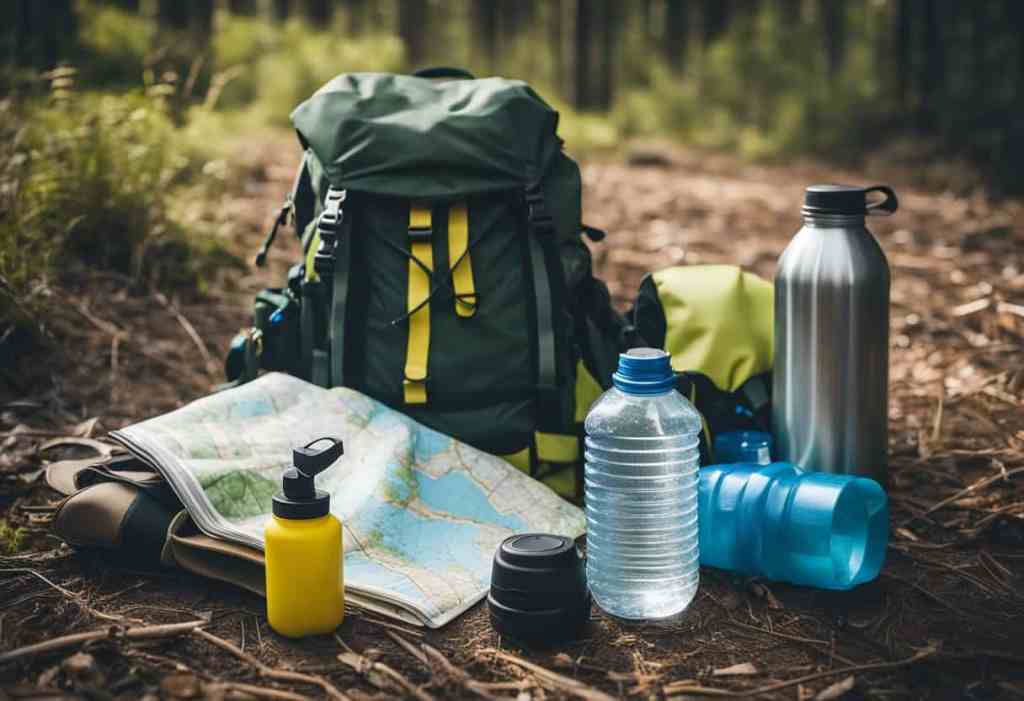
When it comes to water containers, there are a few options to consider. Water jugs are a popular choice for car camping, as they can hold a large amount of water and are easy to transport. Refillable water bottles are a great option for backpacking, as they are lightweight and take up less space. Make sure to choose a container that is durable and leak-proof to avoid any messes in your camping gear.
Managing Weight and Space
Weight and space are important factors to consider when packing for a camping trip. Water jugs can be heavy and take up a lot of space, so make sure to plan accordingly. Refillable water bottles are a great option for backpacking, as they can be easily clipped onto your backpack for easy access. Consider using collapsible water containers to save space when packing.
When planning your camping trip, make sure to factor in how much water you will need each day and plan accordingly. Always bring more water than you think you will need, as you never know when you may need extra. With these tips for water storage and transportation, you can stay hydrated and comfortable on your camping trip.
Practical Tips for Water Management
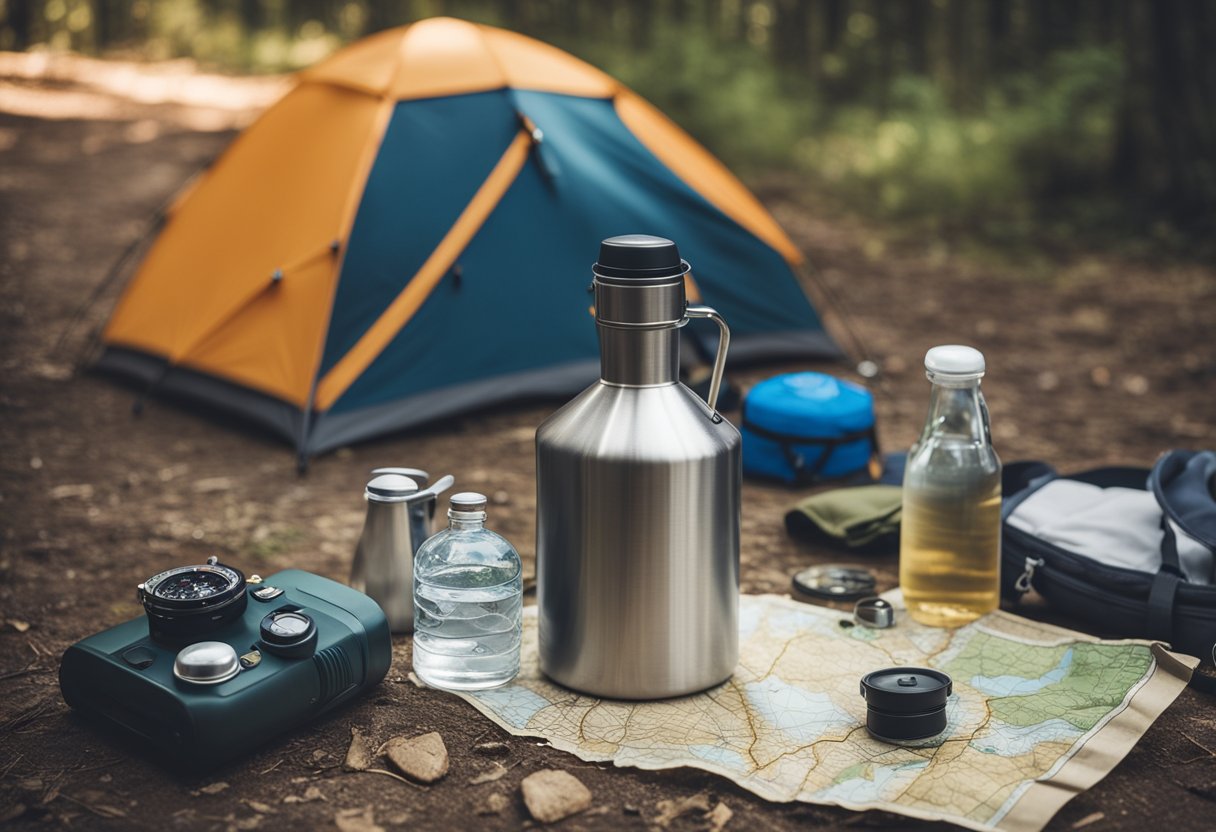
Staying Hydrated While Camping
Staying hydrated is crucial for your health and well-being while camping. Bring at least 1 gallon of water per person per day, and more if you plan on doing strenuous activities. Invest in a hydration system or water bottles to make drinking water more accessible. Avoid sugary or alcoholic beverages, as they can dehydrate you.
Efficient Water Use for Camping Chores
Water conservation is vital while camping. Use biodegradable soap and toothpaste to minimize the impact on the environment. Wash dishes in a basin to reuse water, and avoid using disposable plates and utensils. Use a camp shower or wet wipes instead of taking long showers. Plan your meals to minimize the amount of water needed for cooking.
Preparing for Emergencies
Be prepared for emergencies by bringing purification tablets or a water filter. Boiling water is also an effective way to purify it. Bring extra water in case of an emergency or unexpected delays. Keep a first aid kit and know the signs of dehydration and heat exhaustion.
Remember to pack a tent, sleeping pad, and sleeping bag to ensure a comfortable night’s sleep. Bring a camping stove and fuel for cooking. By following these practical tips for water management, you can have a safe and enjoyable camping trip while minimizing your impact on the environment.
Special Considerations
Camping with Children and Pets
When planning a camping trip with children or pets, it’s essential to bring extra water. Children have smaller bodies and require more hydration per pound than adults. Additionally, pets can become dehydrated quickly, especially in hot weather conditions. Make sure to bring enough water for everyone, including your furry friends.
Adapting to Specific Destinations
Different destinations require different amounts of water. If you’re camping in a desert or high altitude, you’ll need to bring more water than if you were camping in a forest. Research your destination and plan accordingly. Some parks and campsites may have water sources available, but it’s always best to bring your own just in case.
Seasonal and Weather Adaptations
The season and weather conditions can also impact how much water you need to bring. In hot weather, you’ll need to drink more water to stay hydrated. If you’re camping in the winter, you may need to bring extra water to prevent dehydration from dry air and increased exertion. Plan for the weather and bring extra water as needed.
Remember to pack enough water for your entire camping trip, including any plans for hiking, climbing, or other strenuous activities. A good rule of thumb is to bring at least 2 liters of water per person per day, but this can vary based on individual needs and conditions. Stay hydrated and enjoy your camping adventure!
Leaving No Trace
When camping, it is essential to leave no trace behind. This means minimizing your impact on the environment and leaving the campsite as you found it.
To achieve this, avoid using biodegradable soap and instead opt for unscented, biodegradable products. Clean dishes and utensils at least 200 feet away from water sources and dispose of wastewater properly.
Maintain personal hygiene by bringing wet wipes or a small towel and using them to clean yourself. Pack out all used wipes and dispose of them in a trash bag.
When disposing of trash, ensure that all waste is packed out, including food scraps and litter. Do not burn trash, as this can harm the environment and leave behind unsightly debris.
Remember to bury human waste at least 200 feet away from water sources and campsites. Use a small trowel to dig a hole 6-8 inches deep and cover it up when finished.
By following these simple guidelines, you can minimize your impact on the environment and ensure that future generations can enjoy the beauty of nature.
Frequently Asked Questions
What is the recommended amount of water per person per day for camping?
The recommended amount of water per person per day for camping is 2 gallons. If you plan on doing strenuous activities, such as hiking or climbing, you should increase your water intake to 2-3 gallons per person per day.
What are effective methods for carrying water while car camping?
Effective methods for carrying water while car camping include using portable water containers, hydration packs, and collapsible water bottles. You can also bring a water filtration system to refill your water containers at nearby water sources.
How can I determine the appropriate quantity of water to pack for a multi-day backpacking trip?
To determine the appropriate quantity of water to pack for a multi-day backpacking trip, consider factors such as the distance and difficulty of the hike, the availability of water sources, and the number of people in your group. Plan on carrying at least 2-3 liters of water per person per day and bring a water filtration system to refill your water containers at nearby water sources.
What are the best types of containers for storing water during a camping trip?
The best types of containers for storing water during a camping trip are those that are durable, lightweight, and easy to carry. Options include hydration packs, collapsible water bottles, and portable water containers.
How far should I set up camp from water sources to ensure safety and environmental protection?
To ensure safety and environmental protection, set up camp at least 200 feet away from water sources. This will help prevent contamination of the water source and minimize the impact on the surrounding environment.
What are some reliable water purification methods for camping in the wild?
Reliable water purification methods for camping in the wild include boiling water for at least one minute, using water filtration systems, and using chemical water treatment tablets. Be sure to follow the manufacturer’s instructions for any water purification method you choose to use.
Growing up in the Pacific Northwest, we’ve always felt at home in the outdoors. We created Evergreen Adventures PNW to share our love of hiking, camping, and exploring, and to help others discover the best adventures this region has to offer. Along with trip guides and tips, we also enjoy diving into the science behind the landscapes—thanks to a background in Environmental Science—because understanding nature makes every adventure even more meaningful.