
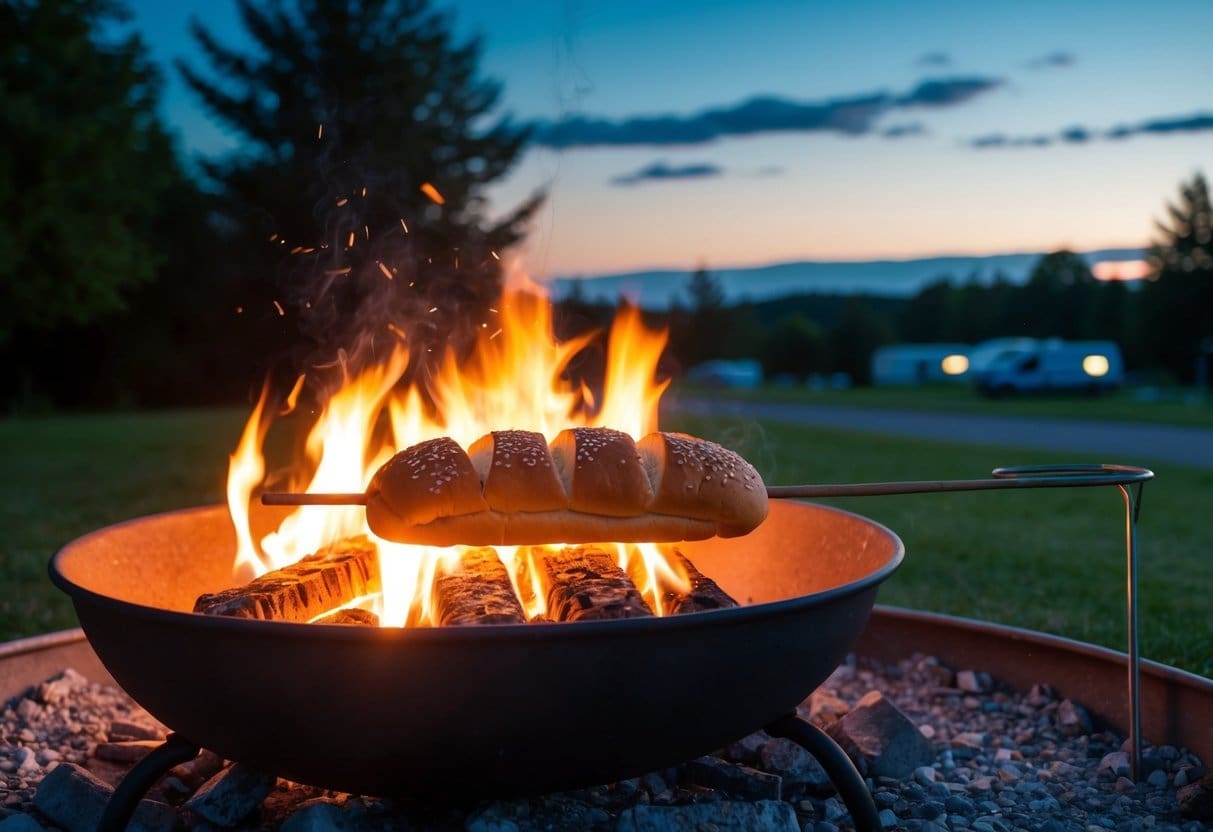
Camping can be an exciting adventure, offering a chance to reconnect with nature. Yet, cooking at a campsite might seem like a daunting task. These campground cooking hacks will make your experience more manageable and enjoyable.
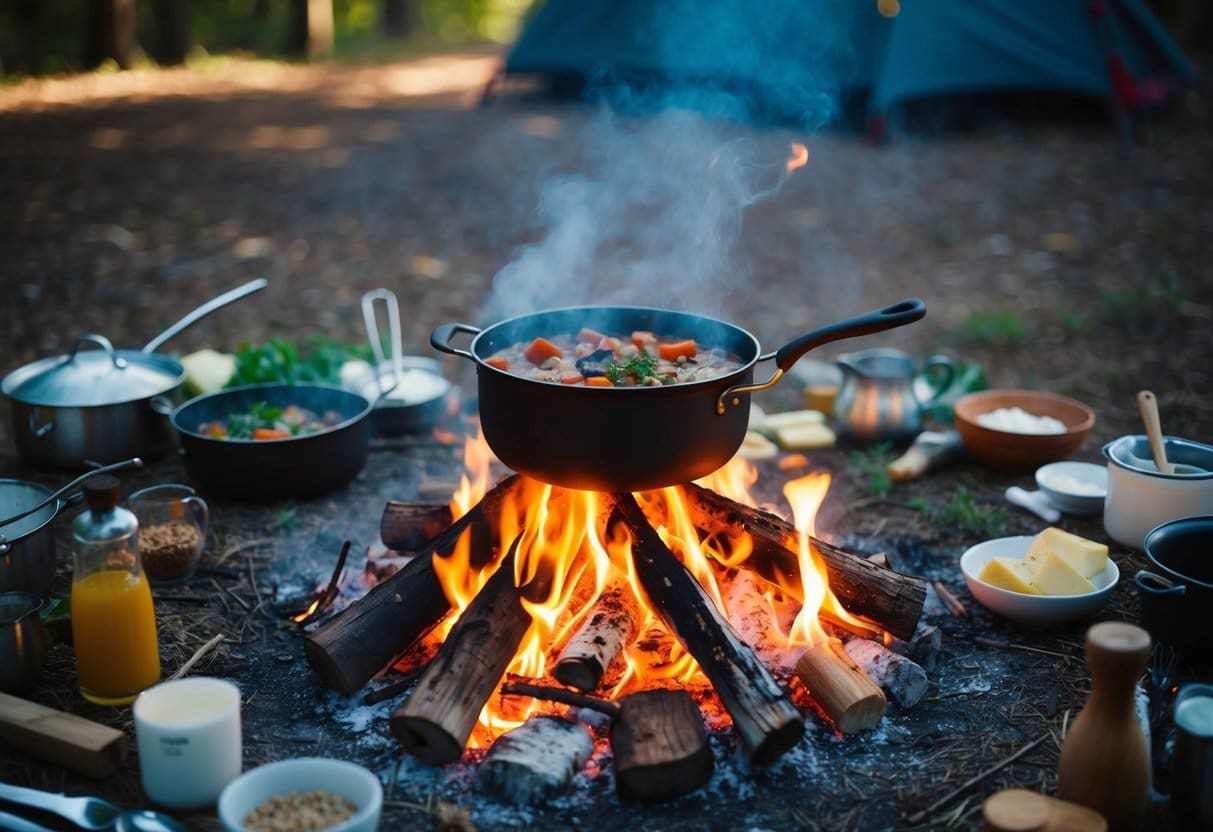
You’ll feel like a pro in no time by learning some clever tricks for preparing meals outside. The right tips can help ensure that your campsite meals are tasty and stress-free.
Whether you’re a seasoned camper or a first-timer, mastering a few simple cooking strategies can make all the difference.
Table of Contents
Pre-Make Pancake Mix for Easy Campground Breakfasts
Want pancakes without the hassle? Preparing pancake mix at home and storing it in a bottle is a clever hack for your next camping trip. This way, you avoid mess and save time.
Start by mixing your favorite pancake dry ingredients. An empty squeeze bottle makes pouring easy. Planning to camp for a few days? Simply pack several bottles to have enough batter each morning.
Add any wet ingredients, like milk or eggs, to the dry mix and give it a good shake before pouring it onto a hot pan. Try adding tonic water—a simple trick that can make your pancakes fluffier!
This method drastically reduces cleanup time. You won’t have to deal with messy bowls, whisks, or spilled batter. Just enjoy your pancakes straight from the bottle. And the best part? You’ll have more time for fun and exploring.
Whether it’s breakfast in the mountains or by the lake, pre-mixed pancake batter is a handy tip to keep everyone happy and full. Happy camping, and enjoy those pancakes!
Light Your Campfire Easily with Pine Cones
Ever noticed all those pine cones scattered around your campsite? They can be more useful than you think! Using pine cones as fire starters is a neat trick you’ll want to try. They are not only natural but also really effective at getting your campfire going.
Why use pine cones? They light up quickly and burn well. Plus, they’re great kindling for the rest of your firewood. If you’re in a pine-rich area, it’s like having a free supply right at your feet. No need for those chemically-treated fire starters anymore.
Gather some pine cones and pair them with some dry kindling or wood. Arrange them at the base of your fire setup. Light the pine cones first, and watch them catch fire with ease. This method works great for outdoor campfires, fireplaces, or even indoor camp stoves.
To make them even more effective, consider dipping them in wax. This not only makes them burn longer but also prevents moisture from ruining their effectiveness. Add some scented oil to the wax for a more pleasant aroma.
Packing a few pre-waxed pine cones can be a fun project before your trip. Plus, kids love helping with this as long as it’s supervised and safe. It’s a creative way to make sure you have a reliable fire starter on hand.
Enjoy Mess-Free Meals with Foil Packets
Foil packet meals are a lifesaver when cooking at a campsite. They let you enjoy delicious meals without a mountain of dishes to wash after. Simply wrap your food in aluminum foil and place it over a grill or campfire. Once you’re done, toss the foil in the trash – no pots or pans to clean!
One great thing about foil packets is their versatility. You can prepare everything from savory meats to fresh veggies.
Try mixing zucchini, squash, olive oil, salt, and pepper for a tasty side. Or, whip up a shrimp boil packet with shrimp, corn, potatoes, sausage, and spices. You’ll impress your fellow campers with minimal effort.
Do you love trying new recipes? There are countless foil packet recipes to explore. Whether you’re craving Honey Dijon Chicken or a veggie medley, you’ll find something that suits your taste.
Foil packets allow you to experiment with different ingredients and flavors without the hassle of a complicated cleanup.
Foil packets are also perfect for make-ahead meals. Prep your packets at home and store them in a cooler until you’re ready to cook. This means more time enjoying the great outdoors and less time slaving over a campfire. Enjoy hearty meals with ease while you soak up your camping experience.
DIY Coffee Bags for Fresh Brews at the Campsite
Do you love a good cup of coffee while camping? Making your own coffee bags is an easy way to enjoy a fresh brew without any gadgets. Sounds good, right? Picture this: you’re waking up at your campsite, and you want that morning pick-me-up without much fuss.
Start by laying out a coffee filter on a flat surface or in your hand. Measure about 1-2 tablespoons of finely ground coffee per cup of water. Once you have the right amount, simply gather the filter at the top and tie it off securely with a piece of string.
Now you have a homemade coffee bag ready for action! When your water is hot, place the coffee bag in your mug just like you’d use a tea bag. Let it steep for a few minutes until it reaches your desired strength. Easy peasy, right?
One nice thing about these DIY coffee bags is how customizable they are. Want a stronger flavor? Add more coffee grounds. Prefer something lighter? Use less.
Plus, they save space and weight since you don’t need to bring a coffee maker.
If you’re feeling extra creative, consider adding spices like cinnamon or nutmeg to your coffee bag for an added kick. It’s a simple way to spice things up, literally!
These coffee bags provide a straightforward solution to enjoying coffee on the go. So next time you’re packing for a trip, why not give them a try? Your future camping trips might just get a whole lot more caffeinated!
Make Delicious Campfire Pies with a Pie Iron
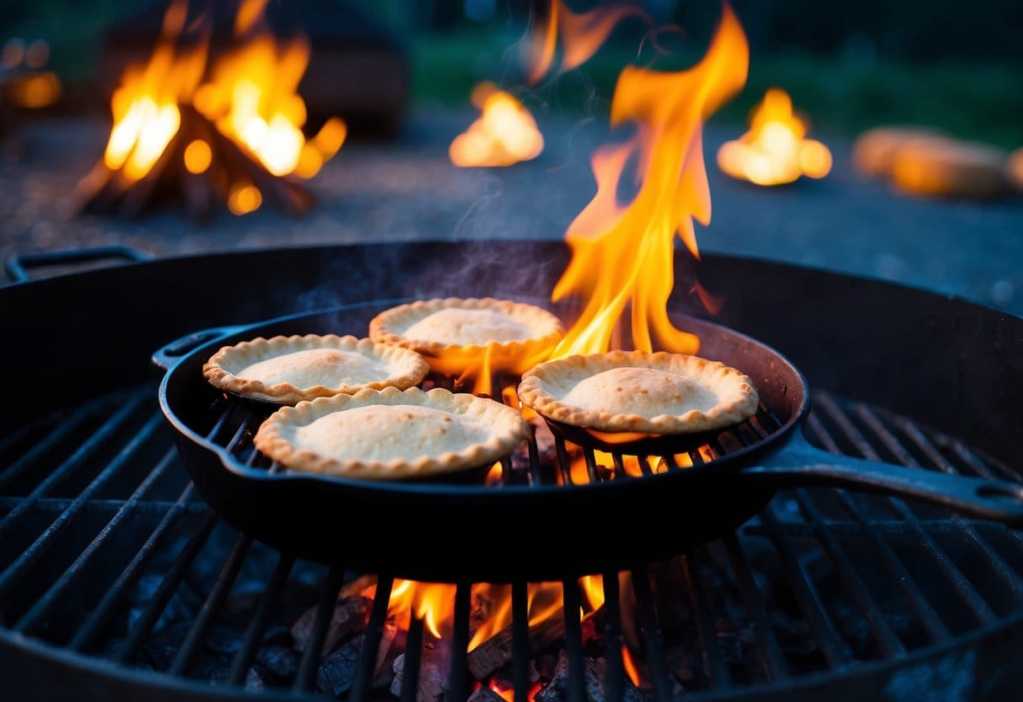
Ever tried making pies over a campfire? It’s a delicious adventure. A pie iron is your best buddy here. This handy tool presses and cooks your food right over the flames. You can use it to make all sorts of tasty treats.
You can whip up a classic mountain pie with just some pre-made pie filling and bread. Cherry pies, apple pies, and even savory pies like pizza mountain pies are popular options. Simply stuff your ingredients between two pieces of bread, close the pie iron, and let it cook over the campfire until it’s golden brown.
Preparation is key to tasty camp pies. Make sure your pie iron is well-seasoned. Start by rinsing it with water (no soap needed), drying it thoroughly, and coating it with a thin layer of shortening.
Lay out your coals or low flames evenly over the campfire. This helps to cook your pies uniformly, avoiding burning one side while the other remains raw. While cooking, flip the pie iron occasionally to ensure even cooking.
Experiment with different ingredients. You can go sweet with pie fillings or savory with ingredients like cheese and meats. Try making a campfire quesadilla or a grilled cheese sandwich. The options are endless.
Having a pie iron in your camping gear opens up a world of campfire cooking possibilities. It’s a simple addition that can make your meals much more exciting. Happy cooking!
Create DIY Spice Kits in Tic-Tac Boxes for Camping
Have you ever wished for a simple way to bring spices on your camping trips? You know, something that doesn’t involve bulky containers or messy spills. Well, look no further than Tic-Tac boxes! These little wonders are perfect for a DIY spice kit.
Tic-Tac boxes are compact and lightweight. They can easily fit into your camping gear without taking up much space. Plus, they’re super easy to use. Just pop the top and sprinkle away. Sounds convenient, right?
One great tip is to use a label or marker to note the spice inside each box. You don’t want to accidentally sprinkle cinnamon when you thought it was cumin! It keeps your seasoning on point during those campfire meals.
Before you start filling those boxes, consider what spices you’ll need. Think about your favorite camping recipes or meals. Are you a fan of spicy chili or do you prefer flavorful grilled veggies? Pack what you’ll use!
After your trip, it’s important to clean them thoroughly. Since these boxes aren’t airtight, using them for your next adventure is best done with freshly cleaned ones to keep everything fresh. A good wash with warm soapy water should do the trick.
So, next time you’re preparing for a camping adventure, grab a few Tic-Tac boxes, and make your own portable spice kit. You’ll impress your campmates with not just your cooking skills, but also your clever packing ideas!
Mess-Free S’mores: Use a Waffle Cone Twist

Have you ever wanted to enjoy s’mores without the mess? Try making s’mores in a waffle cone. It’s an easy and fun twist on the classic treat.
Grab a few waffle cones and fill them with mini marshmallows and chocolate chips. Once filled, wrap each cone in foil.
If you’re camping, hold them over the campfire for 7 to 10 minutes. If you’re at home, pop them in the oven at 350°F for about 3 minutes. Either way, they’ll be perfectly gooey!
Be careful when unwrapping the foil—it’s hot and can release steam. Let them cool for a moment before diving in. You might want to have a spoon ready for scooping out all the melted goodness!
Mix things up by adding ingredients like peanut butter, bananas, or crushed graham crackers to your cone. Everyone can create their own perfect s’mores combination. It’s a fun activity for family and friends.
Cooking waffle cone s’mores is mess-free, and kids can help with filling the cones. Whether by the campfire or in your kitchen, these tasty treats are bound to bring smiles. Ready to give it a try? Enjoy this new way of making s’mores!
How to Make Stick Bread Over a Campfire

Stick bread is a fun and simple campfire treat that you can easily make with just a few ingredients. It’s a tradition in many countries, like the German “Stockbrot” or stick bread. Plus, it’s a great way to get everyone involved in the cooking process, especially kids!
First, you’ll need to prepare your dough ahead of time. You can make a basic bread dough using flour, water, salt, and a little butter or oil. Mix the ingredients until you get a smooth dough, then let it rise before packing it in a sealable bag or container for your trip.
When you’re ready to cook, find a sturdy stick for each person. The stick should be about 3/4″ to 1″ thick and cleaned of any leaves or twigs. Roll the dough into long, thin strands and wrap them around the end of the stick. Make sure the dough is securely wrapped, so it doesn’t fall off into the fire.
Hold the stick over the campfire, where the heat is steady and not too fierce. Rotate the stick slowly to cook the dough evenly. This usually takes about 5 to 10 minutes, so be patient and keep an eye on it to avoid burning.
Once the stick bread is golden and cooked through, it’s ready to eat. You can enjoy it plain or spread some butter or jam on it for extra flavor. Stick bread is perfect for sharing stories and laughs around the campfire.
Brew Rich, Flavorful Coffee with a Percolator
Don’t you just love waking up to the smell of freshly brewed coffee at your campsite? With a percolator, you can enjoy a rich, full-bodied cup that feels perfect for the great outdoors.
Start by choosing a reliable camping percolator. These handy devices are basically pots with a few extra features. Essential parts include a lid, a pot for water, and a percolator tube.
Wondering how much coffee to use? It’s simple! Use one scoop of coarsely ground coffee for each cup of water. For stronger coffee, add an extra scoop. Keep in mind, many pots can hold around 72 ounces of water, which means about 9 standard 8-ounce cups of coffee.
Don’t forget about the heat source. Place your percolator on a campfire or stove. Make sure it’s stable so it doesn’t tip over. You’re aiming for a gentle, rolling bubble, not a full boil, so adjust the heat as needed.
Time your brewing. It usually takes about 5 to 10 minutes to percolate coffee, but you can check the color of the brew by peeking through the glass knob on top. The longer it percolates, the stronger it gets.
Always measure your water using the cups you’ll drink from. Add a little extra water to account for what evaporates during brewing. This ensures you have enough for everyone and keeps flavor consistent.
Clean your percolator after each use. Get rid of leftover grounds and give everything a quick rinse. This keeps your coffee tasting fresh and the percolator working smoothly for future adventures.
Campfire Cooking: What Every Camper Should Know
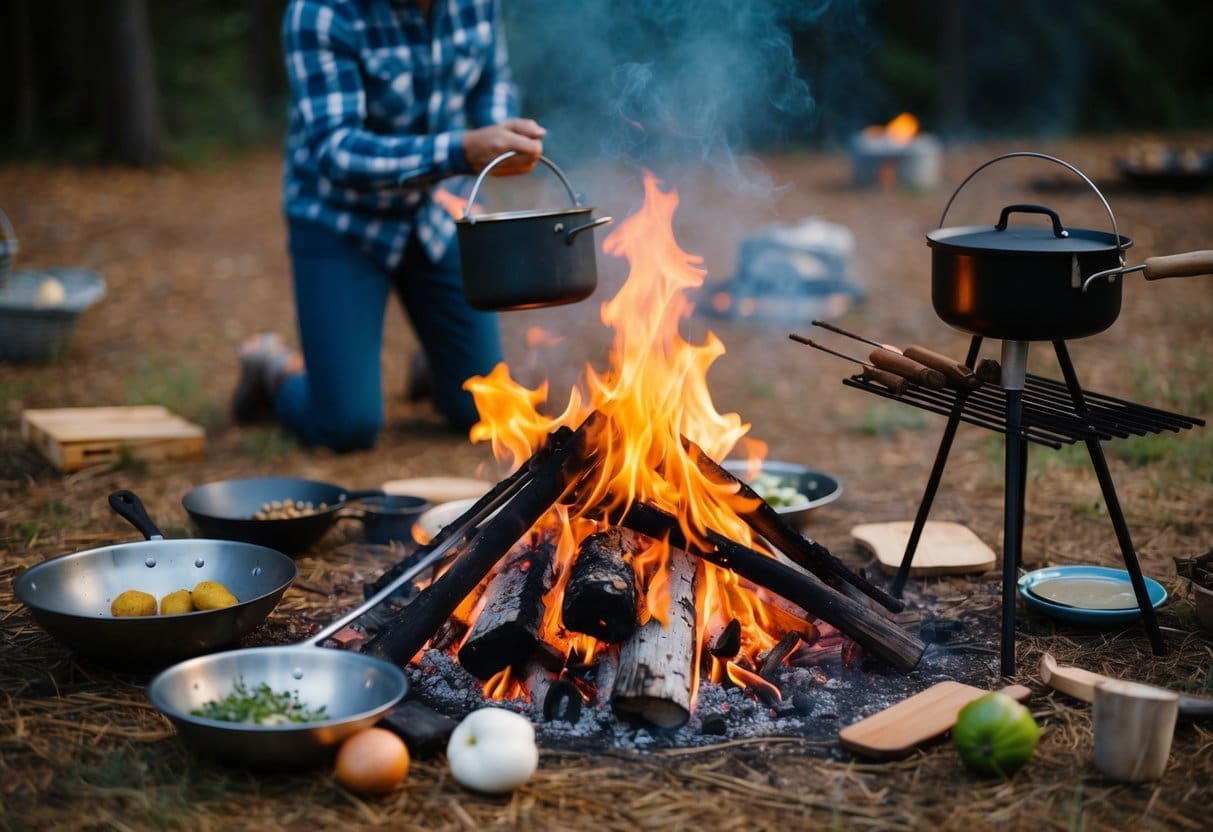
Cooking over a campfire can bring people together and create delicious meals. Whether you’re enjoying the outdoors alone or with family and friends, understanding campfire cooking will make your experience exciting and tasty.
Why Cooking at a Campground is Worth It
When you cook at a campground, you gain more than just food. Fresh air and scenic views make meals more enjoyable. Campfire cooking often brings some of the best memories, as everyone gathers around the fire.
Cooking outside also turns meal prep into a fun activity. Ever tried toasting marshmallows for s’mores around a fire? It’s more than just dessert; it’s an experience. Plus, using fewer dishes means less cleanup compared to cooking at home.
Popular Campfire Cooking Techniques to Try
There are several methods for cooking on a campfire, each adding its own flavor. One classic method is grilling on a grate over the fire. This is perfect for burgers, steaks, or even vegetables.
Another popular technique is foil packet cooking. Wrap your ingredients in aluminum foil and place them in the hot embers. It’s like nature’s oven! Try it for a mix of chicken, potatoes, and veggies.
Lastly, Dutch oven cooking is beloved for making stews and soups. These heavy pots retain heat well, evenly cooking your meal. Don’t forget about sticks and skewers for roasting hot dogs and marshmallows. So pack your favorite ingredients and get ready to whip up something delicious!
Safety Tips and Efficient Cooking for Campers
Cooking at a campground is fun, but you need to keep safety and efficiency in mind. Make sure to watch out for fire hazards and use the right equipment to make your meals. You can ensure everything goes smoothly with a few simple tips.
Essential Precautions for Campfire Cooking Safety
Safety is key when cooking outdoors. First, always look for fire warnings in your area. A sudden blaze can ruin your trip and put people in danger. Have a bucket of water or sand ready near your cooking area. This isn’t just smart; it’s crucial.
Keep your cooking space organized. Spread out tools and ingredients so nothing gets knocked into the flame. Ensure that kids and pets are far from the cooking zone. A simple stumble could turn into a big problem.
Remember, food safety matters too. Keep raw foods separate from cooked items. Use a cooler to store perishables. If ice melts, use more or replace it. This helps keep food fresh, preventing any chance of spoilage.
The Best Tools and Equipment for Campground Cooking
The right gear can make a huge difference. Think about the meals you plan to make. A portable stove is excellent for precise cooking, while cast iron skillets are perfect for an open fire. Tools like pie irons, roasting sticks, and portable grills are also handy.
When packing, opt for lightweight and durable options. Items like microwave-safe, freezer-friendly kits are excellent. Check if they’re dishwasher-safe for easy clean-up. Make sure everything fits in your camping setup, too.
Consider how you’ll clean up after cooking. A small container with soap and a sponge will do the trick. A compact or foldable basin for washing dishes could be a lifesaver. Efficient gear choices will save you time and hassle.
Additional References for Further Reading
National Park Service Fire Safety Tips
Learn essential fire safety tips from the National Park Service to ensure safe and efficient campfire cooking.
https://www.nps.gov/articles/campfiresafety.htm
REI Camping Tips and Recipes
Explore a wide range of camping tips, cooking advice, and meal ideas from the experts at REI.
https://www.rei.com/learn
The Art of Manliness: A Guide to Camping Coffee
Find out how to make the perfect camp coffee with this practical guide.
https://www.artofmanliness.com/articles/how-to-make-camp-coffee
KOA Family Camping Recipes
Check out fun and family-friendly camping recipes, including s’mores and more, from KOA.
https://koa.com/blog/category/recipes/
CoffeeGeek Camping Coffee Techniques
Discover different methods for brewing coffee while camping, explained by CoffeeGeek.
https://coffeegeek.com/guides/camping-coffee
Camping for Foodies Recipe Guide
Get inspired with recipes and food hacks perfect for your next camping trip.
https://www.campingforfoodies.com
Frequently Asked Questions
Planning your campground cooking can be exciting when you know the best ways to organize your gear, prepare nutritious meals, and tackle weather challenges. Infusing creative touches into classic recipes can also heighten enjoyment, as can discovering innovative cooking tools to ease the process.
What are some efficient methods to organize my cooking gear for a camping trip?
Staying organized while camping can make cooking less stressful. Use clear bins or labeled bags for storing utensils, spices, and dry goods. Packing a checklist helps ensure you don’t forget anything essential. Keeping all your kitchen items together in one place can save time, making it easier to find what you need.
How can I ensure my campfire meals are both easy to prepare and nutritious?
Opting for simple yet nutritious meals can be a win-win on the trail. Pre-chop vegetables at home to cut down prep time. Foil packet meals are perfect for retaining nutrients and flavors, plus they make cleanup a breeze. Including a balance of proteins, carbs, and healthy fats in each meal can sustain energy levels throughout your adventure.
Can you provide tips for cooking in windy or rainy weather while camping?
Weather doesn’t have to spoil your culinary fun! Setting up a windbreak or cooking on the downwind side of your tent can protect your fire. Using charcoal can give you better control over the heat compared to open flames. Additionally, having a tarp or awning offers shelter from rain, keeping your cooking space dry.
What are some creative ways to spice up classic campfire recipes?
Give your classic campfire meals a twist by adding new flavors. Try using different spices or herbs to experiment with taste. Grilled campfire pies with a pie iron can turn ordinary sandwiches into delightful treats. Don’t forget to bring toppings like cheese or sauces to add variety and excitement to your meals.
How do I manage food safety and storage when at a campsite?
Proper food storage is key to staying safe while enjoying the outdoors. Use a cooler with ice packs to keep perishable foods fresh. Store items in airtight containers to prevent contamination and attract fewer insects. Keeping raw and cooked foods separate is crucial in avoiding cross-contamination.
What innovative tools or cookware could simplify the camp cooking process?
Packing the right tools can make cooking outdoors much easier. Consider using compact, multi-purpose cookware like a Dutch oven or collapsible bowls.
Pie irons are great for making quick, tasty meals.
Coffee bags provide an easy way to enjoy a fresh brew without bulky equipment, lending convenience to your camp kitchen experience.

Growing up in the Pacific Northwest, we’ve always felt at home in the outdoors. We created Evergreen Adventures PNW to share our love of hiking, camping, and exploring, and to help others discover the best adventures this region has to offer. Along with trip guides and tips, we also enjoy diving into the science behind the landscapes—thanks to a background in Environmental Science—because understanding nature makes every adventure even more meaningful.