
If you’re spending time in nature and come across a tree with a unique appearance, it could be a quaking aspen. These trees are native to North America and are known for their smooth white bark and fluttering leaves.
But how can you be sure you’ve identified a quaking aspen correctly? In this article, we’ll go over the key features to look for when identifying a quaking aspen tree.

One of the most distinguishing characteristics of a quaking aspen is its bark. The smooth white bark is marked by black scars where lower branches have naturally self-pruned.
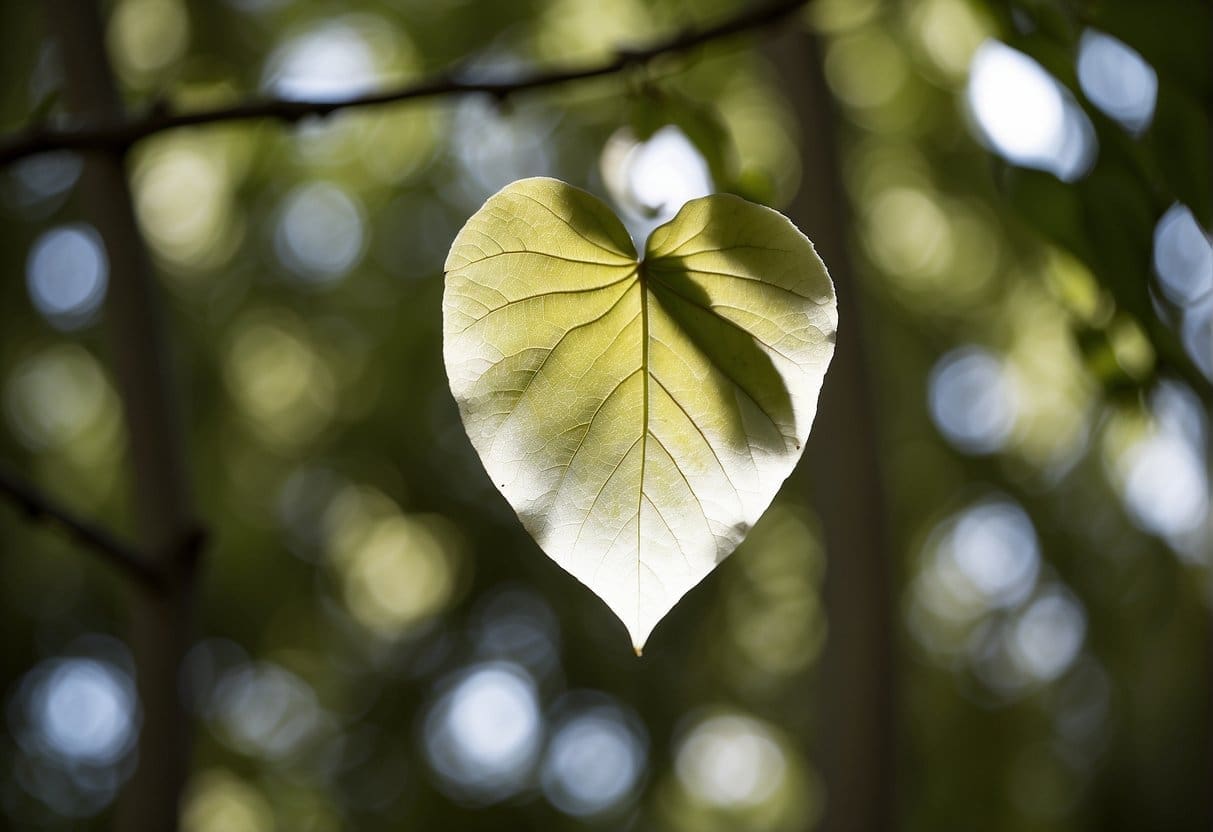
Another feature to look for is the shape of the leaves. Quaking aspen leaves are somewhat heart-shaped with finely saw-toothed margins and range in size from 1.25 to 3″ (3 to 8 cm) long. The leaves attach to branches via a long and flattened petiole, causing even the slightest breeze to make them flutter.
Now that you know some of the key features to look for when identifying quaking aspen, let’s explore the topic further.
In the following sections, we’ll explore the quaking movement, habitat and range, reproduction and growth, seasonal changes, wildlife interactions, conservation and care, and cultural and commercial significance of these unique trees.
Key Takeaways
- Quaking aspens are native to North America and are known for their smooth white bark and fluttering leaves.
- To identify quaking aspen, look for its smooth white bark and somewhat heart-shaped leaves with finely saw-toothed margins.
- In addition to identifying quaking aspen, we’ll also explore topics such as the quaking movement, habitat and range, reproduction and growth, seasonal changes, wildlife interactions, conservation and care, and cultural and commercial significance of these trees.
Table of Contents
Key Features for Quaking Aspen Identification

If you’re looking to identify a Quaking Aspen tree, there are a few key features to look out for. Quaking Aspens are a species of tree native to North America known for their distinctive leaves and white bark. Here are some tips to help you identify Quaking Aspen trees.
By the Leaves
One of the most distinctive features of Quaking Aspen leaves is their shape. They are simple leaves, meaning they are not divided into smaller leaflets, and have a rounded or triangular shape.
The base of the leaf is nearly flat and curves at the ends, tapering to an extended tip. The leaves are dark green on top, with pronounced pale veins and visible capillary veins between the axillary veins. In the wind, they have a distinctive flutter.
In the fall, Quaking Aspen leaves turn a beautiful golden color before falling off the tree. The leaf margin is serrated, although it can be difficult to see without close examination.
By the Bark
Its white bark is one of the Quaking Aspen trees’ most distinctive features. The bark is smooth and white, with black markings that resemble eyes or diamonds. The bark is thin and can be easily damaged, so be careful when examining it.
By the Stems and Twigs
The stems and twigs of Quaking Aspen trees are thin and flattened, making them easy to distinguish from other tree species. The buds of Quaking Aspen trees are small and brown, with a distinctive conical shape. The twigs are smooth and green in the summer, turning brown in the fall.
The Science Behind the Quaking Aspen’s Unique Movement
Have you ever seen a quaking aspen tree? If so, you may have noticed that its leaves tremble and shake even in the slightest breeze. This movement is what gives the tree its name, and it’s a unique characteristic that sets it apart from other trees.
Role of the Petiole
The design of the aspen tree’s leaves causes the quaking movement. Each leaf is attached to the branch by a long, flattened stem called a petiole. The petiole acts as a lever, allowing the leaf to move back and forth in the wind.
The Sound of Quaking
The movement of the leaves creates a distinctive sound that can be heard from a distance. It’s a soft rustling sound that adds to the charm of the tree. The sound is created by the friction between the leaves as they rub against each other in the wind.
If you’re trying to identify a quaking aspen tree, listen for the sound it makes. If you hear a soft rustling sound, you may be near one.
Exploring the Habitat and Geographic Range of Quaking Aspens

If you’re looking to identify a quaking aspen, it’s important to understand its natural habitat and range. Quaking aspens are native to North America and can be found across a wide range of latitudes and longitudes.
Natural Distribution
Quaking aspens have the widest distribution of any native tree species in North America. Their range extends from Newfoundland and Labrador west across Canada along the northern limit of trees to northwestern Alaska and southeast to the mountains of Utah and Colorado.
They can be found at elevations from sea level on both coasts to 3,505 meters (11,500′) in northern Colorado.
Preferred Soil Conditions
Quaking aspens thrive in well-drained, moist, but not waterlogged soils. They prefer slightly acidic soils with a pH between 5 and 7.
The trees can grow in a variety of soil types, including sandy, loamy, and clay soils. However, they do not do well in compacted soils or too alkaline soils.
Keep an eye out for their distinctive smooth white bark marked by black scars where lower branches are naturally self-pruned and somewhat heart-shaped leaves with finely saw-toothed margins. These trees are also known as mountain aspen or populus tremuloides. They are an important food source and nesting habitat for a variety of animals, including deer, moose, elk, and ruffed grouse. People also use quaking aspens for fuel and to make paper, particle board, furniture, and hamster bedding.
How Quaking Aspens Reproduce and Grow: Insights into Their Lifecycle

Quaking aspens can reproduce through seeds and cloning. Let’s examine each of these methods in more detail.
Seeds and Cloning
Quaking aspens produce small flowers called catkins in early spring before the leaves grow on the trees. These catkins are 1-2 inches long and produce seeds that can be used for reproduction.
However, cloning is the most common and successful form of reproduction for quaking aspens. Cloning occurs through the growth of new shoots or suckers from the tree’s root system.
One of the most famous examples of quaking aspen cloning is Pando, a grove of genetically identical trees in Utah considered one of Earth’s largest and oldest organisms. Pando is estimated to be over 80,000 years old and covers an area of 106 acres.
Growth Patterns
Quaking aspens are fast-growing and short-lived trees that can reach up to 120 feet in height and 54 inches in diameter. They grow best in moderately rich soil and can benefit from fertilization with a complete fertilizer in early spring.
Quaking aspens have a unique growth pattern, characterized by their fluttering or trembling leaves that give the tree a wonderful sensory dimension of movement and light in the landscape.
In terms of growth, quaking aspens have two main stages: the sapling and pole stages, and maturity.
During the sapling and pole stages, quaking aspens grow rapidly and can reach heights of up to 20 feet in just a few years. In maturity, quaking aspens continue to grow but at a slower rate. They can live for up to 150 years, but many die much sooner due to disease, insect infestations, or other environmental factors.
Seasonal Variations in Quaking Aspen: What to Expect Throughout the Year

Quaking aspens are known for their striking seasonal changes. This section will explore the changes that occur during spring and fall.
Spring Awakening
The quaking aspen comes to life in May and June with its catkins and flowers. The catkins are long, cylindrical clusters of small flowers that hang from the branches.
These catkins are bright red and can add a pop of color to your garden. The small, green flowers add to the overall beauty of the tree.
The leaves of the quaking aspen are bright green in early spring. They’re triangular in shape, with a flat base and pointed tip.
The leaves are also finely serrated, which adds to their unique appearance. As the weather warms up, the leaves will “quake” or tremble in the wind, where the tree gets its name.
Autumn Transformation
In the fall, the quaking aspen transforms into a golden wonderland. The leaves turn bright gold or yellow, adding a warm glow to the landscape.
The golden aspen leaves are a sight to behold, and they make the tree a popular choice for fall foliage.
As the leaves start to change color, they also start to fall off the tree. This can create a beautiful carpet of leaves on the ground, which can be a fun place to play for kids and adults alike.
The bark of the quaking aspen also changes during the fall. It becomes more textured and rugged, which adds to the tree’s overall beauty.
Wildlife and Quaking Aspen: A Dynamic Ecosystem

As a Food Source
Quaking aspen plays a significant role in the ecosystem as a food source for many animals. Deer, elk, and moose are known to consume the tree’s leaves and bark.
The leaves of the quaking aspen are rich in protein and minerals, making them an essential part of the diet of these herbivores. In fact, quaking aspen is often referred to as the “candy store of the forest” due to its high nutritional value.
Impact of Disease and Pests
While quaking aspen is a valuable food source for many animals, it is also susceptible to disease and pests. The pocket gopher, which feeds on the tree’s roots, is one of the most significant threats to it.
However, the tree’s belowground root system is resistant to almost all other factors that could destroy it. Quaking aspen clones are virtually impossible to kill, although individual stems can be destroyed by humans, wildlife, and disease.
The tree’s smooth, white bark is marked by black scars where lower branches are naturally self-pruned. The quaking aspen leaves are somewhat heart-shaped, with finely saw-toothed margins, and range in size from 1.25 to 3″ (3 to 8 cm) long.
Conserving Quaking Aspens: Best Practices for Tree Care and Maintenance
If you’re considering planting a quaking aspen tree in your garden, knowing how to care for it is important. Quaking aspen trees are generally hardy and easy to care for, but they do require some special attention to thrive.
Protecting Against Fire and Damage
One of the biggest threats to quaking aspen trees is fire. If you live in an area prone to wildfires, you must protect your trees.
You can do this by clearing away any dead or dry vegetation around the tree, creating a firebreak to prevent the spread of flames. Additionally, you can prune the tree’s lower branches to prevent fires from climbing up the trunk.
Another threat to quaking aspen trees is animal damage. Deer and elk can cause significant damage to the tree’s bark, leading to disease and death.
To prevent this, you can wrap the base of the tree with wire mesh or plastic to protect it from animal damage.
Ideal Conditions for Planting
Quaking aspen trees prefer cool, moist climates and well-drained soil. They do best in hardiness zones 1 through 7, where they can receive plenty of sunlight and humidity.
When planting a quaking aspen tree, choose a location that receives plenty of sunlight and has well-drained soil. Water the tree regularly, especially during hot, dry weather.
To promote healthy growth, you can fertilize your quaking aspen tree with a complete fertilizer in early spring. Follow the instructions on the fertilizer package carefully to ensure that you apply the correct amount for your tree’s size.
The Cultural and Economic Value of Quaking Aspens
Symbolism and Native Use
The quaking aspen (Populus tremuloides) has a rich cultural significance in Native American traditions. It is considered a symbol of purity, peace, and understanding.
Many tribes used it in their rituals and ceremonies, and its wood was used to make various tools, baskets, and hunting equipment. The tree’s leaves were also used for medicinal purposes, as they contain salicin, which has pain-relieving properties.
Utilization in Industry
Apart from its cultural significance, quaking aspen is also commercially valuable. It is part of the willow family (Salicaceae) and is sometimes referred to as white poplar.
Its wood is light, soft, and easy to work with, making it ideal for paper production. The tree’s bark is also used to make aspirin and other medicines.
Quaking aspen is also used to produce paper and various wood products, such as furniture, flooring, and paneling.
Its wood is also used to produce plywood and particleboard. Moreover, the tree’s ability to grow quickly and in large numbers makes it an ideal choice for reforestation projects.
Growing up in the Pacific Northwest, we’ve always felt at home in the outdoors. We created Evergreen Adventures PNW to share our love of hiking, camping, and exploring, and to help others discover the best adventures this region has to offer. Along with trip guides and tips, we also enjoy diving into the science behind the landscapes—thanks to a background in Environmental Science—because understanding nature makes every adventure even more meaningful.