
Identifying redwood trees can be a fun and rewarding experience for nature enthusiasts. Redwoods are some of the tallest trees in the world, and they are also some of the oldest living organisms on Earth. Knowing how to identify these majestic trees can help you appreciate their beauty and better understand their unique characteristics. In this article, we’ll explore various ways to identify a redwood tree, including its physical characteristics, habitats, and growth conditions.
Identifying a redwood tree can be challenging, but it’s not impossible. One of the first steps in identifying a redwood is to become familiar with the different species of redwoods that exist. There are three main types of redwoods: Coast Redwood, Giant Sequoia, and Dawn Redwood. Each species has its own unique physical characteristics, habitats, and growth conditions. By learning about these differences, you’ll be able to identify a redwood with greater accuracy.
Once you know the different types of redwoods, you can start looking for physical characteristics that are common to all redwoods. These include the tree’s bark, leaves, cones, and needles. Each of these characteristics can provide important clues to help you identify a redwood tree. By combining your knowledge of the different species with an understanding of their physical characteristics, you’ll be able to identify a redwood tree with greater ease.
Key Takeaways
- Identifying a redwood tree requires knowledge of the different species and their physical characteristics.
- Physical characteristics such as bark, leaves, cones, and needles can provide important clues for identifying a redwood tree.
- Understanding a redwood’s habitat and growth conditions can also aid in identifying the tree.
Table of Contents
Key Tips for Identifying Redwood Trees
Redwoods are among the tallest trees on earth, and they are easy to identify once you know what to look for. The following subsections will help you distinguish between the three species of redwoods.
Distinguishing Coast Redwoods from Giant Sequoias
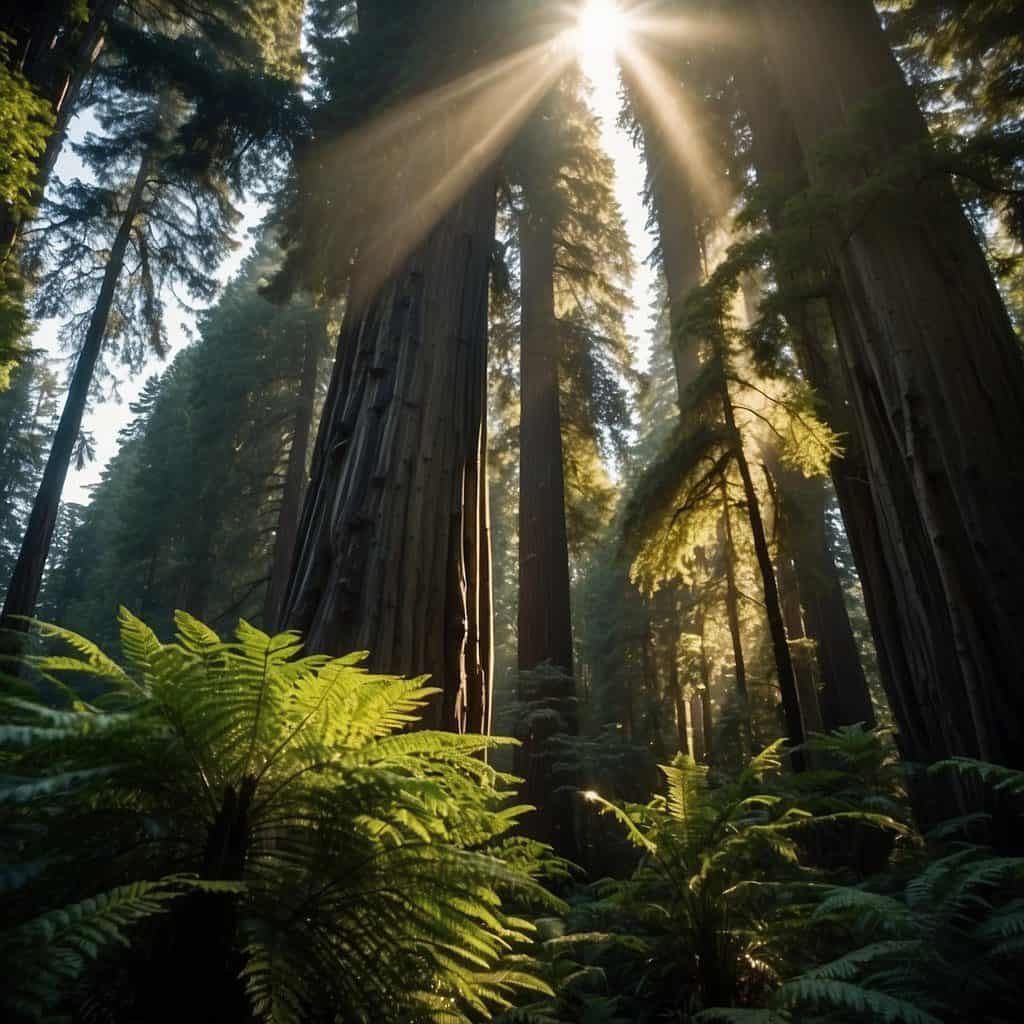

Coast Redwoods (Sequoia sempervirens) are the tallest trees on earth and are found along the coast of California and Oregon. They have a narrow crown and a straight trunk that tapers at the top, and their bark is reddish-brown and fibrous. Giant Sequoias (Sequoiadendron giganteum), on the other hand, are found in the Sierra Nevada Mountains of California and have a massive trunk that can grow up to 30 feet in diameter. They have a broad, rounded crown, and their bark is a reddish-brown color that is deeply furrowed.
Recognizing Dawn Redwoods
Dawn Redwoods (Metasequoia glyptostroboides) are native to China and are often planted as ornamental trees in the United States. They have a conical shape and a straight trunk that is covered in reddish-brown bark. Their leaves are light green and feathery, and they turn a reddish-brown color in the fall.
When trying to identify a redwood tree, it is important to look at the tree’s leaves, cones, trunk, and bark. Coast Redwoods and Giant Sequoias are both members of the Sequoioideae subfamily and share several morphological characteristics. Dawn Redwoods, on the other hand, are not closely related to the other two species and can be distinguished by their unique leaf shape.
Examining Redwoods: Distinctive Physical Traits

Redwoods are tall, evergreen trees that can reach heights of over 300 feet. Their trunks can grow up to 24 feet in diameter, making them some of the largest trees in the world. Here are some physical characteristics to help you identify a redwood.
Examining Leaves and Needles
Redwoods have two types of leaves: needle-like and scale-like. In Coast Redwoods and Giant Sequoias, their leaves are evergreen, dark green, and feathery. In Dawn Redwoods, the leaves are deciduous, light green, and fern-like. These leaves help the tree to photosynthesize and grow.
Bark Texture and Color
Redwood bark is thick, fibrous, and can be up to 12 inches thick. The bark texture is soft and spongy, with a reddish-brown color. The bark also contains tannins, which help to protect the tree from insects and disease.
Analyzing Tree Cones and Seeds
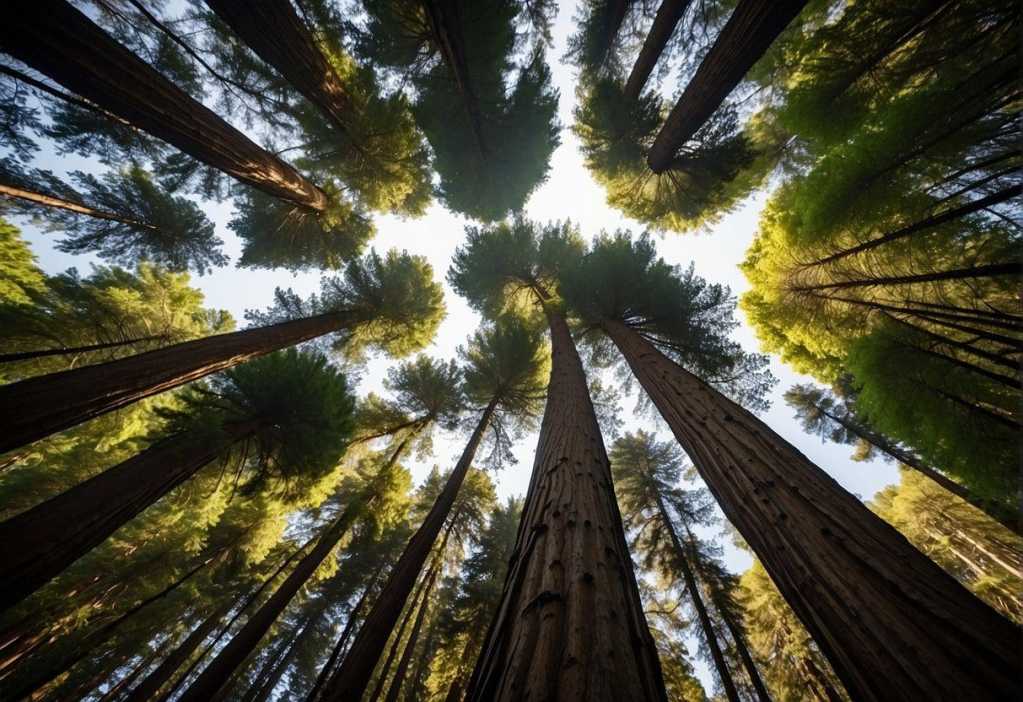
Redwood cones are small, brown, and woody. The cones are about 1 inch in diameter and contain seeds that are about 1/4 inch long. The cones are usually found at the top of the tree and can remain on the tree for many years.
Redwood seeds are small and have wings that help them to disperse in the wind. The seeds are brown and can be found in the cones. Redwood seeds are an important food source for many animals.
In conclusion, redwoods are majestic trees with unique physical characteristics that make them easy to identify. By examining their leaves and needles, bark texture and color, and analyzing their cones and seeds, you can easily identify a redwood tree.
Redwood Habitats and Growth Conditions
California Redwoods and Their Range
California redwoods, also known as coast redwoods, are the tallest trees on earth, native to the foggy, damp coastal regions of Northern California and Southern Oregon. They can also be found in Asia, specifically in China.
Soil and Moisture Requirements
Redwood trees prefer deep, well-drained soil with a high water-holding capacity. They require a lot of water, and the soil should be kept consistently moist. They can grow in a variety of soil types, including clay, loam, and sandy soils.
Climate and Fog Influence
Redwoods thrive in mild, foggy conditions with cool air and mild winters. Summer fog is essential for their growth, as it provides moisture and reduces water stress. The trees can survive in areas with high rainfall, but they do not tolerate waterlogged soils.
Overall, redwood habitats are unique and require specific conditions for the trees to thrive. Their longevity and size make them an impressive sight to behold, and their importance to the Earth’s environment cannot be overstated.
Redwood Ecology and Protection
Fire Resistance and Recovery
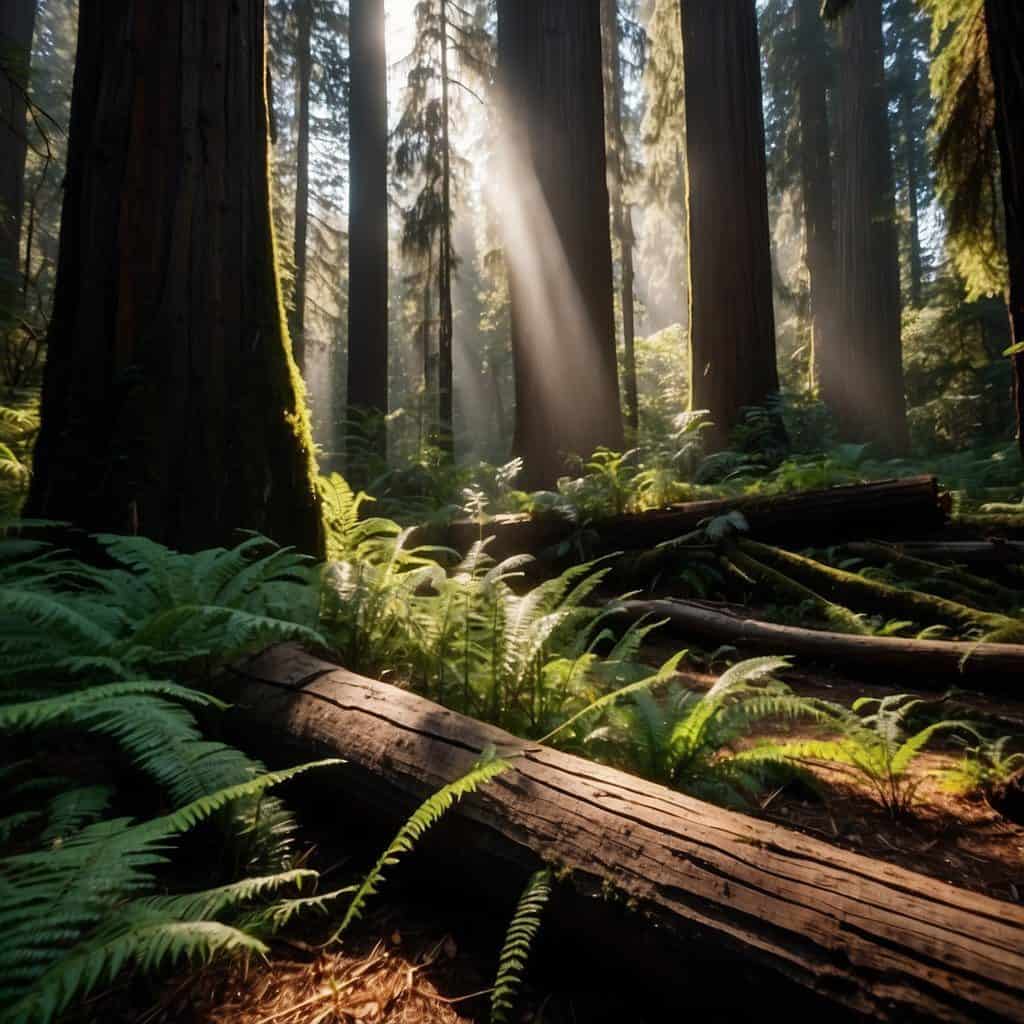
Redwoods are fire-resistant trees due to their thick bark and high water content. These adaptations allow them to survive fires that would kill other trees. After a fire, redwoods can recover by sprouting new growth from their roots and burls.
Conservation Efforts
Redwood forests are some of the largest trees in the world, and they are vital habitats for many species. To protect these forests, conservation efforts have been put in place. Save the Redwoods League is an organization that works to protect and restore redwood forests. Their Vibrant Forests Plan focuses on protecting large blocks of contiguous redwood land to maintain the diversity of the forest.
To protect redwoods from human impact, it is important to stay on designated trails and avoid damaging the trees’ roots. Additionally, preventing fires and controlling invasive species can help to maintain the health of redwood forests.
In conclusion, redwoods are remarkable trees that have adapted to survive fires and provide important habitats for many species. Conservation efforts are necessary to protect these forests for future generations to enjoy.
Practical Guide to Easily Identify Redwood Trees

Redwood Tree Planting Tips
If you’re planning to plant a redwood tree, choose a location with well-draining soil and plenty of sunlight. Redwoods prefer acidic soil, so adding peat moss or pine needles to the soil can be beneficial. When planting, dig a hole twice the size of the root ball and position the tree so that the top of the root ball is level with the surrounding soil. Water the tree deeply after planting and mulch around the base to retain moisture.
Growth Rate and Reproduction
Redwoods are among the fastest-growing trees in the world, with some species capable of growing up to 10 feet per year. They reproduce through seed cones, which are about the size of a chicken egg and take two years to mature. Male and female cones grow on the same tree, with the male cones releasing pollen that fertilizes the female cones. Once fertilized, the female cones develop into seed cones that can contain up to 200 seeds.
Redwoods have a shallow root system that extends outwards rather than downwards, which makes them susceptible to wind damage. They are also deciduous trees, meaning they shed their needle-like leaves annually. Understanding these growth habits can help you identify a redwood tree in the wild.
In conclusion, identifying a redwood tree requires knowledge of its unique characteristics, such as its needle-like leaves and seed cones. By understanding its growth habits and reproductive cycle, you can better appreciate the beauty and majesty of these magnificent trees.
More Insights into Identifying Redwood Trees
Redwood Tree Bark and Flowers
The bark of a redwood tree is one of its most distinctive features. It is fibrous and vertical, with a reddish-brown color. The bark can be up to 12 inches thick, and it is often used as a fire-resistant building material.
Redwood trees also have flowers, which can help with identification. These flowers are small and cone-shaped, and they grow in clusters at the tips of the branches. The flowers are typically green or yellowish-green in color and are not very showy.
Understanding Redwood Tree Cones and Seeds
Redwood trees produce cones, which are a key feature for identification. The cones are large, with a diameter of up to 3 inches, and they are often covered in a waxy substance. The cones are green when they are young, but they turn brown as they mature.
Redwood tree seeds are also important for identification. The seeds are small and brown, with a flat, wing-like structure that helps them to disperse in the wind. Researchers have found that redwood tree seeds can remain viable for up to 20 years, which means that they can sprout and grow into new trees even after a long period of dormancy.
In conclusion, identifying a redwood tree is not difficult if you know what to look for. By understanding the characteristics of redwood bark, flowers, cones, and seeds, you can confidently identify these majestic trees. So, keep these details in mind the next time you’re exploring the Pacific Coast or the Sierra Nevada range, and you’ll be able to spot a redwood tree with ease.
FAQs: Identifying Redwood Trees & More

What are the distinguishing characteristics of redwood bark and foliage?
Redwood bark is thick, fibrous, and can be up to 12 inches thick. The foliage of a redwood tree is needle-like, flat, and can be up to one inch long. Both the bark and foliage of a redwood tree are distinctively reddish-brown in color.
What is the typical height range for a mature coast redwood?
A mature coast redwood can grow up to 350 feet tall, making it one of the tallest trees in the world.
How can you differentiate between a sequoia and a redwood?
Sequoias have thicker trunks and larger cones than redwoods. Redwoods have a narrower, more conical shape and smaller cones. Additionally, the bark of a sequoia is cinnamon-colored and fibrous, while the bark of a redwood is reddish-brown and fibrous.
What species are commonly confused with redwood trees, and how can you tell them apart?
Douglas fir and cedar trees are commonly confused with redwood trees. Douglas fir has scaly bark and needles that are longer than those of a redwood, while cedar trees have a unique scent and a different bark texture.
What is the growth timeline for a redwood tree to reach maturity?
Redwood trees can take up to 2,000 years to reach maturity but can grow up to six feet per year in their early stages.
What is the geographical range of the coast redwood?
The coast redwood is native to a narrow strip of land along the Pacific coast of California, stretching from southern Oregon to central California.
Growing up in the Pacific Northwest, we’ve always felt at home in the outdoors. We created Evergreen Adventures PNW to share our love of hiking, camping, and exploring, and to help others discover the best adventures this region has to offer. Along with trip guides and tips, we also enjoy diving into the science behind the landscapes—thanks to a background in Environmental Science—because understanding nature makes every adventure even more meaningful.