
Cooking vegetarian meals at the campsite is a great way to enjoy nature while savoring delicious, wholesome food. Imagine the earthy aroma of vegetables sizzling over the fire and the sweet taste of a well-earned meal after a day of exploring. Whether you’re a seasoned camper or a newbie setting up a tent for the first time, there’s something rewarding about preparing a meal under the sky. The right tips and tricks can turn your camping trip into a culinary adventure without the need for meat.
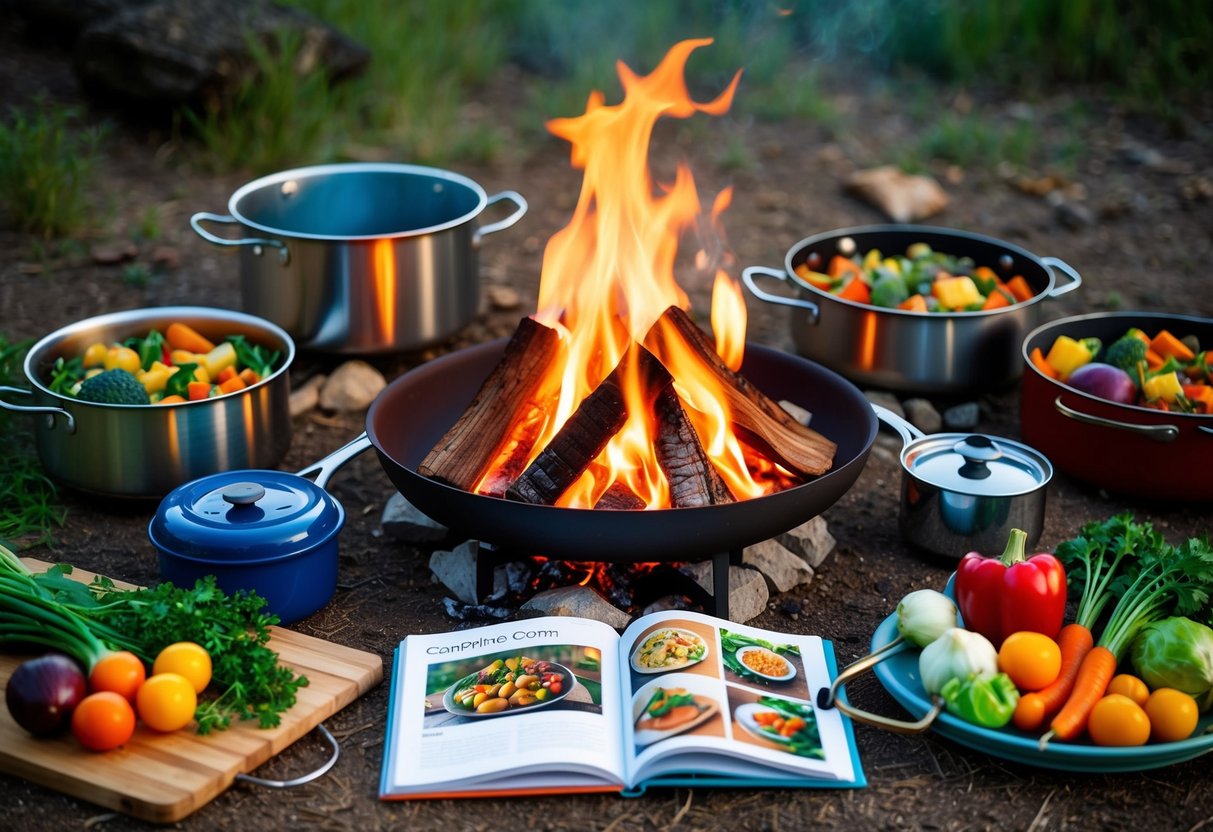
Why choose vegetarian? For one, it’s often more cost-effective since buying meat can be pricey, especially if you opt for organic options. Plus, a vegetarian menu can be packed with nutrients that keep your energy up during hikes and other activities. You might think cooking without meat is a challenge, but with a little planning, it’s easier than you might expect.
Let’s get ready to explore the joys and tips of cooking vegetarian meals at the campsite!
Use Fresh Local Vegetables Like Bell Peppers and Zucchini
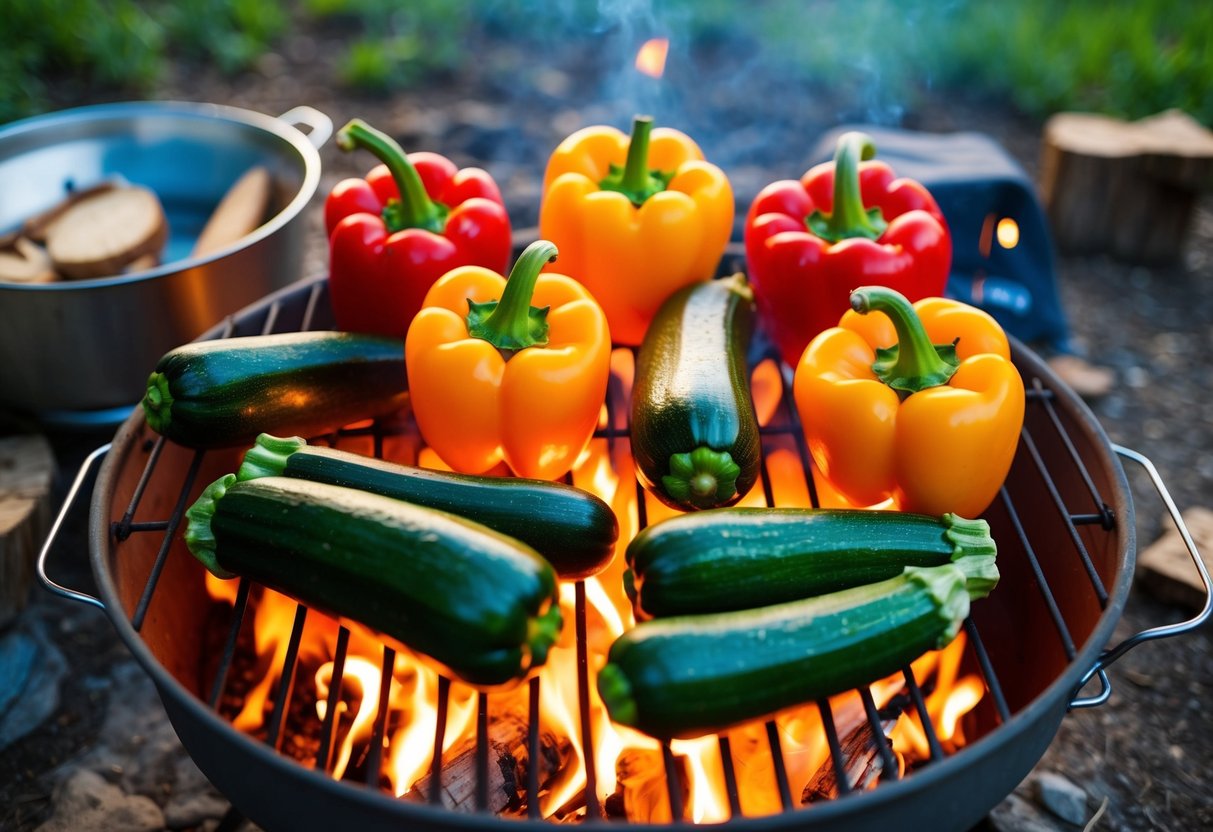
Cooking vegetarian meals at a campsite can be a lot of fun and super tasty, especially when you use fresh local vegetables. Have you ever tried cooking with bell peppers or zucchini? They’re not just colorful; they add loads of flavor and nutrition to your meals.
Consider checking out local markets for bell peppers and zucchini. These veggies often have a brighter taste when they’re freshly picked. Plus, it’s a great way to support local farmers. Imagine the vibrant colors and crisp textures in your campsite cooking.
Bell peppers and zucchini are perfect for grilling, which is a big win when you’re outdoors. Just slice them up, toss them with a little olive oil, and place them on the grill. The heat brings out their sweetness and adds a bit of smoky flavor.
If you don’t have a grill, no worries! You can also roast these veggies over the campfire. Just wrap them in some foil with seasonings like rosemary or thyme and place them in the coals. This method traps the flavors and keeps the veggies nice and tender.
Another idea is to add sliced zucchini to your morning scramble or toss bell peppers into a sandwich. They provide crunch and a burst of flavor, making your meals more exciting. Who knew veggies could add so much fun to a meal?
Are you feeling more adventurous? You could even create a simple zucchini or pepper stew, all in one pot. Just add some spices, maybe a little tomato, and let it simmer. It’s easy to make and warms you up on chilly evenings.
Don’t forget, using fresh vegetables isn’t just about taste. It’s also about creating a healthy meal where you can savor the flavors of nature. Whether you’re an experienced camper or just trying out your first outdoor cookout, these veggies can elevate your meal. Enjoy the journey of cooking with fresh, local produce and discover the joy it brings to your campsite meals.
Try pre-cooked lentils for easy protein addition
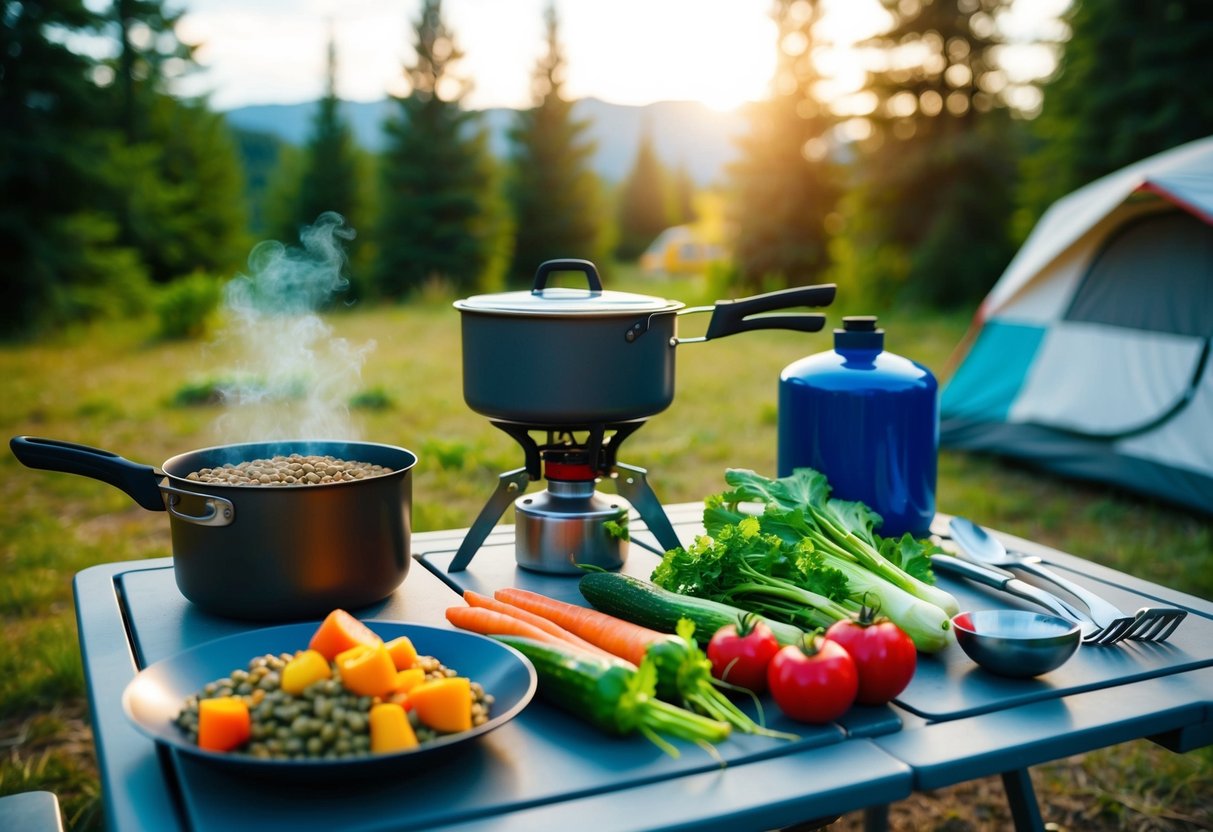
Cooking at a campsite can be a fun adventure, but it doesn’t mean you have to sacrifice a good meal. One simple way to pack in protein without the fuss is by using pre-cooked lentils. They’re convenient, tasty, and ready in no time—perfect for your outdoor cooking.
You might be wondering why pre-cooked lentils are a good option. They save you the hassle of soaking and boiling, which is a real plus when you’re out in nature. Simply open the pack and add them to your dish. Easy peasy, right?
These handy legumes are rich in protein and fiber, making them a healthy addition to many meals. A half-cup of cooked lentils can provide roughly 12 grams of protein and between 4 to 9 grams of fiber. That’s quite a punch of nutrition, especially when you’re on the move.
What’s great is how versatile they are! Toss them into a salad, stir them into a stew, or even sprinkle them over a bowl of grains. The options are endless, and they work in nearly any dish you can think up at the campsite.
Using pre-cooked lentils also means that your meals will have a consistent texture. No one wants undercooked or mushy lentils when they’re hungry after a day of exploring. You can focus on enjoying your meal instead of worrying about dinner going wrong.
Get creative with spice blends like garam masala
Camping and cooking outside often means keeping things simple, but that doesn’t mean you have to skip on flavor. Spice blends like garam masala can transform your vegetarian camping meals into something special. Just imagine opening a container and letting the aromatic spices hit your senses!
Garam masala is a blend of spices like cumin, coriander, and cardamom. These spices bring warmth and complexity to your dishes. Why not try adding it to a vegetable curry or sprinkle it on grilled veggies before wrapping them in foil for the campfire?
You can also use garam masala to flavor soups and stews. It’s perfect if you want warmth at the end of a chilly day. Just remember: add it at the end of cooking to preserve its aromatic flavors.
Don’t worry if you don’t have garam masala on hand. You can make your own blend using individual spices like cumin, coriander, cardamom, cinnamon, and cloves. Experiment with these to create a unique mix that suits your taste buds.
Try other spice blends, too! Spice doesn’t only mean heat; it means depth and excitement. Use curry powder or chaat masala if you want to shift the flavor profile a bit. These blends can give your dishes different cultural twists without changing your meal’s foundation.
Next time you’re packing up your gear, don’t forget to bring along some spices. Your tent won’t have walls, but your meals can still have flavor bursts that make everyone feel at home in the woods!
Use Foil Packs for an Easy Cooking and Cleanup Method
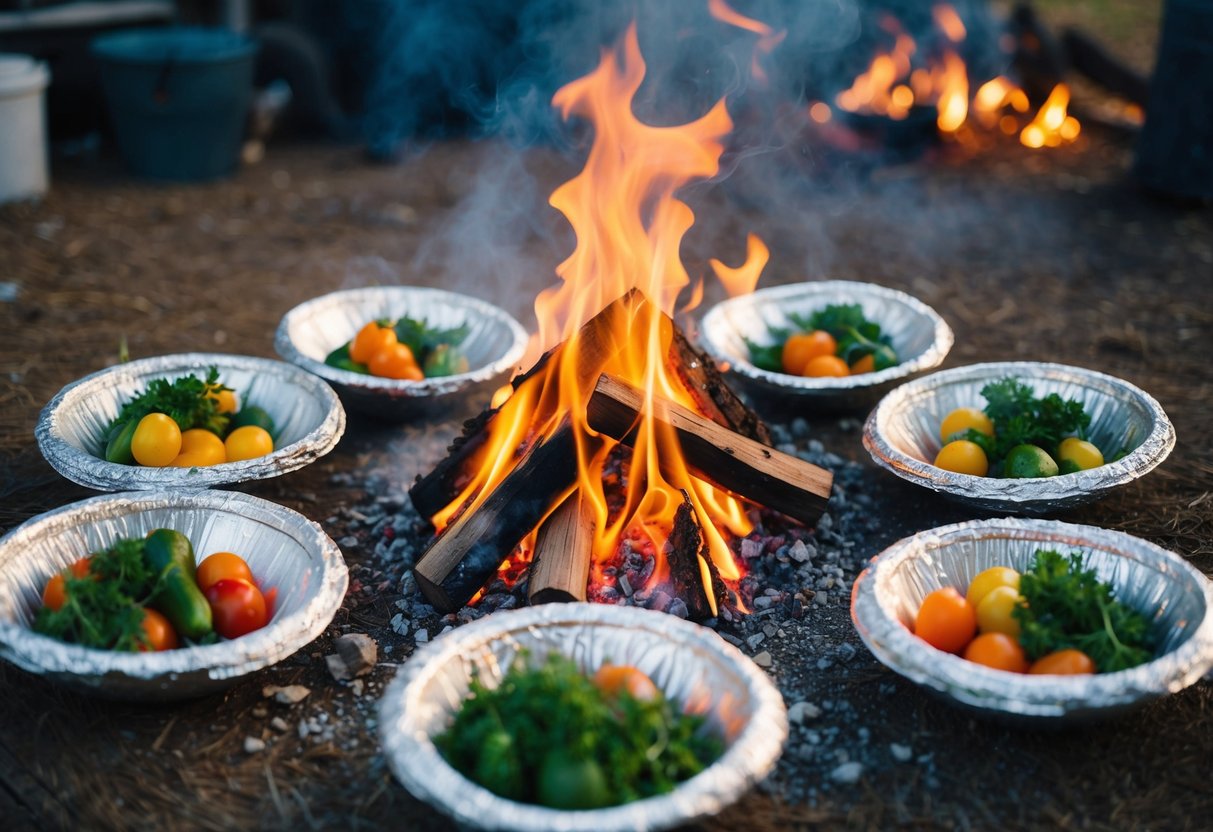
Cooking with foil packs is a game-changer for campsite meals. It’s super easy, and cleanup is a breeze. Imagine finishing your meal and just tossing the foil away—no dishes, no mess! Sounds perfect, right?
Foil packs work great for vegetarian meals. You can add veggies like peppers, onions, and mushrooms. Try wrapping them up with a bit of olive oil and your favorite spices. Have you tried adding tofu or tempeh for more protein? They cook well this way.
A really simple way to make your foil pack is to chop your ingredients into similar sizes. This helps them cook evenly. Pro tip: don’t overload the pack. Press too much in, and it won’t cook as well.
Cooking your foil pack is flexible. You can throw it on a grill or place it over a campfire. You can even bake it if you have a camping oven. Just make sure to turn it a few times so everything cooks nicely.
Feel free to get creative with your spice mix. Do you love a bit of heat? Add some chili powder. Prefer something herby? A pinch of Italian seasoning can transform your meal.
Foil packs are also perfect when you’re camping with picky eaters. Each person can make their own pack with exactly what they like. Plus, it means less stress for you as everyone is happy with their meal.
So next time you’re planning a camping trip, give foil packs a shot. They’re sure to become a favorite in your meal rotation!
Incorporate Ready-to-Eat Grains Like Quinoa
When you’re out at a campsite, every minute counts. So, why not make things easy for yourself with ready-to-eat grains like quinoa? Quinoa is your best friend when it comes to quick, healthy meals. It’s like the superhero of grains—packed with protein, fiber, and essential amino acids. No wonder it’s called a “superfood“!
Ready-to-eat quinoa can save you a lot of time. You just need to open the package and add it to your dish. Try using it in salads for that extra pop of nutrition. Quinoa pairs perfectly with leafy greens, beans, and some herbs. It’s like giving your salad a little makeover!
Are you missing your warm, hearty meals at home? Fear not! Quinoa can easily be incorporated into one-pot wonders. Picture this: a cozy pot filled with quinoa, your favorite veggies, and some beans. It’s simple, tasty, and nutritious—all in one go!
Here’s a tip: Quinoa is also a fantastic base for cold dishes. You could mix it with some pomegranate seeds and nuts for a refreshing lunch. Or, how about tossing it with grilled veggies? It’s like a party in your mouth!
If you’re looking for variety, remember that quinoa doesn’t just fit into salads or one-pot meals. You can mix it up with some fruits and yogurt for a surprising breakfast option. Who knew breakfast at a campsite could be so fancy?
Planning Your Campsite Kitchen
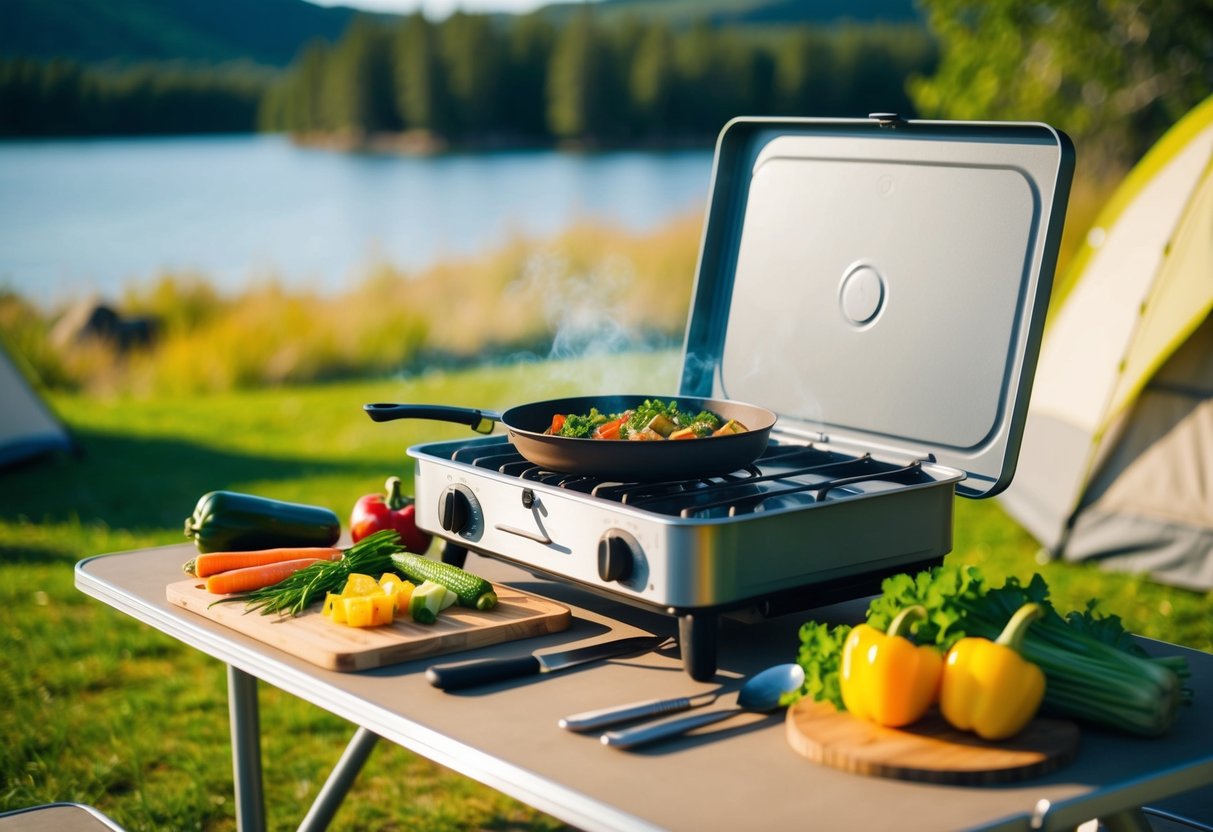
When planning your campsite kitchen, choosing the right equipment will set you up for success. Preparing meals in advance saves time and helps you enjoy your outdoor adventure. It’s all about making camp cooking both fun and convenient!
Choosing the Right Cooking Equipment
Imagine arriving at your campsite with all the perfect gear. Choosing the right equipment can make all the difference. Camp stoves are a must-have for cooking like a pro. Portable stoves or compact grills ensure even cooking and are easy to pack.
Cookware sets designed for camping often include pots, pans, and a kettle in a neatly stackable form. This saves space and keeps everything organized. Remember to pack utensils like spatulas, tongs, and a sharp knife. Consider a pair of heat-resistant gloves, too. They come in handy when handling hot cookware or grills.
Keeping a cooler with ice packs is essential for storing perishables. If you love coffee or tea, don’t forget a small kettle or French press. Keeping it simple and efficient makes camp life easier and more enjoyable.
Meal Prep Before You Go
Think of meal prep as a friend who makes your life easier. Meal prep can help you avoid stress at the campsite.
Plan your menu based on how long you’ll stay and how many people you’re feeding. Consider everyone’s preferences and dietary needs.
Chop, dice, and measure ingredients before you leave. Use resealable bags for category-based storage—veggies in one, sauces in another. It saves space and keeps things tidy.
Ready-made mixes or seasoning packets are great, too, for quick flavor boosts.
Cooking at the campsite should be fun, not a chore. Store prepped ingredients in easy-to-grab containers. This way, you can focus less on cooking and more on enjoying your time in nature.
Flavorful Ingredients to Pack
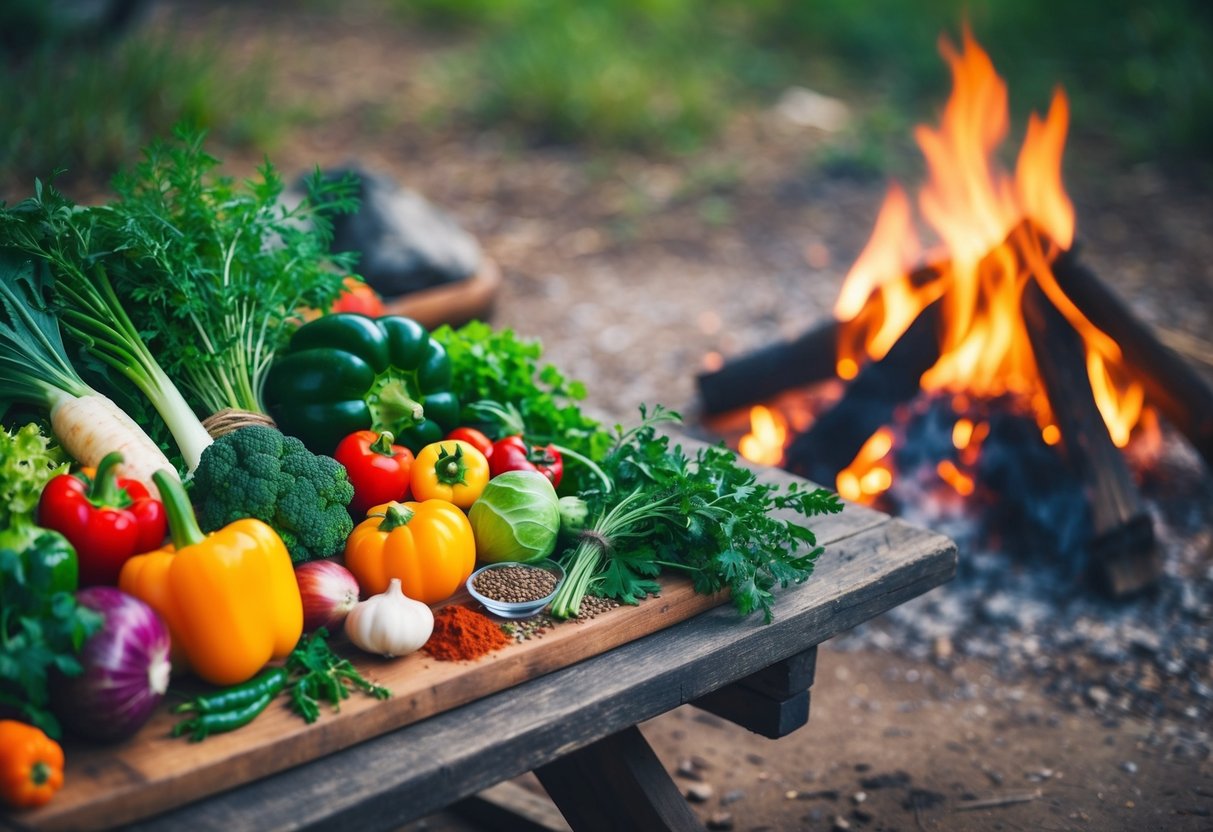
When camping, you want to jazz up your vegetarian meals with a few flavorful ingredients that are easy to pack.
Spices and Herbs: Don’t skimp on spices! Take some cumin, paprika, and chili powder. A small container of mixed herbs like oregano, thyme, and basil adds a burst of flavor without taking much space. Use ziplock bags to keep things tidy.
Garlic and Onions: Fresh garlic and onions can transform any dish. They’re lightweight and have a long shelf life. Chop them ahead of time, so you’re all set to cook.
Canned Goods: Think about packing canned tomatoes and beans. They’re perfect for stews and salads. Just pop the can, and you’re ready to roll without the need for refrigeration.
Soy Sauce and Vinegar: Soy sauce can replace salt and add umami to your meals. Balsamic vinegar or a small bottle of apple cider vinegar perks up any salad or marinade.
Dried Fruits and Nuts: Grab a mix of dried cranberries, apricots, or raisins. They’re great for snacks and salads. A handful of almonds or walnuts can also add a satisfying crunch.
Packing these items ensures your meal has the right mix of taste and simplicity, making your camping cookout a flavorful affair.
Frequently Asked Questions
Got questions about vegetarian meals while camping? Look no further. Whether you need high-protein options or quick, tasty ideas, we’ve got you covered. From make-ahead meals to no-cook delights, let’s dive into the best camping tips and recipes for vegetarians.
How can I prepare high-protein vegetarian meals suitable for camping?
You can pack protein into your meals with options like pre-cooked lentils, chickpeas, and quinoa. These require minimal cooking and can be used in salads or wraps.
What are some quick and easy vegetarian meal ideas for a family campout?
Try making foil packs with fresh vegetables like bell peppers and zucchini. Add some spice blends for flavor and just toss them on the grill for a fuss-free meal.
Can you recommend make-ahead vegetarian meals that are perfect for camping trips?
Plan ahead with meals like overnight oats or cold pasta salads. Both are easy to make and store, saving you time on busy mornings at the campsite.
What are the best vegetarian no-cook options for food while camping?
Overnight oats and raw vegetable salads topped with pre-cooked grains are great no-cook choices. They’re easy to prepare and require no heat.
What are the essential tips for cooking at a campsite?
Always have some portable cooking equipment and spices like garam masala with you. Utilize easy cooking methods like foil packs to make cleanup a breeze.
What are some tasty Indian vegetarian dishes that are camp-friendly?
You can try cooking simple dishes like vegetable biryani or chickpea chaat. These dishes can be prepped with minimal equipment and pack a flavorful punch.

Growing up in the Pacific Northwest, we’ve always felt at home in the outdoors. We created Evergreen Adventures PNW to share our love of hiking, camping, and exploring, and to help others discover the best adventures this region has to offer. Along with trip guides and tips, we also enjoy diving into the science behind the landscapes—thanks to a background in Environmental Science—because understanding nature makes every adventure even more meaningful.