
Ever stepped into a Pacific Northwest forest and immediately noticed the crisp, earthy smell? It’s a scent unlike anywhere else—fresh pine, damp moss, and the clean, woodsy air of ancient trees. The secret behind this aroma is the perfect mix of rain, conifers, fungi, and ocean air that creates a one-of-a-kind experience for your nose. This unique blend makes the forests of Washington and the broader region special, giving everyone who visits a sensory memory to recall.

Your nose picks up on different fragrances like cedarwood, which many say brings good vibes while pushing away the bad ones. The scent of cedarwood has a soft, woody feel to it. Its soothing quality isn’t just about creating pleasant smells; it’s also known to promote feelings of inner calm and strength.
Walking through these forests, every step brings something new to notice. You go from a usual forest smell to the fresh aroma of pines as you hike higher into the mountains. This change often comes with a cool breeze, making it hard not to take another deep breath of the fresh, unforgettable air.
Key Takeaways
- The Pacific Northwest forests have a signature aroma from rain, conifers, fungi, and ocean air.
- Cedarwood is a key scent in these woodlands, known for its calming and strengthening effects.
- Hiking through these forests offers different smells, from typical forest scents to fresh pine at higher elevations.
Table of Contents
What Creates the Pacific Northwest Forest Smell?
Pacific Northwest (PNW) forests offer a distinct aroma that captivates hikers and wanderers. From the powerful scent of tree resins to the earthy notes of soil microbes, every element plays a part in crafting this unique fragrance. Let’s explore what makes the PNW forest smell so memorable.
How Pine, Fir, and Cedar Shape the Pacific Northwest Forest Smell
In the PNW, evergreens like Douglas fir, Western red cedar, and Sitka spruce are key players in crafting the forest’s signature scent. They release terpenes—molecules that give a fresh, piney aroma. These organic compounds include pinene with its sharp, clean scent, limonene with citrusy notes from cedar, and camphene, which smells earthy and is used in many essential oils.
Why does the smell grow stronger after rain? Moist air helps release these volatile compounds from bark and needles. Next time you’re hiking, try this: crush a few Douglas fir needles in your hand and inhale. You’ll immediately be surrounded by the authentic scent of the PNW.
The Earthy Side of the Pacific Northwest Forest Smell: Fungi & Soil Microbes
The PNW is not just about the towering trees; the ground you walk on contributes too. After a fresh rain, the air carries petrichor, the smell caused by actinobacteria in the soil.
Mushrooms and decaying logs add another layer with their organic compounds, creating a deep, woodsy aroma. Mycorrhizal fungi, which connect roots underground, play a role in this rich chemistry. When you’re out in the forest, find a moss-covered log. Take a deep breath—you’ll experience one of the most natural and captivating scents of the woods!
The Influence of Ocean Air & Mist
Coastal areas of the PNW forests, like those on the Olympic Peninsula or Vancouver Island, have a different smell profile. This is due to the mix of sea spray carrying salt and organic compounds with land scents. The decay of kelp and marine plants blends with tree resins, creating unique aromas.
Humidity from the ocean amplifies these scents. Explore areas like the Hoh Rainforest or Cape Flattery for a vivid experience of this ocean-meets-forest fragrance. The combination of these factors makes coastal PNW forests a scent adventure in themselves.
Why Smell Is So Powerful In Nature
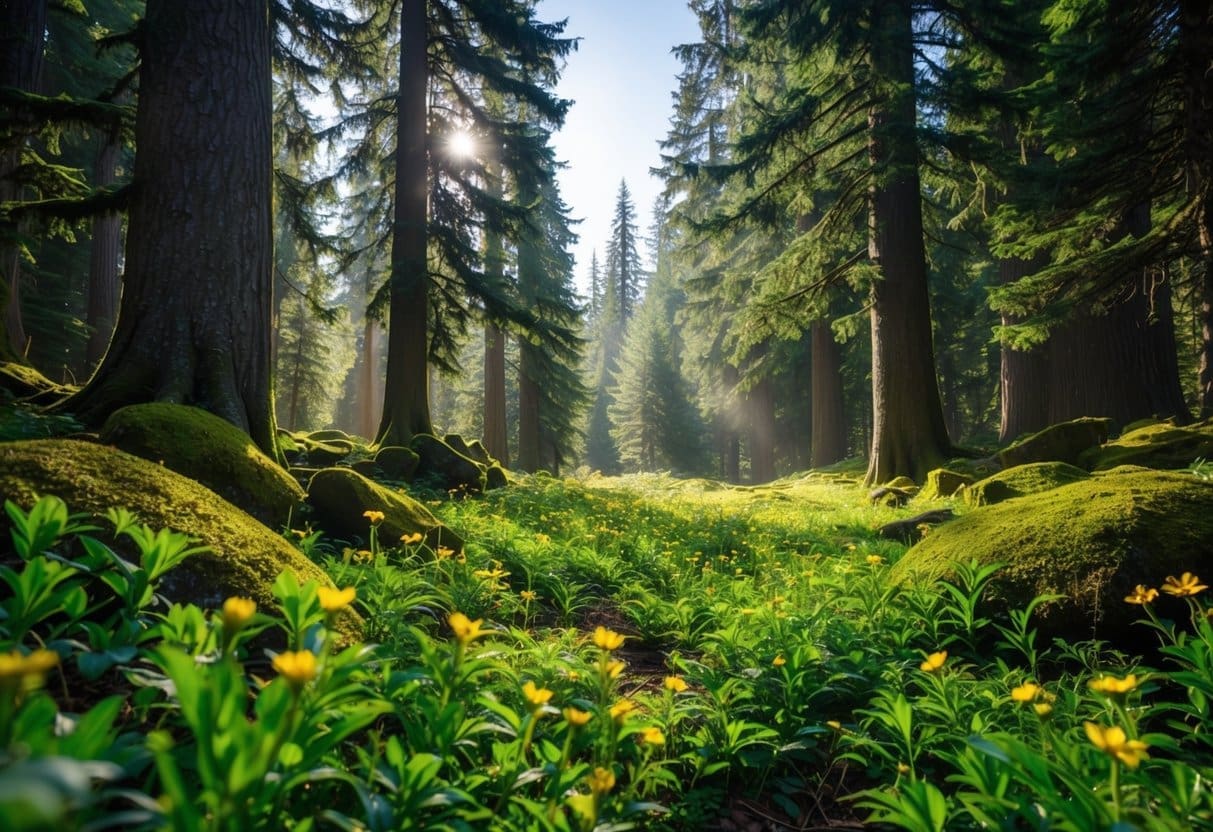
Have you ever walked into a forest and felt an instant shift in your mood? That’s not just in your head—it’s real! The scent of nature is full of compounds called terpenes. These terpenes are not only responsible for that refreshing smell in places like the Pacific Northwest but also have positive effects on your health and mood.
Smell & Memory:
Smell is closely linked to memory and emotion. When you breathe in the aroma of a lush forest, your brain connects these scents to past experiences, often bringing on feelings of nostalgia and calmness.
Studies found that spending time in nature can lower stress and improve mental health. The Japanese practice of “forest bathing” or Shinrin-yoku focuses on breathing in forest air to boost well-being. Stress relief and relaxation are just some benefits of exploring green spaces.
Feeling stressed? Take a moment during your next hike. Try this: Close your eyes and focus on smell. What do you notice? Chances are, the peace you feel is similar to the effects of deep meditation or forest therapy.
Forest scents can even enhance your physical health. They can increase natural killer cells, which are part of your immune system. How cool is that?
Including forest time in your routine could make a real difference. Connect with nature, improve your health, and walk away with a lighter heart. Don’t forget to breathe it all in!
How to Bring the Pacific Northwest Forest Smell into Your Home

Feeling inspired to capture the magic of the Pacific Northwest (PNW) forests in your living space?
One way to start is by boiling Douglas fir or cedar sprigs in water. This simple method releases a scent reminiscent of the PNW’s natural beauty. If you close your eyes, you might just feel like you’ve stepped into a lush forest.
Essential oils offer another method. Try fir, pine, and cedarwood oils in an oil diffuser. Just a few drops can fill your home with that fresh, invigorating scent. Mix and match to create your own signature blend that brings back memories of hiking through towering trees.
Consider drying out conifer needles to make sachets. You can tuck these sachets into closets, drawers, or even hang them in the car. They offer a subtle reminder of those green landscapes without overpowering the room.
While it might be tempting to try artificial “pine” fragrances, remember they’re often made with synthetic terpenes. These don’t fully capture the rich, layered scents found in nature. Stick to natural sources for a more authentic experience.
Love a bit of aromatherapy? Use herbs like sage and lavender alongside forest scents for a calming, balanced atmosphere. Combining PNW elements with your favorite herbs can create a cozy sanctuary right at home.
The Next Time You Smell The PNW, Take It In
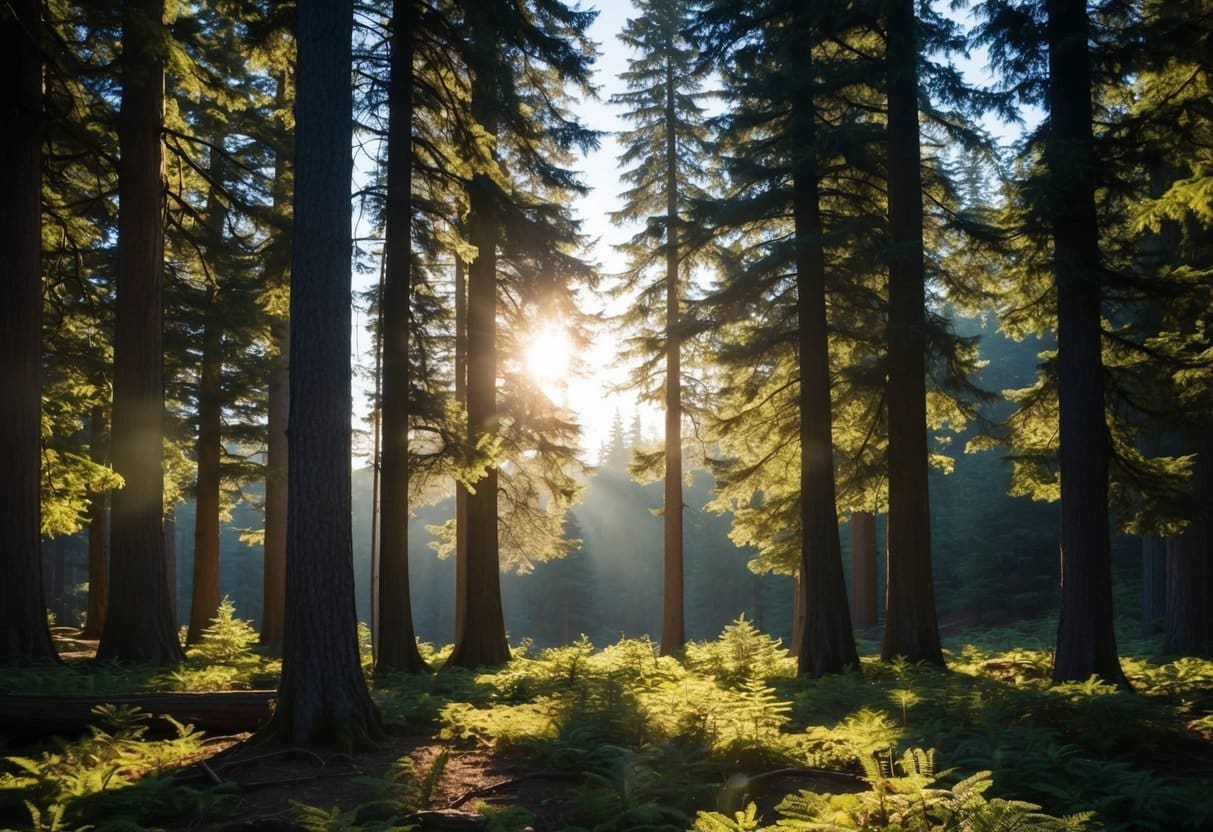
The Pacific Northwest is famous for its unique aroma. When you’re there, you’re surrounded by the scent of towering trees, rich soil, and sea-kissed air. Each hike becomes a chance to immerse yourself in this enchanting scent.
Breathing deeply, you might notice the earthy notes of fungi mixed with the freshness of the ocean breeze. It’s like nature’s perfume—a delightful blend that refreshes and soothes at the same time.
Are you ready for your next adventure? Think about your favorite PNW forest trail. Whether it’s a dense rainforest or a coastal path, each place offers its own spin on the classic PNW smell.
What’s your favorite spot to experience this amazing scent? Share your top hikes and experiences in the comments with fellow nature lovers! Your favorite trail might be someone else’s next adventure.
Frequently Asked Questions

Forests in the Pacific Northwest are famous for their refreshing scents. In this section, you’ll learn about the aromas that make these woodlands special and how you can bring that fresh forest scent into your own home.
Why do forests smell so good?
Forests have amazing scents because of the natural oils released by trees, plants, and the forest floor. These oils mix together and create the distinctive smell you notice. You can think of it like nature’s perfume, blending different scents into something truly special.
How can I replicate the fresh scent of a forest in my home?
To capture that fresh forest aroma in your home, you can use essential oils like pine, cedar, or fir in a diffuser. Burning wood-scented candles or using natural incense can also help. Bringing in houseplants known for their aromatic properties might do the trick too!
Can you describe the unique aroma found in a temperate forest?
The aroma of a temperate forest is earthy, fresh, and full of life. You’ll notice hints of pine, moss, and even a hint of sweet flowers. When it rains, the scent becomes richer and more intense, delivering a dose of freshness that many find soothing.
What natural elements contribute to the fragrant environment of Pacific Northwest forests?
The fragrance comes from many sources in these forests. The rich, damp soil, mosses, and a variety of trees all play a part. Each element adds to the complex scent. The rain often enhances these smells, making them more noticeable.
Are there specific plants or trees responsible for the signature scent of these woodlands?
Yes! Trees like pine, cedar, and fir are major contributors. Plants such as ferns and moss also play a role. Each plant and tree has its unique fragrance that combines to create the signature scent of the Pacific Northwest woodlands.
What atmospheric conditions enhance the forest scents we love?
Wet weather amplifies forest scents because moisture releases more natural oils and compounds. Humidity also helps carry these aromas through the air. Cool temperatures can keep these scents crisp and lingering longer for you to enjoy during your hikes or forest adventures.
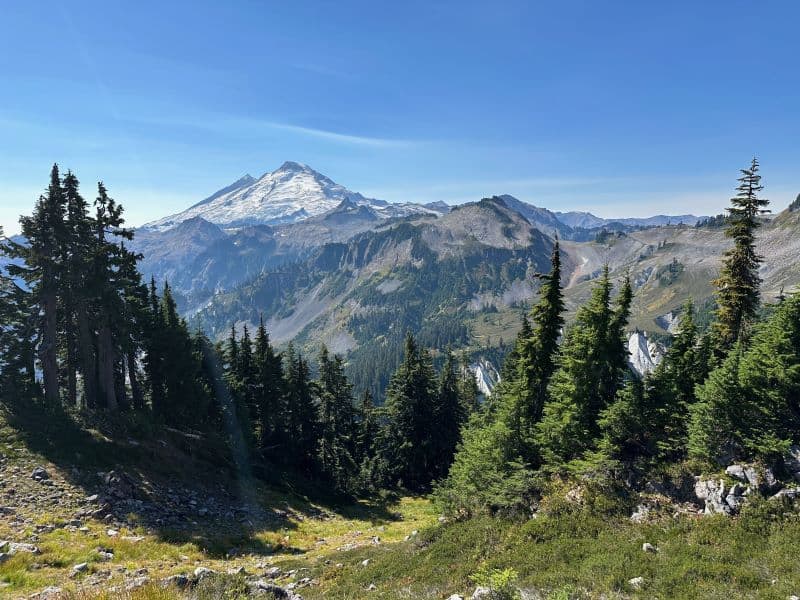
Growing up in the Pacific Northwest, we’ve always felt at home in the outdoors. We created Evergreen Adventures PNW to share our love of hiking, camping, and exploring, and to help others discover the best adventures this region has to offer. Along with trip guides and tips, we also enjoy diving into the science behind the landscapes—thanks to a background in Environmental Science—because understanding nature makes every adventure even more meaningful.