
Are you ready to head out on your first camping adventure but worried about making common rookie mistakes? It’s completely normal to feel a mix of excitement and jitters. As you prepare to dive into the great outdoors, it’s important to focus on key areas like packing essentials, understanding your gear, and planning your campsite. Learning how to correctly use your camping gear before you leave home can save you from unexpected hiccups.
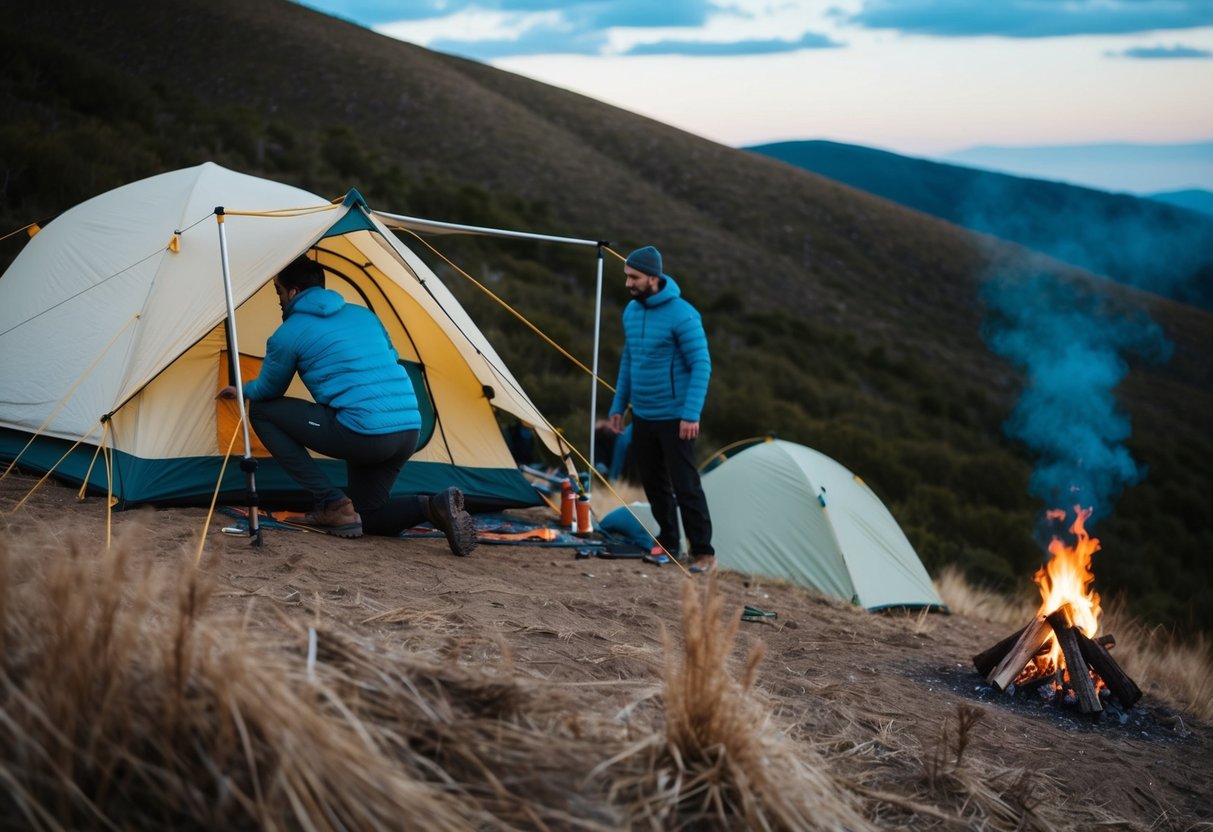
Think of your trip as a thrilling journey with its own set of challenges and victories. To help make your experience smooth and enjoyable, it’s crucial to plan your camping trip thoroughly. Whether you’re using a tent or trying out RV camping for the first time, a solid plan will set the stage for fun and safety. Knowing how to set up camp efficiently and what to expect from campfire cooking can transform potential pitfalls into enjoyable moments.
By keeping these common camping mistakes in mind and knowing how to avoid them, you’re already on your way to becoming a savvy camper. From setting up your tent to dealing with campfire smoke, understanding these basics adds to the excitement of your adventure without the worry. So grab your map, gear up, and let’s conquer the wild with confidence!
Key Takeaways
- Plan your camping trip carefully to avoid common mistakes.
- Learn how to use your gear before heading out.
- Set up your camp efficiently for a smooth experience.
Planning Your Camping Trip
Planning a camping trip is a fun but important task. Getting started with the right campground, essential gear, and an understanding of campsite reservations can make your trip enjoyable and stress-free.
Choosing the Right Campground
Picking a campground is a big deal. You have choices between state parks, national forests, and private RV parks. State parks are great if you love nature trails and have amenities like showers. If you want more privacy and space, national forests might be your thing, although they usually offer fewer facilities.
When considering RV parks, check for hookups and level parking. Ask yourself questions like: “Do I need access to fishing spots, or am I just looking to hammock and read?” Make sure to think about your group’s needs before finalizing your choice.
Essential Gear for a Successful Trip
Your packing list should cover basics like a tent, sleeping bag, and cooking gear. Choose a tent that is roomy and weather-resistant. Sleeping bags should fit the trip’s weather conditions—say, warmer bags for cold spots.
Cooking essentials include a portable stove, fuel, and utensils. Don’t forget a first aid kit, flashlight, and maps or GPS. Here’s a quick list to make sure you remember the essentials:
- Tent
- Sleeping bag
- Cooking gear (stove, fuel, utensils)
- First aid kit
- Flashlight
- Maps or GPS
Taking the right gear can make or break your trip, so double-check your list!
Understanding Campsite Reservations
Campsites fill up fast, so it’s crucial to book in advance. Online reservations are the easiest. Websites like ReserveAmerica offer a straightforward booking process. Some campgrounds only offer walk-up spots, which might require an early morning arrival.
Reading cancellation policies can save you a headache. Some spots have specific rules or fees for changes. Don’t get caught out by assuming it’s the same everywhere! By thinking ahead and knowing your plans, you save yourself a lot of trouble down the line. Be sure to plan your reservation around peak times if you can, especially during holidays and summer weekends.
Setting Up Camp
Setting up camp is more than just pitching a tent. Choose a campsite thoughtfully, make sure your tent is secure, and keep everything organized. These steps can make your camping experience smoother and more enjoyable.
Selecting the Perfect Campsite
Choosing the right campsite can make a big difference in your comfort. Start by checking the weather forecast, like mentioned in the search results. Avoid low-lying areas to skip potential flooding. Look for flat ground where you’ll sleep comfortably, free of rocks and roots.
Pro Tips:
- Distance from Water: Stay within a reasonable distance for easy access, but far enough to avoid bugs.
- Sunlight: Look for spots with some shade to stay cool in the afternoon.
- “Leave No Trace”: Remember, minimize damage to nature. Stick to designated sites whenever possible.
Tent and Shelter Setup Tips
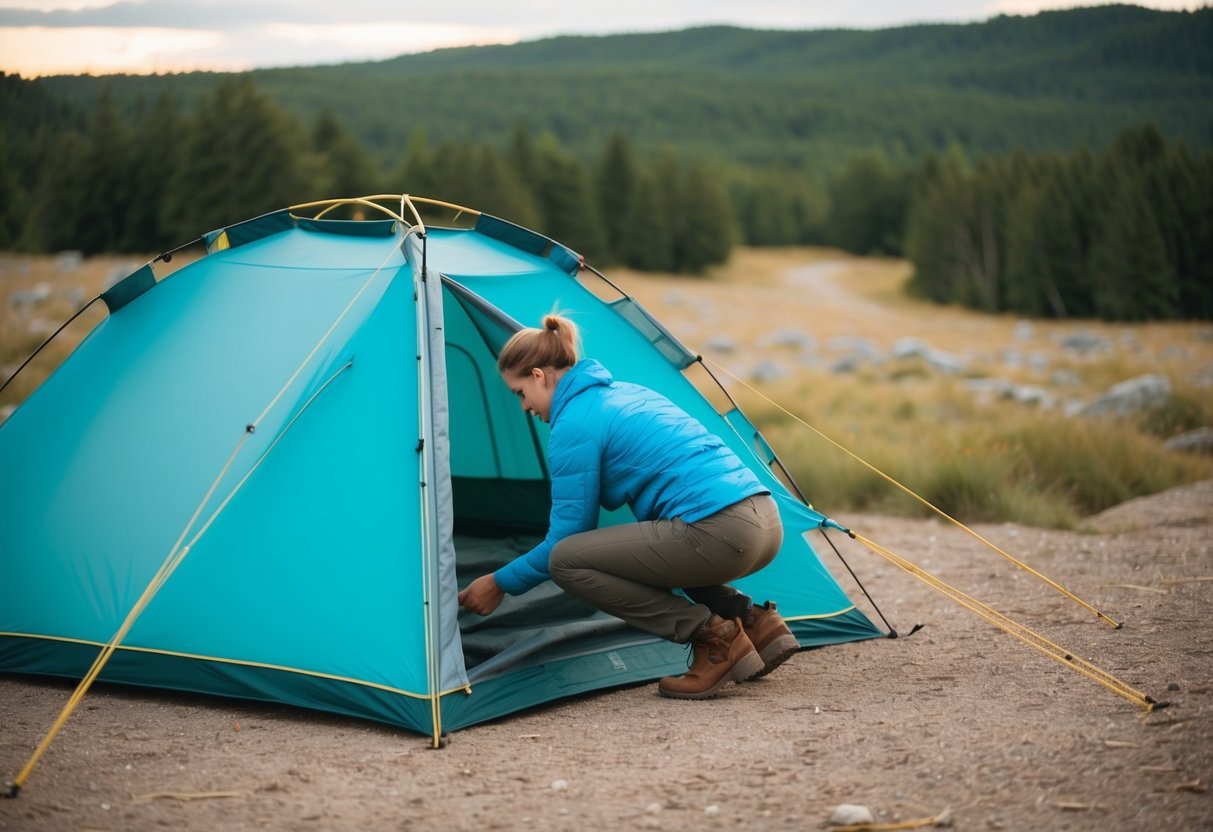
Setting up your tent could be tricky, but with some practice, you’ll be an expert in no time. Practice at home before heading out. If you’re new to using tents, don’t wait until you’re at the campsite to figure it out.
Here’s a handy checklist:
- Check all tent parts before you leave.
- Lay out your tent flat and face the door downhill for water drainage.
- Secure the tent with stakes and guylines for stability against wind.
Having a tarp under the tent can keep moisture away, ensuring a dry sleep. Remember, less fuss now saves time later!
Organizing Your Camping Area
A tidy camp can make your experience less stressful. After setting up your tent, organize your space efficiently. Keep cooking and sleeping areas separate for safety.
Tips for Organization:
- Use a dedicated spot for shoes outside the tent.
- Store food securely to prevent wildlife issues.
- Set up a central area for gathering and eating.
Keeping pathways clear to your tent minimizes trip hazards. Plus, having a routine for unpacking and repacking can keep things simple and keep you ready for any adventure!
RV Camping 101
Ready to hit the open road with your RV? Mastering maintenance, understanding park etiquette, and learning how to handle holding tanks are crucial skills for a smooth adventure. Let’s dive in and make sure you’re all set for your next big trip!
Introduction to RV Maintenance
Keeping your RV in top shape is essential. Start with a routine check of your tires, brakes, and lights to ensure safety on the road. Regular oil changes and engine checks can prevent costly repairs.
Don’t forget your roof and seals! Inspect them for leaks. A small leak can lead to big problems if left unchecked. Clean your RV’s exterior and interior often to avoid dirt buildup.
Make a monthly maintenance schedule. Write everything down—when you checked your tires, changed your oil, and inspected your roof. This keeps you organized and helps avoid skipped tasks. Trust me, future you will appreciate it!
RV Park Etiquette
Staying in an RV park isn’t just about parking your vehicle. Friendly greetings go a long way with your neighbors. Introduce yourself and share a smile. It’s a small world in the RV community!
Be mindful of quiet hours, usually between 10 p.m. and 7 a.m. No one wants to hear blaring TVs or noisy parties late at night. Respecting these hours keeps you in good standing with your neighbors.
Keep your site tidy. Avoid parking your car haphazardly. Make sure your chairs, tables, and grills are neatly arranged. It shows respect not just for others but for the park rules as well. Leave no trace so everyone can enjoy the beautiful surroundings!
Managing RV Holding Tanks
The mystery of handling RV holding tanks can seem daunting, but it’s simpler than you might think. Most RVs have three tanks: fresh water, gray water, and black water. Label them clearly in your mind—the fresh water is safe to drink, the gray water comes from sinks and showers, and the black water is from the toilet.
Use enzyme-based treatments regularly in your black water tank to prevent smells. Don’t forget to empty the tanks regularly. Once a week is a good habit unless you’re constantly on the move or at a full-hookup campsite.
Invest in a good-quality sewer hose. You don’t want leaks at the wrong moment! Attach it properly and open the gray water tank first to flush it. Ending with the black water helps clean out any remaining debris in the hose. Keep gloves handy; it’s all part of the adventure!
Campfire Mastery
Creating a memorable campfire experience starts with proper preparation and safety. Whether it’s preparing the fire or safely putting it out, every step is essential for an enjoyable camping experience.
Safe Campfire Preparations
Setting up a campfire requires planning and care. Choose a spot that is at least 15 feet away from tents, trees, and other flammable objects. Use a pre-existing fire pit if available, as this reduces the impact on the environment.
If you need to build your fire pit, clear the area of leaves and twigs. Surround the pit with stones for extra protection. Gather a mix of tinder, kindling, and fuel wood to ensure your fire catches and burns steadily.
Remember, safety first! Bring a water bucket or a shovel to manage the fire and keep it from spreading unintentionally. Keep an eye on the fire at all times, especially with curious children or pets around.
Pro Tips for a Stellar Campfire
To craft the perfect campfire, start small. Begin with tinder—dry leaves or newspaper—to ignite easily. Then, gradually add kindling such as twigs or small sticks. Create a teepee or log cabin structure to encourage airflow and a steady burn.
Once the kindling catches, add larger pieces of wood. Hardwoods like oak and hickory are great for longer, more consistent flames. For a little bit of fun, try adding colored pinecones or dried herbs like rosemary for a unique aroma.
Don’t forget seating! Arrange camping chairs or logs in a circle for optimum marshmallow toasting. Share personal stories, sing campfire songs, and roast s’mores to make it an unforgettable night under the stars.
Extinguishing Your Fire Safely
Putting out a campfire safely is critical to prevent forest fires. Start by sprinkling water over the flames and embers, not dousing it all at once. This method prevents steam burns and ensures the fire is completely out.
Stir the ashes with a stick or shovel to expose any hidden embers, adding more water as needed. Keep this cycle until the remnants are cool to the touch. If water isn’t available, use dirt or sand to suffocate the embers, but continue to stir and check for remaining heat.
Always triple-check the site before leaving. A little diligence goes a long way in protecting the camping area and the wilderness.
Food and Meal Preparations
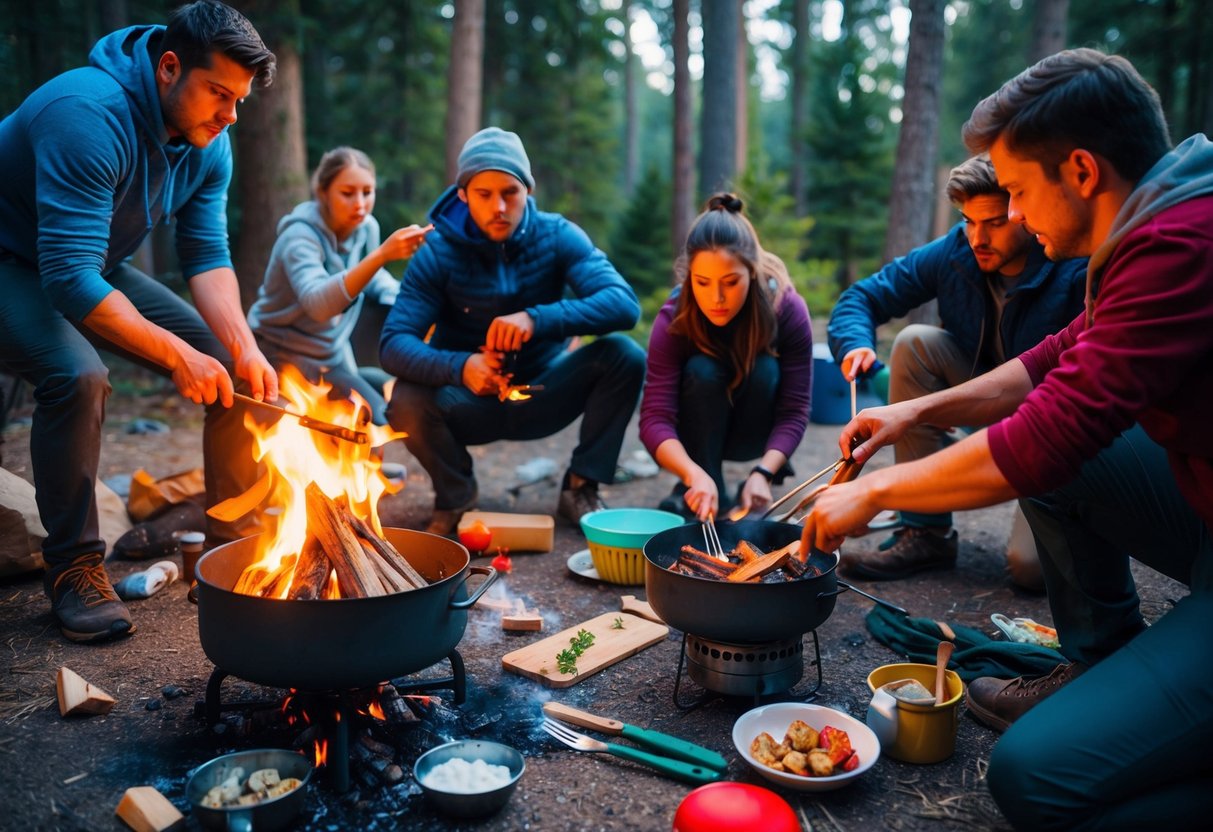
Embarking on a camping trip? Preparing meals ahead of time can be the difference between a hassle-free adventure and a hangry expedition. Planning what you eat, choosing simple yet tasty recipes, and knowing how to keep your food safe are key to enjoying your camping experience.
Meal Planning for Campers
Meal planning for camping is like plotting the trail before you hike. Start by listing meals for each day of your trip. Think about breakfast, lunch, and dinner. Snacks are important too! Aim for ingredients that can be used across multiple meals, like vegetables and grains.
Use a simple table to organize your meals and ingredients. Remember, flexibility is important as plans can change unexpectedly. Check what kitchen tools your campsite provides and bring what’s missing. Don’t forget to pack enough fuel if you’re cooking on a camp stove.
Easy and Nutritious Camping Recipes
Camp food doesn’t have to be boring. It’s easy to make something delicious and satisfying with few ingredients. Try wraps or sandwiches for lunch—choose fillings like chicken or beans. Gather ingredients for one-pot dinners such as chili or pasta, which are hearty and simple to prepare.
Breakfast can be quick with oatmeal or granola bars. Both are energizing and require no cooking. If you have a cooler, pack eggs for a protein-rich start to the day. Tip: Pre-mix ingredients at home. This saves time and effort at the campsite.
Storing Food Safely While Camping
Keeping food safe while camping avoids those dreaded tummy troubles. If you’re car camping, coolers with ice packs are your best friend. Always place perishable items, like meats and dairy, at the bottom, ensuring they stay cooler longer. Remember to keep coolers in the shade.
If you’re backpacking, opt for dry or canned foods that don’t spoil easily. Use sealed containers to protect your food from wildlife. In some areas, it’s mandatory to hang food from a tree or use bear-proof containers. Clean up food scraps immediately to keep critters away.
Stay prepared, stay fed, and enjoy your time outdoors!
Navigating Common Camping Challenges
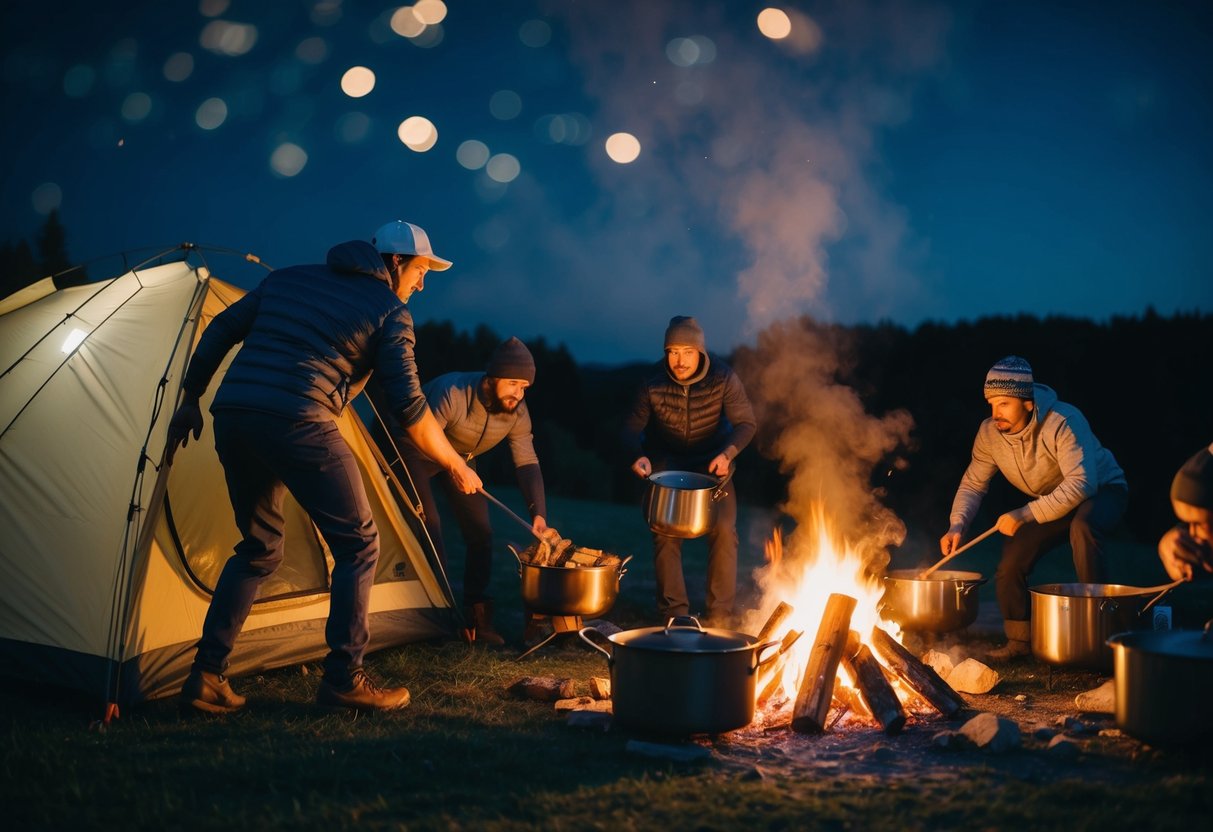
When camping, you might come across unpredictable weather, curious wildlife, and the need for essential first aid. With a few tips and tricks, you’ll not only be ready for these challenges but will have a blast tackling them.
Dealing with Weather and Wildlife
Camping trips often involve dealing with both weather and wildlife. Packing clothes for rain and sun ensures you’re ready for any weather. Layering is key, allowing you to adjust as temperatures change.
Weather Tips:
- Waterproof gear protects from sudden downpours.
- Extra layers help you adapt to cooler nights.
- Sunblock and hats shield against harmful rays.
Wildlife can be both breathtaking and unpredictable.
Wildlife Tips:
- Store food securely to prevent unwanted visits.
- Use bear canisters or hang food in a tree.
- Stay safe by observing: maintain distance and never approach animals.
First Aid Know-How in the Great Outdoors
Accidents can happen, so being prepared with first aid skills is a must. Pack a kit with essentials like band-aids, antiseptic wipes, and pain relievers to treat minor injuries.
Must-Have First Aid Items:
- Tweezers for splinters
- Aloe Vera for sunburns
- Insect bite cream for itchy bug bites
Knowing basic first aid techniques is crucial. Learn how to stop bleeding, treat sprains, and recognize signs of dehydration. If you or a group member gets hurt, these skills are invaluable for handling situations until professional help is available.
Leaving No Trace – Camping with Care
Respecting nature is part of a positive camping experience. Practice Leave No Trace principles to minimize your impact on the environment. Clean up all trash and avoid damaging vegetation.
Leave No Trace Tips:
- Pack out all garbage. Don’t leave any behind.
- Stick to marked trails to protect plant life.
- Keep fires small and contained to prevent wildfires.
By following these tips, you help preserve natural areas for future adventurers. Keeping campsites clean ensures everyone enjoys their visit and maintains the beauty of the great outdoors. Take pride in leaving your site better than you found it!
Wrapping Up The Adventure
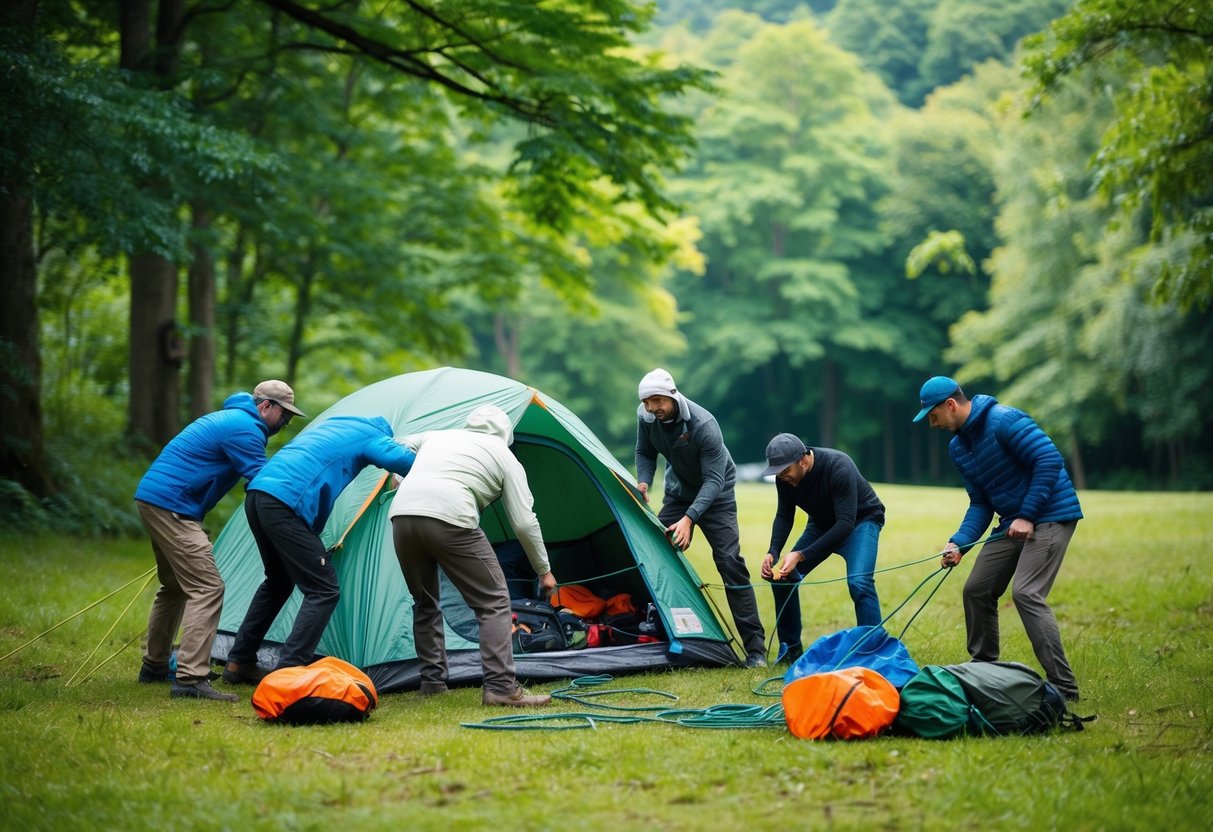
Once the camping adventure is winding down, it’s crucial to leave no trace and ensure everything is in order. You don’t want to miss any steps before heading home. Here’s how to properly wrap up your camping trip.
The Campsite Cleanup Process
Leaving your campsite pristine is a big part of responsible camping. Start by picking up all trash and storing it in secure bags. Trash left behind can harm wildlife and disrespect the beauty of nature.
Don’t forget to check the ground for small items like bottle caps or food wrappers. If you had a campfire, make sure it’s fully extinguished. Pour water over the ashes, then mix and stir to cool it down. Double-check it’s out before leaving. Your goal should be for the camping area to look untouched, ready for the next group to enjoy.
Final Gear Check and Departure Routines
Before you wave goodbye to your beautiful camping spot, it’s time to gather your gear. Take a quick look through your checklist to ensure nothing is forgotten. Check your tent for belongings and ensure it is clean and dry before packing. A wet tent can develop mold, costing you later.
As you pack your vehicle, balance the load for safe driving. It’s wise to have a departure routine to ensure everything goes smoothly. Doing a final check could save you a trip back to retrieve forgotten items. Plus, it ensures you leave the campsite ready for future adventurers to enjoy!
Frequently Asked Questions
When preparing for your first camping trip, knowing what to pack, how to set up, and how to be a good neighbor are key. It’s also important to plan your meals wisely, follow safety practices, and choose the right campsite.
Are there essential items I should definitely pack for my first camping trip?
Absolutely! Consider the basics like a tent, sleeping bag, and first aid kit. Don’t forget a flashlight and map—technology can fail. Pack clothes for varying weather and a multi-tool for unexpected fixes. A portable stove and food are essentials, too.
What’s the most important rule to follow when setting up camp for the first time?
First, choose your campsite wisely, ideally on level ground, away from hazards like dead trees. Make sure your tent is secure by using proper staking techniques. It’s also crucial to set up before dark so you’re not fumbling around at night. Arrive early and make adjustments as needed.
How do I ensure I’m being a considerate neighbor at the campsite?
Respecting quiet hours is crucial. Keep noise low, especially during evening and early morning. Make sure your fire stays contained, and clean up after yourself. If someone needs help, offer assistance. Being polite and friendly goes a long way to foster a good camping environment.
Could you list common errors people make when planning meals for camping?
Failing to plan leads to stress. Bring easy-to-cook meals that provide enough energy. Don’t forget cooking essentials, like oil or seasonings. Some people skip meal timing; ensure you have breakfast, lunch, and snacks prepared. Perishables should be kept cool to avoid spoilage.
What are the top safety practices I should follow to ensure a secure camping experience?
Always let someone know your plans and return time. Keep a first aid kit handy, and learn basic first aid skills. Be cautious with campfires, and store food properly to deter wildlife. Stay aware of your surroundings to avoid accidents with terrain or animals.
How do I pick the perfect campsite to ensure a fabulous outdoor adventure?
Look for a spot with good amenities if needed, like a nearby water source or toilets. Consider the weather and landscape; avoid slopes where water can pool. Shaded areas are great for hot weather. Proximity to trails or attractions can enhance your adventure.
Growing up in the Pacific Northwest, we’ve always felt at home in the outdoors. We created Evergreen Adventures PNW to share our love of hiking, camping, and exploring, and to help others discover the best adventures this region has to offer. Along with trip guides and tips, we also enjoy diving into the science behind the landscapes—thanks to a background in Environmental Science—because understanding nature makes every adventure even more meaningful.