
Family camping trips can be a wonderful way to create lasting memories. When planning for a camping adventure with kids, packing wisely for your camp kitchen is a top priority. Having a well-organized and kid-friendly setup will make meal times convenient and enjoyable for everyone.
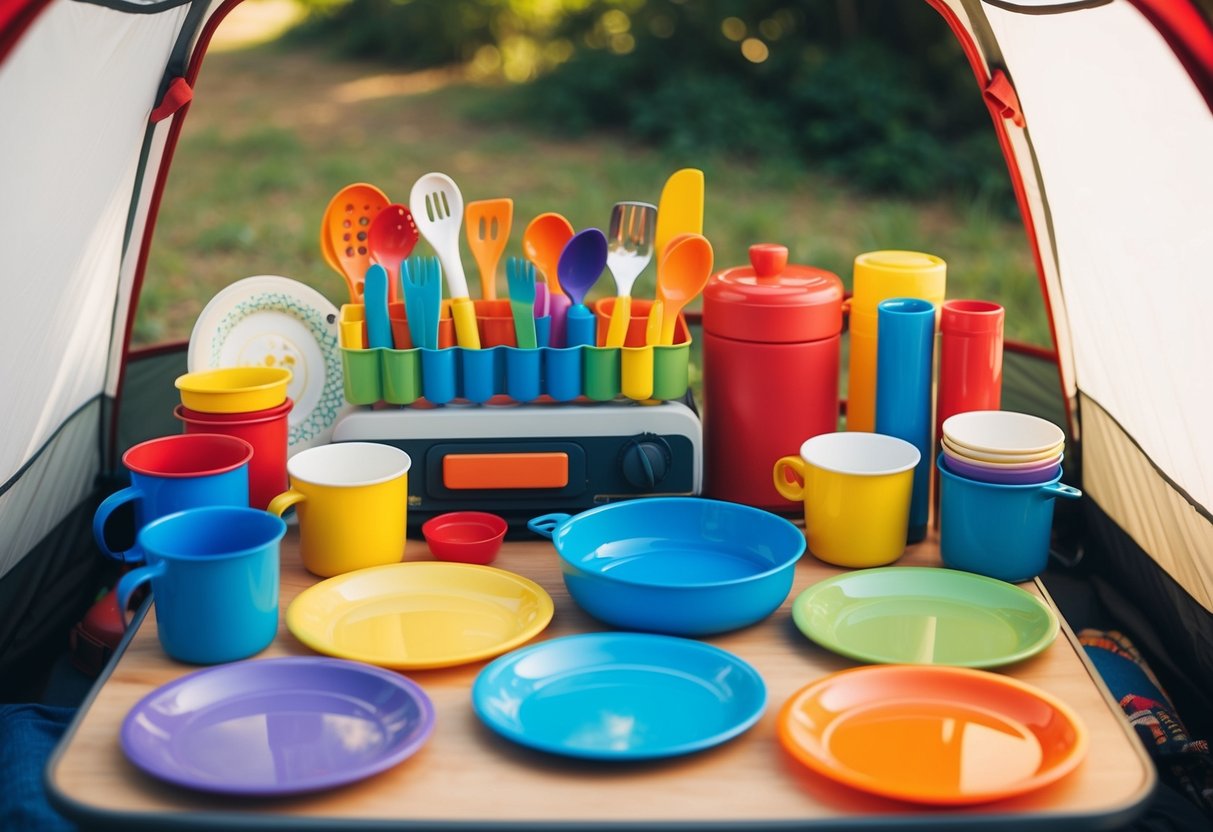
Wondering how to make your camp kitchen kid-friendly while keeping it functional and fun? This article will guide you through essential tips and tricks. You’ll learn how to pack efficiently, ensuring you have everything you need while avoiding unnecessary clutter. Get ready to simplify your camping meal prep and focus on what really matters—having a great time outdoors with your family!
Portable Propane Stove
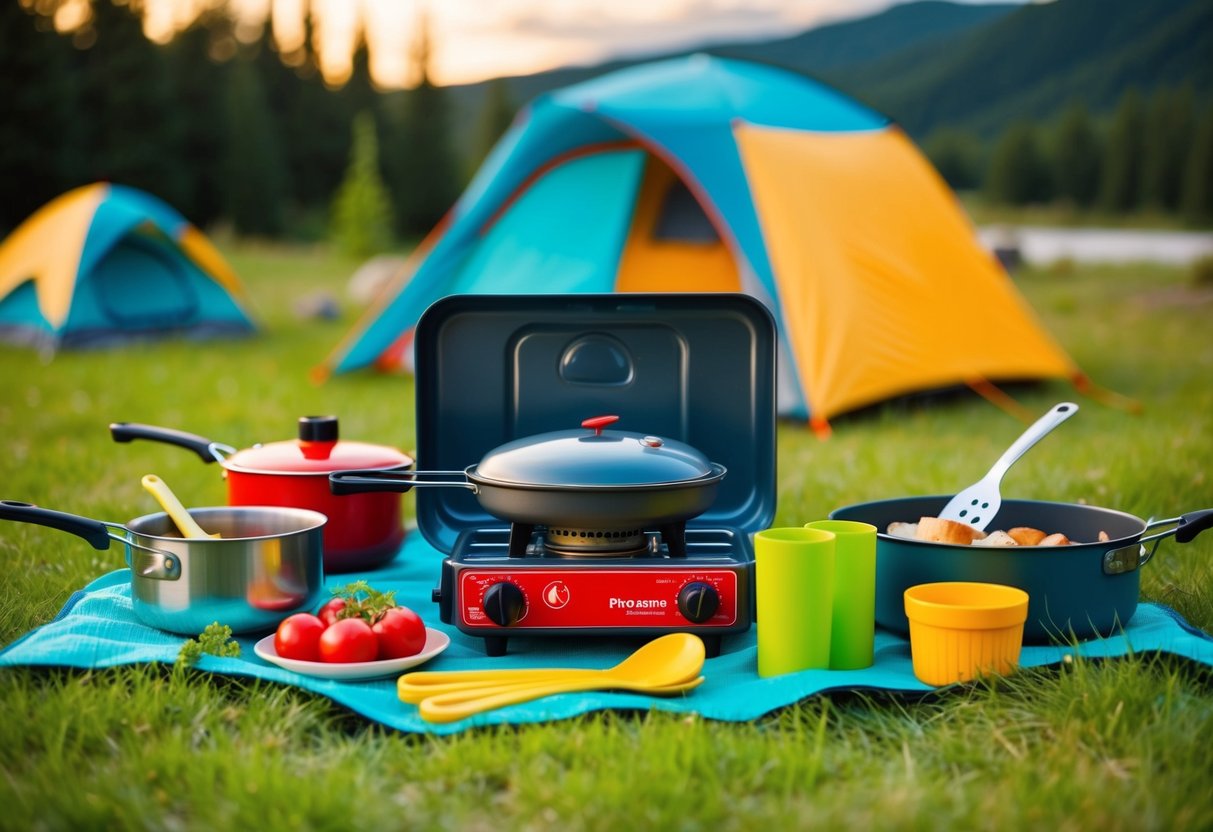
When you’re camping with kids, a portable propane stove is your trusted kitchen companion. It’s easy to use, and you can set it up quickly. Plus, it’s safe, which is a big plus when kids are around. With a good stove, you can whip up meals just like at home.
Why propane? It’s reliable and efficient. These stoves heat up fast, which means hungry tummies won’t wait long. They are often lightweight and compact, making them easy to pack. And the best part? Cleaning up is a breeze!
Safety first! Always set your stove on a flat surface. Keep it away from flammable items and remind the kids to steer clear when cooking. It’s handy to have a small fire extinguisher nearby, just in case. Also, ensure good ventilation in your cooking area.
Think about fuel. Propane is easy to find and store. Always carry a couple of extra canisters to avoid surprises. Check your stove’s connections for leaks before lighting it up. A little soapy water can help spot leaks—bubbles mean trouble!
Look for features that suit your needs. Whether it’s two burners for multitasking or a wind shield to protect the flame, each stove offers something different. A favorite among campers is the Coleman Classic Propane Stove for its durability and ease of use.
Collapsible Dish Tub
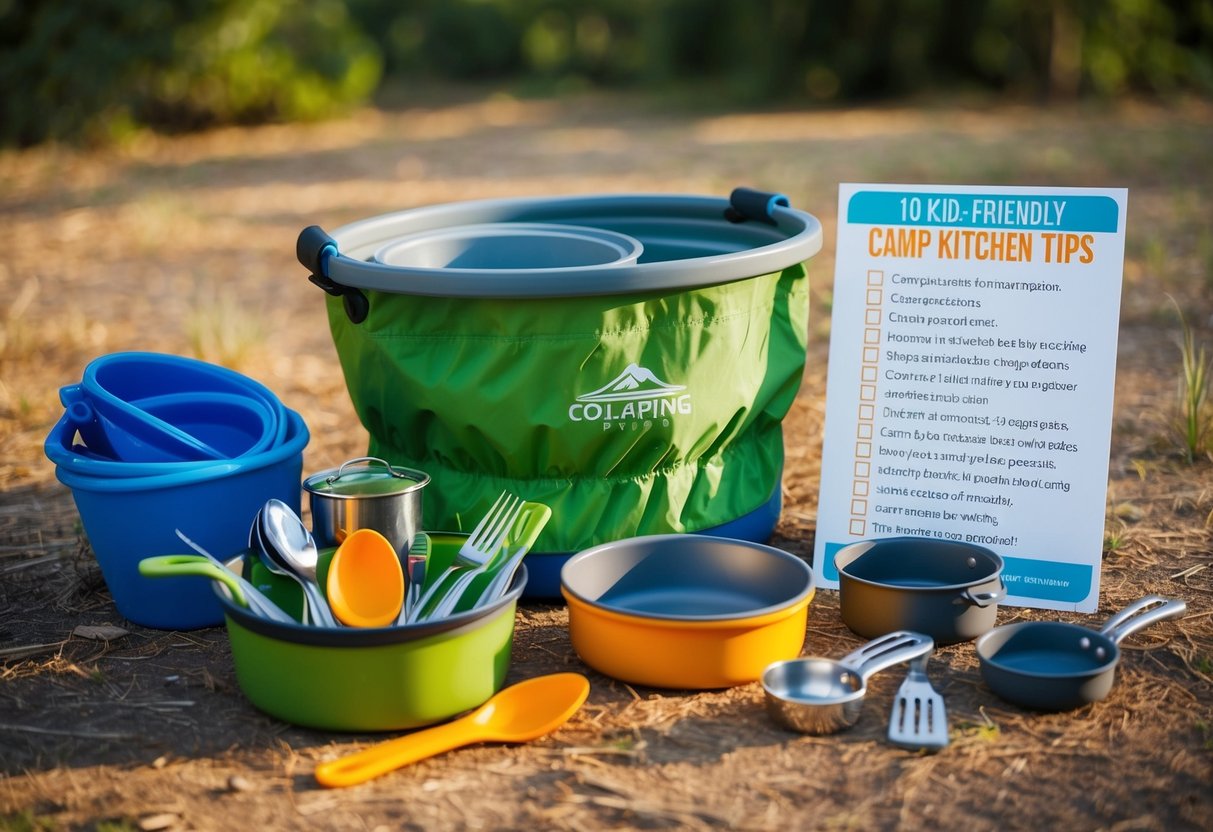
Packing for a camping trip with kids? Consider adding a collapsible dish tub to your camp kitchen gear. This handy tool can make a big difference in managing camp chores. When space is tight, a dish tub that flattens when not in use is a solid solution.
A standard dish tub can be bulky, but collapsible ones don’t have that problem. They fold down to a compact size, often just an inch or two high. Imagine fitting all your essentials without breaking a sweat!
Using a collapsible tub makes washing dishes easier, especially when you’re dealing with limited resources. No sewer hook-up at the campsite? No problem. You can use your dish tub each day to save on gray water, which is a must when camping with little ones.
These tubs are not just for washing dishes. They’re versatile and can be used for various tasks around the campsite. Some parents even use them as makeshift bathtubs for toddlers. Just add water and let the bath fun begin!
Another perk is how economical they can be. Many models are affordable and often BPA free, ensuring safety for your family. Plus, they generally hold up well to repeated use, making them a reliable part of your camping toolkit.
Kid-Sized Utensil Set
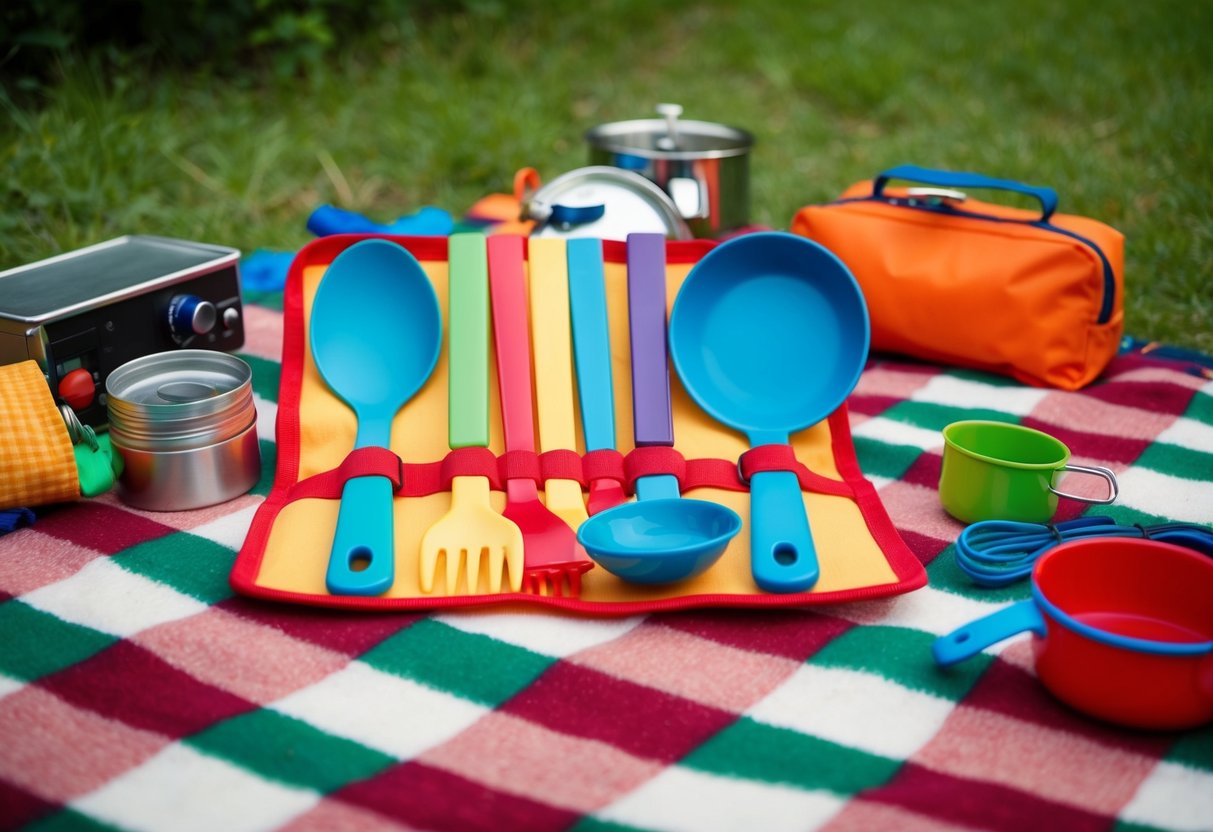
When you’re heading out for a camping trip, one of the best things you can pack is a kid-sized utensil set. These tools are perfect for small hands and help get kids involved in cooking. You’ll find sets that include essentials like a spatula, whisk, and rolling pin, designed to be durable and safe for young chefs.
Kids can be more excited about cooking when they have their own tools. A spatula that’s sized just right makes flipping pancakes or stirring pasta tons of fun. It’s like magic seeing them smile while helping out!
Look for utensils that are colorful and easy to wash. Bright colors can make kids eager to join kitchen activities. Cooking outside becomes a special memory with their own set of utensils.
Some sets come with extras, like recipe cards, to inspire creativity. These cards can plant seeds for new ideas, such as making bug cupcakes or trying out simple sandwich recipes. It’s a super way to blend learning with play!
Having the right equipment makes a big difference in a camp kitchen, and the same holds true for kids. When the utensils fit their size, it’s easier for them to focus and enjoy the cooking process. Plus, who doesn’t love a little helper at a campsite?
Insulated Lunchbox
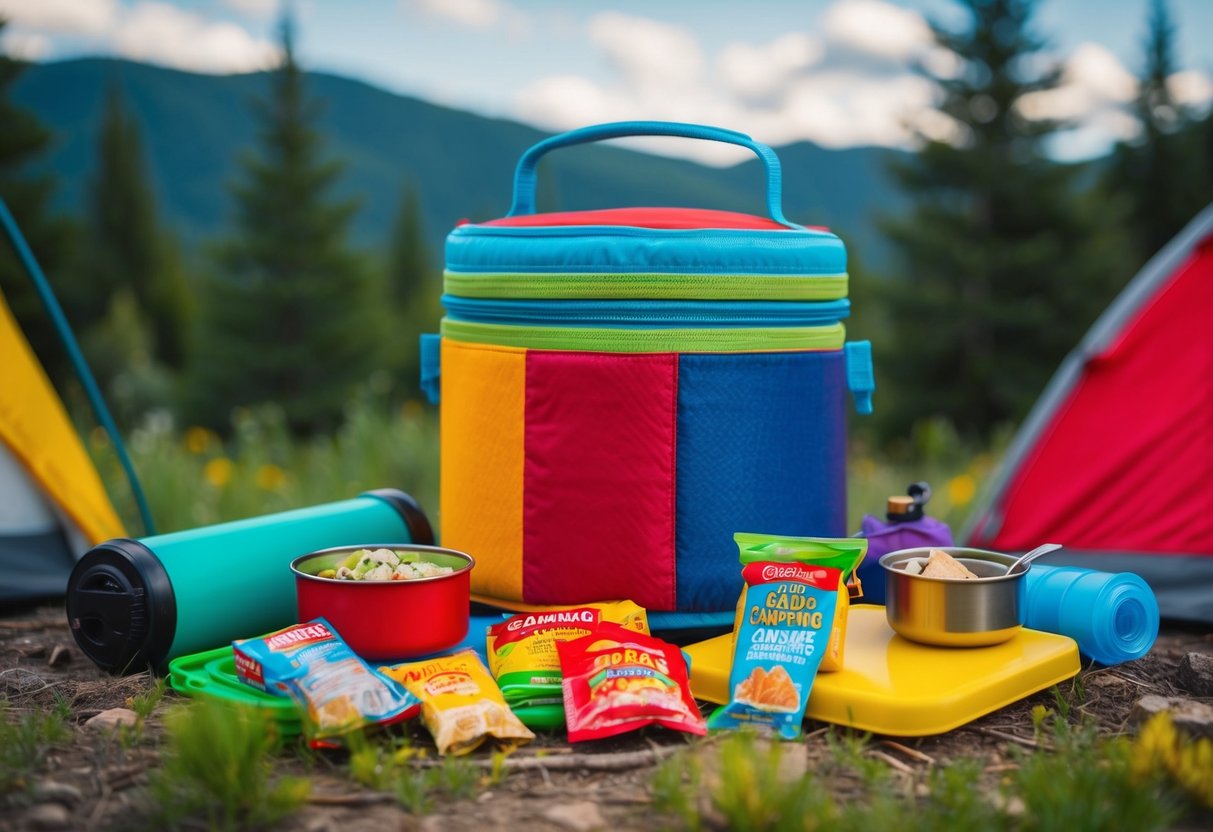
An insulated lunchbox is your best friend when it comes to keeping meals fresh at camp. You don’t want your kid’s lunch to spoil before they’ve had a chance to eat it, right? Insulated boxes help maintain food at the right temperature, whether you’re packing something hot or cold.
Imagine this: your child is all set for a fun day of activities, and their lunch stays perfect until the last bite. Insulated boxes are perfect for keeping sandwiches cool or soups warm. Just pour boiling water into the container for a few minutes before adding the hot food. Easy, right?
It’s important to pick the right size. You don’t want the lunchbox to be too big or too small. Something that fits snugly into your child’s backpack is ideal. A lunchbox that’s easy to clean makes all the difference too. After all, who wants to deal with yesterday’s potato salad smell?
Are you wondering about keeping drinks cool? Toss in a small ice pack with the lunch. A couple of ice packs can keep milk or juice fresh until lunchtime. Make sure to pack it right to avoid spills or soggy sandwiches.
Consider dividing the lunchbox into sections to keep foods separate. This can prevent flavors from mixing. Bento-style boxes are great for this. They can make lunch exciting with lots of little treats and snacks, keeping your child guessing what they’ll find next.
Don’t forget to label everything. Kids have an amazing ability to lose things at camp. A clearly labeled lunchbox is more likely to make it home safely. Plus, it helps camp staff if there’s any mix-up.
Campfire Popcorn Popper
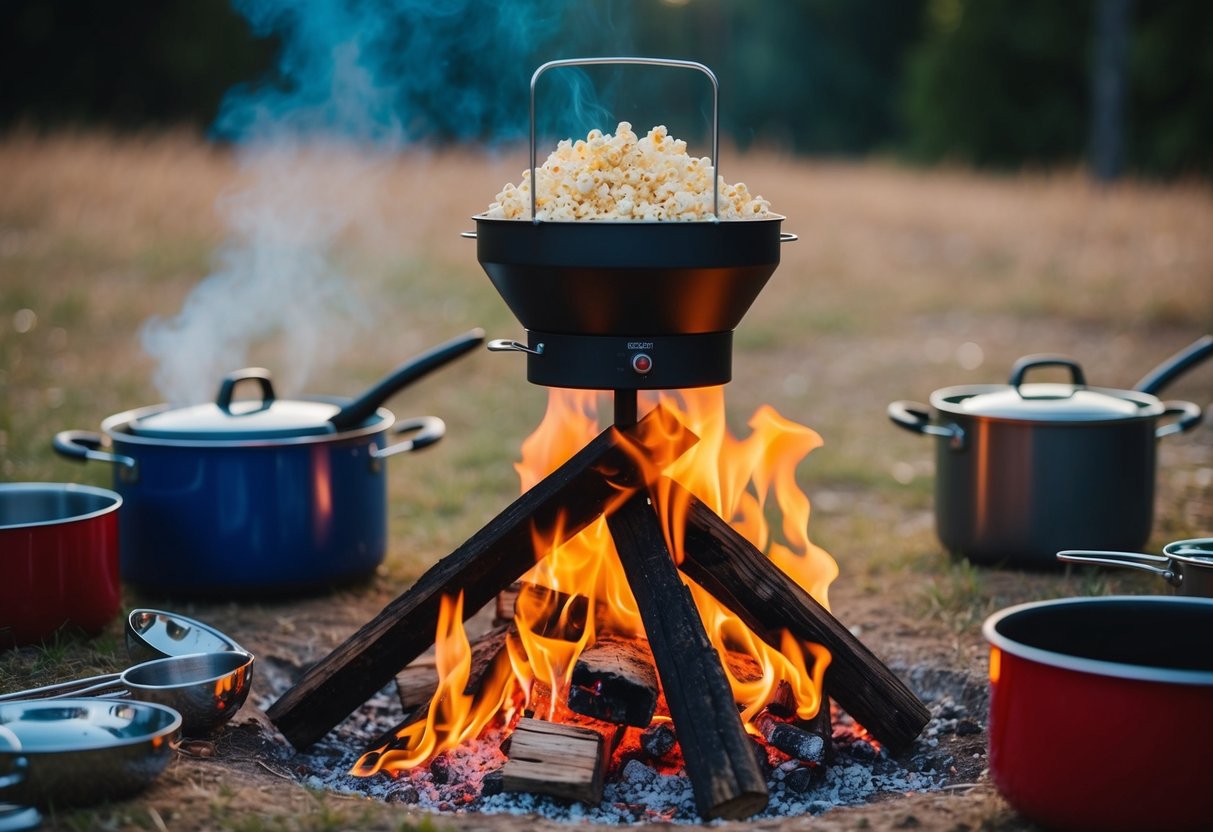
Camping trips are all about simple joys, right? One delightful treat that adds fun to your camp kitchen is a campfire popcorn popper. Whether you’re snacking under the stars or sitting around the campfire, this little gadget brings a smile to everyone’s face.
How do you use a campfire popcorn popper? It’s easy! Start by adding a bit of oil and popcorn kernels into the popper. Make sure the popper is nice and hot before you begin. You’ll hear that satisfying sizzle and pop soon enough!
Wondering how to get perfectly popped kernels? Shake that popper over the fire until the popping slows down. Then, pour your popcorn into a bowl and get ready to dig in. Feeling adventurous? Add some salt or your favorite toppings.
Considering your options? Campfire popcorn poppers come in different styles. Some are made of cast iron, offering durability, while others are lightweight and easier to handle. Choose one that suits your camping needs and can handle the heat of your campfire.
Popping popcorn over hot coals rather than flames helps you avoid burning your snack. Make sure to scrape some coals to the side so your popper gets even heat. Almost ready? Grab half a cup of popcorn kernels for each batch.
Looking to make your snack time special? A campfire popcorn popper turns corn into a crunchy, tasty treat. Everyone at your campsite will want a taste. Just make sure to have enough for seconds!
Compact First Aid Kit
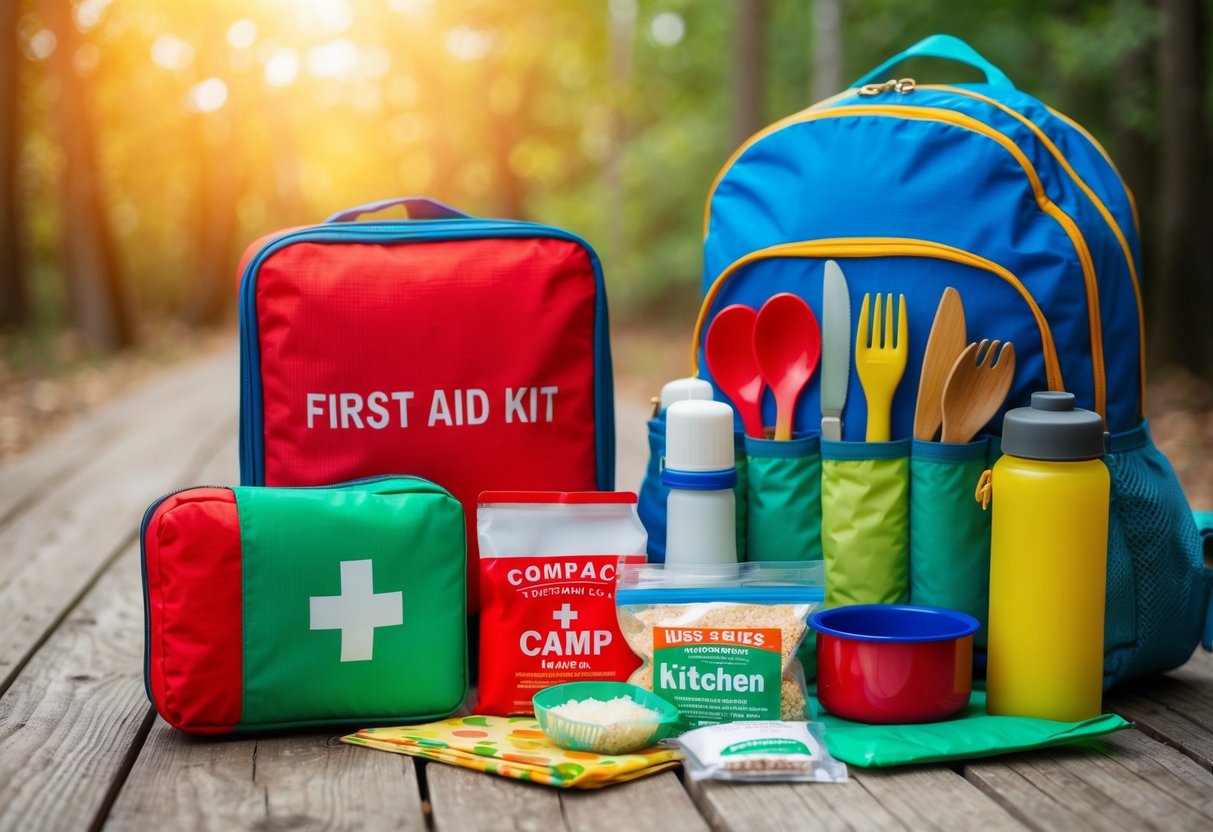
When you’re packing for a camping trip with kids, don’t forget a compact first aid kit. It’s like your camping sidekick, ready to help with those small emergencies.
Start with the basics. Band-aids are a must for those inevitable scrapes. Antiseptic wipes help keep cuts clean and prevent infection. Toss in some gauze pads and adhesive tape for those bigger bumps and bruises.
What about the bugs? Bug bites can put a damper on the fun. Pack some anti-itch cream or bug spray. Kids love being outside, but they don’t love being itchy!
You can’t predict the weather, so be prepared for the sun. A small bottle of sunscreen is essential. Sunburns can ruin a day and are no fun at bedtime.
For bigger adventures, like hiking or swimming, add tweezers for splinters and aloe vera gel for soothing sunburns. Pain relievers for kids are a good idea too.
Don’t underestimate ice packs, especially if you have active kids. They’re great for sprains or bruises and don’t take up much space when not frozen.
Consider the age of your kids when packing. Younger kids need simpler items. If your kids are older, you might want to add things like a CPR mask or a small splint.
Finally, keep your kit well-organized. Use a small, waterproof bag to hold everything. That way, you won’t spend precious time searching for what you need when you need it.
Colorful Plastic Dinnerware
Packing for a camp kitchen should be fun, right? Using colorful plastic dinnerware can be a great idea. Kids love vibrant colors, and this can make mealtime more exciting for them. Imagine the joy on their faces as they pick out their favorite color plates! Plus, it makes it easier to keep track of which plate belongs to who.
Sturdy plastic plates and cups can survive the rough and tumble of outdoor adventures. You won’t have to worry about broken glass or chipped ceramics. They’re light, which is perfect for kids who like to help carry their own dishes. And don’t forget about the easy washing after a meal!
When choosing plastic dinnerware, look for options that are BPA-free. Recent studies have shown concerns about BPA, a chemical found in some plastics. Choosing BPA-free ensures you’re steering clear of these worries. Many of these sets are microwave-safe, too, which can be handy on those camping trips with access to that magical heating box.
Creating a system at camp with colorful plates makes organizing simple. Assign colors to each kid to make sure everything stays in order. Blue for Jack, pink for Lisa—this helps reduce any mealtime mix-ups. And who doesn’t love a little friendly competition over who remembers their color best?
Child-Friendly Bug Spray
Packing for a camping trip with kids involves many little details, like making sure you’ve got the right bug spray. Mosquitoes and other pesky insects can quickly turn outdoor fun into a scratching frenzy. You want something that’s effective but also gentle enough for your child’s delicate skin.
When choosing a bug spray, look for products with DEET or natural ingredients like citronella and peppermint. DEET at 10-30% is generally safe for children, providing protection against mosquitoes for several hours. Natural options usually smell nicer and are often free from harsh chemicals.
Homemade Bug Sprays: These can be a fun project to do together and a way to avoid strong chemicals. Mixing essential oils like citronella, lemongrass, and peppermint can keep bugs away for about 2-4 hours. Keep in mind; you may need to reapply more often than commercial sprays.
Wondering if the kids will like it? Many find the smell of natural sprays more pleasant than some store-bought options, which can have a strong odor. Plus, putting your homemade spray in a cool container with a fun label can make application a bit more exciting.
Taking regular breaks for sunscreen and bug spray might feel a bit like a chore, but it’s important for keeping kids comfortable and bite-free. Use spray primarily on clothing or exposed skin, avoiding hands and faces. A little preparation goes a long way in making your trip itch-free!
Rechargeable Lantern
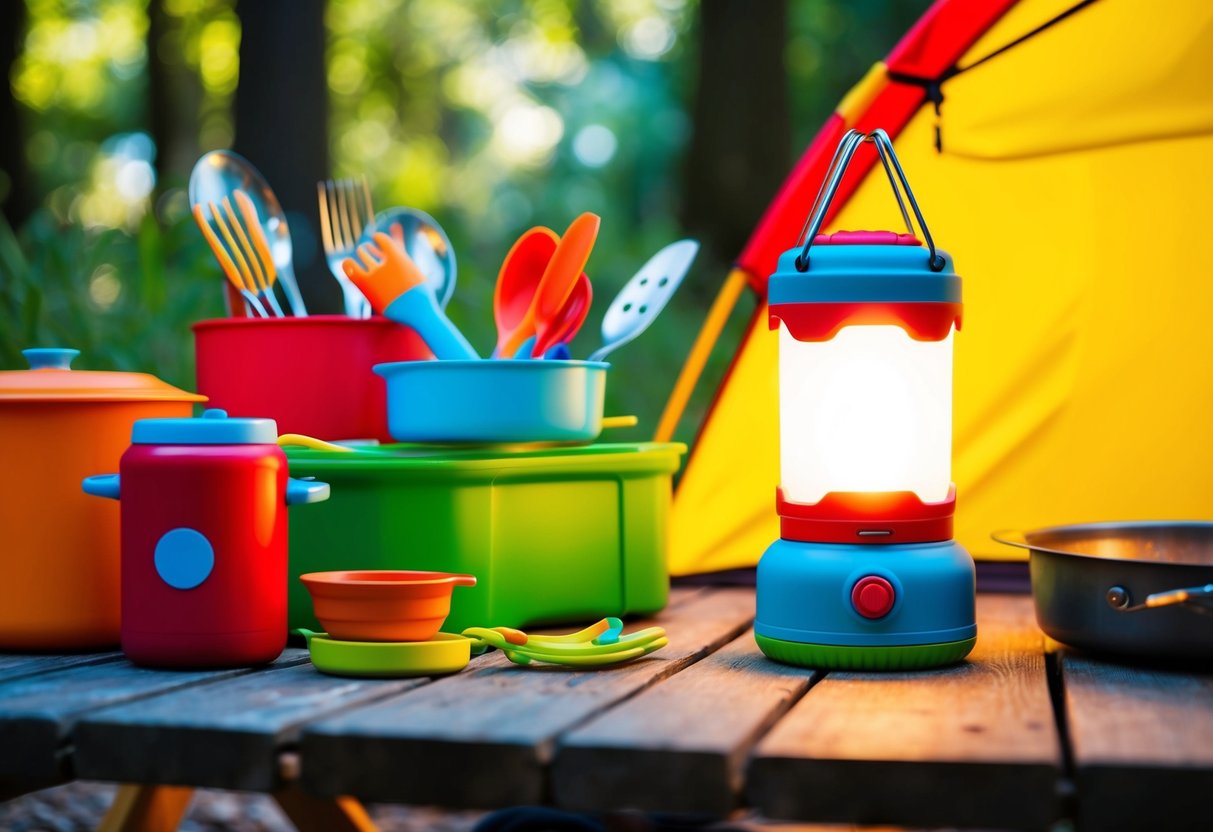
When you’re packing for a camping trip with kids, a rechargeable lantern is a great choice. Why? Because you won’t need to worry about running out of batteries in the middle of a fun night. Just charge it before you head out, and you’ll be set.
Rechargeable lanterns are often lightweight and easy to carry, making them perfect for little ones to handle. Many models offer different brightness settings. This means you can adjust the light to be gentle during bedtime stories or bright when you need to find that elusive lost sock in the corner of the tent.
Many rechargeable lanterns are eco-friendly because they reduce the need for disposable batteries. This makes them a responsible choice for your family and the planet. Plus, they usually come with USB charging ports. This is super handy, as you can charge them from a power bank if needed.
Some lanterns even have fun features like color-changing lights or night light modes. Kids love these and might even be inspired to have their own little dance party by the campfire. Just make sure to check if they come with these options before buying.
When choosing a lantern, consider the run time on a full charge. Make sure it’s long enough for your nighttime adventures. Some lanterns can last up to 10 hours on a single charge, which is usually plenty for a night or two in the wilderness.
Mini S’mores Maker
Who doesn’t love making s’mores around the campfire? A mini s’mores maker can be a fun addition to your camp kitchen. It’s small, easy to use, and brings joy to kids and adults alike. You can even involve the kids in setting it up and making their own delicious treats.
Using a mini s’mores maker is simple. First, gather all the ingredients: graham crackers, marshmallows, and chocolate. Find a level surface to place the maker on. Once set up, light the small burner or candle that usually comes with it. This will create a gentle heat perfect for roasting marshmallows to gooey perfection.
Kids love watching the marshmallows turn golden brown above the tiny flame. But always make sure an adult is present to help and supervise. Remind the kids not to get too close to the flame and to use skewers or sticks to keep their hands safe.
In case of windy weather, set up your mini s’mores maker in a sheltered spot. The small flame can easily blow out. It’s a good idea to pack extra candles or fuel, just in case. This way, the fun doesn’t have to stop because of a little breeze.
Once the marshmallow is ready, sandwich it between two graham crackers with a piece of chocolate. Wait a moment for the chocolate to melt slightly. And there you have it—a perfect s’more!
Packing some extra snacks and drinks ensures that everyone stays happy as they make and enjoy their s’mores. Kids might enjoy trying different flavor combinations. Try adding peanut butter or some banana slices for variety.
The Essentials Of A Kid-Friendly Camp Kitchen
Creating a kid-friendly camp kitchen is all about picking the right tools and keeping things organized. This makes cooking outdoors both fun and stress-free for everyone involved.
Choosing The Right Cooking Gear
When camping with kids, choosing the right cooking gear can make all the difference. Start with a sturdy camp stove. A two-burner propane stove works well, providing space to cook multiple things at once. It’s reliable and easy to use, ensuring you can whip up quick meals like grilled cheese or pancakes before your little ones get too hungry.
Don’t forget utensils made for outdoor cooking. Lightweight pots with lids, a frying pan, and a large spoon are must-haves. Consider a collapsible kettle for boiling water, perfect for hot drinks or oatmeal in chilly mornings. Kid-friendly gear also includes safe items like utensils with rounded edges and spill-proof cups. These keep things safe and simple, avoiding unnecessary accidents.
Use a durable cooler to keep your ingredients fresh. It will ensure that you have fresh produce and snacks throughout your trip. Consider a cooler with wheels or handles for easy transport. Check its insulation capacity to guarantee food stays cold all day.
Organizing Food Supplies
Organization is key in camp kitchens, especially with kids. Set up a designated food station using a folding table. Use transparent bins or containers with labels to separate snacks, ingredients, and kitchen tools. This makes it easy to know where everything is and quickly find what you need.
Pack food into sections: breakfast, lunch, snacks, and dinner. This planning helps you avoid the chaos of rummaging through haphazard bags for a missing item. Group items that you use together, like pancake mix with maple syrup, so you’re fully prepared when it’s time to eat.
Encourage kids to pack their own snack bags. This keeps them entertained and helps manage portion sizes. Ensure you bring enough reusable baggies or containers for leftovers to prevent waste. Keeping kids happy and fed is the main goal, so opt for familiar items they love and are easy to prepare.
Safety Tips For Cooking Outdoors
Cooking outdoors can be a lot of fun, but it also comes with its own set of challenges. Fire safety is crucial to prevent accidents, while being careful can help avoid burns and other common injuries.
Managing Fire Safety
When you’re cooking outside, managing fire safety is key. Always set up your cooking station on a flat surface away from dry grass, leaves, or overhanging branches. Keep a bucket of water or a fire extinguisher close by for emergencies. Once you’re done cooking, make sure to fully extinguish any open flames by dousing them with water until the smoke stops.
Next, consider wind conditions. A sudden gust can send embers flying, so place your grill or stove downwind from your campsite to reduce the risk. Use long-handled tools to maintain a safe distance from the flames and always have a designated person watching the cooking area if kids are around.
Preventing Common Injuries
Common injuries while cooking outdoors often involve cuts, burns, or falls. Using the right gear and a little caution can prevent many of these mishaps. Let’s start with cuts: use a clean, sharp knife and a proper cutting board for meal prep. It might sound odd, but a sharp knife is actually safer because it requires less force and is less likely to slip.
When it comes to burns, use heat-resistant gloves and ensure all hot surfaces and containers are placed on stable areas away from the edge of tables. Be mindful of handles that extend over the edges. Finally, put bright markers or tape around the cooking area to prevent trips and falls, especially in low-light conditions. Always keep a well-stocked first aid kit on hand for any accidents.
Making Mealtime Fun For Kids
Eating in the great outdoors can be an adventure in itself. You can make meals exciting by letting kids take charge. Give them a task, like tossing the salad or wrapping their own sandwiches.
Try a food scavenger hunt. Hide snacks around your campsite for kids to find. It’s a fun way to explore and munch!
Turn mealtime into a DIY party. Set up a taco or sandwich bar with all the fixings. Kids can build their own perfect meal, mixing and matching ingredients.
Ever tried cooking on a stick? Hot dogs, marshmallows, or even veggie kabobs are easy to skewer and cook over the fire.
Make it colorful! Use a mix of fruits and veggies in every meal. The vibrant colors will catch your kids’ eyes and make eating fun.
Let them shop. Getting kids involved from the start makes meals more exciting. Have them pick out a few unique ingredients.
Bring kid-size tools. Small aprons, utensils, and plates give little ones a sense of ownership in the kitchen.
After eating, a quick game or storytime can round out mealtime, keeping the fun going even when the food is gone.
Frequently Asked Questions
When packing a camp kitchen for kids, think about the right tools and strategies for staying organized and efficient. Consider items like portable stoves and kid-sized utensils. Also, planning meals that are both fun and easy can make your camping experience smoother and more enjoyable.
What are the must-have items for a kid-friendly camp kitchen setup?
Packing a portable propane stove is practical for easy meal preparation. Consider bringing a collapsible dish tub for washing up and a kid-sized utensil set to make it simple for little hands to help. An insulated lunchbox can keep snacks cold, and a campfire popcorn popper adds entertainment to your evenings.
How can I ensure I pack everything my family needs for cooking at camp without overpacking?
Make a list of meals and then break down necessary ingredients. Focus on versatile items that can be used in multiple dishes. Store smaller items in organization bins or bags to make sure you remember everything without taking too much. Don’t forget key items like extra propane tanks and ice packs for your cooler.
What’s a smart way to keep a camp kitchen organized when camping with children?
Using clear bins or storage containers helps in keeping everything neat and visible. Arrange your bins by meal or by category, such as cooking gear and snacks. Label each container to make finding items easier. Keeping a checklist of what you packed ensures you have everything you need before you leave.
What are some fun and safe ways to involve kids in camp cooking activities?
Kids love feeling helpful! Let them wash veggies in the collapsible dish tub or stir ingredients. A simple task like gathering sticks for the campfire can be fun. For dessert, try making s’mores or using the campfire popcorn popper. Always supervise closely to keep them safe.
How do I create a camping meal plan that’s kid-approved and easy to manage?
Choose meals that don’t require lots of ingredients or tools. Think sandwiches, wraps, and simple pasta. Prepare some elements at home, like chopping veggies or marinating meat. Keep their favorites in mind and allow for treats. This balance will make everyone happy and keep meal prep stress-free.
What are some common items that people forget to pack for a camping trip that are essential for a camp kitchen?
An extra set of matches or a lighter can come in handy. Trash bags for clean-up are often overlooked but vital.
Extra utensils and cups can save the day when spares are needed. Remember an opener for cans or bottles, which are often forgotten but very useful.

Growing up in the Pacific Northwest, we’ve always felt at home in the outdoors. We created Evergreen Adventures PNW to share our love of hiking, camping, and exploring, and to help others discover the best adventures this region has to offer. Along with trip guides and tips, we also enjoy diving into the science behind the landscapes—thanks to a background in Environmental Science—because understanding nature makes every adventure even more meaningful.