
Planning your first camping trip can be both exciting and a bit overwhelming. The key to a successful adventure lies in careful planning and preparation. Whether you’re heading to the mountains or a peaceful lakeside, choosing the right destination is crucial for beginners. Make sure it matches your experience level and offers the activities you’re interested in, like hiking or fishing.
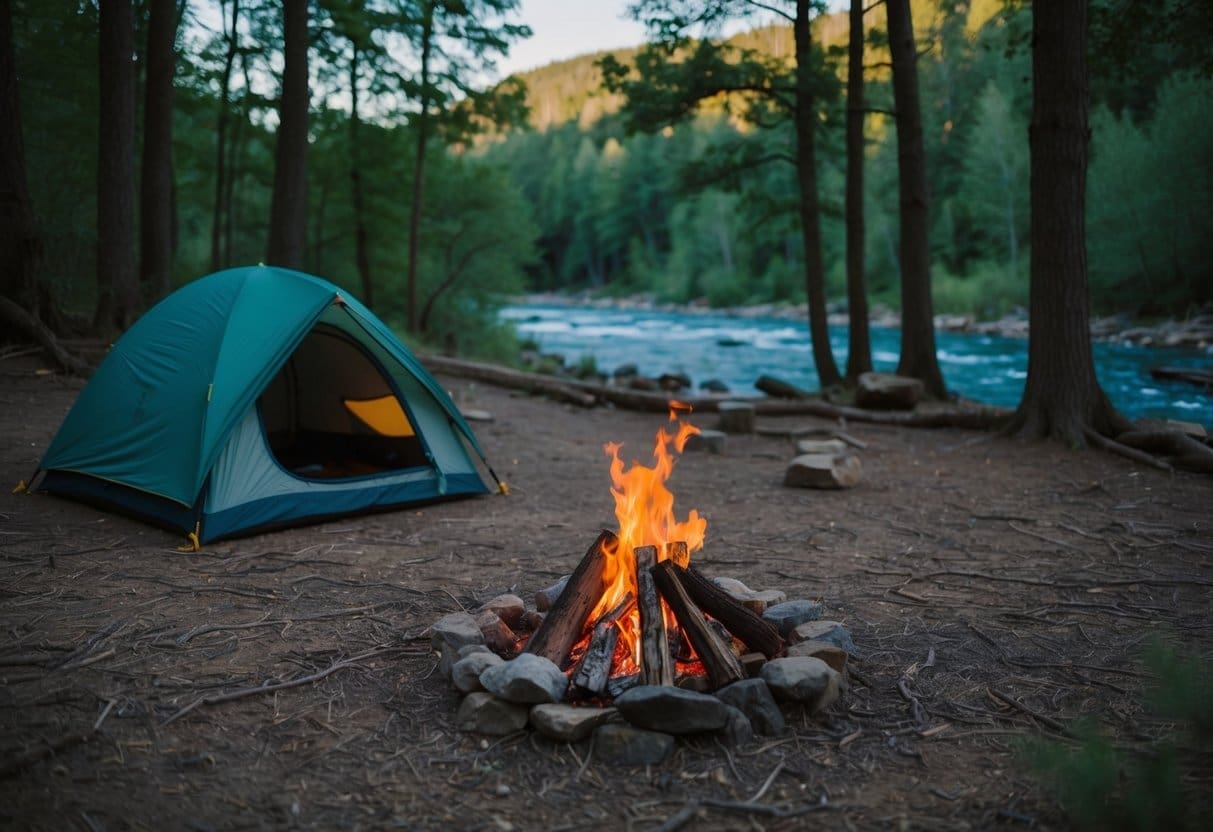
Once you’ve picked a spot, it’s time to get your gear ready. As a beginner, invest in essential camping gear such as a sturdy tent, warm sleeping bag, and a reliable cooking set. Don’t worry, you don’t need to break the bank. There are plenty of affordable options available that will serve you well on your adventure.
Getting your campsite set up just right will greatly enhance your experience. Arrive early to secure a good spot, clear of rocks and close to amenities if possible. From hanging your food safely to finding the best vantage point for views, these small details can make a big difference. As you embark on your first camping adventure, these practical steps will ensure you have a fun and memorable experience.
Key Takeaways
- Careful planning is crucial for a successful trip.
- Choose the right camping gear for a comfortable stay.
- Set up your campsite thoughtfully for a great experience.
Choosing Your Destination
Picking a spot for your first camping trip is thrilling, whether you’re aiming for a bustling national park or a quiet state park. You’ll want to think about the kind of experience you’re looking for. Are you ready for a back-to-nature adventure, or are you leaning towards cozy comforts?
Exploring National and State Parks
National parks offer breathtaking landscapes and an abundance of activities. Yosemite, Yellowstone, or the Grand Canyon are not just names; they promise unforgettable experiences. These parks generally have multiple campgrounds, each with unique features. State parks can also be gems with lesser crowds. They often provide a more secluded experience without sacrificing beauty. Consider whether you want guided tours or prefer having the freedom to explore on your own.
Create a list of parks that catch your interest. Look at maps and campground details online to see what suits your style. Don’t overlook permit requirements and seasonal accessibility, especially for very popular destinations.
Finding the Perfect Campground
After choosing a park, the next step is finding the right campground. Think about what amenities are essential for you: bathrooms, showers, or maybe electrical hookups? Are you after a spot by a lake, or do you want treetop views?
Use campground directories online to filter options. Many campgrounds have reviews from past campers, which can give you hints about what to expect. Also, consider how far the campground is from the park’s major attractions or trails. A spot too far might mean long drives to reach your desired places.
Make sure to check how full campgrounds might be on your travel dates. Booking in advance might be your best bet during peak seasons.
Types of Camping: From Backcountry to Glamping
There’s a style of camping for everyone. Backcountry camping is for those who love hiking deep into the wild. It’s raw, like TV survival shows, but make sure you’re prepared. For those who want some creature comforts, glamping is glamourous camping with luxurious tents and maybe even a real bed.
Dispersed camping means setting up outside designated sites, often on public land, providing true solitude, but it requires more planning. Traditional tent camping remains a popular choice, blending nature with the essentials. Choose based on your readiness and comfort level for roughing it out or living it up in style!
Gear Up: The Camping Essentials
Planning your first camping trip can be exciting and a bit overwhelming. You need to choose the right tent, pack essential gear, and navigate the amenities available at your campsite. Let’s dive in and prepare for the adventure!
Selecting the Right Tent
Choosing a tent is the first step toward a great camping trip. Size matters: think about how many people will sleep inside and whether you’ll store gear in it. A three-person tent is usually comfortable for two adults if you want extra room.
Weather conditions also play a big role. If you’re camping in rainy areas, choosing a tent with a strong rainfly and good waterproofing is key. For warm weather, consider one with plenty of ventilation. Always check the tent’s weight and ease of setup too, especially if you’re new to camping. Practice pitching it at home before you head out so you won’t struggle in the dark.
Packing the Perfect Camping Kit
Every camper needs a well-stocked kit. First, start with a camping checklist to keep track. Must-have items include a first aid kit, reliable camping stove, and cooking gear. Think about lightweight cookware and utensils too. You can’t forget a sleeping bag and pad for comfort during the night.
Meal prep can be easier with a small cooler if you plan your meals ahead. Headlamps or flashlights with extra batteries will light your way after the sun sets. Bring a compass or map instead of relying on your phone, as signal can be spotty. A multi-tool or knife can be handy for all sorts of campsite tasks.
Navigating Camping Amenities
First-time campers should choose sites with comfort in mind. This means looking for campgrounds with running water and flush toilets to make your stay easier. These amenities can make your time outdoors more enjoyable, allowing you to focus on fun activities.
Check the availability of picnic tables or fire pits, as not all campsites come with these extras. Also, find out if there’s a store nearby for quick snack runs or forgotten supplies. Knowing ahead of time means fewer surprises, and more time to enjoy nature.
Planning Your Trip
Crafting the perfect camping adventure involves careful consideration of your itinerary, meals, and activities. From creating a comprehensive plan to ensuring you’re well-prepared for fun outdoor adventures, here’s how to make your first camping trip a memorable one.
Creating a Foolproof Camping Plan
Start by choosing your destination and make sure to check the weather. Knowing the forecast helps you pack the right clothes and gear. Create a packing list with essentials like tents, sleeping bags, and flashlights. Don’t forget a first-aid kit and a map of the area.
To secure a campsite, make reservations early, especially during peak season. Consider if access to facilities like restrooms and running water is important to you. Plot your route and calculate travel time to avoid surprises. Make a checklist before you go to confirm that nothing important is left behind.
Food and Meal Prep: Nourishment in Nature
Plan your meals ahead to avoid hunger in the wild. Think about easy-to-cook recipes and snack ideas that keep you energized. Organize meals by day and pack ingredients in sealed bags to keep them fresh. Use a cooler with ample ice packs to store perishable food like meats, dairy products, and veggies.
Consider bringing a camp stove or grill for cooking, and pack enough fuel. Prepare meals that require minimal prep, like sandwiches and salads, for convenience. Write down your meal plan to streamline your packing.
Outdoor Activities and Adventure Prep
Think about the fun things you want to do, like hiking, fishing, or bird watching. Research the site for available activities and check any needed permits or tickets. Make sure to pack the appropriate gear for each activity, such as sturdy shoes for hiking or a fishing rod. Include items like ropes or maps if you’re planning technical activities like climbing or orienteering.
Packing suitable clothing and gear is crucial for enjoying all nature offers. Bring layers for changing weather, sunglasses if it’s sunny, and boots if trails are rough. With preparation, your adventure is bound to be a hit!
Setting Up Your Campsite
Getting your campsite ready is a big part of the camping adventure. If you know how to pitch a tent, organize your space, and be mindful of safety and etiquette, you’ll have a better camping experience. Let’s dive into the details of each step to make your outing a success.
The First Task: Practice Pitching Your Tent
Start with practicing how to set up your tent at home. Set it up in your backyard or even your living room. This makes the process easier when you’re out in the wilderness.
Key Points:
- Tent Placement: Choose a flat spot free of rocks and sticks.
- Wind and Weather: Face your tent door away from the wind.
- Ground Stakes: Use them to secure your tent, even if conditions seem calm.
By practicing, you’ll know the ins and outs, and you’ll avoid surprises like missing parts or broken poles.
Organizing Your Sleeping and Living Spaces
Comfort and organization are essential for a restful night. Think about where you sleep and how to store your gear.
Sleeping Setup:
- Sleeping Bag: Choose the right one for the weather. Colder nights need thicker bags.
- Ground Pad: Adds comfort and insulation from the ground.
Living Zone Organization:
- Cooking Area: Keep cooking gear separate from where you sleep.
- Food Storage: Use a bear bag or locker if in bear country.
Making these decisions beforehand saves time and keeps everything efficient and comfortable.
Campsite Safety and Etiquette
Keeping your site safe and following campsite rules is important for a fun and trouble-free trip.
Safety Measures:
- First Aid Kit: A must-have, packed with basics like bandages, antiseptic wipes, and pain relief.
- Fire Safety: Set fires in designated areas and extinguish them completely.
Etiquette Rules:
- Noise Levels: Keep it down. Respect the peace of nature.
- Leave No Trace: Take all your trash with you.
These steps not only safeguard your camping experience but also demonstrate respect for nature and fellow campers.
Maximizing the Camping Experience

Getting the most out of your camping trip means diving into the natural world, enjoying outdoor activities, planning a road trip carefully, and learning some handy travel tips. These elements can turn an average trip into an unforgettable adventure filled with exciting memories.
Embracing Nature and Outdoor Thrills
To truly enjoy camping, soak up all that nature offers. What activities can you line up? Hiking through trails, bird watching, fishing, or even climbing if you’re feeling adventurous.
Embrace outdoor thrills with activities like canoeing or mountain biking. Create a list of activities before you set off. Bring the right gear for each adventure: sturdy boots for hiking or a kayak for water exploration. The great outdoors is your playground!
Don’t overlook simpler joys, such as spotting constellations at night or enjoying a sunrise. These moments create lasting memories. Remember, the goal is to disconnect from the hustle and bustle and reconnect with the tranquility and excitement of nature.
Camping Road Trip Considerations
Planning a camping road trip? Think about your travel routes. Choose scenic paths that add excitement to the journey. Safety first! Ensure your vehicle is road-ready, with essentials like a spare tire and toolbox.
Pack smart by creating a checklist. Bring enough supplies without overloading. You also want to keep important items easily accessible. Snacks, water, and a first-aid kit should be within reach for any unexpected events.
Look into campsites along the route for breaks. They offer a chance to stretch, rest, and maybe explore a new environment. Road trips offer freedom to explore multiple locations, making them perfect for those who love variety and discovery.
Tips for Travel and Navigating the Trip
When traveling, a few tips can help make things smoother. Start by organizing your travel documents and knowing your itinerary. It’s wise to have a GPS or map as a backup for navigating your trip, especially in areas with poor reception.
Keep your phone charged, but enjoy some screen-free time connecting with friends or family. Use travel apps for finding activities, campsites, and local attractions. This can enhance your adventure without stressing over plans.
Staying flexible with your schedule allows for spontaneous adventures. If you end up loving one spot, stay an extra day. The flexibility and freedom to explore at your own pace is part of what makes camping special.
Concluding Thoughts on Your First Camping Adventure

Congratulations on taking the leap into camping! Whether you chose to explore public parks, campsites, or opted for a private spot, there’s a lot to reflect on.
Think about what you enjoyed most. Was setting up your tent an adventure, or did you savor the quiet moments around the campfire with friends and family? Each part adds to the fun.
For first-time campers, remember that planning is key. If you went family camping, you probably realized the importance of packing essentials like food and gear. Keep a list of what worked and what didn’t for your next outing.
Tips for Future Trips:
- Share stories: Travel with others, swap tips, and make memories.
- Try different spots: Explore various types of campgrounds.
- Don’t stress about little hiccups. They can make the trip more memorable!
Did you find a love for nature? Maybe you discovered a new favorite activity like hiking or fishing. Each camping trip is unique, and there’s no one “right” way to do it. Embrace the unpredictability of the great outdoors.
Feel free to adapt your trips as you become more experienced. You might want to try backpacking instead of car camping next time.
In the end, your adventure is more about the journey than the destination. Look forward to more nights under the stars filled with laughter, s’mores, and amazing stories to take home.
Frequently Asked Questions
Planning your first camping trip can be both thrilling and daunting. You’ll want to know the essentials to pack, tips for staying safe, and how to leave nature as pristine as you found it. Let’s dive into these key questions to make your outdoor adventure smooth and enjoyable.
What essentials should I pack for a basic camping trip?
Packing the right items is crucial. Essentials include a tent, sleeping bag, flashlight, and a first aid kit. Don’t forget water purification tablets and a portable stove. Layered clothing is also important to adapt to changing weather.
Can you give a sample itinerary for a weekend camping adventure?
Day One: Arrive at your campsite by mid-morning. Set up your tent, then explore nearby trails after lunch. Evening: Enjoy dinner by the campfire. Day Two: Start with a morning hike and spend the afternoon fishing or swimming. Wrap up your day with some stargazing.
What are the top safety tips first-time campers need to know?
Always let someone know your plans and expected return time. Stick to marked trails and be mindful of wildlife. Bring a map and compass for navigation, and check weather conditions before your trip. Keep a safe distance from cliff edges or fast-flowing rivers.
How do I select the perfect campsite for my outdoor excursion?
Consider location, amenities, and accessibility. Decide if you prefer a quiet spot or a place near attractions. Check for flat ground, shade, and water sources. Reading online reviews can also help you choose a site that meets your needs.
What are the golden rules for leaving no trace while camping?
Pack out all trash, including food scraps. Stick to existing paths and campsites. Respect wildlife by keeping your distance and not feeding animals. Use biodegradable soap and wash 200 feet from water sources to protect ecosystems.
How can I effectively plan meals for my camping trip?
Choose easy-to-cook and lightweight foods. Consider meals like sandwiches, pasta, or oatmeal. Pre-chop vegetables to save time. Use cooler bags to keep perishables fresh, and aim to minimize waste by planning portion sizes carefully. Bring along reusable dishes to cut down on disposables.
Growing up in the Pacific Northwest, we’ve always felt at home in the outdoors. We created Evergreen Adventures PNW to share our love of hiking, camping, and exploring, and to help others discover the best adventures this region has to offer. Along with trip guides and tips, we also enjoy diving into the science behind the landscapes—thanks to a background in Environmental Science—because understanding nature makes every adventure even more meaningful.