
Packing a cooler is an important part of any outdoor adventure, whether you’re camping, picnicking, or traveling. A well-packed cooler ensures that your food and drinks stay fresh and safe to consume, which can make or break your outdoor experience. In this article, we’ll provide you with essential tips and tricks on how to pack a cooler like a pro.
Choosing the right cooler is the first step to packing like a pro. You want a cooler that’s durable, has a good insulation system, and is the right size for your needs. Once you have your cooler, you need to prepare it before packing. This includes cleaning it, pre-cooling it, and ensuring it’s dry before packing. With the right preparation, you can optimize your cooler’s performance and make your ice last longer.
Key Takeaways
- Choosing the right cooler is crucial for packing like a pro.
- Proper preparation before packing can optimize your cooler’s performance.
- Organizational strategies and ice management can help keep your food fresh and safe.
Table of Contents
How to Select the Perfect Cooler
When it comes to packing a cooler, choosing the right one is essential. The cooler you select will determine how well your food and drinks stay cold, how much you can pack, and how long the ice will last. Here are some important factors to consider when selecting a cooler.
Understanding Cooler Types
There are many different types of coolers on the market, each with its own advantages and disadvantages. Hard-sided coolers are more durable and offer better insulation, while soft-sided coolers are more portable and lightweight. Rotomolded coolers, like the popular YETI brand, are known for their superior ice retention and durability.
Assessing Size and Capacity
When choosing a cooler, it’s important to consider how much you need to pack. A larger cooler may be necessary for longer trips or larger groups, but it can also be heavier and harder to transport. A smaller cooler may be more convenient for shorter trips, but it may not hold everything you need.
Insulation and Ice Retention
The insulation and ice retention of a cooler are crucial factors to consider. Look for coolers with thick walls and airtight seals to keep the cold in and the heat out. The type of insulation used can also make a big difference in ice retention. Some coolers use foam insulation, while others use vacuum-sealed panels or even air pockets.
When it comes to packing a cooler, choosing the right one is key. Consider the type of cooler, size, and capacity, and insulation and ice retention to find the best option for your needs.
Essential Cooler Prep Steps
Before packing your cooler, it’s important to take a few steps to ensure that your food stays fresh and safe to eat. Follow these tips to prepare for your next outdoor adventure.
Cleaning and Pre-chilling
Clean your cooler thoroughly before packing. Use mild soap and water to remove any dirt or debris. Rinse the cooler with clean water and let it air dry. Pre-chill your cooler before packing by filling it with ice or ice packs for several hours. This will help keep your food cold for longer.
Planning Your Menu
Plan your menu ahead of time to ensure that you have all the necessary ingredients. Consider the length of your trip and the number of people in your group. Choose foods that are easy to prepare and won’t spoil quickly. Avoid packing foods that require refrigeration unless you have a reliable way to keep them cold.
Grocery Shopping Tips
When shopping for groceries, choose foods that are easy to pack and won’t take up too much space in your cooler. Opt for pre-packaged items like cheese sticks, fruit cups, and single-serve snacks. Choose foods that are high in protein and fiber to keep you feeling full and satisfied.
By following these simple steps, you’ll be well on your way to packing a cooler that will keep your food fresh and safe to eat. Remember to plan ahead and choose foods that are easy to prepare and won’t spoil quickly. With a little bit of preparation, you’ll be able to enjoy delicious meals on your next outdoor adventure.
Smart Cooler Packing Methods
When it comes to packing a cooler, there are a few techniques that can help you maximize space while keeping your food and drinks fresh. Here are some tips to help you pack your cooler like a pro.
Layering Strategy
Layering your items is key to keeping them cool and preventing them from getting crushed. Start by placing a layer of ice blocks or cubes at the bottom of the cooler. Then, add a layer of food and drinks, followed by another layer of ice. Repeat this process until the cooler is full. Be sure to leave some space at the top of the cooler for additional ice or cold packs.
Balancing Food and Ice
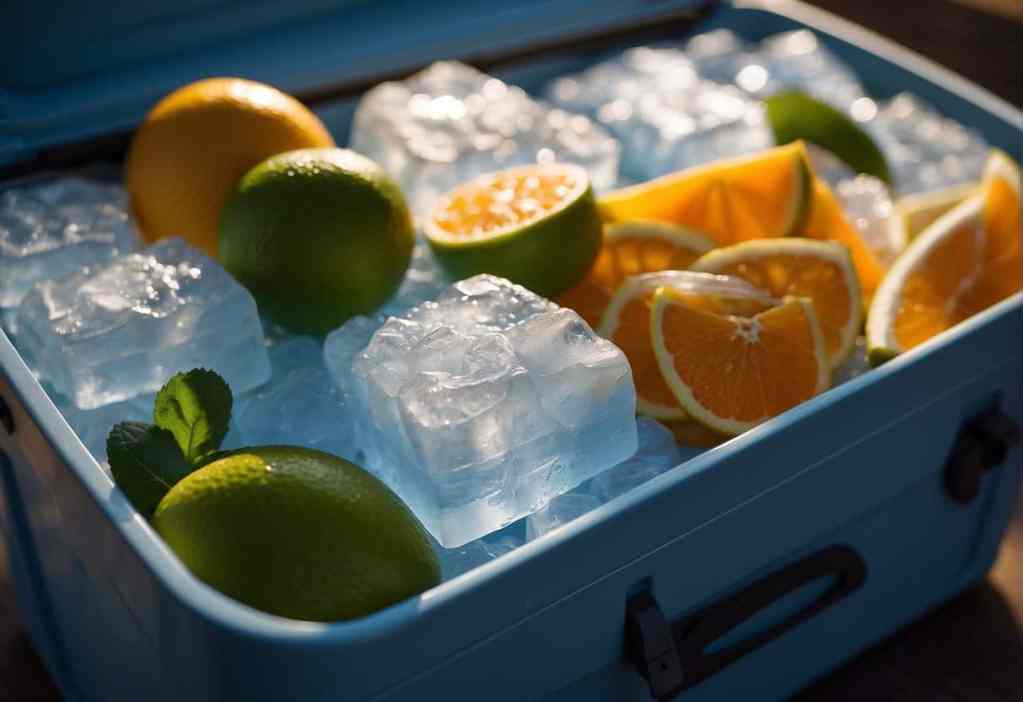
Finding the right ratio of food to ice is crucial for keeping your items cold throughout the day. A good rule of thumb is to use a 2:1 ratio of ice to food. This will help ensure that your items stay chilled without getting soggy.
Separating Food and Drinks
Separating your food and drinks can help prevent cross-contamination and keep your items organized. Use separate containers or bags for each type of item and label them accordingly. This will make it easier to find what you need and prevent any spills or leaks.
Overall, packing a cooler requires a bit of planning and strategy. By following these tips, you can ensure that your food and drinks stay fresh and cool throughout the day.
Effective Ice Use in Coolers
When it comes to packing a cooler, managing ice is crucial. You want to keep your food and drinks cold without getting waterlogged. Here are some tips to help you manage ice effectively.
Using Block Ice and Cubed Ice
The best way to manage ice is to use a combination of block ice and cubed ice. Block ice lasts longer and melts slower than cubed ice, while cubed ice cools your contents faster. Use block ice at the bottom of your cooler and cubed ice on top to get the best of both worlds.
The Role of Dry Ice
If you’re looking for a longer-lasting ice option, consider using dry ice. Dry ice is much colder than regular ice and can last up to three days. However, it’s important to handle dry ice with care. Don’t touch it with bare hands and make sure to store it in a well-ventilated area.
Preventing Waterlogging
One of the biggest issues with packing a cooler is getting waterlogged. To prevent this, make sure to drain any melted water regularly. You can also use a layer of insulation, such as a towel or a piece of cardboard, between the ice and your contents to keep them dry.
In Conclusion, managing ice is key to keeping your cooler contents cold and dry. Use a combination of block and cubed ice, consider using dry ice for longer-lasting cooling, and prevent waterlogging by draining melted water regularly and using insulation.
Keeping Food Safe and Fresh in Coolers
When packing a cooler, it’s essential to consider food safety and preservation. Proper food handling and storage can prevent foodborne illnesses and keep your food fresh for longer. Here are some tips to help you maintain safe temperatures, protect fragile items, and use frozen water bottles effectively.
Maintaining Safe Temperatures
To maintain safe temperatures, pack perishable foods directly from the refrigerator or freezer into the cooler. Meat and poultry may be packed while still frozen as it will stay colder longer. Keep your cooler in shaded areas and avoid prolonged exposure to sunlight to help maintain lower temperatures. Use an appliance thermometer to ensure that your cooler stays below 40°F (4°C).
Protecting Fragile Items
Fragile items such as eggs and salads need extra care when packing. Place them in the center of the cooler, surrounded by other items to prevent them from moving around. Use a container with a tight-fitting lid to keep them secure and avoid crushing.
Using Frozen Water Bottles
Frozen water bottles can help keep your cooler cold without the mess of melting ice. Make your own by freezing water bottles or milk cartons. Store food in watertight containers or plastic bags to keep out melting ice. Divide large portions into smaller bags or containers to help them chill faster and make serving easier.
Remember to practice good food safety habits when packing a cooler. Keep your hands clean, and use separate cutting boards and utensils for raw and cooked foods. Follow these tips to ensure that your food stays fresh, and you stay healthy while enjoying your outdoor activities.
Special Tips for Cooler Use

Dealing with Wildlife
When camping or hiking in areas with wildlife, it’s crucial to keep your food and cooler secure. Consider purchasing a lock or bear-resistant cooler to prevent animals from accessing your food. Store your cooler away from your sleeping area and use a bear-resistant container if required by the park or campground.
Coolers for Extended Trips
If you’re going on a longer trip, consider using a cooler with thicker walls and better insulation. This will keep your food and drinks colder for longer periods of time. Additionally, pack your cooler with as much ice as possible and keep it in a shaded area to prolong its cooling abilities.
Accessorizing Your Cooler
Accessorizing your cooler can make your trip more enjoyable. Consider purchasing a cooler light or a cooler fan to keep the air circulating. A cooler cushion can provide additional seating and comfort. You can also use a cooler rack to separate your food and drinks, making it easier to find what you need. Finally, consider using dry ice instead of regular ice for a longer-lasting cooling effect.
Remember to always follow the park or campground’s regulations on food storage. By taking these special considerations into account, you can ensure that your cooler keeps your food and drinks cold and secure during your trip.
Maximizing Your Cooler’s Efficiency
When it comes to packing a cooler, optimizing its use is key to keeping your food and drinks fresh and cool. Follow these tips to make the most of your cooler.
Positioning for Shade and Airflow
When you’re setting up your cooler, it’s important to position it in a shaded area to prevent it from getting too hot in the sun. Additionally, make sure to leave some space around the cooler for airflow, which will help keep the contents cool.
Managing Ice Refills and Drainage
To keep your cooler cold, you’ll need to manage the ice refills and drainage. Be sure to follow the 2:1 ratio of ice to goods, using a combination of block ice and cubed ice. As the ice melts, make sure to drain the water to prevent your food from getting soggy.
Transport and Handling Tips
Transporting your cooler can be tricky, especially if you’re moving it around frequently. To make things easier, consider investing in a cooler with wheels or handles. When you’re handling the cooler, be careful not to tip it over, as this can cause the contents to spill.
Overall, optimizing your cooler use is essential to keeping your food and drinks fresh and cool. By following these tips, you can ensure that your cooler is working at its best, no matter what the conditions may be.
Cooler Packing FAQs
What is the most efficient way to arrange cans in a cooler?
Stack cans vertically to save space, and use a layer of ice packs to keep them cold. Fill in any gaps with more ice.
What are the best practices for using ice packs in a cooler?
Pre-chill ice packs in the fridge or freezer before use. Place them at the bottom of the cooler, followed by a layer of food, then more ice packs. Repeat as necessary.
Can you provide tips for packing a cooler for extended road trips?
Pack perishable items in the bottom of the cooler, followed by ice packs, then non-perishable items. Keep the cooler in the shade and replenish ice as needed.
How should one utilize dry ice when packing a cooler?
Dry ice is best used with regular ice to keep items frozen for an extended period. Place dry ice at the bottom of the cooler, followed by a layer of regular ice, then food. Keep the cooler well-ventilated.
What is the optimal layering technique to keep items cold in a cooler?
Layer items in the cooler, starting with ice packs at the bottom, followed by a layer of food, then more ice packs. Repeat as necessary, and fill any gaps with ice.
Are there specific strategies for packing a cooler for air travel?
Check with the airline for specific guidelines on packing a cooler. Freeze food and drinks before packing, and use ice packs to keep them cold. Keep the cooler well-insulated and secure during travel.
Growing up in the Pacific Northwest, we’ve always felt at home in the outdoors. We created Evergreen Adventures PNW to share our love of hiking, camping, and exploring, and to help others discover the best adventures this region has to offer. Along with trip guides and tips, we also enjoy diving into the science behind the landscapes—thanks to a background in Environmental Science—because understanding nature makes every adventure even more meaningful.